Laurentius

1 Michelin Star
Our verdict
Holding a Michelin star in both 2024 and 2025, Laurentius sits on Weikersheim's market square and represents one of the more compelling arguments for fine dining in the Tauber Valley.

Pearl is the En Primeur Club membership app — saves, bookings, and concierge access live there. Same editors, same standards.
- Address
- Marktpl. 5, 97990 Weikersheim, Germany
- Phone
- +49 7934 91080
- Website
- hotel-laurentius.de
- Directions
- Get directions
- Booking
- Book on Tock
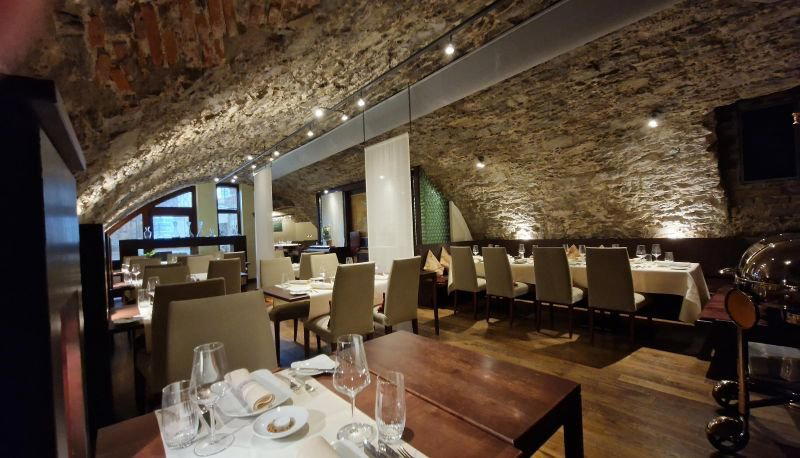
A Market Square Address in Germany's Tauber Valley
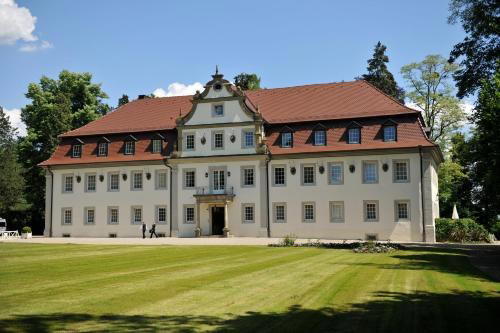
Weikersheim is the kind of small Franconian town that rarely appears in fine dining conversations dominated by Munich, Hamburg, or Berlin. Its market square, anchored by the Renaissance castle of the Hohenlohe counts, draws visitors for the architecture and the wine country surrounding it. What it does not advertise loudly is that one of its market-square addresses, Marktpl. 5, carries a Michelin star, confirmed in both 2024 and 2025. The setting matters here: arriving on foot across the cobbled square, the restaurant occupies a position that Germany's Michelin-starred dining rarely does, planted in a small town of fewer than 8,000 residents rather than in an urban dining district. For context on what Germany's fine dining circuit typically looks like, you might consult our wider range of reviewed restaurants, from JAN in Munich to Schwarzwaldstube in Baiersbronn and Restaurant Haerlin in Hamburg. Laurentius operates at a remove from all of them, geographically and in character.
Classic Cuisine as a Deliberate Position
The German fine dining circuit has spent the last decade fragmenting. Creative tasting menus, dessert-led formats like CODA Dessert Dining in Berlin, and multi-influence fusion programmes at venues such as Aqua in Wolfsburg now occupy the same Michelin tier as more traditional European kitchens. Against that backdrop, a classification of classic cuisine is a deliberate declaration. It signals a kitchen oriented around technique-led cooking with recognisable culinary grammar, where sauces carry weight, protein cookery is disciplined, and the meal follows a logical progression rather than a conceptual arc. This is the same broad tradition that Schwarzwaldstube in Baiersbronn occupies at a higher star count and that classic French houses elsewhere in Europe, including Maison Rostang in Paris, have maintained across decades. Laurentius operates in that lineage, which at the €€€€ price tier implies a kitchen making a serious case for why restrained classical cooking earns its place alongside more experimental peers.
Chef Domenico Francone and the Italian-German Crossover
The intersection of Italian culinary sensibility with German fine dining is not as unusual as it might appear on a map. Germany has a substantial history of Italian-trained or Italian-origin chefs working within the Michelin ecosystem, where classical rigour from both traditions tends to overlap. Chef Domenico Francone leads the kitchen at Laurentius, and the Italian surname in a Franconian market-square restaurant is itself a signal about how regional German fine dining sources its talent. It also points toward what might distinguish the cooking: Italian influence within a classical framework frequently produces a lighter hand with acidity, a greater comfort with simplicity at the plate level, and a preference for ingredient quality over elaborate construction. For comparison, KOMU in Munich sits in a similar lane of classic cuisine where cross-cultural influence disciplines the kitchen's approach. None of this is confirmed detail about specific dishes at Laurentius; it is the context that a chef name and cuisine classification together imply, and the Michelin star, held across two consecutive guide years, validates that whatever the approach, it delivers at the level the inspection process demands.
Where Laurentius Sits in the Regional Competitive Set
Baden-Württemberg and the broader Southwest Germany wine corridor contain a handful of Michelin-starred addresses that draw destination diners. ES:SENZ in Grassau and Schanz in Piesport both represent the model of starred kitchens embedded in wine-country landscapes, often attached to hotel properties or in towns whose primary draw is the surrounding terrain. Laurentius differs in that it occupies a historic market square in a town where the Tauber Valley wine trail and the castle grounds are the main cultural anchors. The restaurant is not a destination hotel add-on; it is a town-centre address in a community that has been making wine since the medieval period. That framing matters for understanding who travels to eat here. A diner coming specifically to Weikersheim for Laurentius is likely combining it with the wine tourism infrastructure that the Tauber Valley supports, whereas a diner in transit between Frankfurt and Stuttgart might identify it as the most credentialled dining stop along a rural routing. Either way, the Michelin star provides the clearest calibration signal: this kitchen is being judged against Germany's full range of one-star addresses, not against a regional category.
The €€€€ Tier in Context
Germany's Michelin one-star tier covers a wide price spread. Some single-starred kitchens operate at €€€ pricing that puts them within reach of regular fine dining budgets; others, at €€€€, align themselves with the economics of two- and three-star peers elsewhere in Europe. Laurentius sits at the upper end of the price bracket, which in a town the size of Weikersheim is a meaningful commitment. Comparable €€€€ starred addresses in Germany, including Vendôme in Bergisch Gladbach and Victor's Fine Dining by Christian Bau in Perl, justify the price point through kitchen ambition and service architecture. At Laurentius, the price signal suggests a formal setting rather than a casual bistro register, a structured menu format, and service that matches the level implied by consecutive Michelin recognition.
Weikersheim Beyond the Plate
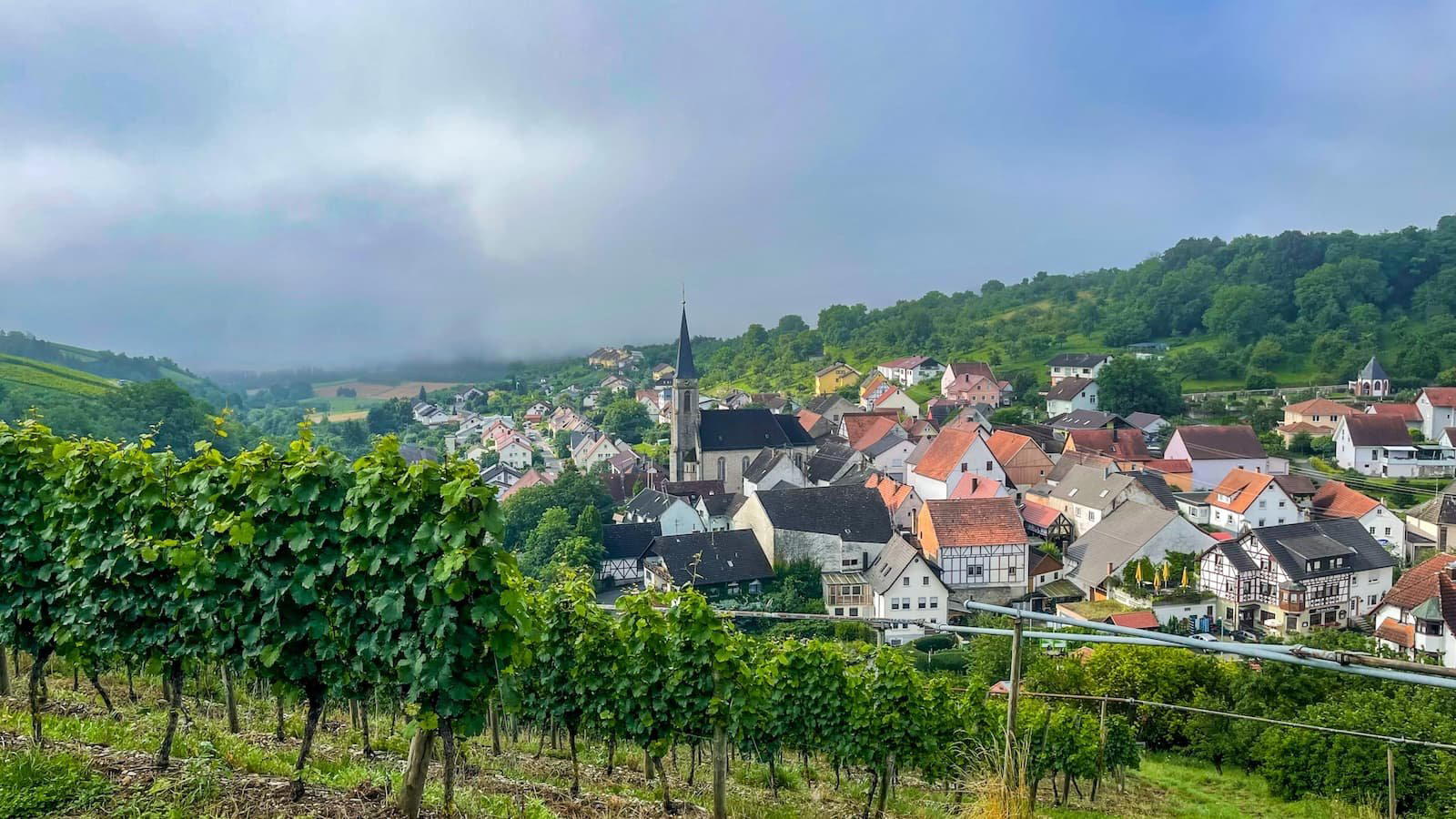
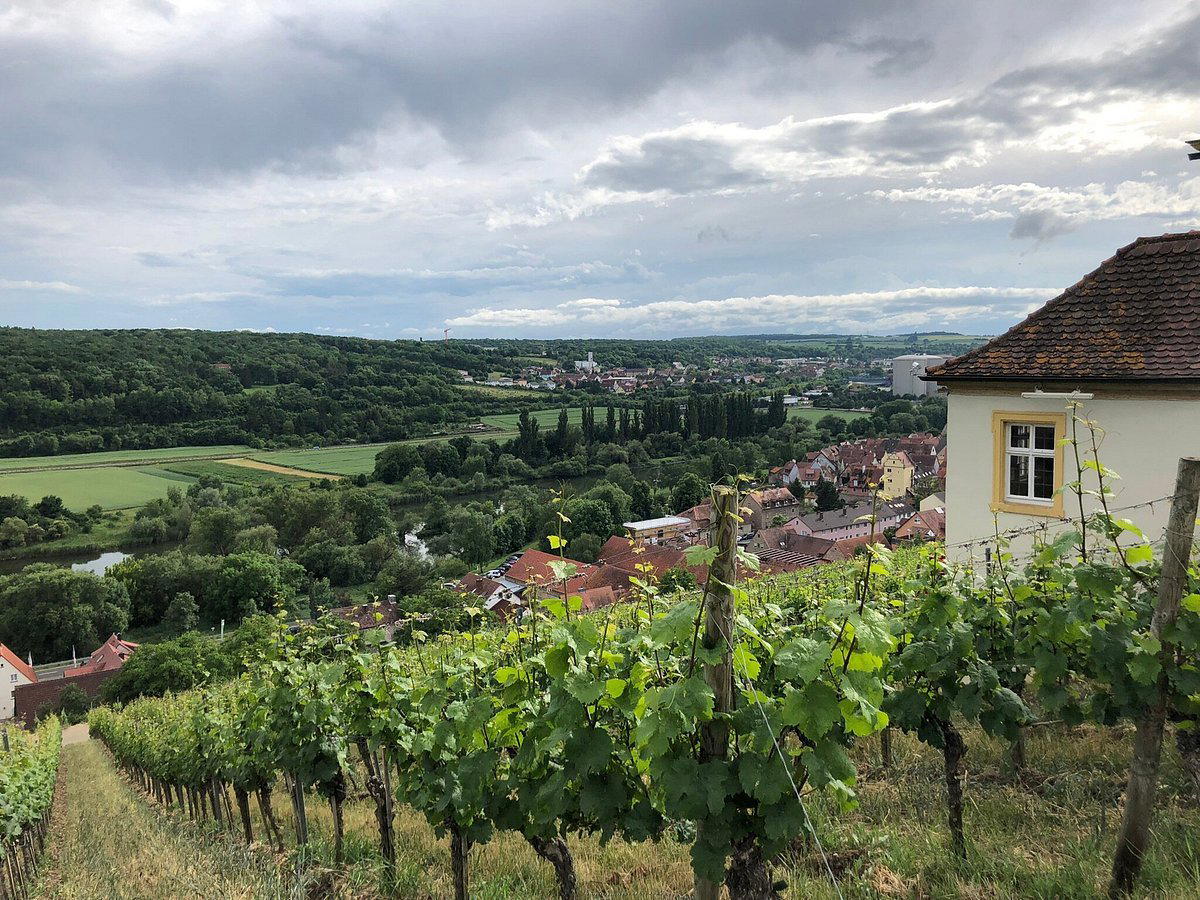
Dining at a restaurant this credentialled in a small wine-region town argues for building at least an overnight around it. The Tauber Valley is Franconian wine country, with Müller-Thurgau, Silvaner, and Tauberschwarz (a local red grape) produced across the surrounding hillside vineyards. Planning time for both a meal at Laurentius and exploration of the wider area is direct given the town's scale. For complete guidance across accommodation, bars, and local experiences, see our full Weikersheim hotels guide, our full Weikersheim bars guide, our full Weikersheim wineries guide, and our full Weikersheim experiences guide. The full picture of dining options in the town is covered in our full Weikersheim restaurants guide.
Planning a Visit
Laurentius is located at Marktpl. 5, 97990 Weikersheim, directly on the market square. At the €€€€ price point with consecutive Michelin star recognition, advance reservations are advisable; Michelin-starred restaurants in small German towns often run at high occupancy precisely because the seat count is modest relative to demand from both local and travelling diners. For those travelling from Frankfurt, the Tauber Valley is accessible by car in approximately 90 to 100 minutes, placing Weikersheim within realistic day-trip range while also making it a natural anchor for a longer wine-country itinerary. Dress code is unconfirmed, but the formality implied by the price tier and kitchen credentials suggests that smart casual at minimum is appropriate. Comparable starred addresses in Germany at this pricing level, such as Waldhotel Sonnora in Dreis and Bagatelle in Trier, typically maintain a dining room register that rewards dressing accordingly.
Frequently asked questions
Would Laurentius be comfortable with kids?
At the €€€€ price point with consecutive Michelin star recognition in 2024 and 2025, Laurentius is calibrated for adult dining occasions. The formal classic cuisine format and the investment required per cover make it a poor fit for young children.
How would you describe the vibe at Laurentius?
Laurentius sits directly on Weikersheim's market square — a small Tauber Valley town far removed from the noise of Munich or Berlin's dining scenes. The classic cuisine positioning signals a room where the cooking holds the attention, not theatrical staging or a loud crowd.
What's Laurentius known for in terms of accolades?
Laurentius has received recognition including: Michelin 1 Star (2025); Michelin 1 Star (2024).
What's the must-try dish at Laurentius?
What Domenico Francone's two consecutive Michelin stars confirm is that the kitchen's output in the classic cuisine framework is consistently credible — trust the chef's current seasonal direction.
A Quick Peer Check
| Venue | Cuisine | Price | Awards |
|---|---|---|---|
| LaurentiusThis venue — the venue you are viewing | Modern Regional German Fine Dining | $150–200 | 1 Michelin Star |
| Schwarzwaldstube | French, Classic French | Not listed | Michelin 3 Star |
| Aqua | Contemporary German, Italian/Japanese, Creative | Not listed | Michelin 3 Star |
| CODA Dessert Dining | Creative | Not listed | Michelin 2 Star |
| Tantris | Modern French, French Contemporary | Not listed | Michelin 2 Star |
| Vendôme | Modern European, Creative | Not listed | Michelin 2 Star |
Recognition history
Dated appearances from independent guides and award organizations, with the underlying list record or original source where available.
Michelin 1 Star
Michelin
Full recognition history (2 entries)
Michelin 1 Star
Michelin
Continue exploring
More in Weikersheim
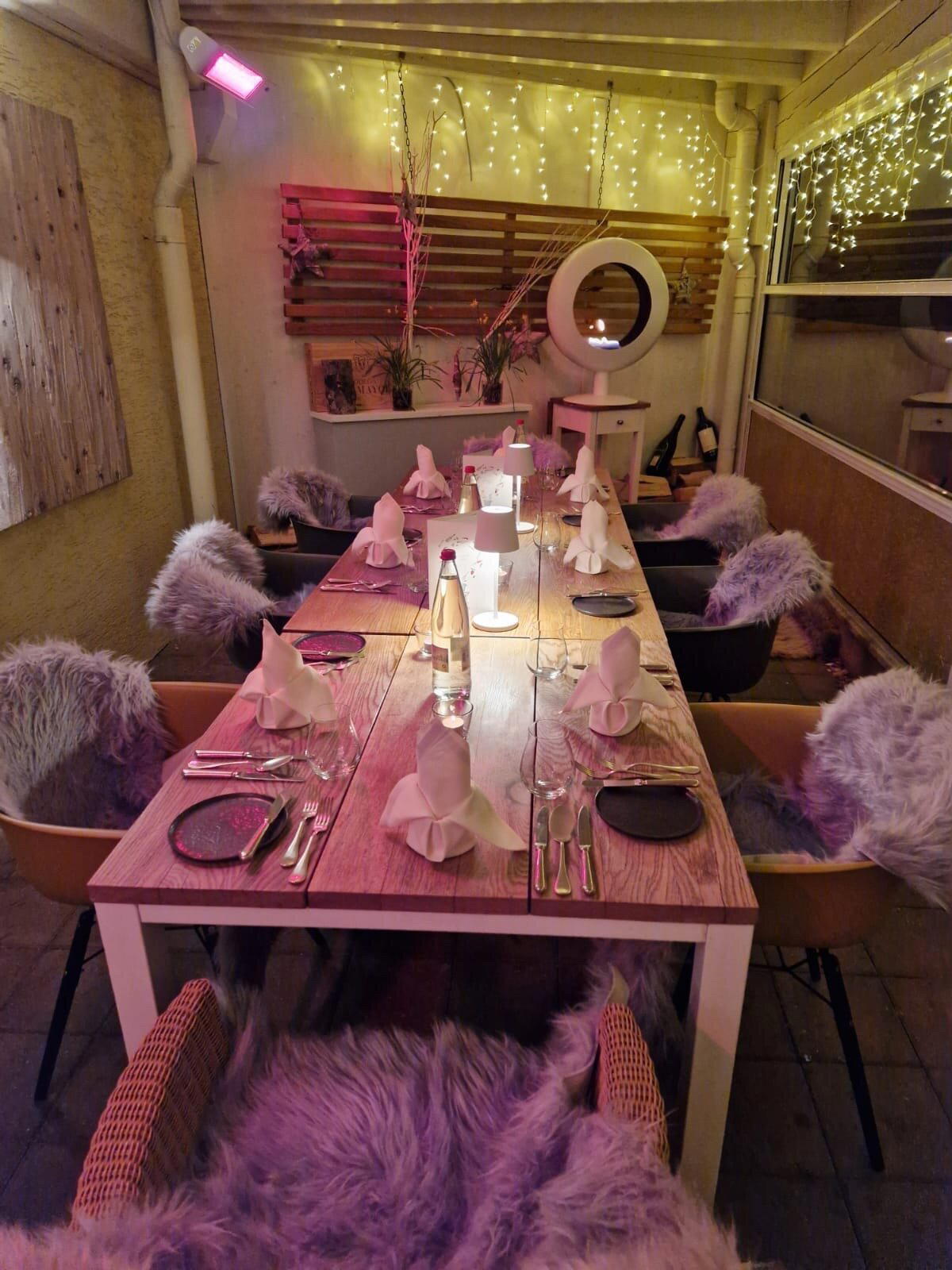
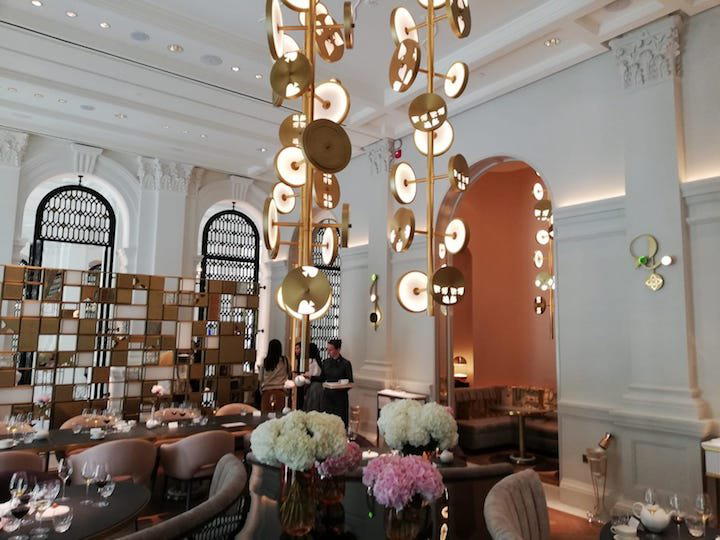
Restaurants in Weikersheim
Browse all →
Bars in Weikersheim
Browse all →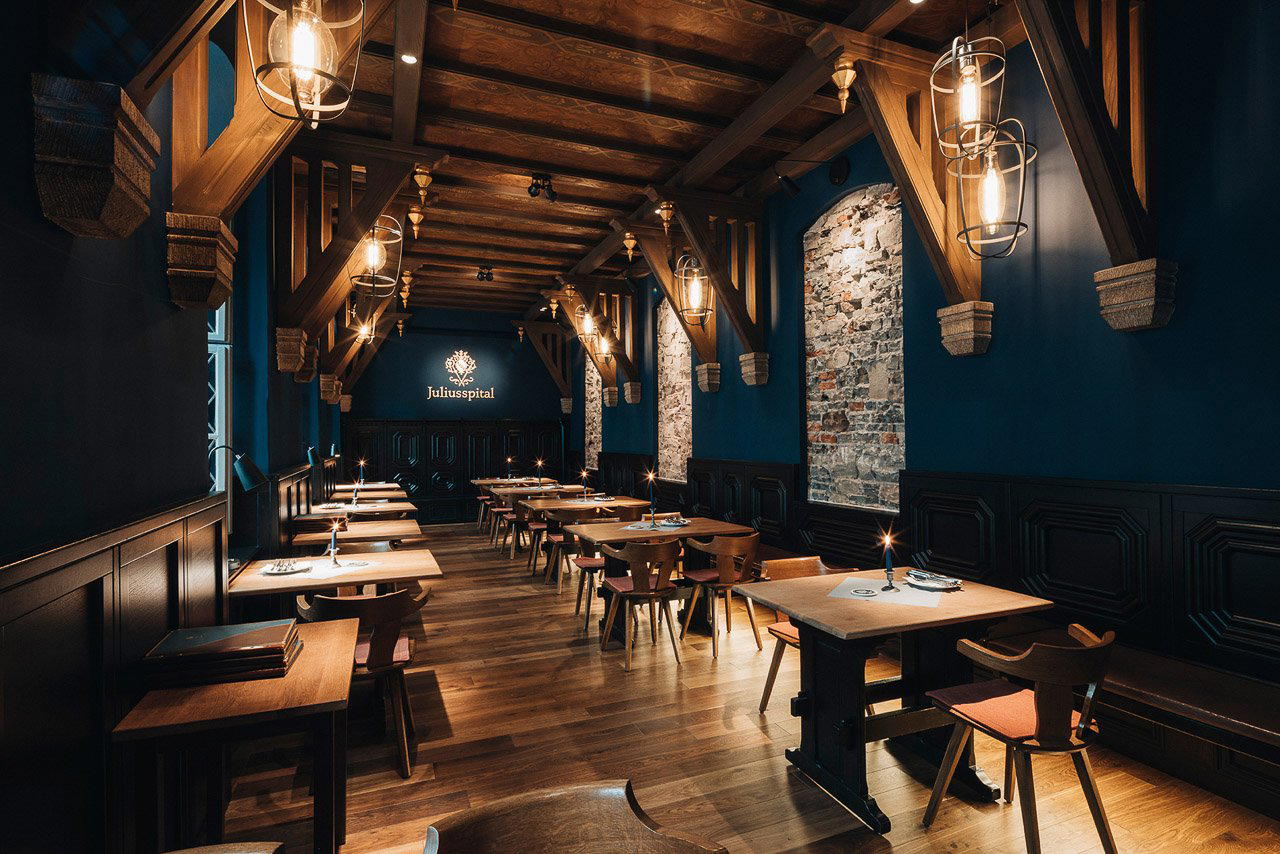
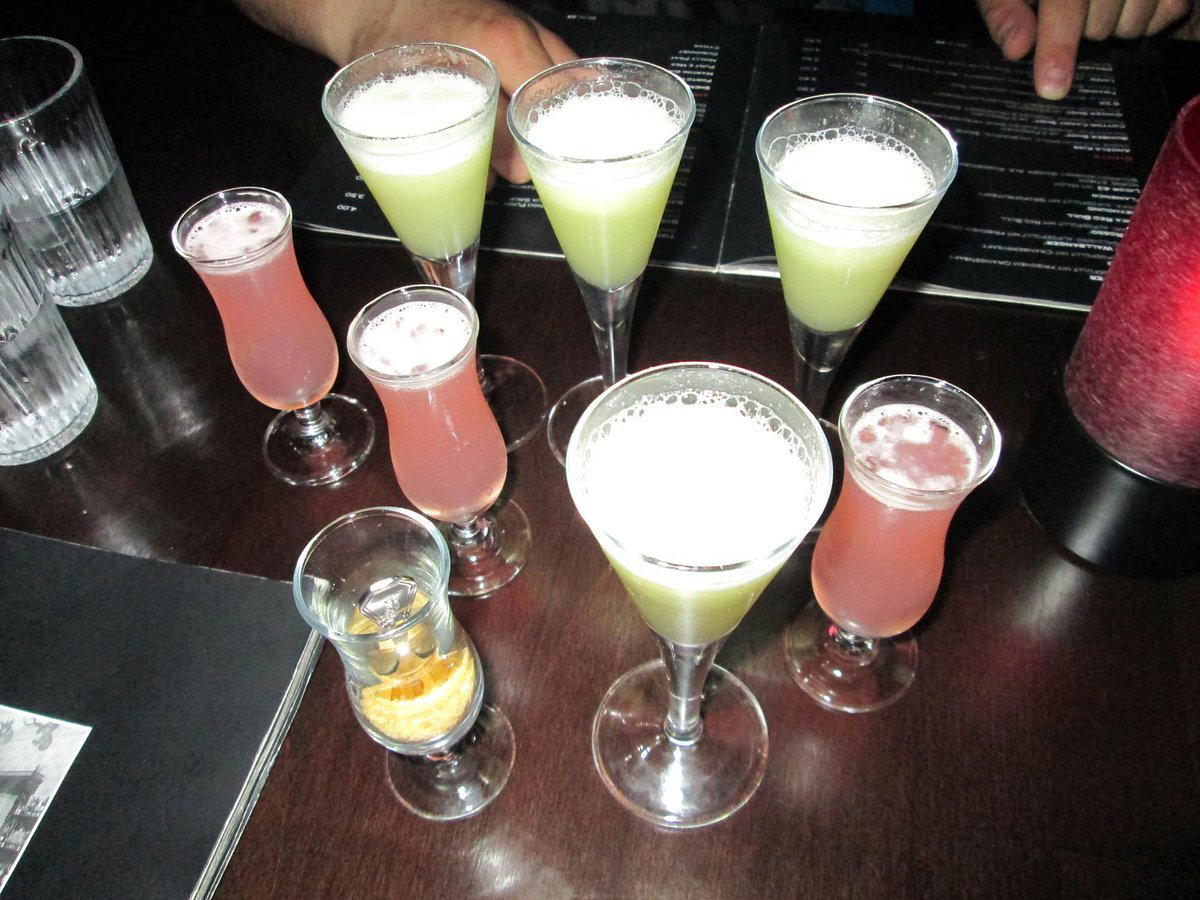
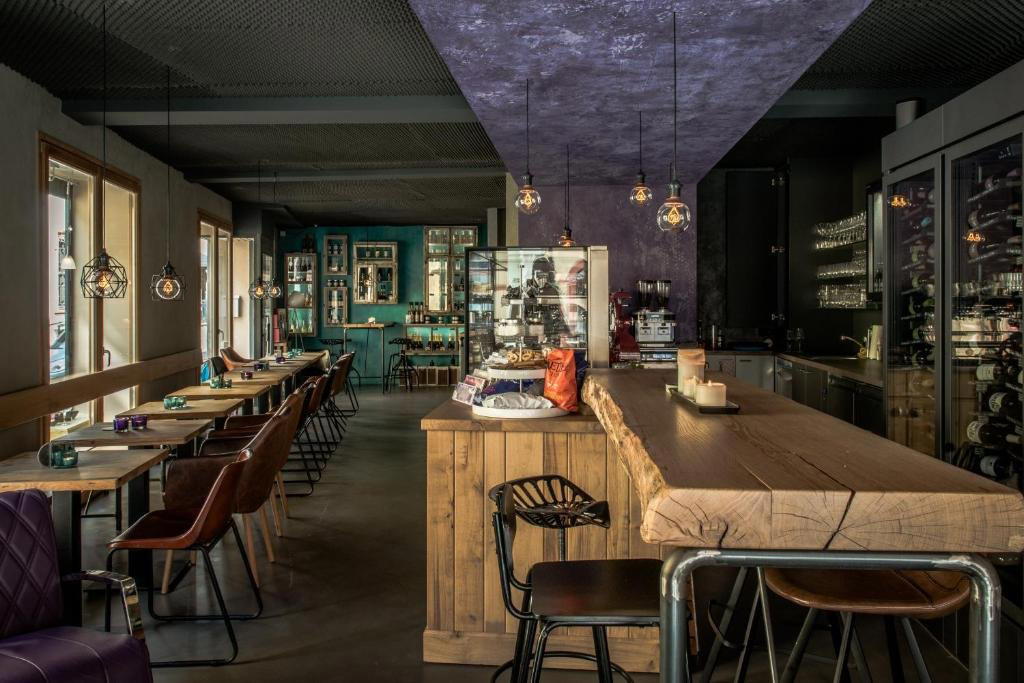
Hotels in Weikersheim
Browse all →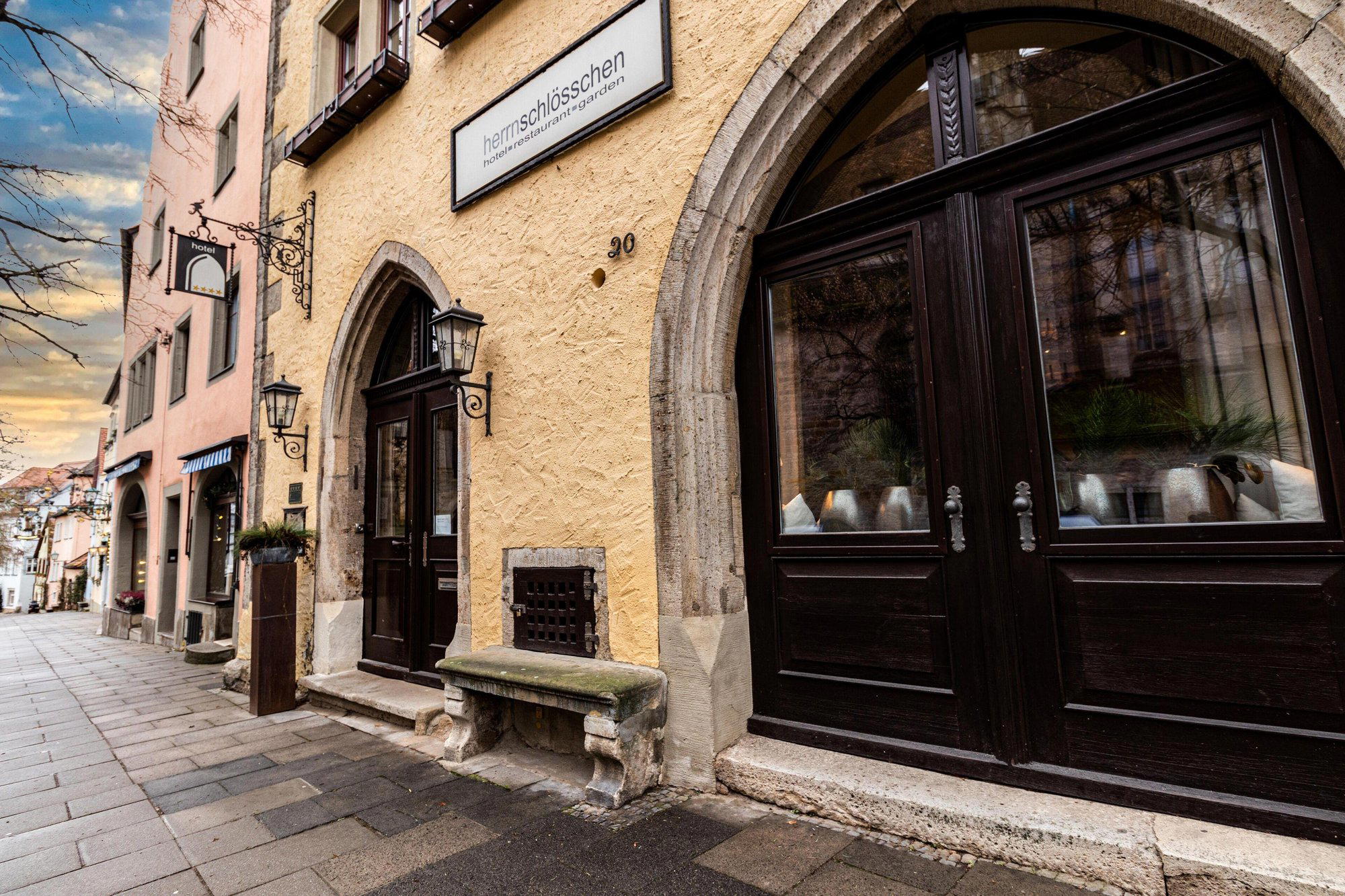
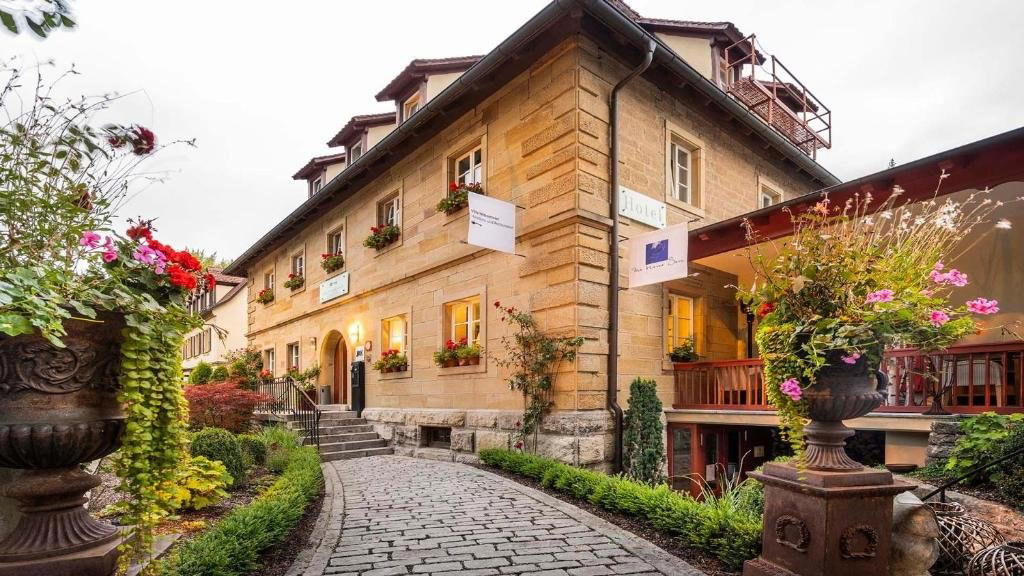
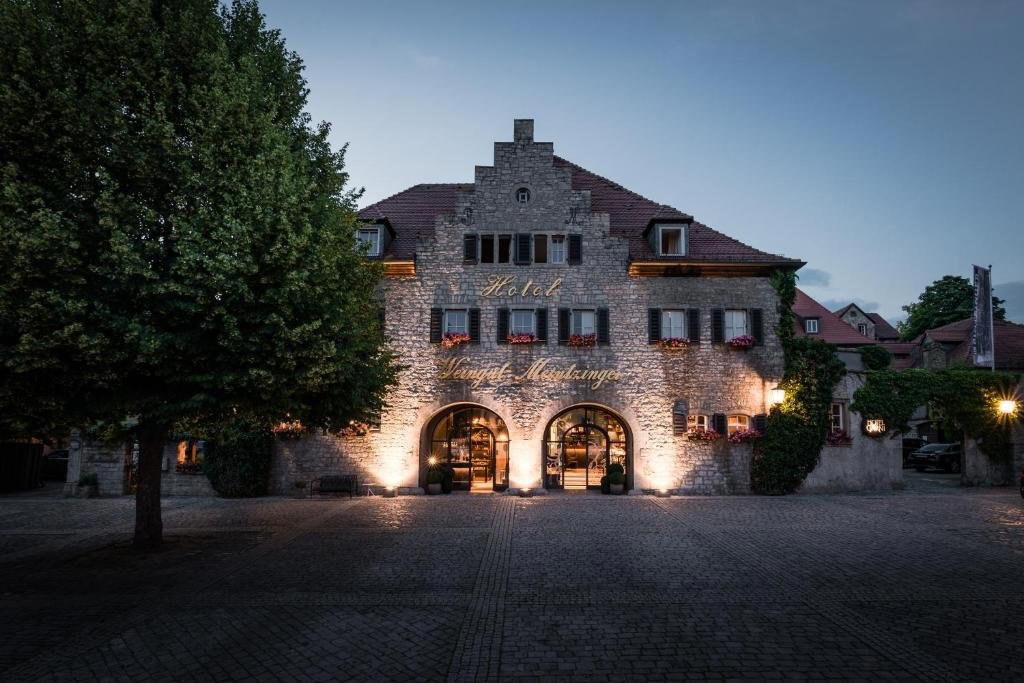

Details
- Elegant
- Romantic
- Cozy
- Sophisticated
- Classic
- Date Night
- Special Occasion
- Business Dinner
- Historic Building
- Extensive Wine List
- Local Sourcing
- Vineyard
- Street Scene
- Tasting Menu
- A La Carte
- Vegetarian Friendly
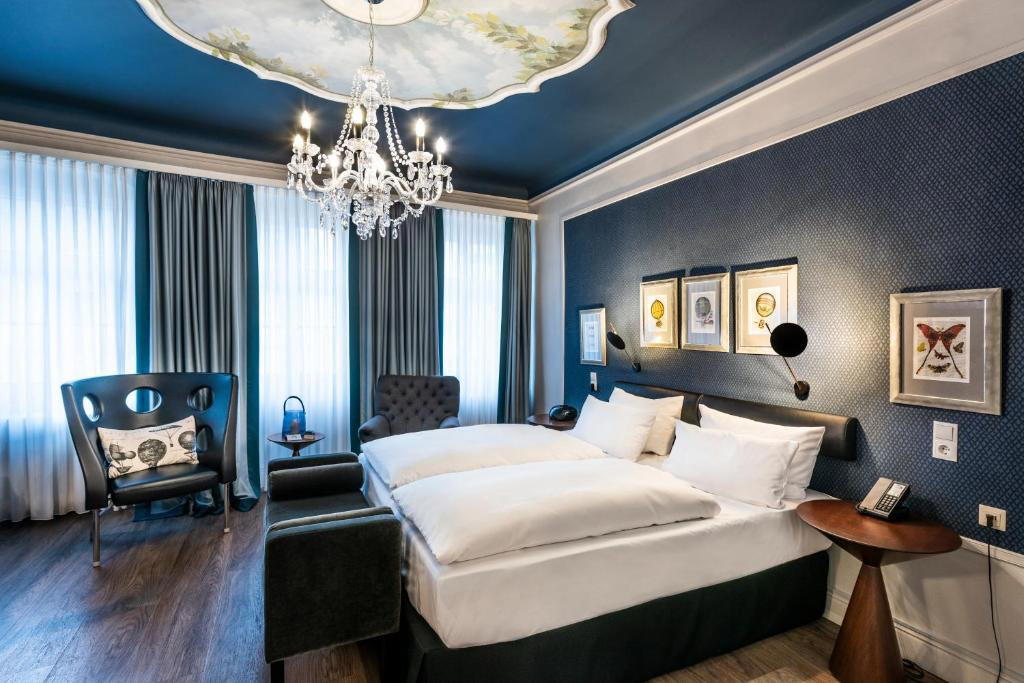
Warm and elegant atmosphere in a captivating natural stone barrel vault with modern interior design, cozy and stylish.