Buffalo Bill sits on Rua Henrique Coppi in the heart of Camboriú, Santa Catarina, a city that draws visitors from across Brazil's south for its coastal proximity and regional food culture. With limited published data available, the restaurant occupies a central address that places it within easy reach of Camboriú's main thoroughfares. See our full guide for context on the broader dining scene.
Pearl is the En Primeur Club membership app — saves, bookings, and concierge access live there. Same editors, same standards.
- Address
- Rua Henrique Coppi, 220 - Centro, Camboriú - SC, 88340-000, Brazil
- Phone
- +5547991796222
- Directions
- Get directions
 Saves & bookings on Pearl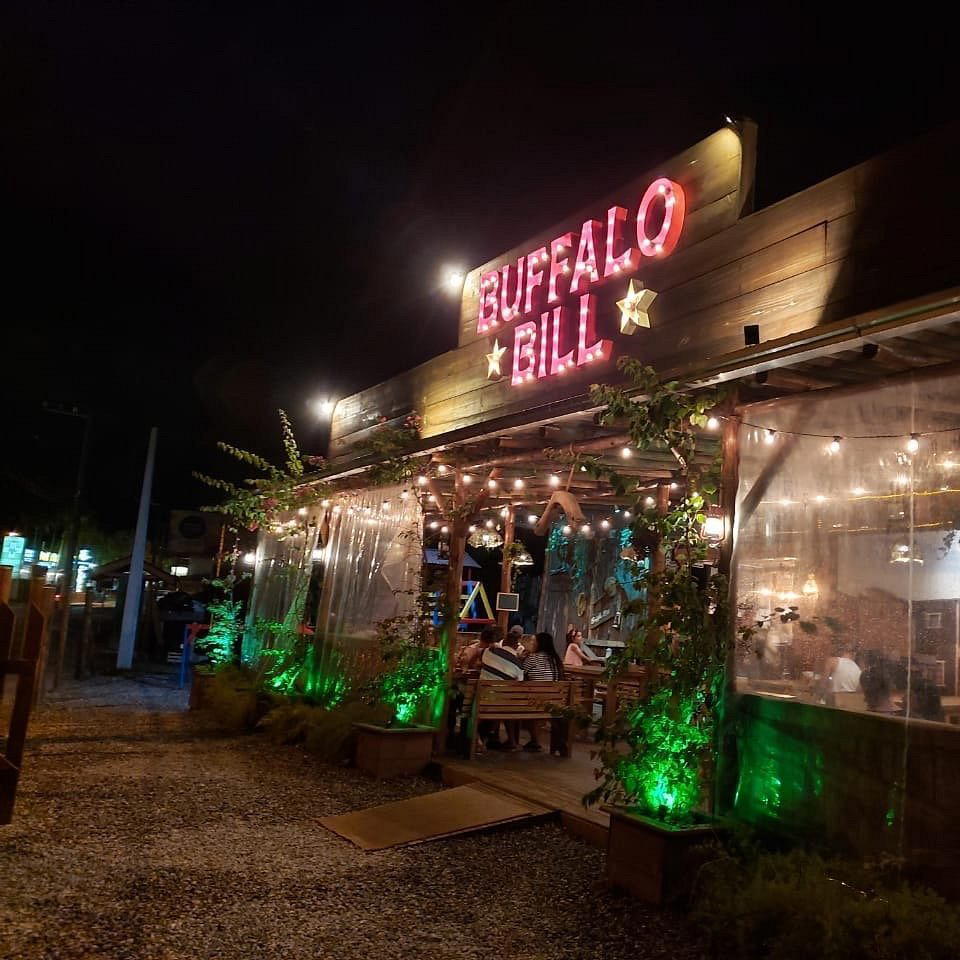
Camboriú's Dining Character and Where Buffalo Bill Sits
Santa Catarina's coastal corridor has quietly developed one of Brazil's more interesting regional dining scenes, distinct from the fine-dining institutions of São Paulo and Rio de Janeiro and more grounded in the produce rhythms of the south. Camboriú, smaller and less internationally profiled than its neighbour Balneário Camboriú, draws a clientele that is primarily domestic, and the restaurants that sustain themselves here tend to do so through consistency with local regulars rather than through award cycles or destination-dining tourism. Buffalo Bill Camboriu is an artisanal burgers and beer bar in Camboriú, Santa Catarina, at Rua Henrique Coppi, 220 in the Centro district. The Centro location is practical rather than scenographic: it places the restaurant within walking distance of the city's main commercial activity, which in a mid-sized Brazilian coastal city means a broad mix of families, workers, and weekend visitors from the interior of the state.
For readers familiar with Brazil's headline dining addresses, such as Oteque in Rio de Janeiro or D.O.M. in São Paulo, the frame of reference here is entirely different. Those addresses operate within formal critical circuits, with tasting menus priced at the summit of the national bracket and ingredient sourcing that functions as editorial statement. Camboriú's dining culture operates closer to the everyday: the sourcing questions that matter here are about regional supply chains, proximity to the Atlantic coast, and the agricultural production of Santa Catarina's interior, rather than about rare Amazonian ingredients or international technique.
The Ingredient Geography of Santa Catarina
Santa Catarina is one of Brazil's most agriculturally productive states, with a food economy shaped by European immigration (predominantly German and Italian) and a coastal geography that makes fresh seafood a structural part of the regional diet. The state produces significant quantities of pork, poultry, and grains, and its fishing industry supplies restaurants across the south with fresh catches from the South Atlantic. For a restaurant operating in the Centro of Camboriú, the practical sourcing reality is proximity to that supply network: fish markets, regional producers, and the wholesale infrastructure that serves the entire coastal strip between Itajaí and Itapema.
This is a different sourcing narrative from the one told by restaurants such as Orixás in Itacaré or Mina in Campos do Jordão, where the sourcing story is explicitly part of the menu's identity and often its marketing. In Camboriú's everyday dining tier, sourcing tends to be embedded in practice rather than declared on menus: the fish is local because local is what the suppliers deliver, the meat is from the south because that is where the production is. That structural proximity to good raw material is one reason the south of Brazil consistently produces solid everyday dining even at addresses that never appear in national press.
Restaurants in similar positions across Brazil's secondary coastal cities, such as Manga in Salvador or Lobby Café in Belém, demonstrate how strongly regional ingredient culture shapes even mid-register dining. The cook who has access to good Atlantic fish and Santa Catarina pork is working with better raw material than many urban restaurants in landlocked cities.
What the Address Tells You About the Experience
A Centro address in a Brazilian coastal city of Camboriú's scale typically signals a certain kind of operation: accessible rather than destination-oriented, open to walk-ins and regulars alike, and structured around the kind of cooking that works for lunch trade and family dinners rather than extended tasting formats. The physical environment of Rua Henrique Coppi and the broader Centro grid is commercial and functional, not the kind of street that draws comparison to the resort-facing dining strips of Balneário Camboriú a few kilometres south.
For the reader planning a visit, the practical details matter most. You are arriving at a neighbourhood address in a working Brazilian city, and the experience should be read accordingly. The appropriate comparisons are with other solid regional operations in the Brazilian south, such as Aero Burguer e Grill in Santa Cruz do Sul or Castelo Saint Andrews in Gramado's Vale do Bosque, rather than with the formal dining tier represented by Manu in Curitiba or Primrose in Gramado.
Planning a Visit
Camboriú is most heavily visited during the Brazilian summer, from December through February, when the coastal strip between Florianópolis and Itajaí fills with domestic tourists. During those months, even addresses without national profiles can run at capacity on weekends. The shoulder months of April through June and August through October represent quieter conditions, with the city operating closer to its residential rhythm. For a Centro address like Buffalo Bill, the practical advice is to arrive with some flexibility: the restaurant is walk-in friendly, so checking hours on arrival is sensible. The address on Rua Henrique Coppi, 220 is confirmed. For a broader orientation to what Camboriú offers across different dining registers, see our full Camboriú restaurants guide.
Readers building a broader Brazilian itinerary should note that the south of Brazil rewards sequential exploration. Olivetto in Campinas and Birosca S2 in Belo Horizonte offer reference points for the range between everyday and formal dining elsewhere in the country. At the international level, the sourcing discipline evident at Le Bernardin in New York or the community-embedded format of Lazy Bear in San Francisco illustrate how differently ingredient provenance can function when it becomes the explicit editorial frame of a restaurant, a contrast that helps clarify what regional Brazilian dining does differently, and often more quietly. For açaí and regional specialities elsewhere in Brazil, Açaí Cuiabano in Cuiabá and Açaí da Barra in Presidente Prudente provide a useful comparison of how the same regional ingredient is handled across Brazil's interior. Across the Espírito Santo region, State of Espírito Santo in Rio Bananal is another data point for how Brazil's less-profiled states maintain their own distinct food cultures.
Quick Comparison
Comparable venues nearby, for context on price, style, and recognition.
| Venue | Cuisine | Price | Notes |
|---|---|---|---|
| Buffalo Bill CamboriuThis venue — the venue you are viewing | Artisanal Burgers & Beer Bar | $$ | Not listed |
| Restaurante Kioski das Delícias | Brazilian & Italian Home-style | $$ | City Center |
| Dinner Restaurante Hambúrgueria | American Hamburgueria | $$ | Centro |
| Forneria Catarina | Wood-Fired Italian Pizza | $$ | Centro |
| Distrito Burger | Burgers | $$ | lively neighborhood |
| VEGAN HEART | Vegan American Burgers | $$ | Centro |

At a Glance
- Lively
- Trendy
- Casual
- Casual Hangout
- After Work
- Group Dining
- Standalone
- Beer Program
- Craft Cocktails
Current opening hours
- Monday
- Closed
- Tuesday
- 6:30–11:45 PM
- Wednesday
- 6:30–11:45 PM
- Thursday
- 6:30–11:45 PM
- Friday
- 6:30–11:45 PM
- Saturday
- 6:30–11:45 PM
- Sunday
- 6:30–11:45 PM
Hours can change for holidays and private events. Last verified .
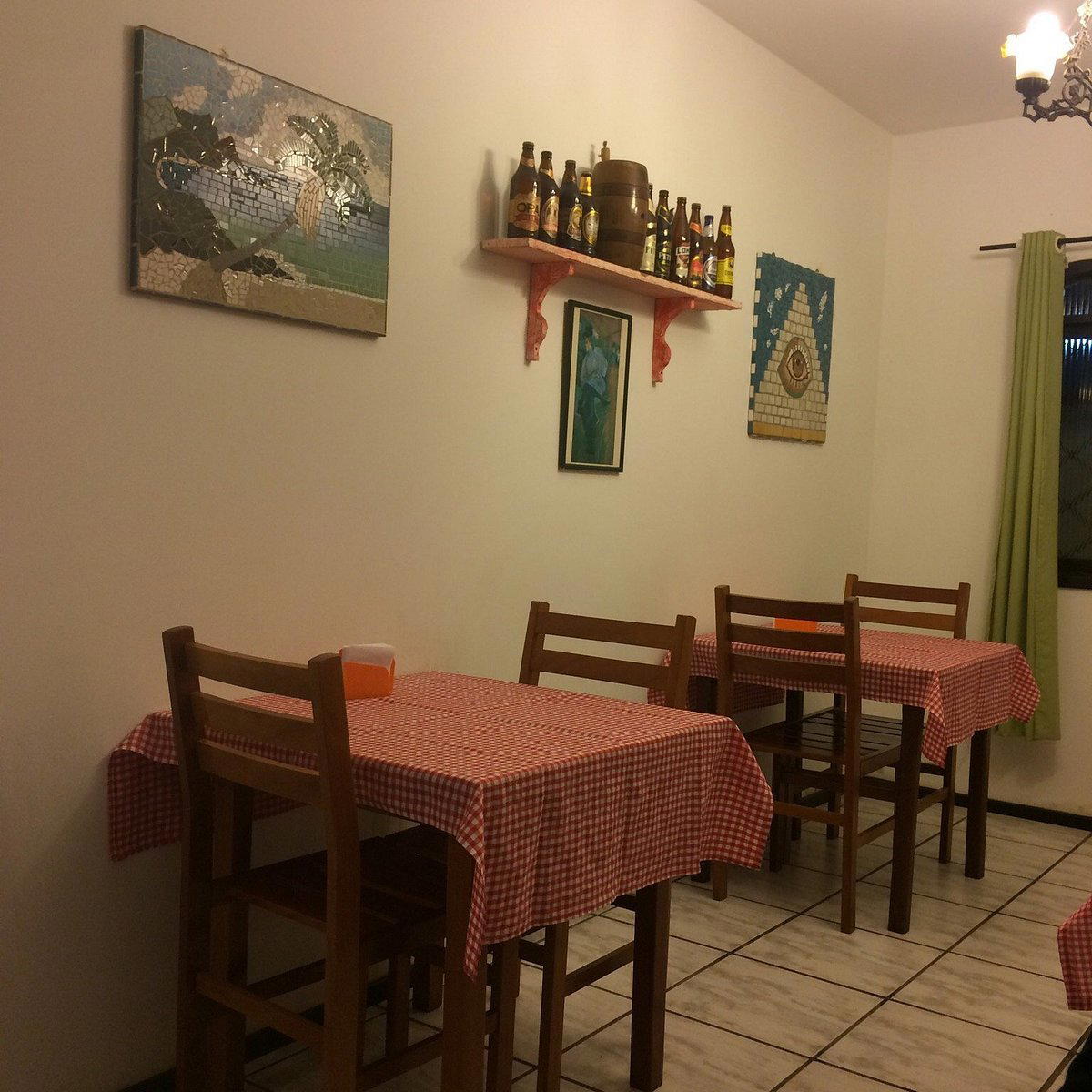
Casual and energetic atmosphere with a focus on craft beer and quality burgers.