Cantina Famiglia Mantovani
Our verdict
A family-style Italian cantina on Rua Dom Miguel in Balneário Camboriú's Vila Real neighbourhood, Cantina Famiglia Mantovani draws on the Italian immigrant dining traditions that run deep through Santa Catarina's interior. The format here is rooted in communal eating, generous portions, and the unhurried pacing of a long Sunday lunch rather than the resort-strip spectacle that defines much of the city's dining scene.

Pearl is the En Primeur Club membership app — saves, bookings, and concierge access live there. Same editors, same standards.
- Address
- R. Dom Miguel, 271 - Vila Real, Balneário Camboriú - SC, 88331-440, Brazil
- Phone
- +554733679263
- Hours
- Mon ClosedTue–Sat 12–3 PM, 7:30–11 PMSun 12–4 PM
- Website
- facebook.com
- Directions
- Get directions
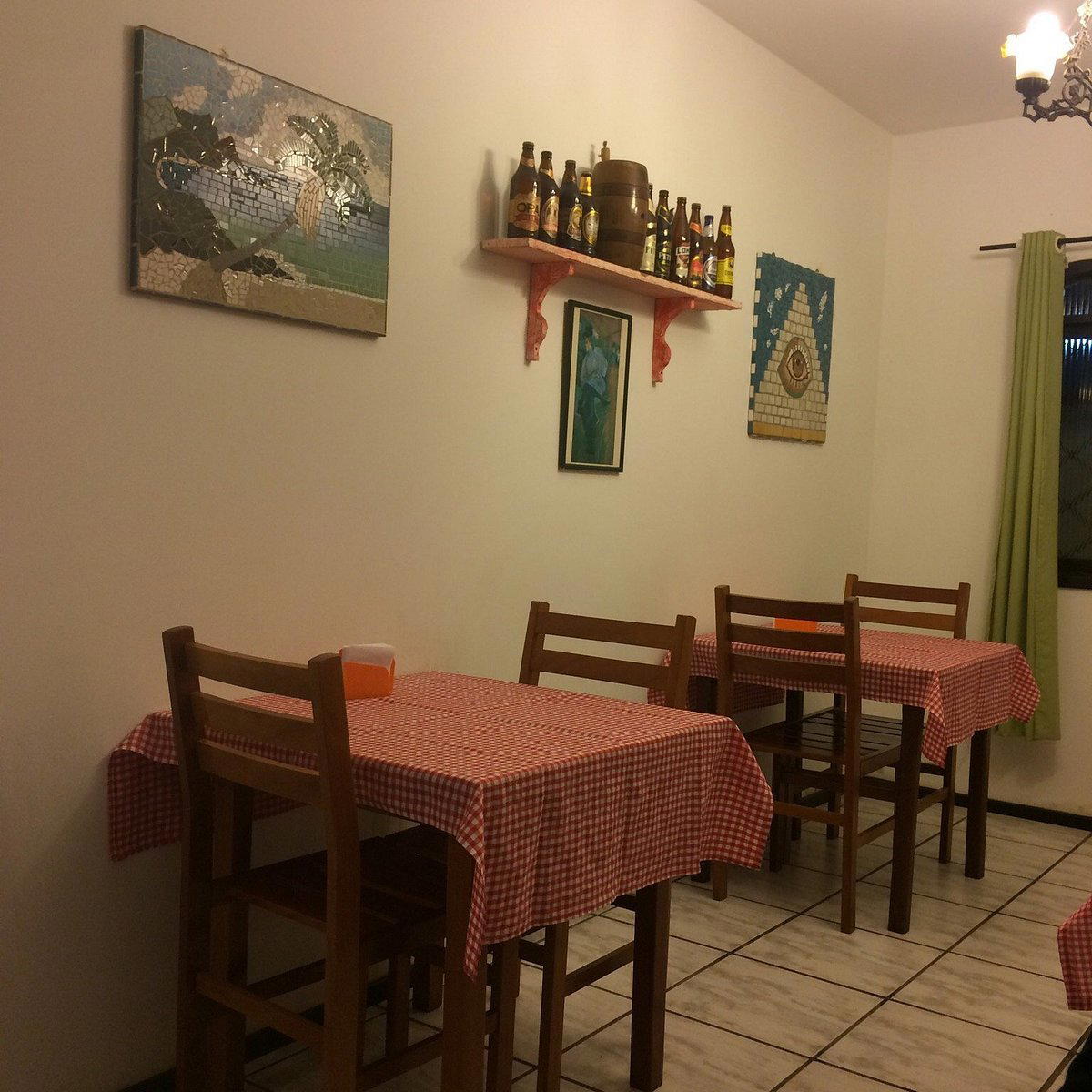
Where the Meal Sets Its Own Clock
Balneário Camboriú has two dining registers. One faces the ocean and the tourist economy: loud, fast, and geared toward the beachfront crowds that fill the city between December and Carnival. The other runs quietly through residential streets and neighbourhood addresses, shaped less by footfall and more by the expectations of regulars who arrive hungry and plan to stay. Cantina Famiglia Mantovani, at Rua Dom Miguel 271 in Vila Real, belongs to the second category. The address itself signals intent: Vila Real sits away from the Avenida Brasil strip, and a cantina format in this part of the city is making an implicit argument about how lunch or dinner should proceed.
That argument is worth understanding before you go. The cantina tradition in southern Brazil traces directly to Italian immigration, concentrated in Santa Catarina and Rio Grande do Sul from the late nineteenth century onward. Families from Veneto, Lombardy, and Mantova (the region implied in this cantina's name) arrived and reconstructed a version of their domestic food culture in a new climate, with locally available ingredients. What survived the translation was not so much specific dishes as a set of eating customs: the table as social infrastructure, the meal as an extended event, wine as a given rather than an accessory. That tradition is what differentiates a cantina from a generic Italian restaurant, and it is the lens through which Cantina Famiglia Mantovani should be read.
The Logic of the Cantina Format
In the cantina model, the meal has a rhythm that the diner is expected to follow rather than override. You sit, you wait for the table to fill or the kitchen to begin sending dishes, and you eat in sequence dictated by the house rather than by individual impatience. This is not a format for those who want to order quickly and leave. It is a format for those who understand that the time spent at the table is part of the value being exchanged. Across southern Brazil, cantinas that have held this format for multiple generations tend to attract a clientele that actively chooses the pace, often making the same reservation week after week because the ritual itself is the point.
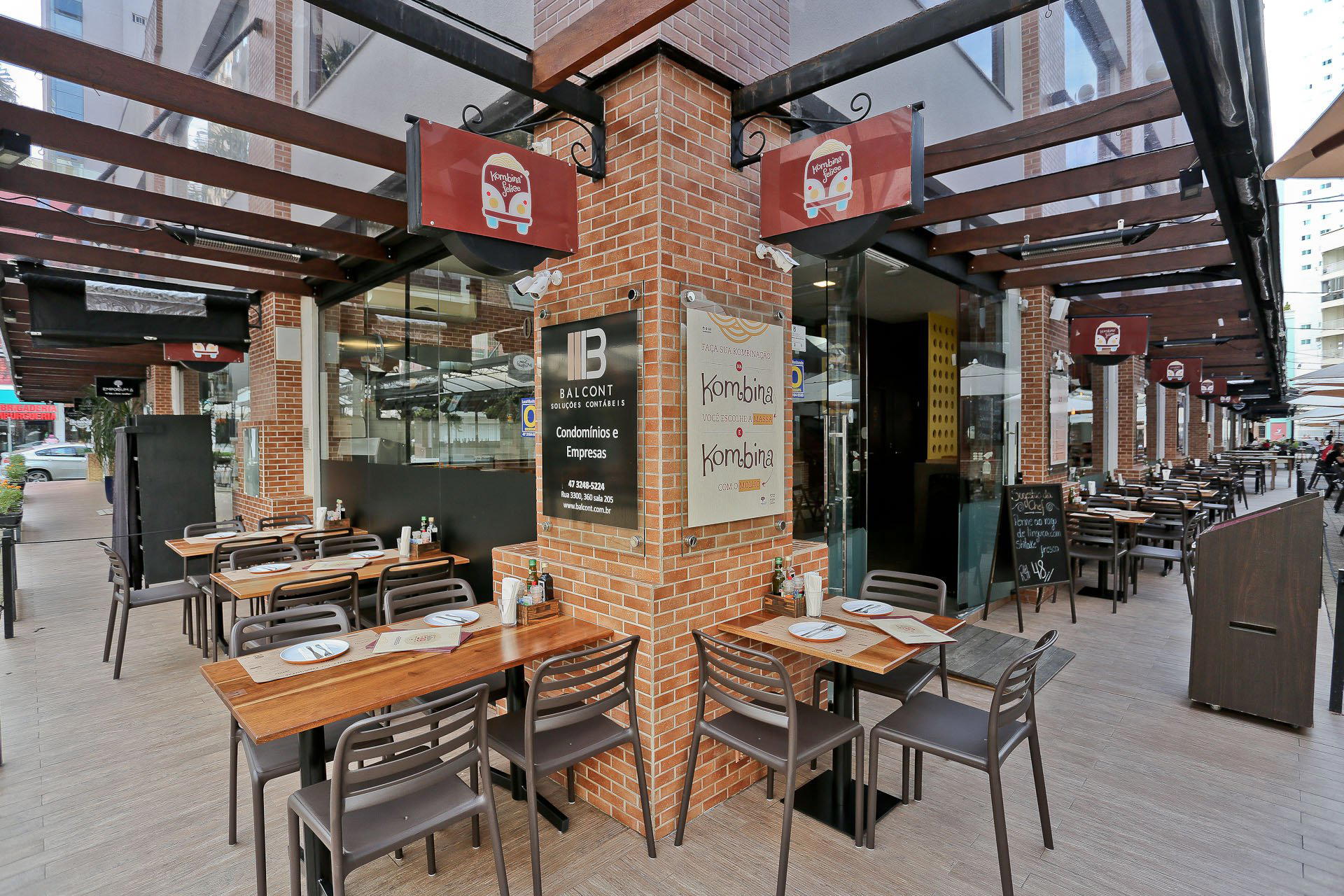
This sits in deliberate contrast to some of the other Italian formats operating in Balneário Camboriú. Casa Itália Rodízio Italiano runs the rodízio model, which is continuous and high-volume by design. Kombina Felice Restaurante Italiano takes a different angle again. The cantina format is the most intimate and the most time-committed of the three approaches, and knowing which register you are in helps calibrate expectations from the moment you sit down.
Santa Catarina's Italian Table in Context
Southern Brazil's Italian-descended food culture has its own internal geography. The Serra Gaúcha in Rio Grande do Sul (Caxias do Sul, Bento Gonçalves, Garibaldi) is more widely documented and more touristically organised around its wine and food identity. Santa Catarina's version is less codified but no less present. Towns like Rodeio, Ascurra, and Nova Trento carry Italian surnames on their shop fronts and Italian-derived dishes in their kitchens. Balneário Camboriú, as a coastal city built around summer tourism, does not wear this heritage as prominently as the interior towns do, which is part of what makes a cantina operating here in the family-name tradition worth noting. It is holding a culinary reference point that the city's dominant resort-dining economy does not particularly reward.
For those who want to understand how this regional tradition fits into Brazil's broader dining picture, the contrast with restaurants like D.O.M. in São Paulo or Lasai in Rio de Janeiro is instructive. Those addresses represent Brazil's tasting-menu avant-garde, where indigenous ingredients and technical precision are the subject. The cantina tradition is the opposite impulse: inherited rather than invented, communal rather than theatrical, and explicitly domestic in its reference points. Neither is more valid; they are simply doing different things for different reasons. Elsewhere in Brazil, the same tension between immigrant comfort-food traditions and contemporary fine dining plays out in addresses like Cantina Pozzobon in Santa Maria, which sustains a comparable Italian-descended format in Rio Grande do Sul.
Arriving and Eating
Vila Real is a residential neighbourhood, and the approach to Rua Dom Miguel does not involve the visual spectacle of Balneário Camboriú's central boulevard. The city's main drag runs parallel to a beach that draws comparison with Miami's density; Vila Real is quieter, more domestic in scale, and better suited to the format of the meal you are about to have. For visitors staying on the beachfront, getting to this address requires a short taxi or rideshare journey rather than a walk, which is worth factoring into the evening's plan.
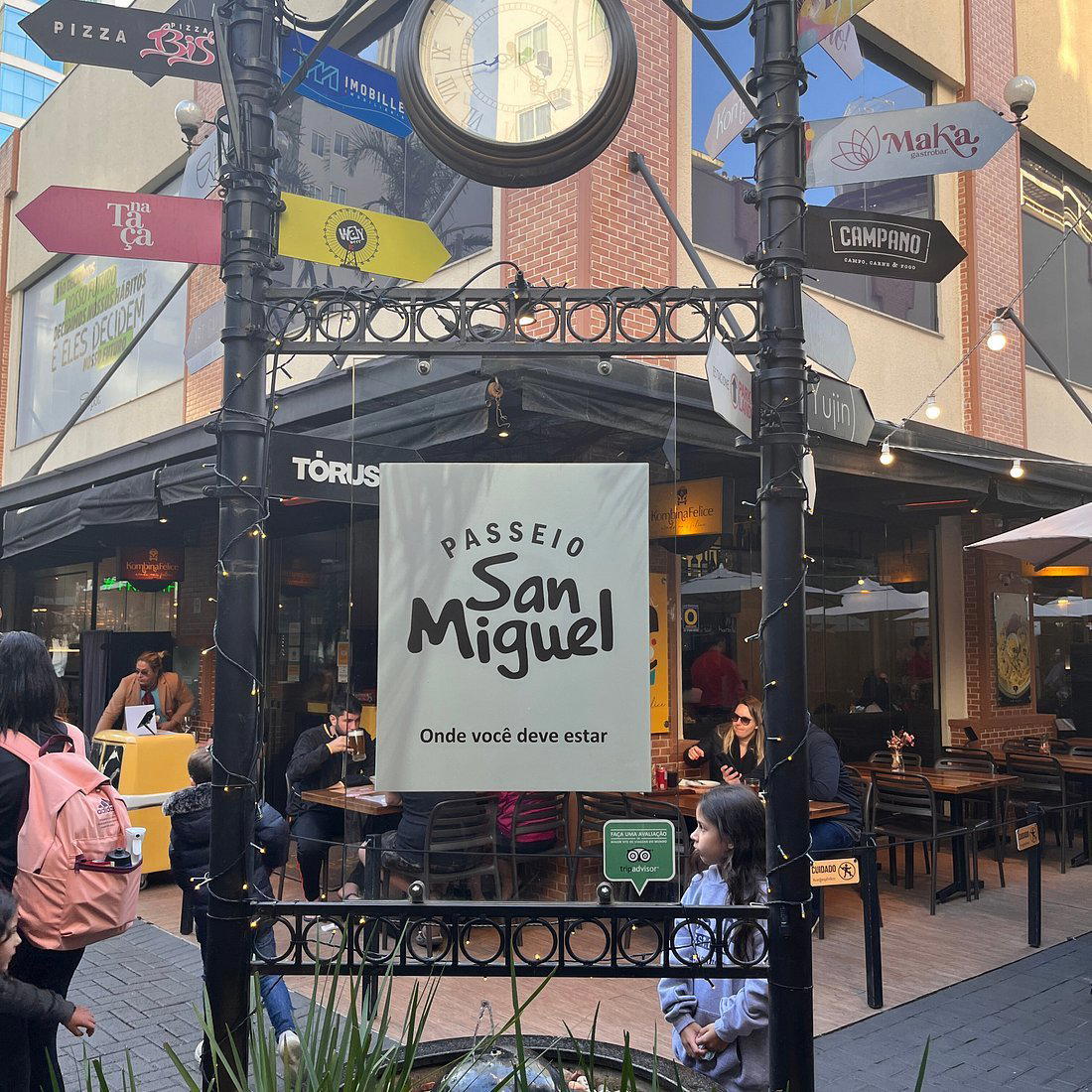
The cantina format typically rewards arriving without a fixed departure time. If you are choosing between this and faster formats, the Campano Campo Carne e Fogo or Brüder Bistrô e Boutique serve different pacing needs. If you want something entirely outside the Italian and Brazilian churrasco tradition, Koi Sushi is another option in the city's dining rotation. For a broader orientation to eating in the city, the full Balneario Camboriu restaurants guide maps the range across cuisines and price points.
Given the format and the neighbourhood, contacting the venue directly before arrival is the sensible approach, particularly for weekend visits when cantina-style addresses in southern Brazil tend to fill with local families rather than tourists.
How It Fits the City
Balneário Camboriú's dining identity is still consolidating. The city has grown fast, its skyline is legitimately dramatic, and its restaurant scene reflects the money that has moved through the coastal property market over the past decade. But the addresses that will matter in ten years are probably not the ones chasing the beachfront moment. They are the ones holding a format or a tradition that the city's economic cycle has not yet eroded. A family cantina in a residential neighbourhood, operating under a name that references both a family and a regional Italian origin, is making a quieter and more durable claim on the city's dining character than its location might suggest.
For context on how family-format Italian dining operates in other Brazilian cities, Casa da Dika Restô e Eventos in Bragança and Casa da Flor Restaurante in Dourados offer points of comparison across different regions. The family-dining format, whatever the cuisine, tends to share the same underlying logic: that the meal is a social event first and a transaction second.
Frequently asked questions
Would Cantina Famiglia Mantovani be comfortable with kids?
The cantina format originated as a family dining structure, and neighbourhood cantinas in Vila Real at this residential price tier tend to accommodate children without friction. The unhurried, communal rhythm of the meal — where the table sets its own pace — suits families better than the high-turnover beachfront restaurants in central Balneario Camboriu. Expect a room where children are a normal presence, not an exception.
What should I expect atmosphere-wise at Cantina Famiglia Mantovani?
Cantina Famiglia Mantovani sits on Rua Dom Miguel in Vila Real, a residential neighbourhood away from Balneario Camboriu's tourist-facing beachfront. The format is quiet and domestic in register: fewer theatrical gestures, more attention to the table itself. Guests accustomed to the energy of the central boulevard dining rooms should recalibrate expectations accordingly.
Is Cantina Famiglia Mantovani drawing on a specific Italian regional tradition?
The name references Mantova (Mantua) in Lombardy, a city with a distinct culinary identity built around stuffed pastas like tortelli di zucca and rice-based preparations. Southern Brazil's Italian-descended communities arrived primarily from Veneto and Lombardy, so a Mantovani reference in Balneario Camboriu places the kitchen within a historically grounded lineage rather than a generic Italian-American register. That regional specificity, if carried through in practice, puts it in a different category from the general-purpose Italian dining rooms common in coastal Santa Catarina.
What's the best thing to order at Cantina Famiglia Mantovani?
Within the cantina tradition of southern Brazil's Italian-descended communities, credibility typically rests on stuffed pastas, slow-braised proteins, and preparations that hold across a full table service rather than a single showpiece dish. The name Mantovani points toward Lombard reference points, which in that tradition means risotto and filled pasta as likely anchors.
Where is Cantina Famiglia Mantovani in Balneario Camboriu?
Cantina Famiglia Mantovani is located at R. Dom Miguel, 271 - Vila Real, Balneário Camboriú - SC, 88331-440, Brazil, Balneario Camboriu.
Do I need a reservation for Cantina Famiglia Mantovani?
Call ahead rather than walk in. Neighbourhood cantinas in Santa Catarina that serve a local residential community often operate on informal booking systems and may not advertise hours publicly, as this venue's record confirms — phone and website data are not currently listed. Arriving without contact will carry more risk here than at a tourist-oriented restaurant on the Balneario Camboriu beachfront strip.
Cuisine Context
| Venue | Cuisine | Price |
|---|---|---|
| Cantina Famiglia MantovaniThis venue — the venue you are viewing | Authentic Italian Trattoria | Not listed |
| Kombina Felice Restaurante Italiano | Classic Italian Trattoria | Not listed |
| Brüder Bistrô e Boutique | Brazilian Steakhouse Bistro | Not listed |
| Koi Sushi | Japanese Sushi and Seafood | Not listed |
| Campano Campo Carne & Fogo | Brazilian Churrascaria | $30–50 |
| Casa Itália Rodízio Italiano | Italian Rodizio | $20–30 |
Continue exploring
More in Balneario Camboriu
Restaurants in Balneario Camboriu
Browse all →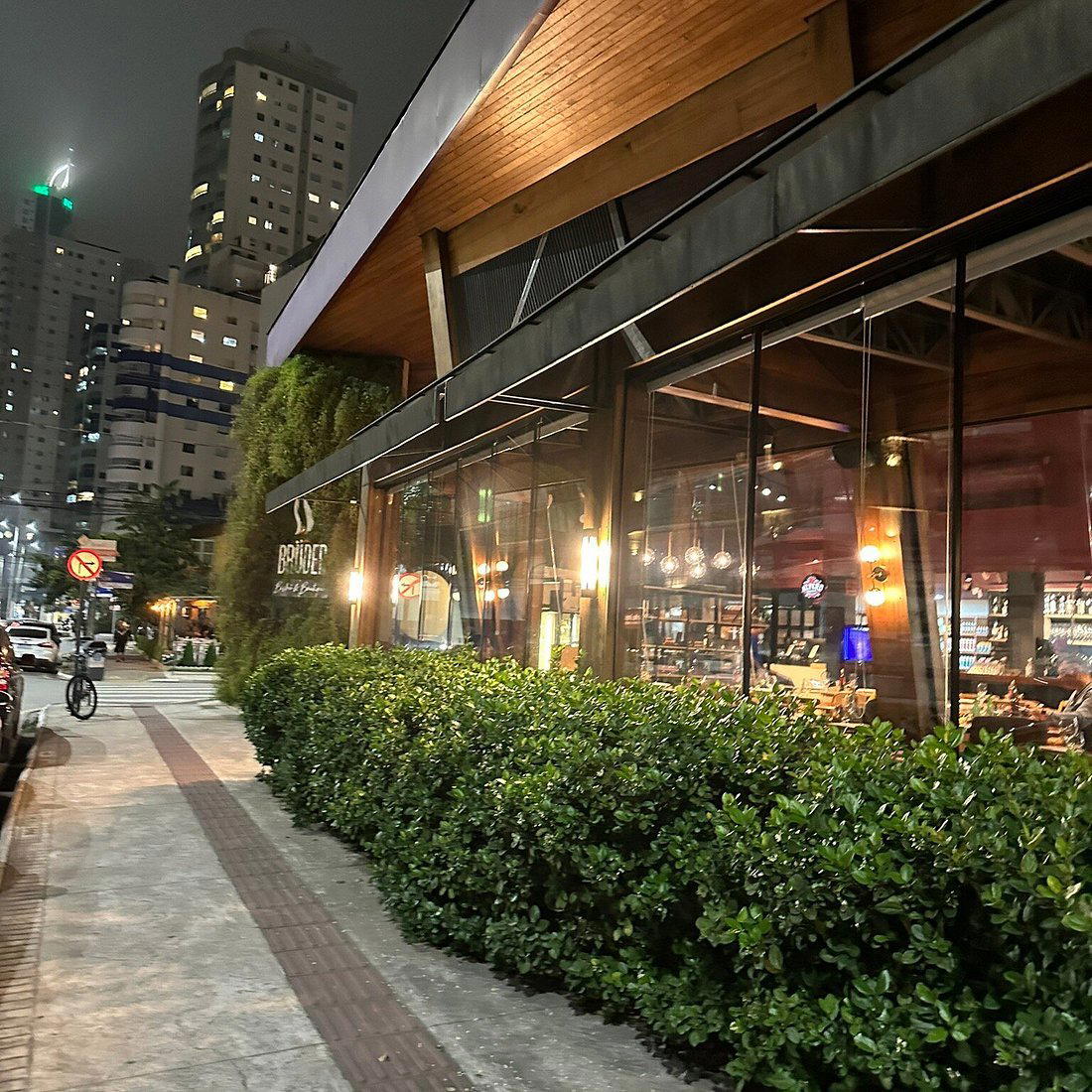
Bars in Balneario Camboriu
Browse all →
Hotels in Balneario Camboriu
Browse all →
Cantina Famiglia Mantovani
The wine
- Wine program
- Curated wine list
Details
- Rustic
- Cozy
- Intimate
- Date Night
- Family
- Casual Hangout
- A La Carte
- Vegetarian Friendly
Current opening hours
- Monday
- Closed
- Tuesday
- 12–3 PM, 7:30–11 PM
- Wednesday
- 12–3 PM, 7:30–11 PM
- Thursday
- 12–3 PM, 7:30–11 PM
- Friday
- 12–3 PM, 7:30–11 PM
- Saturday
- 12–3 PM, 7:30–11 PM
- Sunday
- 12–4 PM
Hours can change for holidays and private events. Last verified .
Cozy dining room in a former house with warm, family-like atmosphere.