Açai da Barra - Presidente Prudente
Açai da Barra on Av. Quatorze de Setembro sits inside Presidente Prudente's growing appetite for ingredient-led casual formats, where the açaí bowl has moved well beyond its Amazonian origins to become a daily staple across Brazil's interior cities. The address in Vila Tabajara positions it for neighbourhood regulars rather than passing traffic, making it part of a broader local food culture worth understanding before you arrive.
Pearl is the En Primeur Club membership app — saves, bookings, and concierge access live there. Same editors, same standards.
- Address
- Av. Quatorze de Setembro, 1222 - Vila Tabajara, Pres. Prudente - SP, 19013-380, Brazil
- Phone
- +551832030053
- Directions
- Get directions
 Saves & bookings on Pearl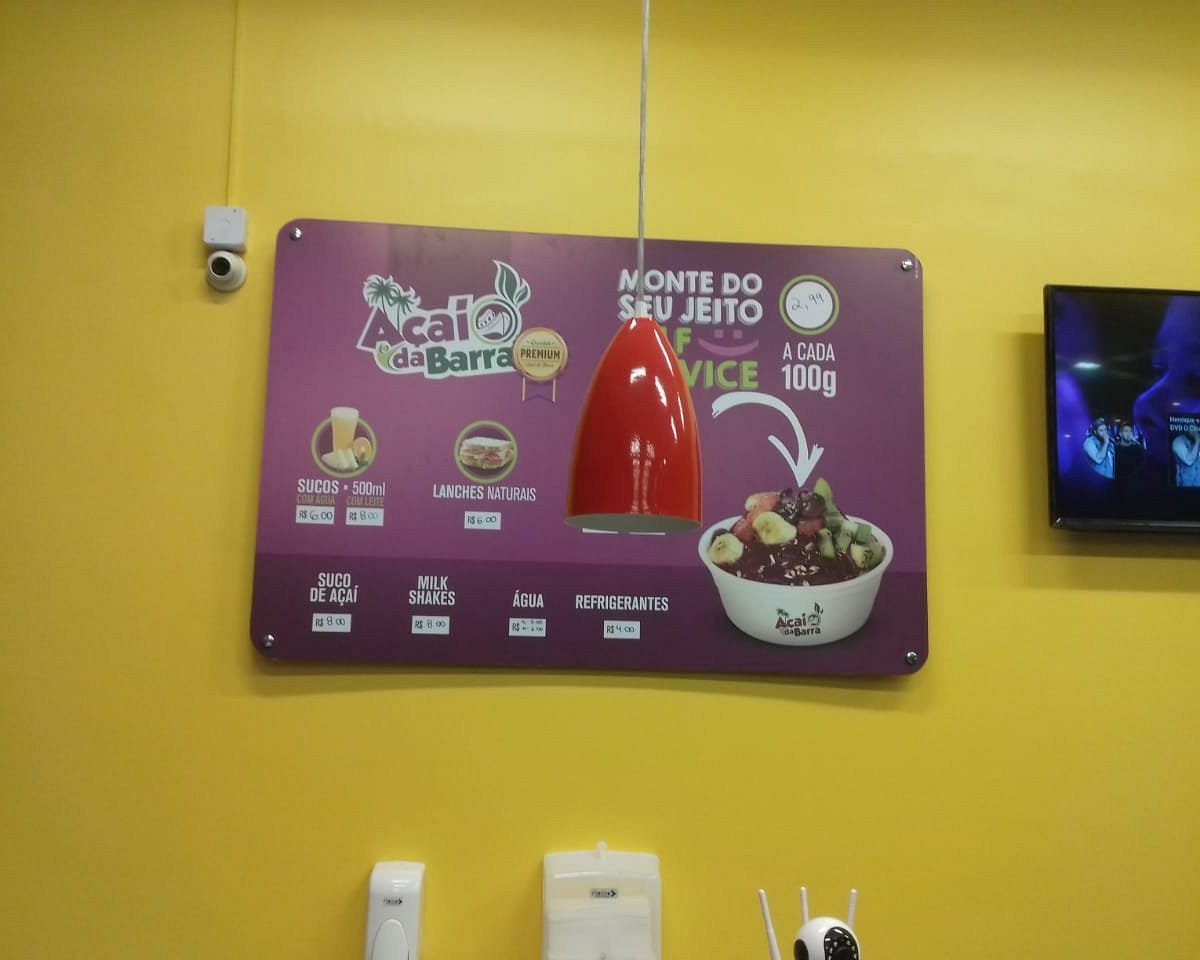
Where Amazonian Fruit Meets Interior São Paulo
Brazil's interior cities have absorbed the açaí bowl at a pace that outstrips almost any other single food format in the country. What began as a calorie-dense staple of riverside communities in Pará and Amazonas has travelled south and west across decades, arriving in cities like Presidente Prudente not as an exotic import but as an everyday ritual. Açaí da Barra on Av. Quatorze de Setembro, 1222 in the Vila Tabajara district participates in that longer migration story. The address is residential rather than commercial-strip, which tells you something about the format: this is a neighbourhood spot drawing repeat custom rather than positioning itself for tourist foot traffic.
Understanding why açaí culture took root so firmly in São Paulo state's western interior requires a look at how the fruit itself travels. Euterpe oleracea, the açaí palm, is harvested in the Amazon basin and flash-frozen within hours of picking to preserve the dense anthocyanin profile that gives the pulp its deep purple colour. By the time it reaches processing facilities and then distributors serving cities like Presidente Prudente, the cold chain is doing most of the culinary work. A good açaí operation is therefore partly a logistics story: sourcing from suppliers who maintain that chain without interruption is the variable that separates a bright, flavourful bowl from a flat, oxidised one.
The Ingredient Question in a Fruit-Forward Format
The açaí bowl format is deceptively simple, which is precisely why sourcing decisions carry so much weight. The base pulp accounts for the majority of the eating experience, and the quality gradient between suppliers is significant. Amazonian cooperatives that work directly with smallholder harvesters, many of whom operate within recognised sustainable extraction zones in the state of Pará, deliver a product with a different flavour intensity than commodity-grade frozen pulp processed for volume. Across Brazil, the better açaí houses have learned to compete on this variable rather than on toppings alone.
Toppings in the interior São Paulo context tend toward granola, banana, and honey as the baseline combination, with guaraná syrup a common regional addition. The proportions matter: an overly sweet bowl masks the tartness that distinguishes high-quality pulp, while a well-calibrated version lets the fruit's natural bitterness come through before the sweetness arrives. This is less a question of culinary philosophy and more a practical consequence of using pulp that actually has something to say. For those exploring the broader Brazilian dining picture, the sourcing conversation runs parallel to what chefs like those behind D.O.M. in São Paulo and Oteque in Rio de Janeiro have been making at the fine dining tier: ingredient provenance is the argument, not just technique.
Presidente Prudente's Casual Dining Pattern
Presidente Prudente operates as the commercial hub of São Paulo state's far west, a city of roughly 230,000 that services a wide agricultural hinterland. Its dining culture skews toward efficient, value-conscious formats rather than destination restaurants, which makes the casual ingredient-led category particularly active. The Vila Tabajara location of Açai da Barra sits in a residential corridor where the relevant competition is neighbourhood loyalty rather than city-wide recognition. Visitors comparing across the city's casual offer should note that La Casa de Hamburguesas and Mochileiros Casual Restaurant occupy different format tiers, while Casa de Carnes Better targets the protein-focused end of the market. For a complete read of the city's options, the full Presidente Prudente restaurants guide maps the range.
The açaí category itself has matured enough across Brazilian cities that it now supports a spectrum from quick-service kiosks in shopping centres to sit-down cafés with extended menus built around the base product. What the address and neighbourhood context suggest is a format oriented toward the local regular rather than the curious visitor.
Reading Açaí Sourcing Across Brazil's Regions
For anyone spending time across Brazil's food scene, the regional variation in açaí quality and presentation is worth tracking. In the Amazon north, the bowl is often thinner, less sweet, and served alongside fried fish, reflecting the fruit's original nutritional role. Moving south through the states, it becomes progressively denser, sweeter, and more elaborately topped, until by São Paulo state it is fully embedded in the health-food and fitness culture that drives much of its urban consumption. Operations in cities like Lobby Café in Belém serve the fruit closest to its origin context, while spots across São Paulo state work the refined, toppings-rich variation.
The broader pattern of ingredient-led casual formats across Brazil shows a consistent dynamic: where sourcing is prioritised, the format sustains; where it becomes a vehicle for sugar and margin, the product flattens. This dynamic plays out in every Brazilian city, from the fine-dining commitments visible at Manga in Salvador and Birosca S2 in Belo Horizonte down to the neighbourhood açaí counter. The category is not trivial: Brazil consumes more açaí per capita than any other country, and the infrastructure around its distribution has become a meaningful part of the national food economy.
Further afield, the Brazilian sourcing conversation connects to global ingredient-provenance movements visible in restaurants from Le Bernardin in New York City to Lazy Bear in San Francisco, though the casual format here operates at a fundamentally different register. Within Brazil, ingredient-sourcing depth is also a theme at Mina in Campos do Jordão, Manu in Curitiba, Orixás North Restaurant in Itacaré, Olivetto in Campinas, Primrose in Gramado, Castelo Saint Andrews in Vale do Bosque, and State of Espírito Santo in Rio Bananal, each at different price points and formality levels.
Planning Your Visit
Açai da Barra is located at Av. Quatorze de Setembro, 1222, Vila Tabajara, Presidente Prudente, SP, 19013-380. The neighbourhood sits within the city's residential fabric, most easily reached by car or rideshare from the centre. No booking is required or expected for a casual counter format of this type; the practical question is simply timing your visit to avoid the post-school and late-afternoon peak periods when açaí consumption in Brazilian cities tends to concentrate.
How It Stacks Up
Comparable venues nearby, for context on price, style, and recognition.
| Venue | Cuisine | Price | Notes |
|---|---|---|---|
| Açai da Barra - Presidente PrudenteThis venue — the venue you are viewing | Brazilian Açaí Bowls | $$ | Not listed |
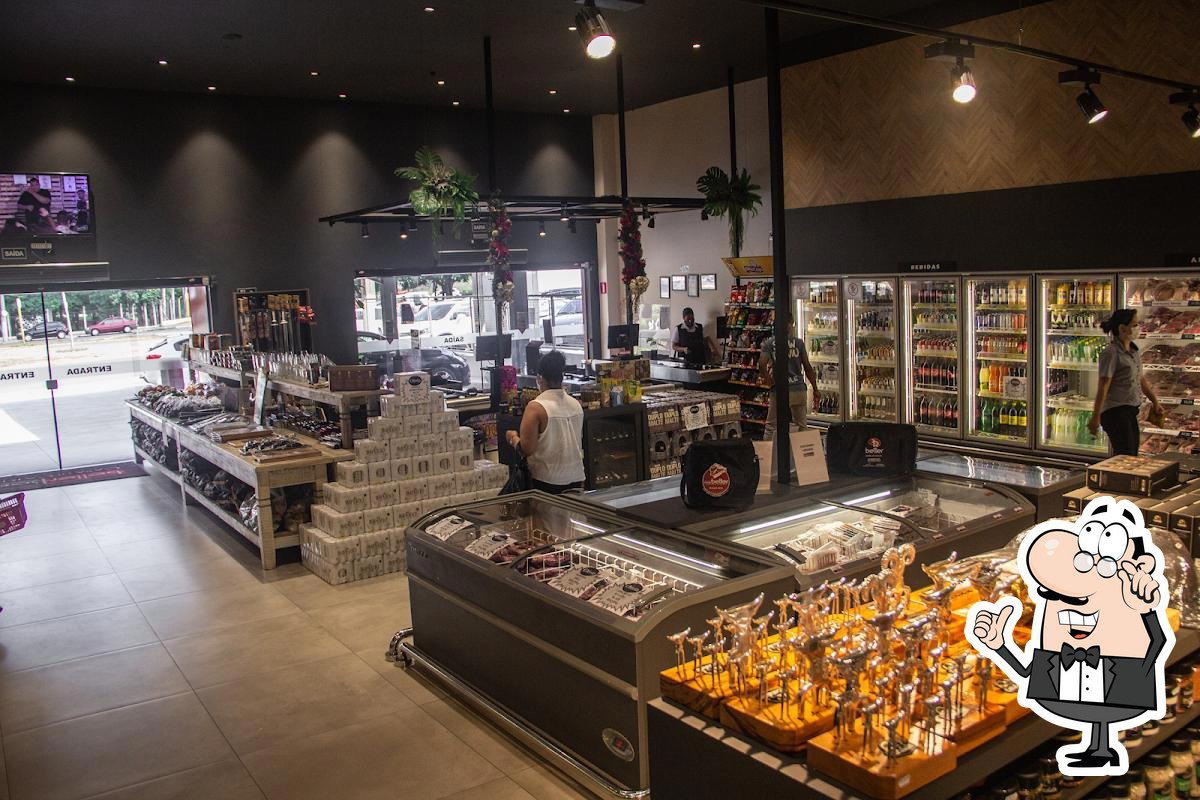
| Casa de Carnes Better - Presidente Prudente | Brazilian Churrasco Steakhouse | $$ | Centro |
| Mochileiros Casual Restaurant | Casual Brazilian | $$ | Centro |
| La Casa de Hamburguesas | Artisanal Brazilian Burgers | $$ | Parque Res. Jarina |
| Must Restaurant & Bar | Modern Brazilian with Indigenous Flavors | $$$ | Belem |
| Brothers Street Food - Hamburgueria | Modern Brazilian Street Food Hamburgueria | $$ | heart of Araçatuba |
Continue exploring
More in Presidente Prudente

At a Glance
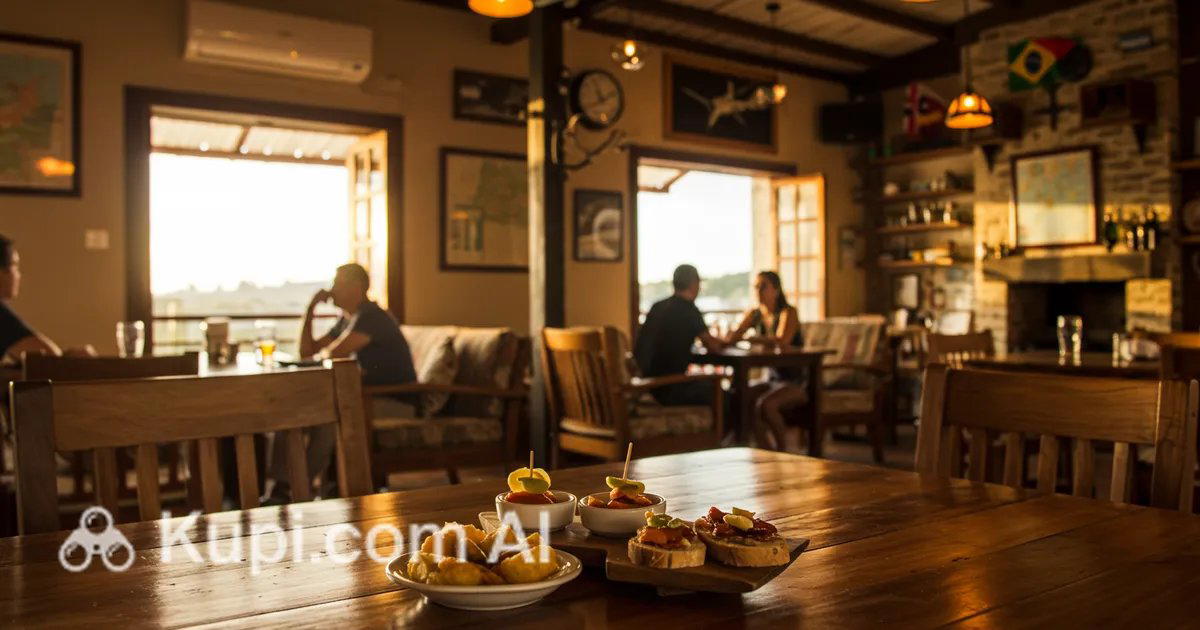
- Cozy
- Casual Hangout
Current opening hours
- Monday
- 2 PM–12 AM
- Tuesday
- 2 PM–12 AM
- Wednesday
- 2 PM–12 AM
- Thursday
- 2 PM–12 AM
- Friday
- 2 PM–12 AM
- Saturday
- 1 PM–12 AM
- Sunday
- 1 PM–12 AM
Hours can change for holidays and private events. Last verified .
Clean and cozy atmosphere with okay service.