Brüder Bistrô e Boutique
Our verdict
Brüder Bistrô e Boutique occupies a corner address on 3ª Avenida in central Balneário Camboriú, positioning itself at the intersection of casual dining and boutique retail. The bistro format sits within a city whose restaurant scene has grown considerably beyond its beach-resort origins, placing Brüder in the company of Italian-inflected tables and produce-driven kitchens that now define the local dining conversation.

Pearl is the En Primeur Club membership app — saves, bookings, and concierge access live there. Same editors, same standards.
- Address
- Esquina Com - Rua 3250, 3ª Avenida, 280 - Próximo A 3300 - Centro, Balneário Camboriú - SC, 88330-278, Brazil
- Phone
- +554730812115
- Hours
- Mon–Fri 11:30 AM–3 PM, 6:30–11 PMSat–Sun 11:30 AM–4 PM, 6:30–11 PM
- Website
- brudercarnes.com.br
- Directions
- Get directions
- Booking
- Book on the venue's website
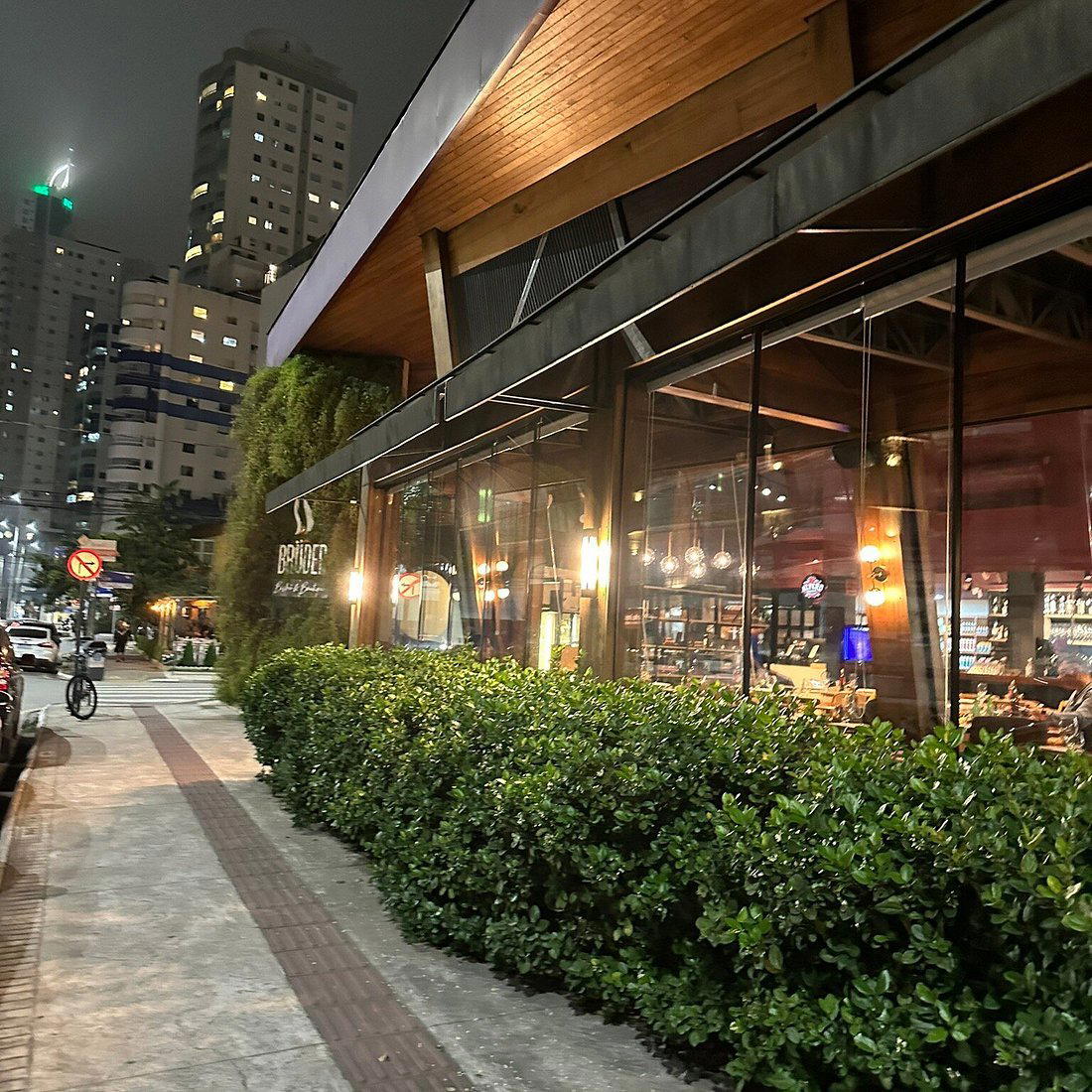
A Corner Address in a City Finding Its Table
The corner of Rua 3250 and 3ª Avenida in central Balneário Camboriú is not the kind of address that announces itself loudly. The surrounding Centro blocks carry the functional density of a city that built itself on summer tourism and is now working out what it wants to be year-round. Brüder Bistrô e Boutique occupies that corner with a format — bistro dining paired with boutique retail — that reflects a broader pattern visible across mid-sized Brazilian resort towns: the attempt to hold a visitor's attention after the beach has closed for the evening, and to give locals a reason to stay local rather than drive north toward Florianópolis.
Brazil has developed a strong tradition of concept restaurants that fold a retail or artisanal element into the dining experience, from the deli counters that front São Paulo neighbourhood tables to the wine shop annexes that have become standard in Curitiba's more serious dining rooms. What Balneário Camboriú is working through right now is whether that more considered dining identity can survive outside the high season. Brüder's address, central rather than beachfront, is one signal that the answer leans toward yes.
Ingredient Sourcing and the Santa Catarina Pantry
The bistro format, wherever it appears, tends to succeed or fail on the quality of what it sources rather than the complexity of what it executes. A bistro that claims to be produce-driven but draws from generic distributors reads differently on the plate than one with genuine regional connections. Santa Catarina state is, by most measures, one of Brazil's more compelling sourcing territories for a restaurant operating in this register. The state accounts for a significant share of Brazil's oyster production, holds serious pork and charcuterie traditions in its German and Italian settler communities in the highlands, and sits close enough to Paraná's vegetable-growing zones that seasonal produce supply is logistically plausible without the refrigerated-truck distances that flatten ingredient quality in more remote dining markets.
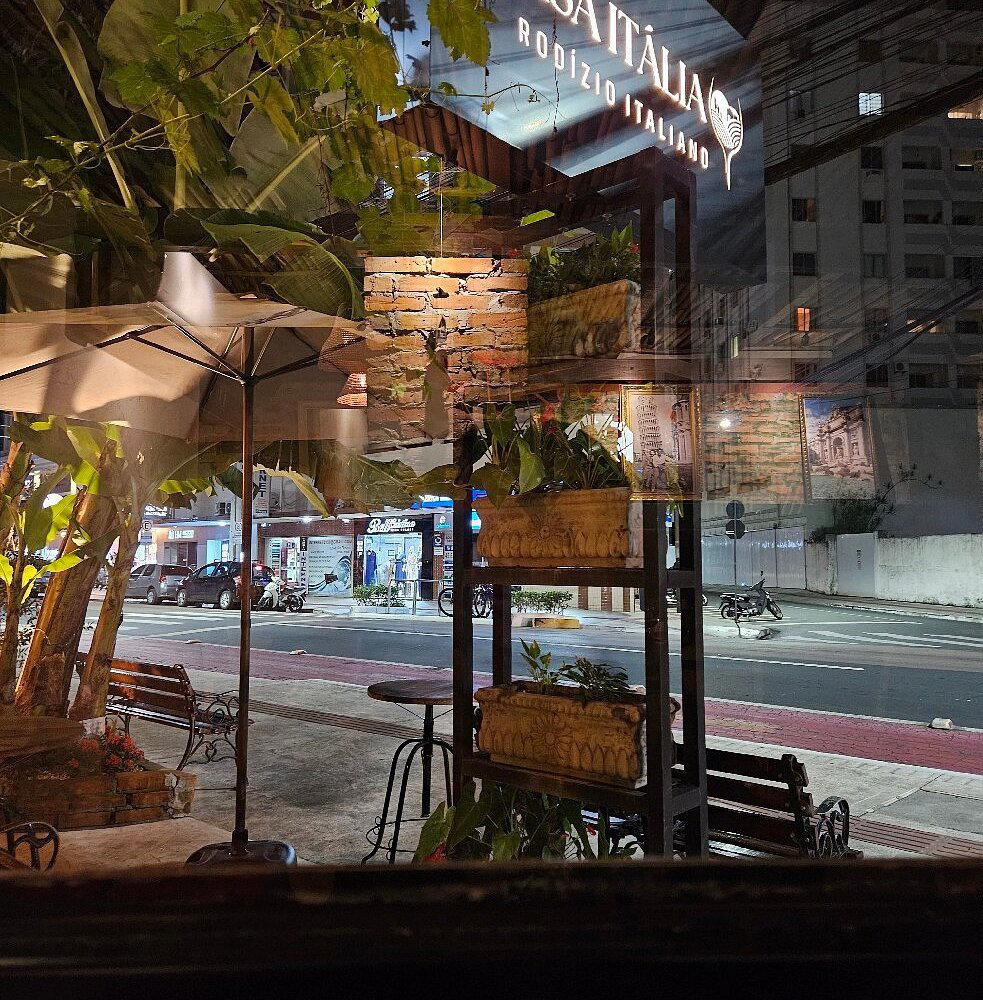
For a bistro operating in Balneário Camboriú specifically, that regional pantry is both an opportunity and a differentiator. The dominant dining formats in the city lean toward Italian-heritage cooking, Cantina Famiglia Mantovani and Kombina Felice Restaurante Italiano represent that thread, or toward grill-focused meat formats like Campano Campo Carne & Fogo. A bistro that threads through that peer group needs a sourcing story that holds up to scrutiny, because it cannot rely on format familiarity the way a rodízio or a trattoria can. Casa Itália Rodízio Italiano demonstrates how format-legibility works in this market; Brüder is wagering that something more open-ended can work beside it.
The Bistro-Boutique Model and What It Asks of a Diner
Pairing a retail boutique with a restaurant creates a specific diner profile: someone who browses before sitting, or who converts a meal into a takeaway purchase on the way out. Internationally, this model has proved durable in markets where the dining occasion is relaxed and multi-hour. The closest Brazilian analogues tend to appear in São Paulo's Vila Madalena or in Gramado's pedestrian-friendly centre, where Primrose occupies a similar position in a mountain resort town context. What Balneário Camboriú offers that Gramado does not is a year-round influx of visitors from São Paulo, Argentina, and elsewhere in the Southern Cone who arrive with spending appetite and a familiarity with concept-retail dining from their home cities.
That demographic context matters for how a venue like Brüder positions its boutique offer. If the retail component stocks locally made products, Santa Catarina charcuterie, cachasa from the state's interior producers, regionally rooted ceramics or textiles, it reinforces the sourcing story the bistro is presumably telling in the kitchen. If it stocks generic imported items, it signals that the boutique is decoration rather than argument. The distinction is one that frequent visitors to concept restaurants in Manu in Curitiba or Olivetto Restaurante E Enoteca in Campinas have learned to read quickly.
Balneário Camboriú's Dining Scene in Context
Understanding where Brüder sits requires understanding the city's dining trajectory. Balneário Camboriú spent most of its modern history as a destination whose food offer trailed its real estate and nightlife ambitions by a considerable margin. The last decade has closed that gap partly, with more serious restaurants opening alongside the vertical beach towers. The city now has a Japanese dining contingent, represented locally by Koi Sushi, and a growing number of restaurants attempting something more editorially considered than the buffet-and-grill formats that dominated through the 2000s.
Nationally, the reference points for where Brazilian bistro dining can go are encouraging. Oteque in Rio de Janeiro and D.O.M. in São Paulo represent the far end of that ambition, while more intimate regional formats like Birosca S2 in Belo Horizonte or Orixás North Restaurant in Itacaré show what is possible when a kitchen commits to its regional pantry at smaller scale and lower price points. Mina in Campos do Jordão and State of Espírito Santo in Rio Bananal extend that map into resort and rural formats where the sourcing argument is front and centre. Internationally, the bistro-as-serious-kitchen proposition has been made definitively by venues as different as Le Bernardin in New York City and the community-dining approach of Lazy Bear in San Francisco: format and ambition are separable, and a bistro can carry serious culinary intent without a tasting-menu price point.
For Brüder, the question the dining scene poses is whether a boutique-bistro at a central Balneário Camboriú address can hold the attention of visitors who have the Florianópolis restaurant offer as their obvious alternative. The city's growing year-round resident population, as opposed to its seasonal visitor wave, may ultimately be the more reliable audience. See the full Balneario Camboriu restaurants guide for a complete picture of where Brüder fits within the current local offer.
Planning a Visit
Brüder Bistrô e Boutique is located at the corner of Rua 3250 and 3ª Avenida 280 in the Centro district of Balneário Camboriú, close to the 3300 block. The central location makes it walkable from most of the city's main accommodation corridor.
Frequently asked questions
Where is Brüder Bistrô e Boutique in Balneario Camboriu?
Brüder Bistrô e Boutique is located at Esquina Com - Rua 3250, 3ª Avenida, 280 - Próximo A 3300 - Centro, Balneário Camboriú - SC, 88330-278, Brazil, Balneario Camboriu.
What makes Brüder Bistrô e Boutique different from other restaurants in Balneário Camboriú's Centro district?
Brüder combines a retail boutique with a bistro under one roof at the corner of 3ª Avenida 280 in Centro, a format that is uncommon in Balneário Camboriú's dining scene. Most restaurants in the city's centre operate as standalone dining rooms, whereas Brüder positions the act of shopping and eating as a single visit. That structural choice, rather than any single menu item, is what separates it from neighbouring addresses in a city whose food culture has been shifting toward more considered, locally sourced formats.
What dish is Brüder Bistrô e Boutique famous for?
The bistro format at this Centro address in Balneário Camboriú tends to anchor around well-sourced regional ingredients from the Santa Catarina pantry, which shapes what kitchens in this part of southern Brazil put at the centre of the plate. Visiting directly is the most reliable way to learn what is leading the menu on any given day.
What's Brüder Bistrô e Boutique best at?
The defining feature of Brüder is its dual format: a retail boutique paired with a working bistro at the corner of Rua 3250 and 3ª Avenida in Balneário Camboriú. That model asks something specific of the kitchen — to hold the attention of browsers who become diners, and diners who convert a meal into a purchase. In a city that has moved steadily toward more considered dining, that dual offer positions Brüder as a distinct address in the Centro district.
How does Brüder Bistrô e Boutique handle allergies?
No allergy or dietary accommodation policy has been documented for Brüder Bistrô e Boutique. Standard practice at bistros in Brazil's Santa Catarina region is to handle requests on inquiry, so raising dietary requirements when you contact the venue or arrive at the Rua 3250 address is the practical approach.
Side-by-Side Snapshot
Comparable venues nearby, for context on price, style, and recognition.
| Venue | Cuisine | Price | Notes |
|---|---|---|---|
| Brüder Bistrô e BoutiqueThis venue — the venue you are viewing | Brazilian Steakhouse Bistro | Not listed | Not listed |
| Nacho Man Mexican Food | Authentic Mexican Taqueria | $10–20 | Centro |
| Cantina Famiglia Mantovani | Authentic Italian Trattoria | Not listed | Centro |
| Kombina Felice Restaurante Italiano | Classic Italian Trattoria | Not listed | Centro |
| Campano Campo Carne & Fogo | Brazilian Churrascaria | $30–50 | City Center |
| Koi Sushi | Japanese Sushi and Seafood | Not listed | Barra Sul |
Continue exploring
More in Balneario Camboriu
Restaurants in Balneario Camboriu
Browse all →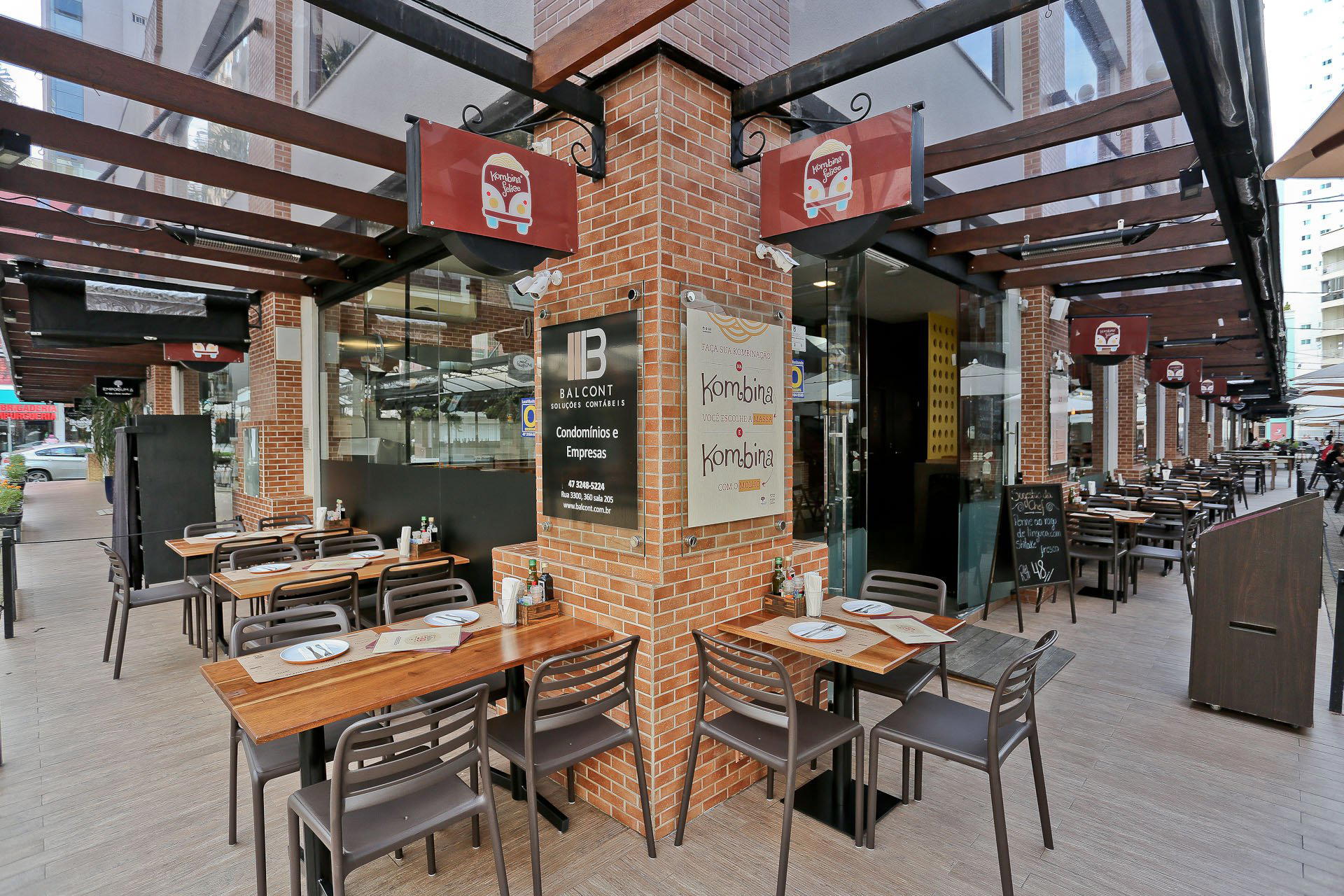
Bars in Balneario Camboriu
Browse all →
Hotels in Balneario Camboriu
Browse all →
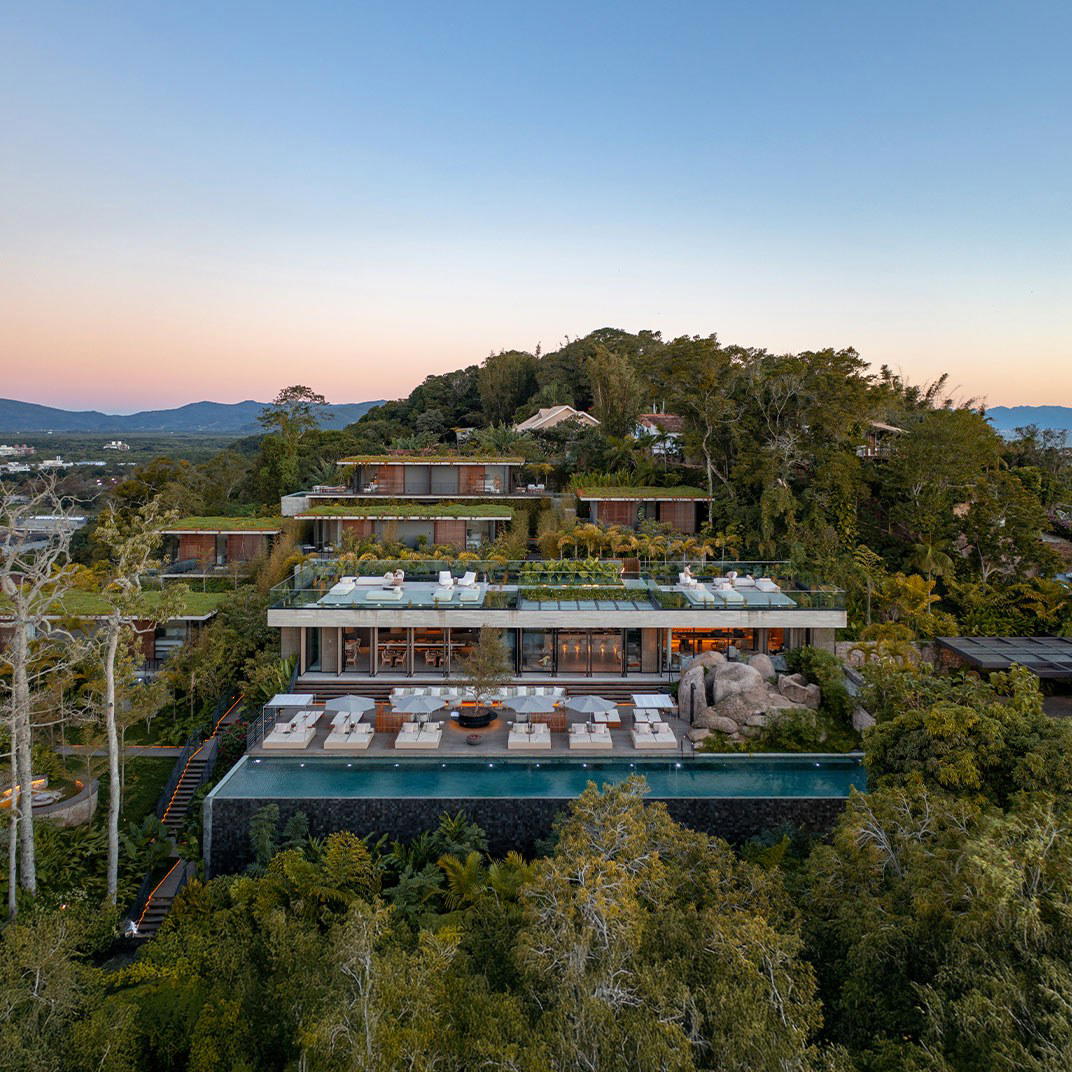
Brüder Bistrô e Boutique
The wine
- Wine program
- Curated wine list
Details
- Cozy
- Elegant
- Date Night
- Special Occasion
- Open Kitchen
- A La Carte
Current opening hours
- Monday
- 11:30 AM–3 PM, 6:30–11 PM
- Tuesday
- 11:30 AM–3 PM, 6:30–11 PM
- Wednesday
- 11:30 AM–3 PM, 6:30–11 PM
- Thursday
- 11:30 AM–3 PM, 6:30–11 PM
- Friday
- 11:30 AM–3 PM, 6:30–11 PM
- Saturday
- 11:30 AM–4 PM, 6:30–11 PM
- Sunday
- 11:30 AM–4 PM, 6:30–11 PM
Hours can change for holidays and private events. Last verified .
Classy and cozy atmosphere with warm lighting and welcoming vibe based on guest reviews.