Our verdict
Açaí Cuiabano operates in Cuiabá's Lixeira district, where the Amazon-Cerrado boundary shapes what ends up in the bowl. The address places it squarely in a city that treats açaí not as a fitness trend but as a regional staple with deep roots in Mato Grosso supply chains. For visitors orienting around ingredient provenance, Cuiabá's position as a gateway to both biomes makes this a useful reference point.

Pearl is the En Primeur Club membership app, where members save venues, book tables and use the concierge.

Where Two Biomes Meet the Bowl
Cuiabá sits at one of Brazil's most ecologically loaded intersections: the point where the Pantanal wetlands, the Cerrado savanna, and the southern reach of Amazonian influence converge within a single state. That geography is not incidental to how the city eats. Mato Grosso's produce supply draws from forest, floodplain, and dry scrubland simultaneously, and the ingredients that move through local markets reflect that diversity in ways that coastal Brazilian cities simply cannot replicate. Açaí, in this context, is not the blended, sweetened product that beach kiosks in Rio or São Paulo have exported to the world. In Cuiabá, it arrives as a regional raw material with a traceable northward supply chain, and the establishments that handle it here tend to treat it accordingly.
Açaí Cuiabano, located on Rua Antônio Batista Belém in the Lixeira neighbourhood, occupies a part of the city that sits between residential Cuiabá and the commercial corridors that feed the wider metropolitan area. Lixeira is not a dining district engineered for visitors. It functions as an everyday neighbourhood, which tends to indicate that a food operation there is serving a local constituency rather than performing for passing trade. That dynamic usually produces more honest product at the source.
The Ingredient Case for Cuiabá
Brazil's açaí production is concentrated in Pará, but the fruit moves south and west along Amazonian supply lines into cities like Cuiabá, where it reaches consumers far closer to its northern origin than the coastal megacities. The shorter the chain from harvest to preparation, the less the fruit requires processing to compensate for transit time. This is not a minor technical detail: açaí oxidises quickly, and the quality difference between fruit processed close to origin versus fruit that has travelled long distances under inconsistent cold storage is substantial and immediately perceptible in texture and flavour intensity.
Cuiabá's position as a regional hub for Mato Grosso makes it a natural collection point for produce from the Amazon basin's southern edge. Establishments operating here that prioritise sourcing from that regional supply chain are working with material that coastal competitors often cannot access at equivalent freshness. For the broader category of ingredient-driven food in Brazil, cities like Cuiabá are increasingly relevant reference points, alongside the more documented cases being made by chefs at D.O.M. in São Paulo and Oteque in Rio de Janeiro at the fine-dining end of the spectrum.
The Lixeira Context
Neighbourhood food culture in Cuiabá has not been comprehensively mapped by international food media, which means that operations in areas like Lixeira tend to develop and sustain reputations through local word of mouth rather than external validation. That is not a liability in a city where the dining public knows its own regional ingredients well. Cuiabanos eat pacu, pintado, bocaiuva, and pequi with the familiarity of people whose food culture has not been significantly disrupted by import trends. An açaí specialist in this environment is competing on product quality within a community that can evaluate it directly.
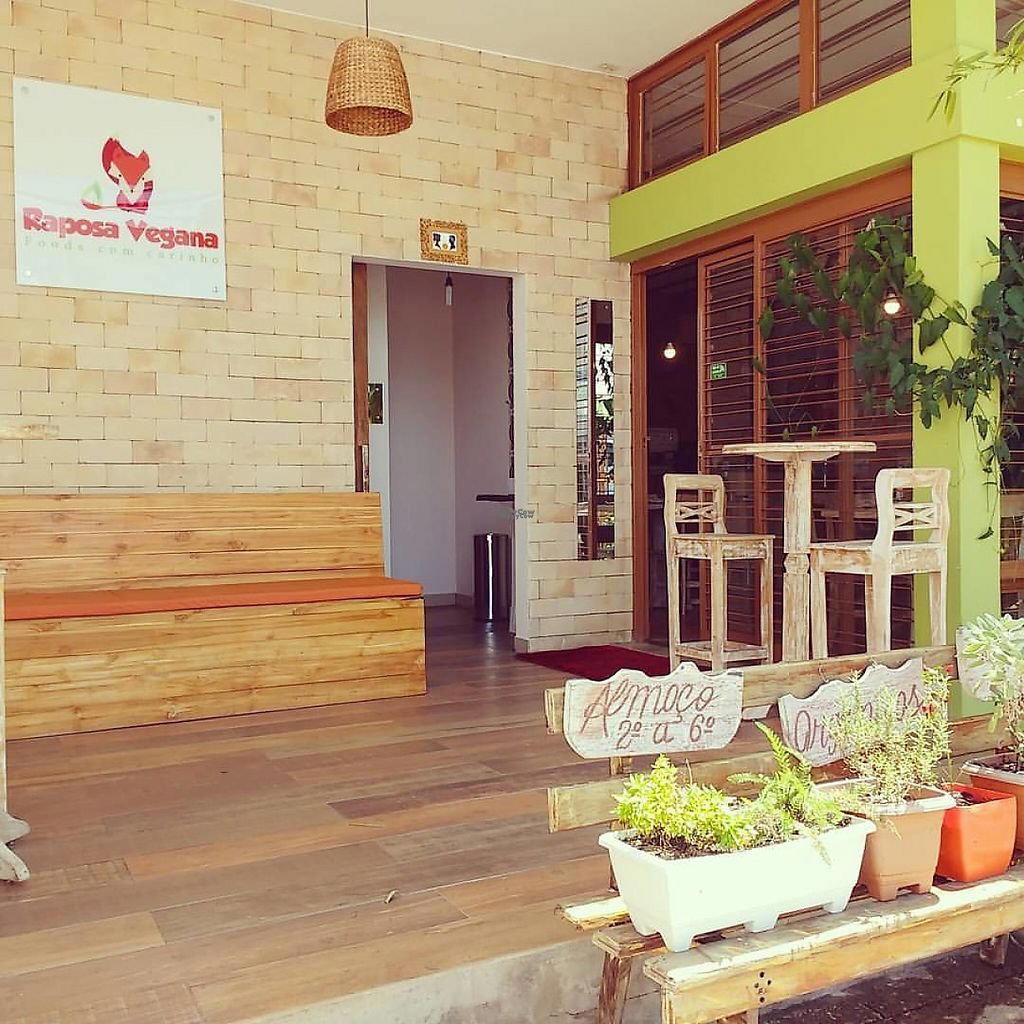
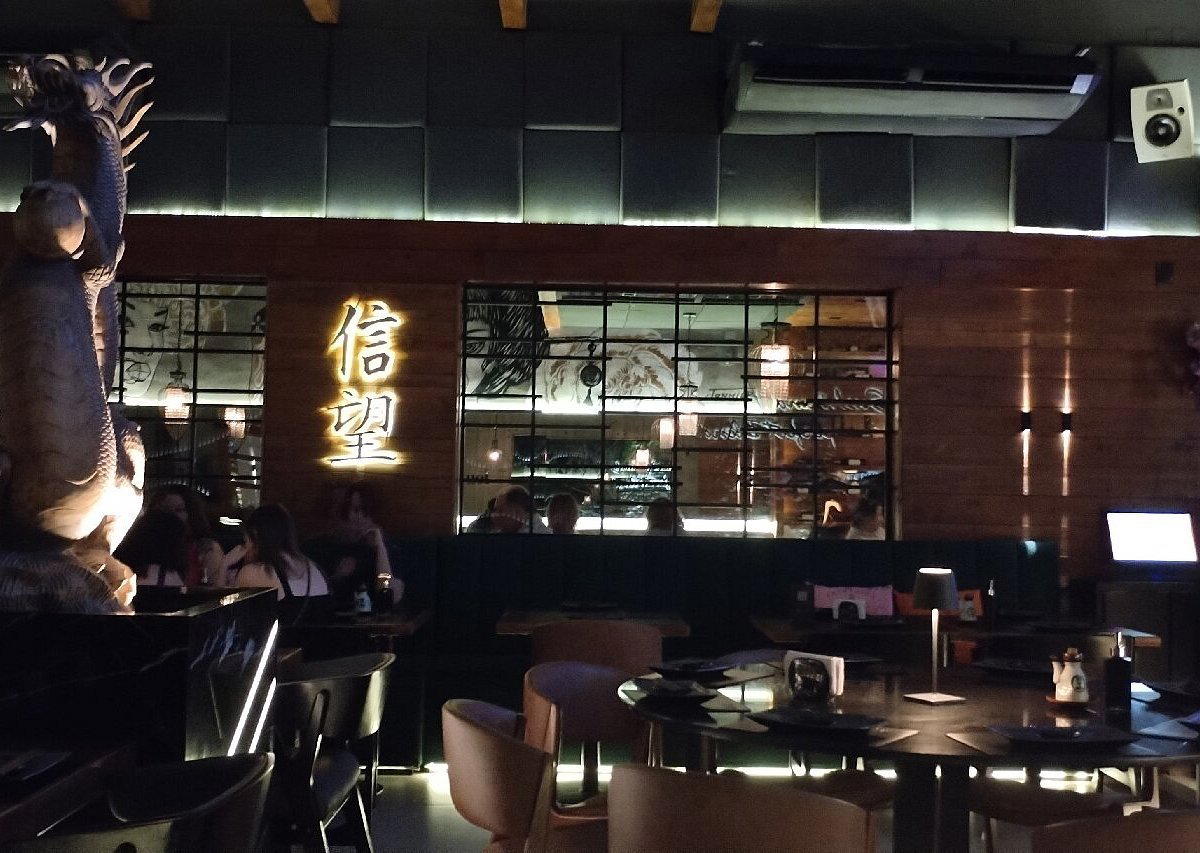
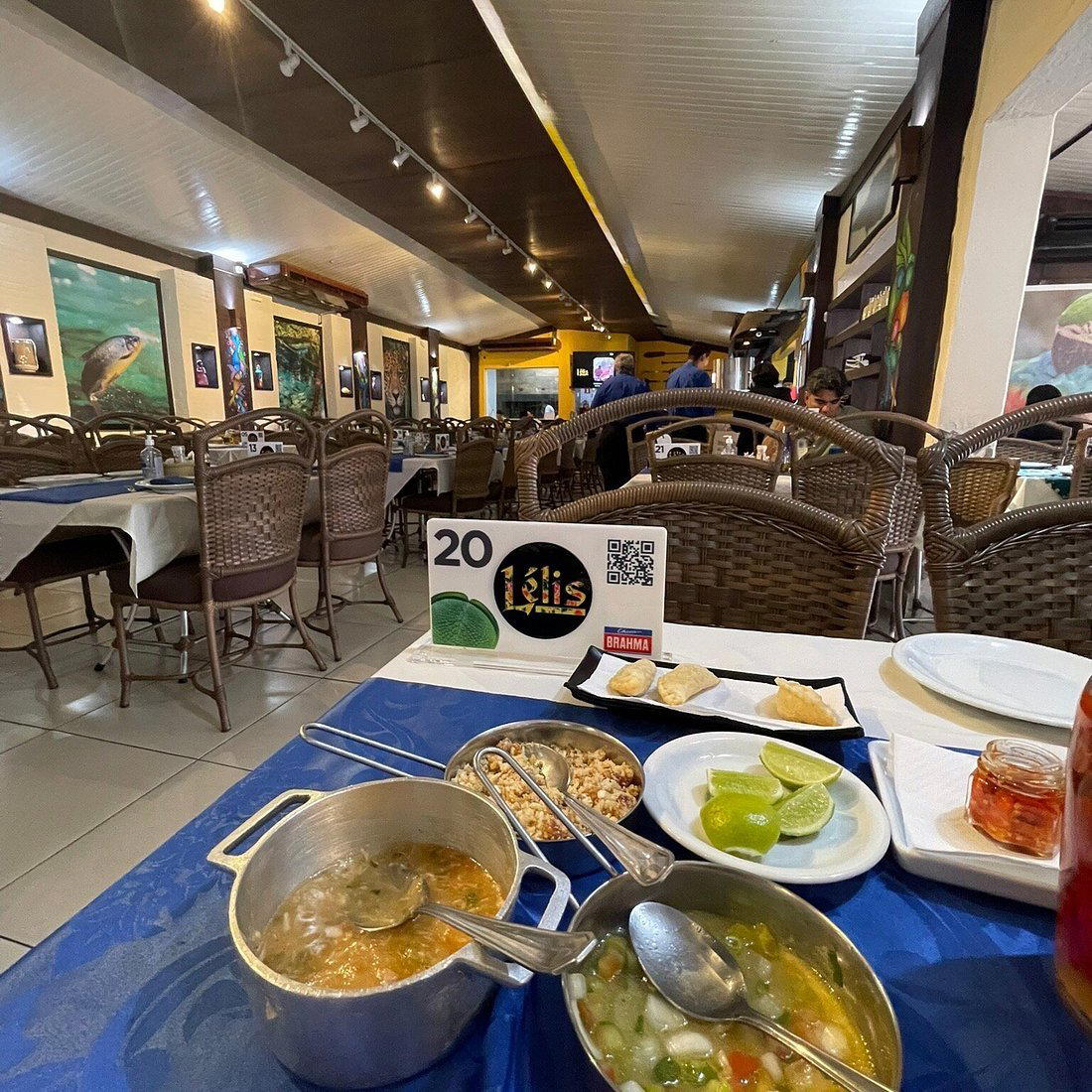
Cuiabá's broader restaurant offering spans a range of approaches to the region's ingredient base. Lélis fish restaurant addresses the Pantanal's freshwater catch, while Haru Cozinha Oriental represents the Japanese-Brazilian community that has shaped agriculture and food culture across Mato Grosso for generations. Raposa Vegana Foods Com Carinho and Taberna Portuguesa fill different positions in the city's dining mix. Our full Cuiaba restaurants guide maps these against each other for travellers building a complete picture of the city's food.
Açaí as a Category, Not a Trend
The global appetite for açaí as a health product has somewhat distorted how the fruit is understood outside Brazil. In the export market, it is primarily a frozen pulp ingredient for smoothie bowls, heavily sweetened and often combined with banana, granola, and protein supplements in formats designed for gym-adjacent consumption. In the Amazonian and transitional Brazilian cities where the fruit has deep dietary roots, this interpretation registers as a significant departure from the source material.
Establishments that position themselves as açaí specialists in cities like Cuiabá are implicitly making a claim about proximity to that source material. The credibility of that claim depends on the supply chain they actually operate, which is why provenance matters more here than style or format. Across Brazil's food scene, the question of where ingredients come from has become central to how serious operations are evaluated, a shift visible not just at prestige restaurants but in the increasing attention paid to regional producers by venues as varied as Manga in Salvador, Manu in Curitiba, and Orixás North Restaurant in Itacaré. Even internationally, the sourcing-first framework is reshaping how venues are assessed, from Le Bernardin in New York City to Lazy Bear in San Francisco.
Brazil's interior cities are increasingly part of that conversation. The forest-to-fork case for açaí is more legible in Cuiabá than in most places where the fruit is consumed, because the geography makes the supply line comprehensible rather than abstract.
Planning a Visit
Açaí Cuiabano is located at Rua Antônio Batista Belém, 112, in the Lixeira district of Cuiabá. Visitors arriving in Cuiabá for the first time should note that the city operates in Mato Grosso time (UTC-4), that heat in the city is considerable for much of the year, and that Lixeira is accessible by taxi and ride-share services from the city centre.
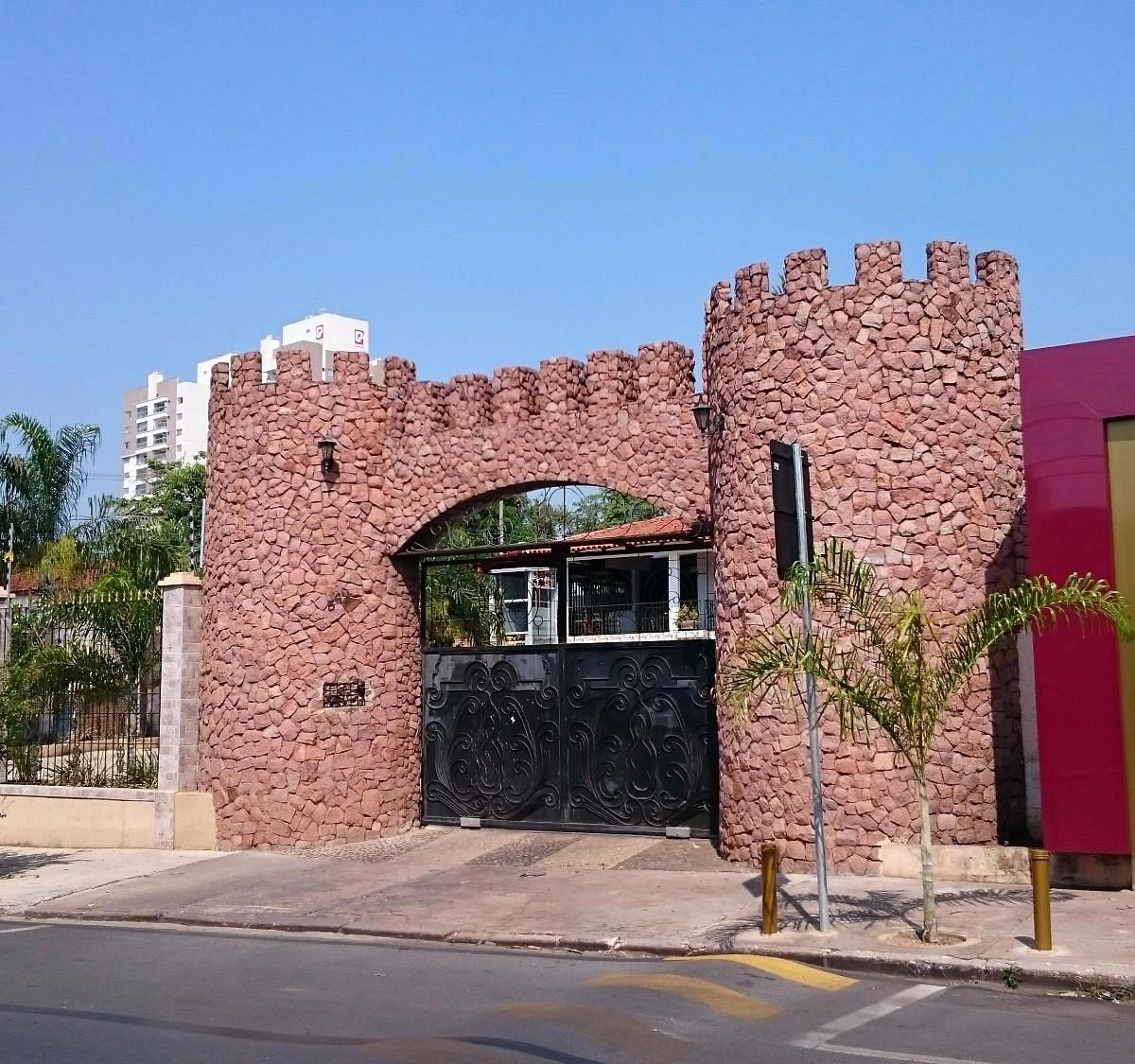
For travellers using Cuiabá as a base before heading into the Pantanal or the Chapada dos Guimarães, the city's food offers a more concentrated regional identity than the itinerary logistics often suggest. Açaí Cuiabano is one reference point within that; for a fuller cross-section, the venues listed in our Cuiabá city guide provide a map across cuisine types and price levels. For those extending their Brazilian itinerary, Birosca S2 in Belo Horizonte, Mina in Campos do Jordão, Primrose in Gramado, Castelo Saint Andrews in Vale do Bosque, Olivetto Restaurante E Enoteca in Campinas, and State of Espírito Santo in Rio Bananal collectively illustrate how widely Brazil's regional food identities diverge from north to south.
Frequently asked questions
Would Açaí Cuiabano be comfortable with kids?
Açaí shops in Brazil's interior cities are generally casual, counter-service operations where families eat at all hours, and Lixeira is a residential district rather than a nightlife zone. Açaí itself, typically served cold, sweet, and topped with fruit or granola, is a format children take to readily across Brazil.
What's the vibe at Açaí Cuiabano?
Açaí Cuiabano sits in Lixeira, a neighbourhood in Cuiabá that international food media has largely passed over, which points toward a local-facing operation rather than a tourist-oriented one. In Mato Grosso's regional context, açaí spots function as everyday gathering points, informal, quick-service, and neighbourhood-rooted. Expect something closer to a corner juice bar than a sit-down café.
Is Açaí Cuiabano a good stop for visitors coming from the Pantanal or Chapada dos Guimarães?
Cuiabá is the standard gateway city for both the Pantanal wetlands and the Chapada dos Guimarães plateau, and Açaí Cuiabano's address in the Lixeira district puts it within the urban core that most travellers pass through on those routes. An açaí stop here gives a grounding in how the fruit is actually consumed in central Brazil, dense, cold, and functional, rather than in the export-market form familiar from health food shops abroad. It is a practical and geographically logical detour for anyone moving between those two destinations.
What should I order at Açaí Cuiabano?
Açaí is the category here, and in Brazilian practice that means a cold, thick base of blended açaí pulp, sourced along the Amazonian supply routes that move the fruit south from Pará into cities like Cuiabá. Toppings such as banana, granola, and condensed milk are standard across the format in central Brazil.
Quick Comparison
Comparable venues nearby, for context on price, style, and recognition.
| Venue | Cuisine | Price | Notes |
|---|---|---|---|
| Açaí CuiabanoThis venue (the venue you are viewing) | Brazilian Açaí | Not listed | Not listed |
| Lélis fish restaurant | Brazilian Fish Rodizio | $20–30 | Not listed |
| Raposa Vegana Foods Com Carinho | Vegan Brazilian & International | $10–20 | Consil |
| Taberna Portuguesa | Traditional Portuguese Seafood | Not listed | Goiabeiras |
| Haru Cozinha Oriental | Japanese Asian Fusion | Not listed | Bosque |
| Koni Store | Japanese Hand Rolls (Konis) | $10–20 | Asa Sul |
Continue exploring
More in Cuiaba
Details
- Casual Hangout
- A La Carte
- Vegetarian Friendly
Current opening hours
- Monday
- 1–9:40 PM
- Tuesday
- 1–9:40 PM
- Wednesday
- 1–9:40 PM
- Thursday
- 1–9:40 PM
- Friday
- 1–9:40 PM
- Saturday
- 1–9:40 PM
- Sunday
- Closed
Hours can change for holidays and private events. Hours as of .