Distrito Burger operates out of the Alto São Sebastião neighbourhood in Paranaguá, Paraná, placing it within one of Brazil's most historically layered port cities. The spot fits a broader pattern of casual-format burger operations that have taken hold across mid-sized Brazilian cities, where local crowds have pushed back against the dominance of chain formats in favour of independently run alternatives.
Pearl is the En Primeur Club membership app — saves, bookings, and concierge access live there. Same editors, same standards.
- Address
- R. Barão do Rio Branco - Alto São Sebastião, Paranaguá - PR, 83203-430, Brazil
- Website
- ifood.com.br
- Directions
- Get directions
 Saves & bookings on Pearl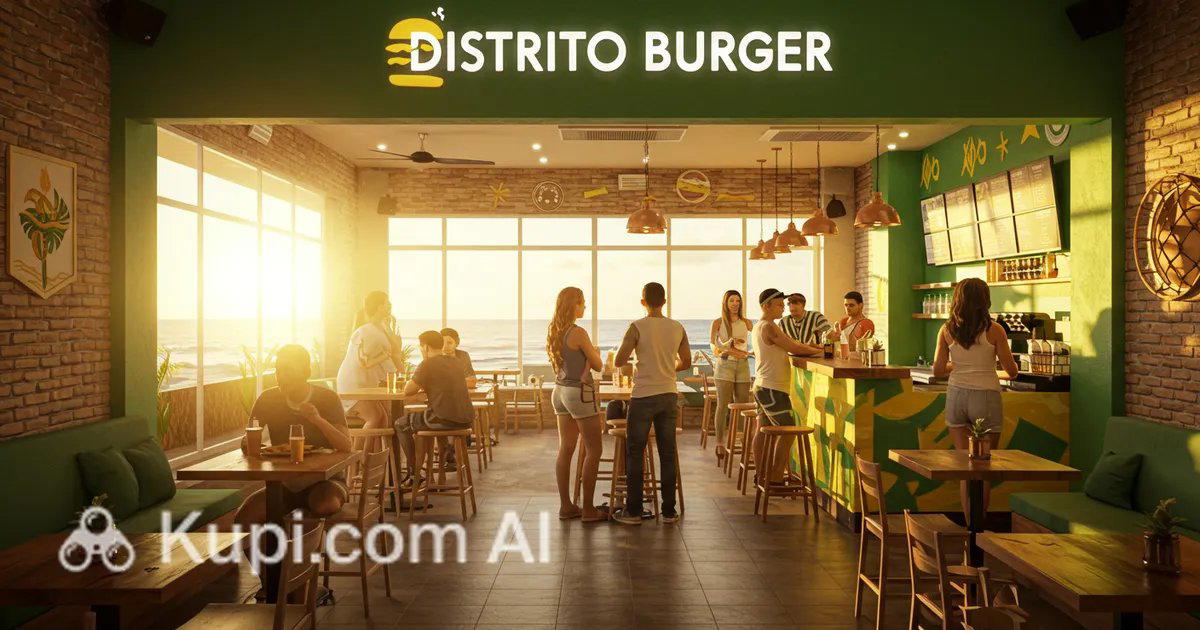
Burgers in a Port City: What Paranaguá's Casual Dining Scene Tells You
Distrito Burger is a burger restaurant in Paranaguá, Brazil, with. It sits roughly 90 kilometres east of Curitiba on the Paraná coast, and most visitors pass through on the way to Ilha do Mel or to take the Serra Verde Express train through the Atlantic Forest. Yet that transit character has shaped its food culture in a specific way: the city's restaurants tend to serve a local population rather than a tourist circuit, which means they compete on price and regularity rather than spectacle. Distrito Burger, addressed on Rua Barão do Rio Branco in the Alto São Sebastião district, operates in that context.
Across mid-sized Brazilian cities over the past decade, independently operated burger spots have moved from novelty to neighbourhood staple. The model is largely the same whether you are in Curitiba, Campinas, or a coastal city in Paraná: a focused menu, consistent execution, and a local following that sustains the operation without relying on visitor traffic. This is a different competitive category from the fine-dining tier, venues like Manu in Curitiba or Oteque in Rio de Janeiro operate with tasting menus, critical recognition, and reservation windows measured in months. Distrito Burger sits at the opposite end of that spectrum: accessible, walk-in friendly, and community-facing.
The Cultural Context of the Brazilian Burger
The rise of the artisan burger in Brazil is not simply an import of American fast-casual trends. It absorbed elements of Brazilian snack culture, particularly the lanche tradition, in which evening street-adjacent eating is a social act rather than a functional one. Cities across the country have produced their own regional inflections of this format: smash burgers in São Paulo's more design-conscious neighbourhoods, wood-fire variants in the Sul region, and heavily loaded constructions influenced by the boteco tradition of abundant, unpretentious food. Brazil's broader restaurant scene, which includes nationally recognised operations like D.O.M. in São Paulo and regionally grounded experiments like Orixás | North Restaurant in Itacaré, exists on a long continuum that includes this casual tier.
In a city like Paranaguá, where the food identity is anchored by barreado (the slow-cooked beef stew that originated in the coastal Paraná region and is closely associated with the city's Carnival tradition), a burger spot occupies a deliberately different register. Casa do Barreado represents the more heritage-facing side of Paranaguá's food culture; the restaurant, by contrast, reflects the everyday dining habits of a younger, local crowd. Both are part of the same city's food picture, and neither displaces the other.
Alto São Sebastião and the Neighbourhood Context
The Alto São Sebastião district is a residential area sitting away from Paranaguá's waterfront and historic centre. Dining options in this part of the city tend to serve immediate neighbourhood demand rather than drawing visitors across town, which positions them differently from the restaurants clustered near the port or the older commercial streets. A burger operation in this location competes primarily with other neighbourhood-level casual options, including the açaí spots and snack bars that form the daily eating infrastructure of most Brazilian residential districts. Sos açaí represents that parallel category in Paranaguá's local scene.
Brazil's casual dining tier varies significantly by neighbourhood, even within smaller cities. A restaurant on a high-traffic commercial strip operates under different pressure from one embedded in a residential zone. The latter has lower footfall but higher repeat-visit rates, and its reputation spreads through word of mouth rather than digital discovery or tourist recommendations. This is the structural position the restaurant occupies, and it is a position that shapes what matters: consistency, familiarity, and a product that locals are willing to return to regularly.
How Distrito Burger Sits in Brazil's Wider Casual Dining Picture
Brazil's most discussed dining destinations currently concentrate in São Paulo, Rio de Janeiro, and a handful of destination cities further afield. This is true across the interior and coastal cities of Paraná: venues like Olivetto Restaurante E Enoteca in Campinas or Primrose in Gramado have built recognition within their own regional ecosystems without necessarily breaking into national editorial conversation. The restaurant operates in a similar self-contained local context.
At the more premium end of Brazil's dining spectrum, the gap between a Paranaguá neighbourhood burger spot and the country's citation-heavy operations is wide. Manga in Salvador, Mina in Campos do Jordão, and Birosca S2 in Belo Horizonte each operate with a defined culinary identity that places them in a traceable comparable set within Brazilian gastronomy. Casual-format operations like Distrito Burger occupy a different function entirely: they are part of the everyday food infrastructure of their cities rather than the destination-dining layer. Internationally, this same distinction plays out between a neighbourhood spot and a critically tracked institution, the difference between a local bar and Le Bernardin in New York City is a matter of category, not just quality.
Planning a Visit
Paranaguá is accessible by bus from Curitiba, with the journey taking approximately 90 minutes on the main coastal road, or by the Serra Verde Express train, which runs from Curitiba through the Serra do Mar biosphere and arrives at the city's historic station. Visitors spending time in the city can combine a meal at the restaurant with a broader exploration of Paranaguá's food culture: the barreado tradition, covered in Casa do Barreado, and the açaí culture represented by Sos açaí together give a more complete picture of how the city eats. For a broader orientation to eating and drinking in the city, our full Paranaguá restaurants guide maps the local scene across categories and neighbourhoods.
The restaurant is walk-in friendly and open Tuesday through Sunday from 6:30 to 11 PM, with Monday closed. Venues in this tier often operate on reduced hours on slower weekday nights.
Cost and Credentials
Comparable venues nearby, for context on price, style, and recognition.
| Venue | Cuisine | Price | Notes |
|---|---|---|---|
| Distrito BurgerThis venue — the venue you are viewing | lively neighborhood, Burgers | $$ | Not listed |
| Sos açai | Centro, Brazilian Acai Bowls | $ | Not listed |
| Casa do Barreado | Not listed | $$ | Ponta do Caju, Traditional Brazilian Barreado |
| Burger4Fun Hamburgueria | American Sports-Themed Burgers | $$ | Not listed |
| Canas Hamburgueria | American Hamburgers & Snacks | $ | Not listed |
| Kitai Food Pinhais | Pinhais, Japanese Sushi | $$ | Not listed |
Continue exploring
More in Paranagua
Restaurants in Paranagua
Browse all →
At a Glance
- Lively
- Casual
- Casual Hangout
- Family
Current opening hours
- Monday
- Closed
- Tuesday
- 6:30–11 PM
- Wednesday
- 6:30–11 PM
- Thursday
- 6:30–11 PM
- Friday
- 6:30–11 PM
- Saturday
- 6:30–11 PM
- Sunday
- 6:30–11 PM
Hours can change for holidays and private events. Last verified .
Casual and friendly atmosphere encouraging relaxation without pretension.