Forneria Catarina
Forneria Catarina occupies a Centro address in Florianópolis at a moment when the city's dining scene is pulling between beach-resort informality and a more considered urban eating culture. The forneria format, bread, wood-fired technique, neighbourhood rhythm, sits at the intersection of both impulses, offering a counterpoint to the island's seafood-dominant restaurant circuit.
Pearl is the En Primeur Club membership app — saves, bookings, and concierge access live there. Same editors, same standards.
- Address
- R. Esteves Júnior, 604 - Centro, Florianópolis - SC, 88015-130, Brazil
- Phone
- +554833330707
- Website
- forneriacatarina.com.br
- Directions
- Get directions
 Saves & bookings on Pearl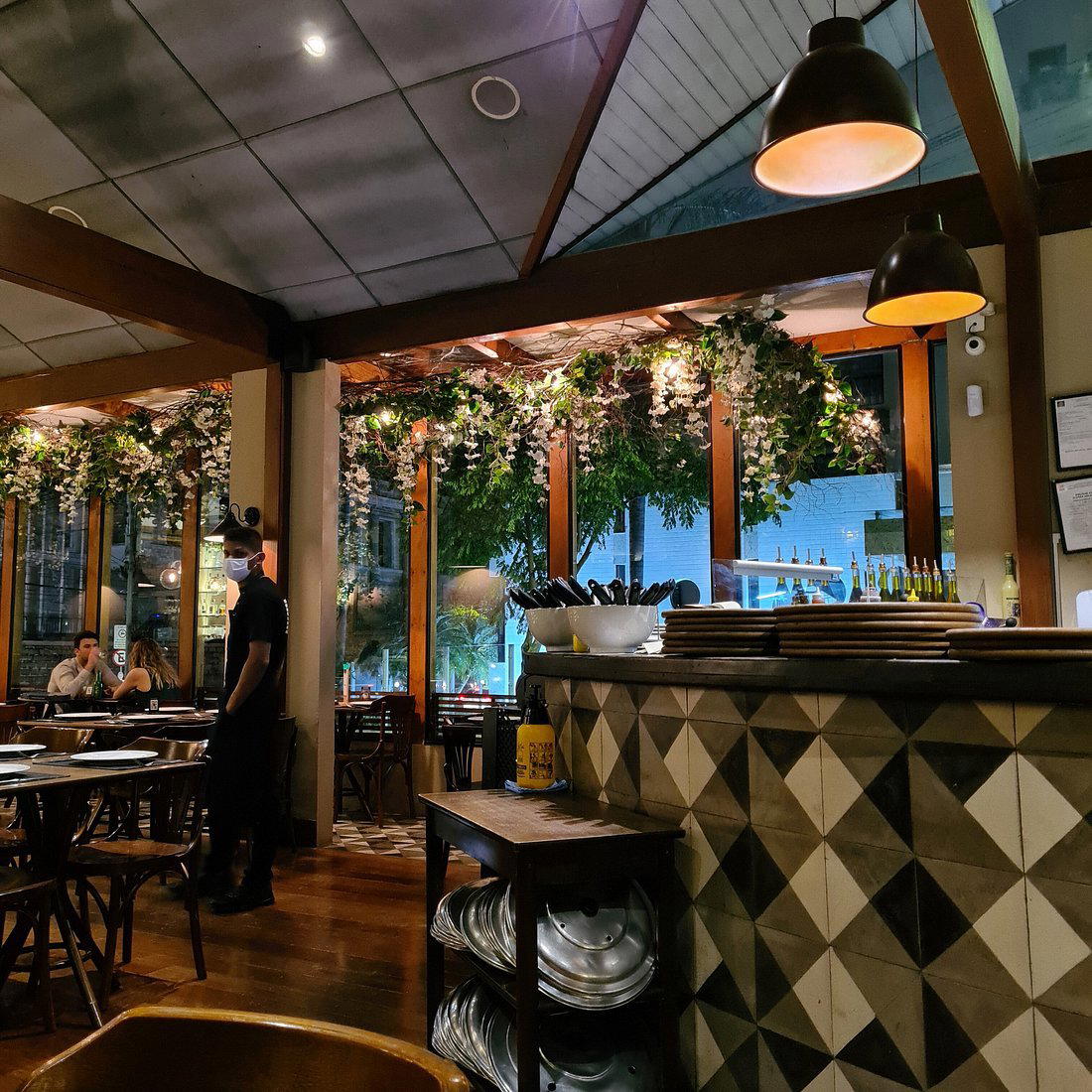
Centro Florianópolis and the Question of Where to Eat Off the Beach
Forneria Catarina is a restaurant in Centro, Florianópolis, serving wood-fired Italian pizza at an accessible price point. The city gets international attention for its beaches, Joaquina, Lagoa da Conceição, Praia Mole, and its restaurant scene tends to follow tourist geography, clustering around the coastline and resort corridors. Centro, the older urban core on the island's western edge facing the mainland across Baía Norte, operates on a different register. It is the part of Florianópolis that belongs to the people who live there, not to the summer influx. Forneria Catarina sits on Rua Esteves Júnior, a Centro address that places it inside that civic, non-seasonal version of the city.
That location matters more than it might appear. Restaurants anchored in Centro occupy a different competitive ecology from those operating out of beach-adjacent neighbourhoods. The clientele is more local, the rhythm is more weekday, and the pressure to perform for tourists who may not return works differently. The forneria category, broadly, a bakery or bread-focused operation that extends into light meals and café culture, thrives in precisely this kind of urban, repeat-visitor context. Think of how São Paulo's neighbourhood padarias evolved into dining anchors, or how Porto Alegre's Centro developed its own café and bakery identity distinct from its restaurant fine-dining tier. Florianópolis's Centro is developing a comparable dynamic, and Forneria Catarina is part of that shift.
The Forneria Format in Brazilian Dining
Across Brazil, the forneria or forno-led restaurant format has gained traction as a middle path between the informal padaria and the full-service restaurant. The model typically centres bread, made in-house, wood-fired or stone-baked, as both a product and a philosophy, anchoring a menu that can extend to sandwiches, pastries, light lunch plates, or evening small plates depending on the operation. It is a format that rewards proximity and regularity: you come in for bread on Tuesday, stay for lunch on Thursday, discover a new pastry on Saturday morning.
This is a different proposition from what you find at Florianópolis's more destination-oriented addresses. El Padre Pizzas operates in the wood-fired tradition with a pizzeria frame. Artusi Restaurante and Dolce Vita Restaurante represent the city's Italian-inflected restaurant tier. Noma Sushi and Ostradamus belong to the seafood and Japanese-Brazilian segment that the island supports naturally given its geography. Forneria Catarina operates in a different register from all of them, closer to the neighbourhood anchor model than to any of those destination categories.
At the broader Brazilian scale, the distance between a forneria in Centro Florianópolis and the country's headline dining addresses is considerable. Oteque in Rio de Janeiro and D.O.M. in São Paulo represent the Michelin-decorated end of Brazilian gastronomy. Manu in Curitiba, the closest major city to Florianópolis, has built a reputation in ingredient-led tasting menu territory. A forneria is not competing in that tier. It is competing for the loyalty of the neighbourhood, which is a different and more durable kind of success.
Rua Esteves Júnior and the Urban Fabric of Centro
The specific address on Rua Esteves Júnior places the restaurant in a part of Centro that functions as a working commercial street, the kind that mixes professional offices, local commerce, and the occasional restaurant that earns its business through consistency rather than spectacle. This is not the waterfront promenade. The approach is urban, the scale is human, and the experience of arriving is defined by the street itself rather than by any theatrical entrance or designed threshold.
In cities where beach tourism dominates the dining conversation, these Centro addresses often carry a kind of local credibility that the resort-facing venues cannot replicate. Regulars come for the bread or the morning coffee and end up staying. The rhythm of a forneria accommodates that; it is not a single-occasion destination but a place that rewards return visits. For a traveller staying in Florianópolis beyond a weekend, or for anyone based in the city, that kind of venue has a different value than an oceanfront table that requires booking weeks ahead and delivers a meal calibrated for Instagram.
The city's dining scene has matured enough that both modes coexist. Southern Brazil more broadly, Curitiba, Porto Alegre, the Santa Catarina coast, has developed a restaurant culture with genuine depth, drawing on European immigrant food traditions, fresh Atlantic seafood, and an increasingly sophisticated urban café culture. Florianópolis participates in all of those, but its Centro expresses the urban and European-inflected side of that heritage most clearly. The forneria format, with its bread-centred European roots adapted to Brazilian context, fits that neighbourhood character directly.
How This Fits Your Florianópolis Itinerary
Practical planning for a visit to the restaurant benefits from the Centro location. The address on Rua Esteves Júnior is accessible from most of the island's accommodation hubs without requiring the cross-island drives that beach restaurant trips often demand. For travellers spending time in the Centro area, visiting the Mercado Público, the historic cathedral district, or the ferry terminal, the forneria slots naturally into the morning or midday. For evening options in the same neighbourhood, the Centro dining scene offers enough adjacent options to build a full day's eating without leaving the urban core.
Arriving during off-peak hours is advisable, particularly on weekends when Centro sees increased foot traffic from locals running errands and meeting for lunch. A Centro forneria operates on a different traffic pattern, but that does not mean it is empty, it means the busy periods align with the local working week rather than the tourist calendar.
For those building a more comprehensive picture of dining across Brazil's south and southeast, the EP Club covers the range from neighbourhood spots to destination restaurants: Birosca S2 in Belo Horizonte, Olivetto Restaurante E Enoteca in Campinas, Primrose in Gramado, Castelo Saint Andrews - Gramado in Vale do Bosque, and Mina in Campos do Jordão each represent distinct regional dining cultures worth understanding alongside Florianópolis. Further afield, Orixás | North Restaurant in Itacaré and State of Espírito Santo in Rio Bananal illustrate how Brazil's regional food identities diverge once you move outside the south. Those interested in how the forneria format compares to internationally recognised bread-and-fire-led restaurants can look at examples like Lazy Bear in San Francisco or the technique-focused precision of Le Bernardin in New York City to understand how different cities calibrate ambition around similar craft fundamentals.
The Minimal Set
Comparable venues nearby, for context on price, style, and recognition.
| Venue | Cuisine | Price | Notes |
|---|---|---|---|
| Forneria CatarinaThis venue — the venue you are viewing | Centro, Wood-Fired Italian Pizza | $$ | Not listed |
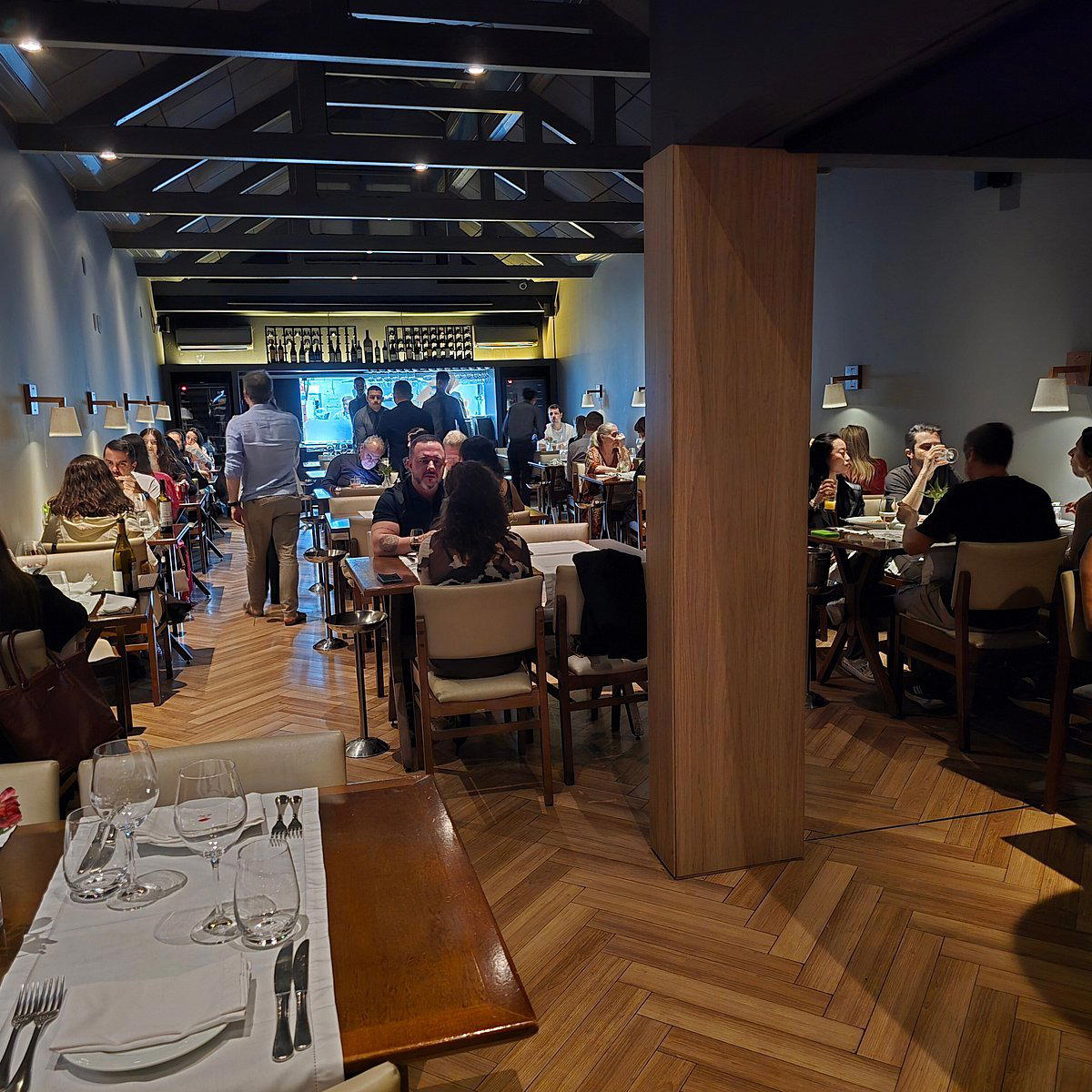
| Artusi Restaurante | Not listed | $$$$ | Centro, Contemporary Italian with Brazilian Influences |
| Pizzaria Basilico | Canto da Lagoa, Neapolitan Pizza | $$ | Not listed |
| Restaurante Guacamole Cocina Mexicana - Floripa | Centro, Authentic Mexican Taqueria | $$ | Not listed |
| Dolce Vita Restaurante | Lagoa da Conceicao, Italian Seafood | $$$ | Not listed |
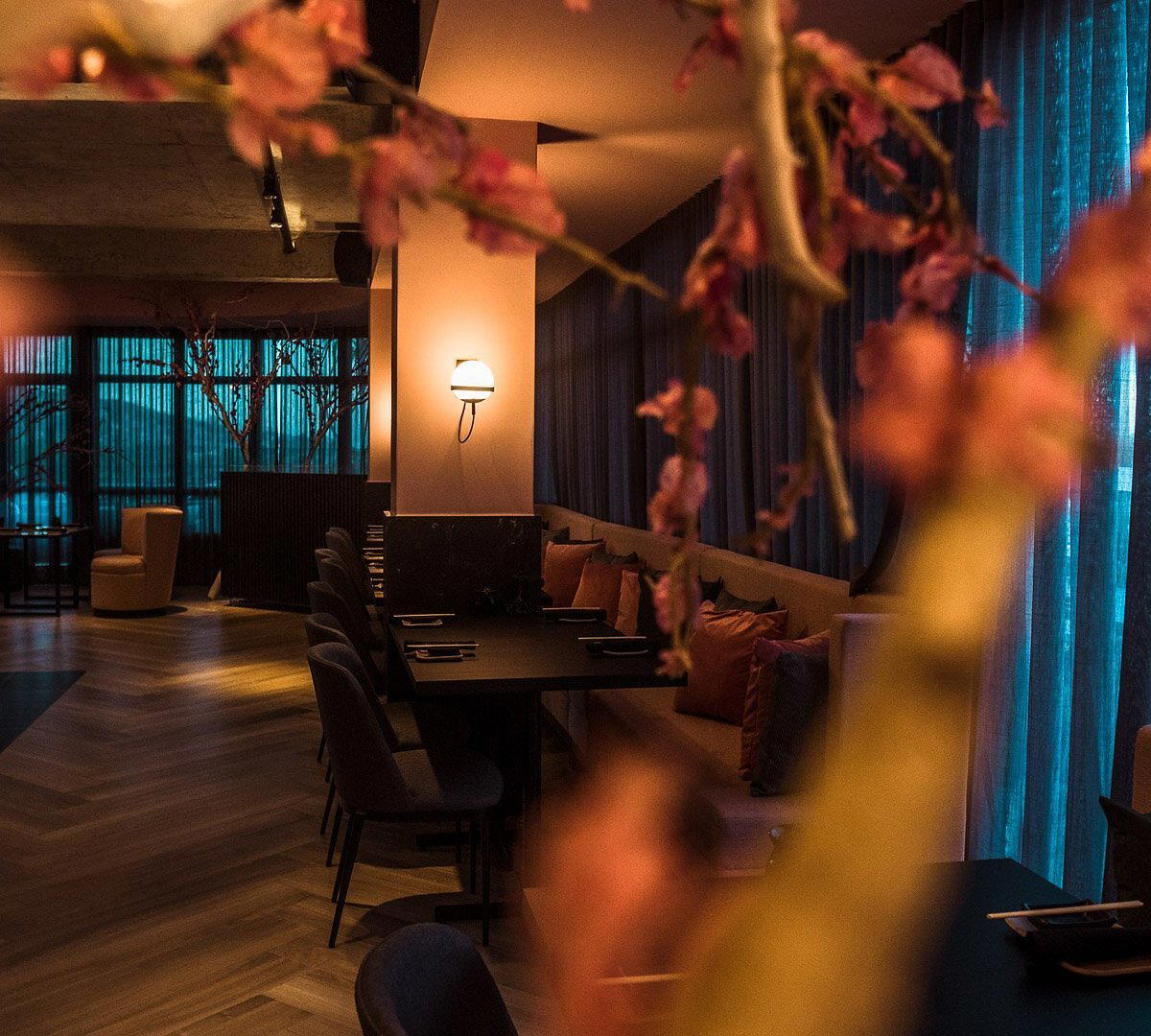
| Noma Sushi | Not listed | $$$ | Centro Empresarial / Jurerê Internacional, Modern Fusion Japanese Sushi |
Continue exploring
More in Florianopolis
Restaurants in Florianopolis
Browse all →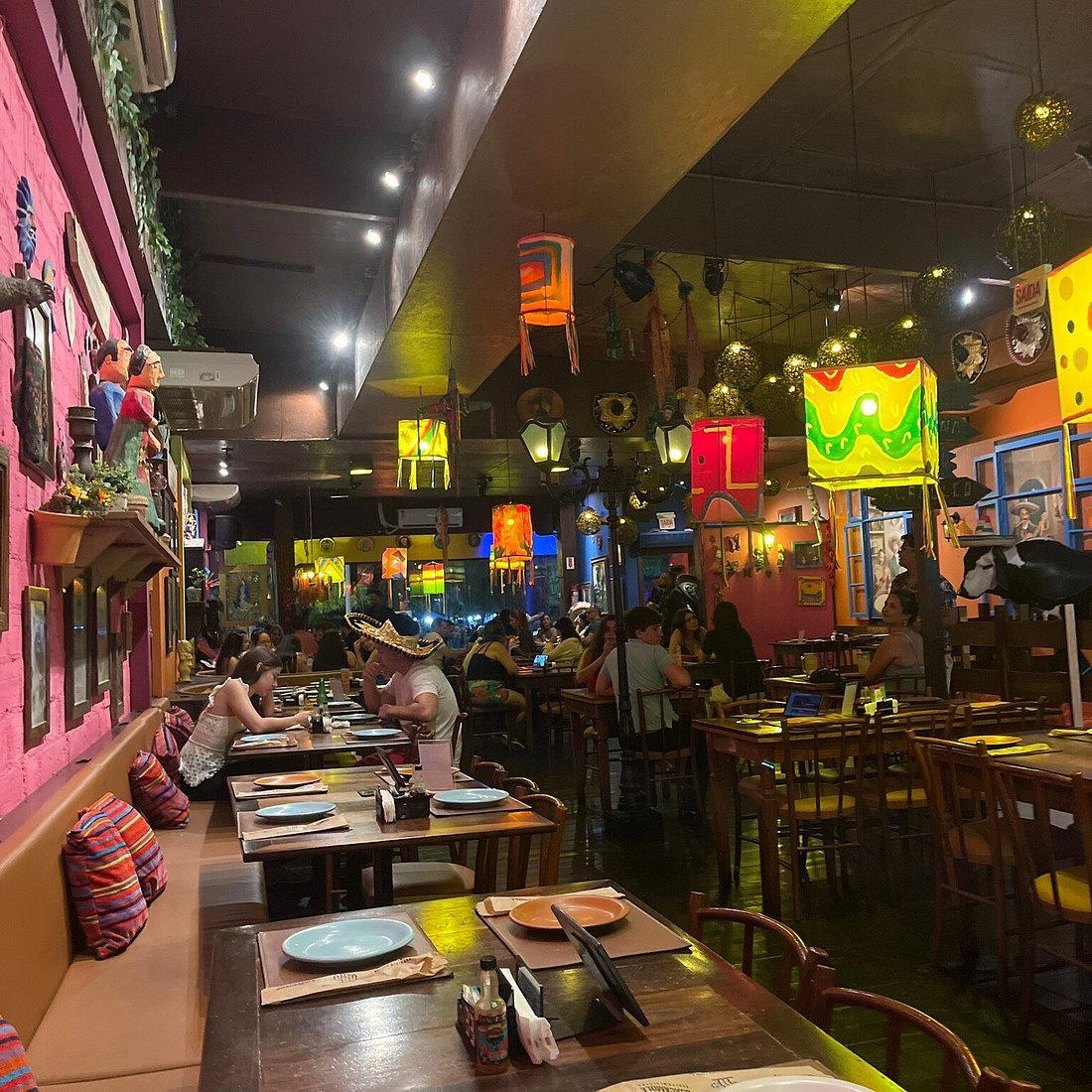
At a Glance
- Cozy
- Relaxed
- Date Night
- Family
- Late Night
- Extensive Wine List
Current opening hours
- Monday
- 6–11:50 PM
- Tuesday
- 6–11:50 PM
- Wednesday
- 6–11:50 PM
- Thursday
- 6–11:50 PM
- Friday
- 6–11:50 PM
- Saturday
- 6–11:50 PM
- Sunday
- 6–11:50 PM
Hours can change for holidays and private events. Last verified .
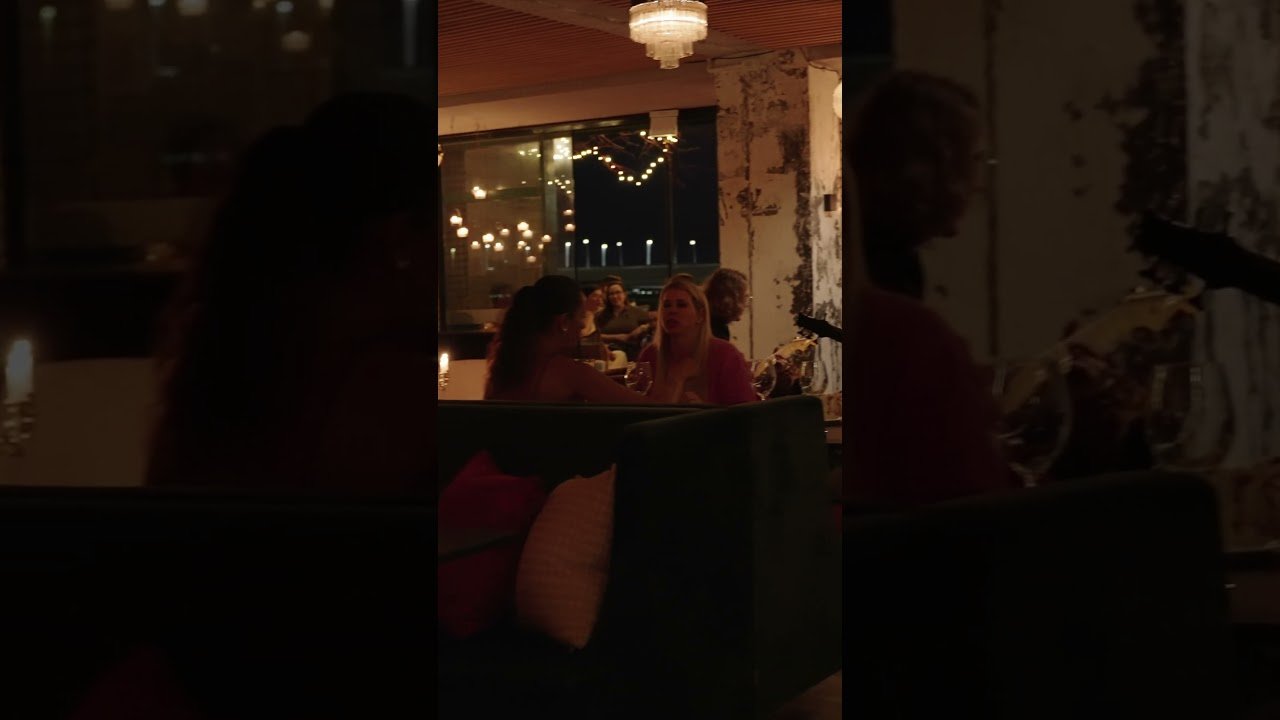
Cozy and relaxing atmosphere with soft jazz music.