Plant-based dining in Sorocaba occupies a small, deliberate niche, and VEGAN HEART on Rua Dr. Ubaldino do Amaral in Centro positions itself within it. The address places it at the gravitational centre of the city's commercial district, where foot traffic meets a growing appetite for ingredient-conscious cooking. For travellers and residents looking beyond the city's dominant churrasco tradition, it offers a focused alternative.
Pearl is the En Primeur Club membership app — saves, bookings, and concierge access live there. Same editors, same standards.
- Address
- R. Dr. Ubaldino do Amaral, 249 - Centro, Sorocaba - SP, 18010-040, Brazil
- Phone
- +5515997107187
- Website
- veganheart.menudino.com
- Directions
- Get directions
 Saves & bookings on Pearl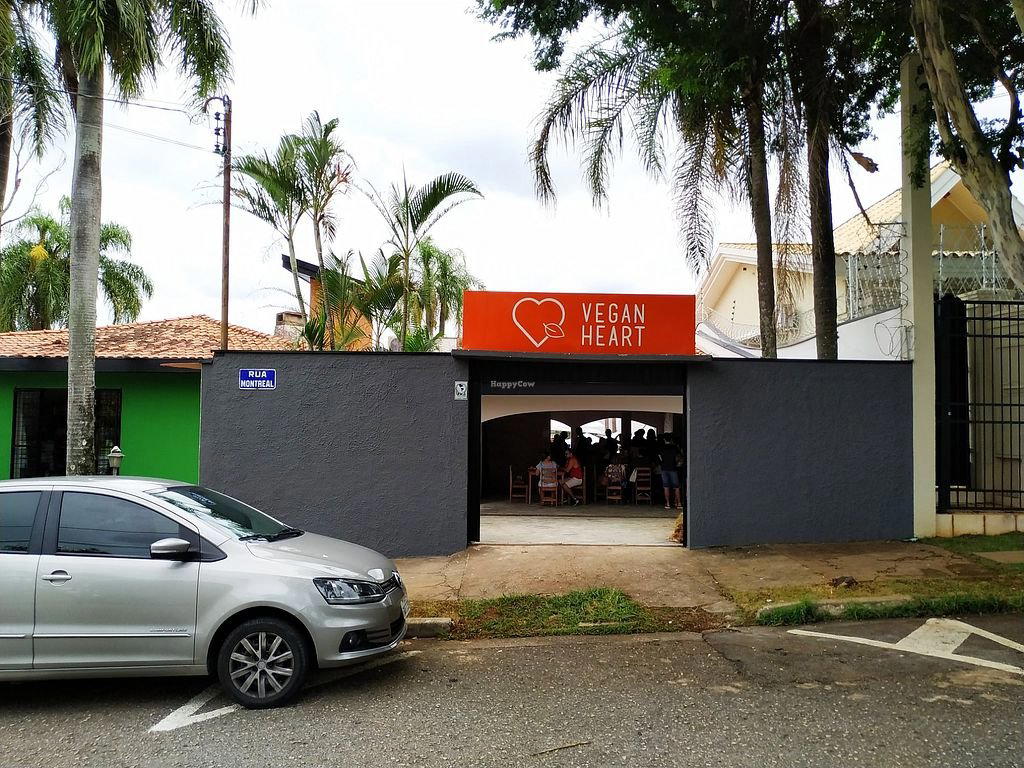
Centro's Plant-Based Counter and What It Signals About Sorocaba's Table
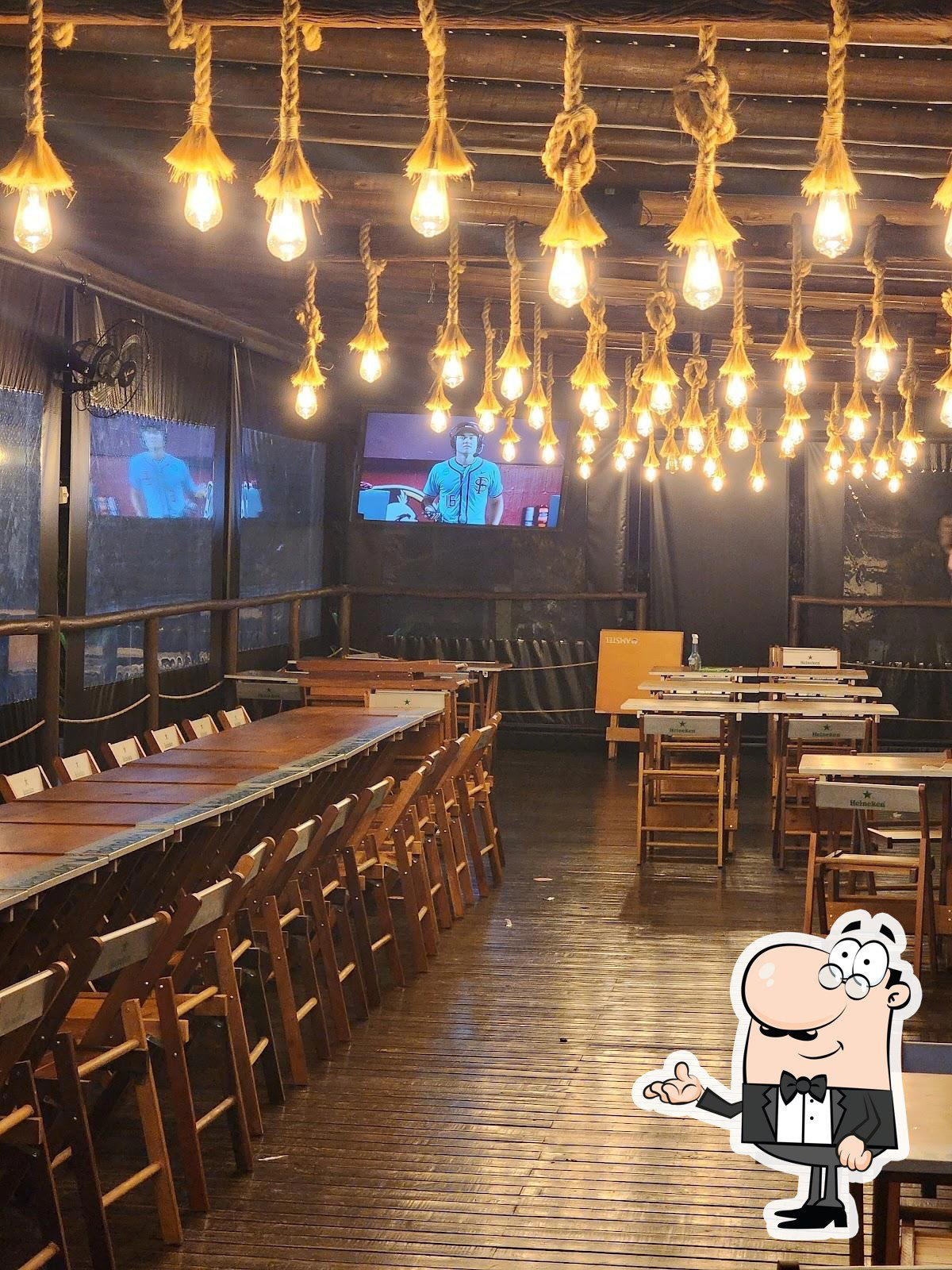
Sorocaba's dining identity has long been anchored by meat-forward traditions. The city's most visible restaurant formats, the churrascaria, the casual steakhouse, the Japanese grill, reflect a food culture shaped by São Paulo state's agricultural abundance and a population that eats accordingly. Restaurante em Sorocaba l Horse BBQ - Smoke'n Grill represents one pole of that tradition, and it draws well. Against that backdrop, a plant-based address in the city centre is not a footnote, it is a signal that demand patterns are shifting, even here.
VEGAN HEART sits on Rua Dr. Ubaldino do Amaral, 249, in Centro, Sorocaba, a casual vegan American burgers restaurant. The street runs through a district of mid-rise offices, covered arcades, and the kind of weekday foot traffic that supports lunch-focused restaurants. In Brazilian cities of this scale, Sorocaba's population sits above 700,000, Centro addresses carry a particular logic: they serve the working population at midday more than the leisure diner at night. A plant-based kitchen in this location is making a deliberate argument about who eats this way and when.
The Sourcing Argument Behind Plant-Based Cooking in São Paulo State
The editorial case for ingredient sourcing at a vegan restaurant in interior São Paulo is stronger than it might appear from the outside. The state produces a substantial share of Brazil's vegetables, legumes, and fruit, and the supply chains connecting regional producers to urban kitchens are shorter here than in coastal capitals. Restaurants operating without meat or dairy as structural ingredients are, by necessity, more exposed to the quality and seasonality of their produce: there is no protein anchor to carry an otherwise ordinary dish.
This is the standard against which plant-based kitchens at this tier are measured in Brazil. At the higher end of the national conversation, venues like D.O.M. in São Paulo or Lasai in Rio de Janeiro, ingredient provenance is documented and discussed openly, with native Brazilian species and Cerrado or Atlantic Forest sourcing treated as editorial material in their own right. At neighbourhood scale, the same logic applies even without the press coverage: a plant-based menu that relies on commodity produce reads differently from one that reflects regional seasonal availability. The distinction matters to anyone eating consciously.
Sorocaba's position within São Paulo state's agricultural belt gives local restaurants access to that supply if they choose to use it. Whether VEGAN HEART makes that choice visible through its menu presentation is something a first visit would need to establish, the venue's digital footprint does not currently surface those details. What the location and format do suggest is a kitchen operating within a direct plant-based tradition.
Where VEGAN HEART Sits in Sorocaba's Broader Dining Map
Sorocaba's restaurant scene covers more range than its scale might suggest. Japanese cuisine has a meaningful local presence, Restaurante Japonês Kyodai Sorocaba and Yosugiru Sushi Sorocaba both draw regulars from the city's established Japanese-Brazilian community. Event-format dining is represented by properties like Chácara Santa Victória, which operates at a different register entirely. The plant-based segment, by contrast, remains thin relative to demand indicators in comparable Brazilian cities, which means the restaurant operates in a low-competition niche with a loyal but still-developing customer base.
That competitive positioning carries practical implications. In a market segment with few direct peers, the quality floor tends to be lower and the ceiling less defined. Restaurants in this position can either drift toward convenience, serving the vegan option rather than the considered dish, or use the lack of competition as an argument for doing something more deliberate. The Centro address, with its midday foot traffic, suggests the kitchen is oriented toward accessibility and volume at lunch rather than evening tasting formats. That is neither a criticism nor a compliment; it is a category choice that shapes what a visit looks like.
Reading the Room: What to Expect and How to Plan a Visit
The restaurant's address in Centro makes it most naturally a weekday lunch destination for anyone working or moving through that part of the city. The surrounding district is dense enough that parking and access are likely easier by foot or public transport than by car, a pattern common to Centro addresses across São Paulo state's mid-sized cities. The restaurant is open Tue-Sun 6-10:30 PM and closed Monday.
Walk-in access is the default format.
Across Brazil more broadly, plant-based restaurants at neighbourhood scale tend to price at the casual dining tier. That general pattern makes the restaurant accessible to a wide cross-section of Sorocaba's population, not just those specifically seeking out vegan food. The Centro location reinforces this: it serves the surrounding district and passing foot traffic.
How It Stacks Up
Comparable venues nearby, for context on price, style, and recognition.
| Venue | Cuisine | Price | Notes |
|---|---|---|---|
| VEGAN HEARTThis venue — the venue you are viewing | Vegan American Burgers | $$ | Not listed |
| Restaurante Japonês Kyodai Sorocaba | Traditional Japanese Sushi | $$ | Downtown |
| Restaurante em Sorocaba l Horse BBQ - Smoke´n Grill | Brazilian BBQ Smokehouse | $$ | Jardim Santa Rosália |
| Yosugiru Sushi Sorocaba | Japanese Sushi | $$$ | Parque Campolim |
| Chácara Santa Victória | Brazilian Buffet | $$ | Sorocaba |
| Tufas Burger | Gourmet Burgers | $$ | Vila Rio Branco |
Continue exploring
More in Sorocaba
Restaurants in Sorocaba
Browse all →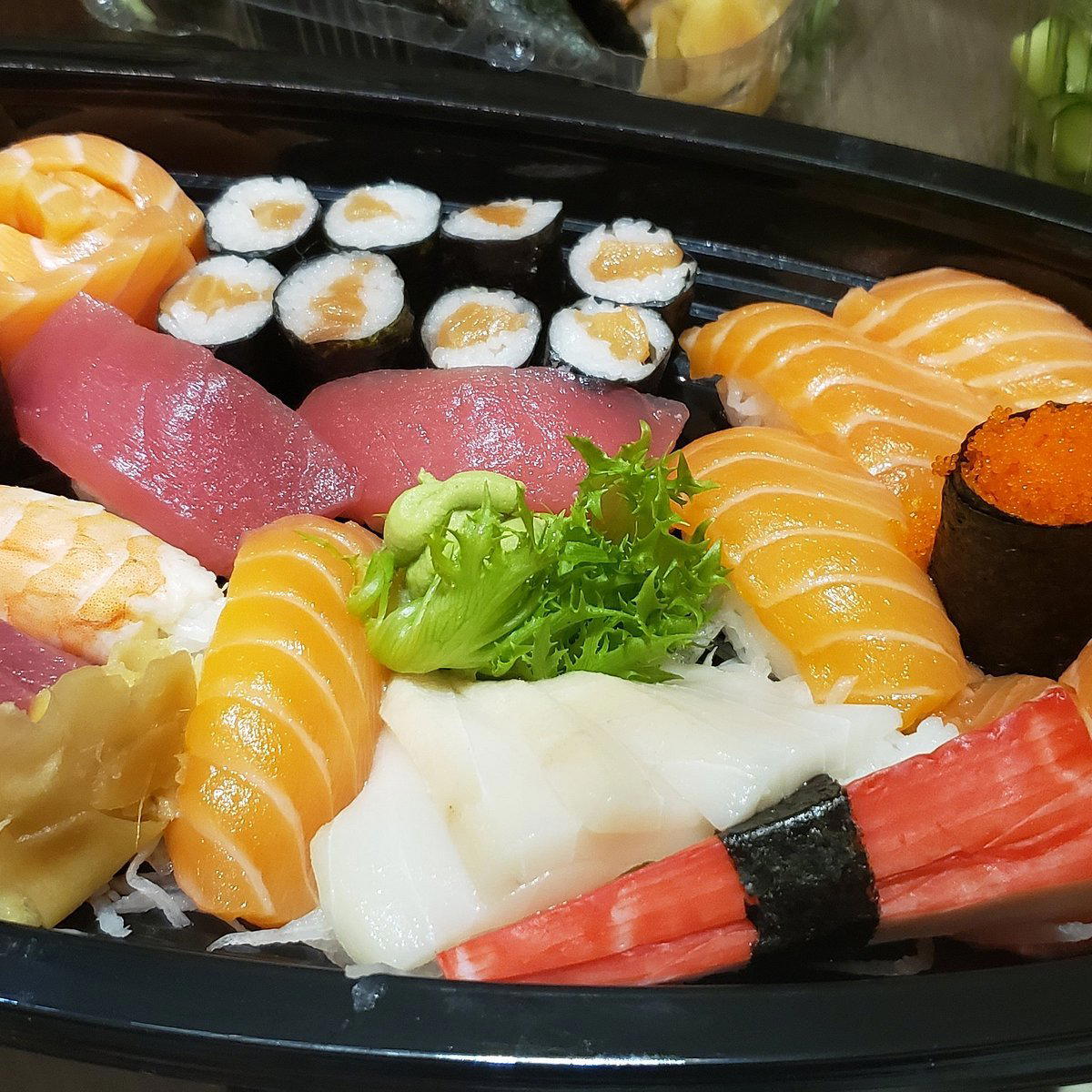
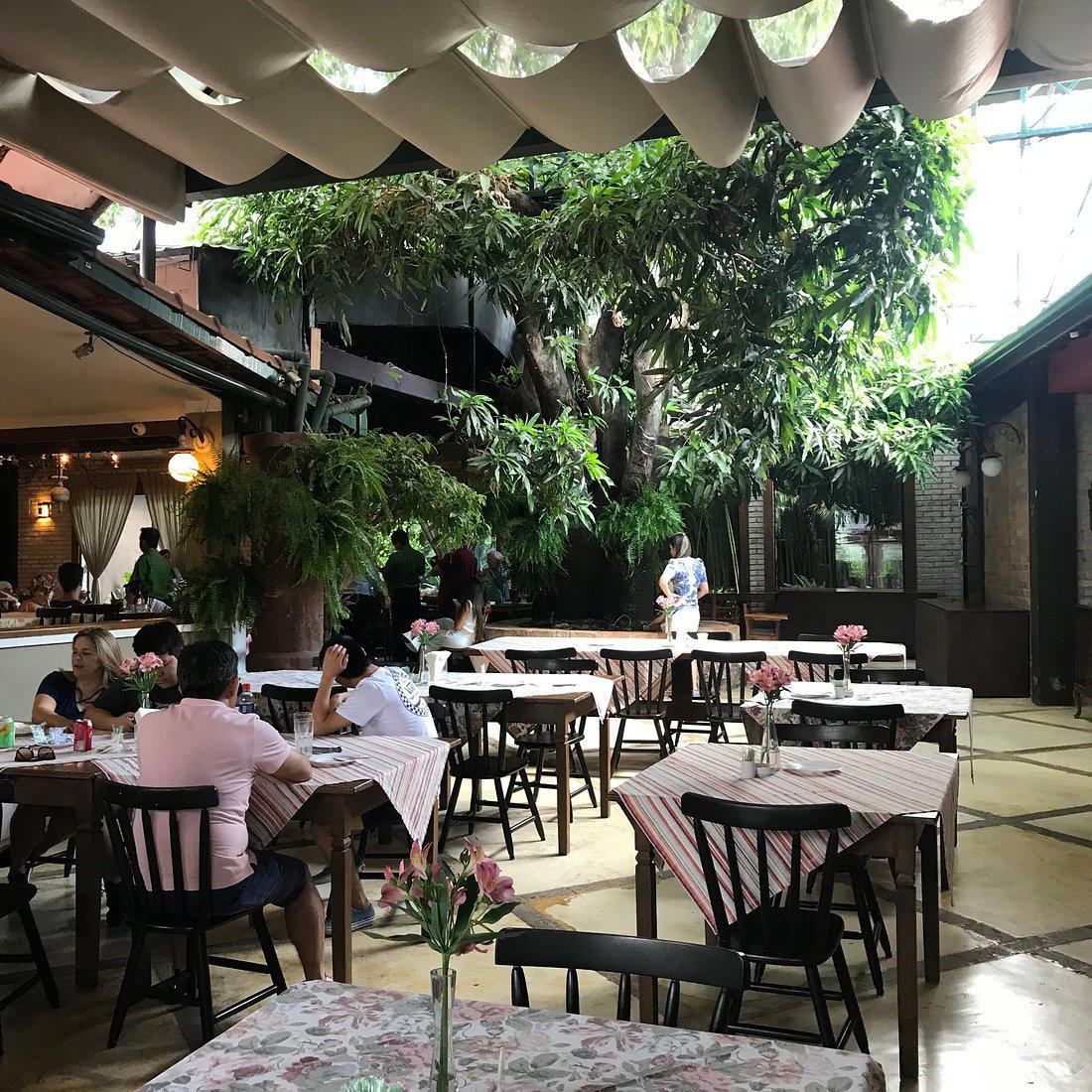
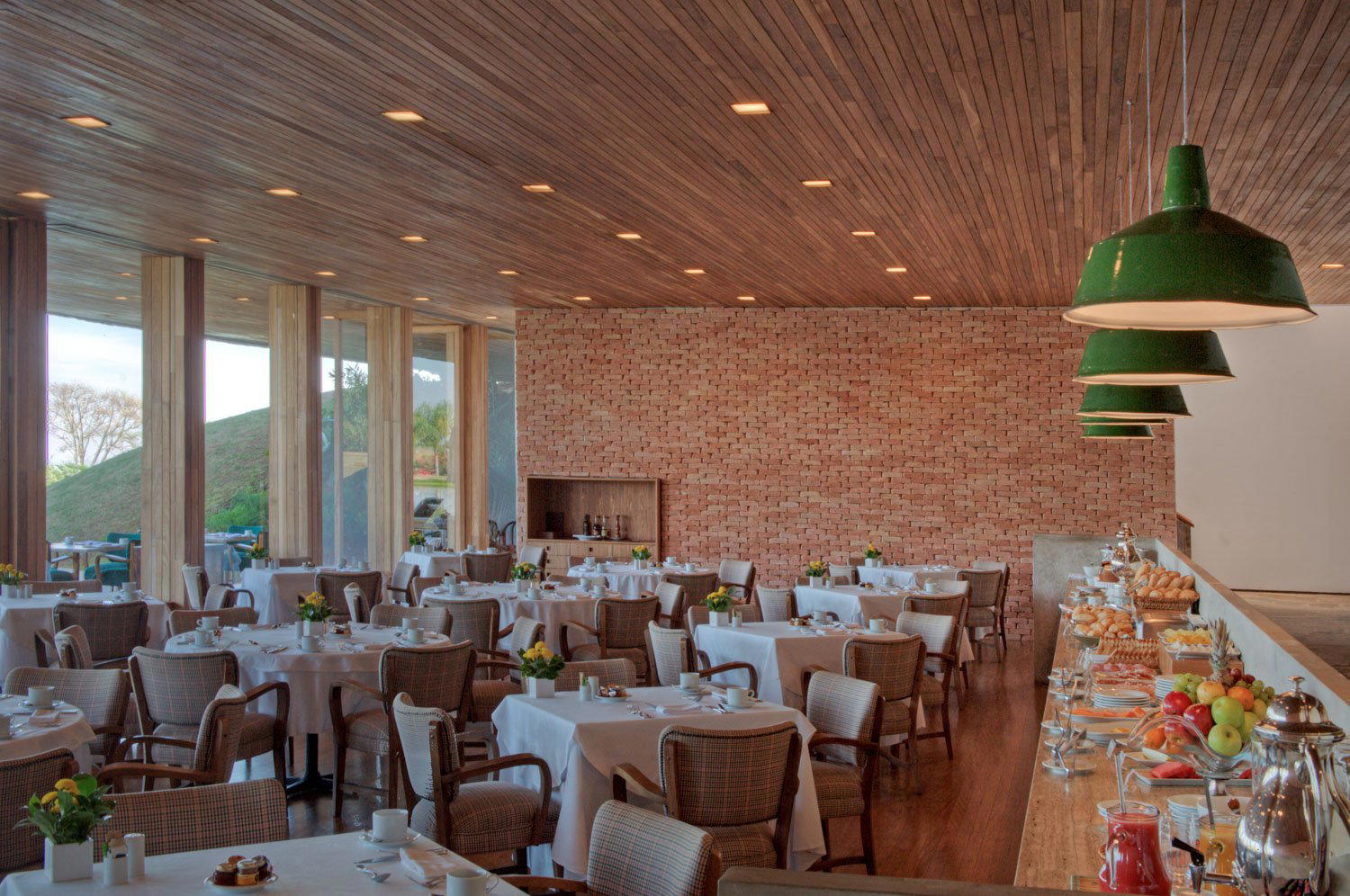
Bars in Sorocaba
Browse all →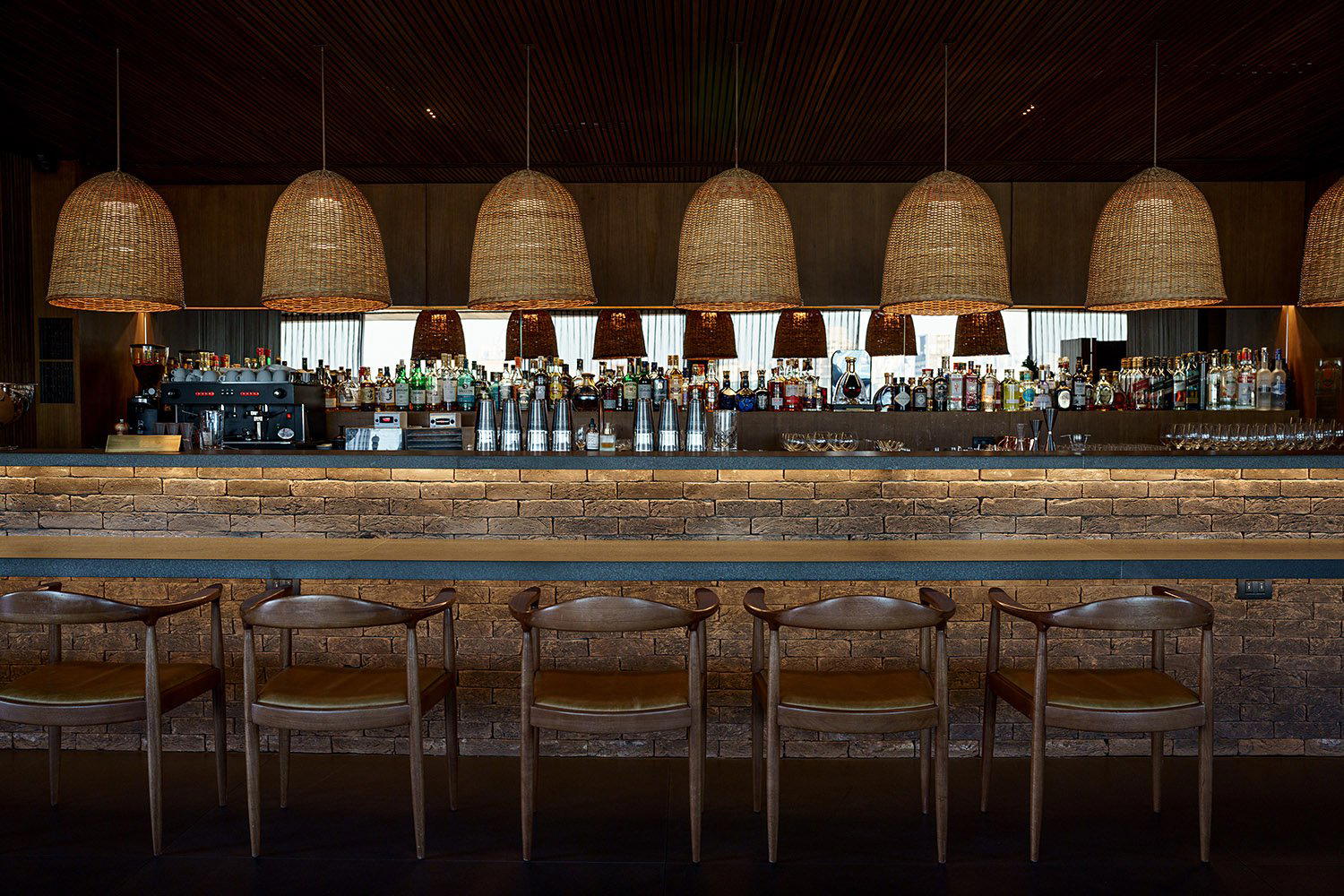
Hotels in Sorocaba
Browse all →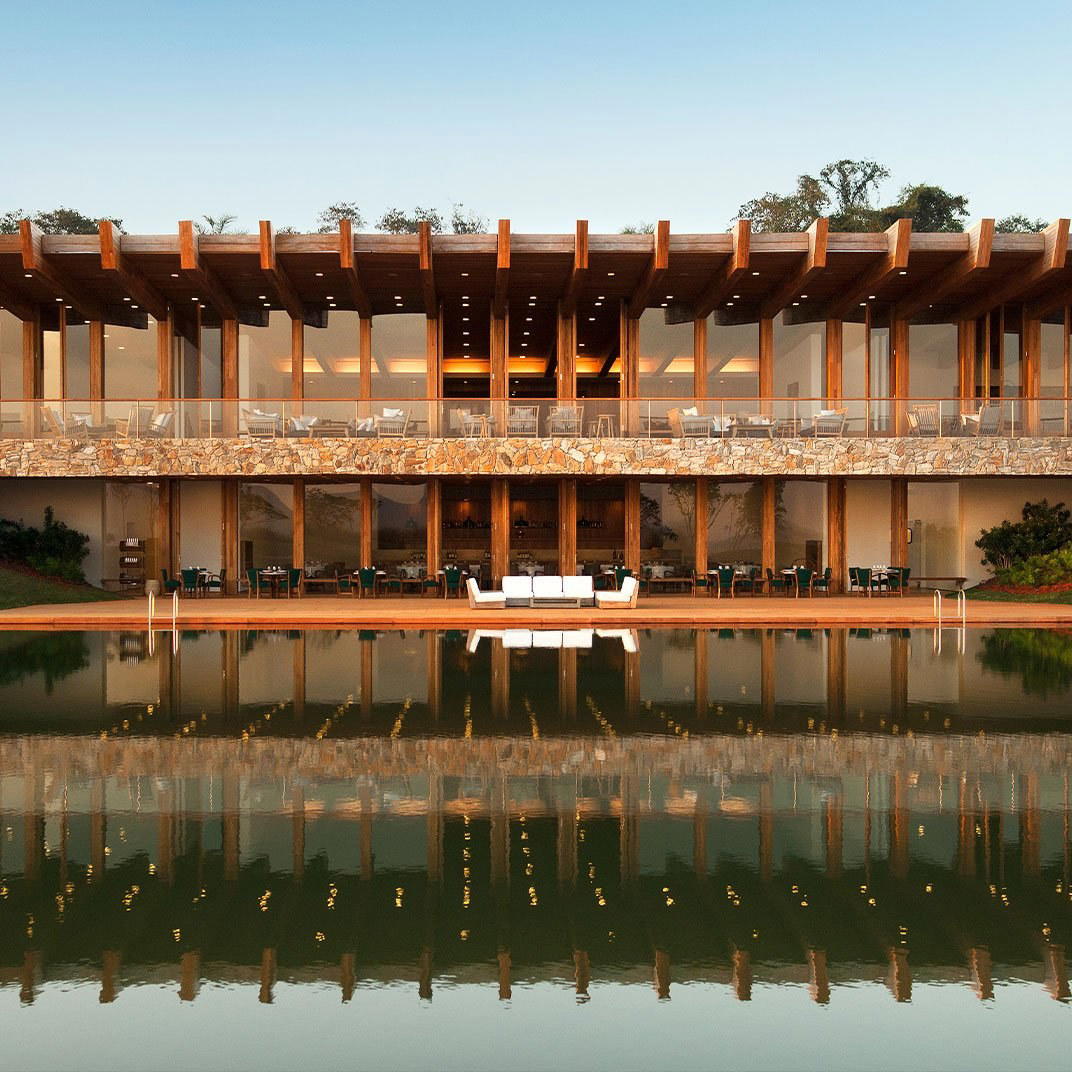
At a Glance
- Casual
- Cozy
- Casual Hangout
Current opening hours
- Monday
- Closed
- Tuesday
- 6–10:30 PM
- Wednesday
- 6–10:30 PM
- Thursday
- 6–10:30 PM
- Friday
- 6–10:30 PM
- Saturday
- 6–10:30 PM
- Sunday
- 6–10:30 PM
Hours can change for holidays and private events. Last verified .
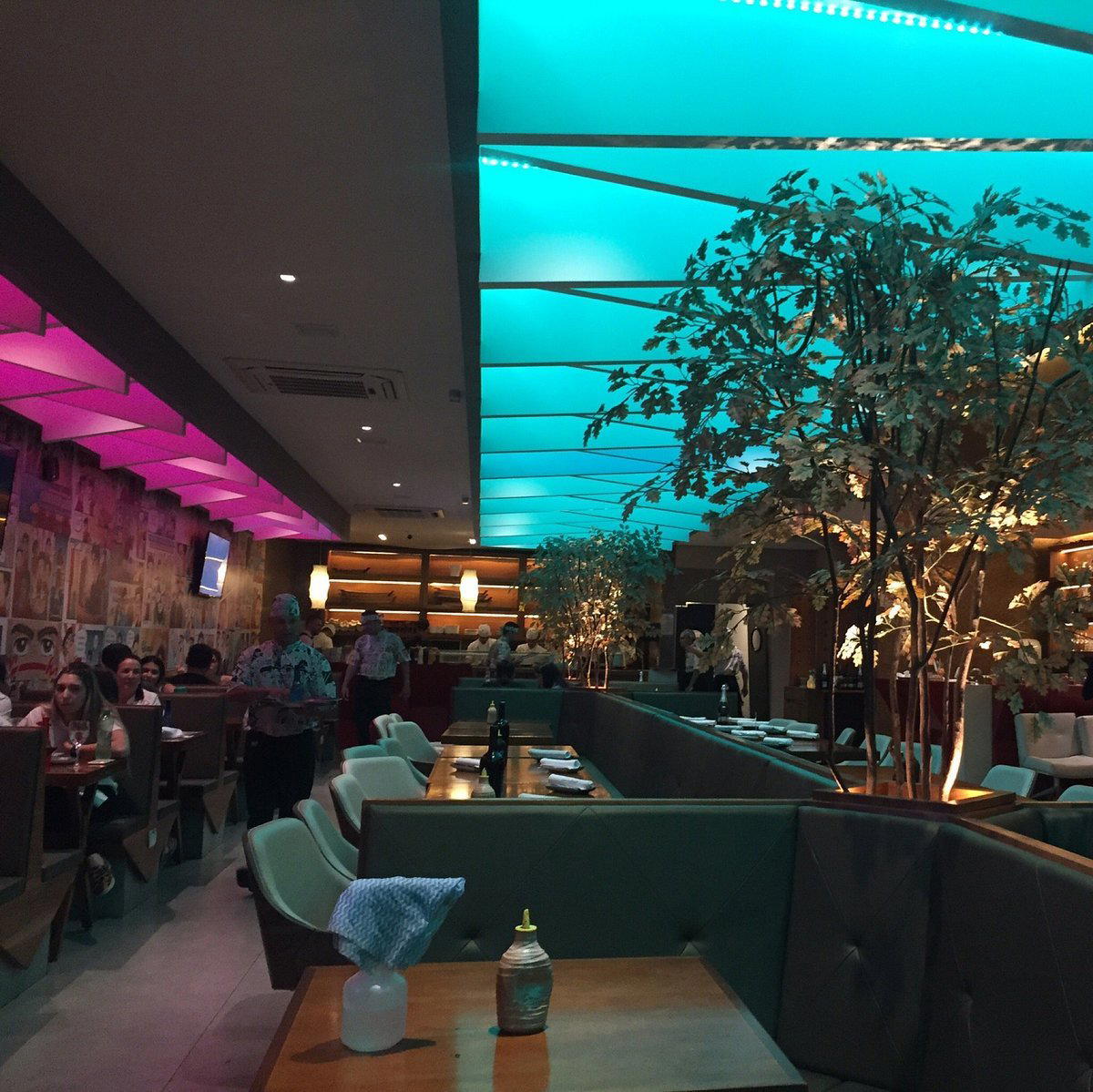
Simple, well-decorated space with friendly and attentive staff.