Our verdict
Lobby Café sits within Belém's hotel hospitality circuit, where the Amazon's larder, açaí, cupuaçu, tucupi, and river fish, shapes what ends up on the plate. The café format places it in a mid-register tier between Belém's street-food culture and its more formal dining rooms, making it a practical entry point for visitors tracing the city's Amazonian ingredient story.

Pearl is the En Primeur Club membership app, where members save venues, book tables and use the concierge.
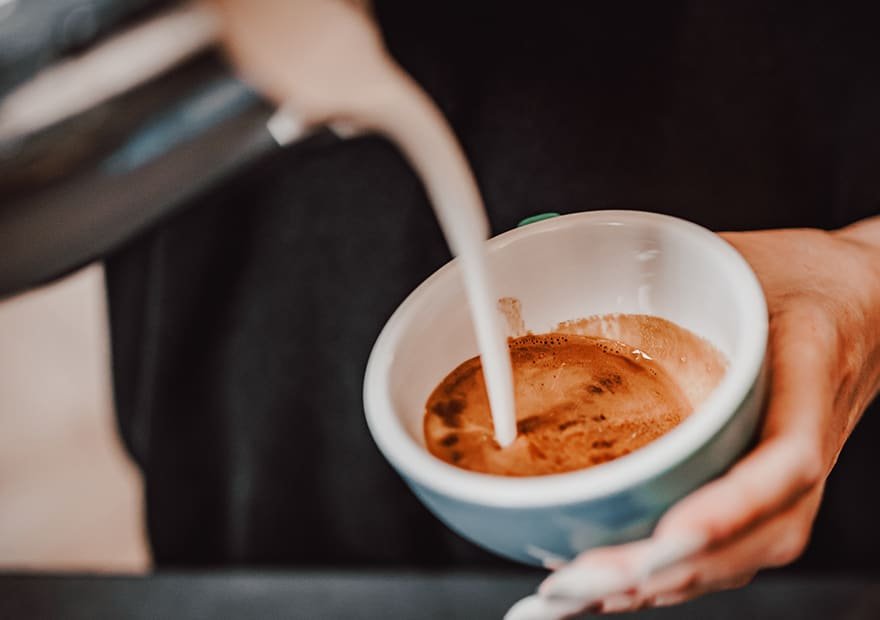
Where the Amazon Begins on the Plate
Belém is the city where Amazonian ingredients enter the wider Brazilian food conversation. Long before açaí became a São Paulo smoothie staple or tucupi appeared on tasting menus at D.O.M. in São Paulo, cooks in Belém's kitchens were working with these raw materials as everyday currency. The city sits at the mouth of the Amazon delta, which means its markets, Ver-o-Peso chief among them, function as direct pipelines from forest and river to cooking pot. Any café or restaurant operating here draws, consciously or not, from one of the most concentrated ingredient ecosystems in South America.
Lobby Café operates within this context. As a hotel café in Belém, it occupies a specific position in the city's hospitality structure: accessible to guests arriving from outside the region who want immediate exposure to the local pantry, without committing to a full formal dining experience. That format has real utility in a city like Belém, where the gap between street-food culture and structured restaurant dining can feel wide to first-time visitors.
The Amazonian Ingredient Logic
What makes ingredient sourcing in Belém different from sourcing in Brazil's southern cities is proximity and specificity. The fish arriving at a Belém kitchen, tucunaré, pirarucu, tambaqui, come from river systems that don't reach the coast. The fruits, cupuaçu, bacuri, murici, taperebá, are largely absent from menus in Rio or Curitiba, not because they're obscure, but because they don't travel or scale well. At Lasai in Rio de Janeiro, the emphasis on regional sourcing is a deliberate curatorial act against a backdrop of international influences. In Belém, regionality isn't a stance, it's the default condition of the supply chain.
Hotel cafés in this city tend to reflect that supply chain in their menus, even at the casual end of the format spectrum. The question for a property like Lobby Café is how much of that local specificity it translates into the café experience, versus retreating toward the internationally legible breakfast and coffee formats that most hotel food-and-beverage operations default to. Belém's better café and casual dining options, including Must Restaurant & Bar, which foregrounds regional ingredients in a modern format, suggest that the city's dining culture has appetite for Amazonian sourcing across multiple price tiers.
The Hotel Café Format in a Market City
Across Brazil's secondary and tertiary cities, the hotel café occupies a distinct role that its counterparts in São Paulo or Rio don't quite play. In cities where independent specialty coffee culture is still developing, and where the leading local ingredients flow through wholesale markets rather than boutique suppliers, hotel food-and-beverage programs often function as the most consistent point of access for visitors. That's particularly true in Belém, a city whose food reputation is growing internationally but whose restaurant infrastructure remains less dense than the quality of its raw materials would suggest.
The comparison set for Lobby Café isn't the Michelin-chased tasting-menu tier where D.O.M. or Manu in Curitiba compete, nor the ingredient-forward modern Brazilian rooms like Manga in Salvador or Orixás | North Restaurant in Itacaré. It sits in the tier below: the café and all-day dining format that serves hotel guests, business travelers, and visiting journalists looking for a reliable read on local flavors before heading out to the market or the Ver-o-Peso waterfront. At that level, what matters is ingredient honesty, whether the menu uses what the city actually produces, over technical ambition.
Belém in the Broader Brazilian Food Moment
Brazil's fine dining conversation has expanded geographically over the past decade. The concentration of critical attention in São Paulo and Rio hasn't disappeared, Lasai and D.O.M. remain reference points for modern Brazilian cooking, but places like Mina in Campos do Jordão, Primrose in Gramado, and Olivetto in Campinas signal that serious food ambition is spreading into cities that international visitors have historically overlooked. Belém is part of that shift, with growing attention from Brazilian food media and a handful of restaurants beginning to translate the city's ingredient wealth into considered cooking.
For travelers mapping Brazil's food geography, Belém represents a specific and irreplaceable node: the place where Amazonian ingredients are most immediate, most varied, and least processed by the time they reach a kitchen. No menu in São Paulo or Gramado replicates what a cook in Belém has direct access to by 7am at Ver-o-Peso. That structural advantage is what makes even the city's mid-register food options worth assessing in terms of how well they use what's available, a standard that applies equally to a riverside tasting menu and a hotel café breakfast.
Planning Your Visit
Lobby Café sits within the Tivoli Maiorana Belém hotel, making it most naturally accessed by guests staying at the property, though hotel cafés at this tier in Brazilian cities typically accommodate outside visitors during service hours. For full context on where Lobby Café fits within Belém's wider dining options, the EP Club Belém restaurants guide maps the city's range across formats and price points. Travelers building a broader Belém itinerary can reference the Belém hotels guide, bars guide, wineries guide, and experiences guide for a complete picture of the city. Also worth noting: Lobby Café at the Tivoli Maiorana Belém is the formal listing entry with the most current operational details.
Frequently asked questions
How does Lobby Café's location in Belém affect the ingredients on the menu?
Belém sits at the mouth of the Amazon and functions as the primary distribution point for northern Pará ingredients into the broader Brazilian food system. A café operating here has direct access to fish, fruits, and botanical ingredients that take days longer and cost considerably more to source in São Paulo or Rio. That geographic position is the single most compelling argument for what a kitchen in Belém can put on a plate.
What do regulars order at Lobby Café?
The café sits in Belém, the city where Amazonian staples like açaí, tucupi, and jambu enter circulation before anywhere else in Brazil. Regulars tend to track the kitchen's use of these northern Pará ingredients, which arrive with a proximity and freshness that kitchens in São Paulo or Rio cannot match.
Do they take walk-ins at Lobby Café?
Lobby Café operates within the Tivoli Maiorana Belém hotel, and hotel café formats in Brazil's secondary cities typically accommodate walk-in guests alongside hotel residents.
What do critics highlight about Lobby Café?
Brazil's critical attention has broadened geographically over the past decade, and Belém's position as the entry point for Amazonian ingredients gives venues here a sourcing argument that no southern city can replicate.
Can Lobby Café handle vegetarian requests?
Belém's ingredient base, built around Amazonian fruits, roots, and river produce, offers natural support for vegetable-forward cooking. No menu documentation is on file to confirm specific vegetarian dishes, so checking directly with the Tivoli Maiorana Belém before visiting is the practical step.
Is eating at Lobby Café worth the cost?
What the Belém location does offer is access to Amazonian ingredients, such as tucupi and jambu, at source rather than imported into a southern city at premium cost. For guests staying at the Tivoli Maiorana, the convenience factor adds further weight to the proposition.
Fast Comparison
| Venue | Cuisine | Price | Awards | Notes |
|---|---|---|---|---|
| Lobby CaféThis venue (the venue you are viewing) | Brazilian Café | $10–20 | Not listed | Not listed |
| D.O.M. | Modern Brazilian Amazonian Fine Dining | $150–200 | 2 Michelin Stars · World's 50 Best #74 | Modern Brazilian, Creative |
| Evvai | Modern Italian-Brazilian Fusion | $200–300 | 3 Michelin Stars · World's 50 Best #95 | Contemporary Italian, Modern Cuisine |
| Lasai | Regional Brazilian, Modern Cuisine | Not listed | Michelin 2 Star | Not listed |
| Maní | Modern Creative Brazilian | $50–100 | 1 Michelin Star · World's 50 Best #67 | Brazilian - International, Creative |
| Oteque | Modern Seafood Fine Dining | $100–150 | 1 Michelin Star · World's 50 Best #38 | Modern Brazilian, Modern Cuisine |
Continue exploring
More in Belem
Restaurants in Belem
All restaurants in Belem →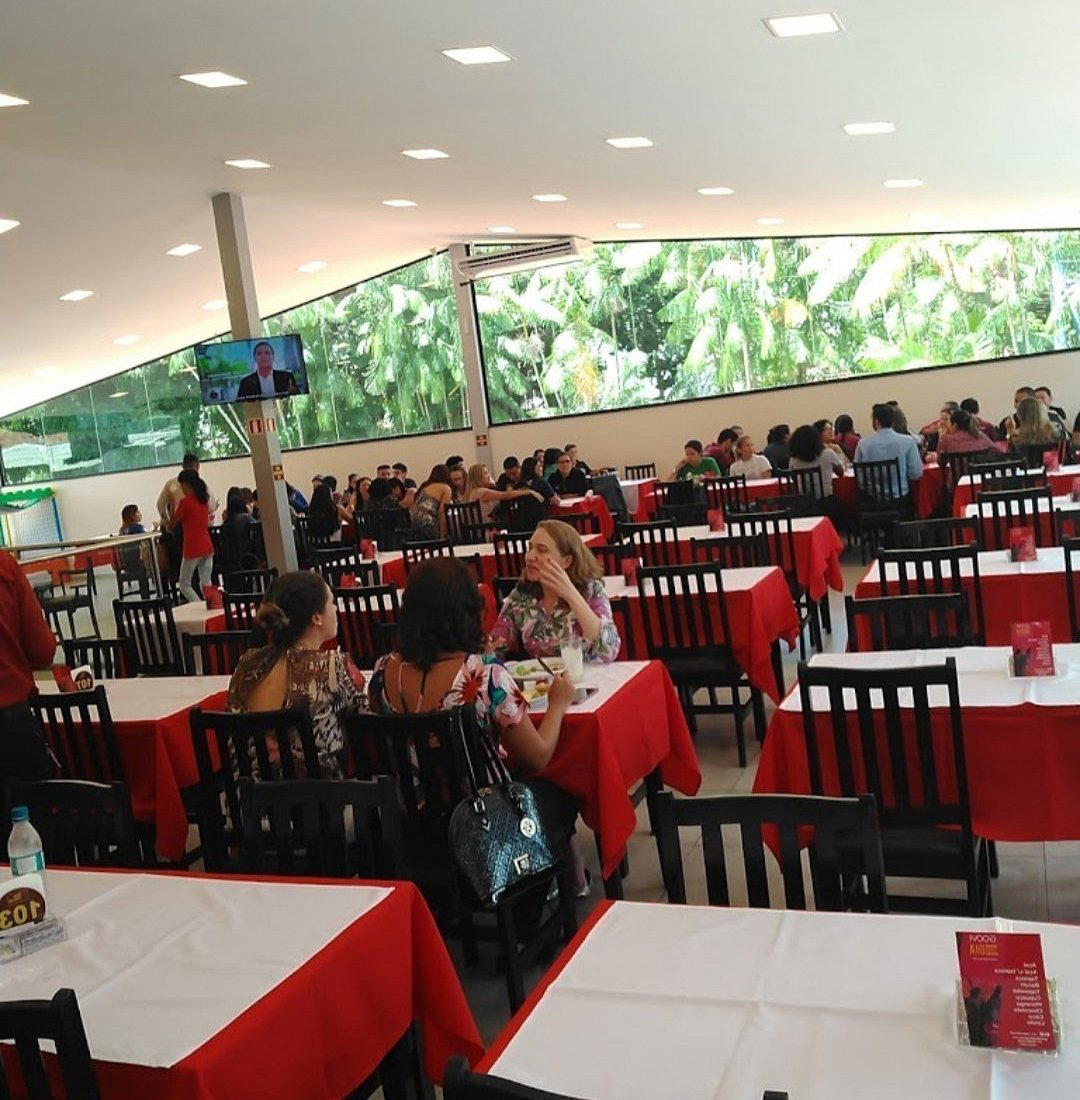
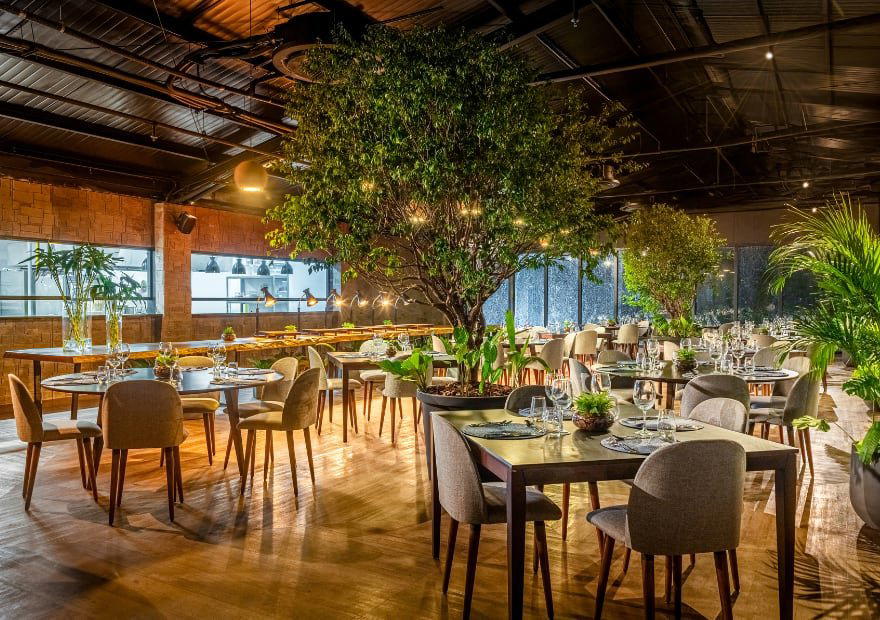
Bars in Belem
All bars in Belem →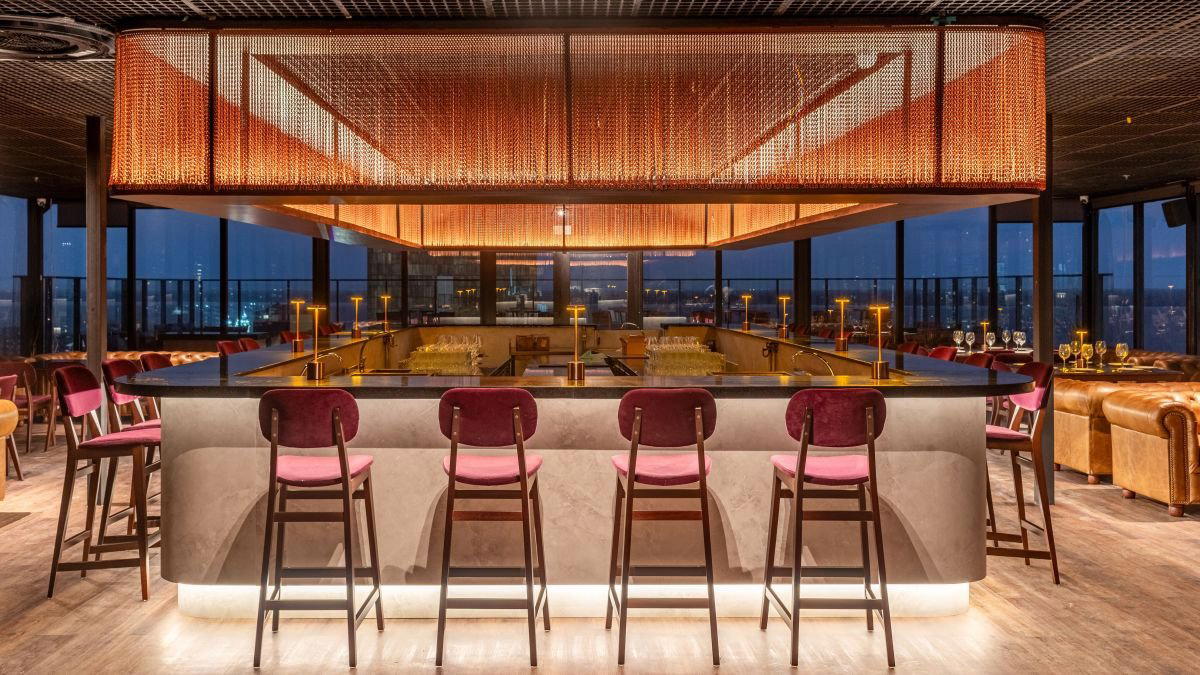
Details
- Casual
- Cozy
- Casual Hangout
- Solo
- Terrace
- A La Carte
- Buffet
Bright, relaxed daytime atmosphere with natural lighting and casual seating arrangements.