Campano Campo Carne & Fogo
Our verdict
Campano Campo Carne & Fogo brings the live-fire and meat-forward tradition of Southern Brazilian churrasco into the heart of Balneario Camboriu, operating from a street-level address on Av. Brasil in the Centro district. The name itself signals the program: campo (open country), carne (meat), and fogo (fire) are not decorative words but a statement of culinary method. For visitors working through the city's dining scene, it sits in a distinct lane from the Italian-leaning and Japanese-influenced tables that dominate the local restaurant conversation.

Pearl is the En Primeur Club membership app — saves, bookings, and concierge access live there. Same editors, same standards.
- Address
- Av. Brasil, 3322 - Sala 09 - Centro, Balneário Camboriú - SC, 88330-048, Brazil
- Phone
- +5547997648111
- Hours
- Daily 11:30 AM–11:30 PM
- Website
- campano.com.br
- Directions
- Get directions
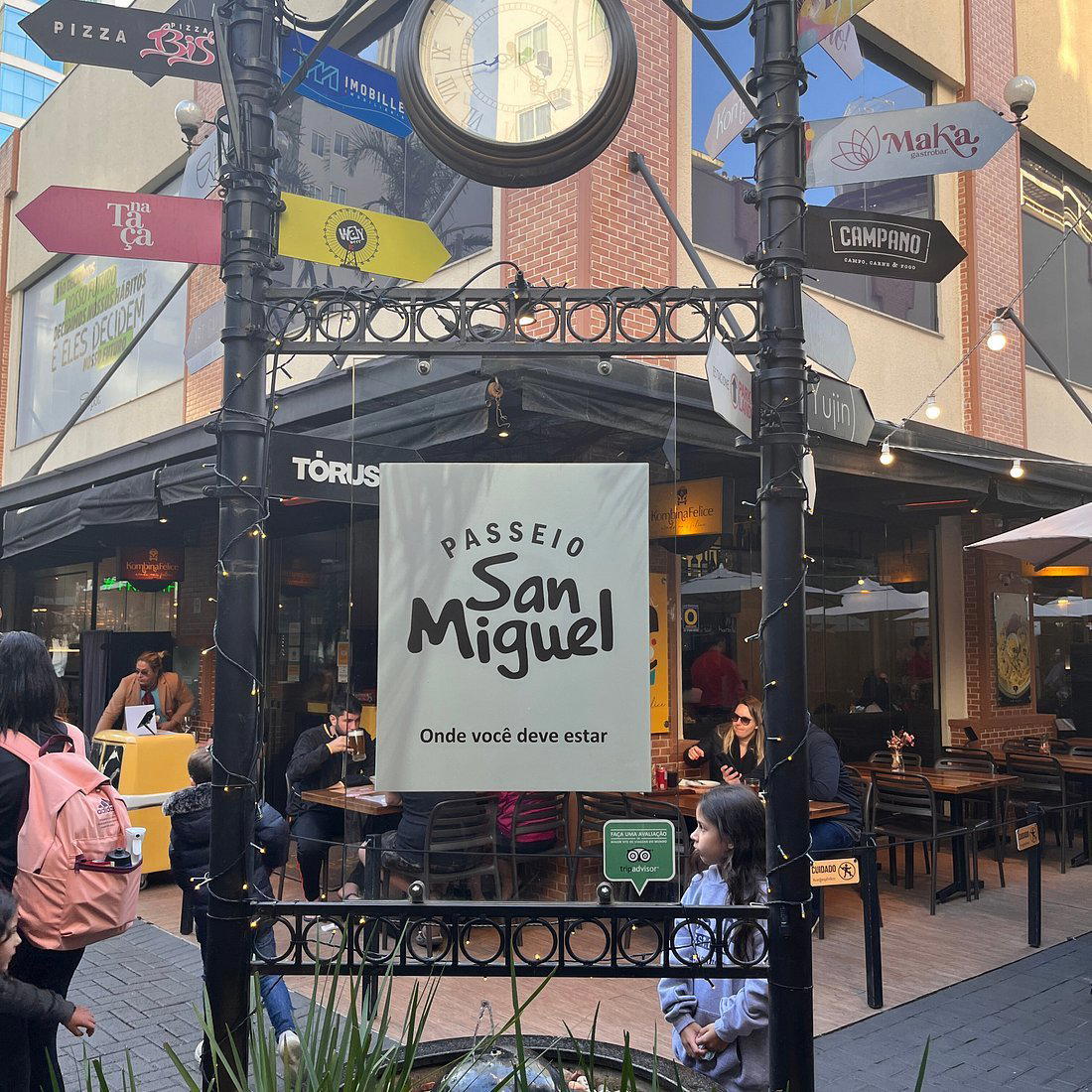
Fire as Method: The Southern Brazilian Tradition Behind the Name
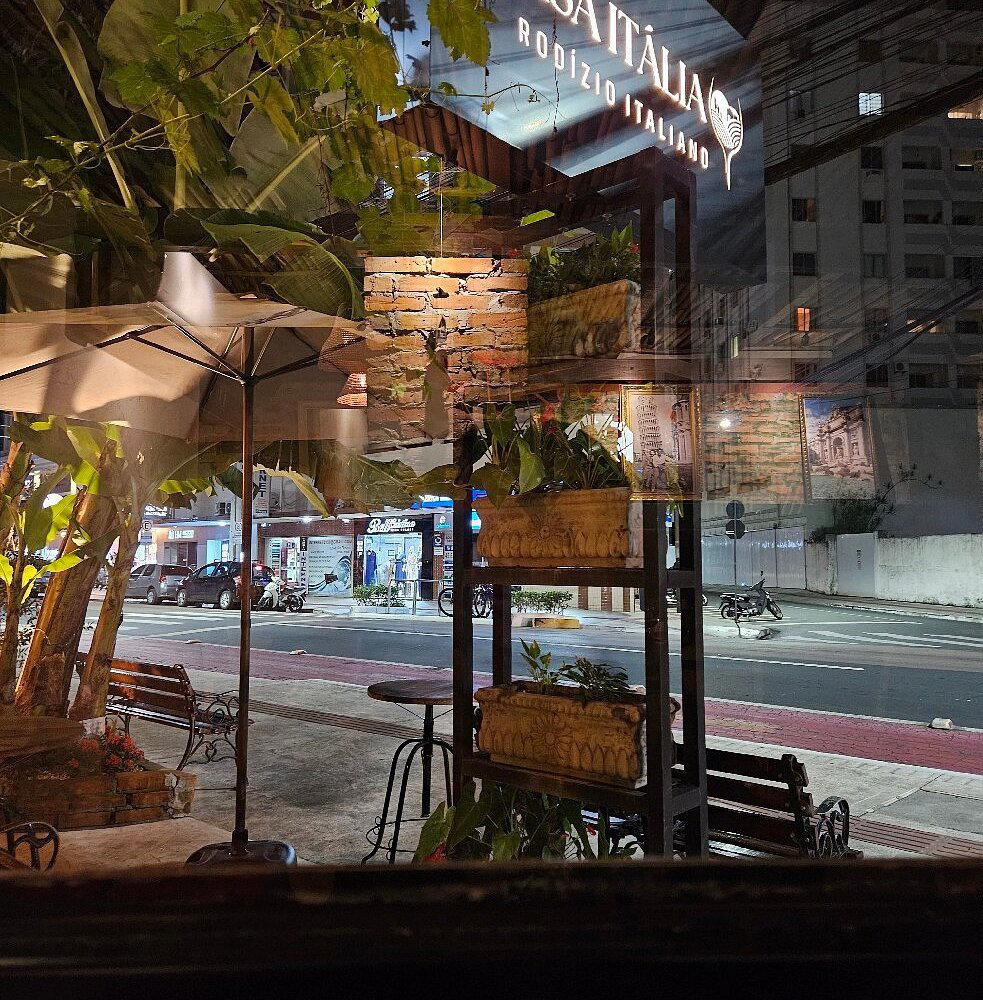
Along the coastal strip of Santa Catarina, the restaurant conversation tends to default to Italian heritage kitchens and Japanese-inflected seafood counters. Balneario Camboriu is no exception: venues like Cantina Famiglia Mantovani, Casa Itália Rodízio Italiano, and Koi Sushi reflect the city's demographic and tourism mix with considerable accuracy. What sits in a different register entirely is the live-fire meat format, rooted not in European immigrant kitchens but in the open-country traditions of the Brazilian interior and the gaucho culture that spread northward through Paraná and Santa Catarina. Campano Campo Carne & Fogo operates from that tradition, and its name makes the positioning plain: campo, carne, fogo — field, meat, fire.
Churrasco as a culinary form predates the contemporary steakhouse category by centuries. The original practice was functional — cattlemen cooking over open flame on the southern plains, with salt as the only seasoning and the quality of the cut as the only real variable. What the leading carne e fogo addresses now do is apply modern kitchen discipline to that elemental template: controlled heat management, understanding of resting and carryover, and sourcing decisions that put breed, feed, and aging at the center of the menu logic. The name Campano signals an affiliation with that tradition, a return to open-ground cooking rather than a departure from it.
Where It Sits in Balneario Camboriu's Dining Geography
Campano is addressed at Av. Brasil, 3322, Sala 09, Centro, the main commercial artery that runs through the city's flat central grid, several blocks from the beachfront. That placement matters. The beachfront corridor in Balneario Camboriu runs toward the high-traffic, high-turnover tourist tier; the Centro addresses on Av. Brasil tend to draw a more local, repeat-visit clientele. For the live-fire meat format, that distinction is relevant: the kitchen rhythm of a proper carne e fogo operation is incompatible with the fast-flip expectations of a beach promenade table. A ground-floor sala on the commercial strip is a more practical and appropriate home for it.
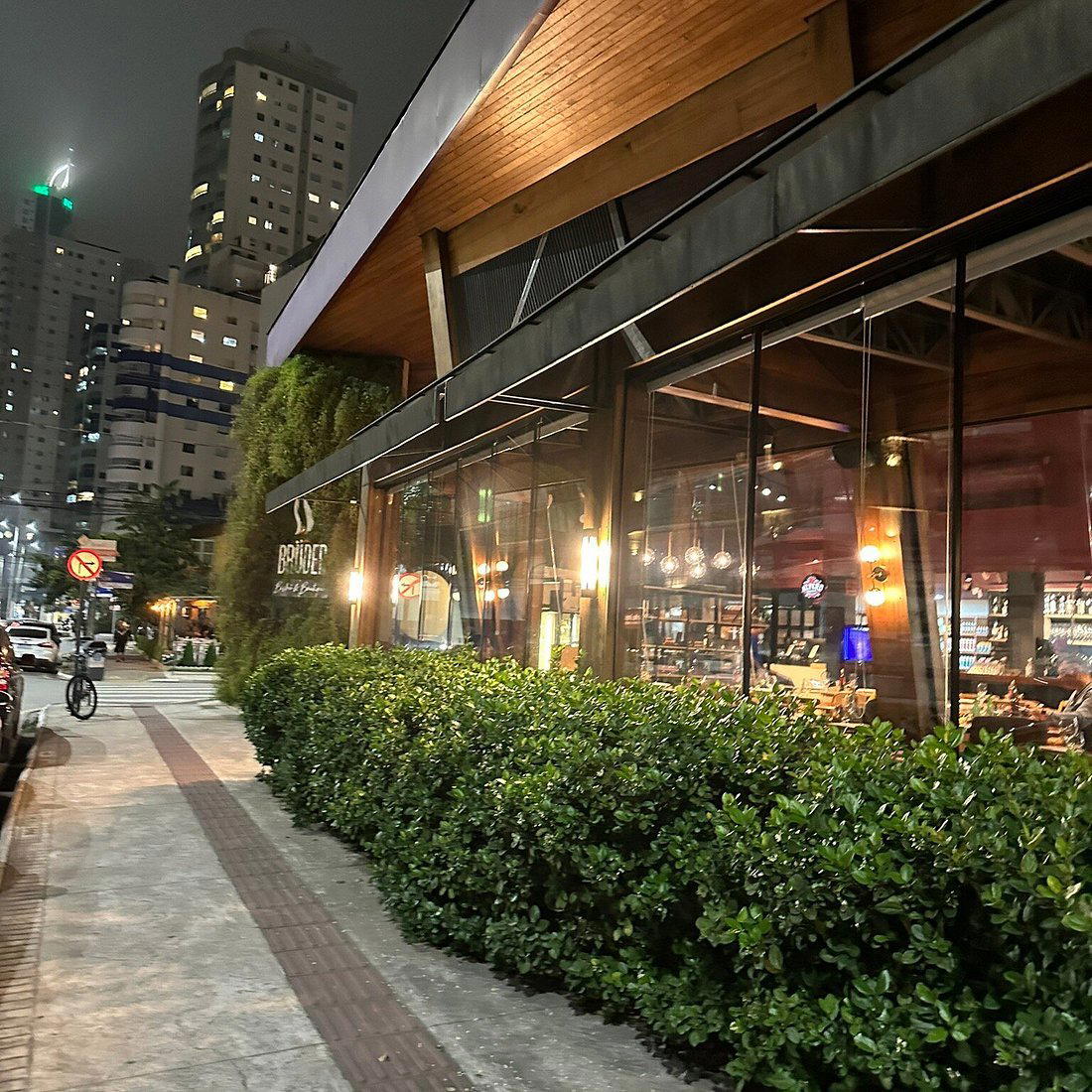
The broader dining scene in the city has deepened considerably over the past several years. Beyond the Italian and Japanese pillars, there are European-inflected bistro formats like Brüder Bistrô e Boutique and Italian hybrid tables like Kombina Felice Restaurante Italiano. Campano occupies a lane that none of those cover: the open-fire meat tradition, positioned toward a dining public that treats protein sourcing and flame discipline as the primary criteria rather than ambiance or wine list depth. For a fuller view of how these venues relate to each other, the EP Club Balneario Camboriu guide maps the scene by category and context.
The Carne e Fogo Format in Brazilian Context
Across Brazil, the live-fire meat table has split into several distinct tiers. At the reference level, São Paulo's serious churrascaria and contemporary fire-kitchen operations set a benchmark that filters down through the country's dining culture. D.O.M. in São Paulo represents the high-concept end of Brazilian culinary ambition, while Oteque in Rio de Janeiro anchors the fine-dining tier in the southeast. Further afield, Birosca S2 in Belo Horizonte and regionally rooted addresses like Orixás in Itacaré show how local ingredient traditions shape meat and fire-forward menus in different parts of the country.
In the southern states, the gaucho influence produces a particular posture toward the craft: less theatrical than São Paulo's contemporary fire kitchens, more committed to the original vocabulary of salt, flame, and quality of animal. Santa Catarina sits at the northern edge of that gaucho belt, which gives Campano a plausible cultural footing for the format it pursues. The word campano itself carries rural, pastoral resonance, less a branding decision than a declaration of source material.
For comparison points at the upper tier of the fire-kitchen format internationally, Lazy Bear in San Francisco demonstrates how live-fire technique can underpin a tasting-menu format with serious culinary ambition, while Le Bernardin in New York City represents the opposite pole, technical precision applied to an entirely different protein category. Neither is a direct peer to the Southern Brazilian churrasco tradition, but they frame the range of what fire and protein-forward kitchens can aspire to.
Regional Benchmarks Worth Knowing
Visitors to Santa Catarina with broader itineraries in mind will find useful reference points in the Southern Brazilian dining circuit. Manu in Curitiba is the region's most decorated contemporary table, and its approach to local ingredient sourcing sets a standard that influences kitchens across Paraná and Santa Catarina. Primrose in Gramado and Castelo Saint Andrews in Vale do Bosque represent the Serra Gaúcha's European-heritage dining culture, a different register entirely from the coastal and interior meat traditions. Mina in Campos do Jordão and Olivetto in Campinas extend the map toward São Paulo state. State of Espírito Santo in Rio Bananal adds a further Brazilian regional layer for those tracking the country's full culinary geography.
Planning Your Visit
Campano Campo Carne & Fogo is located at Av. Brasil, 3322, Sala 09, Centro, Balneário Camboriú, SC 88330-048. The Centro position places it within walking distance of the city's main commercial and public transport corridors, making it accessible without a car from most accommodation clusters. For the full range of dining options across the city's formats and price tiers, the EP Club Balneario Camboriu guide remains the clearest single reference point.
Frequently asked questions
What's Campano Campo Carne & Fogo's location?
Campano Campo Carne & Fogo is located at Av. Brasil, 3322 - Sala 09 - Centro, Balneário Camboriú - SC, 88330-048, Brazil, Balneario Camboriu.
How does Campano Campo Carne & Fogo fit into the broader Santa Catarina dining circuit?
Santa Catarina's serious dining references cluster in Curitiba to the north, where venues like Manu have established a benchmark for regional produce-driven cooking. Within Balneário Camboriú itself, the dominant culinary identity leans toward seafood and Italian-lineage kitchens, reflecting the state's immigration history. Campano's live-fire meat positioning puts it in dialogue with a different Brazilian tradition, one more associated with the interior and with São Paulo's contemporary churrascaria tier, making it a contextually distinct stop on any Southern Brazilian itinerary.
What's the signature dish at Campano Campo Carne & Fogo?
The kitchen's identity is built around live-fire meat cookery, carne e fogo in its Brazilian sense, where the fire itself is the technique rather than a finishing detail. Specific cuts and preparations have not been published in available menu documentation, so the clearest indicator remains the name: Campo (field), Carne (meat), and Fogo (fire) each signal a distinct pillar of the format. Expect the cooking method to be wood or live-coal based, consistent with the Southern Brazilian tradition the restaurant operates within.
Can I walk in to Campano Campo Carne & Fogo?
The restaurant is addressed at Av. Brasil, 3322, Sala 09, Centro, Balneário Camboriú, a main commercial corridor with reasonable street access. Walk-in availability has not been confirmed through published reservation data, and no booking platform or phone number is currently documented for the venue. Arriving at off-peak hours on weekdays is generally the lower-risk approach for Centro locations in this city.
What makes Campano Campo Carne & Fogo worth seeking out?
In a coastal city where the dining conversation defaults to Italian heritage kitchens and Japanese-inflected seafood counters, a restaurant structured around live-fire meat cookery occupies a distinct position in Balneário Camboriú's Centro. The carne e fogo format places it within a serious Brazilian culinary tradition that has reference points in São Paulo and Curitiba but fewer practitioners along the Santa Catarina coast. That relative scarcity in the local market is the clearest argument for the visit.
Can Campano Campo Carne & Fogo accommodate dietary restrictions?
Restaurants built around a live-fire meat format typically centre the experience on animal protein, which is worth factoring in for guests with vegetarian or vegan requirements. Contacting the venue directly before visiting is advisable; the address is Av. Brasil, 3322, Sala 09, Centro, Balneário Camboriú, SC 88330-048.
Budget and Context
| Venue | Cuisine | Price |
|---|---|---|
| Campano Campo Carne & FogoThis venue — the venue you are viewing | Brazilian Churrascaria | $30–50 |
| Brüder Bistrô e Boutique | Brazilian Steakhouse Bistro | Not listed |
| Cantina Famiglia Mantovani | Authentic Italian Trattoria | Not listed |
| Casa Itália Rodízio Italiano | Italian Rodizio | $20–30 |
| Koi Sushi | Japanese Sushi and Seafood | Not listed |
| Kombina Felice Restaurante Italiano | Classic Italian Trattoria | Not listed |
Continue exploring
More in Balneario Camboriu
Restaurants in Balneario Camboriu
Browse all →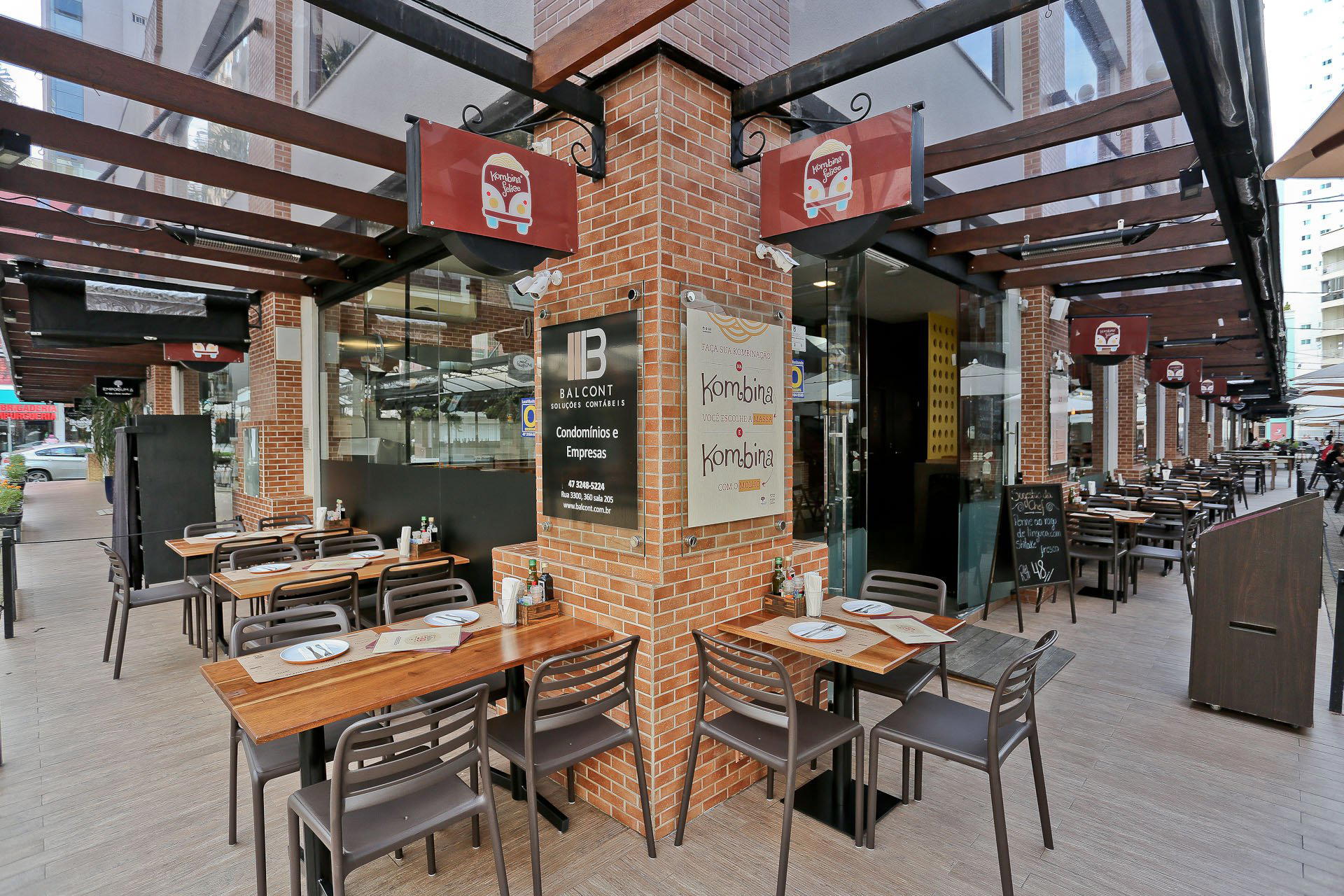
Bars in Balneario Camboriu
Browse all →
Hotels in Balneario Camboriu
Browse all →
Details
- Rustic
- Lively
- Energetic
- Group Dining
- Family
- Celebration
- Open Kitchen
- A La Carte
- Family Style
Current opening hours
- Monday
- 11:30 AM–11:30 PM
- Tuesday
- 11:30 AM–11:30 PM
- Wednesday
- 11:30 AM–11:30 PM
- Thursday
- 11:30 AM–11:30 PM
- Friday
- 11:30 AM–11:30 PM
- Saturday
- 11:30 AM–11:30 PM
- Sunday
- 11:30 AM–11:30 PM
Hours can change for holidays and private events. Last verified .
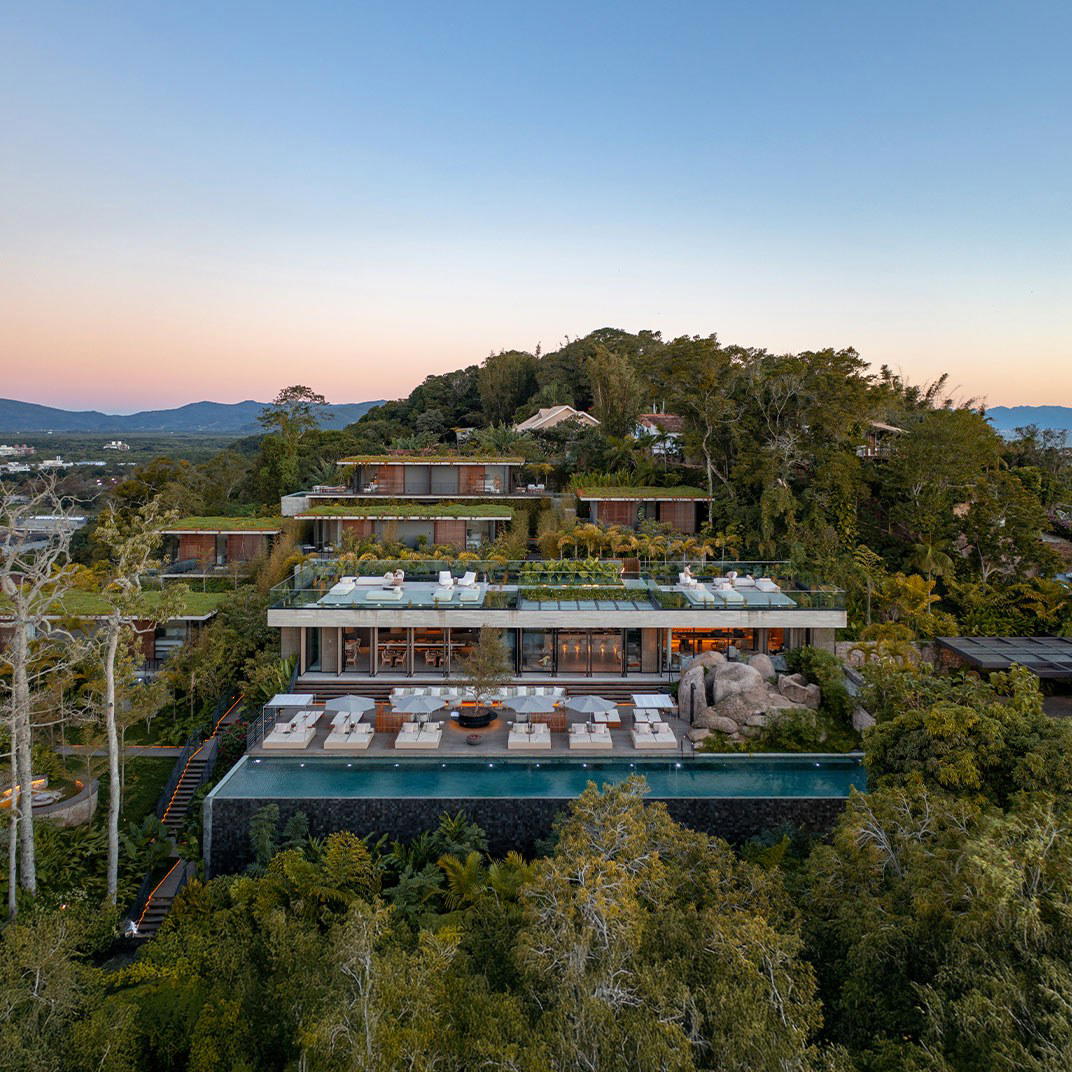
Unpretentious and welcoming atmosphere centered around hearty meat feasts with live grill elements.