Our verdict
Located on Rua Arnoldo Ristow in Brusque's Santa Luzia neighbourhood, Restaurante Kioski das Delícias occupies a corner of a city that has quietly built a diverse local dining scene.

Pearl is the En Primeur Club membership app — saves, bookings, and concierge access live there. Same editors, same standards.
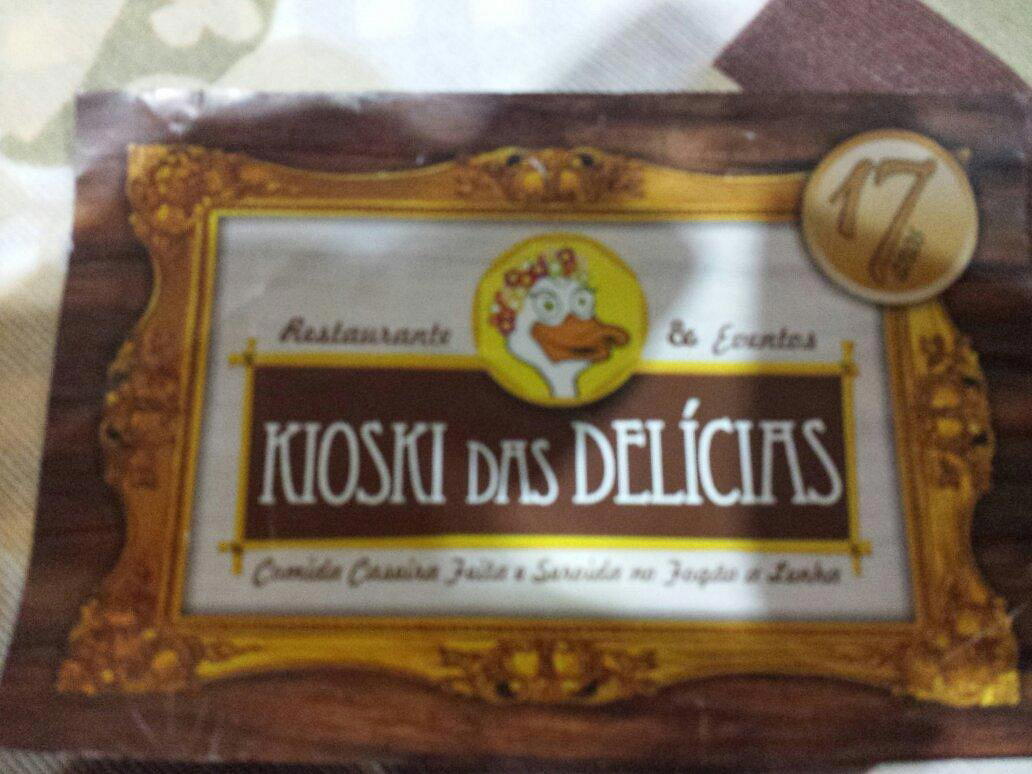
The menu
What to order
- Filé américain
- Marreco
- Polenta
Santa Luzia, Brusque, and the Texture of Neighbourhood Dining in Interior Santa Catarina
Brusque sits roughly 50 kilometres inland from the Atlantic coast of Santa Catarina, a state better known internationally for Florianópolis's beach resorts and Blumenau's German-heritage festival circuit. That relative obscurity from the tourist map has a practical consequence: the city's restaurants serve a predominantly local clientele, and the dining culture that has developed here reflects neighbourhood rhythm more than visitor expectation. Rua Arnoldo Ristow, where Restaurante Kioski das Delícias occupies its address in the Santa Luzia district, is the kind of street that functions as a residential artery first and a commercial corridor second. This context matters because it shapes the register of the experience before a single plate arrives.
In smaller Brazilian cities of this scale, the kiosk and neighbourhood eatery format carries genuine cultural weight. The word kioski in Brazilian Portuguese signals something specific: a venue designed around accessibility and daily use rather than occasion dining. These spaces have historically served as the connective tissue of Brazilian street and neighbourhood life, from the juice kiosks of Rio's city squares to the snack bars anchoring industrial neighbourhoods across Santa Catarina. The format predates the café culture boom that reshaped urban Brazil in the 2000s, and it remains the dominant mode of casual food service in cities where population density doesn't yet support the kind of specialised dining strip found in São Paulo or Porto Alegre. Compare that context to something like D.O.M. in São Paulo, where the dining premise is performance and provenance, and the contrast in intent is absolute.
What the Santa Catarina Dining Scene Produces at the Neighbourhood Level
Santa Catarina's interior food culture draws from three distinct traditions. German and Italian immigration waves, concentrated in the nineteenth and early twentieth centuries, established a baseline of hearty, pork-forward cooking: eisbein, salsichão, smoked meats, and strudel variants that survived assimilation into Brazilian everyday life. Alongside that, the broader Brazilian canon of rice, beans, and grilled meat provides the structural backbone of most neighbourhood menus. A third influence, more recent and more diffuse, comes from the national expansion of casual formats like açaí bowls, artisan burgers, and pizza, all of which have reached Brusque's dining scene. Other venues in the city address each of these registers directly: Lodz Cervejaria engages the beer and German heritage angle, while Bestburguer Brusque and Canas Hamburgueria occupy the artisan burger segment that has grown across Brazilian cities over the past decade.
The kioski format, by contrast, tends to occupy a generalist or snack-focused position in this ecosystem. In a city like Brusque, that means serving as a practical midday or afternoon stop rather than a destination for a structured meal. For visitors or residents making their way through the Santa Luzia neighbourhood, The Leading Açaí - Brusque represents a comparable casual-format peer in the city's lighter, snack-oriented tier. The broader spectrum of what Brusque offers is mapped in our full Brusque restaurants guide.
Brazilian Neighbourhood Casual Dining in National Perspective
The cultural gap between the neighbourhood kiosk and the formal restaurant is one of the most interesting structural features of Brazilian dining. At the top of the national hierarchy, venues like Lasai in Rio de Janeiro operate tasting-menu formats with international critical recognition. At the base, the kiosk and lanchonete format runs continuously through working-class and residential neighbourhoods across every Brazilian state, serving the population that neither eats in formal restaurants regularly nor has access to the high-end casual dining that has expanded in Brazil's larger cities over the past fifteen years.
That base layer is not a lesser version of dining culture; it is the actual foundation of how most Brazilians eat outside the home. The prato feito, the informal plate of rice, beans, protein, and salad served at lunch in thousands of neighbourhood spots daily, is as culturally Brazilian as the elaborate churrasco or the modernist tasting menu. Across the country, from Cantina Pozzobon in Santa Maria to Bistro Fitz Carraldo in Manaus, the range of what constitutes a restaurant in Brazil is genuinely vast, shaped by region, income distribution, and local food tradition in ways that resist simple hierarchy.
Santa Catarina's interior cities fit somewhere in the middle of that national range. They have enough economic activity to support a tier of slightly more ambitious dining, but the dominant mode remains the neighbourhood spot: fast, practical, priced for daily use, and oriented around the preferences of the local community rather than any external culinary agenda. That positioning, whatever specific dishes or format Restaurante Kioski das Delícias employs, is the cultural frame it operates within.
Across the Region and Beyond: Comparable Brazilian Dining Contexts
Understanding Brusque's dining scene is easier when mapped against other Brazilian cities of comparable scale and character. The casual format culture found in Santa Catarina's interior has close analogues in Aero Burguer e Grill in Santa Cruz Do Sul, another southern Brazilian city shaped by German immigration and a strong local food identity. Further afield, Famosa Pizza in Ribeirao Preto and Fornazzo Pizzaria in Passo Fundo show how Italian-heritage food traditions have taken root in Brazil's interior cities across different states, with pizza occupying a consistently central role in neighbourhood dining culture. The contrast with internationally recognised fine dining, whether Le Bernardin in New York City or Atomix in New York City, is not just one of price or ambition but of the social function dining is designed to fulfil.
Neighbourhood-format restaurants in cities like Brusque perform a community function that fine dining rarely does: they are places where the same customers return multiple times a week, where the menu is calibrated to local taste over time, and where the measure of success is sustained local loyalty rather than critical attention. Venues like Casa da Dika Restô e Eventos in Braganca, Casa da Flor Restaurante in Dourados, and Casa da Picanha Penedo in Itatiaia each reflect that dynamic in different regional registers, as does Arte e café Imperial - Matriz in Angra Dos Reis, where tourism inflects but does not entirely define the local dining character.
Planning a Visit
Restaurante Kioski das Delícias is located at Rua Arnoldo Ristow, 159, in the Santa Luzia neighbourhood of Brusque, Santa Catarina. Santa Luzia is a residential neighbourhood, and the practical approach is to treat a visit as part of a broader exploration of the district rather than a standalone destination trip. The Santa Catarina interior city context suggests this is a neighbourhood-frequency venue, oriented toward walk-in use during standard meal or snack hours, but this should be confirmed locally.
Frequently asked questions
Where do I go for Restaurante Kioski das Delícias?
Restaurante Kioski das Delícias is located at R. Arnoldo Ristow, 159 - Santa Luzia, Brusque - SC, 88357-300, Brazil, Brusque.
Is Restaurante Kioski das Delícias a good choice for visitors exploring Santa Catarina beyond Florianópolis?
Brusque sits roughly 50 kilometres inland from the coast and draws a fraction of the tourist traffic that Florianópolis attracts, which means venues like Restaurante Kioski das Delícias on Rua Arnoldo Ristow serve predominantly local clientele rather than a visitor-facing crowd. That dynamic tends to produce a more grounded read on regional food culture than anything aimed at beach tourism. For travellers interested in Santa Catarina's German and Italian settlement heritage as it shows up on the plate, the interior kiosk scene in cities like Brusque offers a more unfiltered version of that tradition.
What's the best thing to order at Restaurante Kioski das Delícias?
The kiosk format typical to this part of Santa Catarina's interior tends to centre on straightforward, often German- and Italian-inflected comfort dishes, but ordering decisions are best made on arrival based on what the kitchen is running that day.
How far ahead should I plan for Restaurante Kioski das Delícias?
Capacity and booking data for this Santa Luzia address are not confirmed, so a precise lead time cannot be given. Neighbourhood kiosk venues in Brazilian interior cities of Brusque's scale typically operate on a walk-in basis, with peak demand at midday on weekdays when local workers fill the room. Arriving early in the lunch window is generally the practical approach.
Cost and Credentials
| Venue | Cuisine | Price |
|---|---|---|
| Restaurante Kioski das DelíciasThis venue — the venue you are viewing | Brazilian & Italian Home-style | Not listed |
| Lodz Cervejaria | Brazilian Brewery | Not listed |
| Bestburguer Brusque | American Burgers | Not listed |
| Canas Hamburgueria | American Hamburgers & Snacks | Not listed |
| The Best Açaí - Brusque | Brazilian Açaí Self-Service | $1–10 |
Continue exploring
More in Brusque
Restaurants in Brusque
All restaurants in Brusque →
Bars in Brusque
Browse all →

Details
- Cozy
- Rustic
- Family
- Casual Hangout
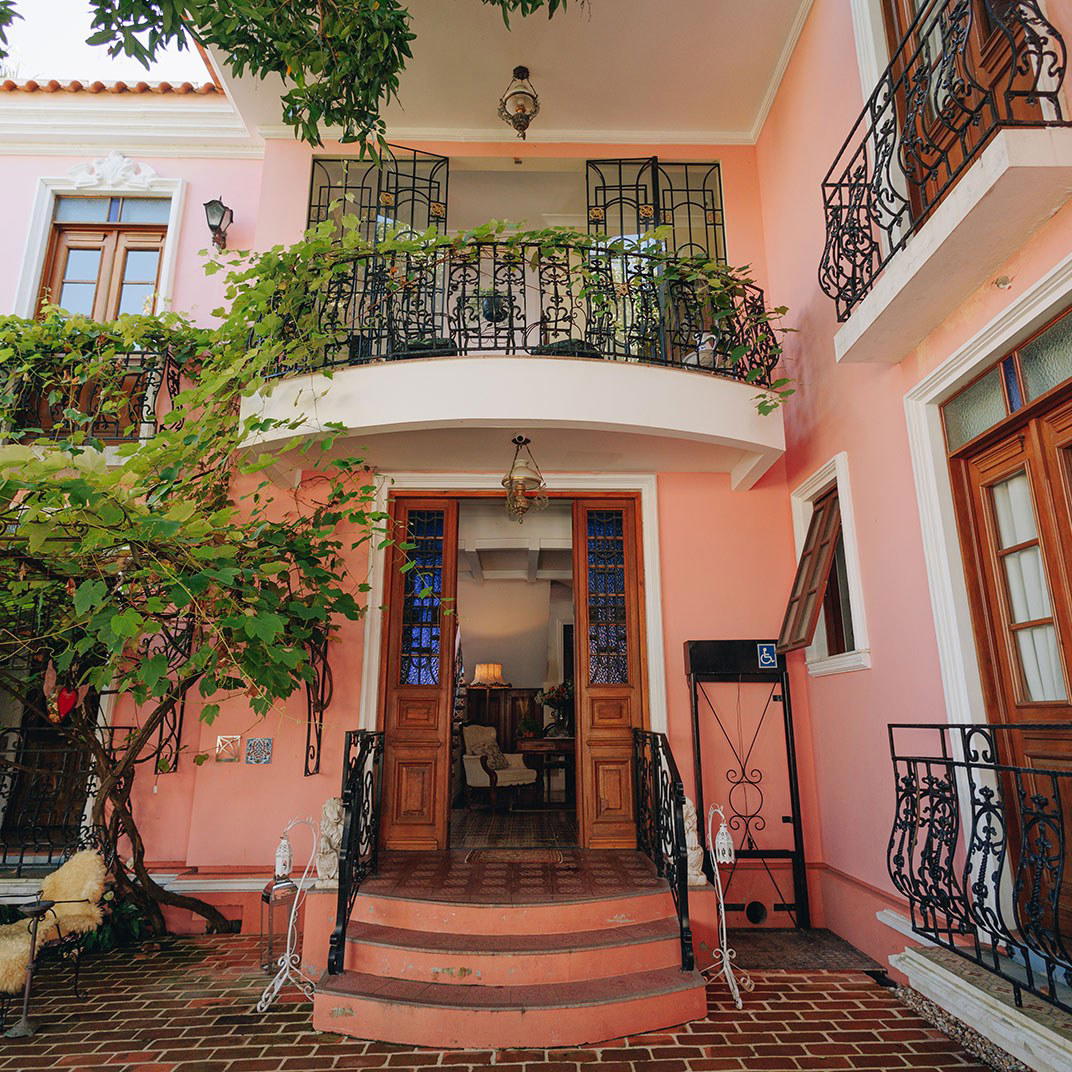
- Historic Building
- A La Carte
Super cozy and welcoming atmosphere reminiscent of an old colonial home with attentive service.