Brauereigaststätte Postkeller
"Eating and Drinking All Day Some friends had been hiking in Austria in May and had to cut the trip short because of an unexpected blizzard. After all day hiking in the snow and not prepared for it, we came to a hut that was open to guests run by a woman named Helga. Helga didn't speak a word of English, but she served us some delicious Mittenwald beer, that tasted like a notable option in the world. So a few days later, we decided we had to go to the source of this magical elixir, the town of Mittenwald in Bavaria. We went to the brewery and met theproprietorsof therestaurantassociated with the brewery, Postkeller, where we thought we would have a couple of tastes. Instead, it turned into an all-day affair. We tested the many different varieties of Mittenwald, and our hosts cooked up a roast for us, and we had a great evening of laughs with them."
Pearl is the En Primeur Club membership app — saves, bookings, and concierge access live there. Same editors, same standards.
- Address
- Innsbrucker Str. 13, 82481 Mittenwald, Germany
- Phone
- +49 8823 9379480
- Directions
- Get directions
 Saves & bookings on Pearl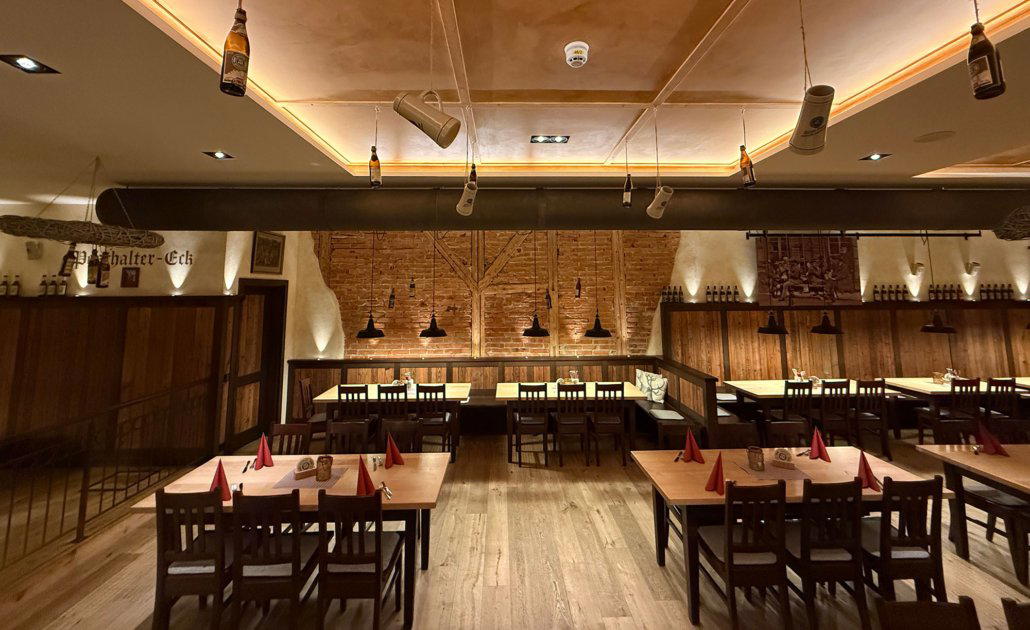
A Bavarian Brauereigaststätte in the Shadow of the Karwendel
Approach Mittenwald from the north on the Innsbrucker Strasse and the Alpine register hits before you reach the town centre: timber-framed facades, the smell of resin from the surrounding Karwendel forests, and, at number thirteen, the low-slung form of Brauereigaststätte Postkeller. The building carries the unhurried confidence of a place that has never needed to announce itself. Brewery tap culture in Bavaria operates by its own logic, the room is the pitch, the beer is the proof, and the food is expected to hold its own against both.
Mittenwald sits at roughly 920 metres above sea level on the Austrian border, a town better known internationally for its violin-making tradition than its restaurants. That positioning matters for understanding what a Brauereigaststätte here represents. This is not a city venue calibrating itself against urban fine-dining peers. It belongs to a specific and durable Alpine tradition: the brewery guesthouse that anchors a community, where the sourcing geography is dictated by altitude, short growing seasons, and proximity to Austria's agricultural output as much as Bavaria's own larder.
The Ingredient Logic of Alpine Bavaria
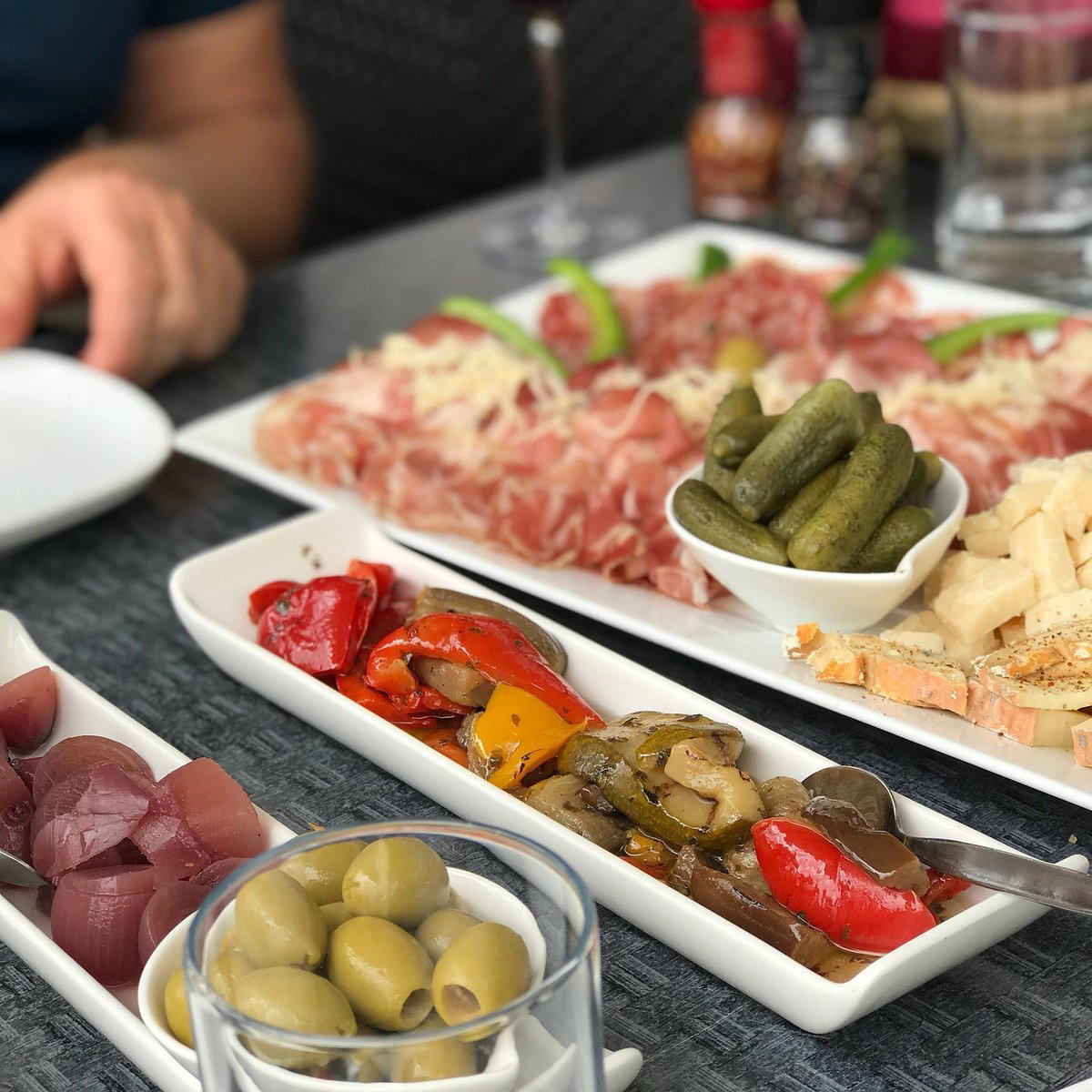
The editorial angle that makes Brauereigaststätte Postkeller worth understanding is its sourcing logic and its place in the Brauereigaststätte tradition of this corner of Bavaria. At this elevation, local procurement operates on a compressed calendar. The Karwendel's pastures produce dairy with a fat profile and mineral character shaped by Alpine grasses that lower-altitude herds simply do not access. Bavarian Emmental, Obatzda, and aged mountain cheeses that appear on regional pub menus across the Werdenfelser Land carry flavour built from that pasture geography.
Meat sourcing in the region follows similar lines. Venison and wild boar from Karwendel hunting grounds appear seasonally on Brauereigaststätten menus across Mittenwald and its neighbouring villages. The supply chain here is short by structural necessity: the mountain geography that isolates these communities also keeps the food economy local in ways that more accessible lowland towns cannot replicate as naturally. That compactness between field, forest, and plate is what distinguishes this tier of Bavarian hospitality from the marketed rusticity of city-centre beer halls, where the aesthetic is Alpine but the supply chains are often national or industrial.
Beer itself functions as an ingredient and a framework at any venue of this type. The Brauereigaststätte format implies a specific relationship: the kitchen is expected to cook to the beer, not the other way around. Dishes heavy in caraway, marjoram, and horseradish; roasted pork with crackling; slow-braised Schweinsbraten; Semmelknödel made from day-old bread, these are constructions that evolved in direct conversation with the bitterness and carbonation of Bavarian lager. The food and the drink are a single system, calibrated over generations.
Where Postkeller Sits in the Regional Dining Picture
To place Brauereigaststätte Postkeller accurately, it helps to understand that Bavaria's dining offer spans a considerable range. At one end, venues like ES:SENZ in Grassau represent the region's Michelin-starred ambition, operating in a mode closer to JAN in Munich than anything rooted in traditional Gaststätte culture. Further afield, Germany's three-star tier, Schwarzwaldstube in Baiersbronn, Aqua in Wolfsburg, Vendôme in Bergisch Gladbach, operates in an entirely different register, where tasting menus run to multiple hours and wine pairings to triple figures. The same is true of more experimental formats like CODA Dessert Dining in Berlin or Victor's Fine Dining by Christian Bau in Perl.
The restaurant does not compete in that space, nor is it trying to. Its reference points are the other Brauereigaststätten and Gasthöfe of the Werdenfelser Land: communal tables, seasonal menus that shift with the hunting calendar and the dairy season, and a pricing logic rooted in the rhythms of village life rather than metropolitan food tourism. For readers cross-referencing the broader German dining map through venues like Waldhotel Sonnora in Dreis, Schanz in Piesport, or Restaurant Haerlin in Hamburg, this venue occupies a different category entirely. The value proposition is cultural and geographical specificity, not culinary ambition in the Michelin sense.
Mittenwald's position on the main rail corridor between Munich and Innsbruck makes it reachable without a car, the journey from Munich Hauptbahnhof runs around 90 minutes by regional express, and the town rewards an overnight stay over a day trip. The Karwendel walking trails above the town are accessible from the Mittenwald cable car, and an afternoon on the mountain followed by an evening at a venue like Postkeller is the logical structure of a visit. That sequencing matters: this is food that earns its heft through physical context.
Practical Considerations for a Visit
The restaurant is recommended for reservations, and its regular hours run Monday through Sunday from 11:30 AM to 10 PM. Brauereigaststätten in Bavaria typically maintain defined lunch and dinner services with afternoon breaks, a rhythm that holds across the region regardless of season.
Bagatelle in Trier, L.A. Jordan in Deidesheim, GästeHaus Klaus Erfort in Saarbrücken, Ösch Noir in Donaueschingen, and Jante in Hanover represent different regional expressions of German gastronomy. Internationally, the communal, produce-led format finds loose parallels in venues like Lazy Bear in San Francisco, where the shared table and ingredient provenance carry the narrative, though the culinary language is entirely different. For European fine dining in an entirely different register, Le Bernardin in New York City represents the opposite pole of the formal tasting menu tradition.
How It Stacks Up
Comparable venues nearby, for context on price, style, and recognition.
| Venue | Cuisine | Price | Notes |
|---|---|---|---|
| Brauereigaststätte PostkellerThis venue — the venue you are viewing | Traditional Bavarian Brauhaus | $$ | Not listed |
| Wirtshaus Rechthaler Hof | Traditional Bavarian | $$ | Theresienwiese |
| Am Steinsee | Traditional German Lakeside Dining | $$ | Moosach |
| Lameng Menue & Bistro | German Bistro | $$ | Miesbach |
| Café Frischhut | Traditional Bavarian Pastry Café | $$ | Isarvorstadt |
| Brunnwart | Traditional Bavarian | $$ | Freimann |
Continue exploring
More in Mittenwald
Restaurants in Mittenwald
Browse all →
Bars in Mittenwald
Browse all →
Hotels in Mittenwald
Browse all →

At a Glance
- Rustic
- Cozy
- Classic
- Casual Hangout
- Group Dining
- Family
- Historic Building
- Open Kitchen
- Terrace
- Beer Program
- Local Sourcing
Current opening hours
- Monday
- 11:30 AM–10 PM
- Tuesday
- 11:30 AM–10 PM
- Wednesday
- 11:30 AM–10 PM
- Thursday
- 11:30 AM–10 PM
- Friday
- 11:30 AM–10 PM
- Saturday
- 11:30 AM–10 PM
- Sunday
- 11:30 AM–10 PM
Hours can change for holidays and private events. Last verified .
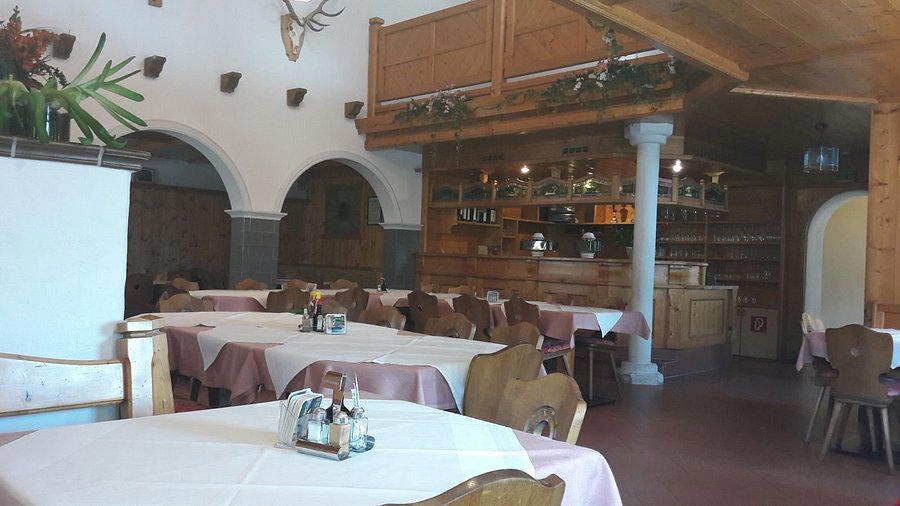
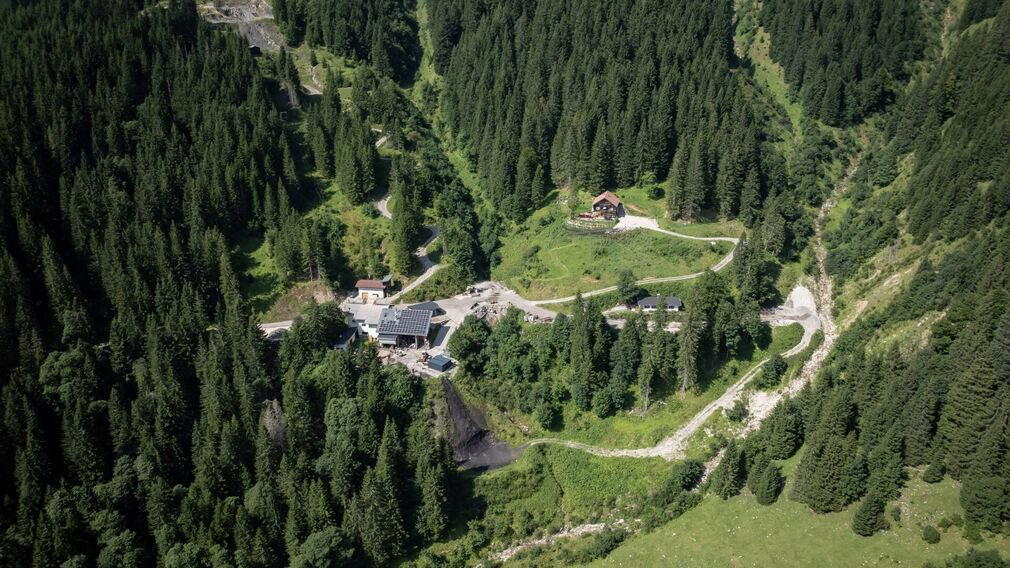
Cozy and rustic atmosphere with traditional Bavarian charm, warm lighting, and views of the new brewhouse.