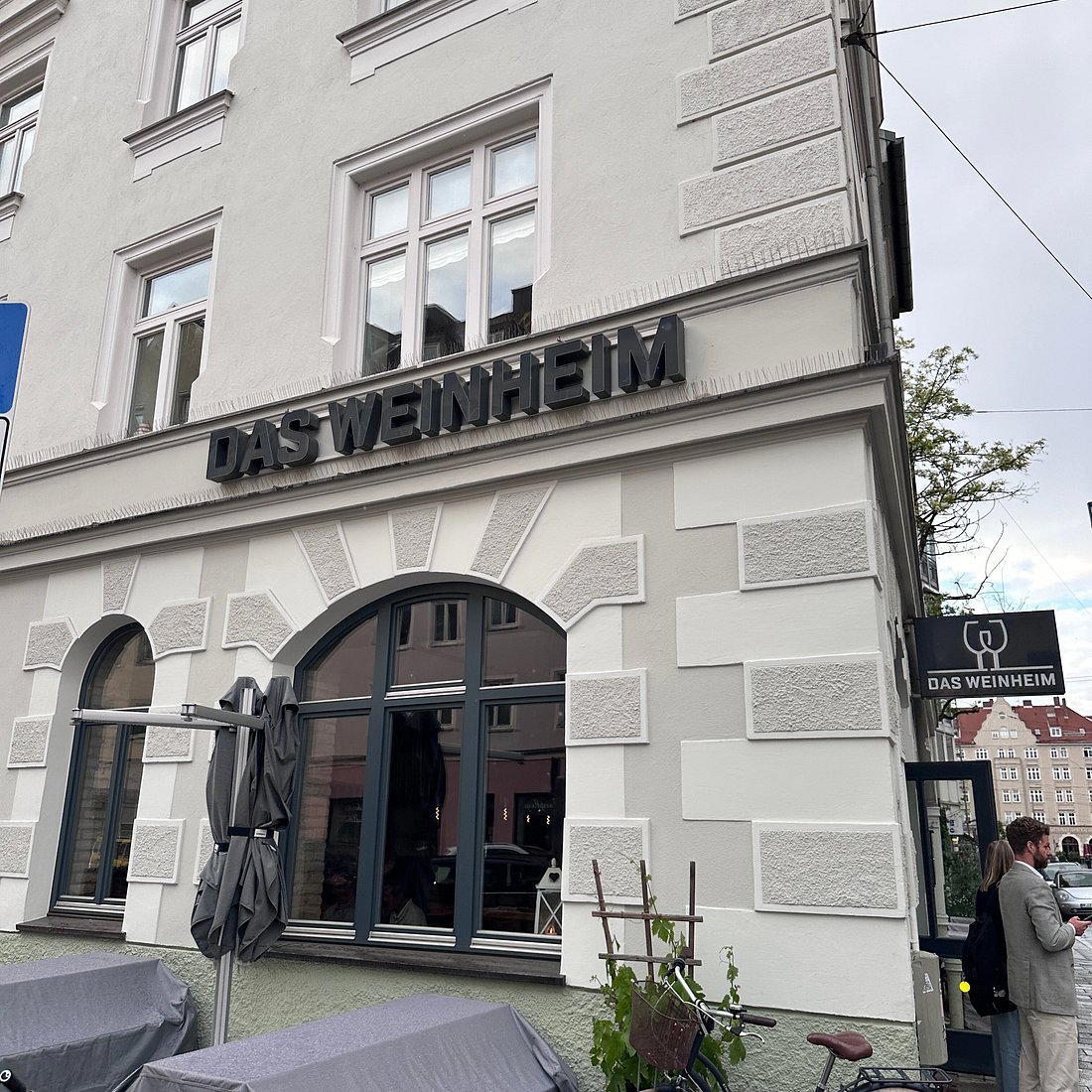
Brunnwart occupies a quiet address on Biedersteiner Strasse in Munich's Schwabing-Freimann district, sitting at a remove from the city's more publicised fine-dining corridor. The restaurant represents a strand of Munich neighbourhood dining that trades on consistency and locality rather than award-season visibility. Visitors seeking an alternative to the city's €€€€ tasting-menu circuit will find it worth investigating.
Pearl is the En Primeur Club membership app — saves, bookings, and concierge access live there. Same editors, same standards.
- Address
- Biedersteiner Str. 78, 80805 München, Germany
- Phone
- +4949893614058
- Website
- brunnwart.de
- Directions
- Get directions
 Saves & bookings on Pearl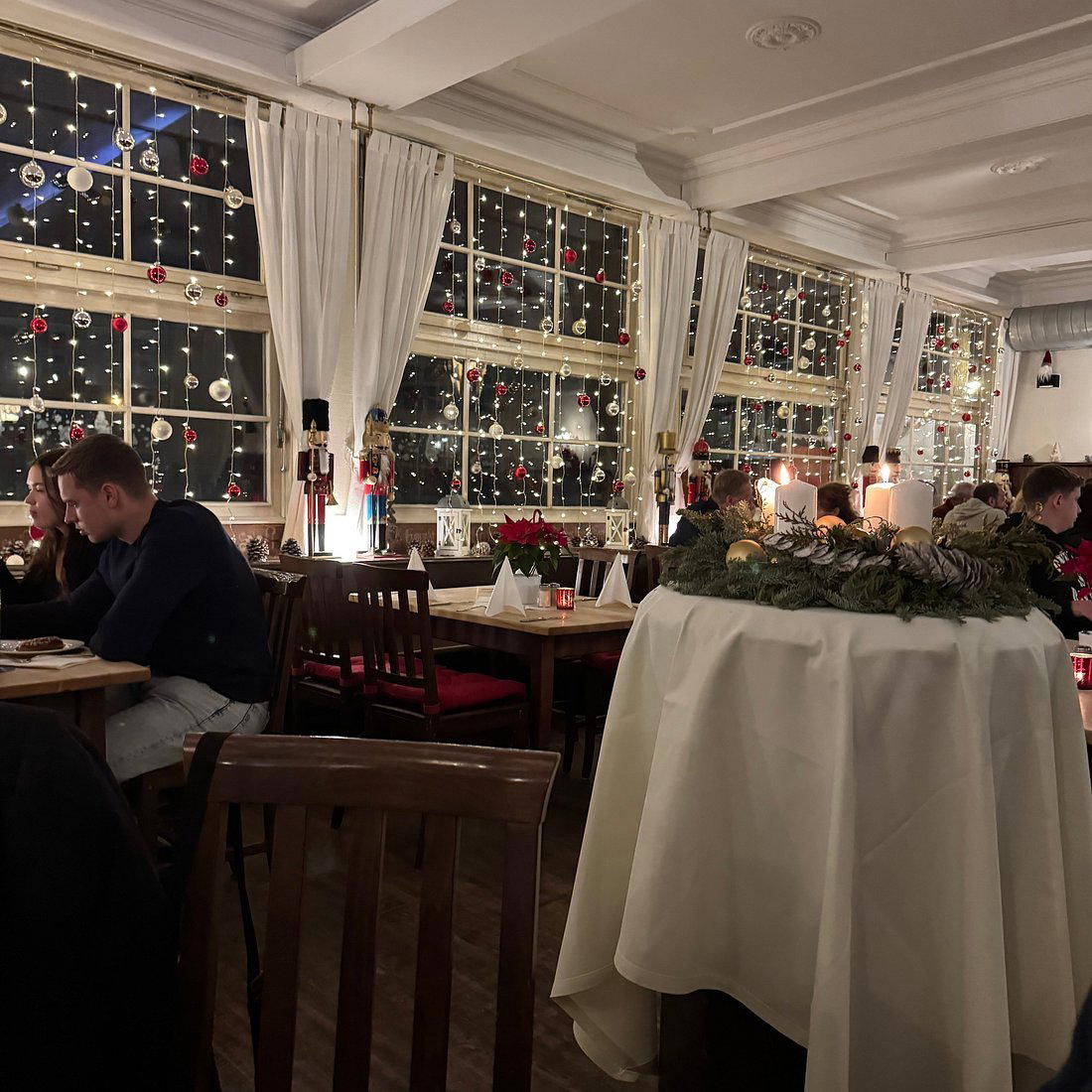
Where Schwabing's Dining Character Shows Itself
Munich's restaurant scene divides more sharply than it might first appear. Along one axis sit the high-profile tasting-menu addresses, Tantris, Atelier, Alois - Dallmayr Fine Dining, Tohru in der Schreiberei, operating at the €€€€ tier and drawing an international clientele. Along the other axis runs a more understated tradition: the neighbourhood address that earns local loyalty over years without positioning itself against that fine-dining tier at all. Brunnwart is a restaurant serving Traditional Bavarian cuisine at Biedersteiner Str. 78, 80805 München, Germany. Approaching the address, the street registers as residential rather than commercial, a detail that tells you something about who this restaurant exists for and how it has survived across changing dining fashions.
The Long Arc of a Neighbourhood Address
In a city where the hospitality conversation frequently resets around new openings and fresh chef appointments, longevity at a single address carries its own editorial weight. Munich's most enduring neighbourhood restaurants share a common characteristic: they tend to evolve slowly, absorbing shifts in the city's palate without abandoning what made them local fixtures in the first place. The evolution is rarely dramatic, no sudden pivot to a new concept, no imported culinary framework grafted onto an existing clientele. It is more like the gradual refinement that comes from reading the same room over many years.
Brunnwart fits this pattern. Biedersteiner Strasse 78 does not generate the kind of reservation pressure seen at JAN. What it offers instead is the kind of dining proposition that requires no theatrical setting to hold attention, a proposition that, in the current Munich market, is itself a form of differentiation. As the city's fine-dining tier has grown more codified and internationally legible, the well-run neighbourhood restaurant has become, paradoxically, a harder thing to find and sustain.
Schwabing as a Dining District
The Schwabing-Freimann district has a longer cultural memory than most Munich neighbourhoods. Its bohemian reputation, established in the late nineteenth and early twentieth centuries when artists, writers, and intellectuals congregated around Leopoldstrasse and its side streets, has long since softened into a comfortable upper-middle residential character. The dining that survives here tends to reflect that shift: less experimental, more settled, with an emphasis on quality of ingredient and consistency of execution over conceptual ambition.
This is the context in which Brunnwart operates. The northern stretch of Schwabing, where Biedersteiner Strasse sits, is quieter than the streets closer to the English Garden or the Münchner Freiheit square. Restaurants in this zone serve a local population that returns regularly rather than a tourist circuit that passes through once. That dynamic shapes what goes on the plate, how the room is managed, and, critically, how a restaurant calibrates its identity over time. Germany's broader fine-dining circuit, represented by addresses as varied as Schwarzwaldstube in Baiersbronn, Aqua in Wolfsburg, and Vendôme in Bergisch Gladbach, operates on a different register entirely, one that requires both the kitchen infrastructure and the guest base to support multi-hour tasting formats. Brunnwart does not compete in that register.
What the Munich Neighbourhood Format Demands
The neighbourhood restaurant format in Munich has always been subject to pressures that the fine-dining tier can partially insulate itself against: ingredient cost inflation, staffing volatility, and the difficulty of holding a regular clientele when eating-out habits shift. Addresses that manage these pressures over years tend to do so through a combination of menu discipline, offering fewer things, executed with more consistency, and service culture that prioritises recognition over formality.
Across Germany, the restaurants that have built the deepest local roots share this pattern. Waldhotel Sonnora in Dreis and Bagatelle in Trier operate in different formats, but both demonstrate how regional loyalty can sustain a restaurant through cycles that would displace more trend-dependent addresses. In Munich specifically, the neighbourhood addresses that have endured tend to be in districts like Schwabing and Haidhausen, where residential density and purchasing power align with a willingness to support a local favourite across years rather than seasons.
International comparisons are useful here. Le Bernardin in New York City and Lazy Bear in San Francisco represent the far end of the formalised fine-dining spectrum, institutions that have defined categories. Brunnwart operates nowhere near that tier, but the underlying question of how a restaurant sustains its identity across time applies regardless of price point or ambition level. The mechanisms differ; the challenge does not.
Planning a Visit
Brunnwart's address on Biedersteiner Strasse places it within reach of central Schwabing by public transport, with the U6 line and several tram routes serving the broader district. As a neighbourhood address rather than a destination restaurant, walk-in access may be more feasible than at Munich's tightly booked tasting-menu counters, though confirming availability in advance is prudent, particularly for weekend evenings when local demand runs highest. Brunnwart is open daily from 11 AM to 11 PM, and reservations are recommended. For a fuller map of Munich's dining options across price tiers and formats, the EP Club Munich restaurants guide provides a useful orientation, alongside coverage of the city's higher-profile addresses including JAN and Alois - Dallmayr Fine Dining. Those interested in Germany's wider fine-dining geography can also reference addresses such as Restaurant Haerlin in Hamburg, ES:SENZ in Grassau, Schanz in Piesport, Victor's Fine Dining by christian bau in Perl, and CODA Dessert Dining in Berlin for a sense of how the neighbourhood and destination formats compare across the country.
Cuisine and Credentials
Comparable venues nearby, for context on price, style, and recognition.
| Venue | Cuisine | Price | Notes |
|---|---|---|---|
| BrunnwartThis venue — the venue you are viewing | Traditional Bavarian | $$ | Not listed |
| Klinglwirt | Organic Bavarian Tavern | $$ | Haidhausen |
| Wirtshaus Hohenwart | Traditional Bavarian | $$ | Au |
| Gasthaus DER BIERMANN | Traditional Bavarian Gastropub | $$ | Riem |
| Zum Sollner Hirschen | Classic Bavarian | $$ | Solln |
| Café Münchner Freiheit | Traditional German Bakery Café | $$ | Schwabing |

At a Glance
- Rustic
- Cozy
- Classic
- Family
- Group Dining
- Casual Hangout
- Garden
- Beer Program
- Garden
Current opening hours
- Monday
- 11 AM–11 PM
- Tuesday
- 11 AM–11 PM
- Wednesday
- 11 AM–11 PM
- Thursday
- 11 AM–11 PM
- Friday
- 11 AM–11 PM
- Saturday
- 11 AM–11 PM
- Sunday
- 11 AM–11 PM
Hours can change for holidays and private events. Last verified .
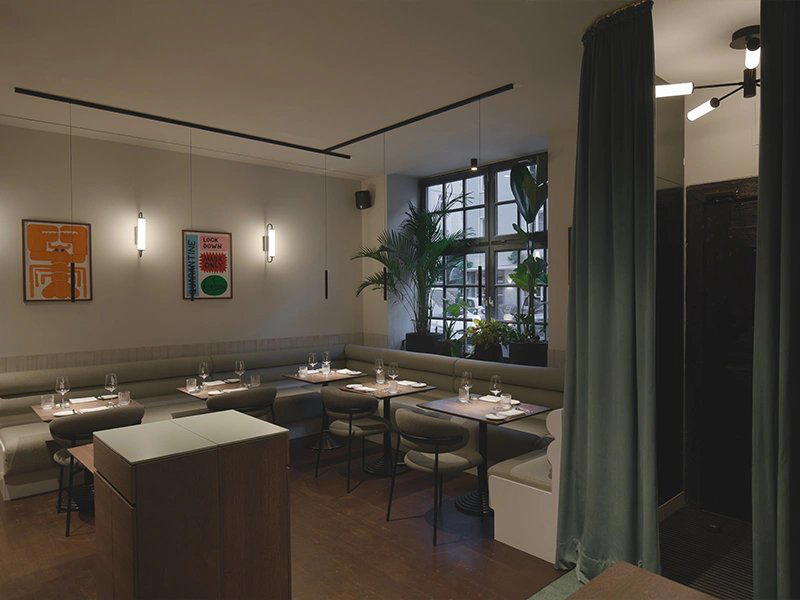
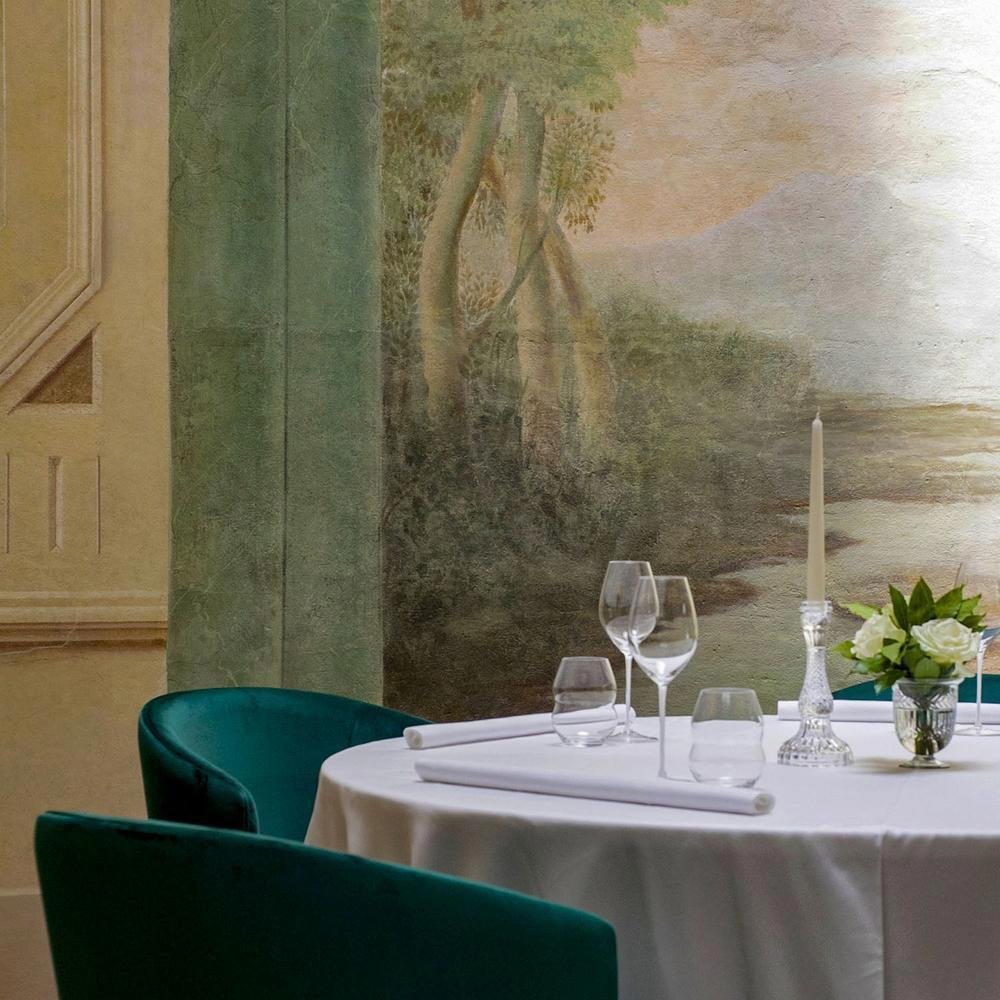
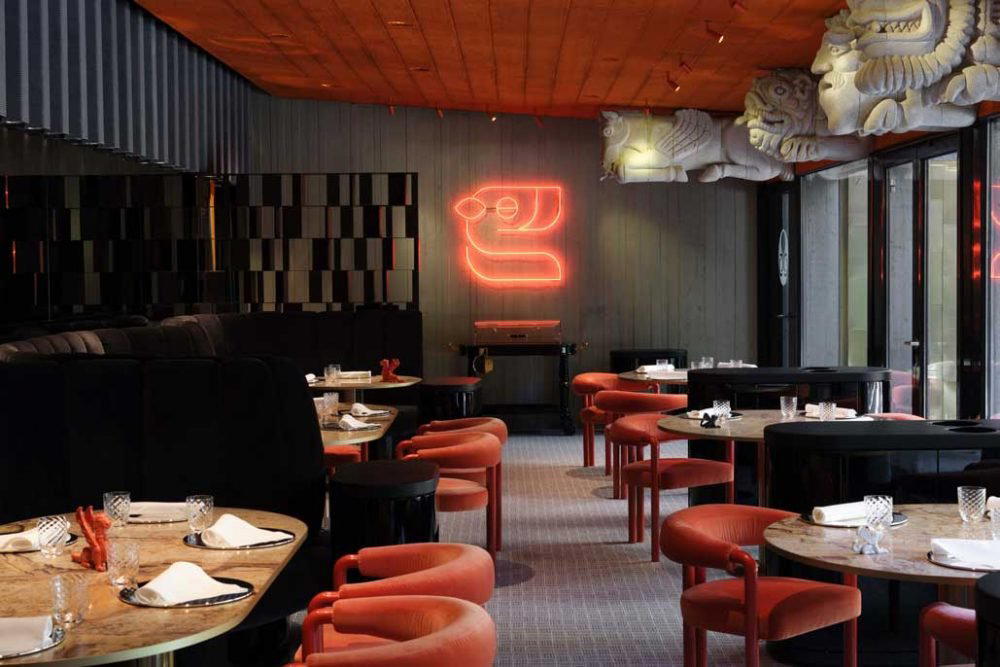
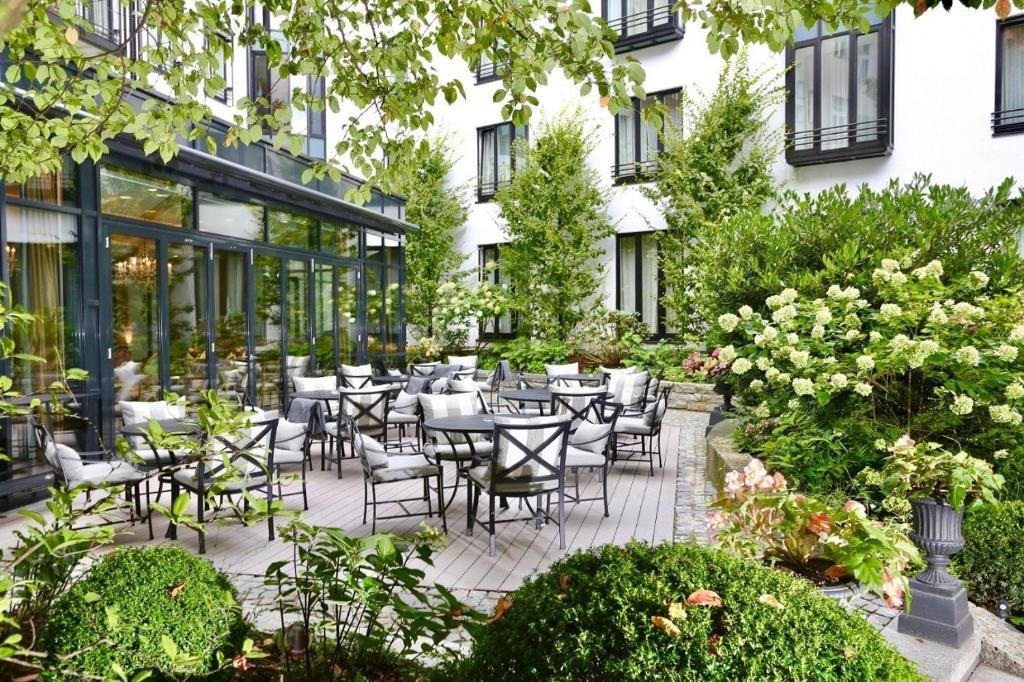
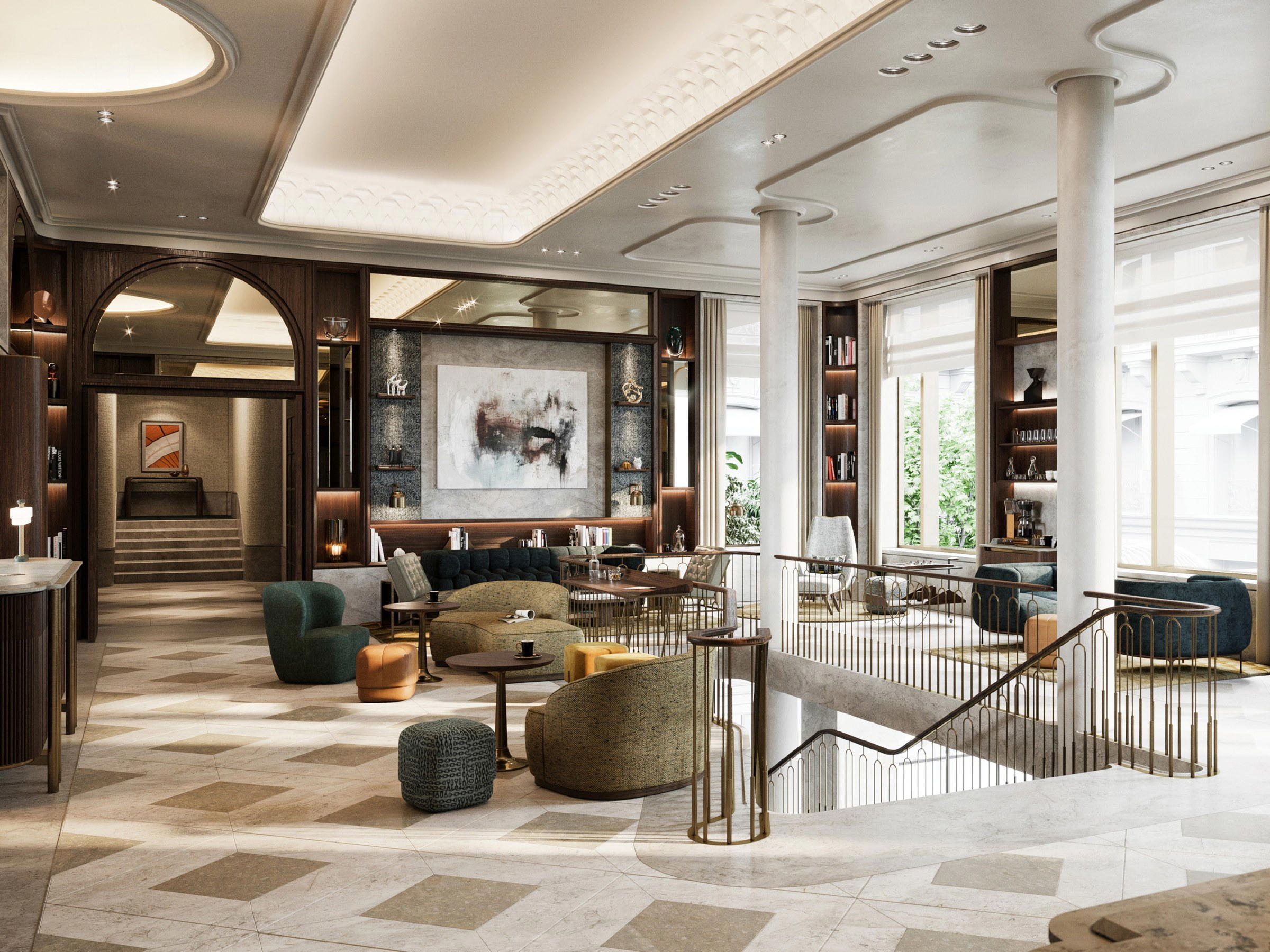
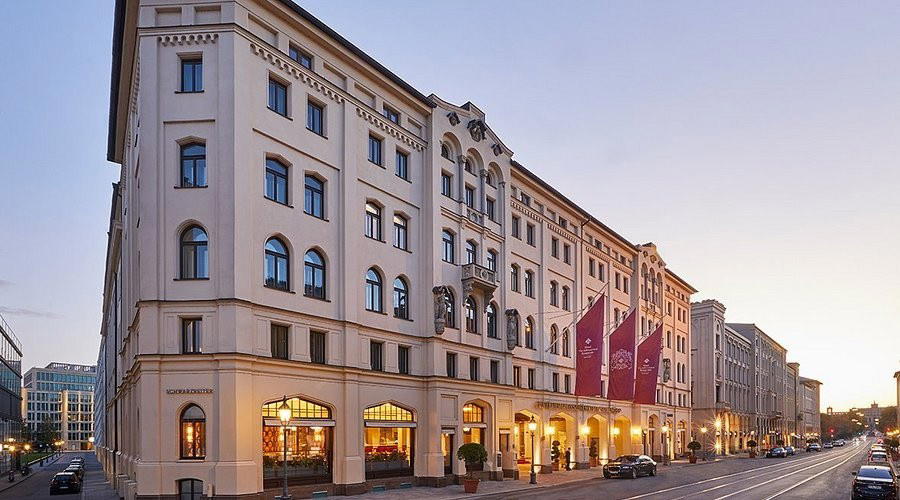
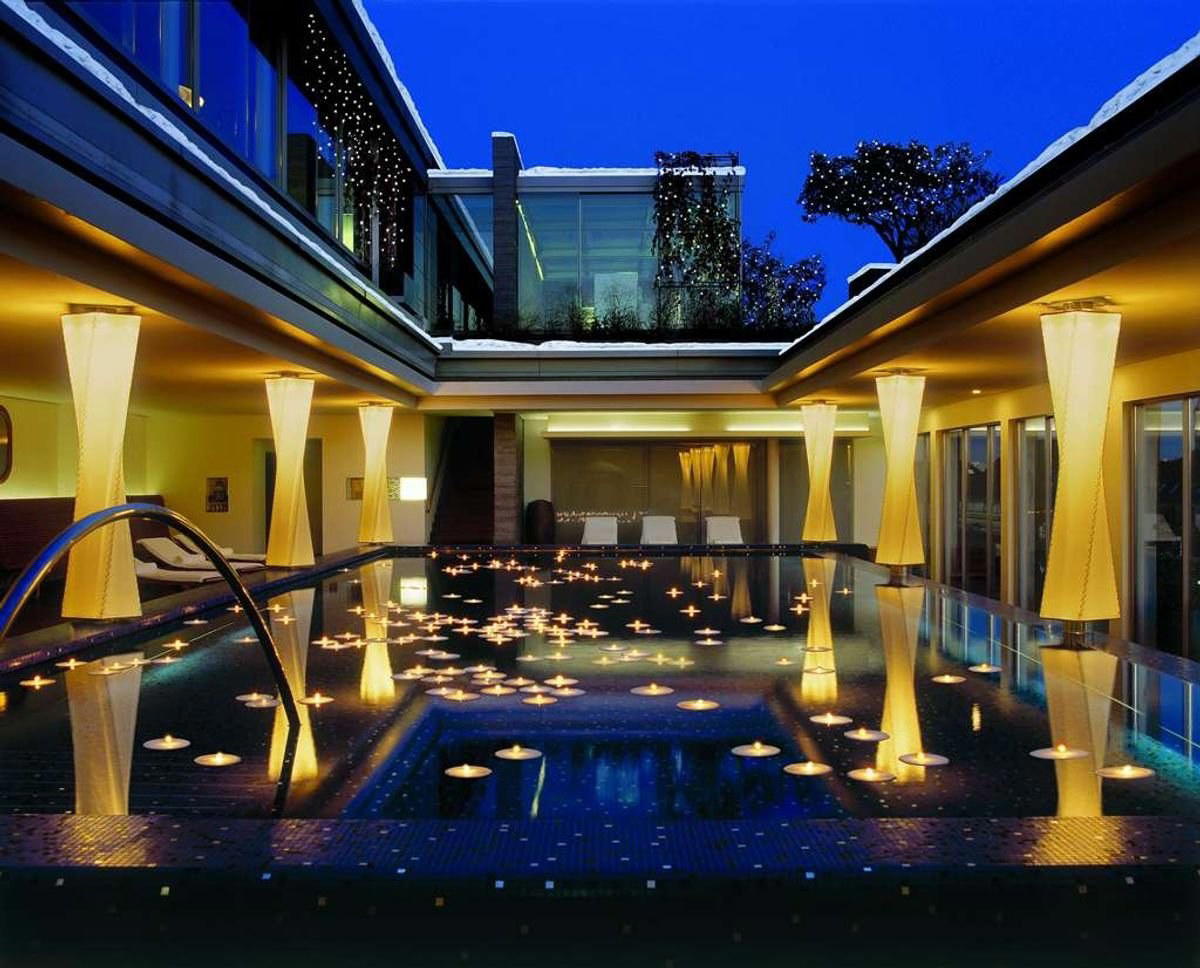
Rustic Bavarian style with cozy parlors and lively beer garden atmosphere.