
On Kolpingstraße in the Bavarian market town of Miesbach, Lameng Menue & Bistro occupies a position that reflects a broader pattern in small-town German dining: the neighbourhood bistro that takes its menu seriously without the formality of a destination restaurant. For visitors exploring the Tegernsee foothills, it offers a grounded alternative to the region's more ceremonial tables.
Pearl is the En Primeur Club membership app — saves, bookings, and concierge access live there. Same editors, same standards.
- Address
- Kolpingstraße 2, 83714 Miesbach, Germany
- Phone
- +4980259240128
- Website
- das-lameng.de
- Directions
- Get directions
 Saves & bookings on Pearl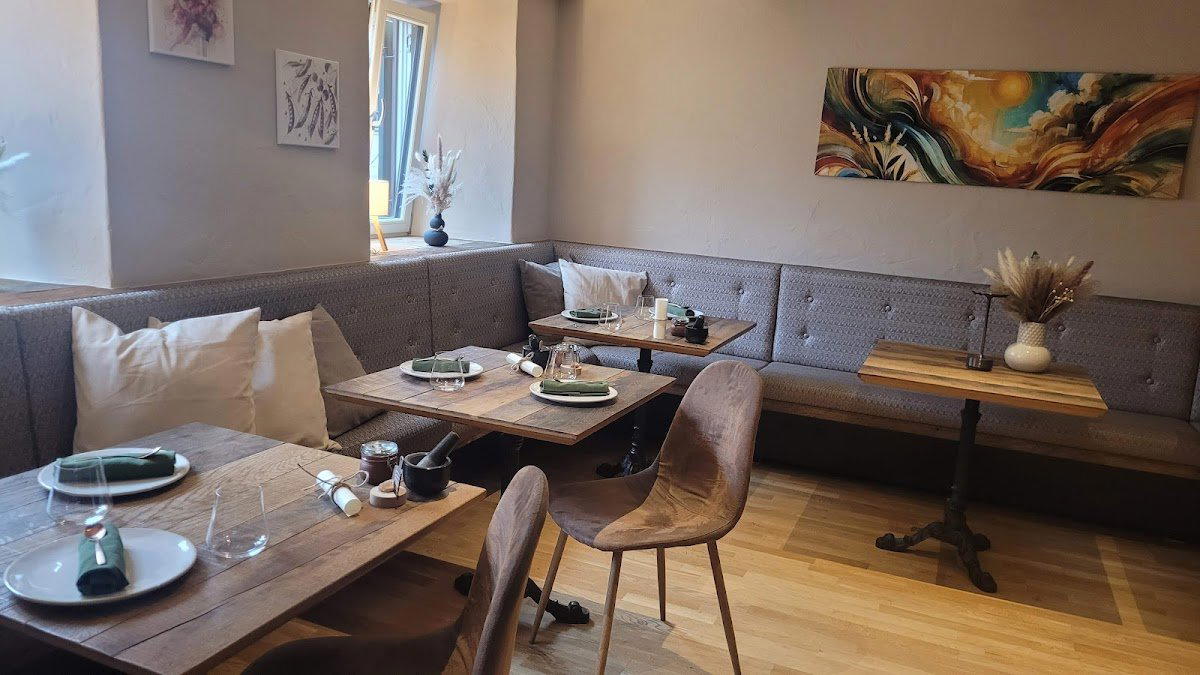
A Bavarian Market Town and Its Bistro Culture
Miesbach sits roughly 45 kilometres south of Munich, close enough to the Tegernsee lake district to draw weekend visitors but compact enough to retain the rhythm of a working market town. Dining here follows a different logic than in the Bavarian capital: the emphasis falls on consistency, local supply chains, and the kind of cooking that earns repeat custom from the same faces rather than one-off destination traffic. Lameng Menue & Bistro, at Kolpingstraße 2, operates inside that tradition. The address places it within the town's pedestrian-scale centre, where the architectural register runs to solid Bavarian civic buildings and the pace of the street outside the window shifts markedly between a weekday lunch and a Saturday evening.
The bistro format itself carries a specific meaning in southern Germany that distinguishes it from its French counterpart. Here, menue-led dining — a fixed or semi-fixed sequence of courses — coexists with the more relaxed à la carte logic of a neighbourhood bistro. That dual identity, spelled out directly in Lameng's name, signals a kitchen willing to meet different appetites on different terms. It is a format that suits a town like Miesbach, where the same diner might want a quick plate at noon and a considered meal on Friday night.
Ingredient Sourcing in the Foothills Context
The southern Bavarian foothills have a sourcing advantage that does not require elaboration in marketing copy because the geography makes it self-evident. Dairy from the Alpine pastures around the Tegernsee and Schliersee valleys, freshwater fish from the lake systems, game from the surrounding forests, and root vegetables from the Inn valley's agricultural belt are all within a relatively short supply radius of Miesbach. Kitchens in this region that choose to work with local producers are drawing on a supply network that has historical depth, not a recent trend grafted onto the menu for optics.
What ingredient sourcing means in practice for a bistro-format operation differs from what it means at a three-Michelin-star counter. At venues like Aqua in Wolfsburg or Schwarzwaldstube in Baiersbronn, sourcing decisions are woven into a tasting menu architecture with exacting provenance notes and seasonal rotations announced months in advance. At a neighbourhood bistro, sourcing manifests differently: in the availability of a dish on any given week, in the rotation of fish depending on what the local supplier delivers, and in the quiet absence of produce that would need to travel far to arrive on the plate. Both approaches are serious; they simply operate at different scales and with different visibility.
For the diner, the southern Bavarian bistro at this level tends to reward a certain flexibility. Ordering around what is fresh rather than what is fixed on a laminated menu remains the more reliable strategy, and it is an approach that connects these smaller regional tables to the broader argument being made, at much higher price points, by places like ES:SENZ in Grassau, just across the hills in the Chiemgau.
Where Lameng Sits in the Regional Picture
Germany's fine dining tier has grown considerably in ambition and international recognition over the past decade. Tables such as JAN in Munich, Vendôme in Bergisch Gladbach, and Victor's Fine Dining by Christian Bau in Perl operate in a bracket defined by tasting-menu formality, allocation-style booking windows, and price points that reflect their Michelin positioning. At the other end of the spectrum, CODA Dessert Dining in Berlin and ATAMA by Martin Stopp in Sankt Ingbert represent the kind of creative independent ambition that has reshaped German dining's international profile.
Lameng occupies neither of those poles. It functions in the tier that sustains most of the actual dining life of a Bavarian town: the moderately priced, consistently operated neighbourhood table that does not require a three-month booking lead time or a specific dress calculation. That position is not a consolation prize in the regional hierarchy. In towns the size of Miesbach, the neighbourhood bistro that maintains quality through seasonal change and local supply is often the more durable institution. Destination restaurants arrive and depart with their chefs; the reliable local table compounds its reputation year on year.
For reference points on what the wider German south is producing at higher formality levels, AURA by Alexander Herrmann & Tobias Bätz in Wirsberg, AUGUST in Augsburg, and Schanz in Piesport chart the upper range of what southern and western German kitchens are doing. Internationally, the sourcing-led precision argument is made at tables like Le Bernardin in New York City and Atomix in New York City, where ingredient provenance is treated as a primary organisational principle rather than a supporting note. The gap in formality and price between those rooms and a Miesbach bistro is significant, but the underlying conviction, that what is on the plate begins with where the ingredient came from, travels across the tiers.
Planning a Visit
Lameng Menue & Bistro is at Kolpingstraße 2, in the centre of Miesbach. The town is served by direct S-Bahn connections from Munich on the S3 line, making it accessible as a half-day trip from the city without requiring a car. Miesbach's compact centre means the bistro is within walking distance of the main rail station. Because specific hours, pricing, and booking methods are not confirmed in published form, contacting the venue directly before visiting is the more reliable approach than assuming standard Bavarian bistro hours apply. For broader context on what to eat and where across the town, our full Miesbach restaurants guide maps the local picture in more detail. Those combining a Lameng visit with wider regional exploration might also consider Restaurant Haerlin in Hamburg, Bagatelle in Trier, Waldhotel Sonnora in Dreis, and ammolite - The Lighthouse Restaurant in Rust as markers of what the broader German dining circuit offers at higher price and formality levels.
How Lameng Menue & Bistro Miesbach compares with similar nearby venues.
| Venue | Cuisine | Price |
|---|---|---|
| Hirsch & Jägerstüberl - Ostiner Stub'n | Farm to table | €€ |
| Jennerwein | Country cooking | €€ |
| Haubentaucher | International | €€€ |
Recognition history
Dated appearances from independent guides and award organizations, with the underlying list record or original source where available.
Michelin Plate
Michelin
At a Glance
- Date Night
- Casual Hangout
Current opening hours
- Monday
- Closed
- Tuesday
- Closed
- Wednesday
- Closed
- Thursday
- 6–10:30 PM
- Friday
- 12–2 PM, 6–11 PM
- Saturday
- 12–2 PM, 6–11 PM
- Sunday
- 12–2 PM, 6–10:30 PM
Hours can change for holidays and private events. Last verified .
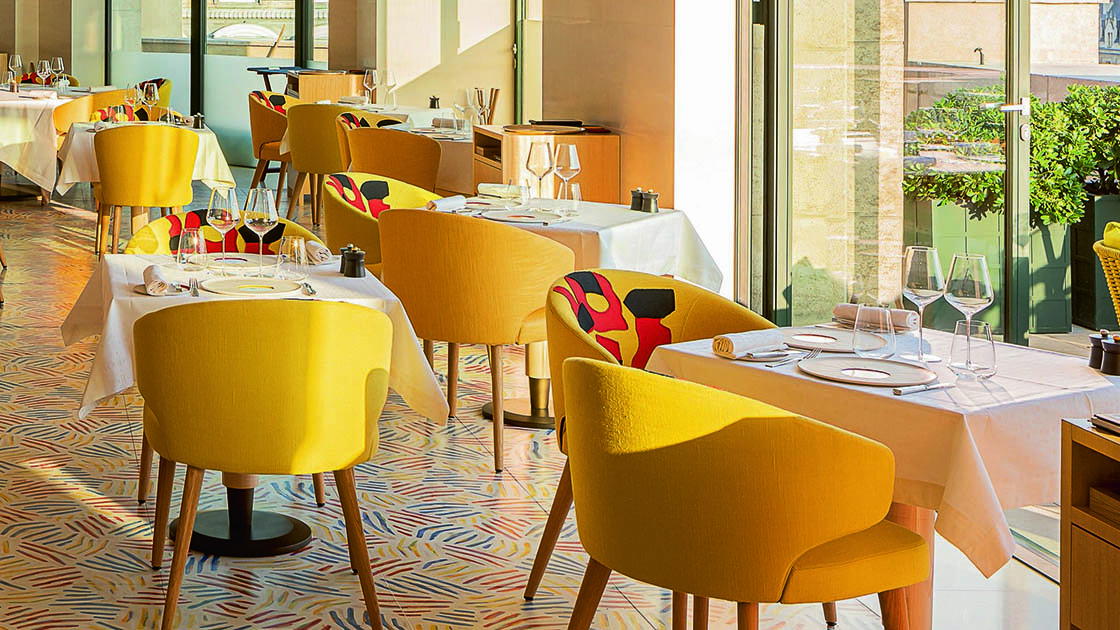
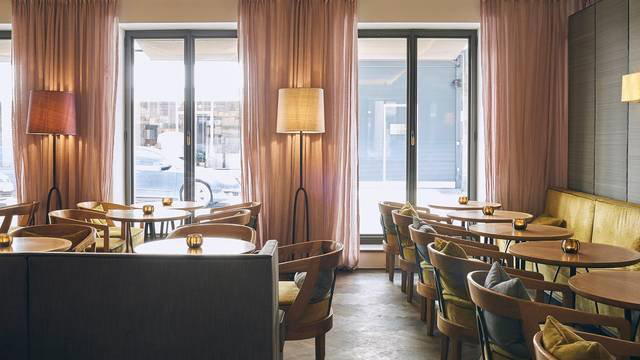
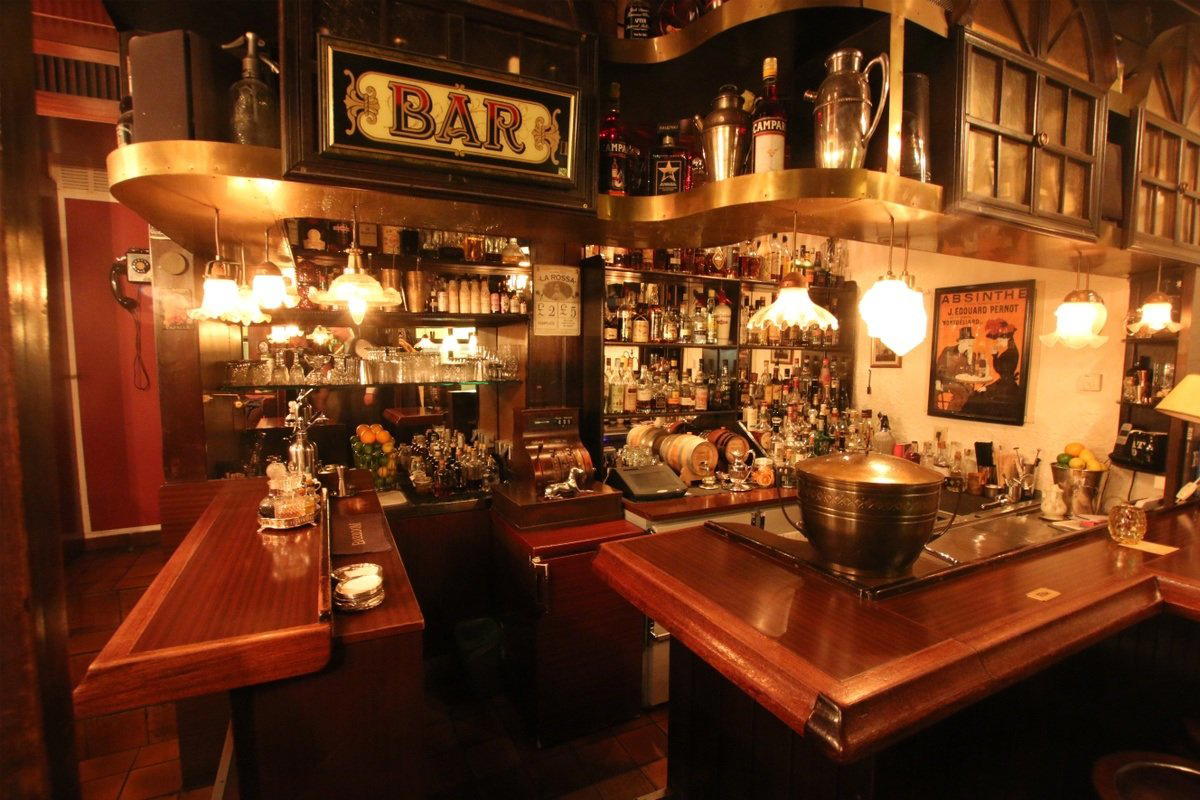
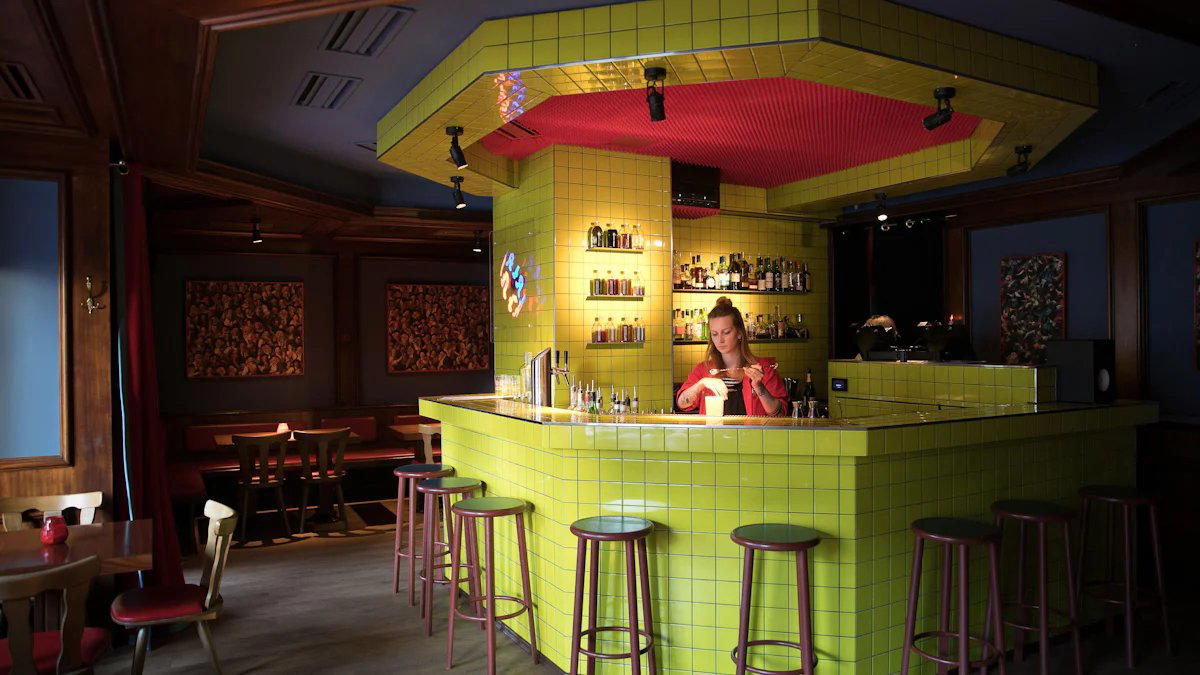
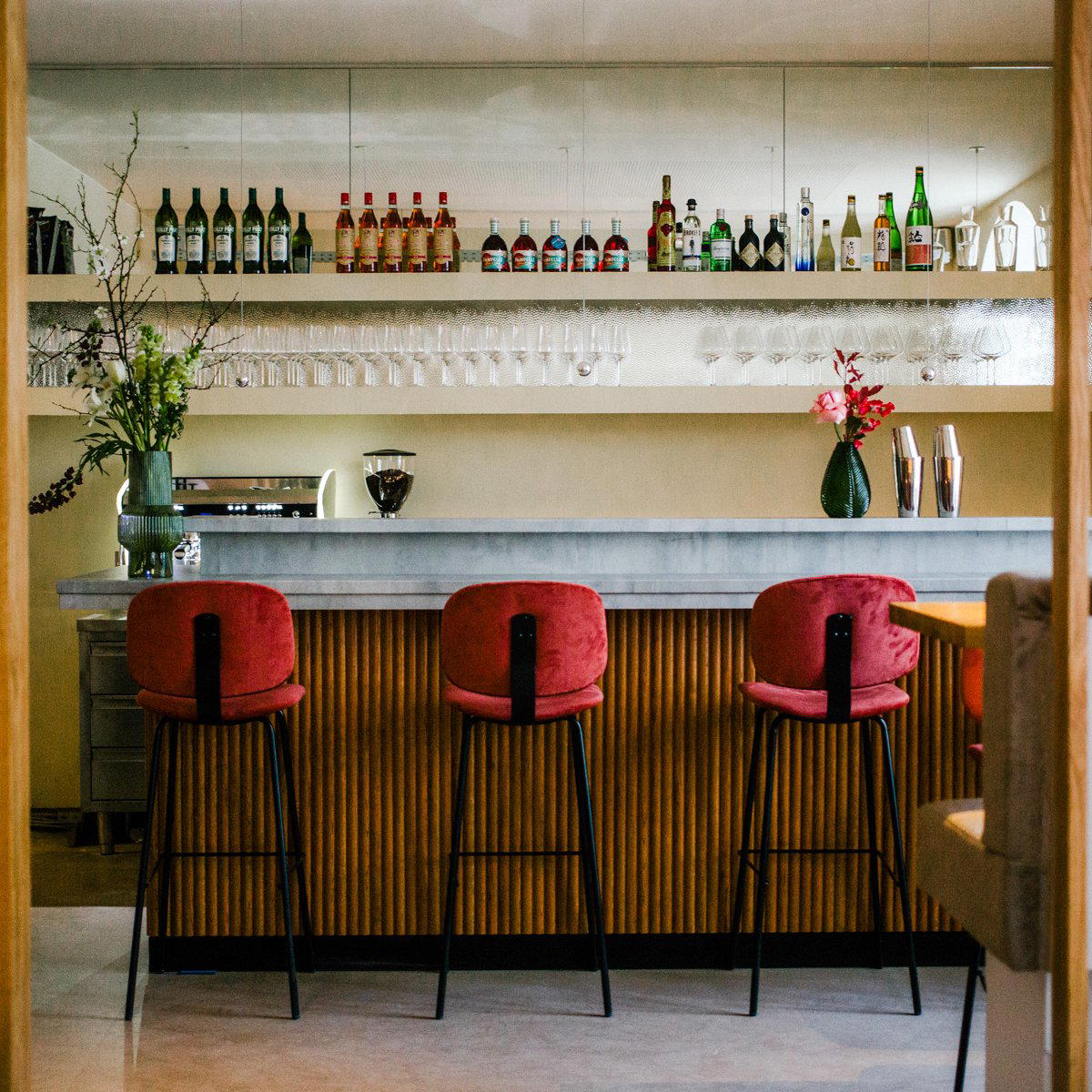
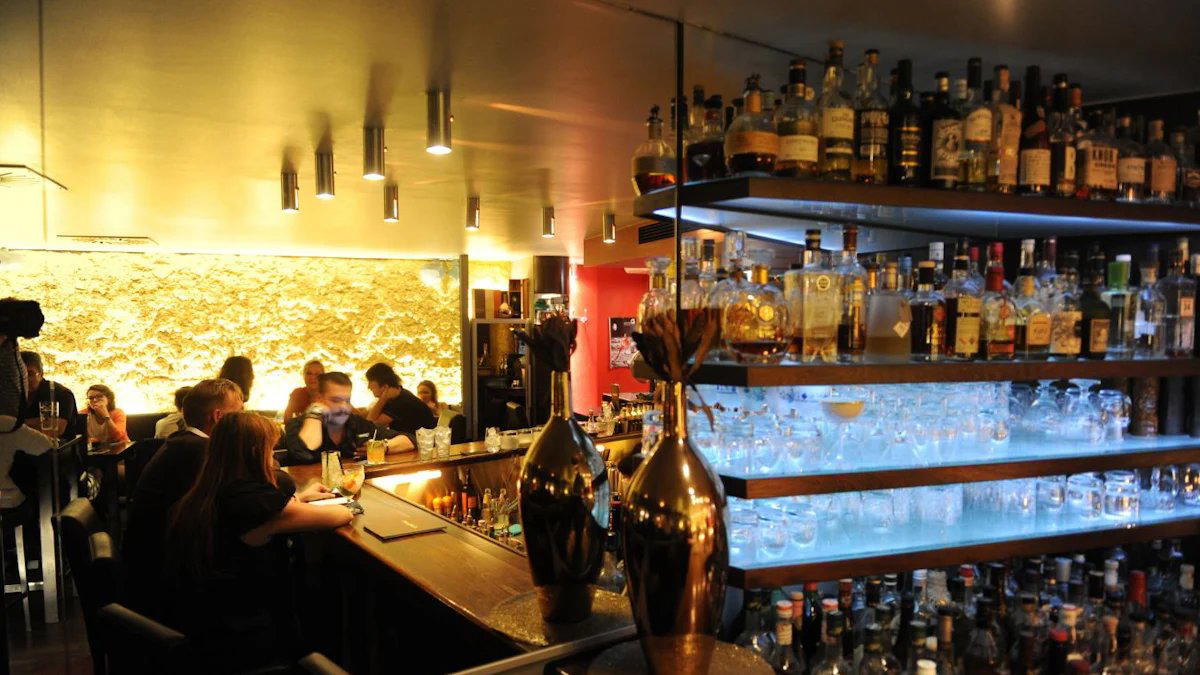
Cozy bistro atmosphere with classic Bavarian charm.