Am Steinsee sits at Niederseeon 17 in Moosach, a corner of rural Bavaria where the Bavarian foothills meet quiet lakeside terrain. Visitors to this part of Germany often pair it with the broader Upper Bavarian dining circuit, where sourcing from local agricultural land shapes the character of the table.
Pearl is the En Primeur Club membership app — saves, bookings, and concierge access live there. Same editors, same standards.
- Address
- Niederseeon 17, 85665 Moosach, Germany
- Phone
- +49498093788
- Website
- steinsee.com
- Directions
- Get directions
 Saves & bookings on Pearl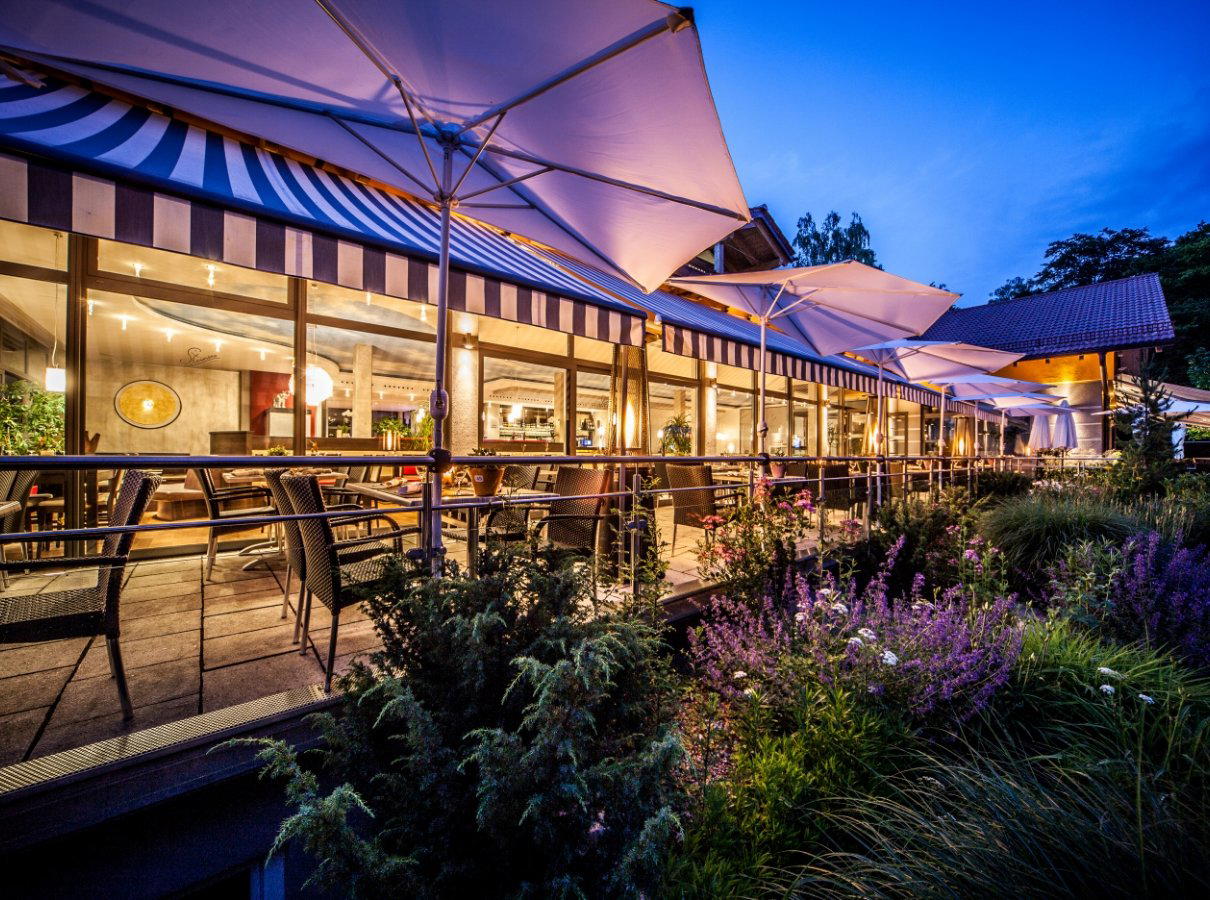
Where Bavaria's Lake Country Meets the Table
The approach to Moosach already tells you something about what kind of dining this part of Bavaria supports. The landscape east of Munich, between the Ebersberg forest and the Chiemgau foothills, is agricultural in the oldest sense: dairy farms, market gardens, and freshwater fisheries that have supplied regional kitchens for generations. When a restaurant sits at an address like Niederseeon 17, beside a lake in a municipality of a few thousand people, it is not competing with the urban fine-dining circuit. It occupies a different register entirely, one where proximity to ingredients is a structural fact rather than a menu talking point.
Am Steinsee sits within this tradition. Niederseeon is a hamlet-scale address in Moosach, and the Steinsee itself is one of the small glacial lakes that punctuate this stretch of Upper Bavaria. The physical setting places the property inside a culinary geography that has long connected Bavarian kitchens to the water, the fields, and the forest in ways that urban restaurants can reference but rarely replicate.
The Sourcing Logic of Upper Bavaria
In much of southern Germany, the conversation about ingredient sourcing is inseparable from geography. The cluster of lakes east of Munich, running from the Schliersee down through the Ebersberg district, sits within a short radius of some of Bavaria's most productive agricultural zones. Freshwater fish, including carp, pike, and whitefish species, come from managed local lakes and have anchored Bavarian cooking for centuries. Dairy from the surrounding farms, game from the adjacent forests, and seasonal produce from market gardens in the Inn valley form the backbone of what a kitchen in this position can credibly draw on.
This sourcing geography matters because it defines what kind of cooking is authentic to the place rather than imported into it. Germany's most formally recognised restaurants, including properties like Schwarzwaldstube in Baiersbronn and Aqua in Wolfsburg, operate within tightly defined regional contexts where the sourcing story is as important as the technique applied to it. Rural Bavarian properties like Am Steinsee occupy a different position in that hierarchy, closer to the primary source and further from the formal fine-dining tier, but embedded in a food culture that has genuine depth.
That depth shows up in how the broader Bavarian lake district positions itself relative to Munich's dining scene. The city has its own high-end circuit, with properties at various price points and levels of international recognition. But the pull of the lake country east of Munich, for both German and international visitors, has always been partly about escaping that formality in favour of something more grounded in place. The food question becomes: does the kitchen take that geographical advantage seriously, or does it treat the setting as backdrop?
Contextualising Am Steinsee Within the German Rural Fine-Dining Pattern
Germany has a long tradition of destination restaurants in non-urban settings. Properties like Waldhotel Sonnora in Dreis and Vendôme in Bergisch Gladbach built their reputations precisely because their rural or semi-rural positions enabled a different relationship with suppliers and a different rhythm of service. The pattern recurs across Germany: Schanz in Piesport operates alongside the Moselle vineyards; ES:SENZ in Grassau sits in the Bavarian foothills, less than an hour from Moosach. Each of these addresses uses its geography as an active input into the food, not just a picturesque frame around it.
The restaurant's address in Moosach places it within this broader pattern, in a sub-region of Upper Bavaria that has enough critical mass of good agricultural land, water, and seasonal game to support serious cooking without requiring long supply chains. Whether the kitchen operates at the level of, say, JAN in Munich or positions itself as a more accessible regional table is not something What the address does signal is that the choice to operate here, rather than in Munich or a larger market town, is itself a statement about priorities.
For travellers comparing rural Bavarian options against the broader German destination dining circuit, properties like GästeHaus Klaus Erfort in Saarbrücken, Restaurant Haerlin in Hamburg, and Victor's Fine Dining by Christian Bau in Perl represent the formally documented end of the spectrum. The restaurant operates in less charted territory, which for some visitors is precisely the point.
Planning a Visit
The restaurant's address at Niederseeon 17, 85665 Moosach puts it in a part of Upper Bavaria that is most practically reached by car from Munich, roughly 35 to 40 kilometres to the west. Public transport connections to Moosach exist via the S-Bahn to Grafing and onward regional services, but the final stretch to Niederseeon requires private transfer. The village sits near the Steinsee lake, and the setting is overtly rural, meaning a visit works well as a deliberate half-day or full-day excursion rather than a quick stop. The restaurant is open Friday and Saturday from 11 AM to 10 PM and Sunday from 12 to 9 PM. Reservations are recommended.
Those building a longer Upper Bavarian itinerary might also consider Ösch Noir in Donaueschingen, Jante in Hanover, or further afield comparisons like Bagatelle in Trier and L.A. Jordan in Deidesheim to understand the full range of what Germany's non-urban dining circuit offers. For international reference points on how lakeside and rural settings translate into high-level cooking, Le Bernardin in New York City and Lazy Bear in San Francisco show how sourcing narratives can anchor a restaurant's entire identity. CODA Dessert Dining in Berlin offers a further contrast, showing how German kitchens at the creative end of the spectrum are rethinking the structure of the meal itself.
How It Stacks Up
Comparable venues nearby, for context on price, style, and recognition.
| Venue | Cuisine | Price | Notes |
|---|---|---|---|
| Am SteinseeThis venue — the venue you are viewing | Traditional German Lakeside Dining | $$ | Not listed |
| Atzinger Wirtshaus | Traditional Bavarian Gastropub | $$ | Schwabing |
| Dahoam Restaurant | Traditional Bavarian | $$ | Theresienwiese |
| Wirtshaus Papa Benz | Modern Bavarian Gastropub | $$ | Schwabing |
| Café Mainstreet | German Café & Bakery | $$ | Poing |
| Ayinger am Platzl | Bavarian Wirtshaus | $$ | Altstadt |
At a Glance
- Scenic
- Cozy
- Lively
- Family
- Casual Hangout
- Date Night
- Group Dining
- Waterfront
- Terrace
- Open Kitchen
- Beer Program
- Waterfront
Current opening hours
- Monday
- Closed
- Tuesday
- Closed
- Wednesday
- Closed
- Thursday
- Closed
- Friday
- 11 AM–10 PM
- Saturday
- 11 AM–10 PM
- Sunday
- 12–9 PM
Hours can change for holidays and private events. Last verified .
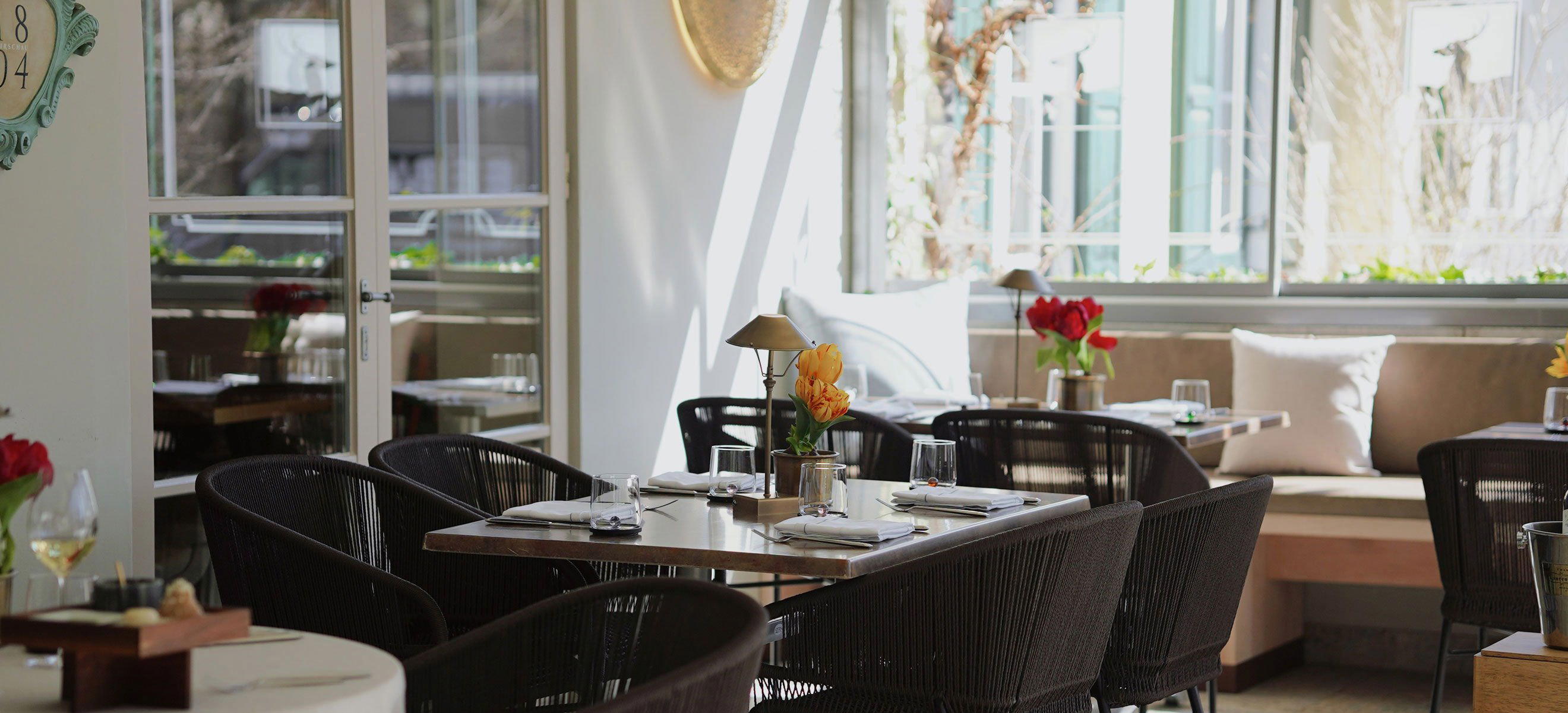
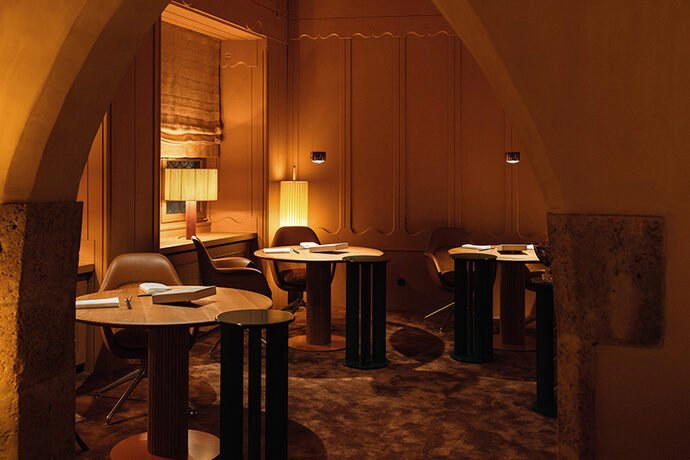
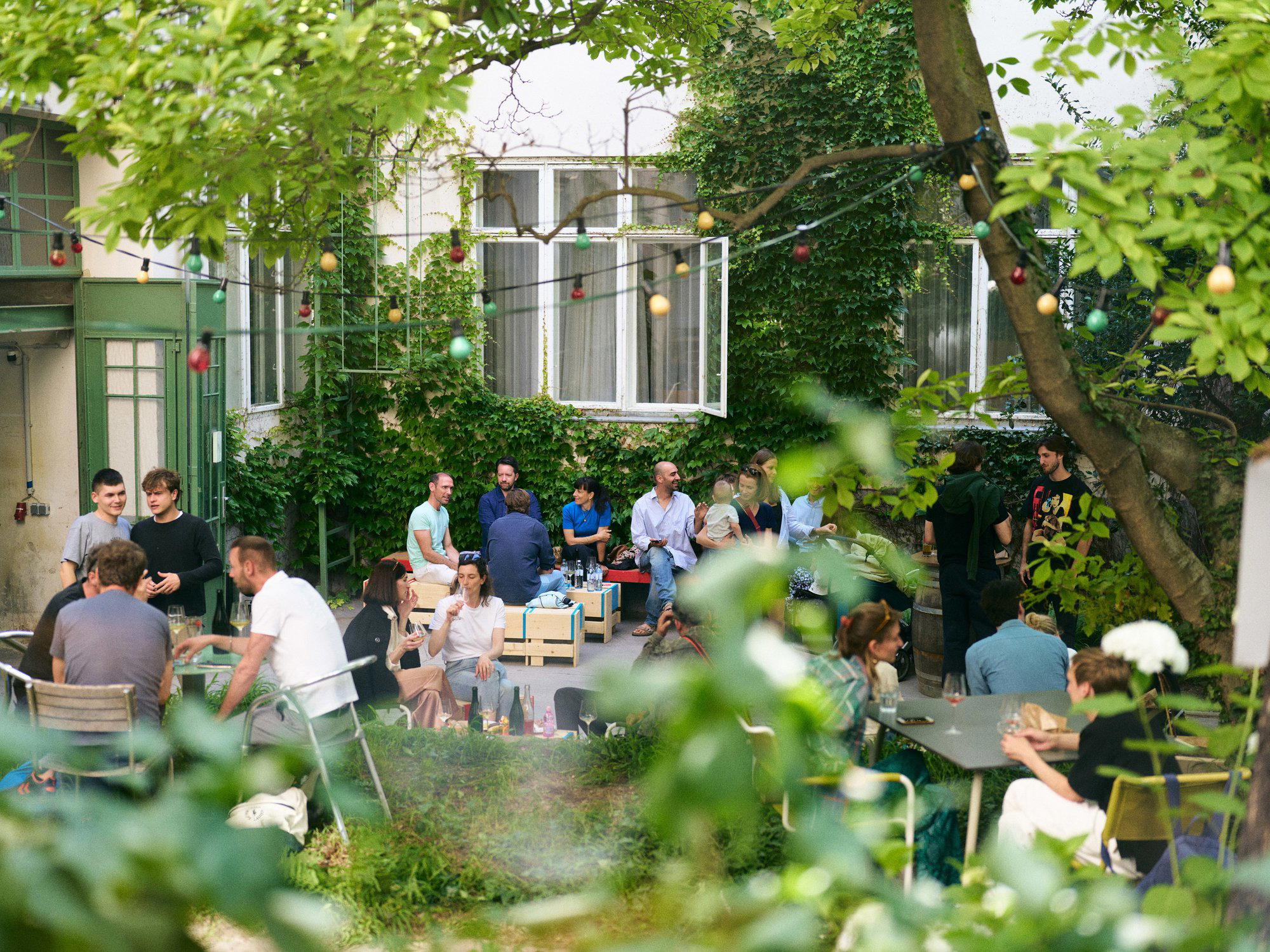
Elegant yet relaxed lakeside atmosphere with candle-light dinners and lively biergarten vibes.