Das Graseck Mountain Hideaway & Healthcare

Set above Garmisch-Partenkirchen and reached most memorably by cable car, Das Graseck occupies a distinct position among Bavarian Alpine hotels: 33 rooms pairing pine-framed interiors with contemporary finishes, a wellness program that extends from thermal facilities to medical screenings, and Weingart's four-course gourmet menu anchoring the food program. From $388 per night, it sits in the mid-to-upper tier of the region's mountain hospitality.
Pearl is the En Primeur Club membership app — saves, bookings, and concierge access live there. Same editors, same standards.
- Address
- Wildenau 6, 82467 Garmisch-Partenkirchen
- Phone
- +49 8821 943240
- Website
- das-graseck.de
- Directions
- Get directions
 Saves & bookings on Pearl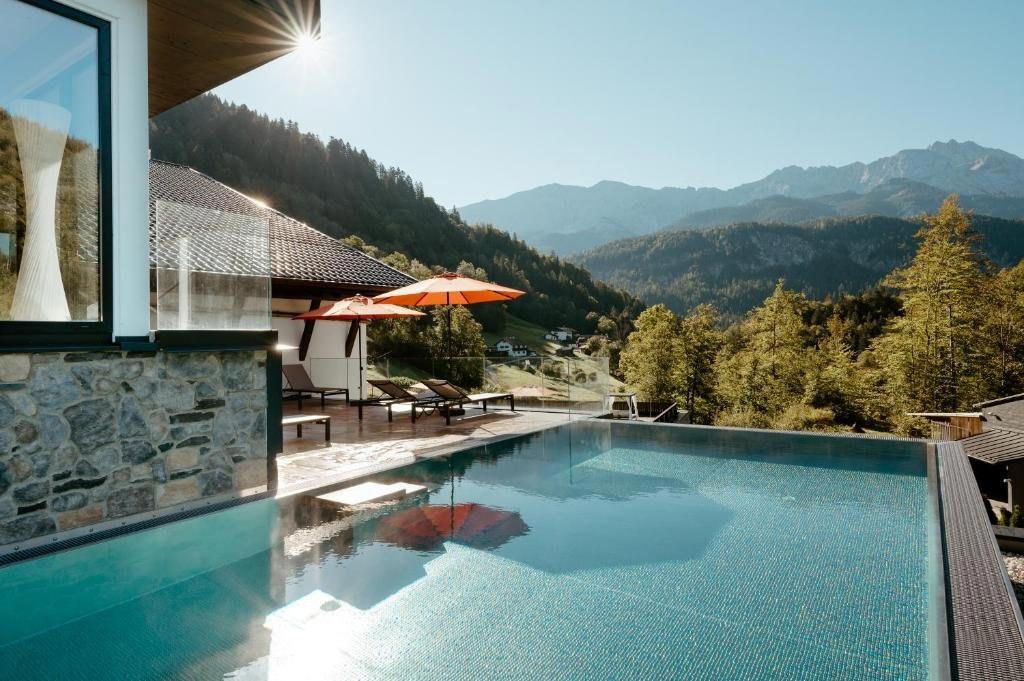
Arriving Above the Valley
A Bavarian Alpine hotel often begins with a mountain road, a car park, and a lobby that signals its altitude with wide-plank floors. Das Graseck, positioned in the mountains directly above Garmisch-Partenkirchen, offers a different logic: the property operates its own cable car, and arriving by gondola rather than road changes the nature of check-in before you've touched the front desk. The valley floor drops away, the Wetterstein range fills the frame, and the hotel announces itself as something deliberately removed from the town below. That separation is the design premise, not an inconvenience.
This kind of vertical positioning is rare in German Alpine hospitality, and it shapes every decision the property makes, from the density of wellness programming to the insistence on a gourmet dining format that would read as optional at a road-accessible hotel but here becomes part of what justifies the remove. Das Graseck belongs to a cohort of mountain retreats where the physical inaccessibility is itself the amenity. Comparable properties in the wider Alpine arc, Das Kranzbach Hotel & Wellness Retreat in Kranzbach and Schloss Elmau Luxury Spa Retreat & Cultural Hideaway in Elmau, share the logic of deliberate seclusion, even if they arrive at it through different architectural means.
The Architecture of Alpine Restraint
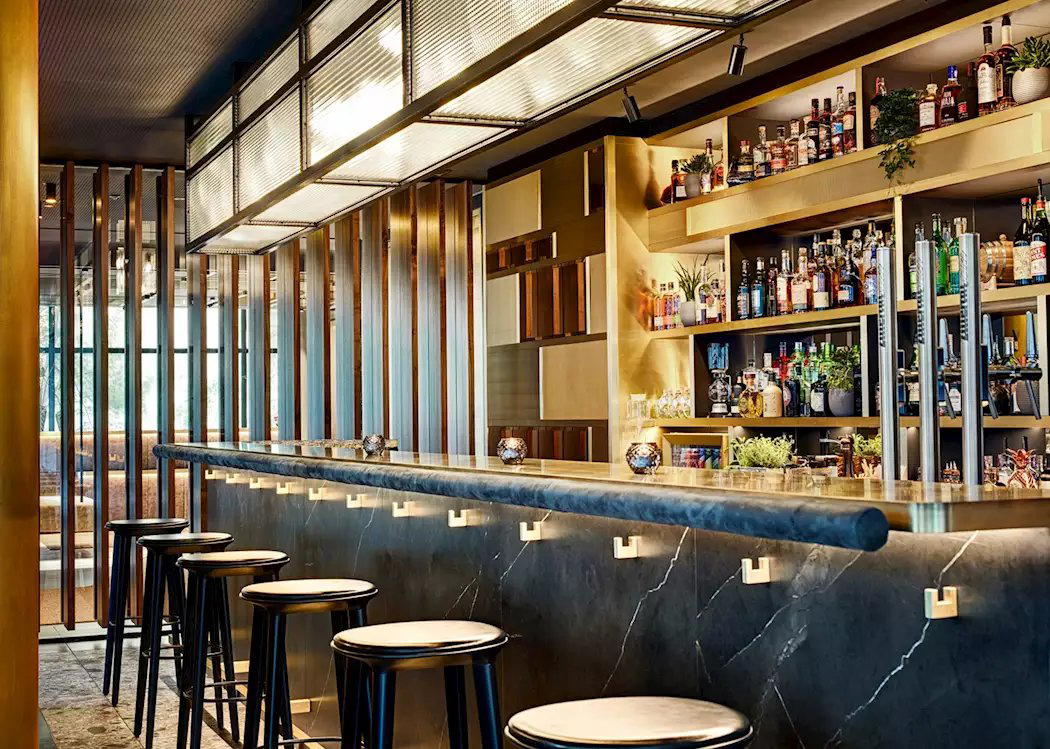
German Alpine hotel design operates within a recognisable grammar: exposed timber, pitched rooflines, natural stone, and an interior palette drawn from the surrounding forest. The better properties in this category use that grammar fluently rather than literally, avoiding the heavy-handed Landhaus aesthetic in favour of something that reads as contemporary without disowning its context. Das Graseck's 33 rooms work within this framework, pairing classic Alpine pine wood with modern furnishings and up-to-date comforts in a combination that places the property in the design-conscious tier of regional mountain hospitality rather than the heritage-folklorique bracket.
The 33-room count is significant. At that scale, the property avoids the operational anonymity that affects larger Alpine resorts while remaining large enough to support a full wellness and dining infrastructure. The room volume positions Das Graseck closer to the small-luxury end of the spectrum, where design coherence and service density are more achievable than in properties three or four times the size. For comparison, Kempinski Hotel Berchtesgaden in Berchtesgaden operates on an entirely different scale, with the branded-hotel infrastructure that implies. Das Graseck's smaller footprint produces a different register of stay.
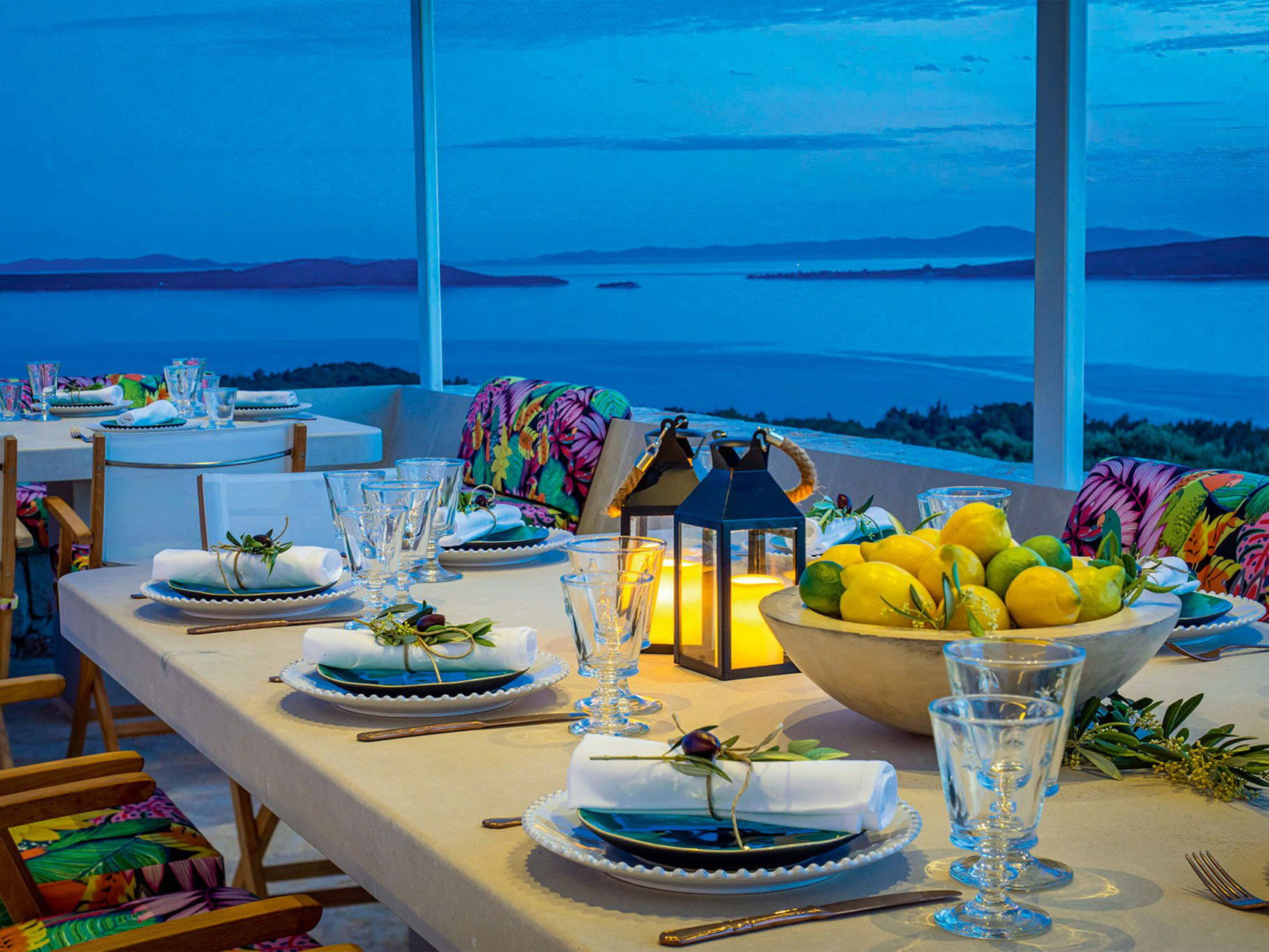
The views that come with the mountain position are not incidental decoration. In Alpine hotel design, orientation and outlook are structural decisions: which rooms face the Zugspitze, how corridors are positioned relative to the ridge, where terraces are placed to catch morning light. At an altitude above Garmisch-Partenkirchen, the hotel's relationship to the surrounding Wetterstein landscape is an architectural given, but the execution of that relationship, how rooms frame the panorama, how outdoor spaces are designed to hold it, determines whether a property uses its position or merely occupies it.
Wellness as Infrastructure, Not Add-On
German Alpine wellness tradition predates the current global spa-hotel moment by several decades. The country's Kur culture, combining thermal bathing, medical consultation, and structured rest, gave rise to a category of property that treats wellness as primary programming rather than a revenue annex. Das Graseck sits in that tradition with a wellness offer that extends well beyond the standard sauna-and-pool configuration: the program runs from thermal facilities through to cancer screenings, placing it in an unusual position where the health offering has genuine clinical range.
This positions the hotel in a distinct competitive tier from properties where the spa is a selling point among many. The inclusion of medical-grade services shifts the guest profile and the booking rationale for a segment of the market. Among German properties with this combination of setting and medical wellness depth, Das Graseck occupies a niche that few properties in the country match. Luisenhöhe in Horben, which operates as a dedicated health resort in the Black Forest, is a reference point for the purely medical end of this category; Das Graseck's positioning between hospitality and healthcare is less common.
Weingart's and the Bavarian Table
Bavarian Alpine cuisine has historically sat in an awkward position relative to broader German fine dining: the region's food culture is deeply embedded in tradition, from Brez'n and Weisswurst to slow-braised game, but that rootedness can work against the kind of innovation that earns critical attention. The better hotel dining rooms in the region have resolved this by working with regional ingredients and techniques at a level of precision that acknowledges the tradition without being constrained by it.
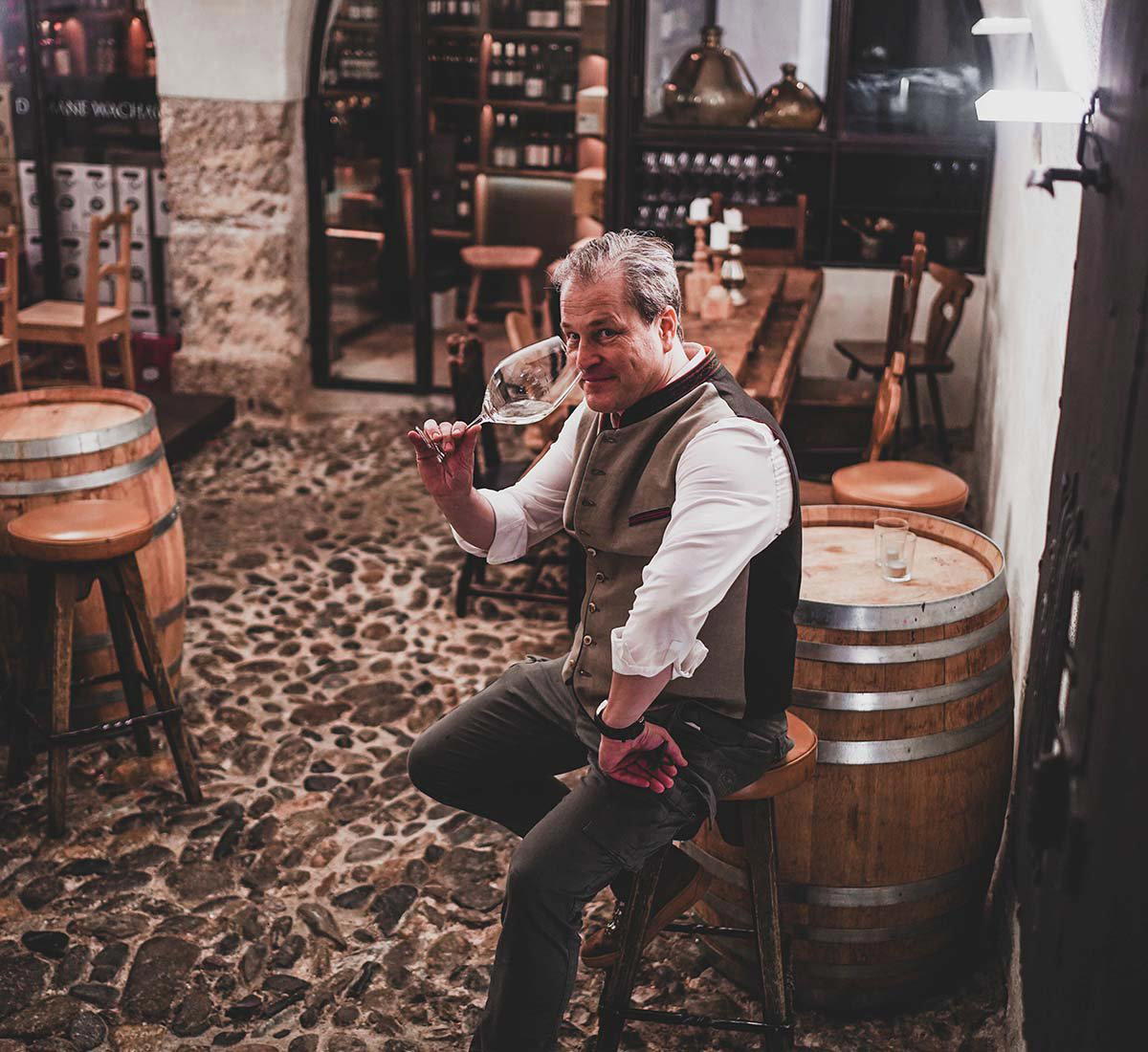
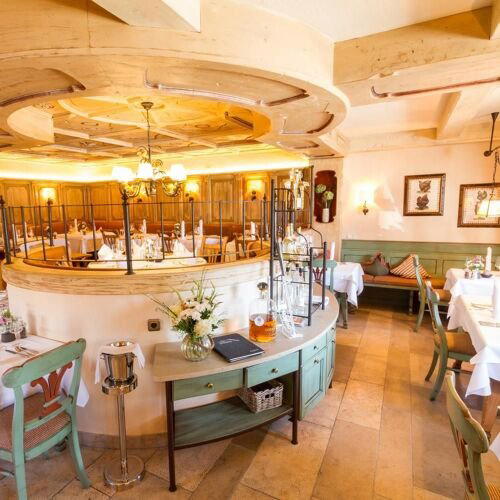
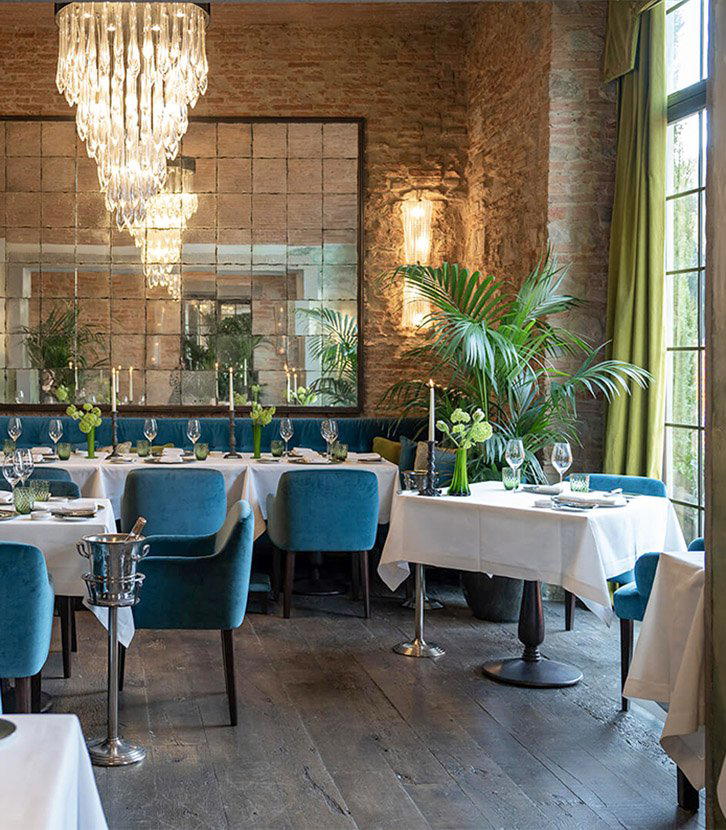
At Das Graseck, the food program runs from an expansive breakfast buffet through to a four-course gourmet menu at Weingart's. The breakfast format signals intent: at properties where the morning meal is treated seriously, the quality of sourcing and preparation tends to carry through the rest of the dining program. The four-course evening format at Weingart's places the restaurant in the structured-dining tier of Alpine hotel restaurants, where the menu is a defined editorial statement rather than a la carte flexibility. This format works well when the kitchen has both the produce access and the technical confidence to sustain four courses without resort to safe hotel-food hedging. The Bavarian context, with its access to Alpine dairy, freshwater fish, and wild game, provides the raw material; execution is what differentiates properties at this level.
In-town alternatives like Staudacherhof and Werdenfelserei offer different points of entry into Garmisch-Partenkirchen hospitality for those who prefer valley-level access.
Where Das Graseck Sits in the German Alpine Picture
German Alpine hospitality has developed a recognisable upper tier over the past two decades, driven partly by wellness tourism, partly by the growth in domestic luxury travel, and partly by the region's increasing appeal to international visitors using Munich as a gateway. Within that tier, properties differentiate on three axes: design ambition, wellness depth, and dining seriousness. Das Graseck scores across all three, which is not as common as the proliferation of Alpine hotels might suggest.
The $388 per night starting price positions it in the mid-to-upper bracket of regional mountain accommodation. At that price point, it competes with properties that offer one of the three differentiators well but rarely all three. The cable car arrival remains the detail that separates it from every comparable within the immediate area, and in hotel design terms, a genuinely distinctive arrival sequence is harder to replicate than an upgraded spa suite or a Michelin-starred restaurant.
For those mapping a broader German trip against properties of comparable ambition, reference points exist across the country: Hotel Bareiss in Baiersbronn in the Black Forest, Althoff Seehotel Überfahrt in Rottach-Egern on the Tegernsee, and Gut Steinbach Hotel Chalets Spa in Reit im Winkl each operate in adjacent terrain with their own logic. Urban anchors like Mandarin Oriental Munich in Munich or Fairmont Hotel Vier Jahreszeiten in Hamburg serve a different function but are natural pairings for visitors who want to combine city and mountain. Properties further afield in the German portfolio, including Excelsior Hotel Ernst in Cologne, Hotel de Rome in Berlin, Breidenbacher Hof Düsseldorf in Düsseldorf, Bülow Palais in Dresden, BUDERSAND Hotel in Hörnum, Der Öschberghof in Donaueschingen, Esplanade Saarbrücken in Saarbrücken, Hotel Ketschauer Hof in Deidesheim, LA MAISON in Saarlouis, and Landhaus Stricker in Sylt cover the range of what German luxury hospitality looks like outside the Alps.
Planning Your Stay
Das Graseck is reachable by road from Garmisch-Partenkirchen, with the town itself accessible by direct train from Munich in under 90 minutes. The cable car arrival is operationally the more considered choice, removing the car-park logistics that complicate most Alpine hotel arrivals and setting up the transition from town to mountain more deliberately. Rates from $388 per night across 33 rooms suggest that early booking is advisable for summer or winter peak periods. The wellness program, particularly any medical or specialist services, will have its own scheduling logic separate from room availability.
For travellers weighing Das Graseck against international alternatives in mountain contexts, the property's combination of cable car access, clinical wellness depth, and structured dining makes it distinctive among Alpine hotels. It is not a spa resort with a restaurant, nor a dining destination with a pool. The three programs operate at comparable depth, which is what gives the property its character and, depending on your priorities, its appeal.
In Context: Similar Options
Comparable venues nearby, for context on price, style, and recognition.
| Venue | Cuisine | Price | Awards | Notes |
|---|---|---|---|---|
| Das Graseck Mountain Hideaway & HealthcareThis venue — the venue you are viewing | Modern Alpine luxury hideaway | $$$$ | Michelin 1 Key | Not listed |
| Staudacherhof | Family-run wellness residence blending tradition and modern luxury | $$$ | Michelin 1 Key | Garmisch-Partenkirchen |
| Werdenfelserei | Modern Bavarian chalet with sustainable solid wood construction | $$$ | Michelin 1 Key | Garmisch-Partenkirchen |
| AMERON Neuschwanstein Alpsee Resort & Spa | Blend of renovated historic hotels with contemporary extensions | $$$$ | Michelin 1 Key | Hohenschwangau |
| Das Rübezahl | Alpine boutique wellness hotel | $$$ | Michelin 1 Key | Schwangau |
| Do & Co Hotel Munich | Luxurious boutique hotel blending modern design with central historic location | $$$$ | Michelin 1 Key | Altstadt |
Recognition history
Dated appearances from independent guides and award organizations, with the underlying list record or original source where available.
Michelin 1 Key
Michelin
Continue exploring
More in Garmisch-Partenkirchen
Hotels in Garmisch-Partenkirchen
Browse all →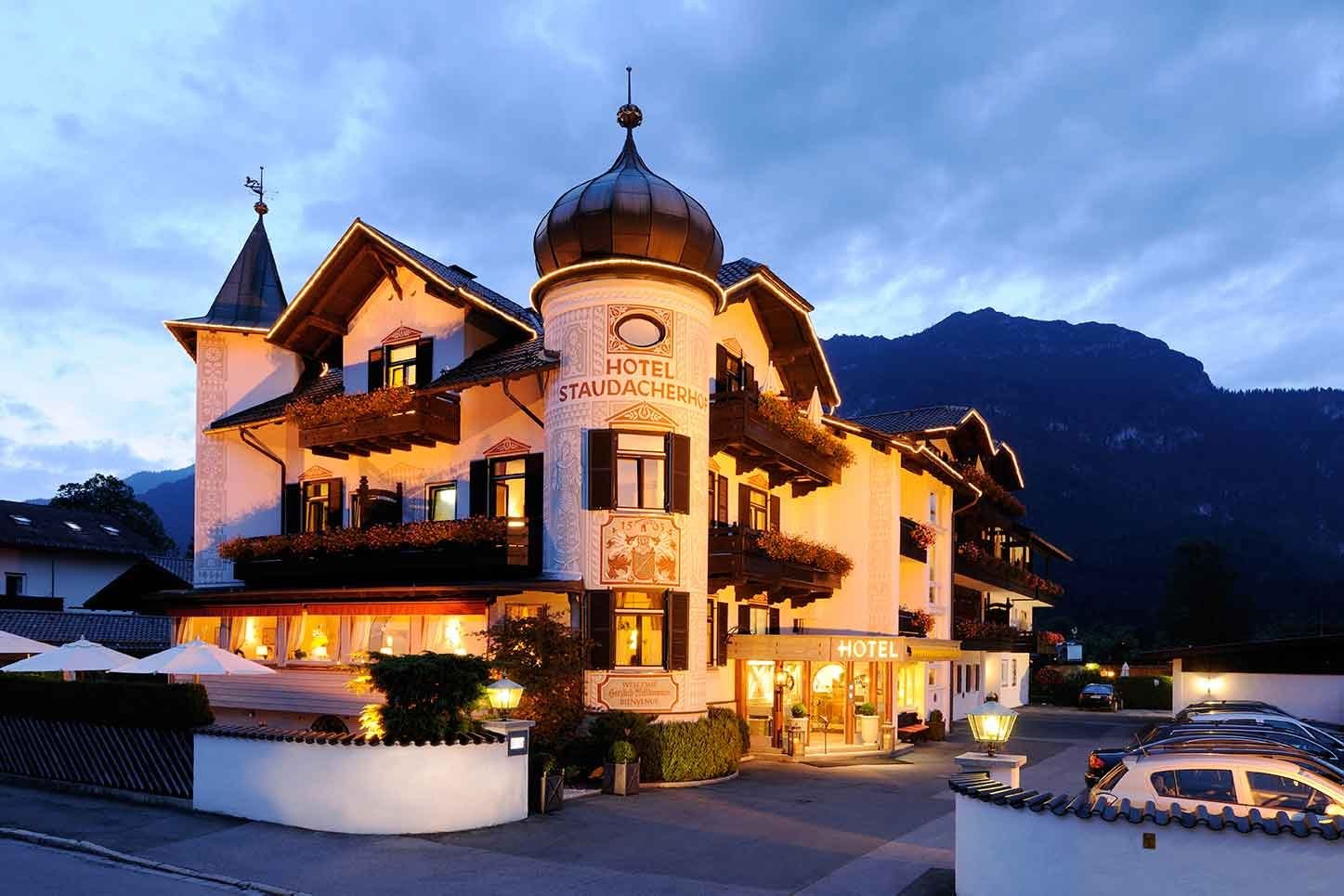
Bars in Garmisch-Partenkirchen
Browse all →
At a Glance
- Quiet
- Scenic
- Cozy
- Modern
- Romantic
- Romantic Getaway
- Wellness Retreat
- Weekend Escape
- Panoramic View
- Infinity Pool
- Wi Fi
- Pool
- Spa
- Sauna
- Fitness Center
- Restaurant
- Room Service
- Mountain
- Wi Fi
- Pool
- Spa
- Sauna
- Fitness Center
- Restaurant
- Room Service
Tranquil and relaxing with elegant modern decor, panoramic mountain views, and soothing spa atmosphere.