Our verdict
Wirtshaus Rechthaler Hof on Arnulfstraße sits in the older tradition of Munich's neighbourhood Wirtshäuser, where the measure of a room is not its awards tally but its ability to hold the same crowd from midday through the evening. For visitors calibrating between the city's fine-dining tier and its everyday tavern culture, this address offers a reference point in the latter category.

Pearl is the En Primeur Club membership app — saves, bookings, and concierge access live there. Same editors, same standards.
- Address
- Arnulfstraße 10, 80335 München, Germany
- Phone
- +494989557750
- Hours
- Daily 11:30 AM–12 AM
- Website
- rechthaler-hof.de
- Directions
- Get directions
- Booking
- Book on OpenTable

Where Munich Still Eats Like Munich
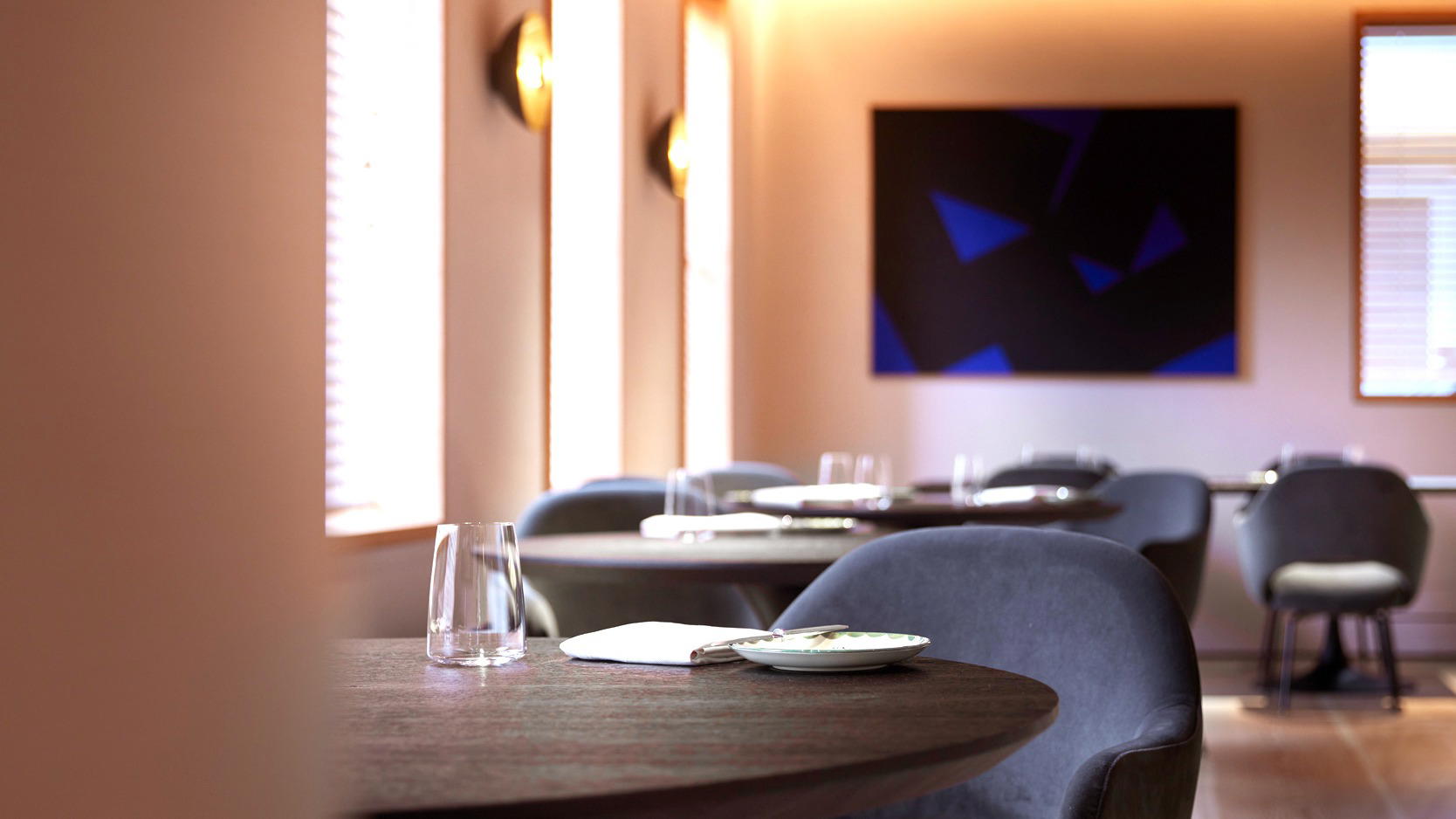
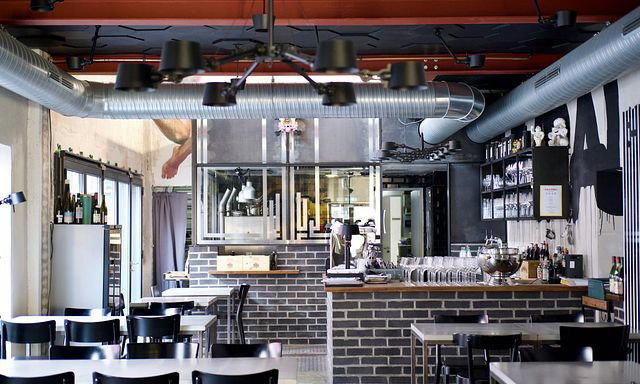
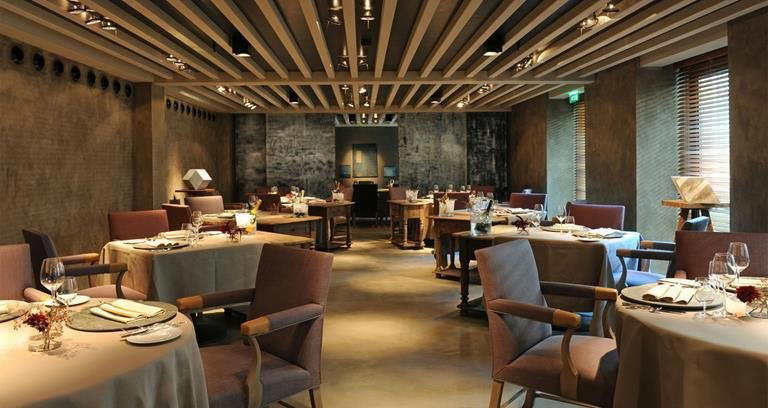
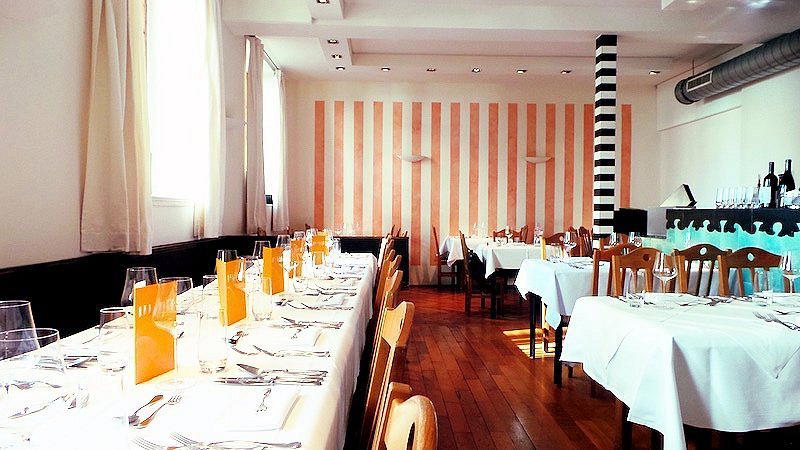
There is a particular quality to the light on Arnulfstraße in the late morning: low-angle, northern, cut by the shadows of the rail infrastructure that flanks the western approach to the Hauptbahnhof. The buildings here are functional rather than decorative, and the Wirtshäuser that persist along this stretch belong to a dining culture that predates the city's current reputation for creative fine dining by several centuries. Wirtshaus Rechthaler Hof occupies that older register. The room signals its purpose before the menu arrives: wood, worn surfaces, proportions that suit a long afternoon rather than a choreographed tasting experience.
Munich's tavern tradition runs parallel to its Michelin-decorated tier — houses like Tantris, Atelier, and Alois - Dallmayr Fine Dining operate in a completely different register, one defined by tasting menus, seasonal precision, and formal service. The Wirtshaus functions on different terms: volume over exclusivity, regulars over destination diners, and a menu that changes with custom and season rather than with a chef's editorial calendar. Understanding both tiers is necessary if you want to read the city honestly.
The Lunch vs. Dinner Divide
In Munich's tavern culture, the gap between a midday meal and an evening sitting is not merely atmospheric — it reflects genuinely different patterns of use. Lunchtime at a traditional Wirtshaus draws a cross-section that would not otherwise share a room: tradespeople, office workers from the surrounding Maxvorstadt and Bahnhofsviertel offices, and older regulars whose relationship with the room predates most of their fellow diners. The energy at midday is transactional in the leading sense, fast plates, clear prices, little ceremony. A Schweinsbraten or Leberknödelsuppe arrives without preamble, and the table turns without pressure.
By early evening, the character shifts. The Wirtshäuser of this part of the city serve a later crowd that arrives without the urgency of a lunch break, and the room accommodates longer stays. Beer becomes more central, the noise level rises with the occupancy, and the kitchen extends its range toward heavier, more composed plates. This rhythm, compressed midday service, expansive evening culture, is structural to Bavarian tavern dining and explains why the same address can feel like two different rooms across a single day.
For visitors arriving from the adjacent hotel district or the Hauptbahnhof itself, this distinction matters practically. A lunch visit to a Wirtshaus is a different proposition from dinner: shorter queues, faster service, and a menu weighted toward the kinds of dishes that reward being eaten quickly. Dinner asks more patience and repays it with the fuller version of the room's social character. Neither is the superior option, they serve different purposes, and knowing which you want shapes where Rechthaler Hof sits in any given itinerary.
Positioning Against Munich's Dining Tiers
Munich's restaurant market in 2024 has stratified sharply. At the upper end, a cluster of multi-starred kitchens, including Tohru in der Schreiberei and JAN, compete on the same terms as leading tables in Hamburg or Berlin, with advance booking requirements and price points that reflect ingredient and labour costs at the premium end. Germany's broader fine-dining circuit connects Munich to addresses like Aqua in Wolfsburg, Schwarzwaldstube in Baiersbronn, and Vendôme in Bergisch Gladbach, all operating in the same rarefied tier. Rechthaler Hof belongs to none of that conversation.
The comparison that matters is not with CODA Dessert Dining in Berlin or ES:SENZ in Grassau but with the other Wirtshäuser of the Bahnhofsviertel and Maxvorstadt, a segment where consistency and sense of place outrank culinary innovation as the primary criteria.
The Arnulfstraße Address in Context
The choice of Arnulfstraße 10 as an address places the venue in a particular urban zone. The street runs westward from the Hauptbahnhof through a district that is neither the polished Altstadt nor the student-heavy Schwabing, it is a working thoroughfare, and the businesses along it have traditionally served the people who move through it rather than those who seek it out. A Wirtshaus at this address is not making a design statement; it is occupying a functional position in a functional neighbourhood.
That positioning has consequences for how the room reads. There is no curated approach visible from the street, no queuing system optimised for the Instagram era. The room is what it is, and that transparency is itself a form of argument about what Munich's ground-level hospitality culture looks like outside its decorated tier. Visitors who arrive expecting the experience to mirror the city's reputation for precision and formality will recalibrate quickly; those who understand the Wirtshaus tradition will find themselves in the more instructive version of the city.
For broader context on how this address fits Munich's restaurant geography, the EP Club Munich restaurants guide maps the full spectrum from neighbourhood taverns through to the fine-dining tier that connects the city to international circuits like Restaurant Haerlin in Hamburg, Schanz in Piesport, Bagatelle in Trier, Victor's Fine Dining by Christian Bau in Perl, and Waldhotel Sonnora in Dreis.
Planning a Visit
| Factor | Rechthaler Hof | Tantris (€€€€) | Alois - Dallmayr (€€€€) |
|---|---|---|---|
| Price tier | Traditional Wirtshaus | €€€€ | €€€€ |
| Format | À la carte, tavern | Tasting menu | Tasting menu |
| Booking lead time | Walk-in viable | Weeks in advance | Weeks in advance |
| Leading for | Bavarian daily dining culture | Destination fine dining | Destination fine dining |
| Neighbourhood | Bahnhofsviertel/Arnulfstraße | Schwabing | Altstadt |
Frequently asked questions
What do people recommend at Wirtshaus Rechthaler Hof?
Without a current verified menu in the public record, it would be speculative to name specific dishes. What the Wirtshaus format reliably delivers across Munich's traditional tavern segment are Bavarian-regional plates: slow-cooked pork preparations, liver dumpling soups, and the kind of carbohydrate-forward cooking that makes sense alongside the beer programme. The address on Arnulfstraße places it firmly in that culinary register rather than in the creative or French-influenced tier represented by kitchens like Atelier or the German-Japanese fusion of Tohru in der Schreiberei. For confirmed current dishes, checking the venue directly on arrival remains the most reliable approach.
What is the ideal way to book Wirtshaus Rechthaler Hof?
Traditional Munich Wirtshäuser in this price tier and format generally operate on a walk-in basis rather than requiring advance reservation, particularly for lunch. Evening visits on weekdays are typically accessible without prior booking, though Friday and Saturday evenings in the Bahnhofsviertel can see higher footfall. Unlike the city's award-decorated addresses, where reservations several weeks ahead are standard practice, the Wirtshaus segment is structured around spontaneous or same-day attendance. If you have specific requirements (large group, particular evening), contacting the venue directly is the prudent step, as no online booking channel has been confirmed in available data.
Is Wirtshaus Rechthaler Hof suitable for visitors arriving from the Hauptbahnhof area?
The address at Arnulfstraße 10 places it within the immediate western approach to Munich's central station, making it one of the more accessible traditional Wirtshaus options for travellers arriving by rail or staying in the adjacent hotel district. Munich's Bahnhofsviertel has a higher concentration of international transit hotels than almost any other district in the city, and finding a room that reads as authentically Bavarian rather than tourist-adjacent at this proximity to the station is not a given. Rechthaler Hof's position in the traditional tavern segment, rather than the themed beer-hall circuit, makes it a functionally useful first or last stop for visitors calibrating the city's ground-level dining culture against its more decorated international reputation.
Comparable Venues
Comparable venues nearby, for context on price, style, and recognition.
| Venue | Cuisine | Price | Notes |
|---|---|---|---|
| Wirtshaus Rechthaler HofThis venue — the venue you are viewing | Traditional Bavarian | $30–50 | Not listed |
| Augustiner Stammhaus | Traditional Bavarian Beer Hall | $20–30 | Isarvorstadt |
| HOCHREITER'S Steirer am Markt | Traditional Bavarian & Alpine Cuisine | $20–30 | Altstadt |
| Ayinger am Platzl | Bavarian Wirtshaus | $20–30 | Altstadt |
| Zum Sollner Hirschen | Classic Bavarian | $20–30 | Solln |
| Schneider Weisse Bräuhaus | Traditional Bavarian Brewery Tavern | $20–30 | Zamdorf |
Details
- Rustic
- Cozy
- Classic
- Casual Hangout
- Historic Building
- Beer Program
- A La Carte
- Beer Program
- Vegetarian Friendly
Current opening hours
- Monday
- 11:30 AM–12 AM
- Tuesday
- 11:30 AM–12 AM
- Wednesday
- 11:30 AM–12 AM
- Thursday
- 11:30 AM–12 AM
- Friday
- 11:30 AM–12 AM
- Saturday
- 11:30 AM–12 AM
- Sunday
- 11:30 AM–12 AM
Hours can change for holidays and private events. Last verified .
Traditional Bavarian atmosphere with warm hospitality and energetic vibe.