A braceria in Trieste's older residential grid, Bracerie Venete anchors itself in the Venetian grilling tradition that shaped the northeastern Adriatic coast for centuries. The format is direct: fire, meat, and the kind of wine list that reflects the Collio and Carso zones just inland. For visitors working through the city's dining spectrum, it offers a counterpoint to Trieste's seafood-dominant middle market.
Pearl is the En Primeur Club membership app — saves, bookings, and concierge access live there. Same editors, same standards.
- Address
- Via della Madonnina, 5, 34131 Trieste TS, Italy
- Phone
- +393940765058
- Website
- bracerievenete.com
- Directions
- Get directions
 Saves & bookings on Pearl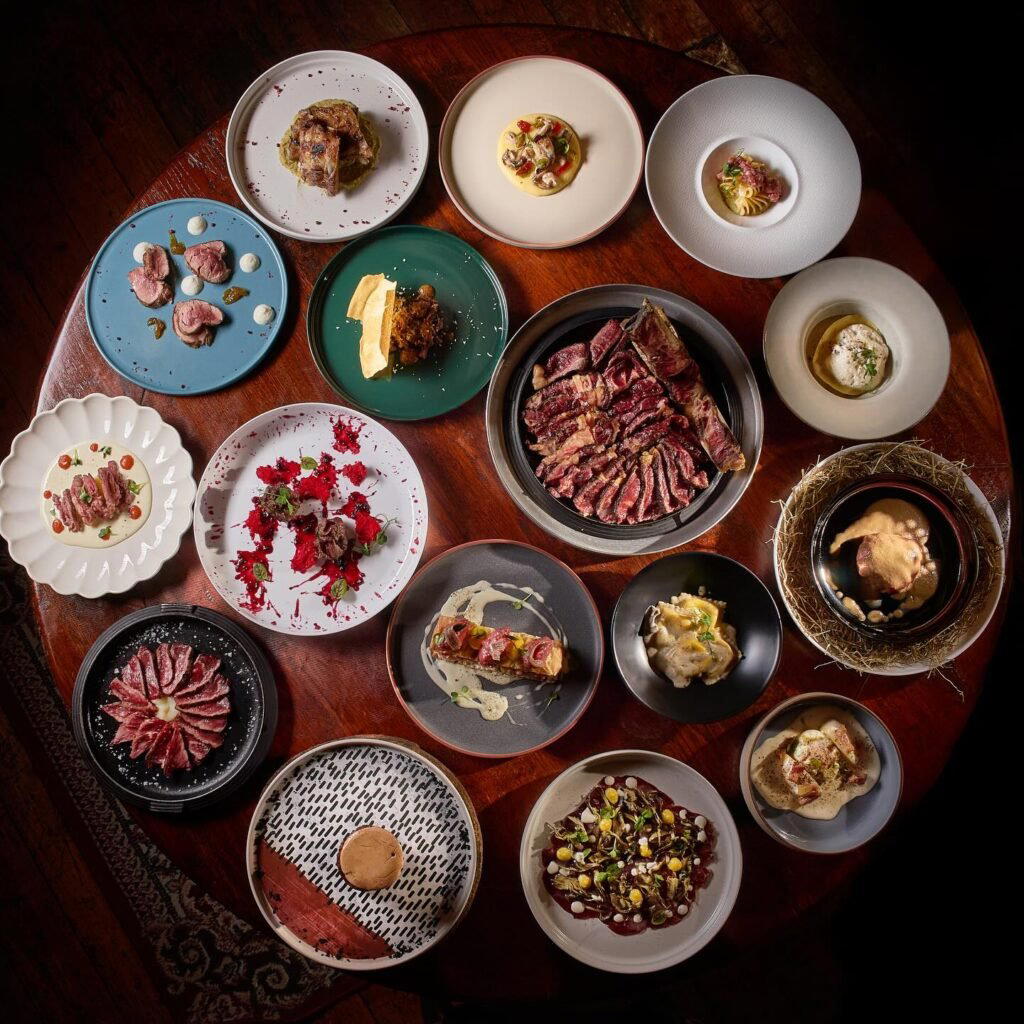
Where the Venetian Grill Tradition Meets the Adriatic City
Trieste occupies an unusual position in Italian dining geography. It is a port city with deep Central European roots, which means its restaurant culture pulls in several directions at once: the seafood counters along the waterfront, the Austro-Hungarian coffee houses, and a quieter current of Venetian influence that runs through the older residential quarters inland. Via della Madonnina, a narrow street in the 34131 district, sits closer to that last current. Arriving here, you leave the waterfront theatre behind and enter a denser, quieter part of the city where the dining proposition shifts accordingly.
Bracerie Venete takes its name and orientation from the braceria format, a grilling tradition rooted in the Veneto and the northeastern Adriatic corridor. In cities like Venice and Padua, the braceria occupied a distinct niche between the osteria and the full-service restaurant: less ceremony than the latter, more commitment to fire and technique than the former. That format migrated along trade and migration routes into Trieste, where it found a natural home in a city already accustomed to holding multiple culinary identities simultaneously.
The Logic of a Grilling-Led Menu
The editorial argument for fire-led menus has strengthened across Italian dining in the past decade. Where the late 2000s and early 2010s saw Italian restaurants across all price tiers reach for complexity and plating as markers of seriousness, a corrective has followed. Braceries, along with the related fiorentina-focused houses of Tuscany and the brace-heavy trattorias of Emilia, represent a strand of Italian cooking that treats sourcing and heat management as the primary craft, with everything else in support. The meal at a well-run braceria follows its own progression: cold starters that set the palate's expectations, a middle section anchored by grilled proteins, and a close that is typically brief and not designed to compete with what came before it.
That arc differs from the tasting-menu format that has come to define premium dining at addresses like Osteria Francescana in Modena or Le Calandre in Rubano, and equally from the seafood-centric progression typical of Trieste's stronger-reviewed rooms. Al Bagatto, for instance, positions its menu around Adriatic catch, and the meal reads as a sequence of textures and preparations drawn from the sea. Bracerie Venete's progression runs perpendicular to that logic: land over sea, fire over delicacy, simplicity as a considered choice rather than a default.
Trieste's Position in the Northeastern Italian Dining Map
Understanding where Bracerie Venete sits requires understanding Trieste's dining tiers more broadly. The city's most recognised room at the formal end is Harry's Piccolo, a modern Italian address at the leading price tier that competes in the same national conversation as Piazza Duomo in Alba or Uliassi in Senigallia. Below that, the mid-market is dominated by seafood, reflecting the city's Adriatic identity and its role as a historic trading port. The braceria format occupies a different register: more casual in pace, less focused on presentation, and more directly connected to a specific regional cooking lineage.
That positioning makes the restaurant a useful complement rather than a competitor to rooms like Ai Fiori or Ai 3 Magnoni. Visitors building a multi-day itinerary across Trieste's dining options tend to find that one braceria-style meal provides a reference point for the city's land-focused cooking that the seafood rooms cannot supply. The full picture of Trieste's dining options is mapped in our full Trieste restaurants guide.
The Meal in Sequence
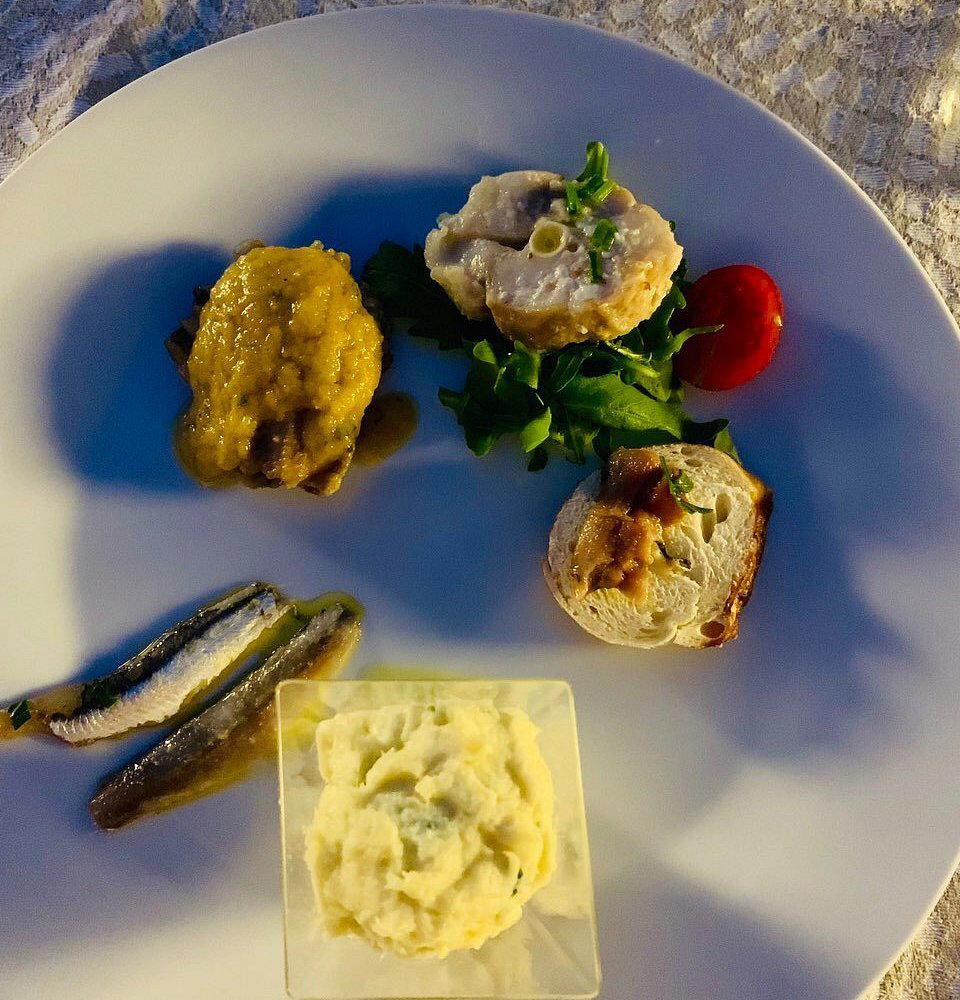
The tasting progression at a braceria is not announced as such, but it follows a logic that experienced diners recognise. Antipasti tend toward cured meats and preserved vegetables, ingredients that require no heat and are chosen to contrast with what the grill will produce. These early plates function as calibration: they establish the kitchen's sourcing standards and give the table a baseline before the fire enters the equation.
The transition to grilled courses is where the braceria format makes its argument. In the Venetian tradition, this means animal proteins cooked over direct heat, with timing and resting treated as seriously as any mise-en-place element. Side dishes tend to be direct: roasted or braised vegetables, polenta in various forms, preparations that support the main course rather than compete with it. The meal closes on that register, without the architectural dessert courses that characterise the tasting menus at addresses like Reale in Castel di Sangro or Atelier Moessmer Norbert Niederkofler in Brunico. The braceria format resists the temptation to be everything; it is focused by design.
Wine and Regional Context
Friuli Venezia Giulia wine zones give bracerie in this part of Italy an advantage that their Veneto counterparts do not always share. The Collio and Carso DOCs produce whites with the structural weight to carry grilled proteins, particularly the local Vitovska and Malvasia Istriana grapes that have become more visible internationally over the past decade. A wine list anchored in these zones pairs with the food in a way that reflects geographic honesty: the same growing conditions that favour the land-based cooking also produce wines built for it. For context on how Italian wine programs operate at the highest level, the cellar at Enoteca Pinchiorri in Florence represents one extreme of the range.
Planning Your Visit
Via della Madonnina 5 is accessible from Trieste's central axis on foot, placing it within range of the major hotels without requiring a taxi. The restaurant is recommended for reservations, particularly for weekend evenings when the local clientele tends to fill smaller dining rooms. Visitors comparing options at the more formal end of Trieste's market should note that the restaurant recommends reservations. For those travelling through northeastern Italy with a broader dining itinerary, comparable fire-focused regional programs can be found further afield at Quattro Passi in Marina del Cantone and, at the highest technical register, Dal Pescatore in Runate.
Reputation First
Comparable venues nearby, for context on price, style, and recognition.
| Venue | Cuisine | Price | Notes |
|---|---|---|---|
| Bracerie VeneteThis venue — the venue you are viewing | Italian Steakhouse | $$$ | Not listed |
| Le Barettine | Traditional Italian Seafood Trattoria | $$ | city centre |
| Bellariva | Italian Seafood Trattoria | $$ | Santa Croce |
| Ristorante Le Vele | Italian Seafood | $$$ | :null |
| Ai 3 Magnoni | Italian Seafood | $$$ | hills above city |
| Imperatore Champagneria e Vineria | Italian Seafood & Wine Bar | $$$ | Centro |
Continue exploring
More in Trieste
Restaurants in Trieste
Browse all →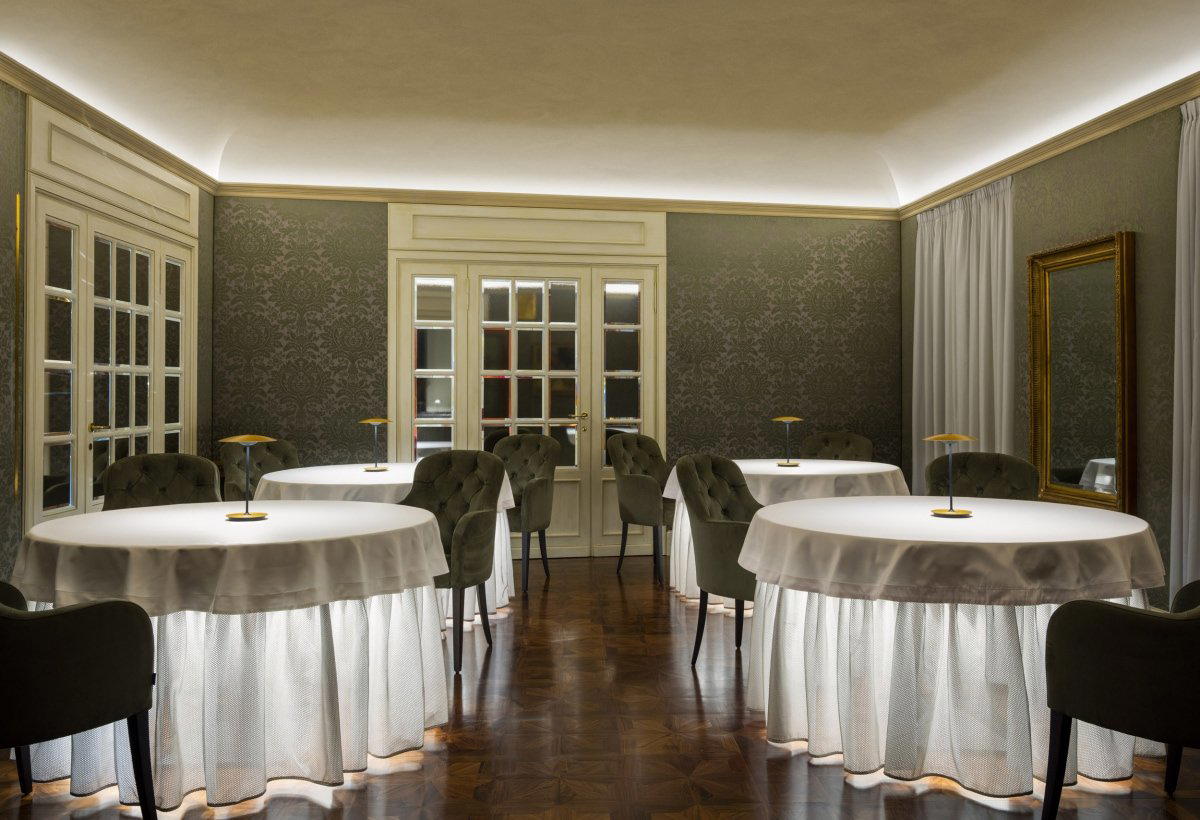
Bars in Trieste
Browse all →
Hotels in Trieste
Browse all →
At a Glance
- Romantic
- Elegant
- Cozy
- Classic
- Date Night
- Business Dinner
- Special Occasion
- Historic Building
Current opening hours
- Monday
- 7–10:30 PM
- Tuesday
- 7–10:30 PM
- Wednesday
- 7–10:30 PM
- Thursday
- 7–10:30 PM
- Friday
- 7–10:30 PM
- Saturday
- 7–10:30 PM
- Sunday
- Closed
Hours can change for holidays and private events. Last verified .
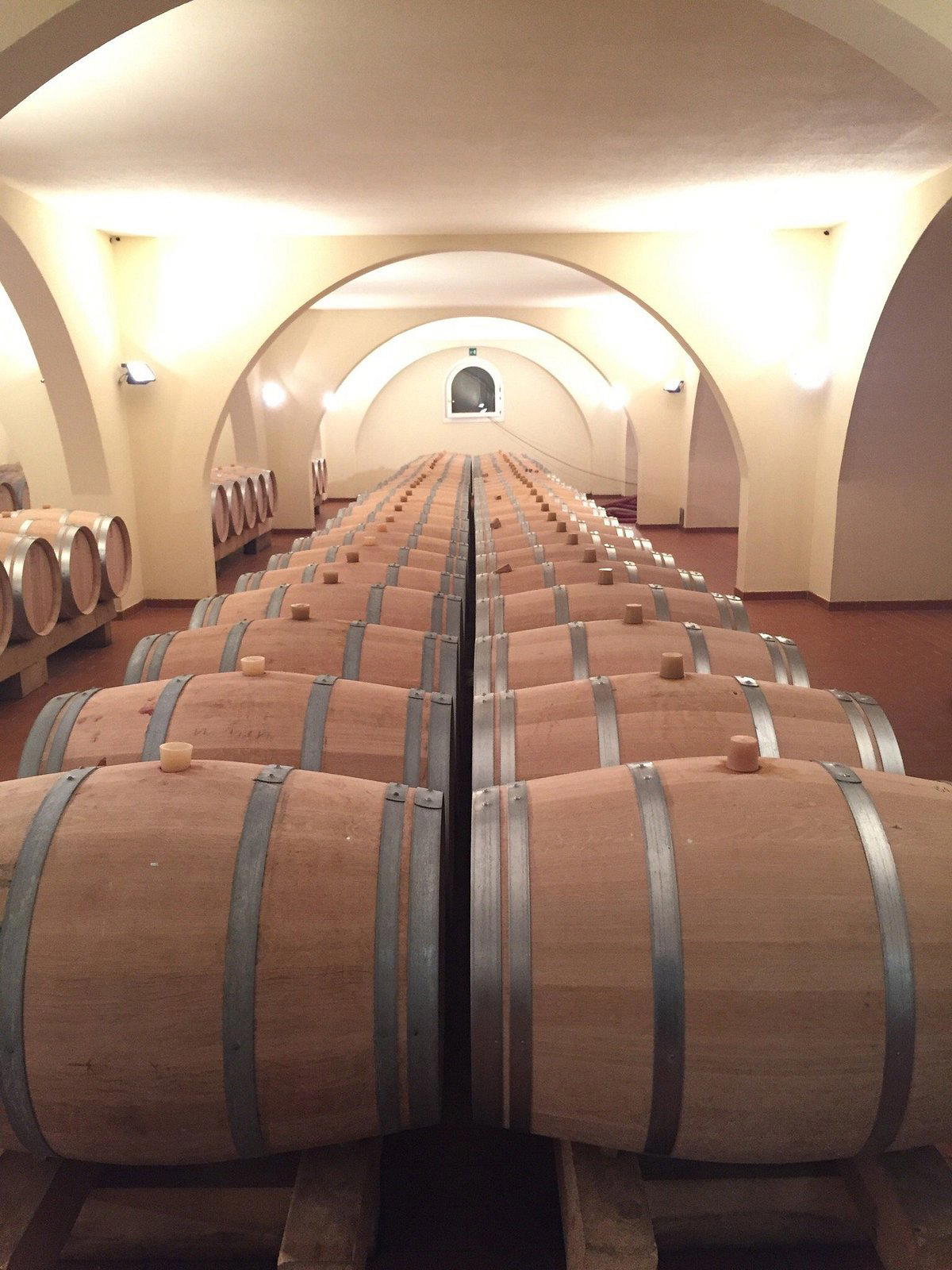
Historic room with relaxed, cosy, and romantic atmosphere featuring high-quality meat preparations.