Chuan occupies a quietly considered address on Himmelpfortgasse in Vienna's first district, positioning itself within a city whose fine dining conversation has long been dominated by Austrian-inflected tasting menus. For visitors tracking the capital's more international register, it represents a different kind of evening: one where the wine list and the kitchen speak distinct but complementary languages. Booking ahead is advisable given the address and the neighbourhood's concentration of serious restaurants.
Pearl is the En Primeur Club membership app — saves, bookings, and concierge access live there. Same editors, same standards.
- Address
- Himmelpfortgasse 27, 1010 Wien, Austria
- Phone
- +434312089210
- Website
- chuan.at
- Directions
- Get directions
 Saves & bookings on Pearl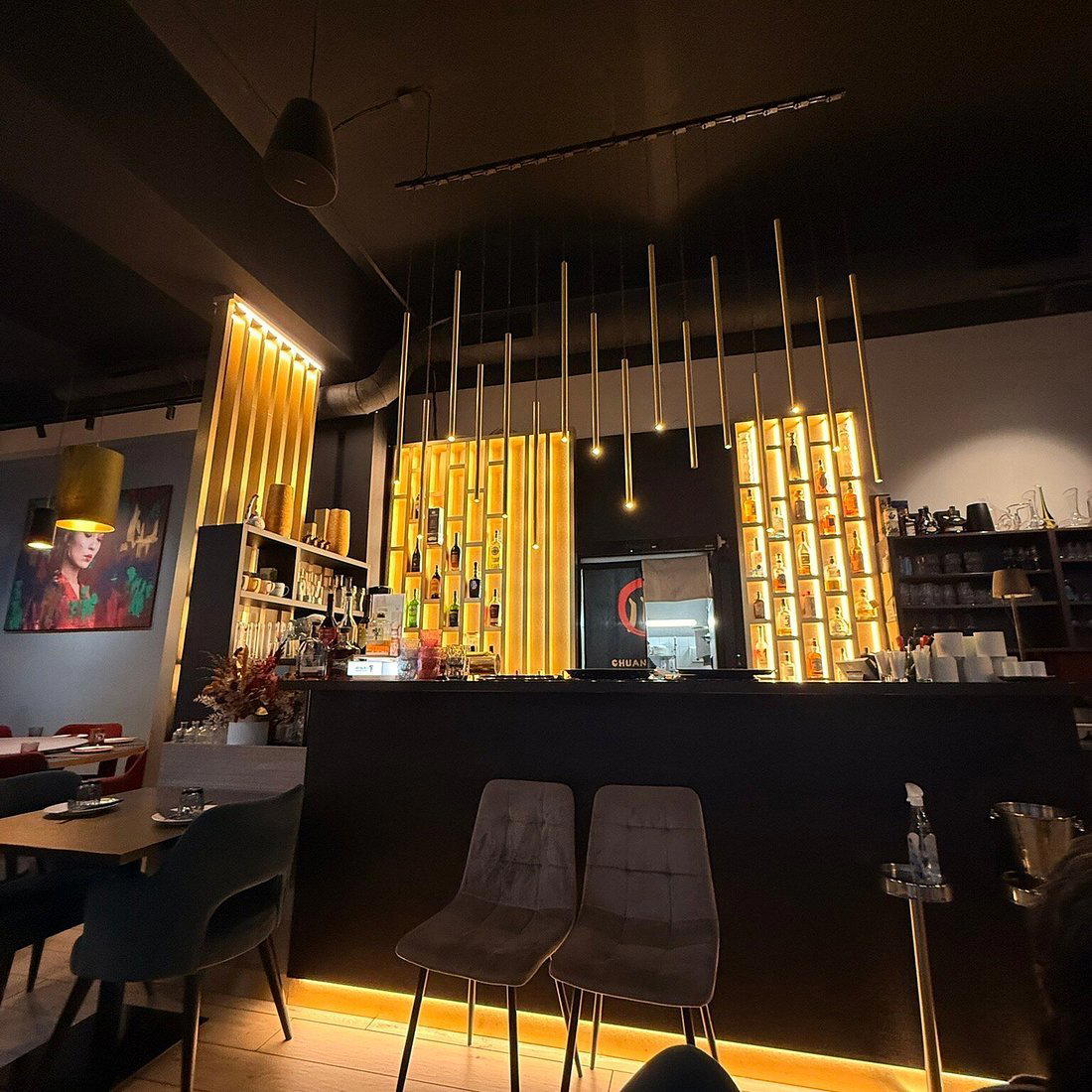
Himmelpfortgasse and the Grammar of Vienna's Inner-City Dining
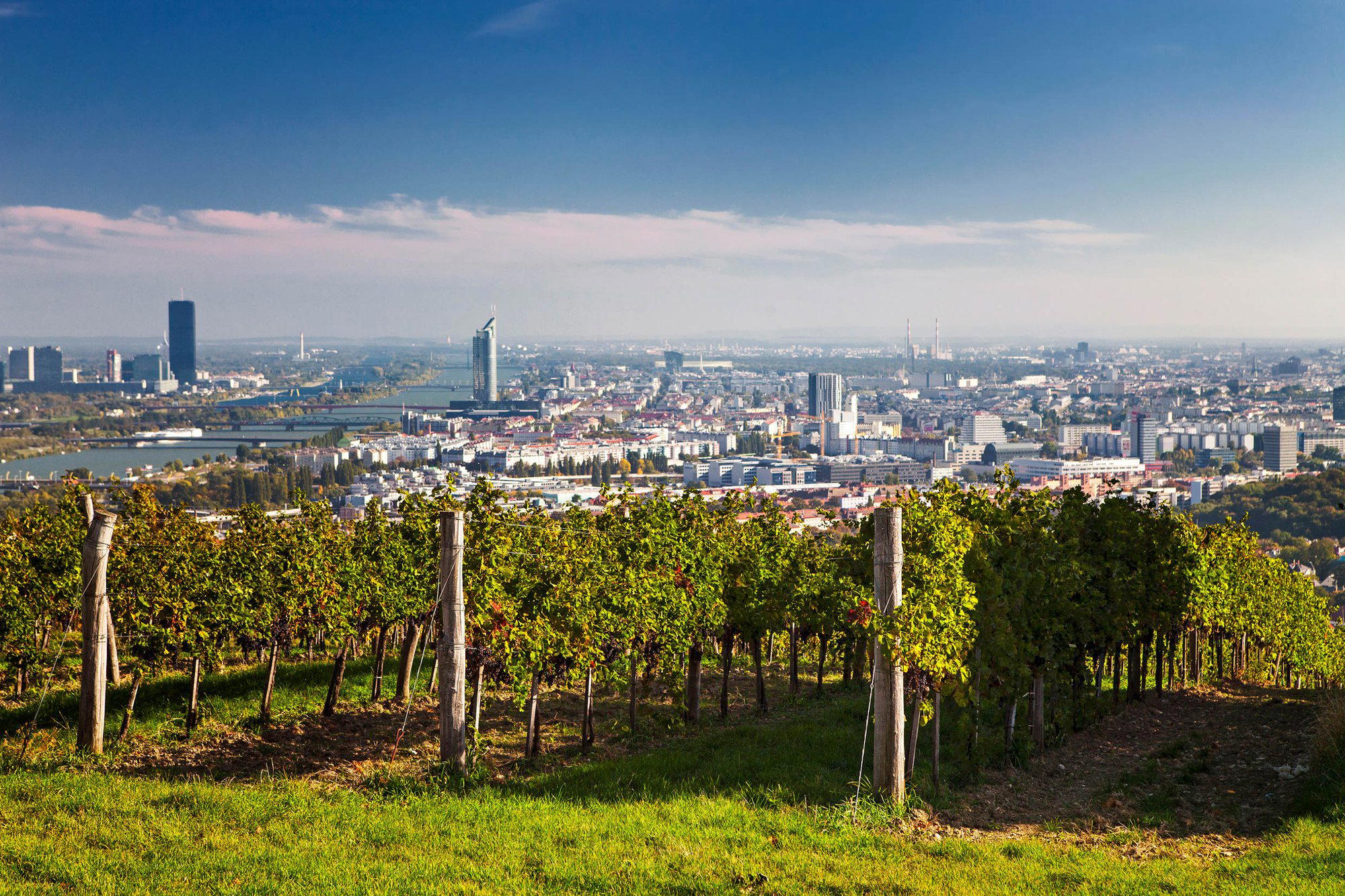
Vienna's first district operates under a particular kind of pressure. The streets around the Staatsoper and the Innere Stadt carry centuries of expectation, and the restaurants that take root here are measured not just against each other but against a civic identity that has always placed considerable stock in the table. Himmelpfortgasse 27 sits within that gravity. The street itself is narrow, Baroque in profile, and flanked by the kind of architecture that makes even a modest doorway feel considered. Arriving at Chuan from the direction of Kärntner Strasse, the shift from tourist-facing commerce to something quieter and more deliberate is immediate.
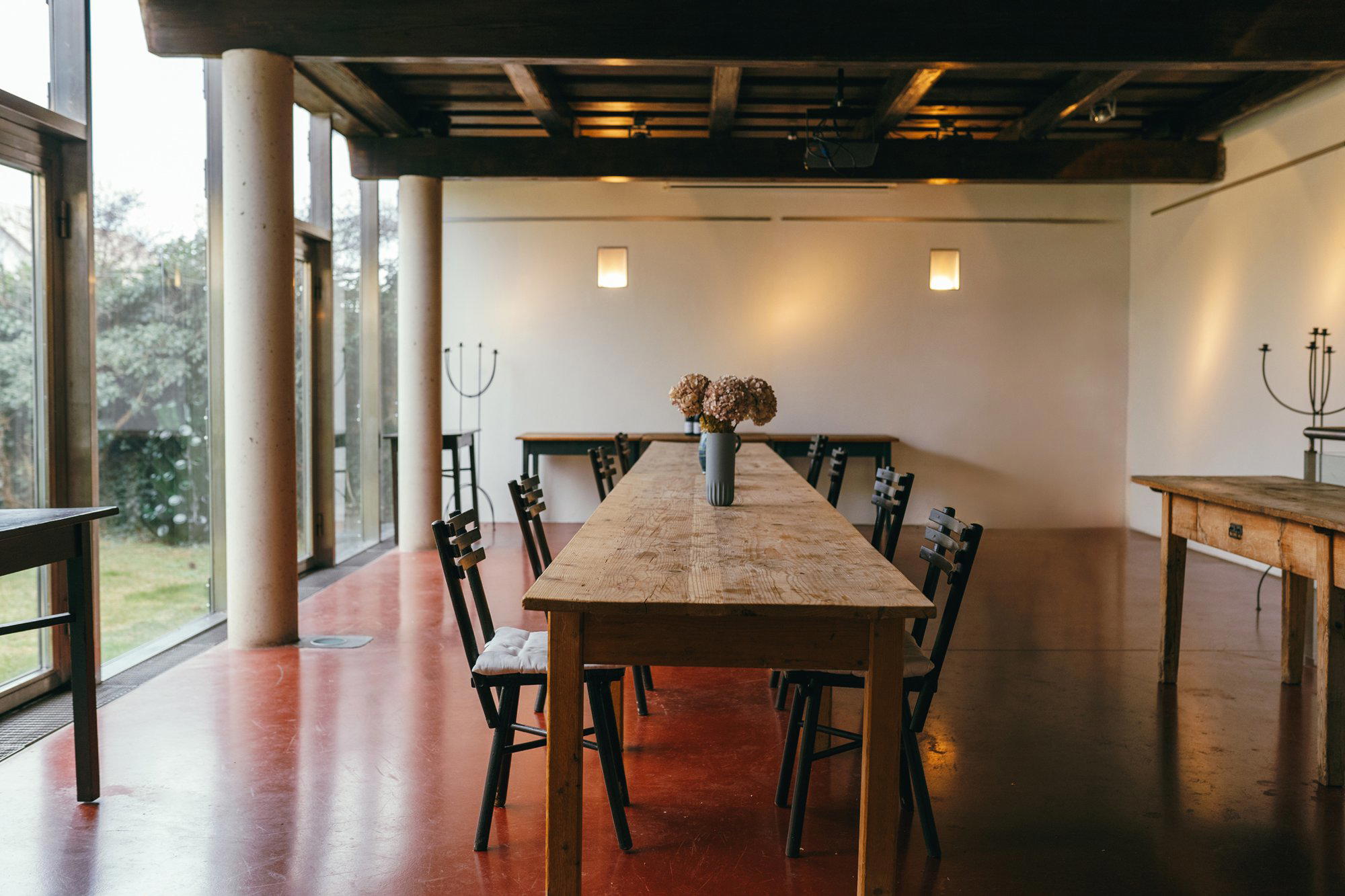
That shift matters, because it frames the experience before a menu or a glass arrives. Vienna's first district fine dining tends to polarise between grand-room formality and the newer school of intimate, technically focused rooms. Chuan sits in the second current, where the physical environment is calibrated rather than theatrical.
Where Chuan Sits in the Vienna Fine Dining Tier
The Vienna fine dining scene at the upper end is dominated by a handful of addresses that have accumulated sustained recognition. Steirereck im Stadtpark and Konstantin Filippou define the creative-contemporary bracket, while Mraz & Sohn and Amador represent the city's appetite for technically ambitious tasting formats. The city also has a growing cohort of smaller, less-announced rooms that operate with precision without the awards apparatus that brings advance attention. Doubek is one reference point in that quieter register.
Chuan's positioning on Himmelpfortgasse places it geographically close to the city's most decorated addresses, which is itself a signal. First-district rents are not incidental, and restaurants that occupy these streets tend to be operating with a clear sense of their competitive comparable set. The question worth asking of any room in this neighbourhood is whether the cooking and the cellar are calibrated to match the address, or whether the address is doing more work than the kitchen.
The Wine Argument at Chuan
Vienna has become one of Europe's more interesting cities for wine lists precisely because it sits at the intersection of several serious wine cultures. Austrian production from Burgenland, the Wachau, and the Kamptal has gained international standing over the past two decades, and any serious cellar in the capital is expected to represent those regions with depth and specificity. At the same time, the city's cosmopolitan customer base creates demand for Burgundy, Champagne, and the Italian north, meaning that the leading Vienna lists operate as edited arguments rather than comprehensive catalogues.
The editorial angle of a wine list in a room like this reveals the kitchen's affiliations. A cellar weighted towards Grüner Veltliner and Riesling from the Wachau speaks differently to the food than one that leads with Pinot Noir from the Côte de Nuits. Both positions are valid; what matters is coherence between glass and plate. The sommelier's role in a room of this size and address is less about volume and more about the quality of the conversation, knowing when to reach for a Smaragd from a producer with thirty years of consistency, and when to move towards something less expected.
For comparison, the wine programs at internationally recognised houses like Le Bernardin in New York City or Lazy Bear in San Francisco demonstrate how a considered cellar can become a defining feature of a restaurant's identity, independent of cuisine type. Vienna's better rooms are increasingly building towards that same proposition.
The Broader Austrian Context
Understanding Chuan's position in Vienna also means understanding where Vienna fits within the wider Austrian fine dining geography. Austria's most celebrated rooms are distributed across the country: Döllerer in Golling an der Salzach anchors the Salzburg region's high-end offer, Landhaus Bacher in Mautern an der Donau represents the Wachau's pastoral fine dining tradition, and alpine rooms like Gourmetrestaurant Tannenhof in Sankt Anton am Arlberg and Stüva in Ischgl operate in a resort-luxury register that is quite distinct from city dining. Elsewhere, Obauer in Werfen, Schwarzer Adler in Hall in Tirol, Restaurant 141 by Joachim Jaud in Mieming, Ois in Neufelden, Kräuterreich by Vitus Winkler in Sankt Veit im Pongau, and Taubenkobel in Schützen am Gebirge each represent distinct regional approaches to serious cooking.
Against that spread, a Vienna address like Himmelpfortgasse 27 carries the specific advantage of urban density: the city's infrastructure for serious dining, engaged suppliers, accessible sommeliers, a customer base that dines out repeatedly, creates conditions that regional rooms sometimes lack regardless of their talent.
Planning Your Visit
For those working through Vienna's first district, the concentration of serious restaurants on and around Himmelpfortgasse and the surrounding streets means an evening can be planned with specificity. The neighbourhood is walkable from the major U-Bahn stops at Stephansplatz and Karlsplatz, and the compact geography of the Innere Stadt means that pre- or post-dinner drinks at any number of adjacent addresses are a realistic extension of the evening.
Venue Logistics at a Glance
| Venue | Location | Price Tier | Format |
|---|---|---|---|
| Chuan | Himmelpfortgasse, 1st District | Confirm on booking | Confirm on booking |
| Steirereck im Stadtpark | Stadtpark, 3rd District | €€€€ | Creative tasting menu |
| Konstantin Filippou | 1st District | €€€€ | Modern European tasting |
| Mraz & Sohn | 20th District | €€€€ | Creative Austrian |
Contact Chuan directly at Himmelpfortgasse 27, 1010 Wien for current hours, reservation availability, and menu format. Our full Vienna restaurants guide maps the wider scene across price tiers and neighbourhoods.
Comparable Venues
Comparable venues nearby, for context on price, style, and recognition.
| Venue | Cuisine | Price | Notes |
|---|---|---|---|
| ChuanThis venue — the venue you are viewing | Contemporary Chinese Cuisine | $$$ | Not listed |
| Ostwind | Authentic Szechuan Chinese | $$$ | Mariahilf |
| Kiang Wine & Dine | Modern Chinese Wine Bar | $$ | Franz Josefs Bahnhof |
| LiuLiu | Asian Fusion | $$ | Wahring |
| Demel Vienna cafe | Traditional Viennese Pastry Cafe | $$$ | Stephansdom |
| KIAS | Modern Brazilian | $$$ | Mariahilf |
Continue exploring
More in Vienna
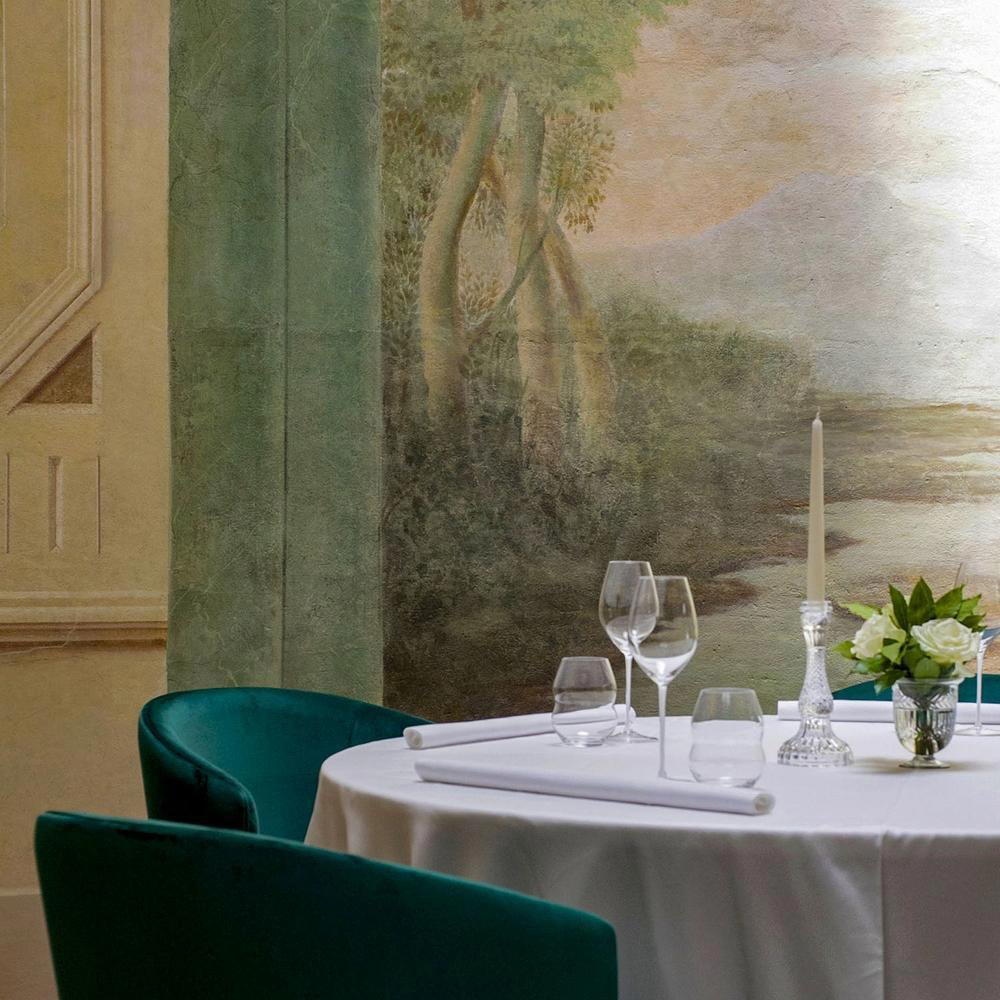
Restaurants in Vienna
Browse all →
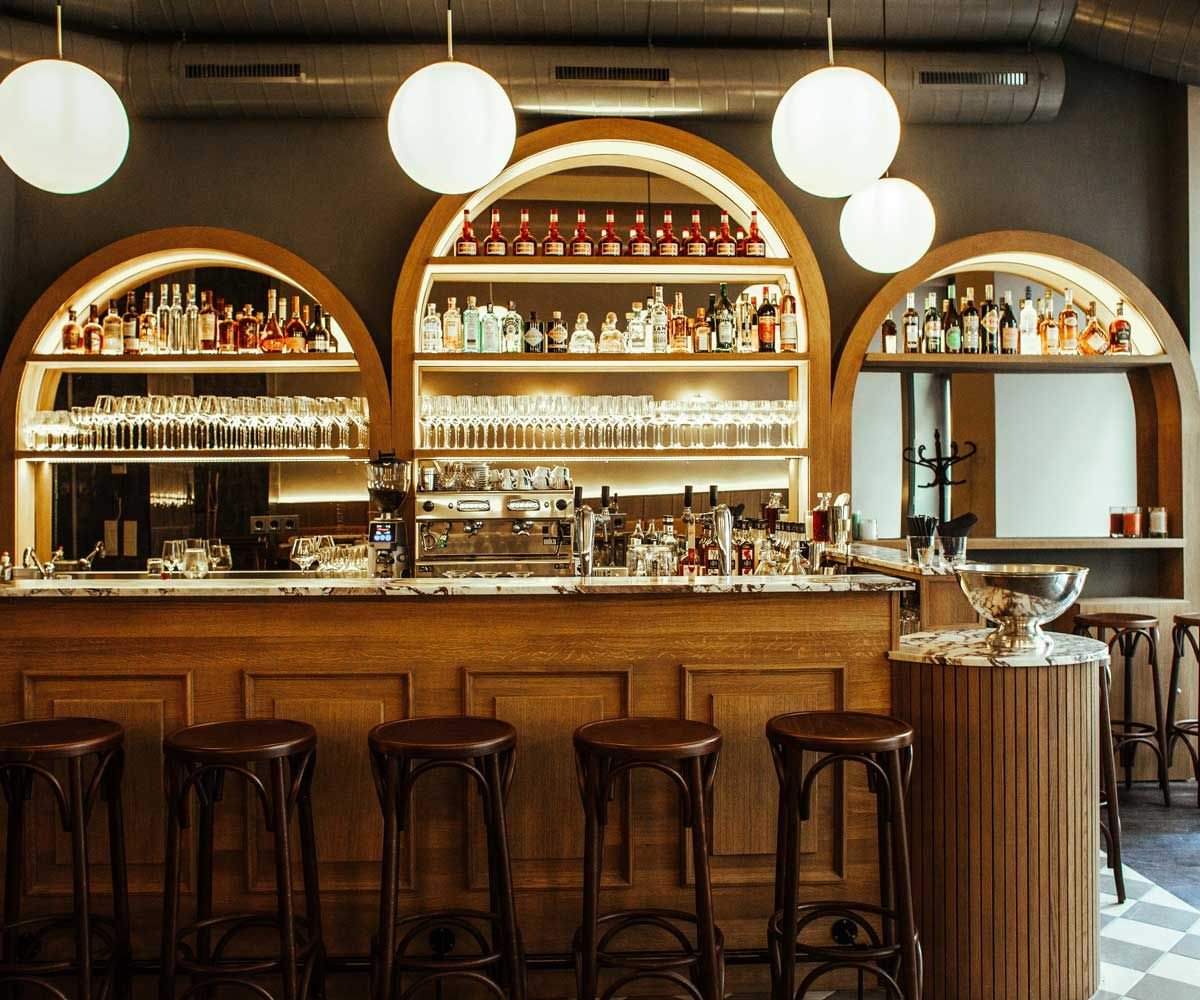
Bars in Vienna
Browse all →
Hotels in Vienna
Browse all →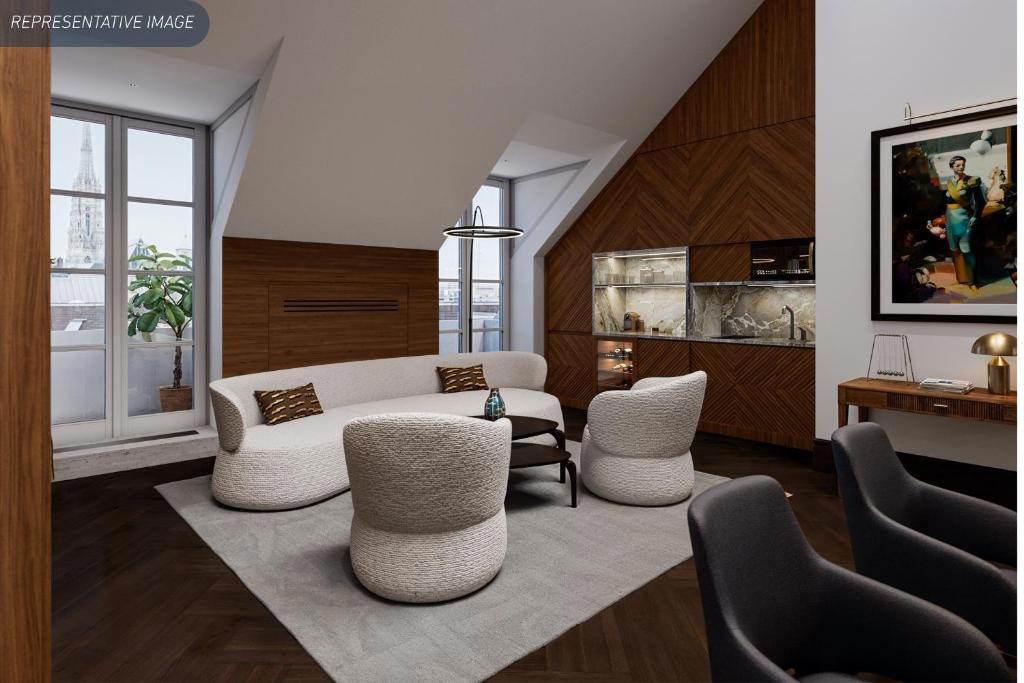
At a Glance
- Modern
- Elegant
- Date Night
- Business Dinner
- Hotel Restaurant
Current opening hours
- Monday
- 12–11 PM
- Tuesday
- 12–11 PM
- Wednesday
- 12–11 PM
- Thursday
- 12–11 PM
- Friday
- 12–11 PM
- Saturday
- 12–11 PM
- Sunday
- 12–11 PM
Hours can change for holidays and private events. Last verified .
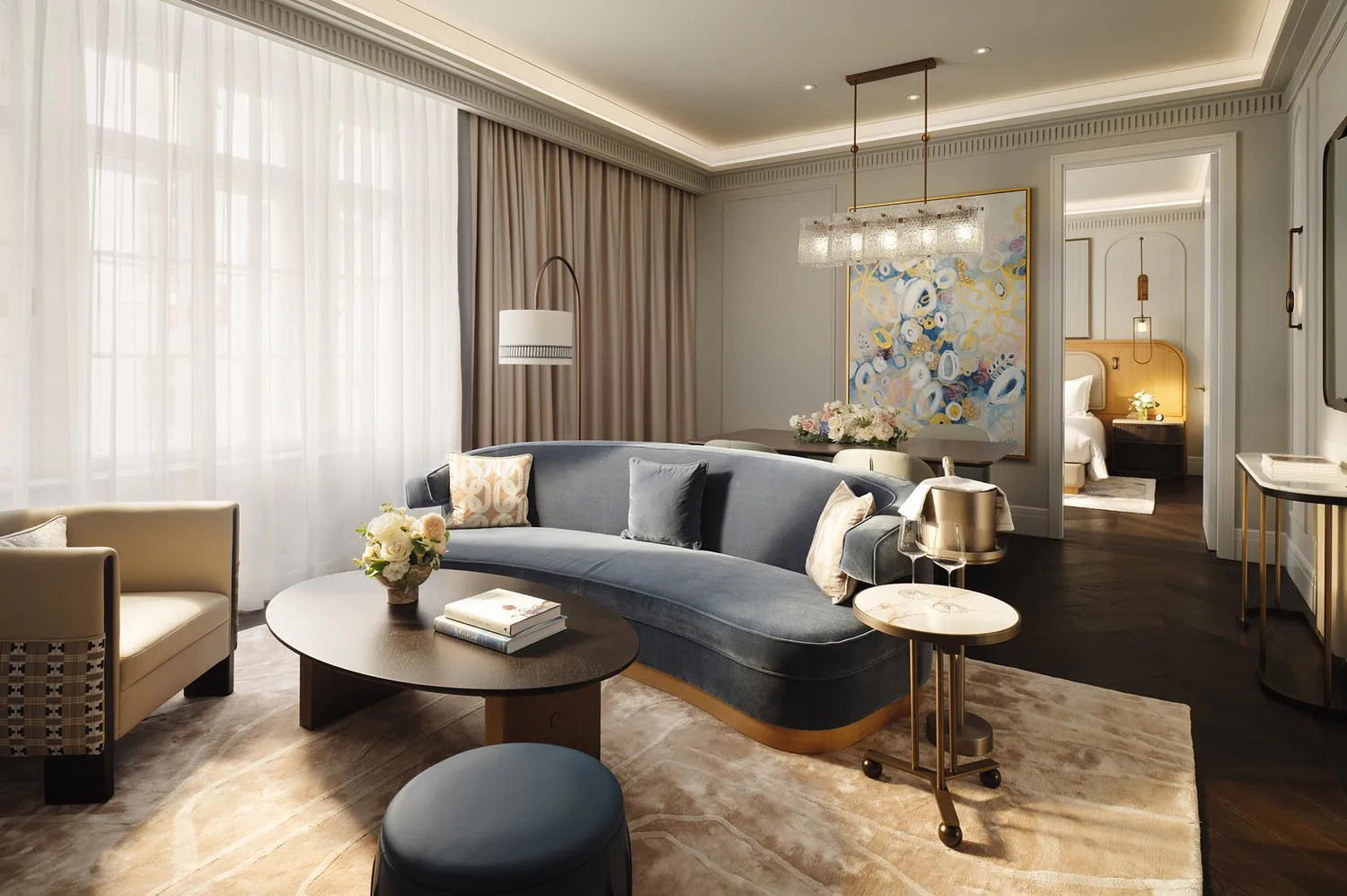
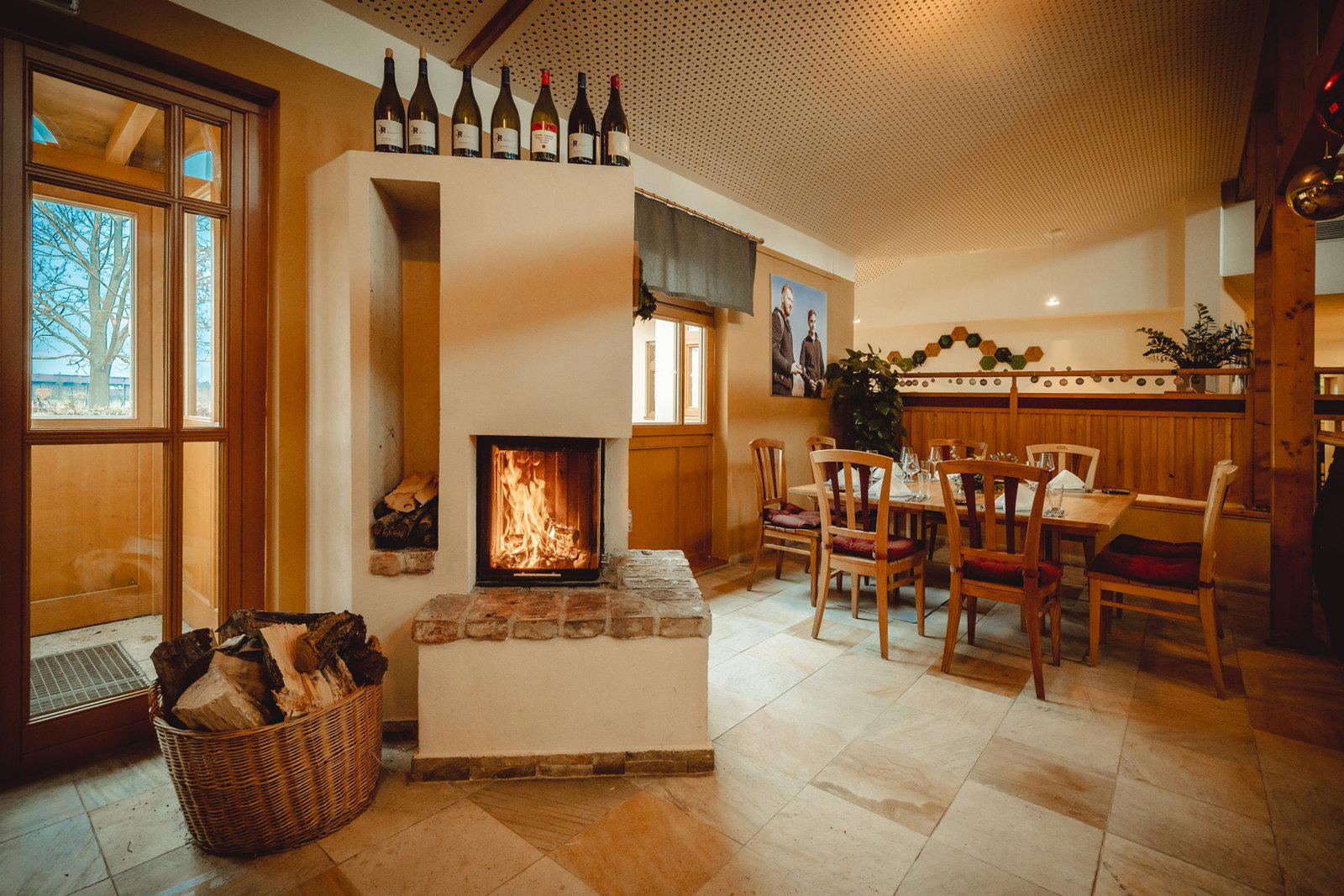
Nice and modern ambiance with pleasant atmosphere as noted in guest reviews.