On the Opernring, Mon Cher occupies a stretch of Vienna where grand boulevard architecture sets expectations high and the city's most formally ambitious dining rooms compete for the same audience. The address places it in immediate proximity to the State Opera and the kind of pre-theatre circuit that defines Vienna's upper dining tier, where multi-course progression and room presence carry as much weight as what arrives on the plate.
Pearl is the En Primeur Club membership app — saves, bookings, and concierge access live there. Same editors, same standards.
- Address
- Opernring 11, 1010 Wien, Austria
- Phone
- +436605169696
- Website
- mon-cher.at
- Directions
- Get directions
 Saves & bookings on Pearl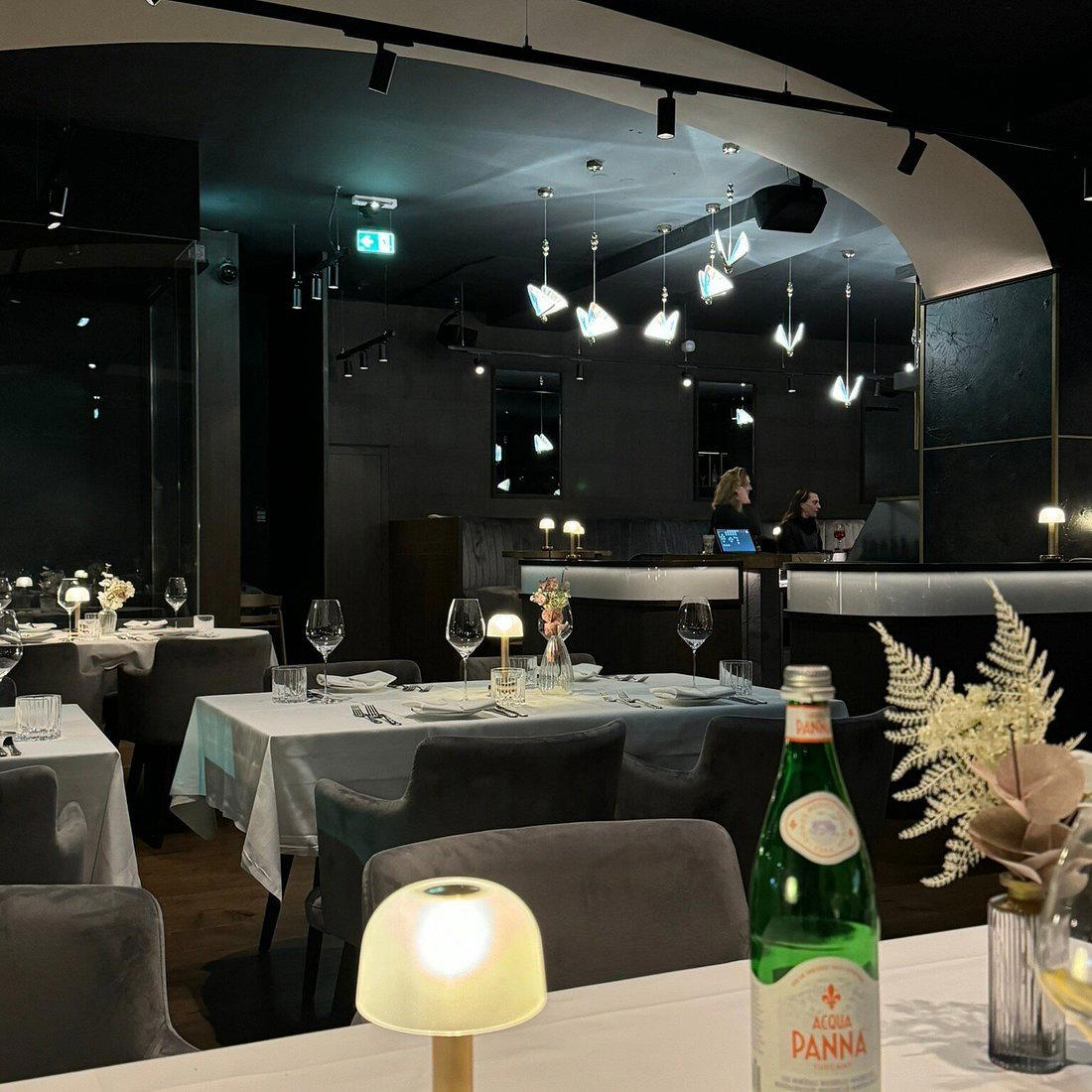
Where the Ringstrasse Sets the Register
The Opernring is one of those addresses that frames a meal before you arrive. Vienna's boulevard ring was built in the nineteenth century as a statement of imperial ambition, and the stretch between the State Opera and the Kunsthistorisches Museum still carries that register today. Restaurants along this corridor operate under a particular kind of pressure: the architecture outside sets expectations that the room inside must meet or consciously refuse. Mon Cher, at Opernring 11, sits inside that charged geography, within a few minutes' walk of the Opera House and the kind of audience for whom an evening's dining is part of a larger cultural occasion rather than an end in itself. Mon Cher serves modern French with Mediterranean and Japanese influences in Vienna's first district.
Vienna's leading dining tier has consolidated around a handful of formats over the past decade. The €€€€ bracket now belongs almost entirely to multi-course tasting menus, where kitchens like Steirereck im Stadtpark and Mraz & Sohn have built recognition by treating the full sequence of a meal as a compositional problem. The approach that places like Konstantin Filippou have refined, where each course comments on the one before, has become the defining logic of serious dining in this city. Mon Cher operates within that tradition, on an address that amplifies the occasion.
The Architecture of a Meal
Vienna's premium dining rooms tend to be structured around the idea that a meal has a shape. This is not incidental: Austrian fine dining has long borrowed from the Viennese musical tradition the principle that a long-form experience should build, contrast, and resolve. The multi-course format, as practised at addresses across the first district, is less about volume than about arc. Early courses carry lighter, more acidic profiles; the middle of a menu typically does the heavier structural work; and the close, whether savoury or sweet, is expected to provide resolution rather than mere conclusion.
That logic of tasting progression is what separates the upper tier of Vienna dining from the city's strong bistro and Beisl culture. Restaurants like Amador and Doubek have each found different ways to apply that architecture, one with a Spanish-inflected modernism and the other with a more grounded Central European register. What connects them is the commitment to sequencing as craft, to the idea that the order in which dishes appear is as considered as the composition of any individual plate.
Austria's broader fine dining circuit reflects the same instinct. Outside Vienna, Döllerer in Golling an der Salzach has built a reputation on Alpine larder discipline applied to classical French structure, while Obauer in Werfen has maintained a decades-long record of seasonal sequencing that treats the Salzburg region as a single coherent source. In Tyrol, Gourmetrestaurant Tannenhof in Sankt Anton am Arlberg and Griggeler Stuba in Lech serve audiences whose primary visit is not culinary but who expect restaurant programmes of equivalent seriousness. Ikarus in Salzburg runs a rotating guest chef model that effectively turns the progression question over to a different kitchen each month.
The Opernring comparable set
For readers comparing options along Vienna's premium dining corridor, it is worth understanding how the Opernring address positions a restaurant relative to the wider city. The first district, the Innere Stadt, carries a price premium that reflects both real estate costs and audience expectations. Visitors arriving from the Opera or the major museums are generally willing to sustain a longer, more expensive evening than the same guests might in an outer district. That dynamic shapes what kitchens in this geography choose to serve and at what pace.
The comparison set for a restaurant at Opernring 11 includes not just other Vienna addresses but the broader category of urban fine dining in cities with comparable cultural weight: the formal tasting counter format that has become the de facto language of serious urban restaurants across Europe. At the international level, kitchens like Le Bernardin in New York City or the progression-focused menu architecture at Atomix in New York City represent the same instinct applied in different cultural registers. Kräuterreich by Vitus Winkler in Sankt Veit im Pongau demonstrates that rigorous sequencing work in Austria sometimes happens furthest from the capital, though the city remains the reference point.
Reading the Room Before Ordering
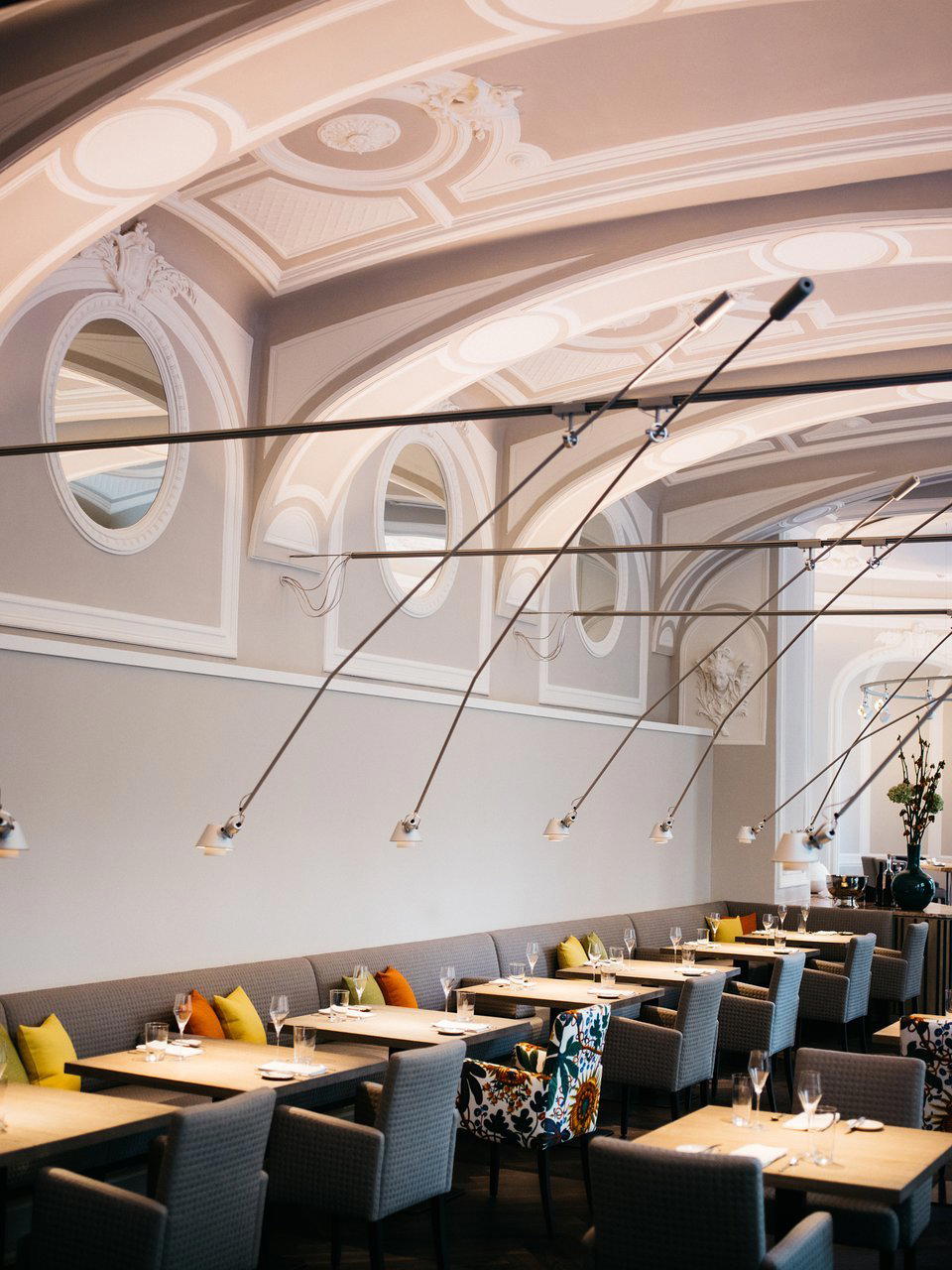
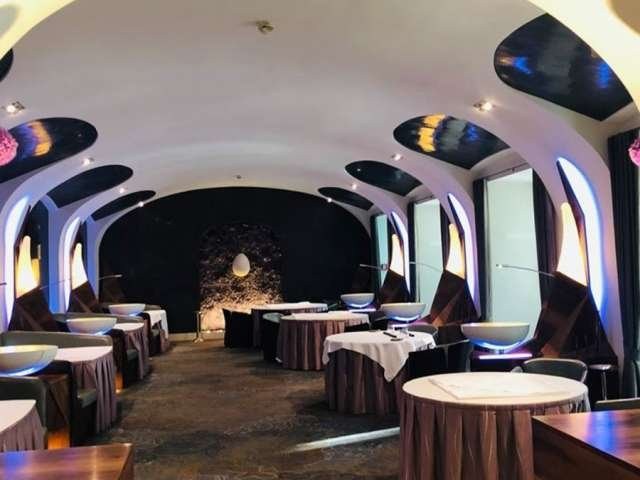
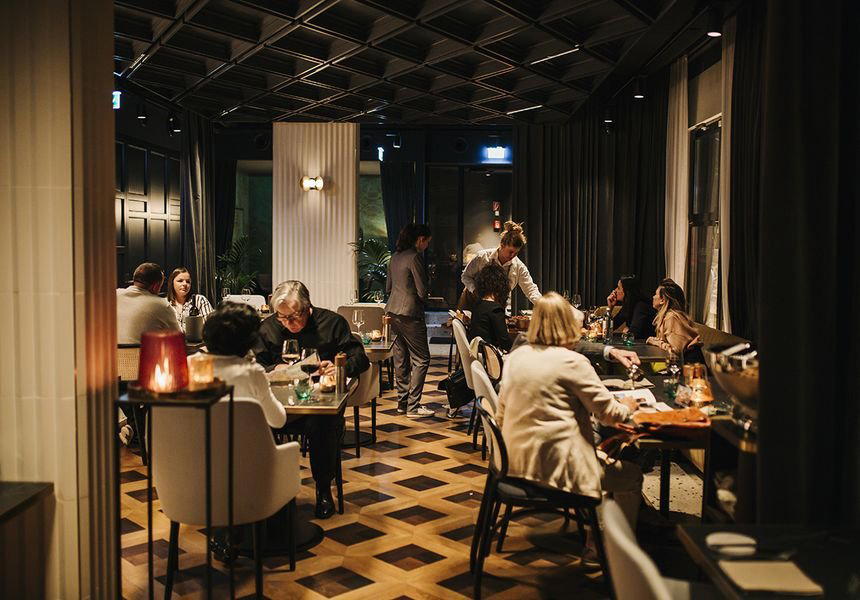
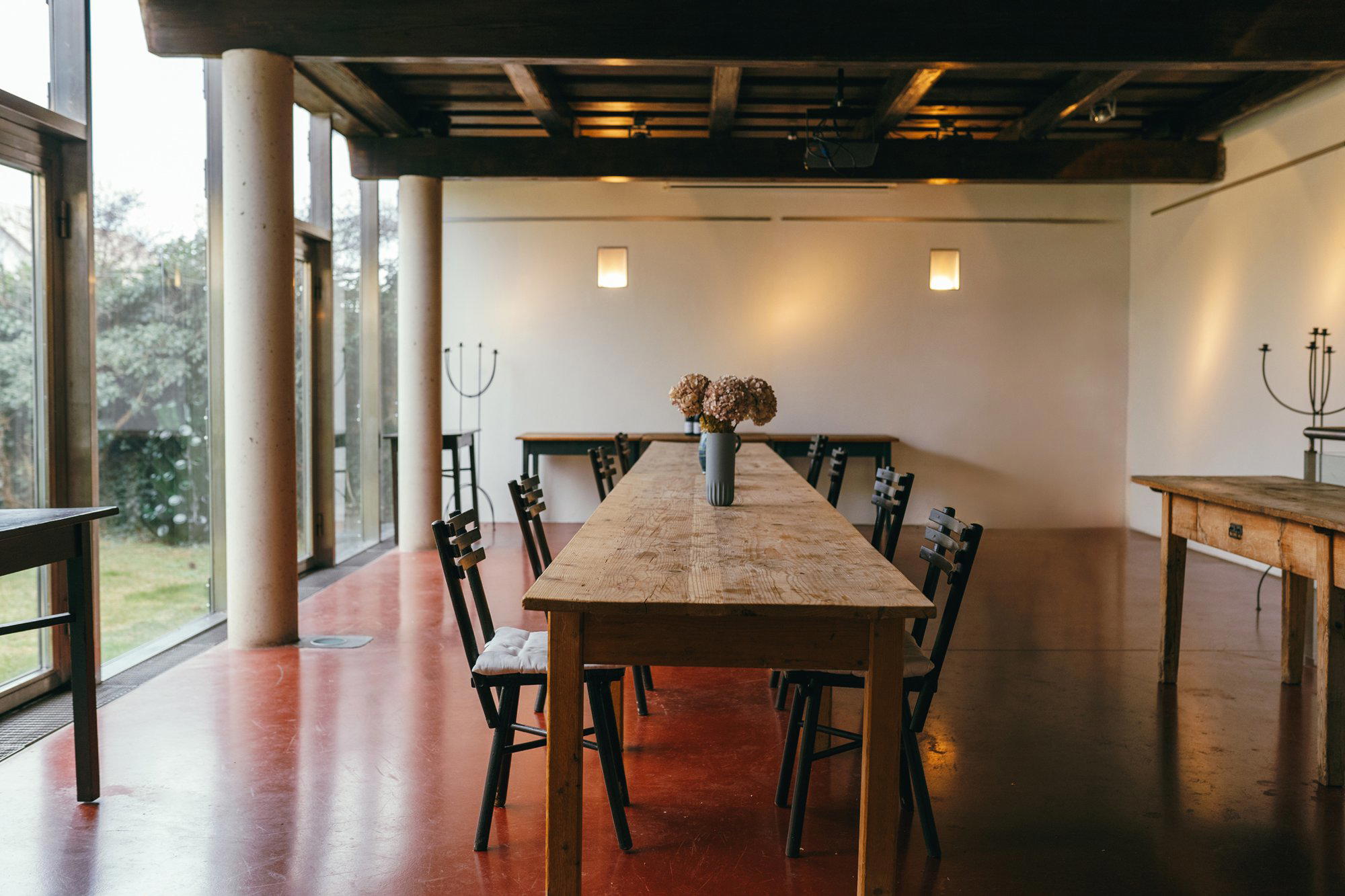
Vienna's formal dining rooms tend to have strong visual grammar. The Ringstrasse boulevard buildings were designed to project confidence through proportion, and interiors along this stretch often reflect that: high ceilings, measured light, service choreography that matches the pace of a multi-course sequence. The experience of entering a room on the Opernring is partly about adjusting to that register, slowing down, committing to the evening's duration, understanding that the physical environment is part of the argument the kitchen is making.
That is a different proposition from the more informal end of Vienna dining, where Beisl culture and neighbourhood wine bars operate on the assumption that arrival is casual and departure flexible. The Opernring addresses are not trying to accommodate the drop-in visit. They are built for the planned evening, and the restaurant's location signals that intent clearly.
For those mapping a wider Austrian itinerary around serious food, addresses like Landhaus Bacher in Mautern an der Donau and Ois in Neufelden extend the country's fine dining geography well beyond the urban centres, while Schwarzer Adler in Hall in Tirol and Restaurant 141 by Joachim Jaud in Mieming show how Alpine settings create their own kind of dining occasion with distinct seasonal logic.
Planning Your Visit
- Steak Frites
- New Zealand Lamb Rack
- Vichyssoise
- Joue de Bœuf
- Tarte Tatin
- Eggs Benedict
Just the Basics
Comparable venues nearby, for context on price, style, and recognition.
| Venue | Cuisine | Price | Notes |
|---|---|---|---|
| Mon CherThis venue — the venue you are viewing | Not listed | $$$$ | Not listed |
| EL GAUCHO | Innere Stadt, Argentine Steakhouse | $$$$ | Not listed |
| le petit jeudi | Not listed | $$ | Brigittenau, Modern French Bistro with Local Austrian Ingredients |
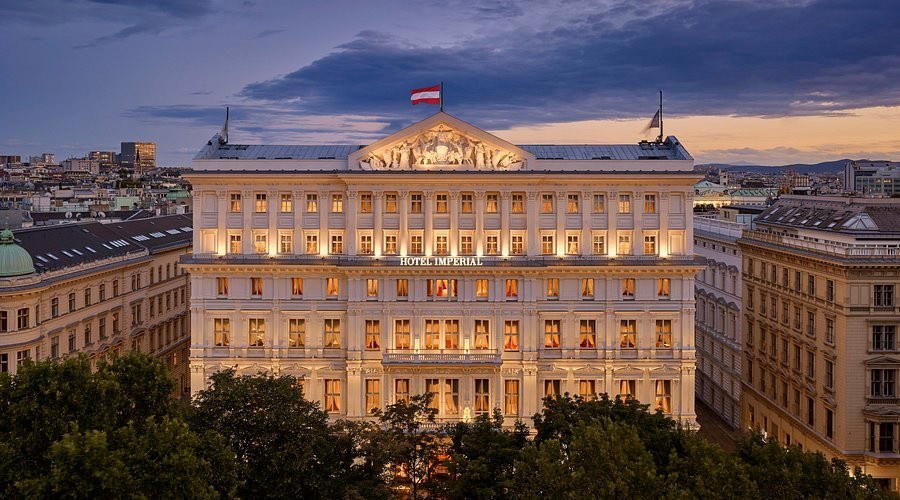
| Café Imperial | Staatsoper, Classic Viennese Café | $$$$ | Not listed |
| Cantinetta Antinori | Innere Stadt, Classic Florentine Tuscan | $$$$ | Not listed |
| Le Pic Brasserie | Staatsoper, Oriental-French Brasserie | $$$ | Not listed |
Continue exploring
More in Vienna
Restaurants in Vienna
Browse all →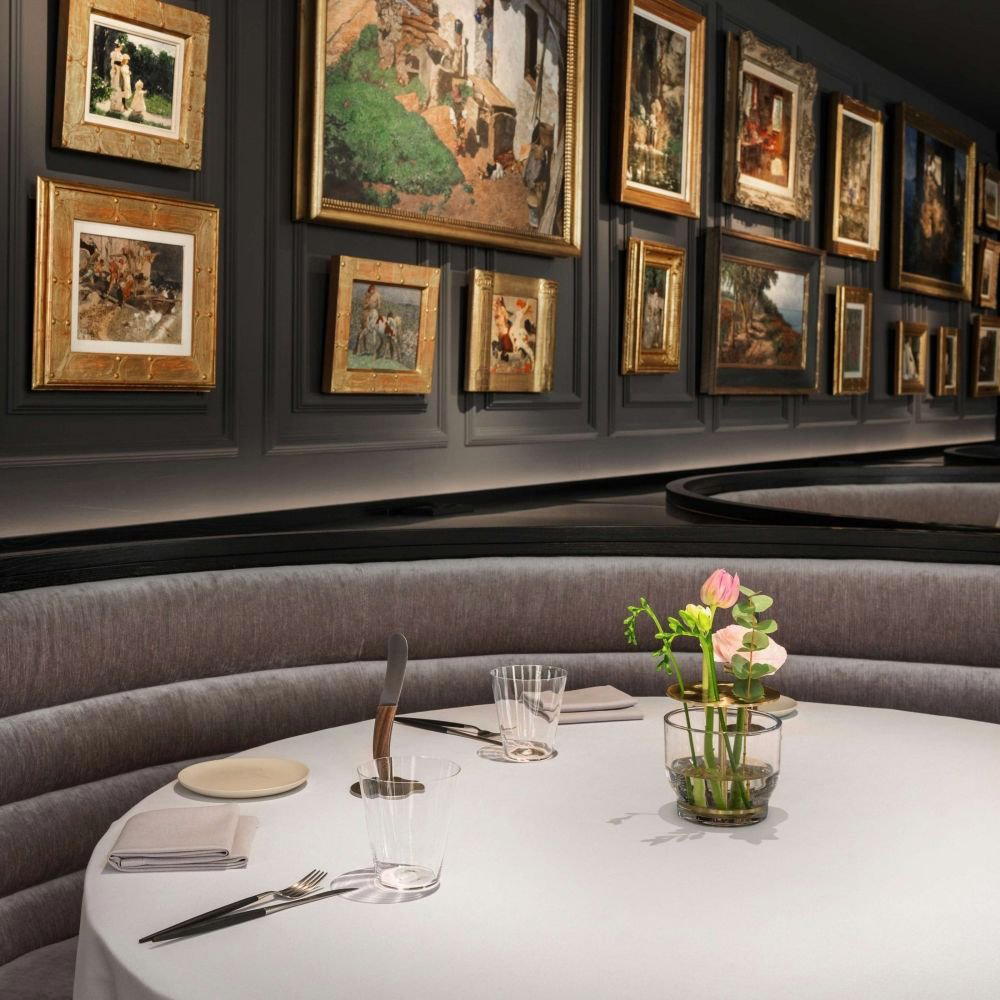
Bars in Vienna
Browse all →
Hotels in Vienna
Browse all →
At a Glance
- Elegant
- Modern
- Sophisticated
- Lively
- Date Night
- Business Dinner
- Group Dining
- Celebration
- Brunch
- Standalone
- Craft Cocktails
- Extensive Wine List
- Street Scene
Current opening hours
- Monday
- 7 AM–3 PM
- Tuesday
- 7 AM–12 AM
- Wednesday
- 7 AM–12 AM
- Thursday
- 7 AM–12 AM
- Friday
- 7 AM–1 AM
- Saturday
- 7 AM–1 AM
- Sunday
- 7 AM–12 AM
Hours can change for holidays and private events. Last verified .
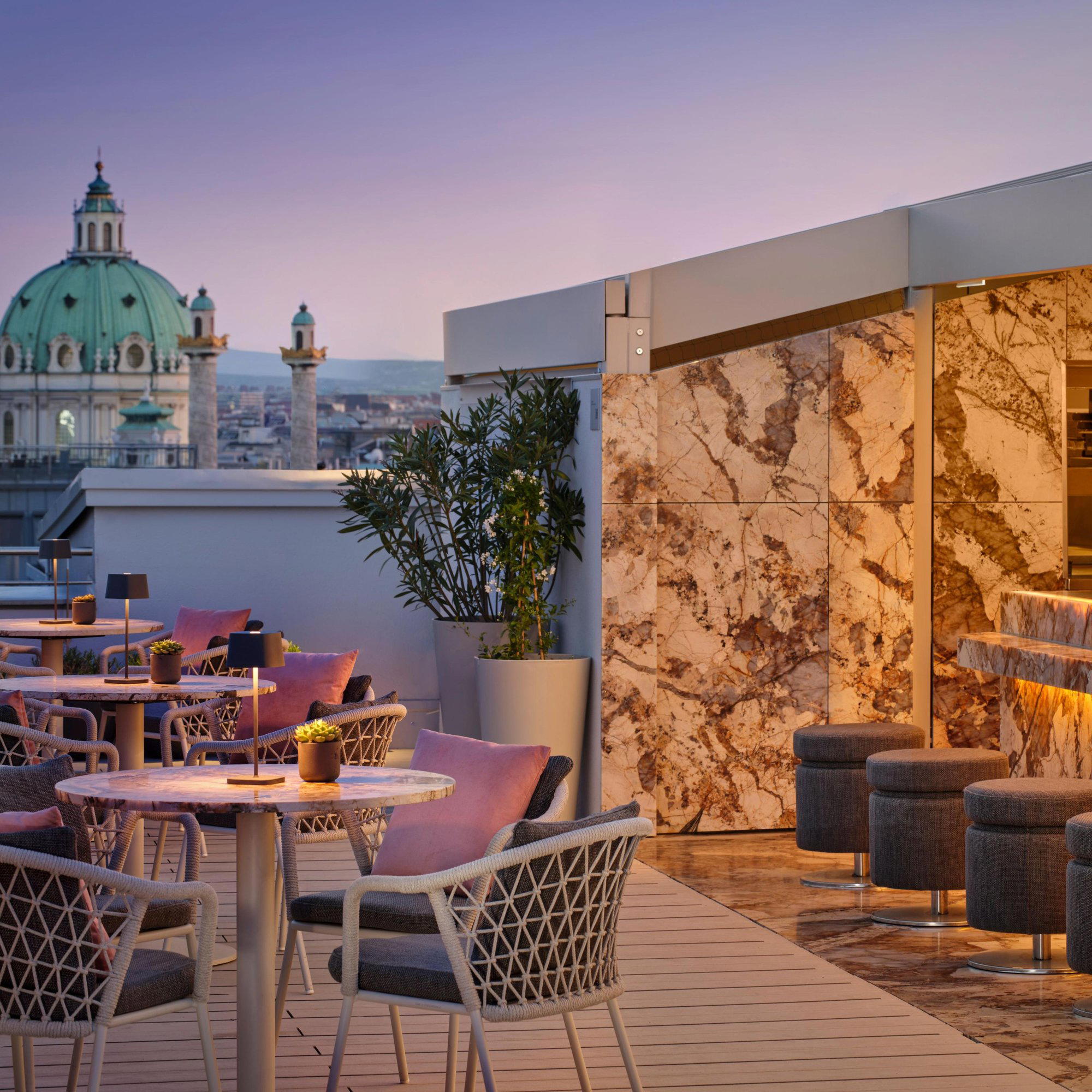
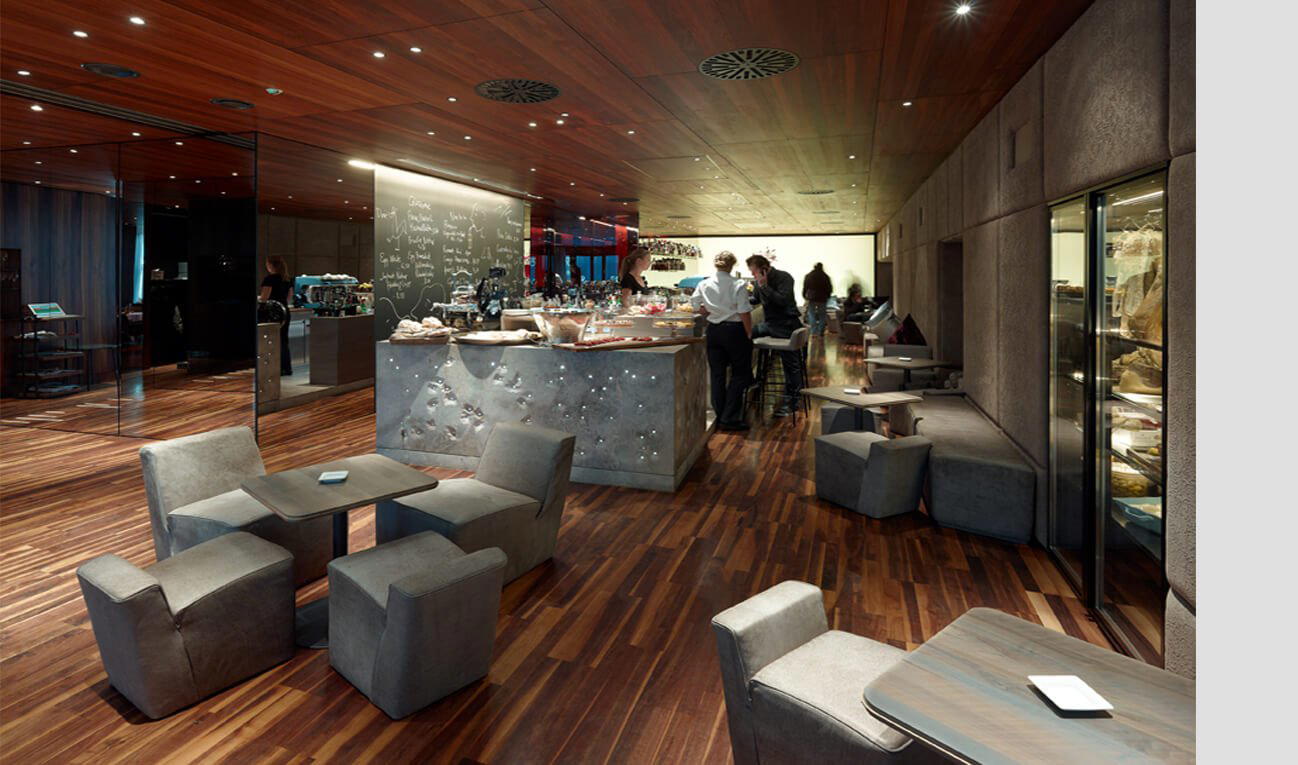
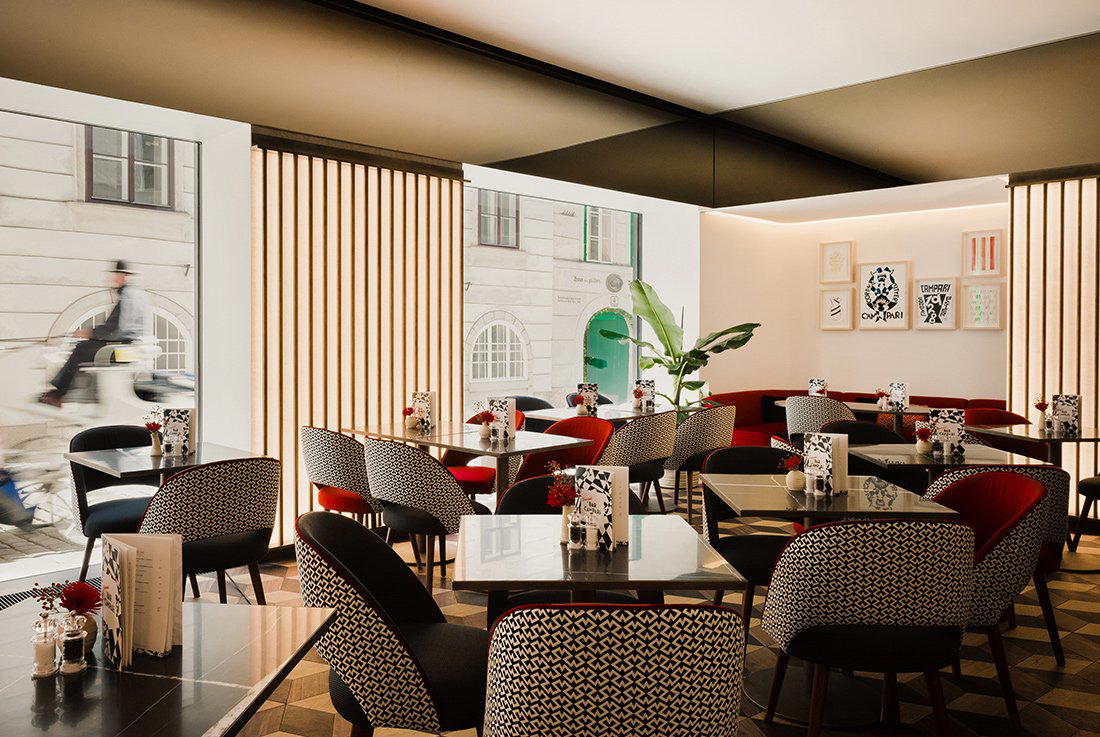
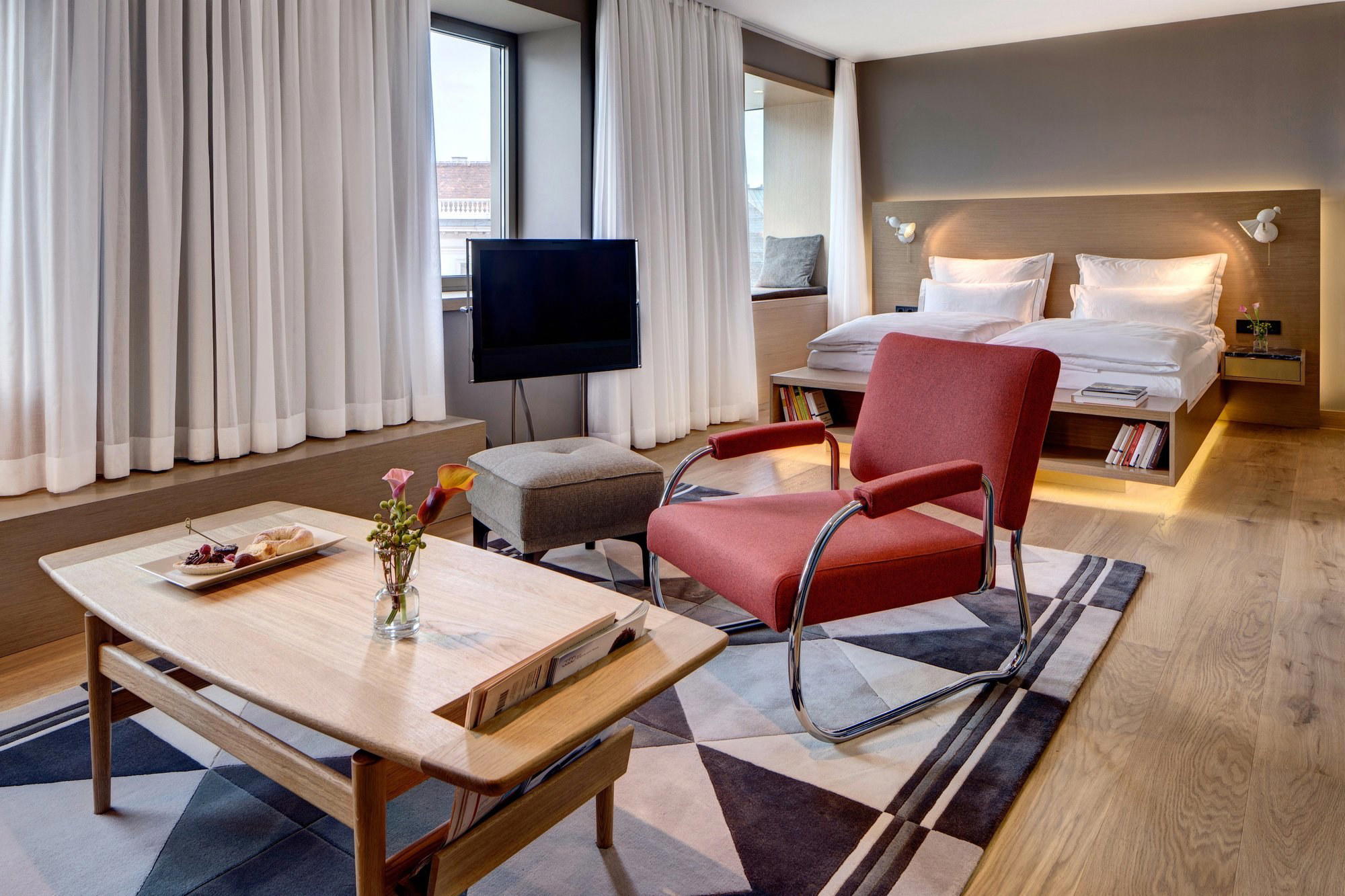
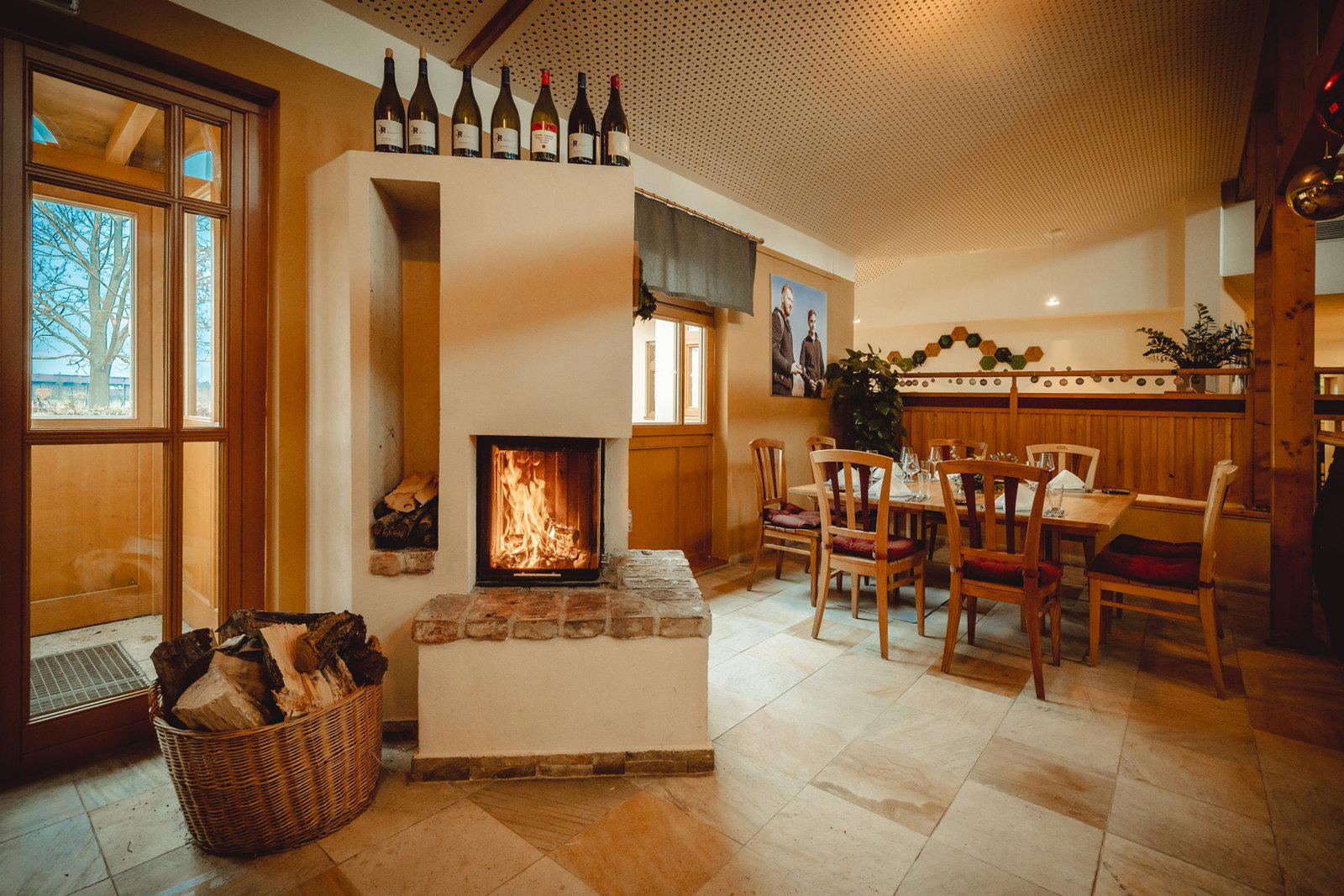
Elegant, warm, and inviting, with a polished city-center restaurant-and-bar atmosphere suited to dinner, aperitivo, cocktails, brunch, and business meals.