On Gumpendorfer Strasse in Vienna's sixth district, Ma Belle occupies a stretch of the city where neighbourhood bistros and serious kitchen ambition coexist without contradiction. The address places it squarely in Mariahilf, a district that has attracted a quieter tier of dining than the first district's grand institutions, drawing guests who want craft over ceremony. How it compares to Vienna's creative-leaning contemporaries is the question worth asking before you book.
Pearl is the En Primeur Club membership app — saves, bookings, and concierge access live there. Same editors, same standards.
- Address
- Gumpendorfer Str. 16, 1060 Wien, Austria
- Phone
- +434319667992
- Website
- ma-belle.at
- Directions
- Get directions
 Saves & bookings on Pearl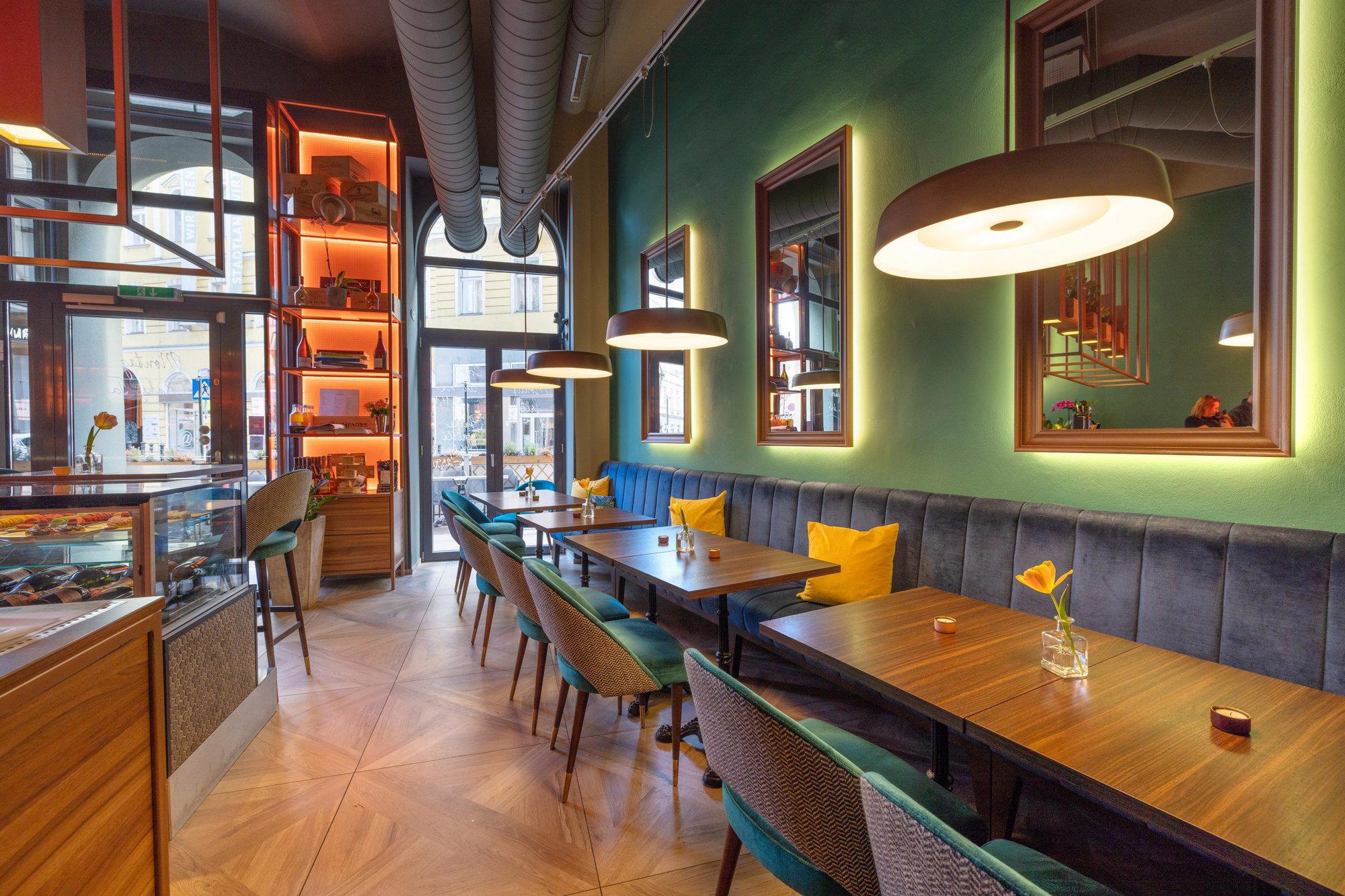
Mariahilf and the Case for Cooking Outside the Ring
Vienna's most-discussed restaurant addresses cluster around the inner districts: the Stadtpark kitchens, the Palais dining rooms, the hotel restaurants that target expense accounts and anniversary dinners. The sixth district moves at a different register. Gumpendorfer Strasse, where Ma Belle sits at number 16, runs through Mariahilf with the low-key confidence of a neighbourhood that has never needed to announce itself. The buildings are Gründerzeit without the grandeur, the foot traffic is local rather than tourist-heavy, and the restaurants that hold here tend to earn their audience through repetition rather than spectacle. It is, in short, the kind of street that suits a certain type of kitchen: one that cooks to a point of view rather than to a room full of first-timers.
That context matters when placing Ma Belle against Vienna's wider creative dining tier. At the summit of that tier sit addresses like Steirereck im Stadtpark and Amador, both operating at the €€€€ bracket with the awards infrastructure to match. Konstantin Filippou and Mraz & Sohn occupy a similar price and ambition band, applying modern European and modern Austrian frameworks to cooking that rewards close attention. Whether Ma Belle is playing in that tier or pitching to a different register is a question that depends partly on its kitchen's relationship to local ingredients and imported technique, and that relationship is where Mariahilf's neighbourhood bistro tradition becomes interesting rather than limiting.
Local Product, Borrowed Method: How Vienna's Mid-Tier Kitchens Build a Case
Austrian cuisine has a long-standing tension between its central European pantry, the lake fish, the alpine herbs, the root vegetables, the game, and the technical vocabularies that chefs acquire through training in French, Japanese, or Nordic kitchens. That tension is productive when handled with discipline. It becomes decoration when technique is applied as a veneer rather than as a genuine reordering of how ingredients are treated.
Vienna's creative tier has largely resolved that tension in the direction of technique-first cooking that uses Austrian product as raw material rather than as the conceptual anchor. Doubek is one address that represents a more grounded approach, but even within Vienna's sixth and seventh districts there is appetite for kitchens that let the provenance of the ingredient carry the editorial weight of the dish rather than subordinating it to a borrowed grammar. One compelling version of that intersection, local ingredients given new structural logic through global technique, has parallels in kitchens far beyond Austria. Atomix in New York City applies Korean ingredient logic through fine-dining architecture; Le Bernardin uses classical French precision as a lens for seafood that would otherwise be treated more casually. The principle scales down as well as up.
For a kitchen on Gumpendorfer Strasse, the relevant question is whether the cooking has a coherent position on that spectrum, whether the technique is in service of the ingredient or the other way around. That is the critical frame for reading the restaurant, even in the absence of a full public record of its menu or format.
The Sixth District and Where Ma Belle Fits Geographically
Mariahilf sits west of the Naschmarkt corridor, which means it benefits from proximity to one of central Europe's more consequential open-air markets without being absorbed into the tourist infrastructure that surrounds it. The Naschmarkt's mix of Austrian, Balkan, Middle Eastern, and Asian producers has historically supplied kitchens across the sixth and seventh districts with ingredients that resist easy categorisation, seasonal Austrian produce alongside spice merchants, preserved goods, and fish that arrive from further afield. A kitchen at Gumpendorfer Str. 16 is within reasonable sourcing range of all of it.
That geography is relevant beyond logistics. The neighbourhood's supply lines have shaped a distinct cooking sensibility in the district: less formal than the first district's grand addresses, more ingredient-curious than a standard Viennese Beisl, and open to the kind of cross-cultural ingredient pairing that becomes possible when your market is genuinely plural. For comparison, the alpine and regional Austrian cooking traditions documented at addresses like Döllerer in Golling an der Salzach, Obauer in Werfen, or Kräuterreich by Vitus Winkler in Sankt Veit im Pongau are rooted in specific regional pantries. Urban Vienna allows for a more composite approach.
Planning a Visit: What to Know Before You Go
The restaurant's address on Gumpendorfer Strasse places it within walking distance of the U3 Zieglergasse stop and the U4 Kettenbrückengasse station, making it accessible from most parts of the city without a taxi. For visitors orienting around Vienna's broader dining circuit, the sixth district rewards an afternoon approach: the Naschmarkt runs until mid-afternoon on most days, and the neighbourhood has enough wine bars and coffee houses to build a session around a dinner booking.
For those building a wider Austrian itinerary, the country's serious kitchens extend well beyond Vienna. Ikarus in Salzburg, Griggeler Stuba in Lech, Gourmetrestaurant Tannenhof in Sankt Anton am Arlberg, Landhaus Bacher in Mautern an der Donau, Schwarzer Adler in Hall in Tirol, Ois in Neufelden, and Restaurant 141 by Joachim Jaud in Mieming each represent a distinct regional take on the same central question: what Austrian cooking looks like when it is taken seriously on its own terms.
At a Glance
Comparable venues nearby, for context on price, style, and recognition.
| Venue | Cuisine | Price | Notes |
|---|---|---|---|
| Ma BelleThis venue — the venue you are viewing | Hofburg, French Bistro | $$ | Not listed |
| Cafe The Province | Not listed | $$ | Josefstadt, French Creperie with Galettes |
| La Crêperie | Brigittenauer Brucke, French Crêperie | $$ | Not listed |
| Cafe Francais | Inner City, French Bistro | $$ | Not listed |
| Süsswasser | Not listed | $$ | Hofburg, Austrian Freshwater Fish & Seafood |
| Maria und Josef | Hofburg, Persian-Mediterranean Fusion | $$ | Not listed |
Continue exploring
More in Vienna
Restaurants in Vienna
Browse all →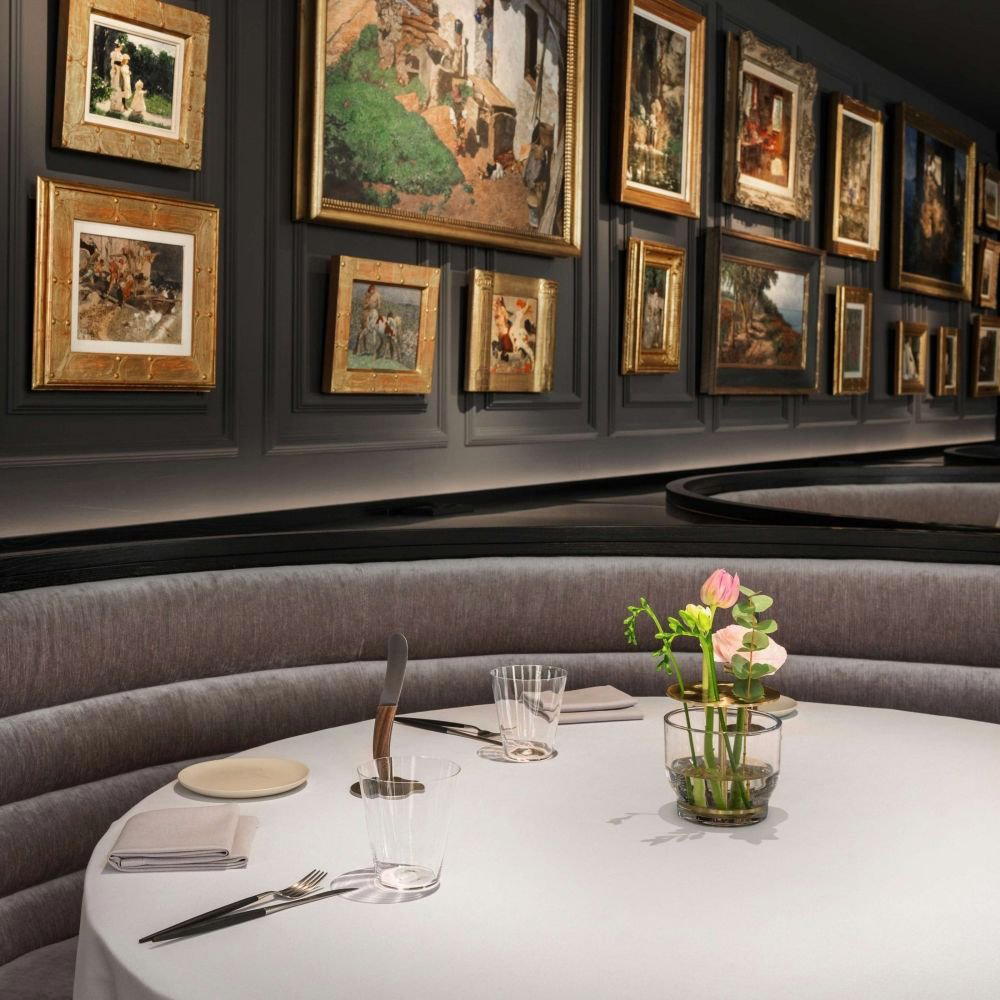
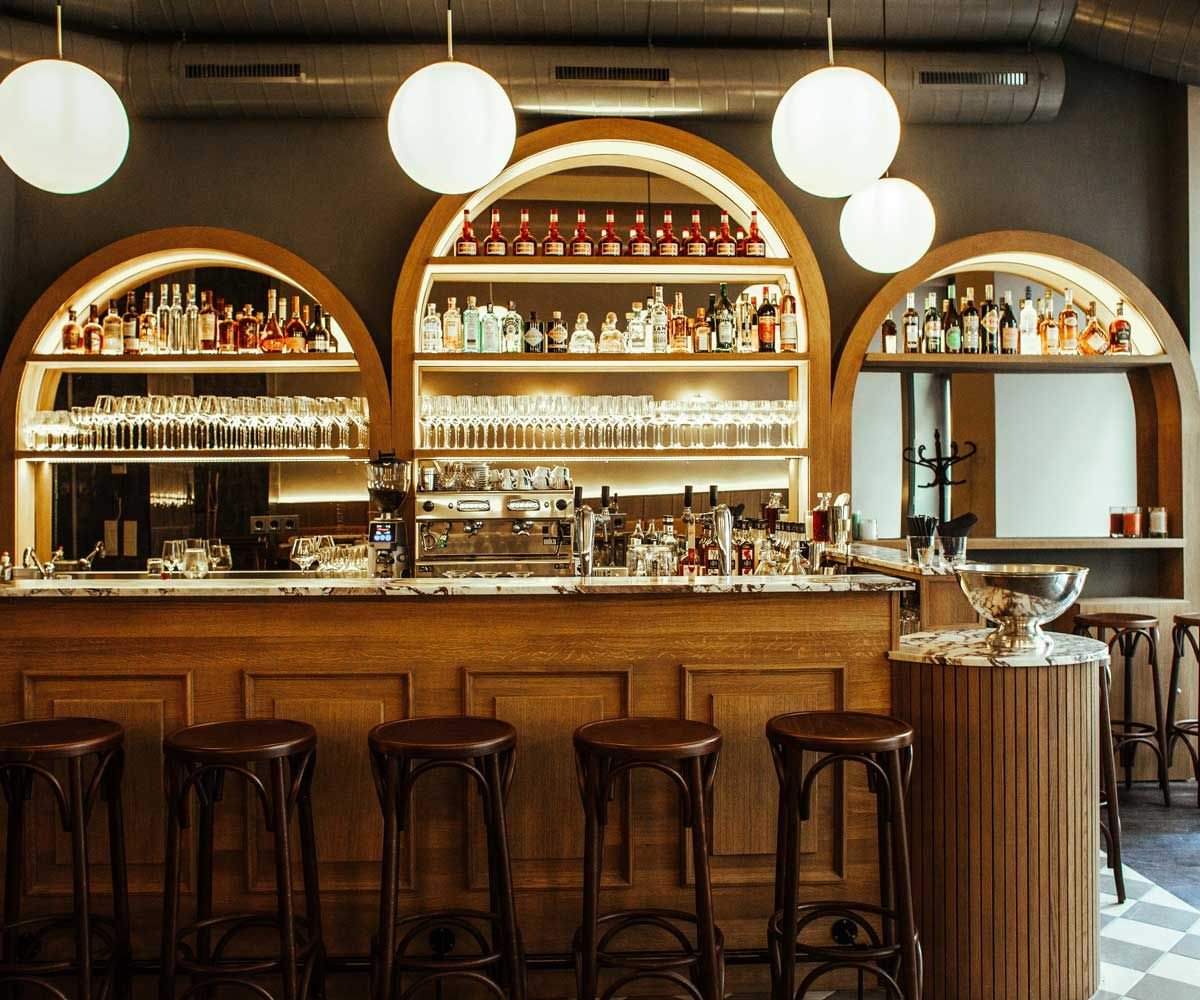
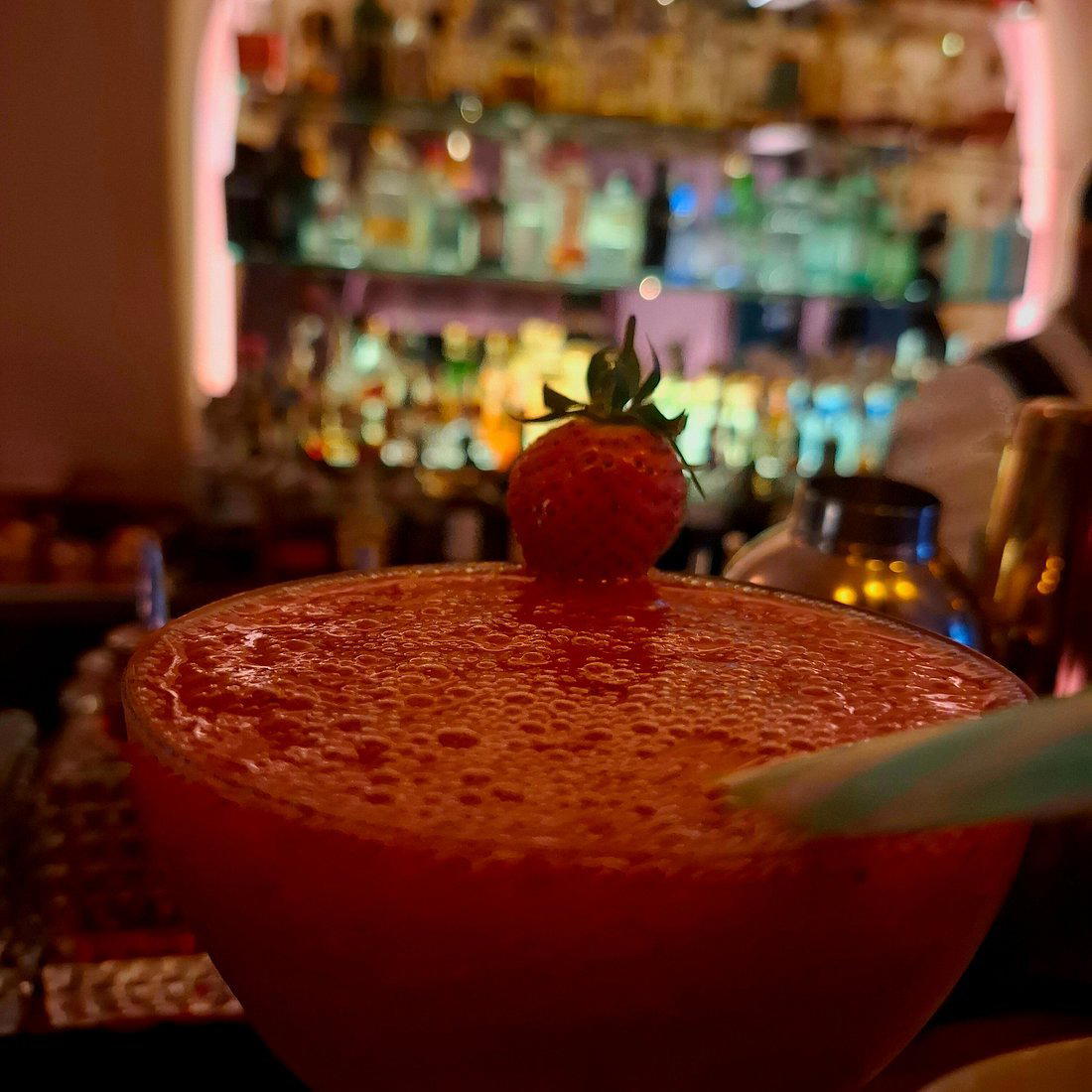
Bars in Vienna
Browse all →

Hotels in Vienna
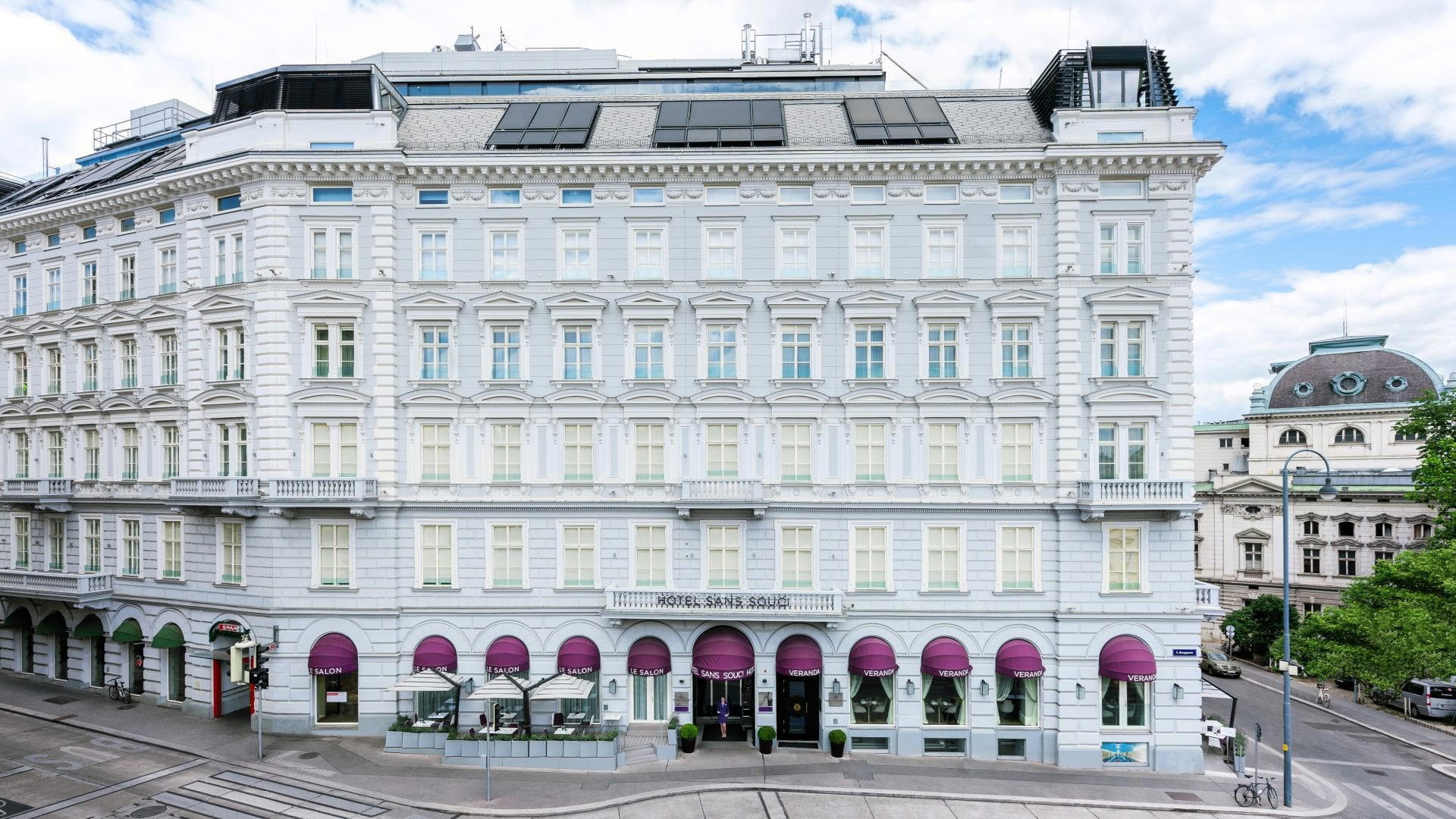
Browse all →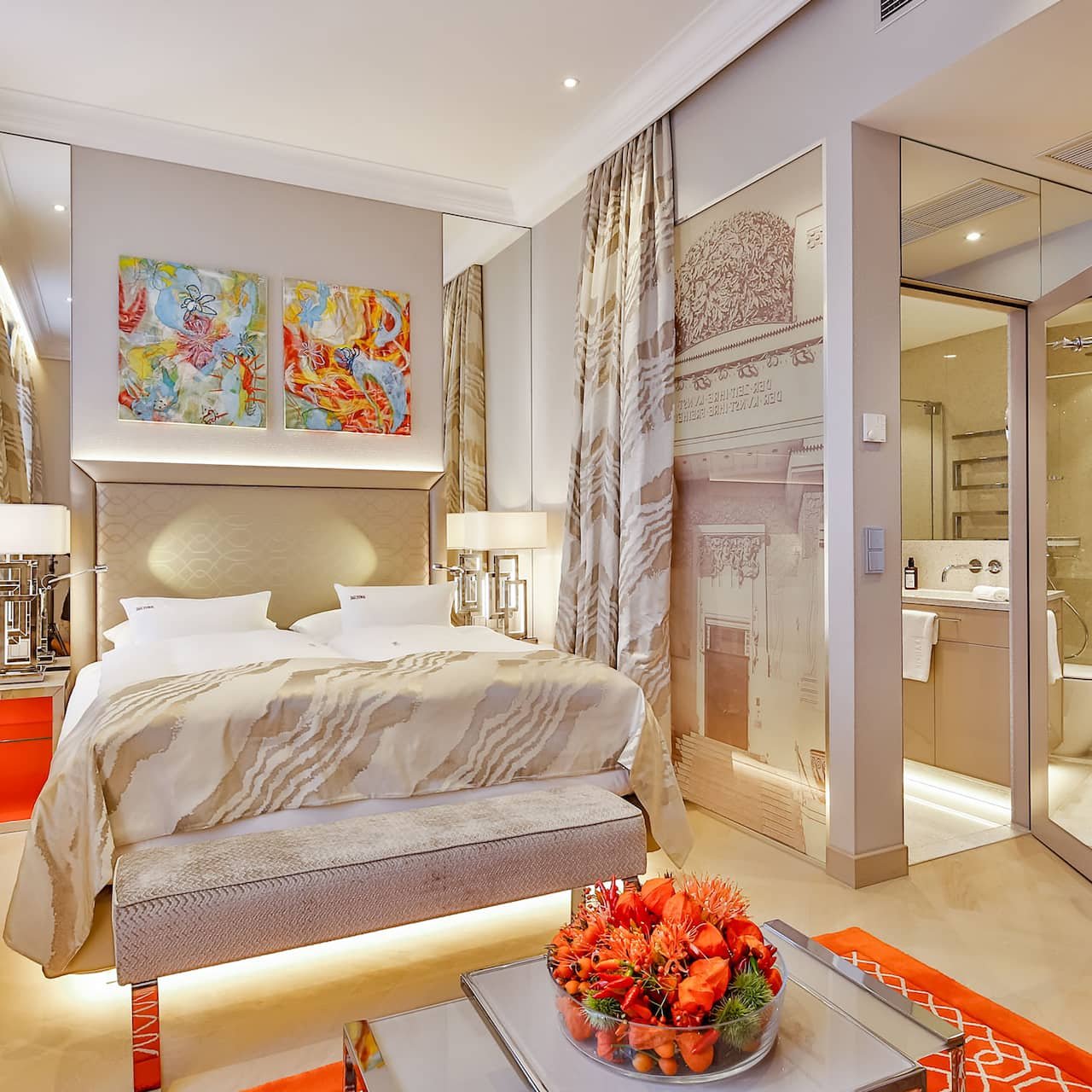
At a Glance
- Modern
- Cozy
- Elegant
- Brunch
- Date Night
- Open Kitchen
- Extensive Wine List
- Organic
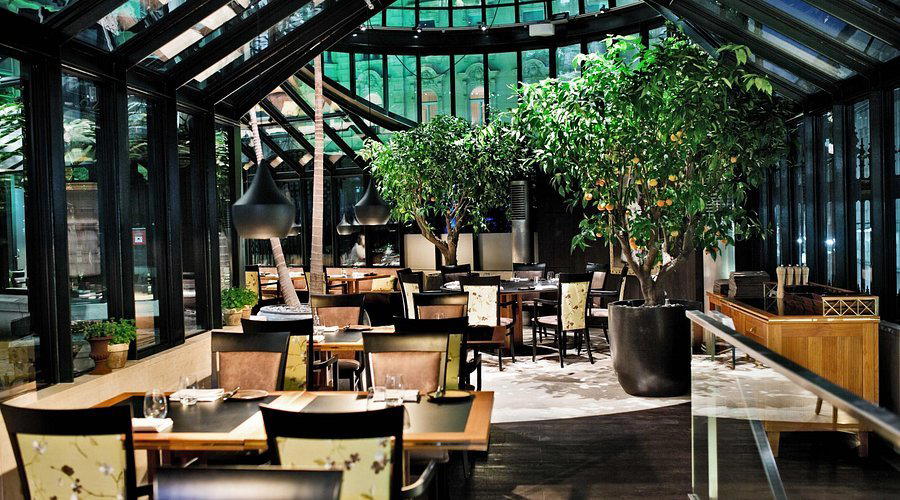
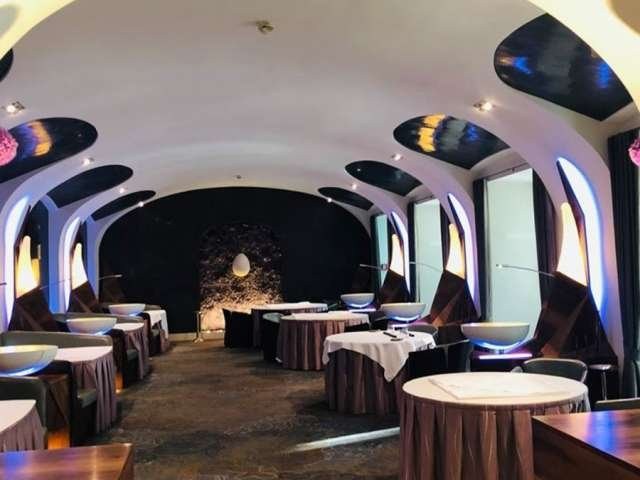
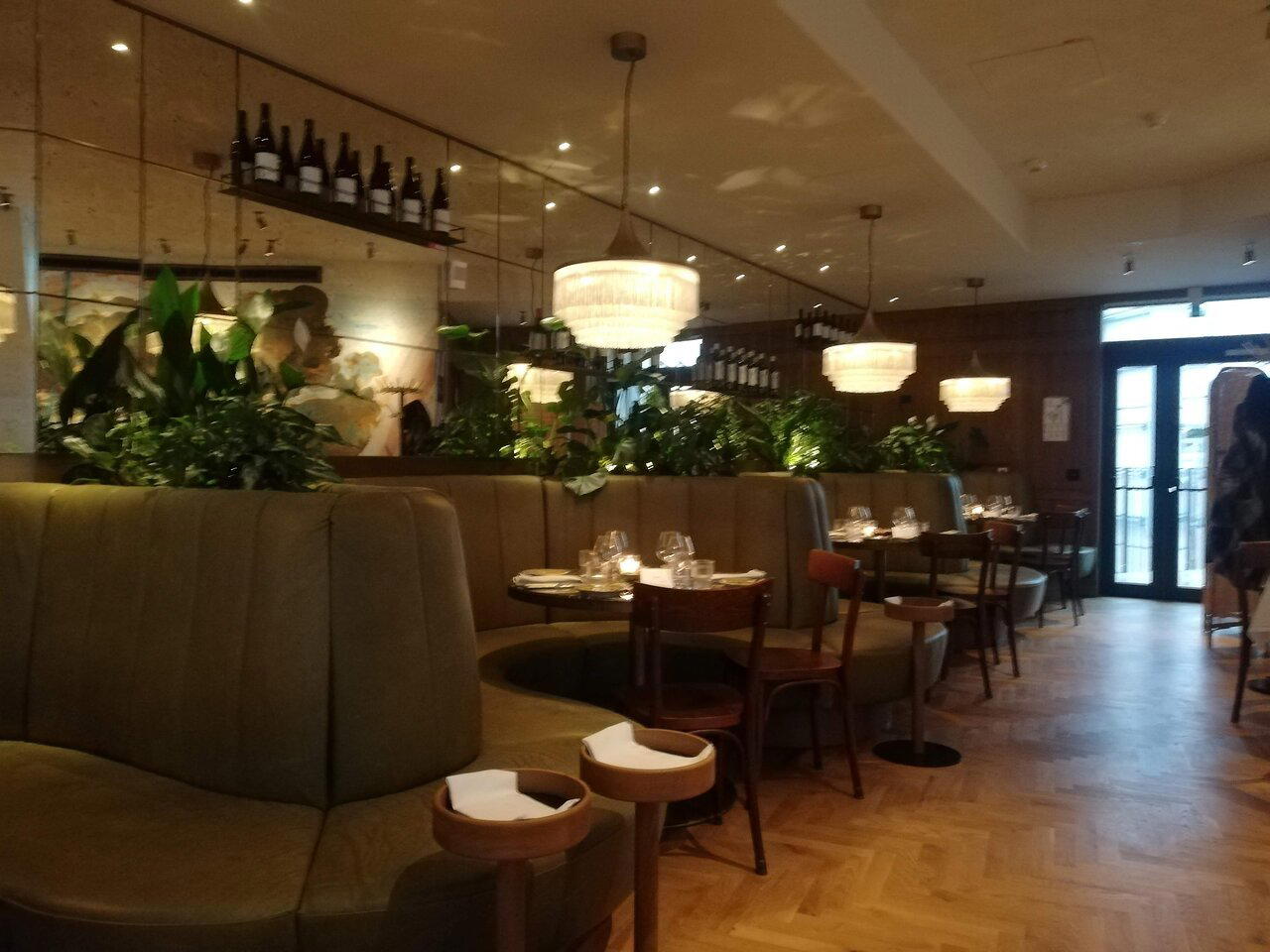
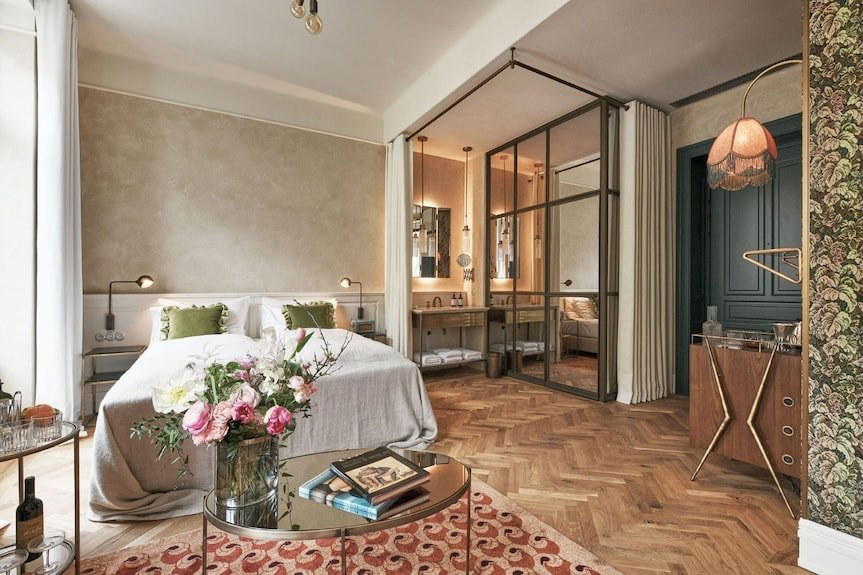
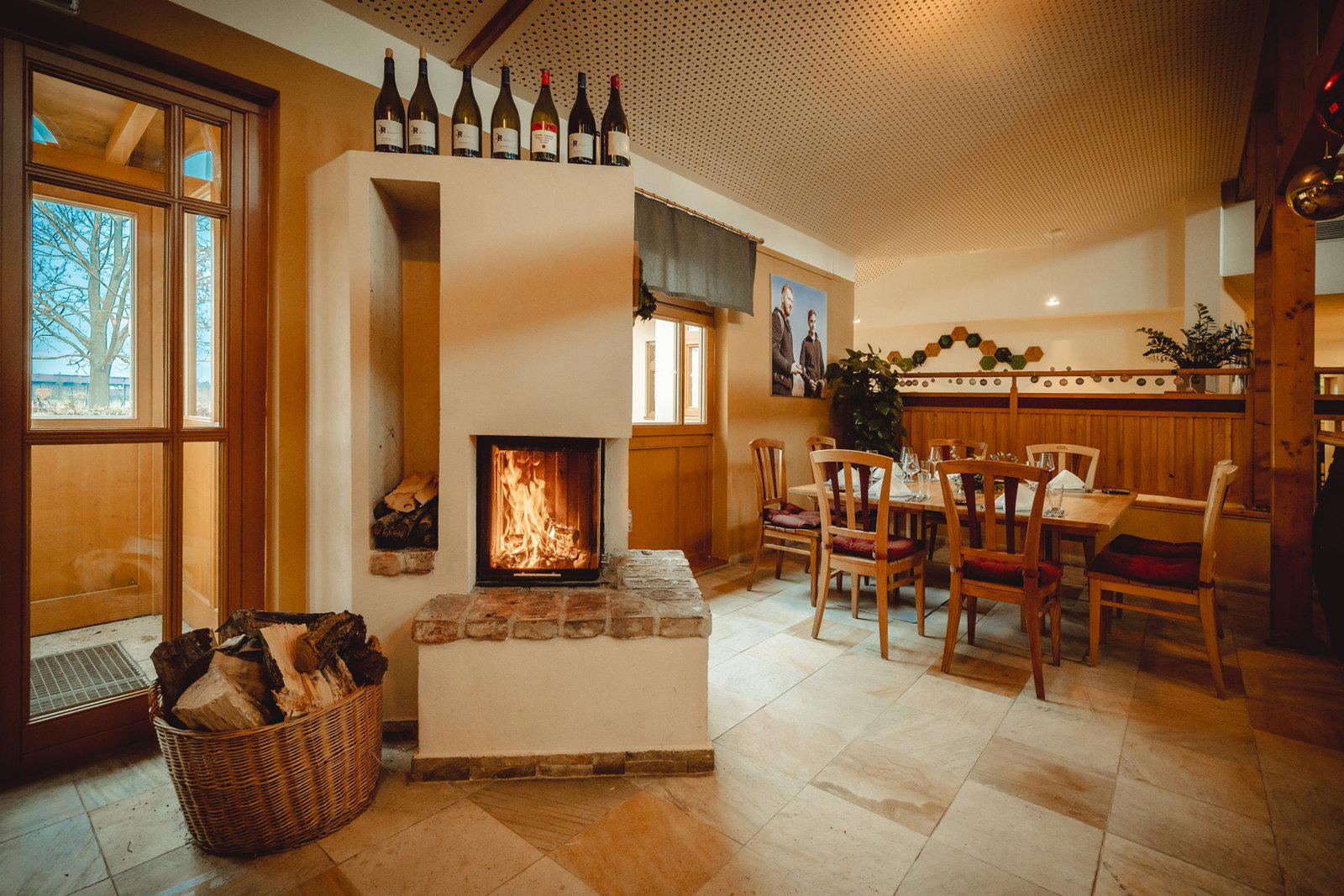
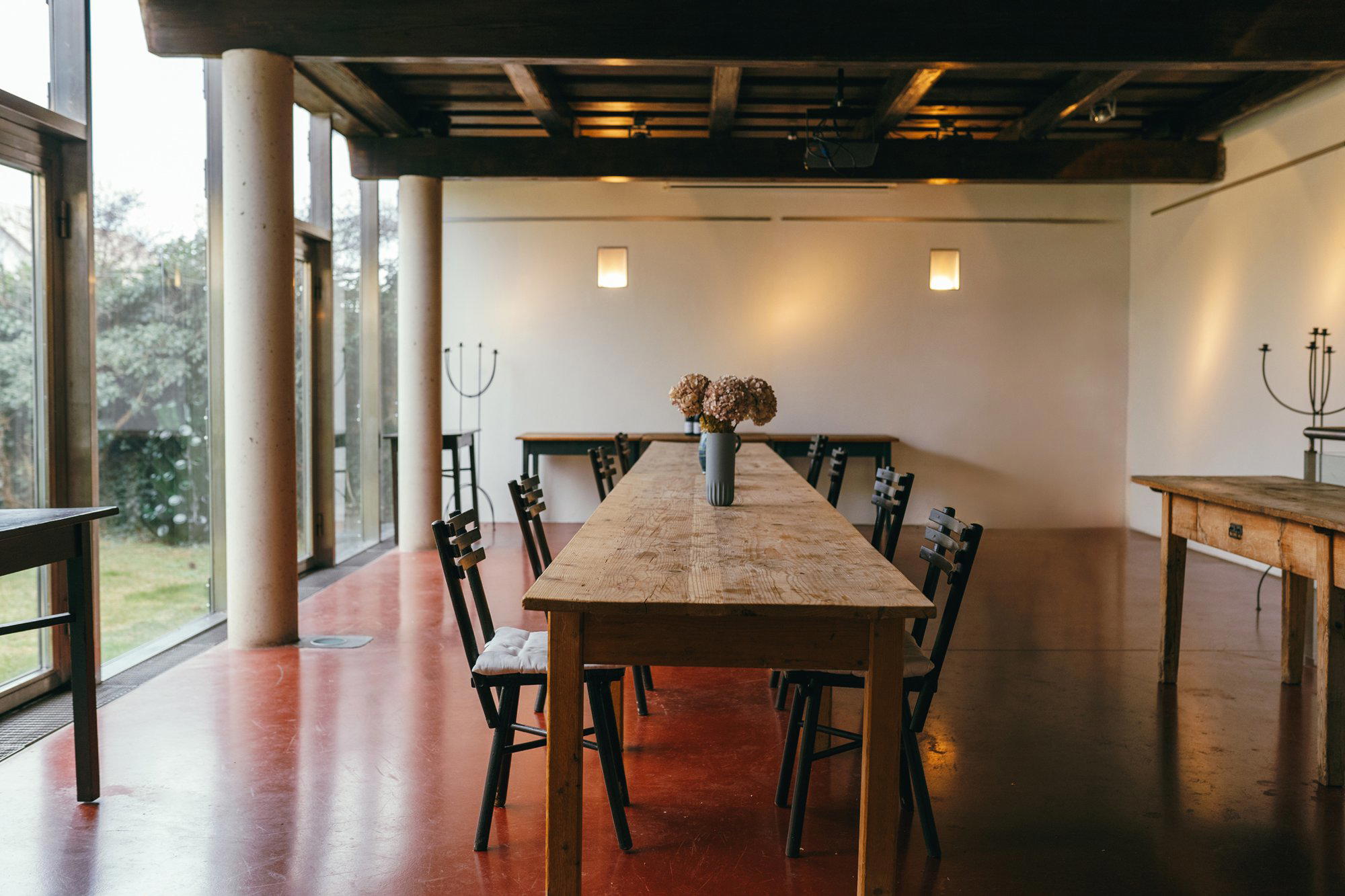
Modern French bistro atmosphere with stylish contemporary interior design evoking French lifestyle.