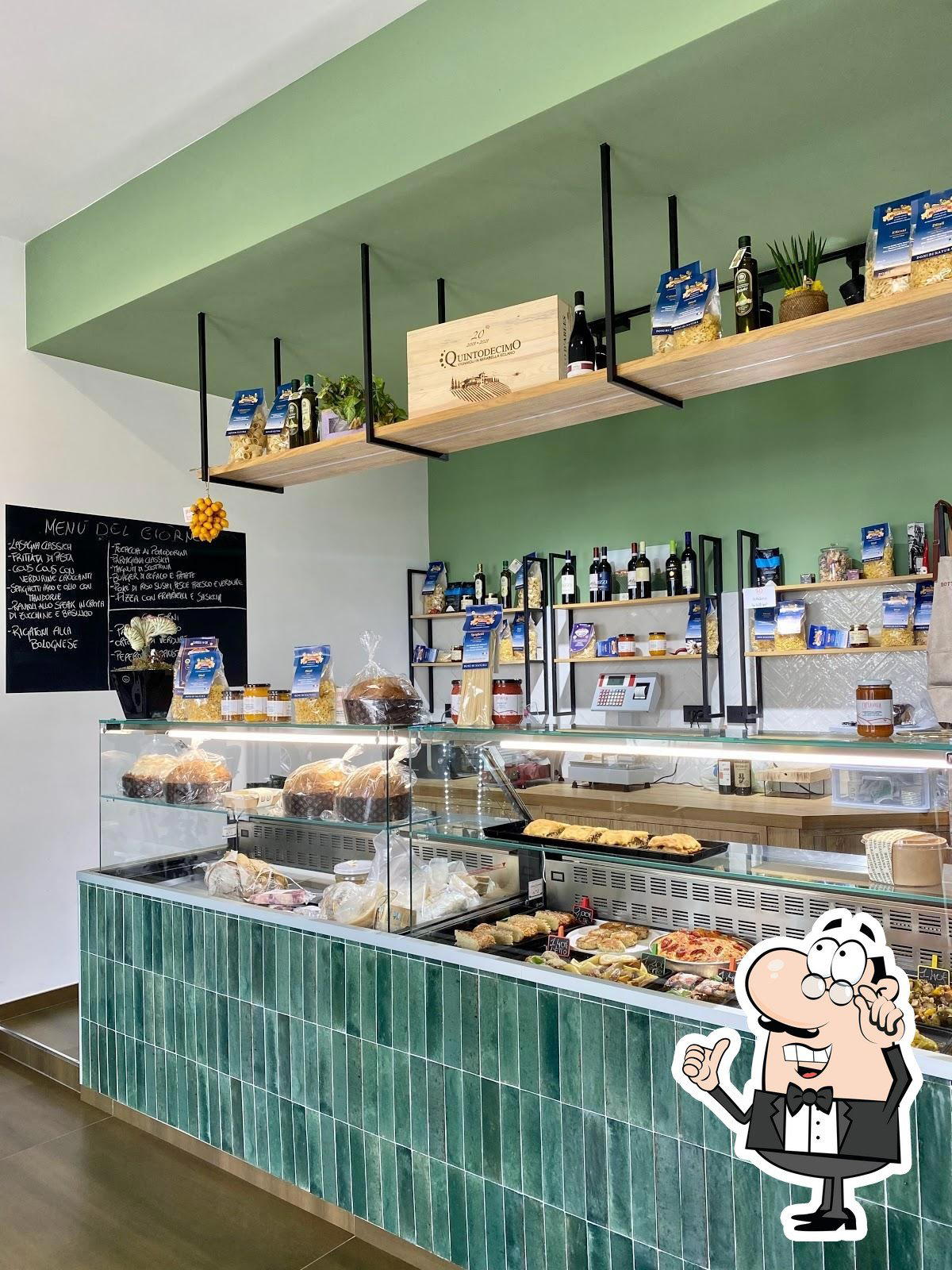
Bottega Urbana sits on Corso D. Riccardi in Cercola, a town on the northeastern edge of the Naples metropolitan area where the city's density gives way to quieter residential streets. The address places it within reach of Campania's ingredient-rich hinterland, a region where the distance between producer and plate has long shaped how restaurants cook. For visitors tracing the Naples dining orbit beyond the historic centre, it represents a local fixture worth investigating.
 Discover on Pearl
Pearl is the En Primeur Club membership app — saves, bookings, and concierge access live there. Same editors, same standards.
- Address
- Corso D. Riccardi, 400, 80040 Cercola NA, Italy
- Phone
- +393315779225
- Website
- bottegaurbana.restaurant
Where the Naples Periphery Eats
Cercola occupies an in-between geography that defines a particular kind of Italian dining. Bottega Urbana is a restaurant in Cercola, Naples, serving Modern Neapolitan Italian in a smart casual setting; reservations are recommended. Pressed against the eastern edge of Naples, with Vesuvius visible on clear days and the flat market gardens of the Campanian plain extending outward, it is neither countryside trattoria country nor city-centre restaurant territory. Towns like this one have always fed themselves differently from the urban core: closer to wholesale produce routes, less exposed to tourist-driven menus, and more reliant on the kind of regular local trade that keeps kitchens honest. Bottega Urbana, addressed at Corso D. Riccardi 400, sits inside that logic. The name itself signals something: bottega in Italian carries connotations of workshop and craft shop, a place where things are made rather than merely served. Paired with urbana, it plants the venue squarely in the town's daily life rather than positioning itself as a destination apart from it.
The Campanian Ingredient Argument
To understand what a place like Bottega Urbana represents editorially, it helps to understand what Campania produces. The region around Naples is among the most ingredient-dense in Europe: San Marzano tomatoes grown on volcanic soils southeast of the city, fior di latte mozzarella from the plains toward Caserta, locally caught seafood arriving through the port and the smaller fish markets that ring the bay, and an extraordinary range of foraged greens and legumes that have sustained the area's cooking for centuries. This is not agricultural romance. The proximity of producers to population centres in this part of Italy means supply chains are genuinely short, and the economic culture of the region has historically made fresh, local sourcing practical rather than aspirational.
Restaurants in the Naples orbit that anchor themselves to this supply chain occupy a different competitive position from those in, say, central Rome or Milan, where sourcing provenance is often a deliberate marketing posture. Here, the infrastructure already exists. The question is whether a kitchen uses it with enough skill and intention to make the sourcing matter on the plate. Italy's most rigorous tables in this tradition, places like Quattro Passi in Marina del Cantone along the Amalfi coast, have built entire reputations on the argument that Campanian produce, handled with precision, needs little else to be compelling. Cercola's position in the agricultural belt northeast of Naples puts Bottega Urbana within that same supply geography, even if its register is clearly more neighbourhood than destination fine dining.
The Bottega Format in Context
Across Italy, the bottega concept has proliferated as a middle format between formal restaurant and casual café. It typically implies counter culture, accessible pricing, and a menu built around what is available rather than what is engineered. In the Campanian context specifically, this often means a rotation of daily specials driven by whatever came in from the market that morning, a preference for technique that is visible rather than theatrical, and a wine list weighted toward regional producers. This is the format that feeds Italian towns rather than impresses visiting critics, and it has a discipline of its own that differs substantially from the tasting-menu architecture of Italy's prestige tables.
For reference, Italy's top-tier fine dining circuit, represented by restaurants like Osteria Francescana in Modena, Le Calandre in Rubano, or La Pergola in Rome, operates at a completely different altitude: multi-course tasting menus, advance booking windows measured in months, and price points that place them in a global comparable set. Bottega Urbana's address and neighbourhood profile place it well outside that bracket. It is better understood alongside the category of well-regarded local restaurants that form the actual daily dining infrastructure of Italian provincial life, where the creative Italian tradition visible at Reale in Castel di Sangro or the seafood mastery of Uliassi in Senigallia filters down into regional cooking consciousness over time.
Where Bottega Urbana Sits in the Wider Italian Picture
Italy's restaurant culture functions on multiple registers simultaneously, and the provincial neighbourhood restaurant is the one that most visitors underestimate. The tables that generate the most international coverage, from the Piedmontese precision of Piazza Duomo in Alba to the mountain-sourcing philosophy of Atelier Moessmer Norbert Niederkofler in Brunico, are the visible tip of a much larger system. Beneath them, restaurants like Bottega Urbana are where the actual food culture of a town is maintained and transmitted. They are where the San Marzano tomato gets used without ceremony, where the local cheese supplier's relationship with the kitchen is measured in years rather than months, and where the menu is as much a function of the morning's delivery as of any chef's design intention. That is not a secondary form of dining. In many respects, it is the primary one.
Visitors who have traced Italy's fine dining circuit through properties like Dal Pescatore in Runate, Da Vittorio in Brusaporto, or Villa Crespi in Orta San Giulio often find more texture in the neighbourhood tier when they allow time for it. The bottega format rewards that kind of attention. It does not perform for the visitor. It simply continues being what it is.
Side-by-Side Snapshot
Comparable venues nearby, for context on price, style, and recognition.
| Venue | Cuisine | Price | Awards | Notes |
|---|---|---|---|---|
| Bottega UrbanaThis venue — the venue you are viewing | Modern Neapolitan Italian | $$ | , | |
| Umberto | Traditional Neapolitan Trattoria & Pizzeria | $$ | , | Acquario |
| Lo Famo Sano | Modern Vegetarian Italian | $$ | , | Pomigliano d'Arco |
| Meridiò Bistrot | Traditional Southern Italian Bistro | $$ | , | Acquario |
| Arso Trattoria Moderna | Traditional Roman Trattoria | $$ | , | .null |
| Capaldo Forno Contemporaneo | Modern Italian Pizza alla Pala & Bakery | $$ | , | city center |
Continue exploring
More in Cercola
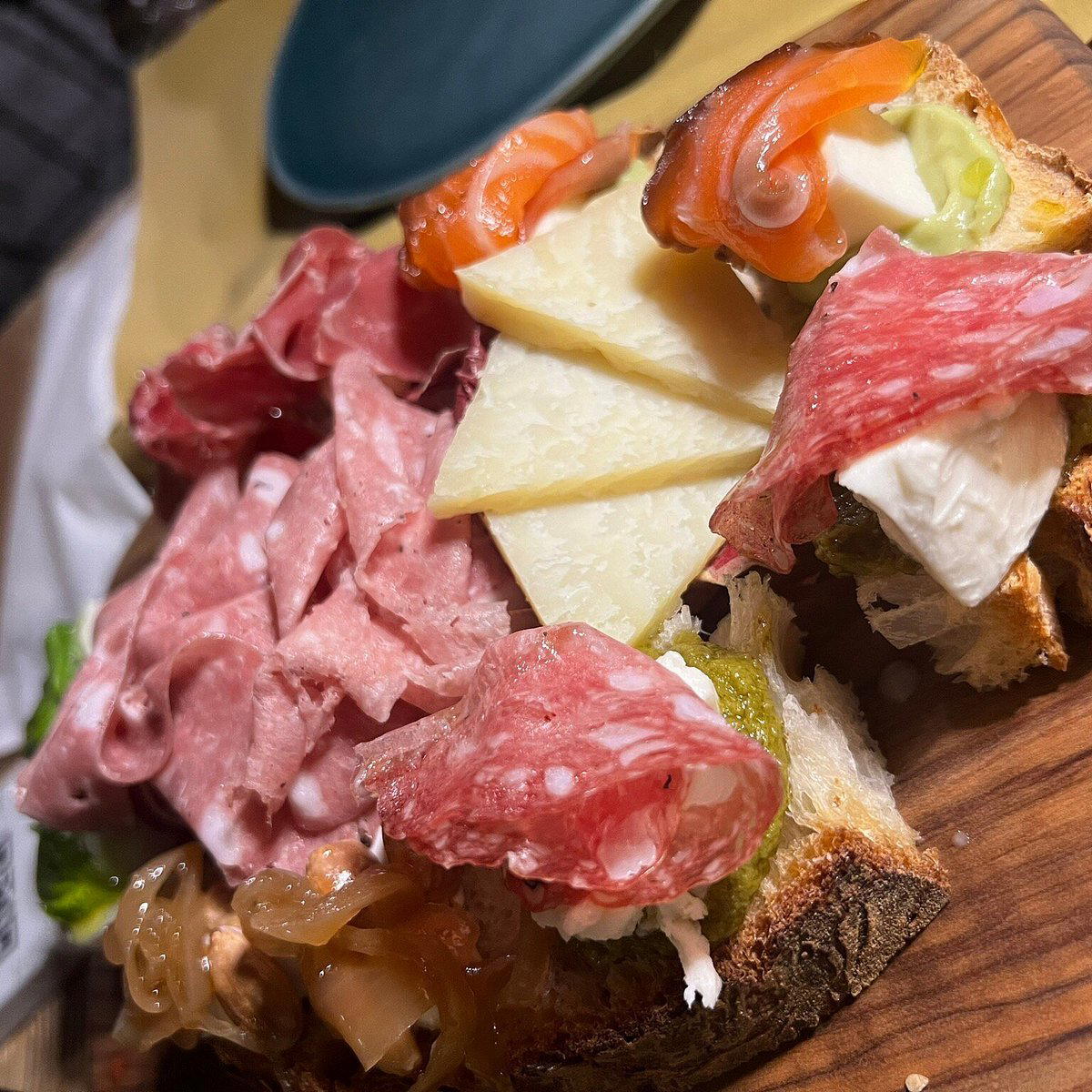
Restaurants in Cercola
Browse all →
Bars in Cercola
Browse all →
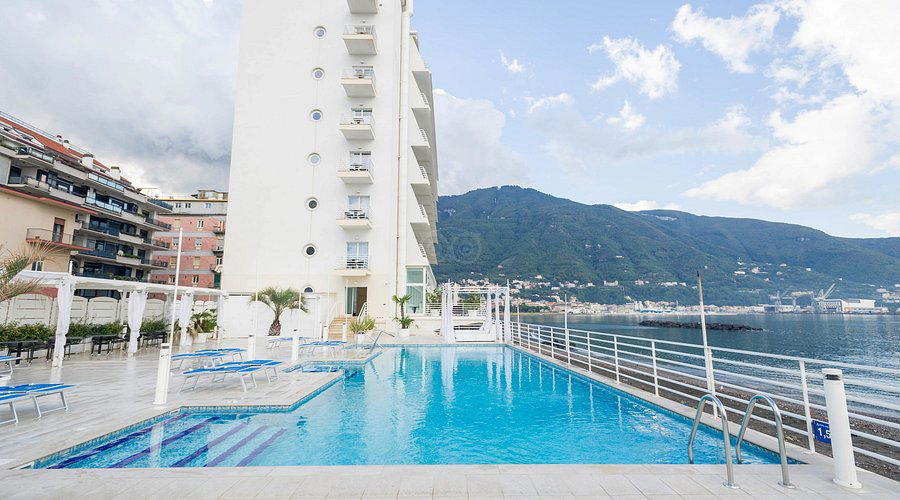
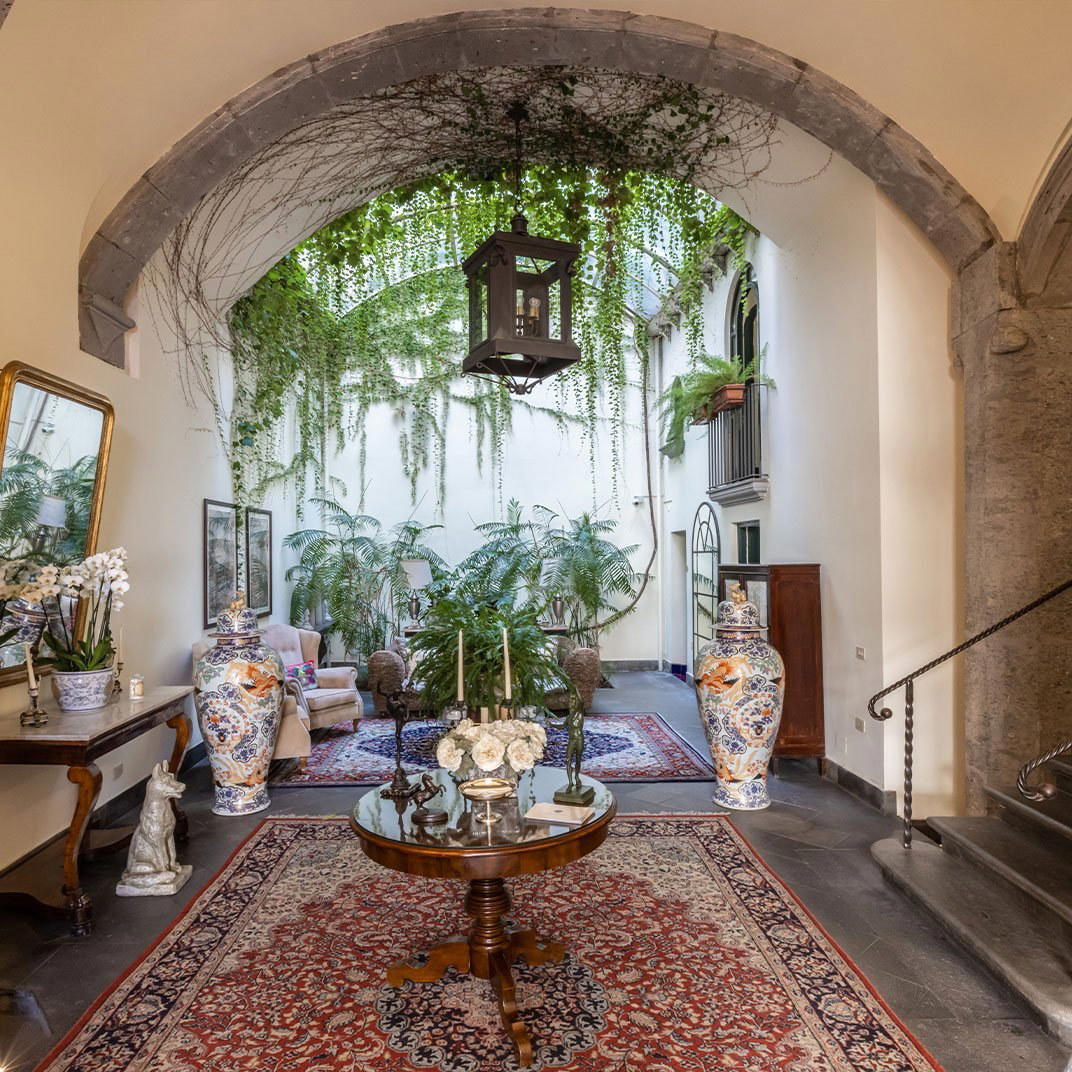
Hotels in Cercola
Browse all →
At a Glance
- Cozy
- Modern
- Intimate
- Elegant
- Family
- Date Night
- Group Dining
- Open Kitchen
- Extensive Wine List
- Local Sourcing
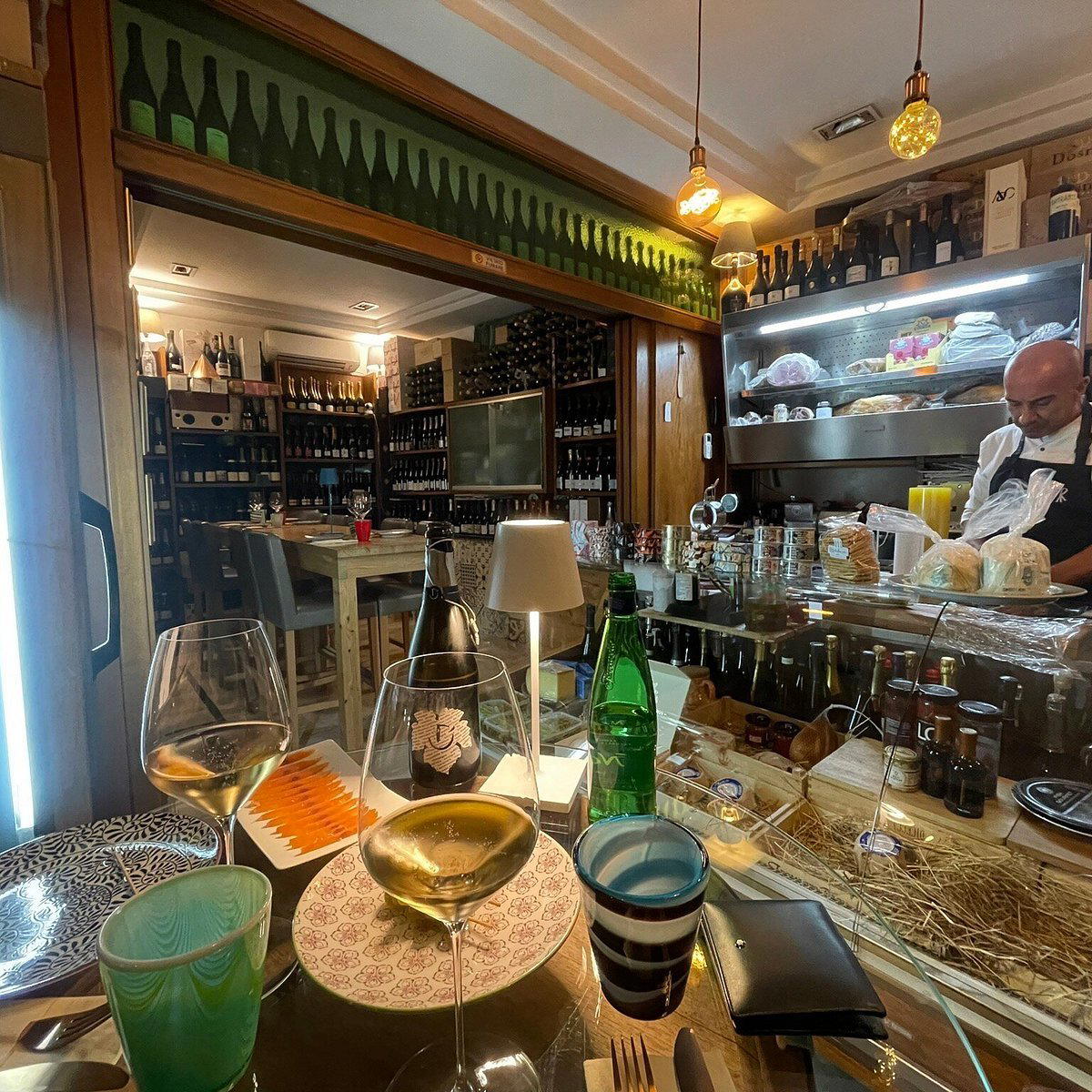
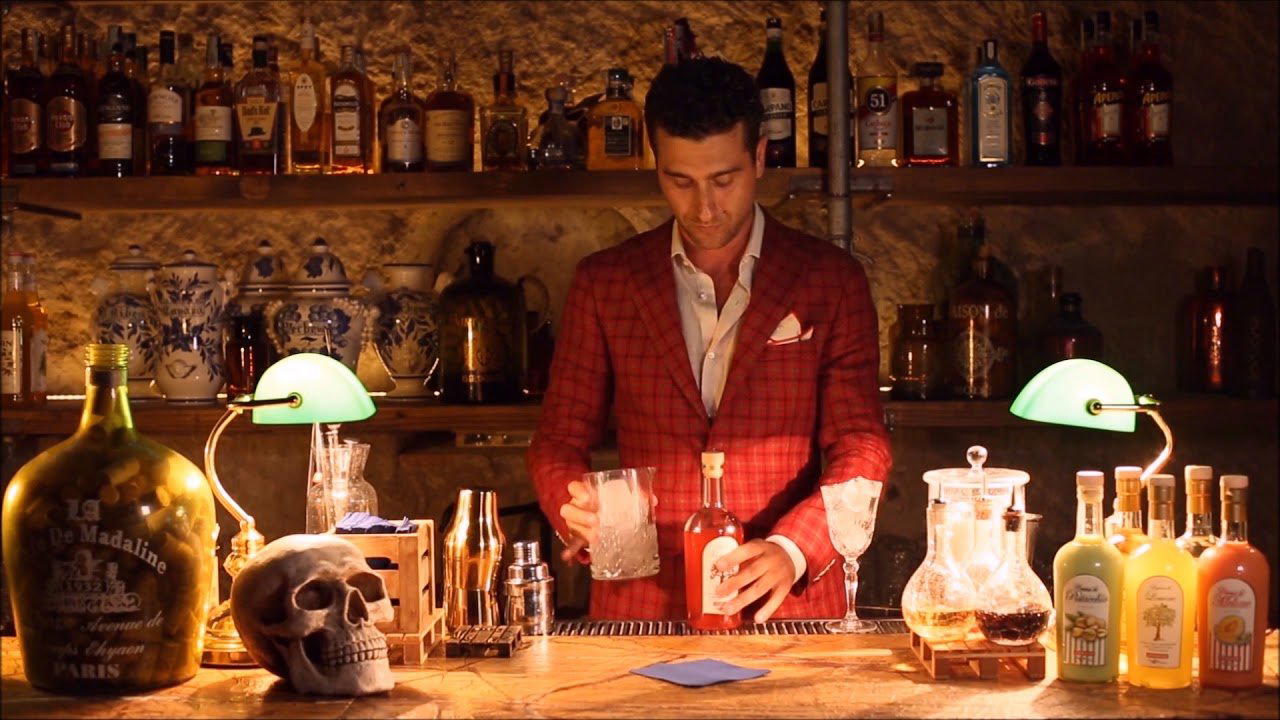
Sober, modern, and quiet interior with an intimate atmosphere, attentive lighting, and meticulous attention to detail.