On Via Alabardieri in the Chiaia district, Umberto is one of Naples' older dining institutions, carrying the kind of neighbourhood credibility that accumulates over generations rather than press cycles. The room sits at the intersection of Neapolitan tradition and considered technique, where local product, San Marzano, fior di latte, gulf seafood, meets a kitchen discipline shaped by exposure to broader Italian and European cooking.
Pearl is the En Primeur Club membership app — saves, bookings, and concierge access live there. Same editors, same standards.
- Address
- Via Alabardieri, 30, Vico II Alabardieri, 11, 80121 Napoli NA, Italy
- Phone
- +39 081 418555
- Website
- umberto.it
- Directions
- Get directions
 Saves & bookings on Pearl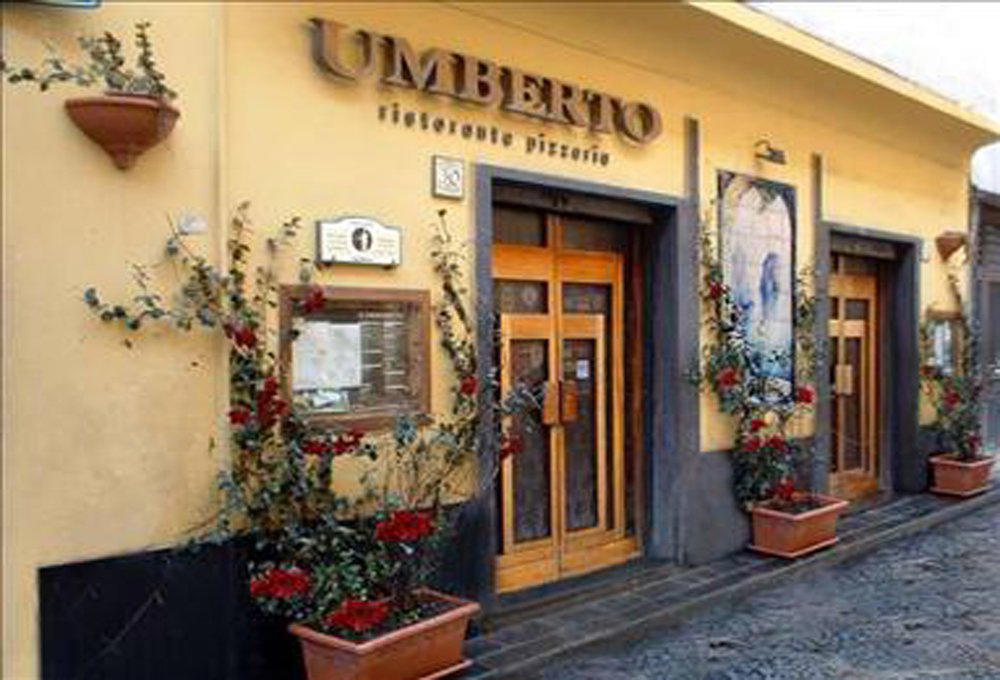
Via Alabardieri and What It Tells You About Naples
The Chiaia quarter runs from the seafront promenade up into the grid of streets between Piazza dei Martiri and the Mergellina waterfront. It is residential Naples at its most composed: quieter than the centro storico, less tourist-facing than the waterfront hotels, and home to the kind of restaurant that has been feeding the same families across multiple generations. Via Alabardieri sits inside this grid, and the address itself is a signal. Restaurants in this part of the city don't survive on passing trade. They survive because the neighbourhood decides they belong.
Umberto, at Via Alabardieri 30, has occupied this position long enough that the question of whether it is traditional or modern has become less relevant than the question of what it actually does with the ingredients passing through southern Italian kitchens each season. That question, local product meeting broader culinary method, is the more interesting editorial lens here.
Southern Product, Wider Technique
The intersection of indigenous Campanian ingredients and technique developed beyond the region's borders is not a new story in Italian cooking, but Naples occupies a specific position within it. The city has historically been resistant to the kind of fine-dining reformulation that swept through northern Italian kitchens in the 1980s and 1990s. Places like Osteria Francescana in Modena or Le Calandre in Rubano built their reputations precisely by dismantling regional convention. Naples, with its deep attachment to pizza, ragù, and the rituals around both, took a different path.
What has emerged in the city's better mid-to-upper tier restaurants is a more measured integration: kitchens that apply contemporary discipline to products that were already doing the work. The gulf of Naples yields seafood that needs less intervention than most. The volcanic soils of Campania produce tomatoes, herbs, and vegetables whose flavour density is well documented. The challenge for any serious kitchen here is not finding the ingredients but deciding how much to leave them alone and how much to apply structure around them. That calibration is where technical exposure matters, and where the influence of kitchens like Reale in Castel di Sangro or Quattro Passi in Marina del Cantone has helped shape expectations for southern Italian cooking that takes itself seriously.
Umberto sits in this conversation. It is not operating at the three-Michelin-star register of Piazza Duomo in Alba or the coastal tasting-menu format of Uliassi in Senigallia. It occupies the neighbourhood-institution tier that Naples does particularly well: a room with real history, a menu that reflects the region's produce, and a kitchen that applies enough technique to justify sitting alongside the city's more formally positioned options.
Where It Sits in the Naples Dining Field
Naples currently supports a wide spread of dining formats. At the accessible end, 1947 Pizza Fritta and 12 Morsi represent the city's commitment to format-specific, product-driven eating at low price points. At the other end, George Restaurant operates at the €€€€ tier with a contemporary menu that positions it against international fine dining. Between those poles, restaurants like Veritas and 177 Toledo have built recognition by treating Campanian cuisine with formal ambition.
Umberto's Chiaia address places it in competition with the neighbourhood's own dining culture rather than the centro storico pizza circuit. The comparison set here is the kind of trattoria-adjacent restaurant that serves a local clientele on weekday evenings and fills with extended family groups at Sunday lunch, but with a kitchen standard that goes beyond comfort repetition. That is a harder position to sustain than either the format-driven pizzeria or the destination fine-dining room, because it has to keep earning loyalty from people who know the city's food deeply.
For visitors approaching Naples through a wider Italian itinerary, the Chiaia neighbourhood context is worth understanding. If you have already covered the northern benchmarks, Enoteca Pinchiorri in Florence, Enrico Bartolini in Milan, or Dal Pescatore in Runate, Umberto offers a different register entirely: the neighbourhood restaurant as institution, which is its own category with its own criteria for success.
The Seasonal Case for Visiting
Spring and autumn are the periods when Campanian produce performs at its most expressive. The tomato season that underpins so much of the region's cooking runs from late summer into early autumn, and the seafood calendar shifts meaningfully through the year as the gulf's temperature changes. A kitchen working with local product at this latitude should be reading those shifts, and autumn in particular brings the kind of ingredient density, mushrooms from the Apennine slopes inland, late-season vegetables, strong fish, that rewards a more technically structured approach to southern Italian cooking.
Visiting during peak summer, while convenient for international travellers, tends to produce a more tourist-facing version of any Naples restaurant. The neighbourhood restaurant format that Umberto represents is best experienced when the city is running at its own pace rather than calibrating to visitor expectations.
Planning a Visit
Via Alabardieri 30 is walkable from most of the Chiaia hotel corridor and accessible from the centro storico in under fifteen minutes by taxi. Booking ahead is advisable for weekend evenings in any Chiaia restaurant with an established local following; the neighbourhood dining culture tends to fill rooms with repeat visitors who plan accordingly.
Comparable Venues
Comparable venues nearby, for context on price, style, and recognition.
| Venue | Cuisine | Price | Notes |
|---|---|---|---|
| UmbertoThis venue — the venue you are viewing | Traditional Neapolitan Trattoria & Pizzeria | $$ | Not listed |
| Meridiò Bistrot | Traditional Southern Italian Bistro | $$ | Acquario |
| Antica Pizza Fritta da Zia Esterina | Neapolitan Fried Pizza | $$ | San Ferdinando |
| Osteria Donna Teresa | Traditional Neapolitan Osteria | $$ | Vomero |
| Pizzeria I Decumani | Authentic Neapolitan Pizza | $$ | Il Vasto |
| Pizzeria De' Figliole | Traditional Neapolitan Fried Pizza | $$ | Il Vasto |
Continue exploring
More in Naples
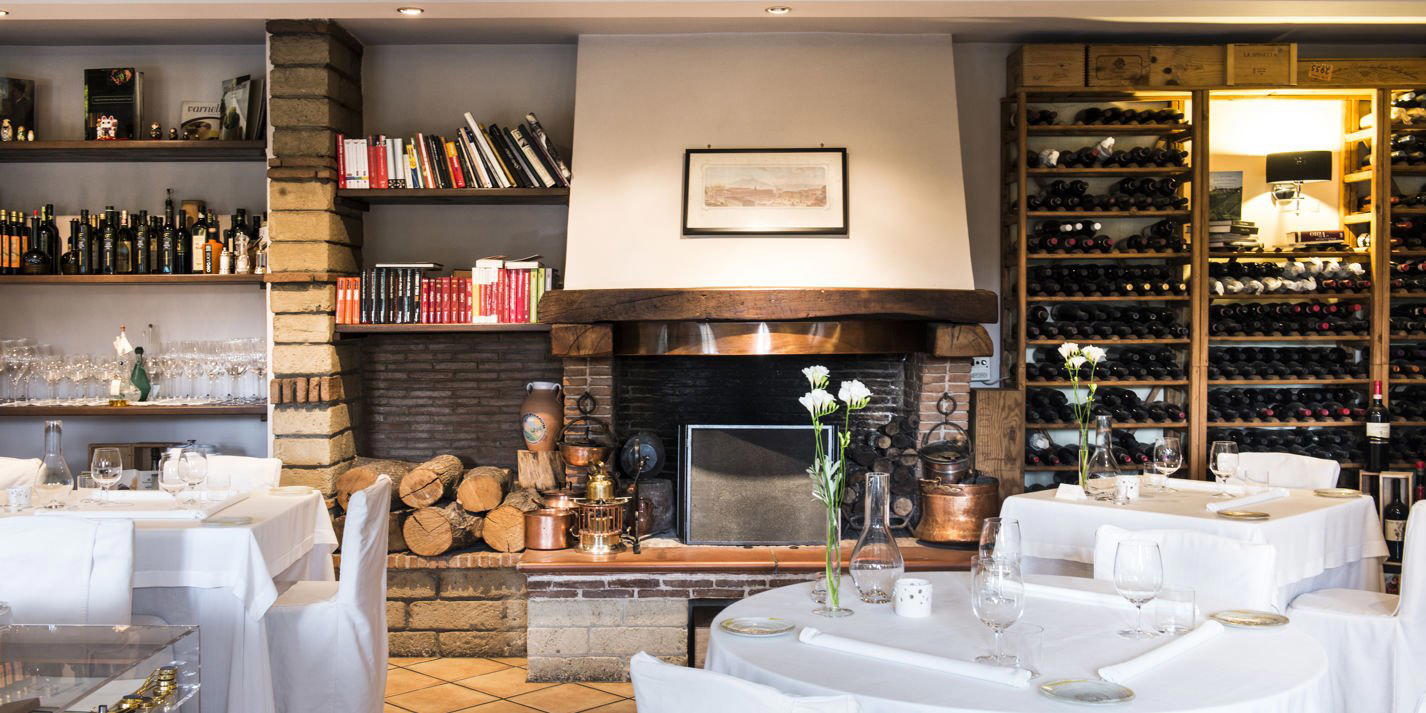
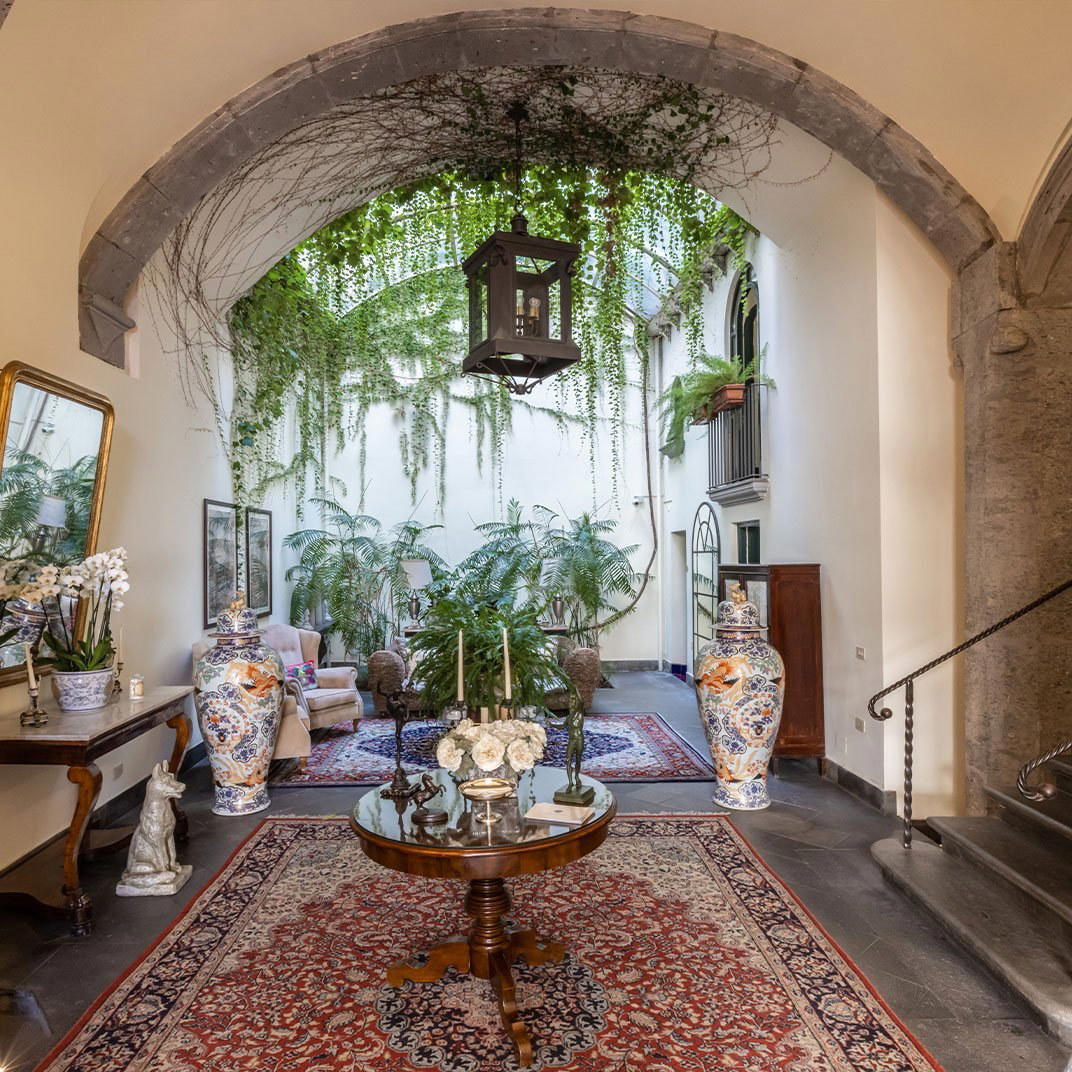
Restaurants in Naples
Browse all →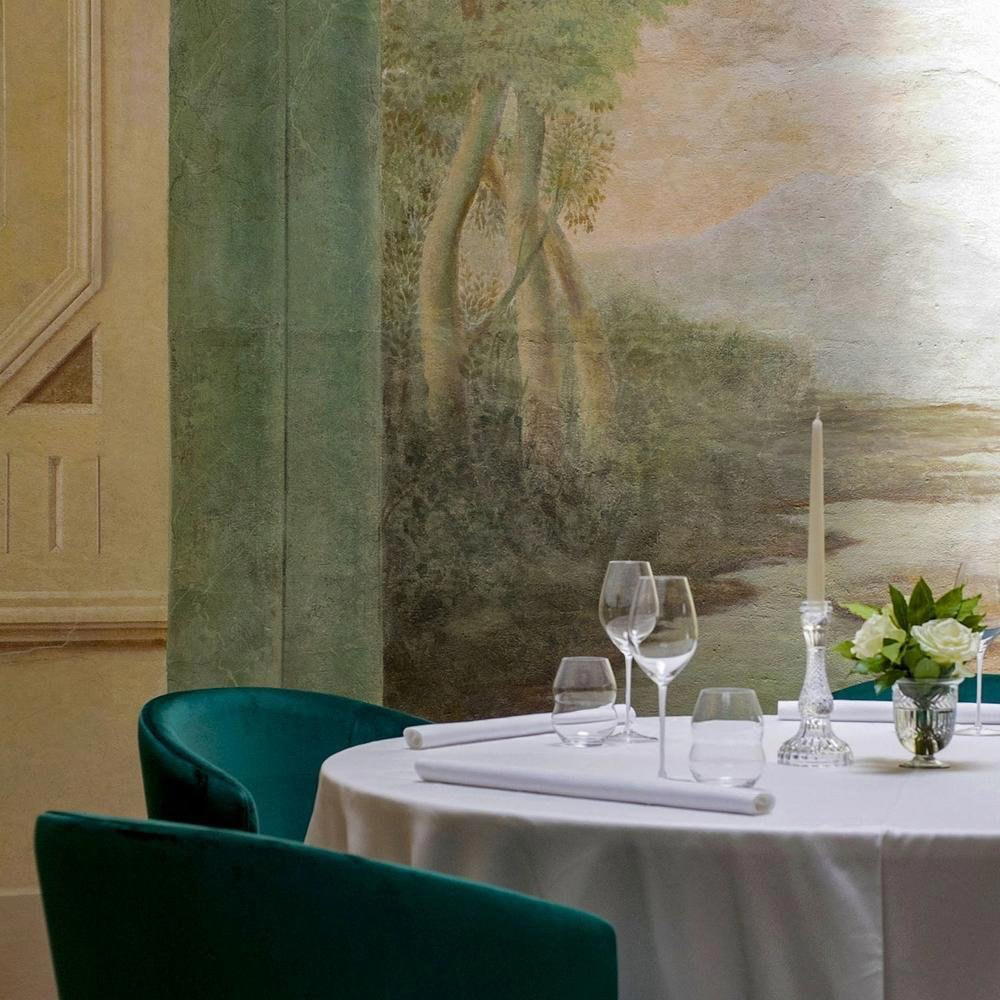
Bars in Naples
Browse all →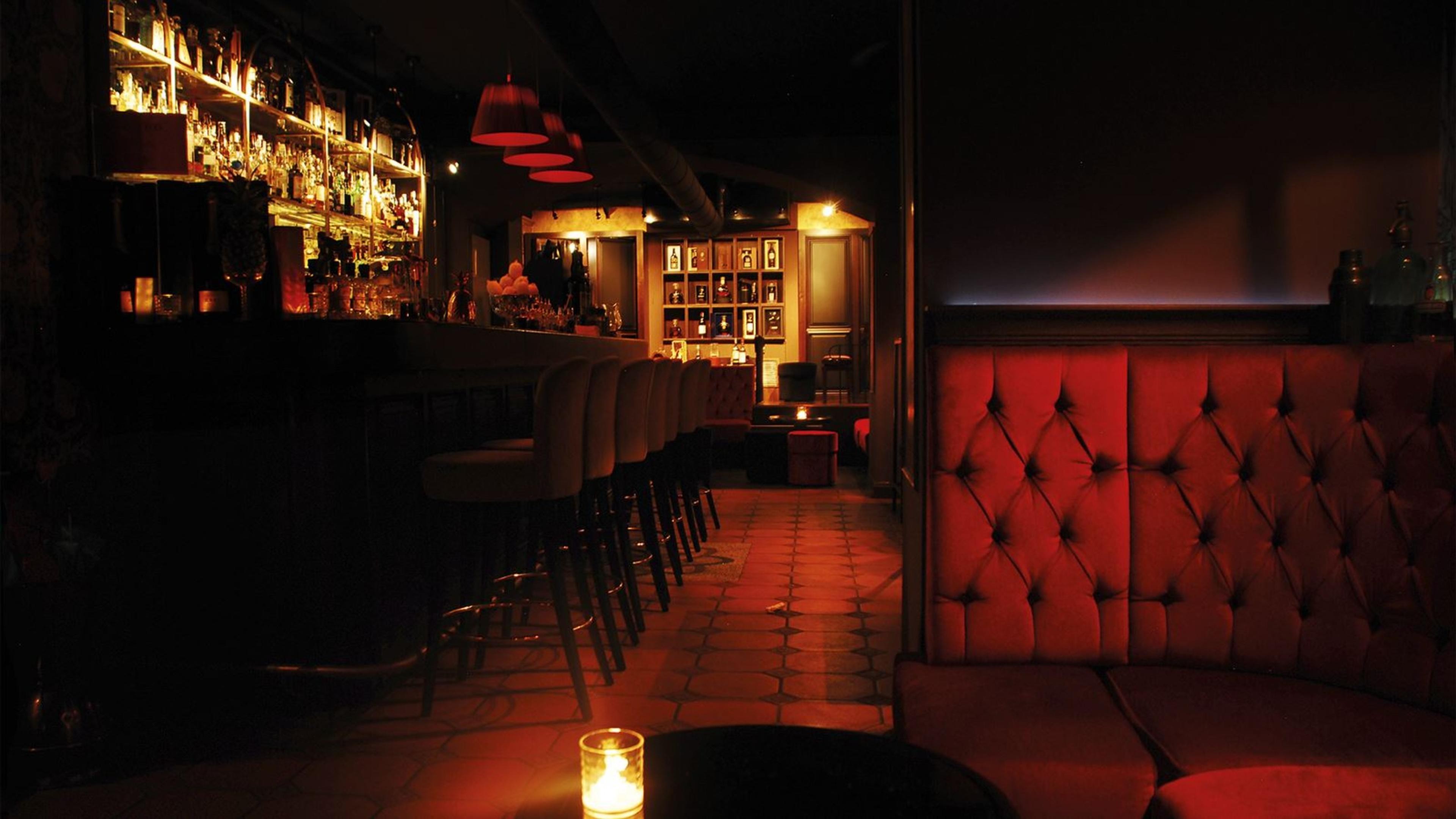
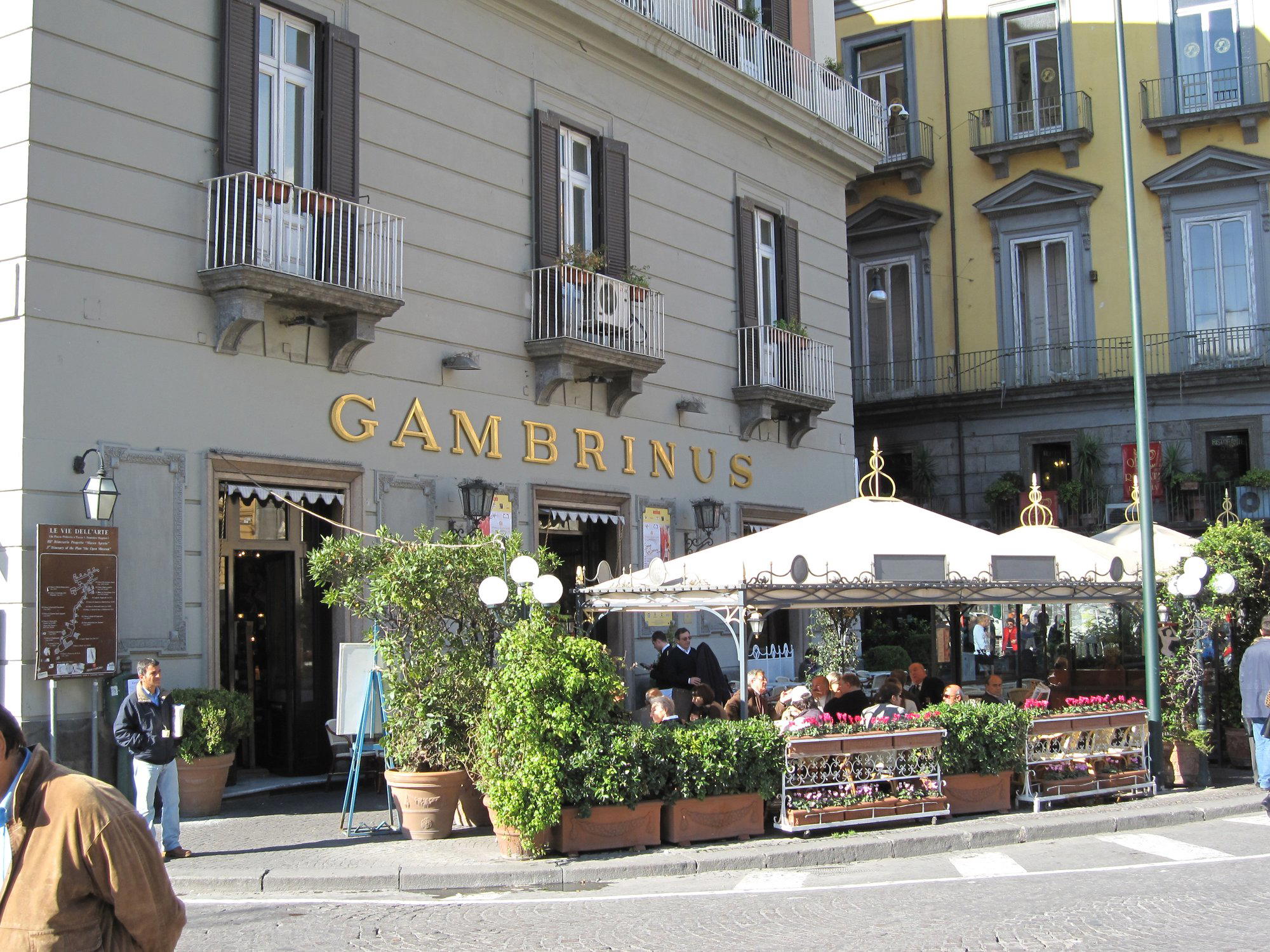
Hotels in Naples
Browse all →
At a Glance
- Classic
- Cozy
- Intimate
- Family
- Group Dining
- Casual Hangout
- Historic Building
Current opening hours
- Monday
- 7:15–11 PM
- Tuesday
- 12:30–3 PM, 7:15–11 PM
- Wednesday
- 12:30–3 PM, 7:15–11 PM
- Thursday
- 12:30–3:15 PM, 7:15–11 PM
- Friday
- 12:30–3:15 PM, 7:15–11:15 PM
- Saturday
- 12:30–3:30 PM, 7:15–11:30 PM
- Sunday
- 12:30–3:45 PM, 7:15–11 PM
Hours can change for holidays and private events. Last verified .
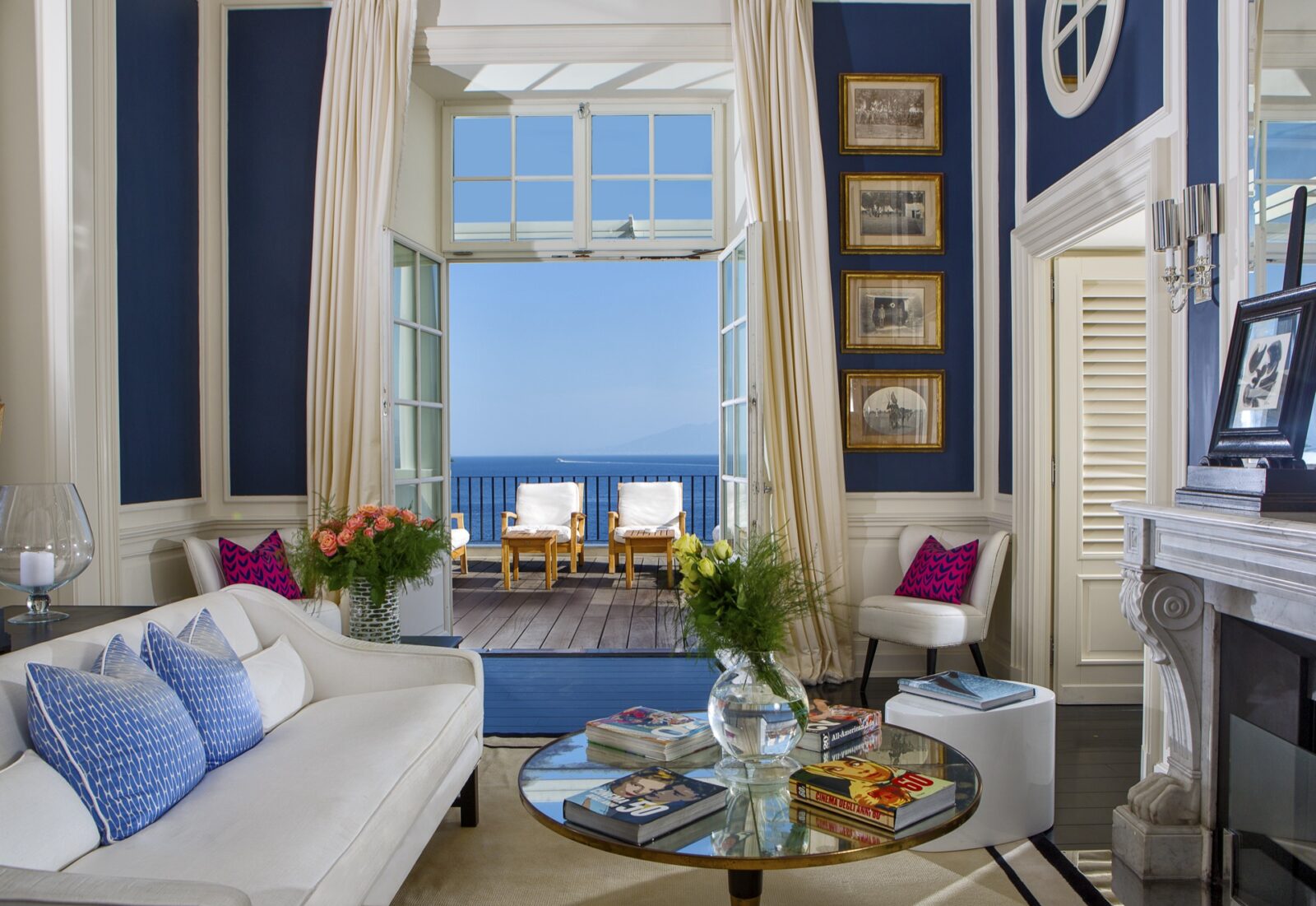
Cozy and historic with vintage photos, contemporary art, and a family-like welcoming atmosphere.