The Belle Époque interior, gilded ceilings, marble counters, frescoed walls, frames a ritual that Neapolitans have performed for generations: espresso taken standing at the bar, accompanied by a sfogliatella or pastiera. It belongs to a category of European grand café that functions as civic institution as much as drinking venue.

Pearl is the En Primeur Club membership app, where members save venues, book tables and use the concierge.
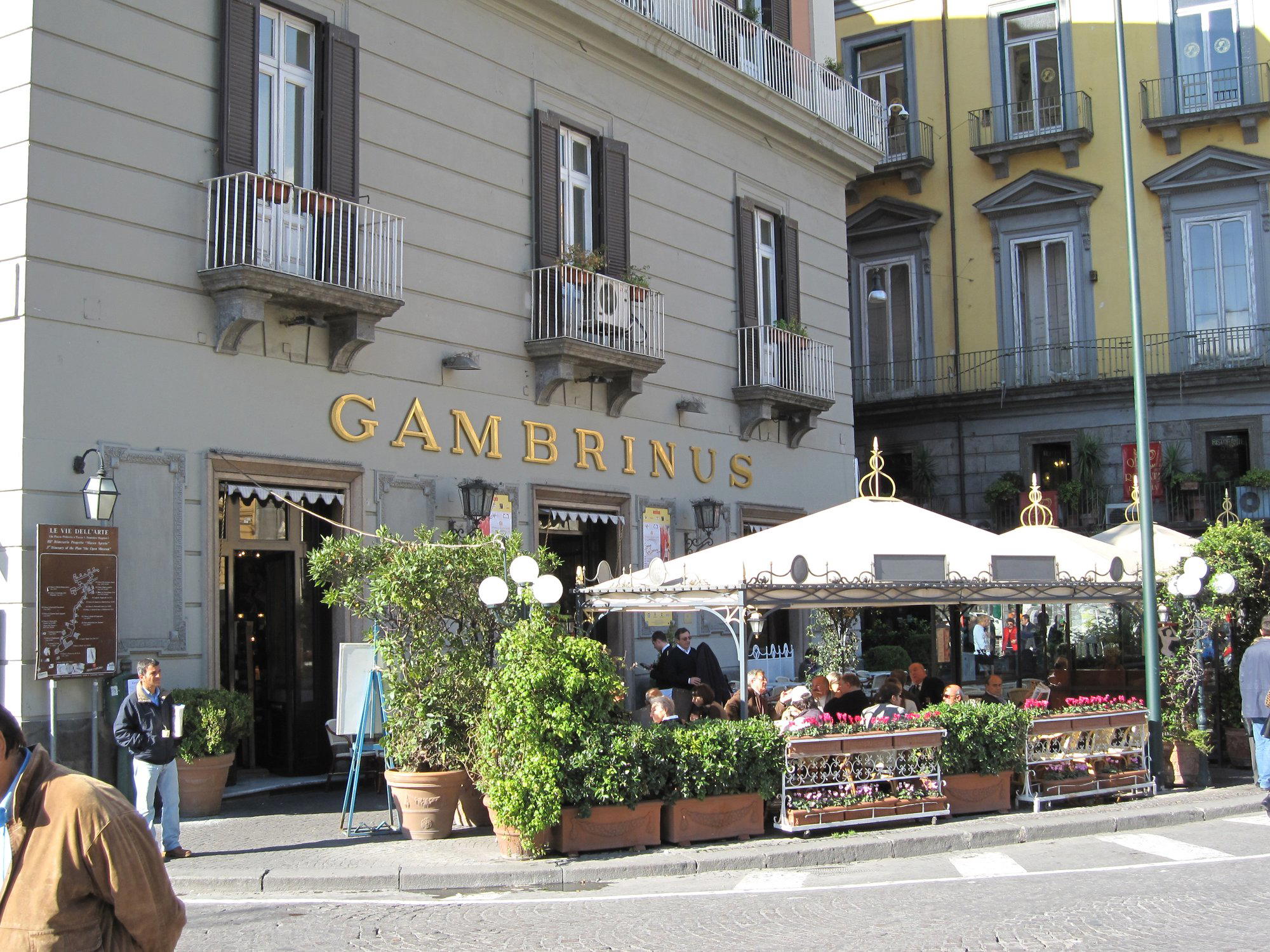
That contrast, monumental setting, brief transaction, is precisely what defines the Neapolitan café tradition. The city did not develop a culture of lingering over filter coffee the way northern Europe did. It developed something faster and more concentrated: the espresso as social punctuation, taken standing, consumed in under a minute, repeated several times a day. Gambrinus inherited that ritual and has carried it across multiple political regimes, ownership changes, and the particular pressures of running a heritage property in a city that treats its past with more warmth than maintenance budget.
The Drink in Context: Espresso as Civic Ritual
The editorial angle here matters. Gambrinus is not primarily a cocktail bar in the contemporary programme-driven sense, the frame that applies to venues like 1930 in Milan operates as a serious mixology programme, and Drink Kong in Rome represents the contemporary cocktail-forward direction. Gucci Giardino in Florence sits at the intersection of heritage setting and craft drinks. Gambrinus stakes its claim on different ground: the depth of the café tradition rather than the innovation of the cocktail programme. The neighbourhood carries a different register from the centro storico's denser, louder streets.enprimeurclub.com/bars/ba-bar-naples-bar">Ba - Bar and Jam Café e Beer address different points in Naples' bar scene. Gambrinus anchors the historic end of that range, the point from which everything else in the neighbourhood departs. Our full Naples restaurants and bars guide maps the wider scene.
Internationally, the grand historic café format appears in a handful of cities where civic culture and coffee tradition intersected at the right historical moment. Lost & Found in Nicosia, Al Covino in Venice, and Enoteca Storica Faccioli in Bologna each represent the European tradition of venues where the institution itself is part of the proposition. Bar Leather Apron in Honolulu shows how the serious bar format translates across very different cultural contexts. Gambrinus, though, operates in the category where the building, the history, and the coffee ritual form a single, indivisible offering. The venue operates as a walk-in space in the café tradition, no booking is required or expected for counter service. The interior seating and the terrace carry a separate pricing structure from counter service, as is standard in Italian café culture: the sit-down surcharge is not incidental but built into how the economics of grand cafés function. If the goal is the Neapolitan coffee ritual in its most concentrated form, the counter is the right position. Morning and mid-morning visits align most naturally with the city's rhythm, when the local clientele is at its densest and the pastry case is freshest.
At-a-Glance Comparison
| Venue | Price | Awards |
|---|---|---|
| Gran Caffè GambrinusThis venue (the venue you are viewing) | $10–20 | Not listed |
| L'Antiquario | $20–30 | World's 50 Best #28 · Top 500 Bars Best Bars #65 |
| Scotto Jonno | Not listed | Top 500 Bars Best Bars #489 |
| Jam café e beer | $10–20 | Not listed |
Continue exploring
More in Naples
Bars in Naples
All bars in Naples →
Restaurants in Naples
All restaurants in Naples →
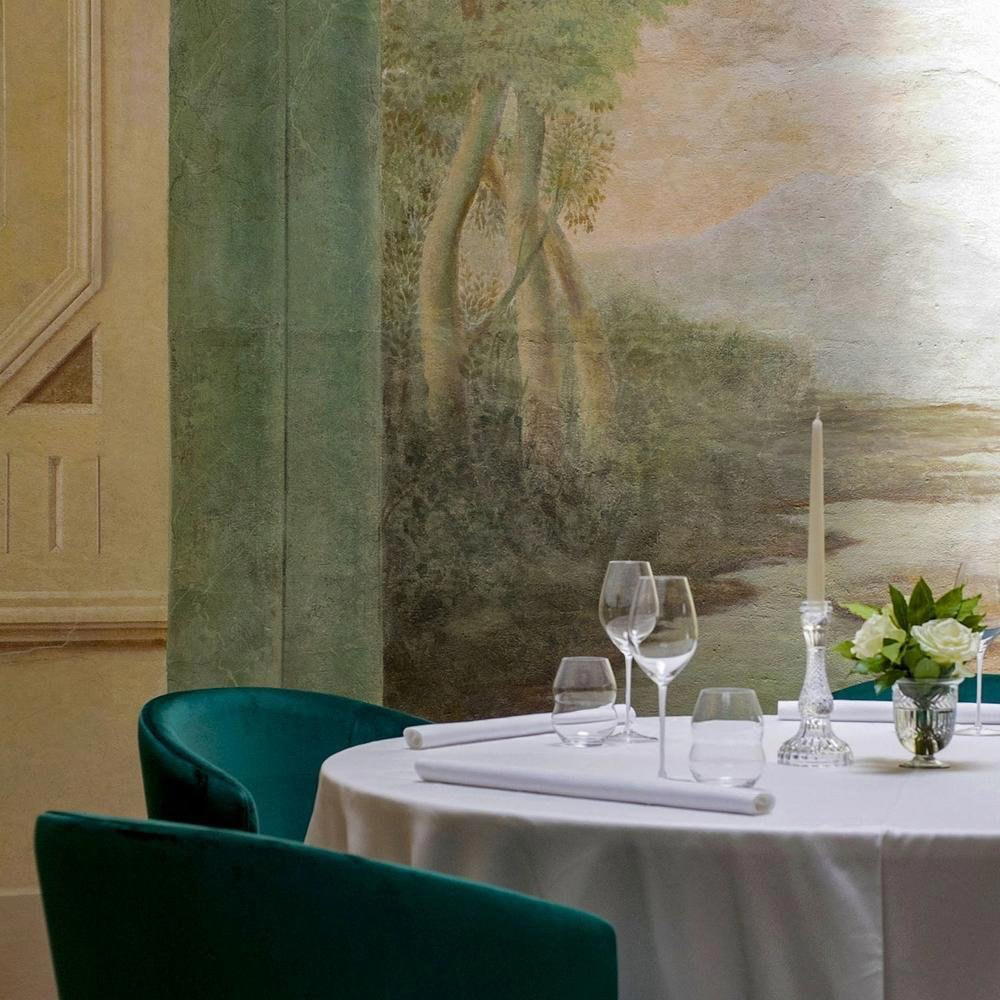
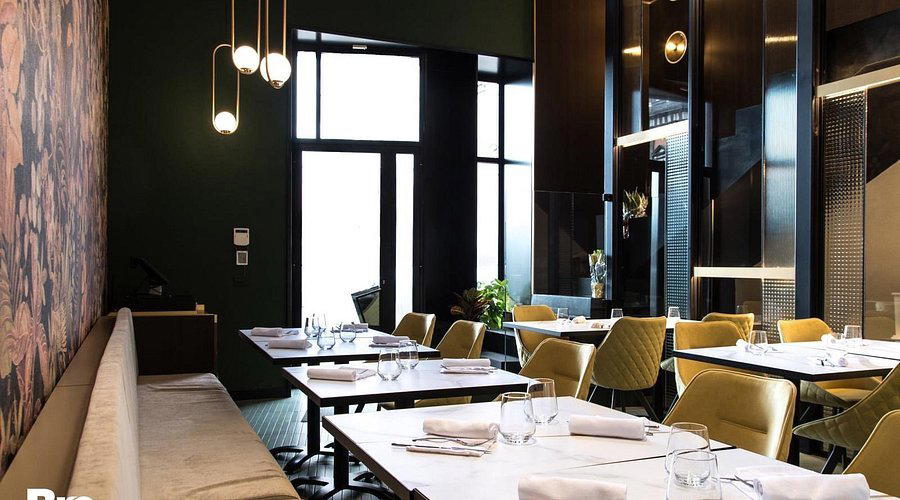
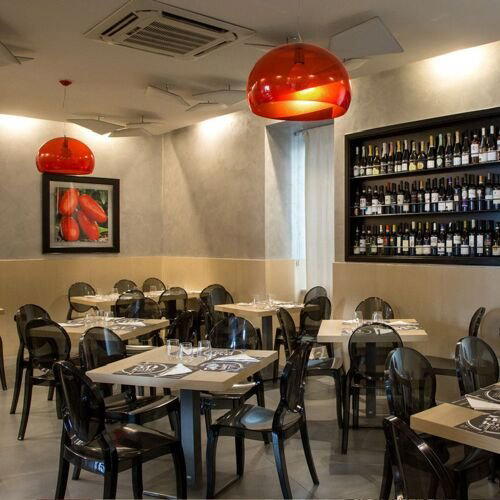
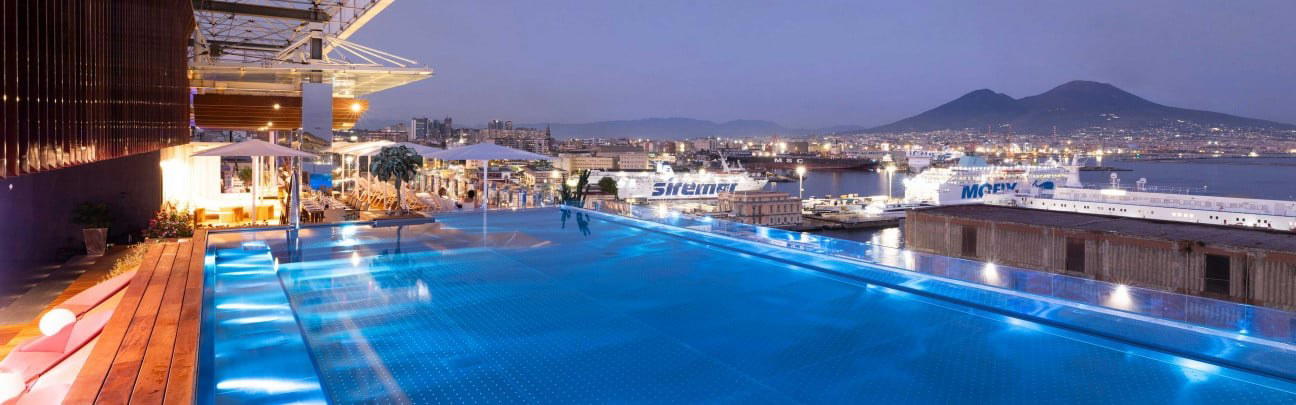
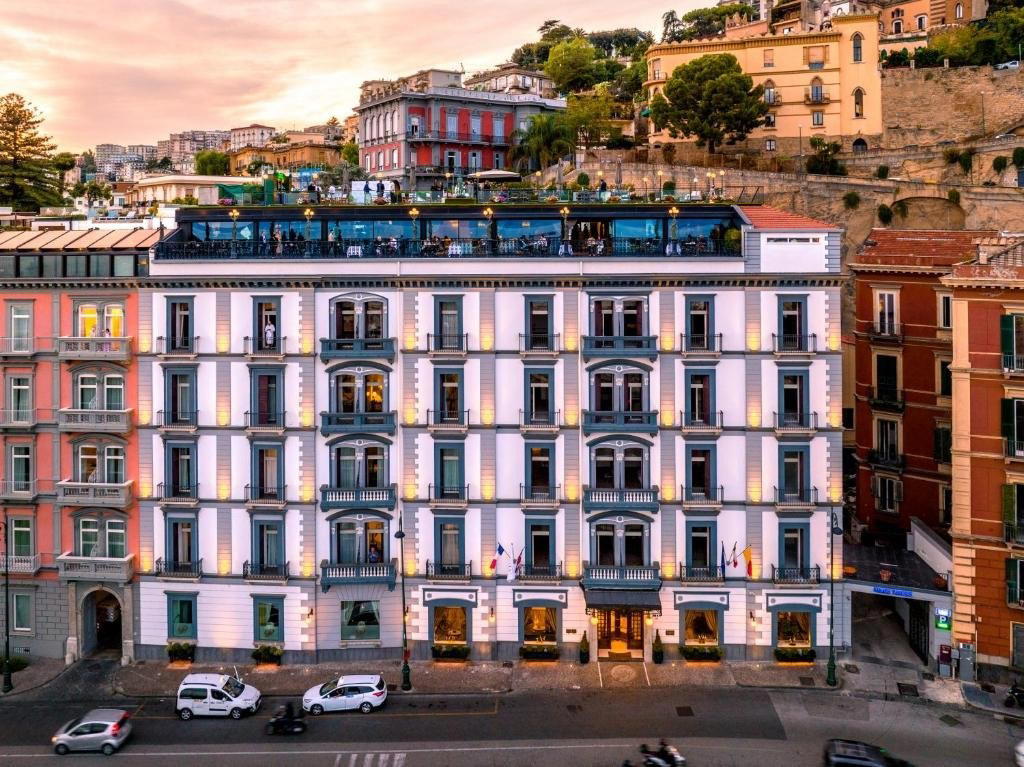
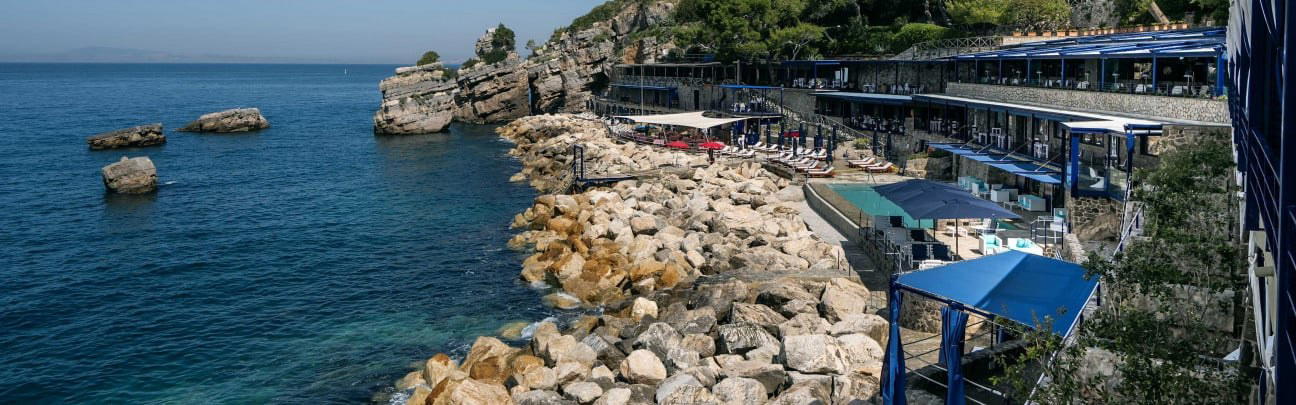
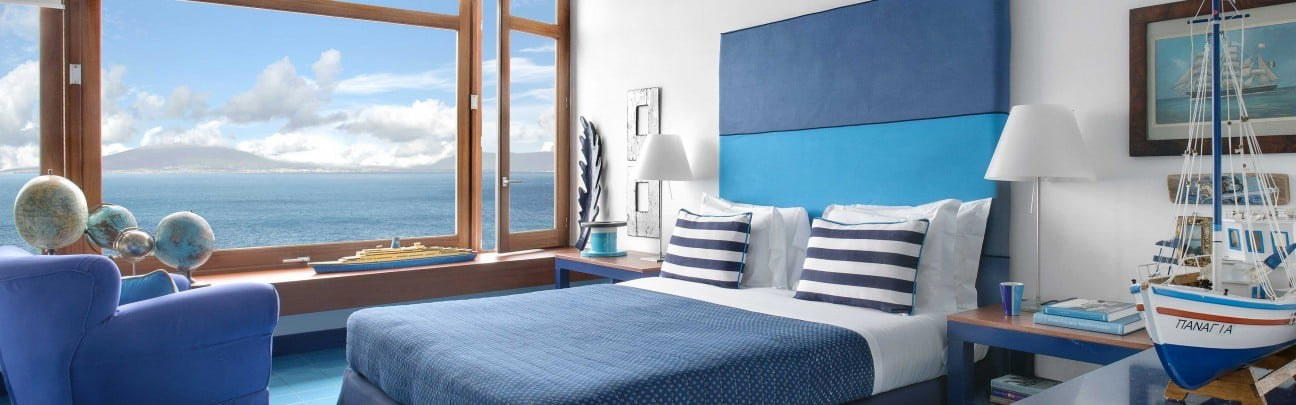
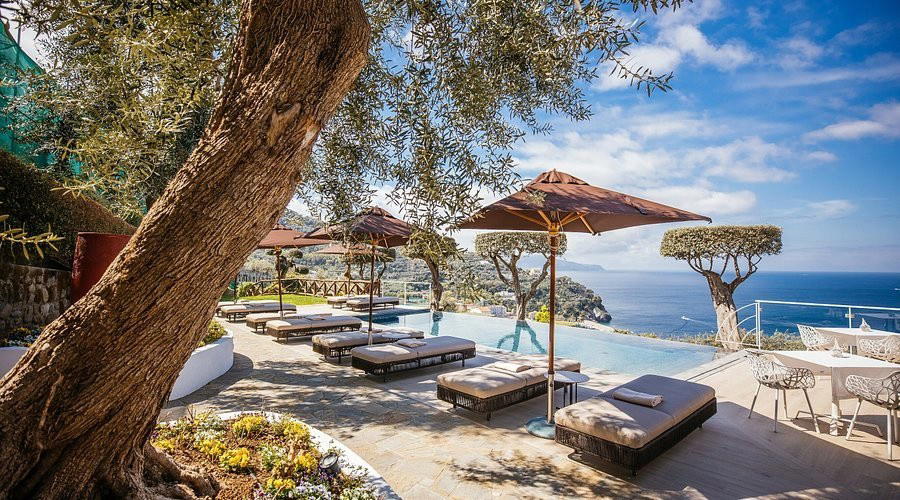

Gran Caffè Gambrinus
The drinks
- Classic cocktails
Signature drinks: Caffè Gambrinus.
Details
- Classic
- Elegant
- Well Known
- Sophisticated
- Casual Hangout
- Late Night
- Historic Building
- Seated Bar
- Outdoor Terrace
- Classic Cocktails
- Street Scene
Current opening hours
- Monday
- 8 AM–12 AM
- Tuesday
- 8 AM–12 AM
- Wednesday
- 8 AM–12 AM
- Thursday
- 8 AM–12 AM
- Friday
- 8 AM–12 AM
- Saturday
- 8 AM–1 AM
- Sunday
- 8 AM–12 AM
Hours can change for holidays and private events. Hours as of .
Elegant Liberty Style interior with marble, decorative ceilings, stucco work, paintings, and bright lighting overlooking Piazza Plebiscito.