Our verdict
Located on the fifth floor of the ANA Crowne Plaza in Toyama's Otemachi district, 日本料理 龍海 sits within a city whose access to Toyama Bay seafood gives it a genuine claim on Japan's finest raw ingredients. The restaurant occupies a recognisable tier of hotel dining that, in Toyama's case, is underwritten by one of the country's most productive fishing grounds directly offshore.

Pearl is the En Primeur Club membership app — saves, bookings, and concierge access live there. Same editors, same standards.
- Address
- Japan, 〒930-0084 Toyama, Otemachi, 2−3 Ana Crowne Plaza, 5F
- Phone
- +81764951114
- Hours
- Mon–Sat 11:30 AM–2:30 PM, 5–9 PMSun 11:30 AM–2:30 PM, 5–8 PM
- Website
- anacrowneplaza-toyama.jp
- Directions
- Get directions
Where the Seafood Comes From First
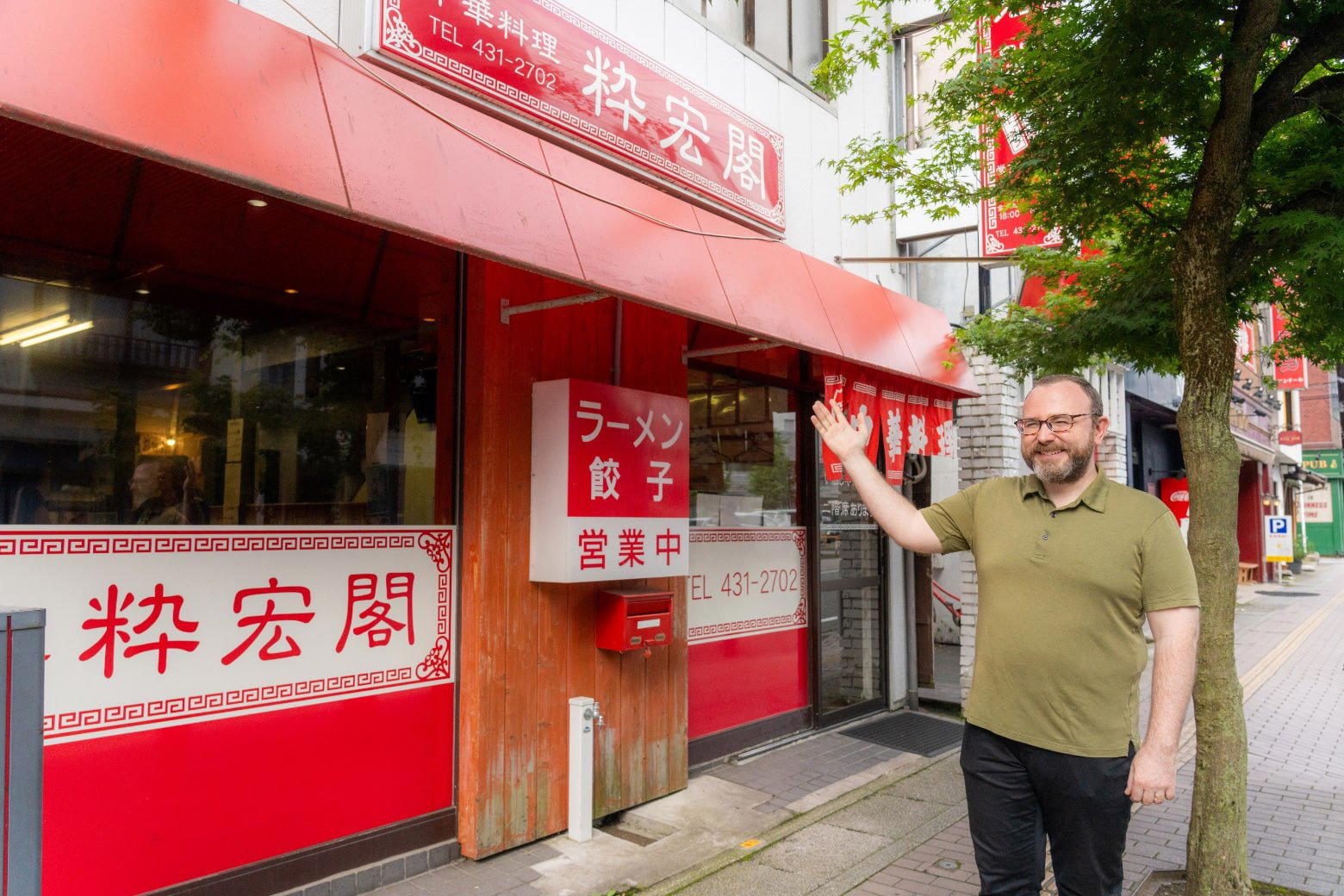
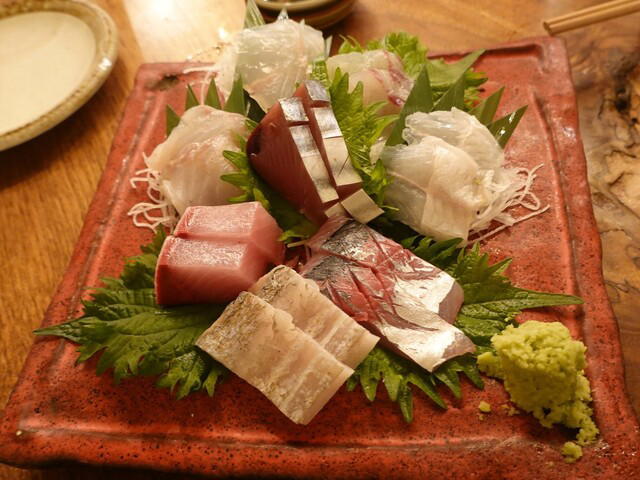
Toyama Bay is one of the more consequential bodies of water in Japanese cuisine. The bay drops to over a thousand metres within a short distance of shore, creating a thermal layering that concentrates cold-water species — white shrimp (shiroエビ), firefly squid (hotaruika), and yellowtail (buri) among them — in densities that have long made this stretch of the Sea of Japan a reference point for chefs sourcing premium seafood. That geographic fact shapes what serious Japanese dining in Toyama can do that comparable restaurants in landlocked prefectures simply cannot replicate with the same directness.
日本料理 龍海, positioned on the fifth floor of the ANA Crowne Plaza Toyama in the Otemachi district, sits inside this supply chain rather than adjacent to it. Hotel-based Japanese restaurants in Japan operate across a wide spectrum: some function primarily as convenient amenities for business guests, while others, particularly in cities with strong regional produce identities, draw on location to anchor serious kitchens. Toyama's seafood credentials place the latter ambition within reach, and the question a kitchen at this address has to answer is how deliberately it pursues that proximity.
Toyama's Ingredient Map
Understanding what 日本料理 龍海 offers requires understanding what Toyama's coastline produces by season. The bay's firefly squid season runs from spring through early summer, a period when the translucent, bioluminescent creatures are harvested in quantities large enough to support everything from casual izakaya plates to formal kaiseki presentations. Yellowtail, locally significant enough to have its own naming convention by size and age, peaks through winter. White shrimp, sometimes called the jewels of Toyama Bay, are available in distinct seasons and appear across price tiers from street-level to formal dining rooms.
Restaurants in Toyama that handle these ingredients well differ from those that simply stock them. The difference shows in sourcing discipline: which fish market the kitchen uses, how frequently deliveries arrive, whether the menu adjusts daily to reflect what the boats brought in. For visitors trying to calibrate expectations before arriving, it is worth noting that Toyama's hotel dining scene includes properties at varying levels of seriousness, Daimon, [Ebi-tei Bekkan](), Ebitei Bekkan, and Boteyan each represent distinct approaches to the city's dining fabric. See our full Toyama restaurants guide for a broader map of the city's options.
The Fifth-Floor Position
Hotel restaurants operating above street level carry specific advantages and disadvantages in Japan. The advantage is a controlled environment, consistent service infrastructure, professional kitchen facilities, and a guest base that, in ANA Crowne Plaza properties, skews toward business and leisure travellers with defined expectations around format and presentation. The disadvantage is that the same controlled environment can blunt the spontaneity that distinguishes the leading regional Japanese kitchens, where menus shift sharply with the catch and seasons drive decisions rather than hotel F&B calendars.
The ANA Crowne Plaza Toyama's Otemachi address places 日本料理 龍海 within walking distance of Toyama's central transport hub, which matters for visitors arriving by the Hokuriku Shinkansen. The line, which connected Toyama directly to Tokyo and Kanazawa when it opened in 2015, changed the city's visitor profile considerably, day-trippers and overnight guests from the capital now arrive in roughly two hours, and the local dining scene has adjusted upward in parts to meet that demand.
How This Kitchen Sits Within Japanese Restaurant Tiers
Formal Japanese cuisine in hotel settings across the country occupies a recognisable tier: menus tend toward set formats, service follows established ryotei protocols, and the kitchen's identity is tied more to ingredient sourcing and seasonal discipline than to individual chef celebrity. This is distinct from the omakase counter model in Tokyo or Osaka, where the chef's personal lineage and counter theatre are primary draws. Comparing the two formats directly is less useful than understanding that both serve different reader needs.
For travellers who have experienced high-end seafood-driven kaiseki in other major cities, Gion Sasaki in Kyoto, HAJIME in Osaka, or Harutaka in Tokyo, 日本料理 龍海 sits in a different frame. It is not competing in that top-tier national conversation. Its claim is regional: access to Toyama Bay produce handled within a formal Japanese dining structure. That is a narrower, more specific proposition, and in a city with genuine ingredient advantages, it is a defensible one. Elsewhere in Japan's regional dining circuit, restaurants like akordu in Nara, Goh in Fukuoka, and Abon in Ashiya demonstrate how tightly a kitchen can anchor itself to local produce when the geography supports it. The pattern holds in northern Japan too, affetto akita in Akita and Ajidocoro in Yubari District draw from distinct regional supply chains in comparable ways. Further afield, Aji Arai in Oita and Akakichi in Imabari similarly illustrate how Japan's coastal prefectures build serious kitchens on geographic specificity rather than metropolitan prestige.
Internationally, the principle that proximity to primary-source seafood defines a restaurant's ceiling rather than its floor is well established. Le Bernardin in New York City built a decades-long reputation on the argument that technique applied to serious sourcing is the basis of a fish kitchen, full stop. Lazy Bear in San Francisco approaches the same question from a different angle, using hyper-local Northern California produce as the editorial spine of its menu. In both cases, the supply chain is not incidental, it is structural. Toyama's geography gives 日本料理 龍海 the same structural foundation; how fully that advantage is used is what separates a good regional kitchen from a merely convenient one.
Planning Your Visit
The restaurant is located on the fifth floor of the ANA Crowne Plaza Toyama at 2-3 Otemachi, Toyama 930-0084. The hotel sits close to Toyama Station, the Hokuriku Shinkansen terminus, making access from Kanazawa or Tokyo direct. As no booking contact, hours, or pricing details are currently available in verified form, contacting the ANA Crowne Plaza Toyama front desk directly is the reliable path to reservations. For those planning around ingredient seasons, late winter for buri and spring through early summer for hotaruika represent the periods when Toyama Bay's most-discussed species are at peak availability. Hagiwara is another Toyama option worth considering when planning a full day in the city.
Frequently asked questions
Where is 日本料理 雲海 in Toyama?
日本料理 雲海 is located at Japan, 〒930-0084 Toyama, Otemachi, 2−3 Ana Crowne Plaza, 5F, Toyama.
What's the best thing to order at 日本料理 龍海?
The kitchen's menu is anchored in what Toyama Bay produces by season, so the most pointed choice is whatever the bay is delivering at the time of your visit. Firefly squid, available in spring, is the region's most documented specialty and a reference point for any serious meal here. Set formats typical of formal hotel Japanese restaurants mean the kitchen largely makes this decision for you, which is appropriate given the ingredient provenance.
Can I walk in to 日本料理 雲海?
Reservations are recommended for 日本料理 雲海 in Toyama. Confirm current policy via the venue's official channels.
What's the defining dish or idea at 日本料理 雲海?
日本料理 雲海 is best approached by focusing on the core concept and signature offerings.
What if I have allergies at 日本料理 雲海?
Dietary accommodations can vary. Flag restrictions in advance via the venue's official channels.
Comparable Venues
Comparable venues nearby, for context on price, style, and recognition.
| Venue | Cuisine | Price | Awards | Notes |
|---|---|---|---|---|
| 日本料理 雲海This venue — the venue you are viewing | Japanese Seafood | Not listed | Not listed | Not listed |
| Gin Sakana no Hanare Gin Chirori | Japanese Izakaya | $30–50 | Tabelog 100 #24 | Shintomicho |
| Ishitani Mochiya Toyama chuo dori honten | Japanese Traditional Sweets Cafe | $1–10 | Tabelog 100 #49 | Chuo-dori |
| Ito Sho Honten | Traditional Japanese Udon | $1–10 | Tabelog 100 #66 | Taromaru Honmachi |
| 美乃鮨 | Toyama Omakase Sushi | $50–100 | Not listed | central Toyama |
| Ogiichi Masuzushi Honpo | Traditional Toyama Masuzushi Specialty Shop | $20–30 | Tabelog 100 #66 | Koizumicho |
Continue exploring
More in Toyama
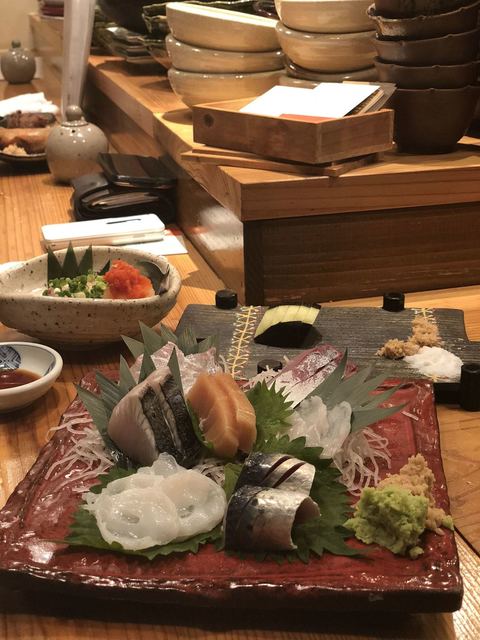
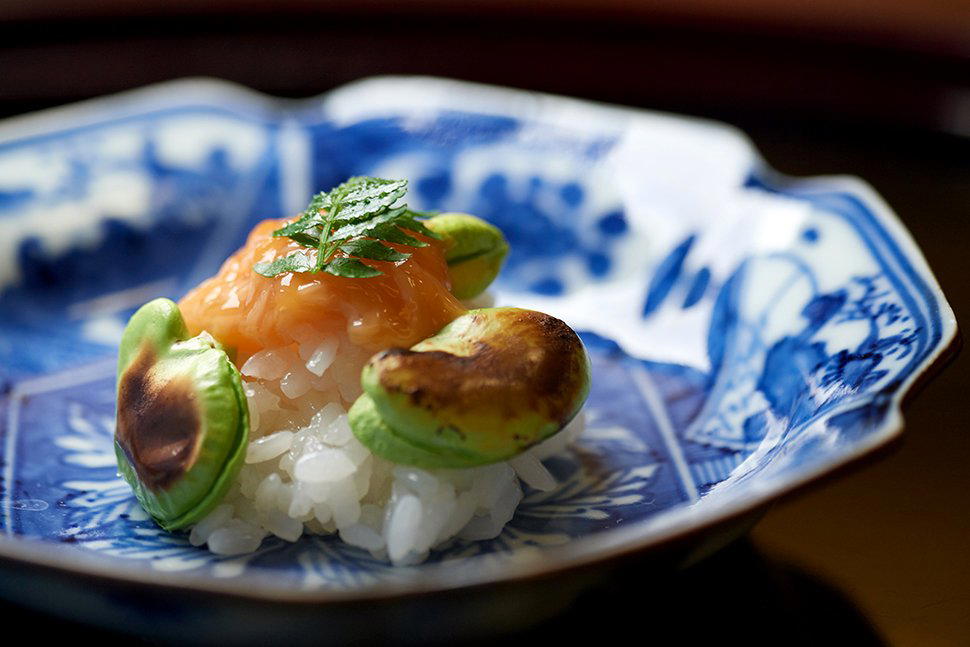
Restaurants in Toyama
Browse all →
Hotels in Toyama
Browse all →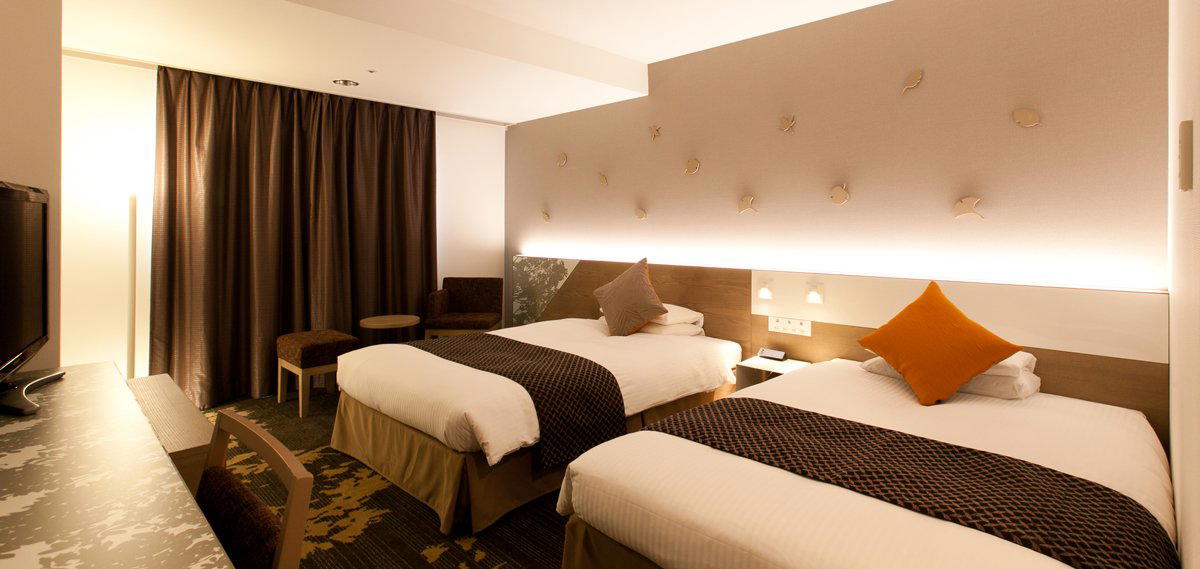
Wineries in Toyama
Browse all →
Details
Current opening hours
- Monday
- 11:30 AM–2:30 PM, 5–9 PM
- Tuesday
- 11:30 AM–2:30 PM, 5–9 PM
- Wednesday
- 11:30 AM–2:30 PM, 5–9 PM
- Thursday
- 11:30 AM–2:30 PM, 5–9 PM
- Friday
- 11:30 AM–2:30 PM, 5–9 PM
- Saturday
- 11:30 AM–2:30 PM, 5–9 PM
- Sunday
- 11:30 AM–2:30 PM, 5–8 PM
Hours can change for holidays and private events. Last verified .