Borgo Hannam


Michelin Plate · Gambero Rosso 2 Forchette
Our verdict
Borgo Hannam brings Italian kitchen discipline to Hannam-dong's increasingly confident dining corridor, holding a Michelin Plate in both 2024 and 2025. For Seoul diners who want Italian in a neighbourhood context, it sits in a mid-to-upper price tier that rewards return visits.

Pearl is the En Primeur Club membership app, where members save venues, book tables and use the concierge.
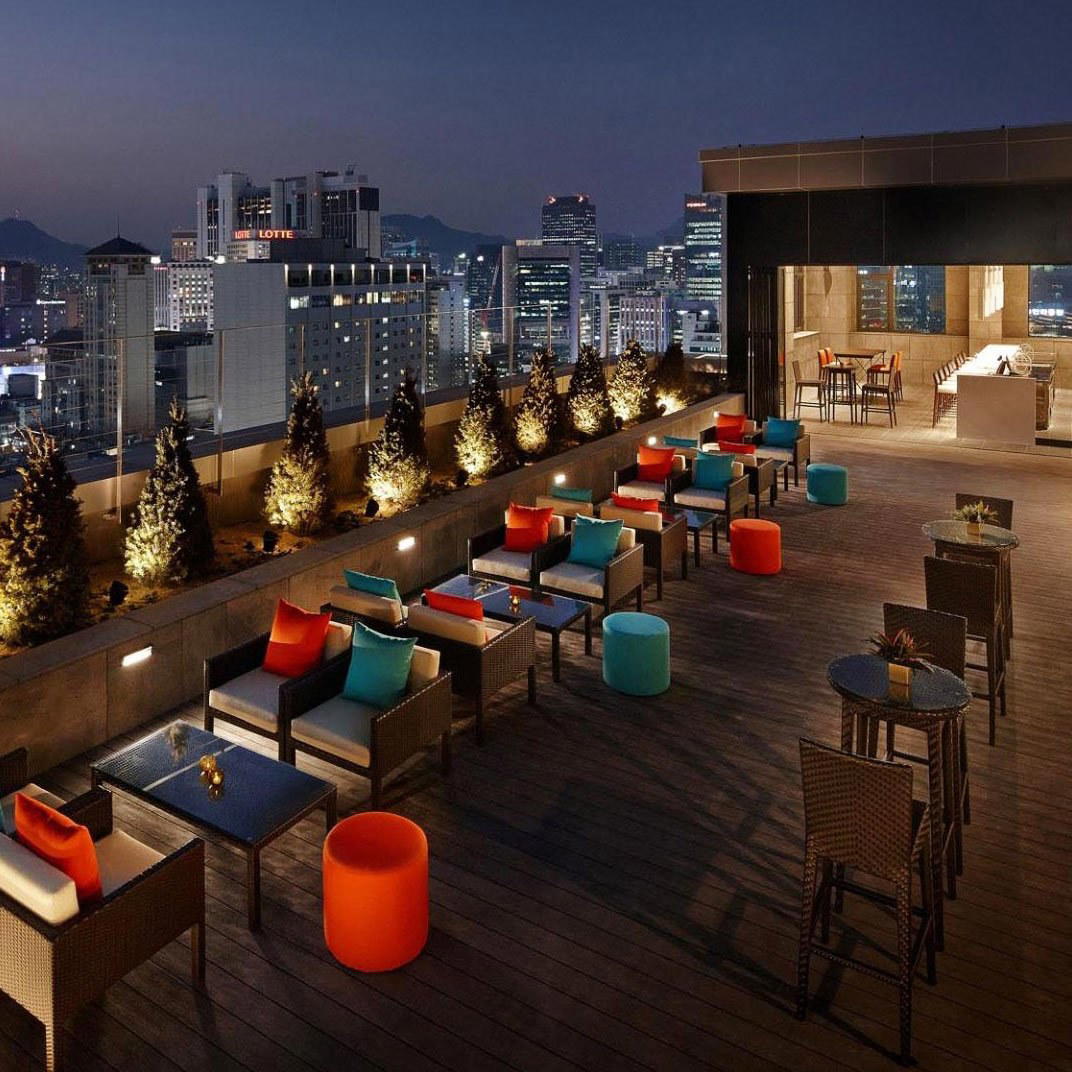
The menu
What to order
- Caldaro soup
- Tonnato
- Trifola
- Spaghettini with mini shrimps and broccoli
- Tomahawk Milanese steak
Italian in Hannam-dong: A Neighbourhood in Its Own Right
Hannam-dong has spent the better part of a decade becoming one of Seoul's more considered dining neighbourhoods. Unlike the Michelin-dense corridors of Gangnam or the tourist-facing concentration around Insadong, Hannam operates at a more lateral pace: independent operators, international references, and a local clientele that skews cosmopolitan without being expat-dependent. It is into this context that Borgo Hannam sits on the third floor of a building on Usadan-ro, a climb that filters out the casual foot traffic and frames the arrival as a deliberate one.
The broader picture for Italian dining in Seoul is worth holding in mind. The city now supports a range of Italian registers, from quick pasta counters like Egg & Flour and Doughroom at the approachable end, through to more considered trattorias and osterie, including Osteria Orzo and Il Vecchio. Borgo Hannam lands in the mid-to-upper band of this field, priced at ₩₩₩ and holding a Michelin Plate recognition in both 2024 and 2025. That Plate designation signals consistency and kitchen competence without the full theatrical commitment of a starred operation, a useful position for a neighbourhood room that wants to feel accessible without dropping its standards.
The Architecture of an Italian Meal, Seoul Edition
Italian dining, at its more serious end, is a progression in which each course recalibrates the diner's attention rather than simply adding volume. Antipasti establish freshness and acidity; a primo, typically pasta or risotto, demands the kitchen's technical credibility; the secondo is where protein and restraint interact; and the final dolce either earns its place or reveals itself as an afterthought. In Seoul, where Korean meals are structured around simultaneity rather than sequence, committing to this linear logic is itself a statement.
What a Michelin Plate in consecutive years implies is that the kitchen at Borgo Hannam maintains this sequence with enough reliability to satisfy inspectors across multiple visits. The inspector model rewards consistency above novelty, a kitchen that executes well on a Tuesday in November is more relevant to the Plate than one extraordinary Saturday service.
Across the wider Seoul Italian scene, the comparable reference points exist in other Asian cities where the Italian format has taken hold. 8 1/2 Otto e Mezzo Bombana in Hong Kong and cenci in Kyoto both illustrate how the Italian multi-course structure adapts to East Asian markets, absorbing local ingredient logics and diner expectations while preserving the fundamental sequencing. Borgo Hannam operates at a more neighbourhood scale than either, but the underlying discipline is the same conversation.
Where Hannam-dong Sits in the Seoul Dining Order
Seoul's Michelin ecosystem is weighted toward its fine-dining Korean rooms. The 2025 guide's starred Korean operations, including entries like Gaon and Kwon Sook Soo in Gangnam-gu, operate with the full apparatus of multi-course tasting formats, artisan sourcing theatrics, and pricing that reflects all of it. Borgo Hannam sits in a different register entirely: international cuisine, mid-tier pricing, neighbourhood location. That is not a lesser category; it is a different one with its own metrics for success.
In Hannam itself, the restaurant joins a broader pattern of mid-to-upper international rooms that have established the neighbourhood as Seoul's most reliable corridor for non-Korean fine-casual dining. The foot-traffic logic is different here than in Itaewon to the west or Apgujeong to the south, more residential draw, more repeat-visit behaviour, fewer walk-ins. A third-floor address reinforces that pattern. You go because you know where you are going.
For reference points further afield, Mori in Busan and Baegyangsa Temple in Jangseong-gun illustrate how Korean dining culture supports careful, focused meals outside the capital's competitive radius, the appetite for considered, course-structured dining is a national pattern, not a Seoul-exclusive one. Italian multi-course logic maps onto that appetite more naturally than it might in cities where casual dining is the dominant register.
Within the Seoul Italian field, Rialto represents another data point for how the format performs in a Korean market context. The comparison between rooms like these is instructive: where some Italian operations in Seoul lean into fusion accommodation, others hold to a more classical structure. The consecutive Michelin Plate at Borgo Hannam positions it toward the classically-oriented end of that spectrum, suggesting the kitchen is not making significant concessions to local palate expectations at the cost of Italian technique.
That positioning also places it in an interesting relationship with the Korean tasting-menu operators nearby. Rooms like Osteria Orzo work within the same price tier from a different culinary direction. The Hannam diner in 2025 has genuine choice within a ten-minute radius, which is a relatively recent development and reflects how quickly this neighbourhood has built its dining density.
For those cross-referencing the Italian category against international benchmarks, Frasca Food & Wine in Boulder offers another case study in how Italian regional cooking holds its integrity in a non-Italian market, a comparison that applies equally well here.
Planning a Visit
Borgo Hannam is located on the third floor at 684-62 Hannam-dong, Yongsan District, reachable from Hannam Station or Itaewon Station on Line 6. The ₩₩₩ price tier places it at a level where a full evening meal, with wine, represents a considered spend rather than a casual outing, and the Michelin Plate credentials make it the kind of reservation worth confirming in advance rather than attempting as a walk-in. Booking details are best confirmed directly with the venue, as hours and reservation availability are subject to change. For planning around the neighbourhood, our full Seoul restaurants guide covers the broader field across cuisines and price tiers. If you are building a longer Seoul itinerary, our Seoul hotels guide, bars guide, wineries guide, and experiences guide map the wider infrastructure. For Korean fine dining nearby, The Flying Hog in Seogwipo represents a different regional Korean register worth cross-referencing if your trip extends south.
Frequently asked questions
Is Borgo Hannam okay with children?
Borgo Hannam holds a Michelin Plate for 2024 and 2025, which signals a kitchen focused on structured Italian course dining rather than casual family formats. Nothing in the available record explicitly prohibits children, but the third-floor setting in Hannam-dong and the price range (₩₩₩) suggest an adult-oriented atmosphere. Families with older children who are comfortable at a sit-down dinner table should be fine; those with very young children may want to consider the format first.
What's the vibe at Borgo Hannam?
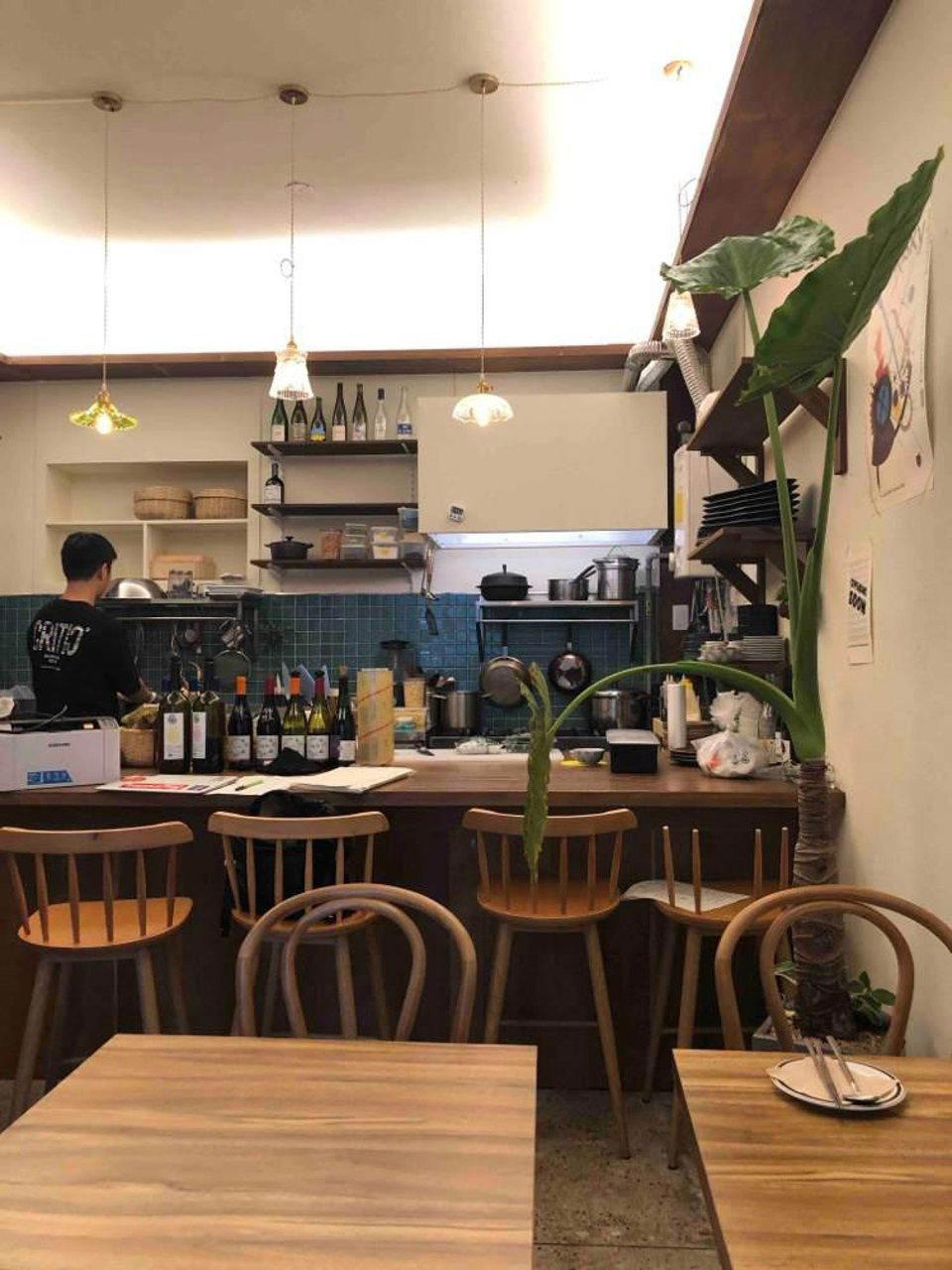
Borgo Hannam occupies the third floor of a building in Hannam-dong, one of Seoul's more composed dining neighbourhoods, and sits at the ₩₩₩ price tier alongside other considered mid-to-upper venues in the area. Two consecutive Michelin Plate recognitions (2024 and 2025) place it in the serious-but-not-ceremonial register of Seoul's Italian dining scene. Expect a room calibrated for conversation over spectacle, in keeping with how Italian cooking at this level tends to frame itself.
What awards or recognition does Borgo Hannam have?
Borgo Hannam has received recognition including: Michelin Plate (2025); Michelin Plate (2024).
What do regulars order at Borgo Hannam?
Given the cuisine type (Italian) and the Michelin Plate recognition across two consecutive years, the kitchen is almost certainly running a structured progression of courses rather than à la carte plates. Asking the floor staff what is leading the menu on the day of your visit is the practical approach here.
What price level is Borgo Hannam?
Pricing at Borgo Hannam is listed as ₩₩₩.
Where exactly is Borgo Hannam?
Borgo Hannam is located at 3rd Floor, 684-62 한남동 Yongsan District, Seoul, South Korea, Seoul.
Cuisine and Awards Snapshot
| Venue | Cuisine | Price | Awards | Notes |
|---|---|---|---|---|
| Borgo HannamThis venue (the venue you are viewing) | Authentic Italian with Modern Twists | $50–100 | Michelin Plate · Gambero Rosso 2 Forchette | Not listed |
| 7th Door | Modern Korean Fermentation Fine Dining | $100–150 | 1 Michelin Star · World's 50 Best #49 | Korean, Contemporary |
| Solbam | Contemporary Neo-Classical Korean | $200–300 | 1 Michelin Star · World's 50 Best #55 | Contemporary |
| Onjium | Modern Korean Royal Court Cuisine | Not listed | 1 Michelin Star · World's 50 Best #14 | Korean |
| L'Amitié | Classic French Fine Dining | $100–150 | 1 Michelin Star · La Liste Top Restaurants | French |
| Zero Complex | Modern French Neo-Bistro | $100–150 | 1 Michelin Star · La Liste Top Restaurants | Korean-French, Innovative |
Recognition history
Dated appearances from independent guides and award organizations, with the underlying list record or original source where available.
Michelin Plate
Michelin
Gambero Rosso 2 Forchette
Gambero Rosso
Full recognition history (4 entries)
Michelin Plate
Michelin
Michelin Plate
Michelin
Continue exploring
More in Seoul
Restaurants in Seoul
All restaurants in Seoul →
Bars in Seoul
All bars in Seoul →
Details
- Cozy
- Elegant
- Intimate
- Sophisticated
- Date Night
- Special Occasion
- Open Kitchen
- Craft Cocktails
- A La Carte
- Small Plates
- Vegetarian Friendly
Current opening hours
- Monday
- Closed
- Tuesday
- 5–10 PM
- Wednesday
- 5–10 PM
- Thursday
- 5–10 PM
- Friday
- 5–10 PM
- Saturday
- 5–10 PM
- Sunday
- 5–10 PM
Hours can change for holidays and private events. Hours as of .
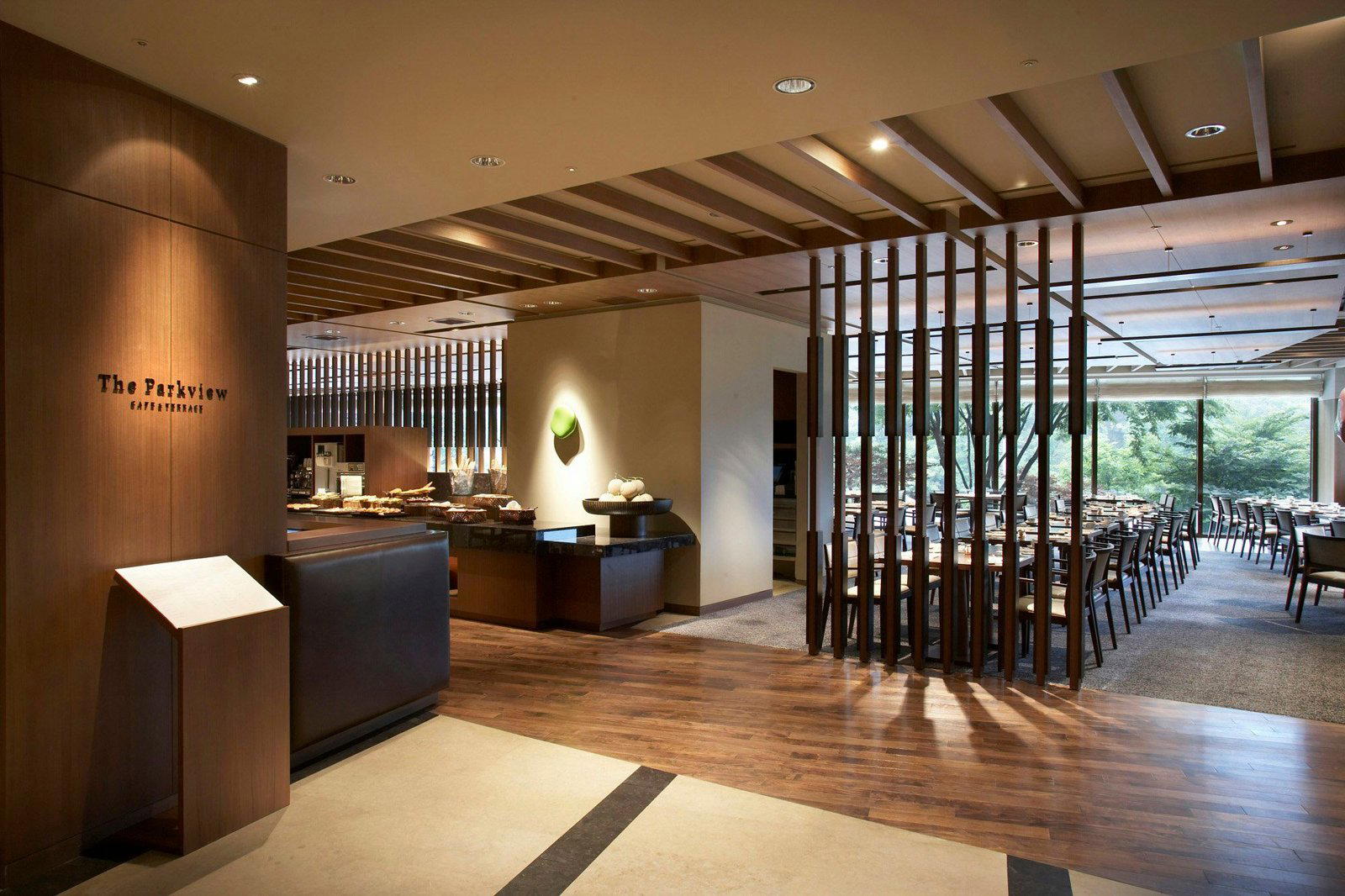
Cozy and sophisticated atmosphere with warm, inviting lighting that recreates a friendly Italian village diner.