쵸이닷 - Choi Dot

쵸이닷 (Choi Dot) has held a place on La Liste's Top Restaurants ranking for consecutive years, scoring 83 points in 2026, positioning it within Seoul's tighter tier of modern Korean dining. The restaurant draws a 4.2 Google rating across nearly 400 reviews, suggesting consistent execution rather than one-off acclaim. For visitors mapping Seoul's contemporary Korean scene, it belongs in the same conversation as Mingles and Kwonsooksoo.
Pearl is the En Primeur Club membership app — saves, bookings, and concierge access live there. Same editors, same standards.

Seoul's Modern Korean Table and Where Choi Dot Sits Within It
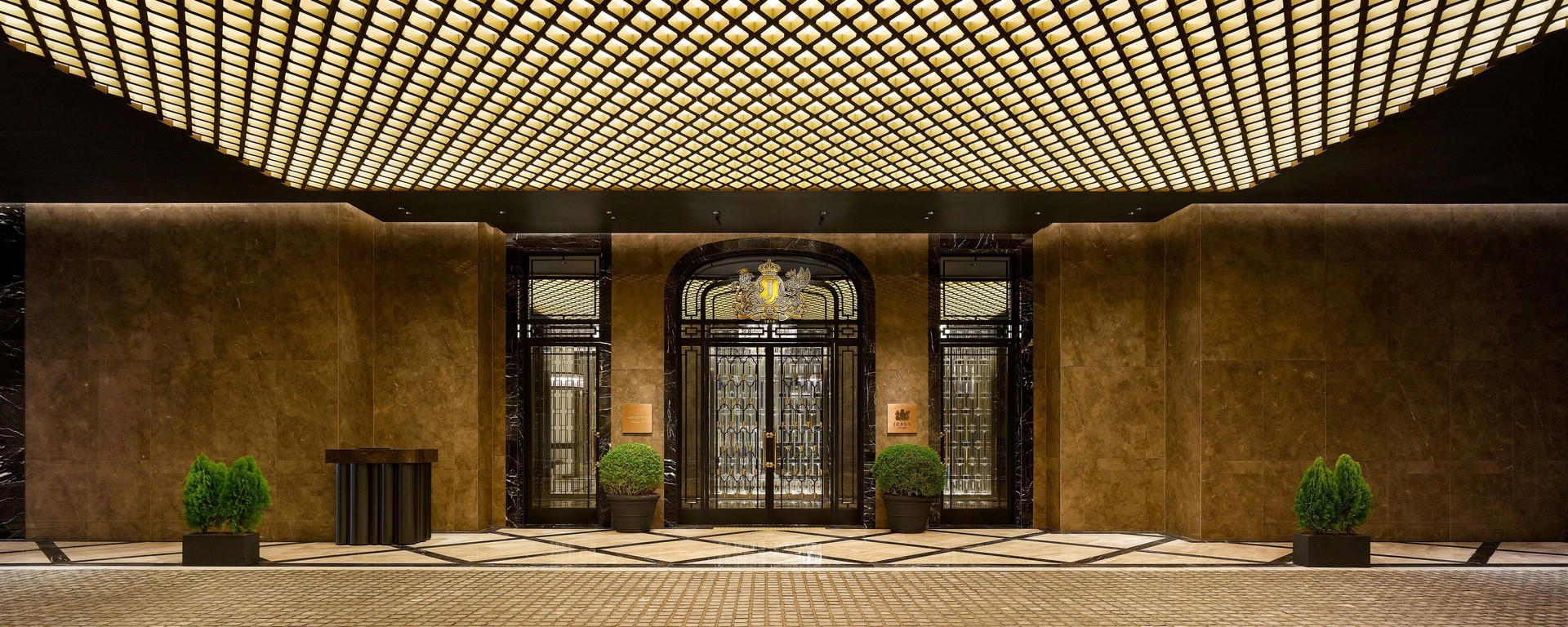
The physical approach to a Seoul fine-dining room tells you something about the meal before you sit down. In a city where contemporary Korean restaurants increasingly occupy converted hanboks, repurposed mid-century commercial buildings, or purpose-built modernist interiors, the entry sequence is rarely incidental. It signals intent. Restraint or drama, tradition or rupture, the room usually commits to one register. Seoul diners have grown accustomed to reading these cues, and international visitors who have spent time at Mingles or Jungsik tend to arrive at any modern Korean room with calibrated expectations.
쵸이닷, romanised as Choi Dot, operates inside this competitive environment and has earned consecutive recognition on La Liste's Leading Restaurants ranking: 82.5 points in 2025, rising to 83 points in 2026. La Liste aggregates critic scores and review data across multiple international sources, making its rankings a useful triangulation point rather than a single editorial opinion. A score in the low-to-mid 80s places Choi Dot in a credible mid-upper tier of Seoul's fine-dining cohort, below the handful of venues that register above 90 but consistently ahead of the broader restaurant field. Its Google rating of 4.2 across 386 reviews adds a second data layer: this is not a room coasting on press coverage alone.
The Modern Korean Frame and What It Demands of a Wine List
Modern Korean cuisine, at its more ambitious end, presents a specific challenge for a wine program. Fermented elements, pronounced umami from doenjang or ganjang, the heat register of gochugaru, and the interplay of fat and acid in dishes built around galbi or samgyeopsal-adjacent preparations all resist direct European pairing logic. The restaurants in Seoul that have built genuine reputations for their beverage programs tend to approach this in one of two ways: either a tightly curated Korean beverage section anchored in makgeolli, dongdongju, and soju-based pairings, or a European cellar selected with enough structural weight and aromatic complexity to hold its own against fermented and spiced Korean flavours.
The strongest wine lists in Seoul's contemporary Korean scene treat both tracks seriously. Soigné has built a program that reflects the kitchen's European training; alla prima approaches it from an innovative angle. For any room operating at Choi Dot's recognition tier, the beverage program is not incidental. Seoul diners eating at this price and prestige level increasingly expect the drinks side to match the ambition of the kitchen, and visitors who arrive without a pairing strategy tend to leave value on the table.
The broader shift in Seoul fine dining has also pushed interest toward natural and low-intervention producers, particularly from France's Loire Valley, Jura, and the Rhône, where wines with higher acid and textural grip tend to perform better against fermented Korean flavours than their more fruit-forward counterparts. Korean importers have responded to this demand, and the better Seoul cellars now reflect it. A restaurant at La Liste's 83-point level that is not engaging with this conversation in some form would be an outlier.
Positioning Choi Dot Against Its Peer Set
Seoul's fine-dining tier above ₩200,000 per head has expanded considerably over the past decade. The city now supports a cluster of modern Korean restaurants that compete on ingredients, technique, and international recognition simultaneously. Within that cluster, Choi Dot's consecutive La Liste appearances place it alongside rooms like Kwonsooksoo and Gaon as an internationally acknowledged entry point into Seoul's modern Korean tradition, without requiring the multi-month lead time that some of the city's most-booked rooms demand.
For visitors calibrating their Seoul itinerary across multiple meals, the comparison table below maps Choi Dot against a selection of peer venues on the dimensions that matter most for planning purposes.
| Venue | Cuisine | Price Tier | Recognition |
|---|---|---|---|
| 쵸이닷 (Choi Dot) | Korean Modern | Not disclosed | La Liste 83pts (2026) |
| 7th Door | Korean Contemporary | ₩₩₩₩ | Peer tier |
| Onjium | Korean | ₩₩₩₩ | Peer tier |
| Zero Complex | Korean-French Innovative | ₩₩₩₩ | Peer tier |
| Solbam | Contemporary | ₩₩₩₩ | Peer tier |
One editorial note on this comparison: price tier data for Choi Dot is not publicly confirmed in aggregated sources at the time of writing. Visitors should confirm the current tasting menu price directly with the venue before booking, particularly given that Seoul's fine-dining pricing has moved upward across the board since 2022. Rooms at comparable La Liste scores in the Korean market have generally settled between ₩150,000 and ₩300,000 per person before beverages, which is a useful planning bracket even without a confirmed figure.
Seoul Context for the International Visitor
Seoul's modern Korean dining scene rewards advance research. Unlike Tokyo, where Michelin star counts function as a near-universal shorthand, Seoul's restaurant recognition is spread across multiple frameworks: the Michelin Guide Korea, La Liste, Asia's 50 Best, and an active domestic critic community whose opinions travel primarily in Korean. A room can be consistently full and critically respected without registering strongly in any single English-language ranking. Choi Dot's La Liste appearance gives it a clear international credential, which is useful for visitors who cannot easily read the domestic critical consensus.
For visitors building a multi-day Seoul dining itinerary, the full Seoul restaurants guide covers the breadth of the market. Those looking beyond the dining room will find relevant context in the Seoul hotels guide, bars guide, and experiences guide. The Seoul wineries guide is a useful supplement for anyone whose interest in Korean beverage culture extends to the growing natural wine scene operating out of the city's Seongsu and Itaewon districts.
Internationally, Seoul's modern Korean dining now sits in direct conversation with Korean-rooted rooms abroad. Atomix in New York is the most prominent example of that cross-pollination, and visitors who have dined there arrive in Seoul with a useful comparative frame, even if the two rooms operate under different constraints and with different source ingredients. Elsewhere in the Korean peninsula, Mori in Busan and Baegyangsa Temple in Jangseong-gun offer contrasting perspectives on how Korean culinary tradition is being interpreted outside the capital.
Planning Notes
Booking method, hours, and contact details for Choi Dot are not confirmed in public-facing aggregators at time of publication. Given its La Liste recognition and a Google review base approaching 400 entries, demand is consistent enough that walk-in availability at peak dinner slots is unlikely. Visitors should treat this as a reservation-required room and plan accordingly, particularly during cherry blossom season in April and the autumn foliage period in October and November, when Seoul's fine-dining rooms run at close to full capacity.
Frequently Asked Questions
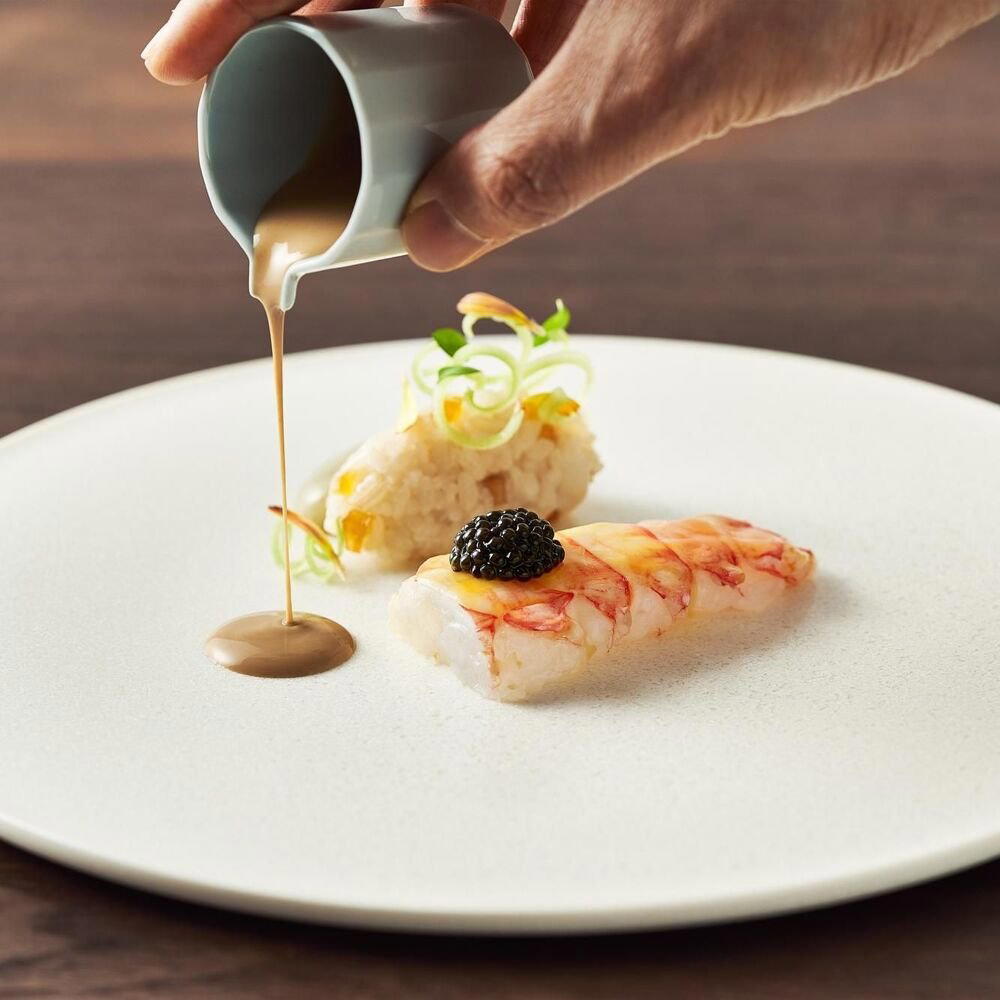
Verified dish-level detail is not available in aggregated sources. Choi Dot's positioning as a Korean Modern room at La Liste's 83-point tier, alongside its consistent 4.2 Google rating across 386 reviews, suggests the kitchen's execution is broad rather than dependent on a single signature item. Visitors should approach it as a tasting-menu format room where the kitchen's seasonal selection drives the experience. For comparable cuisine perspectives, Kwonsooksoo and Mingles offer useful reference points within Seoul's modern Korean tier.
No confirmed booking window data is available, but La Liste-recognised rooms in Seoul at this price tier typically require two to four weeks of advance notice during regular season, and four to six weeks during peak travel months (April, October, November). Visitors travelling specifically for the meal should not assume availability on arrival. The Seoul restaurants guide maps the full reservation landscape across the city's fine-dining tier, which is useful for building a contingency list. Compared to Jungsik or rooms with multi-month waitlists, Choi Dot's booking window appears more accessible, though this should be verified directly.
Its consecutive La Liste appearances (82.5 points in 2025, 83 points in 2026) indicate a stable, upward-trending critical profile rather than a single breakout year. In a Seoul market where modern Korean restaurants cycle in and out of recognition lists with some frequency, sustained presence across two consecutive La Liste editions is a meaningful signal of consistency. The cuisine classification as Korean Modern places it within a competitive set that includes Gaon, Soigné, and alla prima, each of which has built its standing on a distinct interpretation of the broader modern Korean format.
A Tight Comparison
Comparable venues for orientation, based on our database fields.
| Venue | Notes | Price |
|---|---|---|
| 쵸이닷 - Choi Dot | This venue | |
| 7th Door | Korean, Contemporary, ₩₩₩₩ | ₩₩₩₩ |
| Solbam | Contemporary, ₩₩₩₩ | ₩₩₩₩ |
| Onjium | Korean, ₩₩₩₩ | ₩₩₩₩ |
| L'Amitié | French, ₩₩₩ | ₩₩₩ |
| Zero Complex | Korean-French, Innovative, ₩₩₩₩ | ₩₩₩₩ |
At a Glance
- Intimate
- Modern
- Elegant
- Sophisticated
- Date Night
- Special Occasion
- Business Dinner
- Chefs Counter
- Street Scene
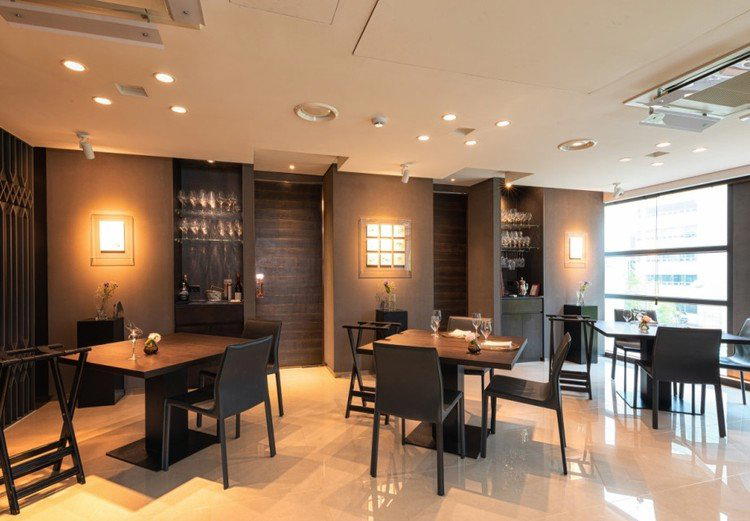
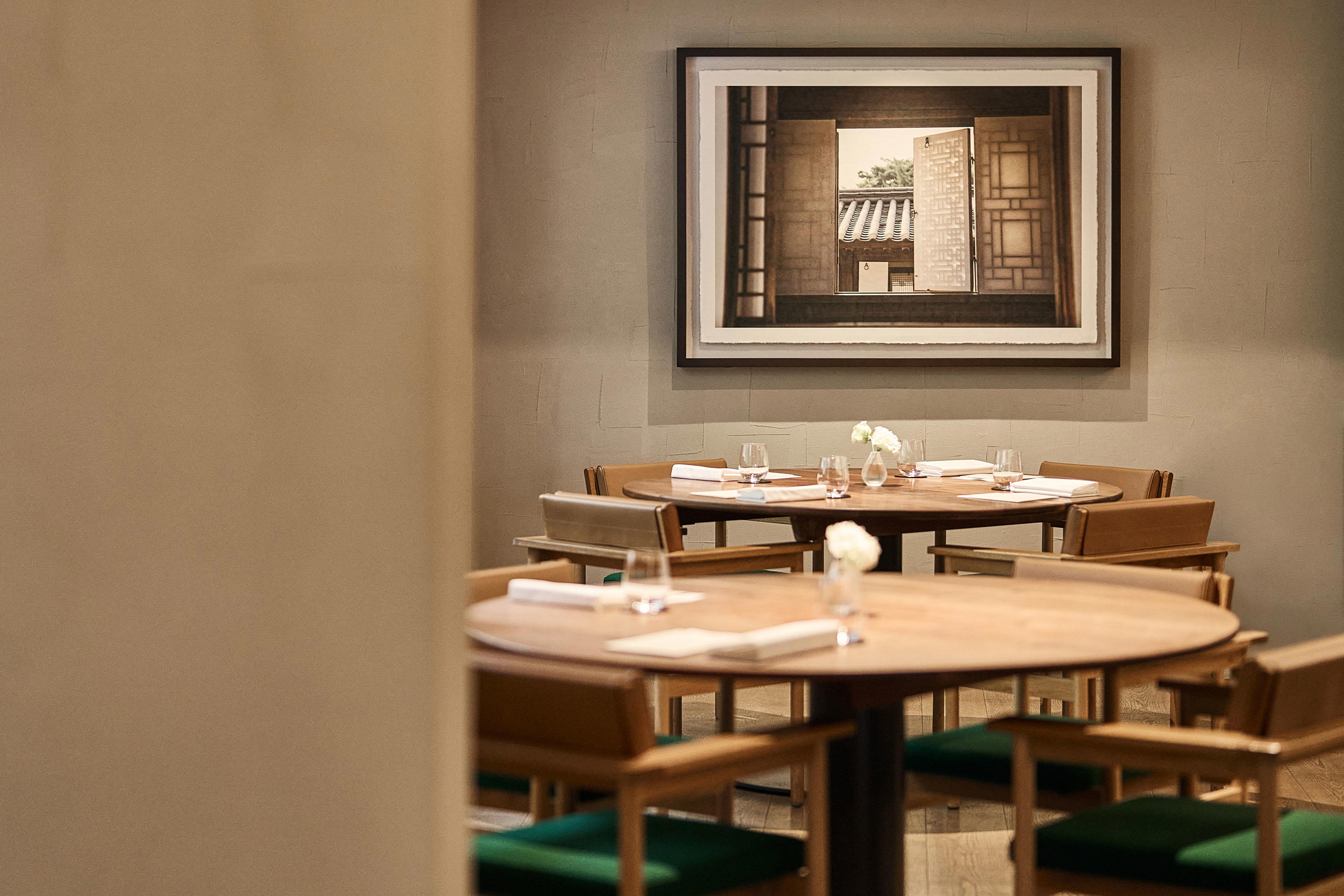
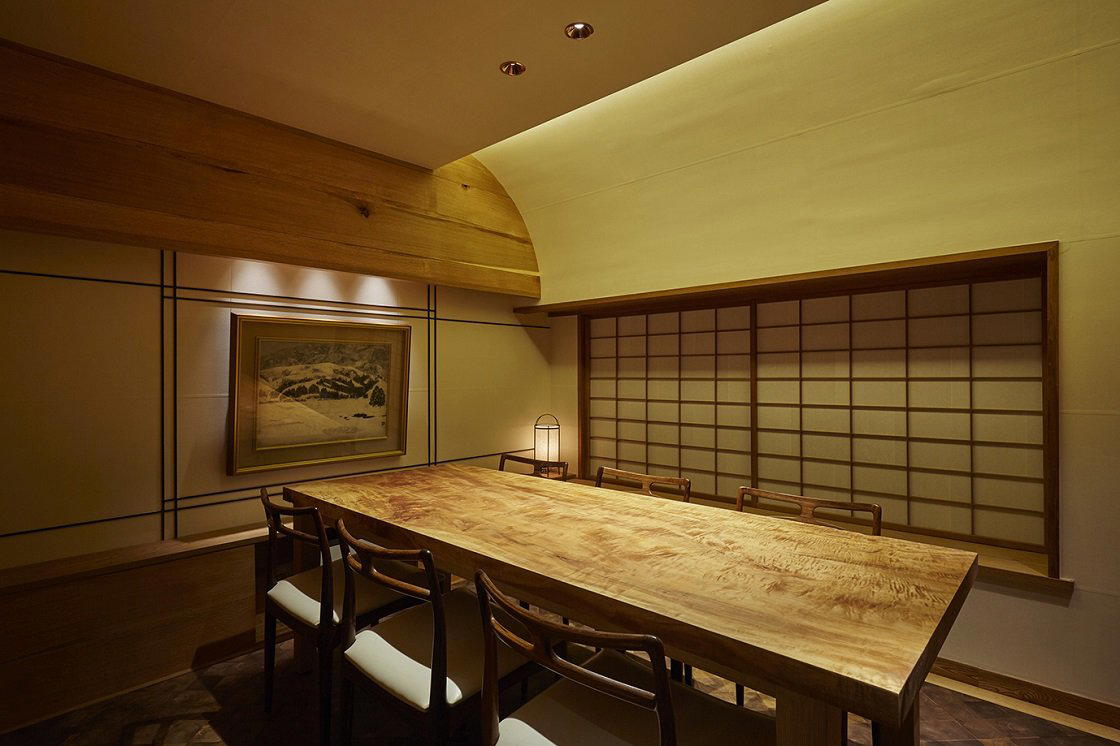
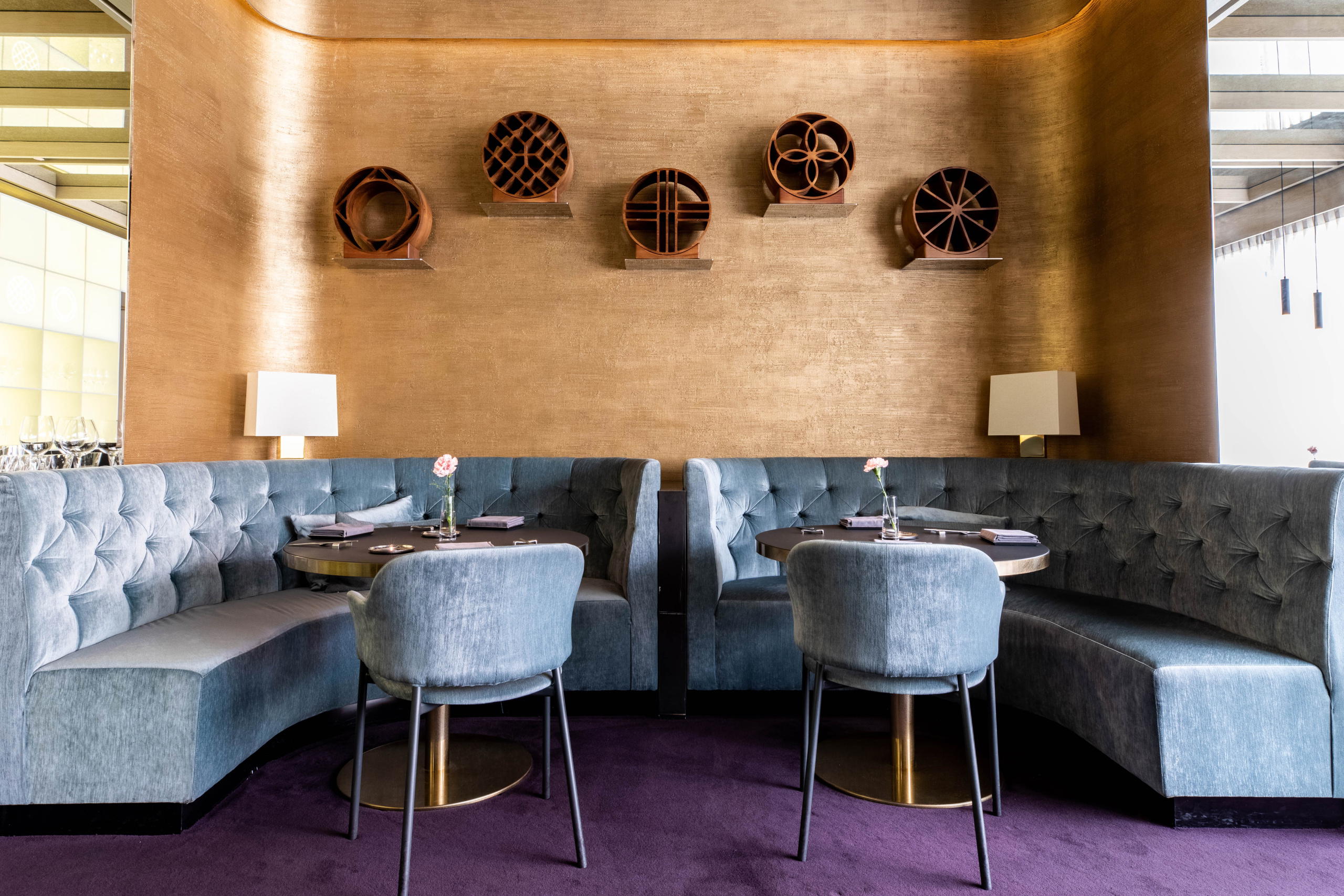
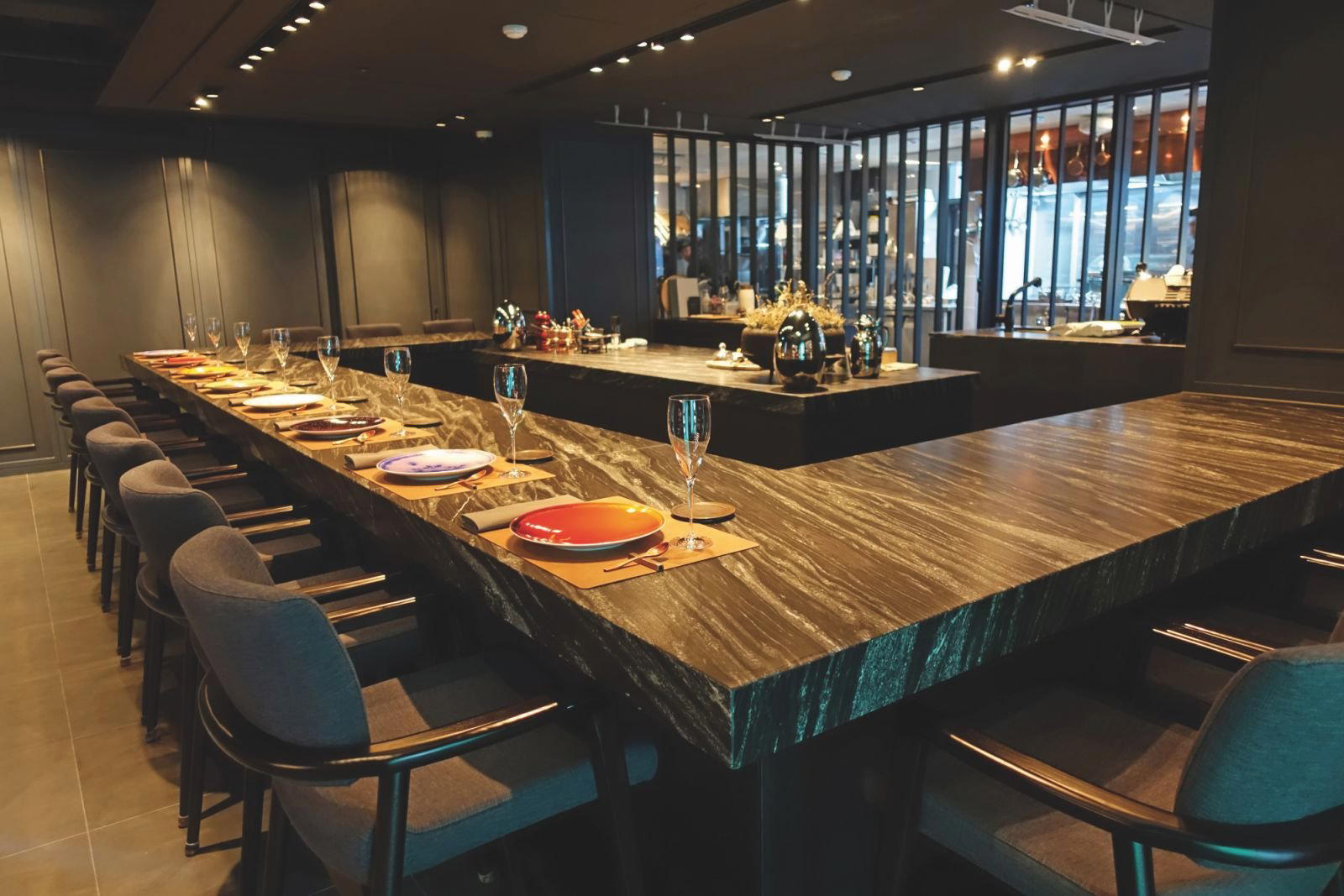
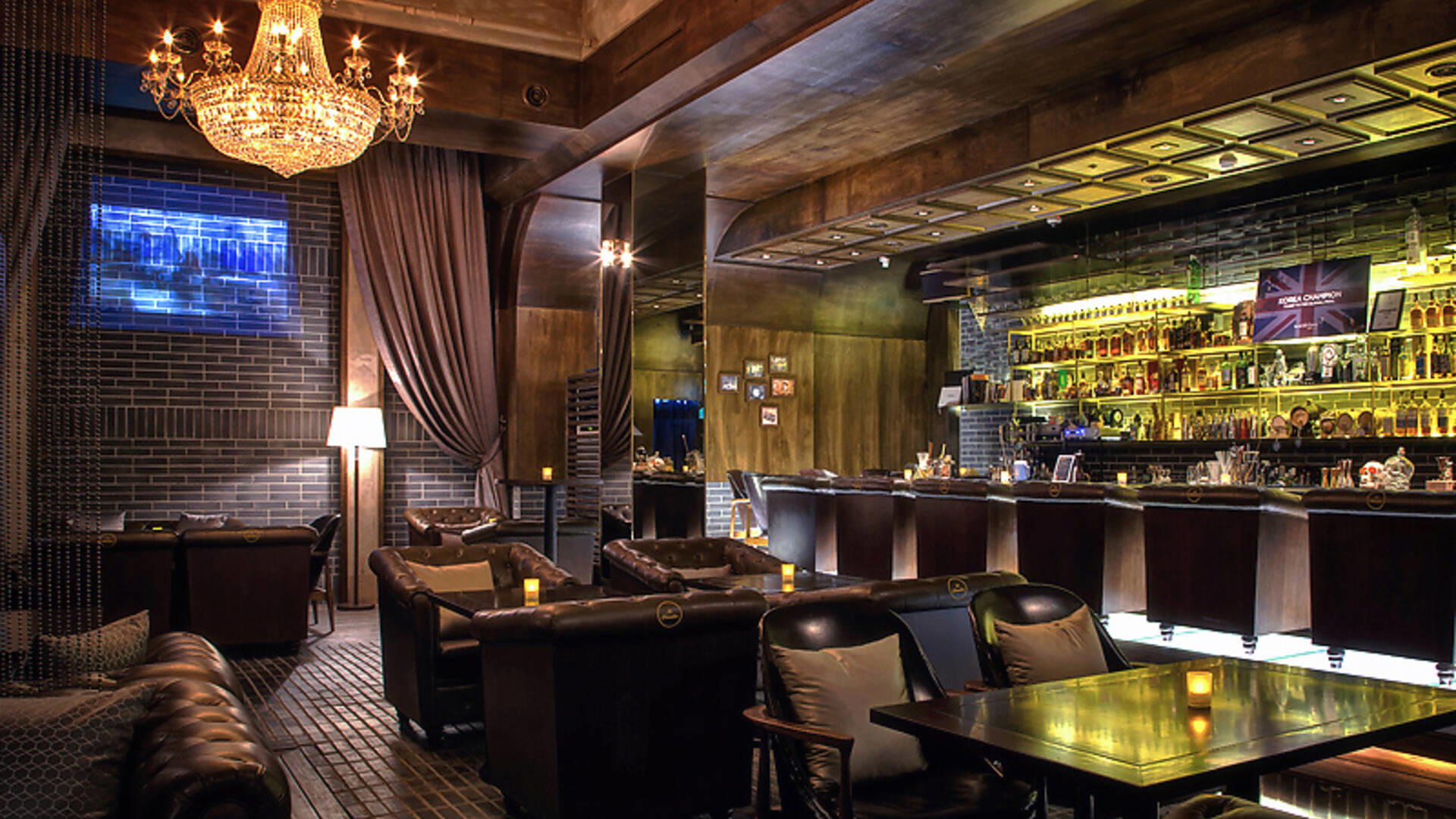
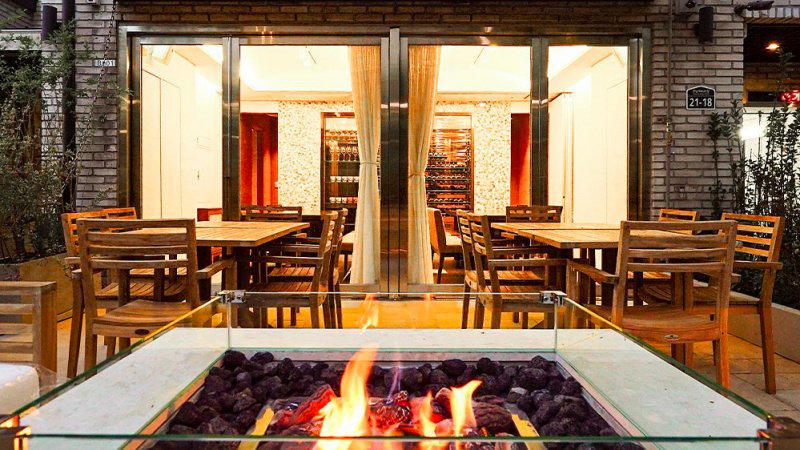
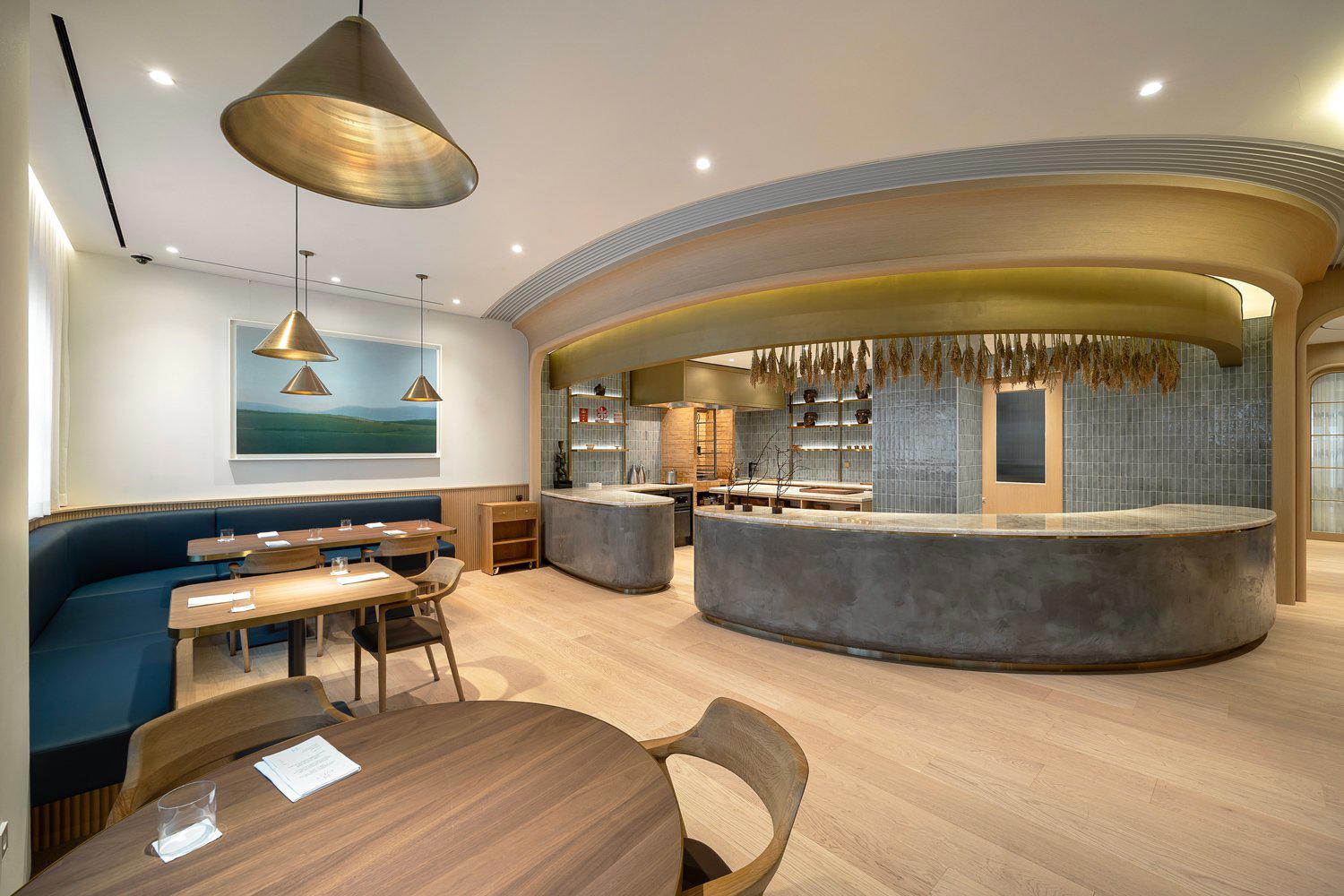
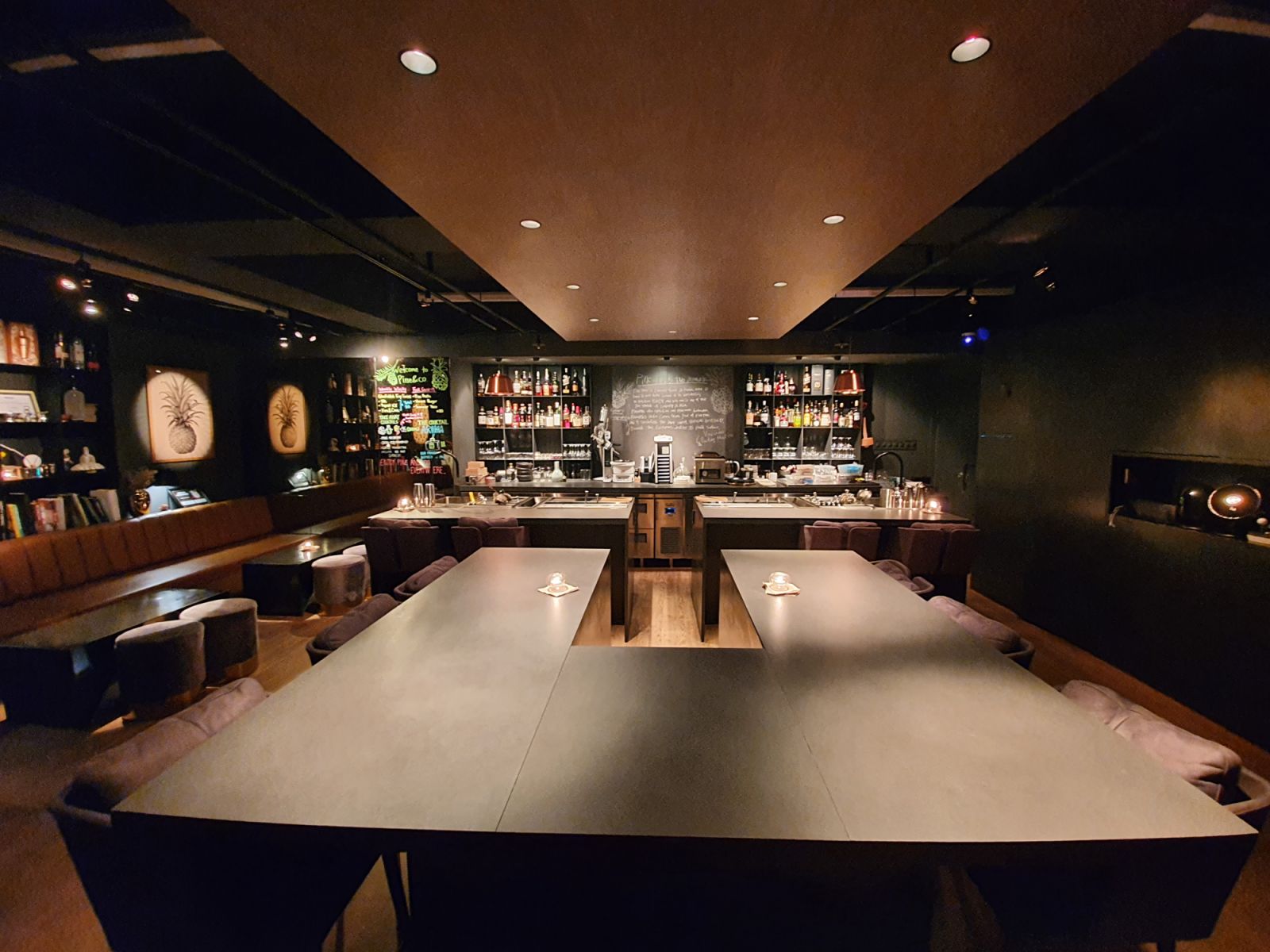
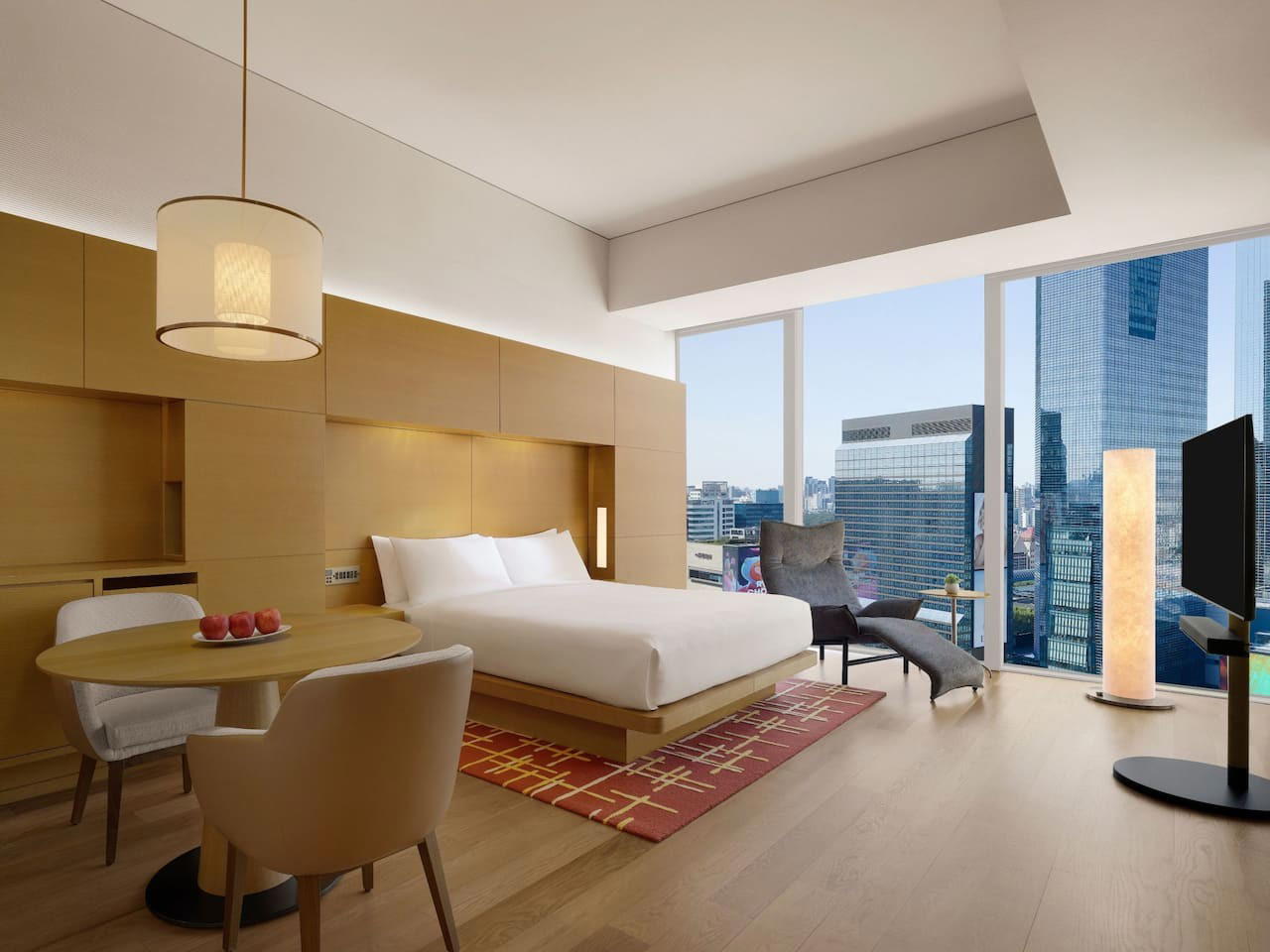
Intimate and elegant with minimalistic decor, premium service, and a cozy atmosphere ideal for special occasions.