
BLOCK HOUSE Suiyou Curry is a 17-seat Jingumae address selected for Tabelog Curry TOKYO “Tabelog 100” in 2023 and 2024, with curry and Indian curry as its public categories. Expect a small-format Tokyo curry room rather than a long tasting-menu production, with lunch and dinner budgets sitting in the low-thousands yen range.
Pearl is the En Primeur Club membership app — saves, bookings, and concierge access live there. Same editors, same standards.
- Address
- 東京都渋谷区神宮前6-12-9 BLOCK HOUSE 3F
- Website
- tabelog.com
 Saves & bookings on Pearl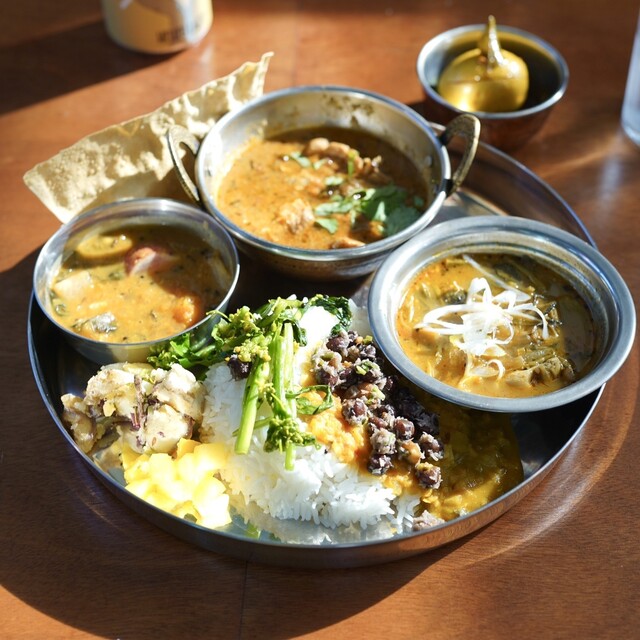
Jingumae compresses Tokyo’s appetite for global food into walkable blocks: coffee roasters, burger counters, soba rooms, fashion-adjacent cafés, and specialist curry shops sharing the afternoon crowd. BLOCK HOUSE Suiyou Curry fits the pattern: not a grand dining-room statement, but a small third-floor curry address in a neighbourhood where compact formats often carry serious intent.
Tokyo curry has never been one tradition. The city moves between yoshoku curry rice, South Asian spice grammar, soup curry, European roux, and hybrid plates shaped by Japanese rice culture. Strong contemporary rooms are defined less by size than by control: narrow menus, short service rhythms, and kitchens that understand how imported technique changes when filtered through Tokyo expectations for balance, portion, and pace.
Jingumae curry in the age of specialist micro-rooms
Read this address through scale. A 17-seat room, split between five counter seats and 12 table seats, follows the Tokyo logic behind serious sushi counters, kappo rooms, and ramen shops: fewer seats, tighter control, and a clearer relationship between kitchen tempo and guest flow. In curry, that matters because spice work is unforgiving when stretched across a high-volume dining room.
BLOCK HOUSE Suiyou Curry’s public category pairing, curry and Indian curry, places it in the part of Tokyo’s curry scene that treats South Asian technique as framework rather than costume. Strong curry cooking here depends on translation: whole and ground spices meeting Japanese rice, measured heat rather than brute force, and a plate structure suited to a weekday meal as much as a destination lunch. The point is not authenticity theater, but the local usefulness of a global method.
Recognition from Tabelog Curry TOKYO “Tabelog 100” in both 2023 and 2024 gives the room a clear trust signal in a crowded category. Tabelog’s curry lists reward depth within a specific genre, important in Tokyo because curry is both everyday food and obsessive subculture. A high-spend French counter can announce ambition through tableware and staffing; a curry shop must prove itself through repeatability, seasoning judgment, and demanding public review culture.
Jingumae is a sharp location for this cooking because its dining map is not built around one cuisine. Nearby casual Americana includes THE GREAT BURGER and Henry's Burger, coffee culture is represented by THE ROASTERY BY NOZY COFFEE, and more formal Japanese meals by rooms such as 玉笑 and トランク キッチン. Against that mix, curry works as a flexible middle register: more deliberate than a snack, less ceremonial than a long dinner, and able to draw locals and travellers who know Tokyo’s serious food is not confined to Michelin-style rooms.
Imported spice logic, Tokyo portion discipline
The editorial interest is the meeting point between Indian curry vocabulary and Tokyo’s precision-led casual dining. Japanese curry culture has long absorbed outside techniques, then reorganised them around rice, texture, and service speed. That process can flatten spice; in stronger examples it becomes exacting, with sauces and accompaniments calibrated for a full plate rather than successive courses, heat that builds without overwhelming the rice, and a composition that feels complete at lunch or dinner.
No named signature dish is publicly fixed here, which is useful rather than frustrating. In Tokyo’s curry scene, the better question is often not which single plate carries the reputation, but whether the kitchen has a recognisable system: spice base, rice handling, portioning, and service consistency. Consecutive Tabelog Curry TOKYO selections suggest the address is being assessed inside that specialist system, not as a novelty attached to the Harajuku-Shibuya corridor.
The small capacity also changes expectations. This is not a large casual restaurant where flexibility absorbs vague plans. Small Tokyo curry rooms often run on finite preparation and narrow service windows, shaping the experience before the first plate arrives. The appeal is concentration, not abundance. For travellers building a day around Jingumae, curry should be the anchor, with coffee, shops, or a later bar reservation around it.
That decision suits the broader city. Tokyo rewards category specialists, and curry is one of the clearest examples: visitors can spend heavily on omakase and still miss how the city eats if every meal is formal. A curry counter or small table room shows another Tokyo, where imported technique, local rhythm, and neighbourhood practicality fuse without ceremony.
How to place it in a Tokyo dining day
BLOCK HOUSE Suiyou Curry is best understood as a focused stop within a larger Jingumae or Harajuku plan, not the sole reason to cross the city at night. The address sits near Meiji-Jingumae, with Harajuku and Shibuya within the wider pedestrian field, making it easy to combine with shopping, galleries, coffee, or a second neighbourhood later. That is the advantage of central Tokyo curry rooms: serious culinary interest without consuming an entire evening.
Cashless expectations should be checked carefully in Japan’s small restaurants; Tokyo dining infrastructure is not uniform. Some specialist places resist the payment assumptions of hotels and department stores, while others adopt selected digital systems. Treat small curry rooms like ramen counters and older izakaya: arrive prepared, keep the party size modest, and do not assume international-card convenience is universal.
For a broader map of the city, use Our full Tokyo restaurants guide, then branch by mood: casual Tokyo contrasts include . 鮪と炭火焼き うお炭 秋葉原店, 12/10 Shinjuku ten, 124. KAGURAZAKA (Yakitori), 2D Cafe, and another curry reference point, 3 Chome no Curry Ya San. Travellers extending the itinerary can compare city categories through Our full Tokyo hotels guide, Our full Tokyo bars guide, Our full Tokyo wineries guide, and Our full Tokyo experiences guide.
Regional comparisons sharpen the point. Japan’s specialist dining is not only a Tokyo story: -Grilled beef Sukiyaki- KAMAKURA TANUKIAN 鎌倉 たぬき庵 in Kamakura.cafe in Osaka.know in Kumamoto, (Shoku) Vietnam in Kawasaki, [Curry Senmon Ten] Maruyama Kyoju. in Sapporo, and [ki:] in Kyoto show how narrowly focused formats travel across the country. Abroad, Japanese casual-food literacy takes different forms at Jōdo Saké Bar in Los Angeles and Onigiri Time in Pasadena.
Cost and Credentials
Comparable venues at similar price and category levels.
| Venue | Price | Notes |
|---|---|---|
| BLOCK HOUSE Suiyou CurryThis venue — the venue you are viewing | $$ | Not listed |
| shiva curry wara | $$ | Setagaya, Japanese‑influenced South Indian Curry House |
| AROMAS of INDIA | $$ | Chiyoda, Traditional North Indian Curry House |
| GURGAON | $$ | Chūō, Traditional North Indian Curry House |
| Spice Box | $$ | Chiyoda, Kerala-style South Indian Curry & Dining Bar |
| Curry no Mise Pusan | $$ | Musashi-Koganei, Casual Indian‑style Curry House |
Recognition history
Dated appearances from independent guides and award organizations, with the underlying list record or original source where available.
Tabelog 100 #62 · No. 62
Tabelog · Tabelog 100 - Curry - TOKYO - 2024













At a Glance
- Trendy
- Cozy
- Casual Hangout
- After Work
- Solo
- Group Dining
- Standalone
- Design Destination
- Beer Program
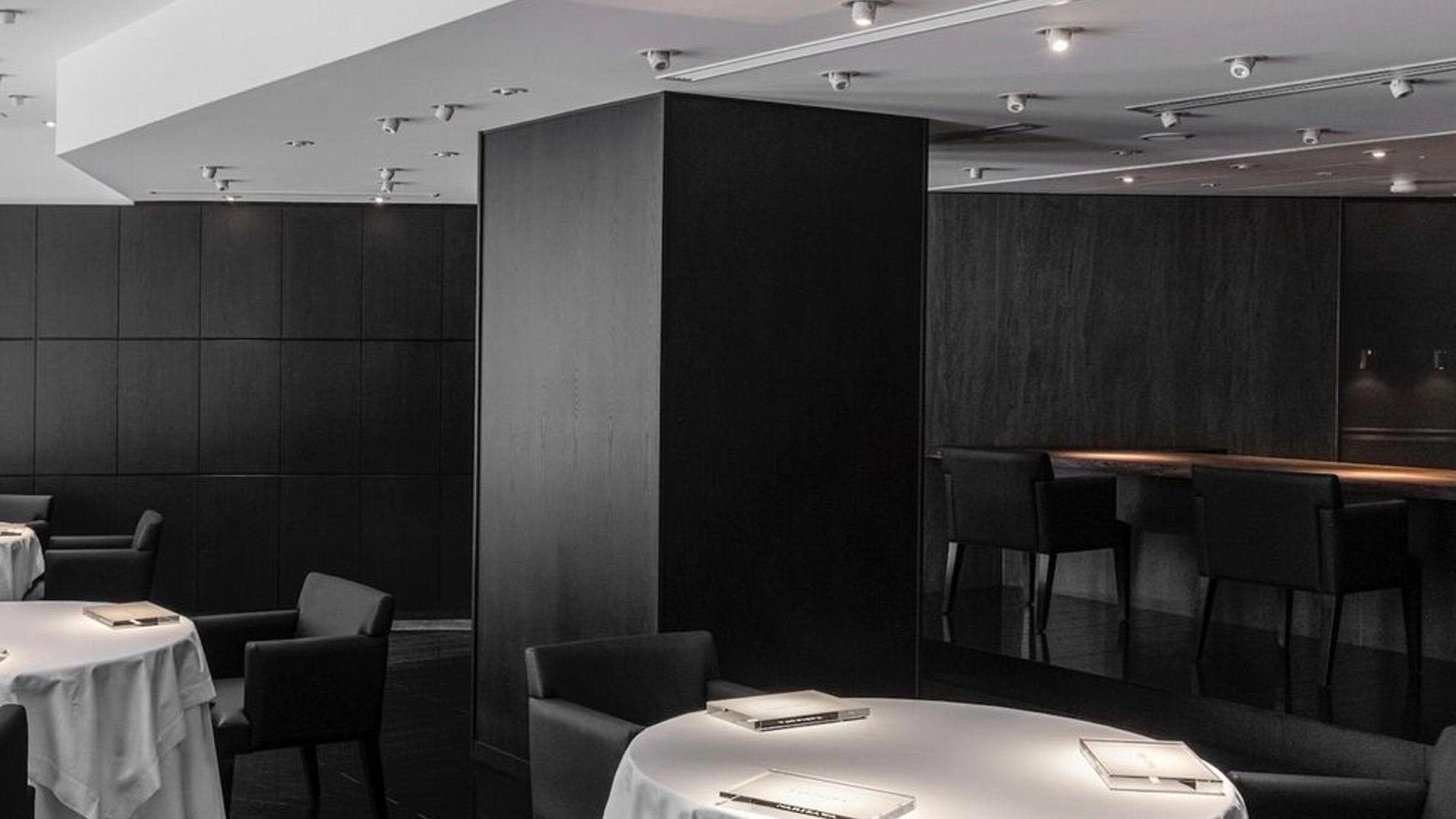
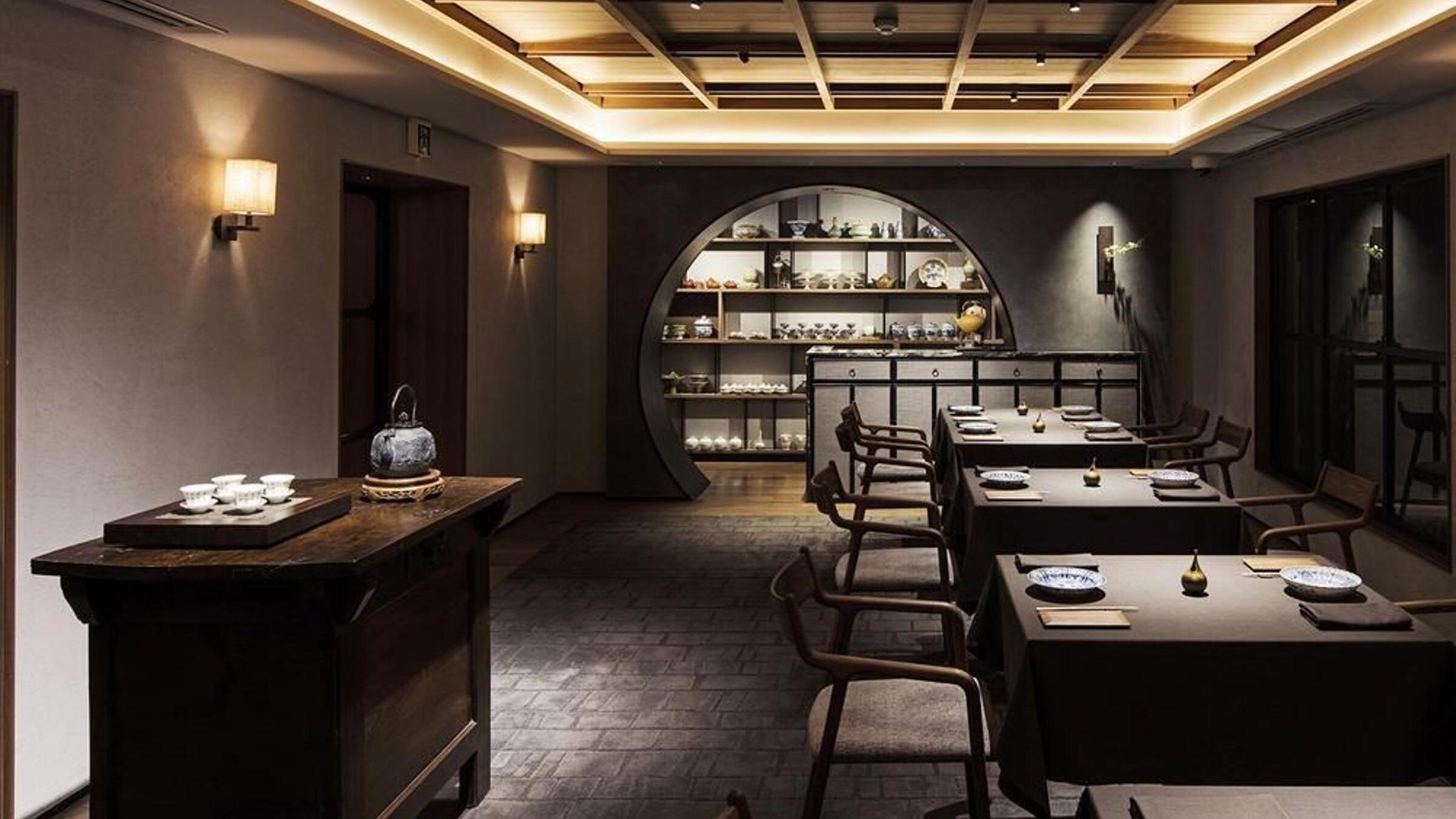
Compact, non-smoking third-floor spot with a casual, cozy feel and a slightly stylish, gallery-adjacent atmosphere that suits adults and friends meeting over curry.