On Budapester Strasse in western Berlin, Blend Restaurant sits within a neighbourhood that anchors some of the city's more internationally oriented dining. The address places it near the Tiergarten edge of the city, in an area shaped as much by hotel dining culture as by independent restaurant energy. Specific menu formats and critical recognition data are not confirmed, but the location itself signals a particular type of Berlin hospitality.
Pearl is the En Primeur Club membership app — saves, bookings, and concierge access live there. Same editors, same standards.
- Address
- Budapester Str. 25, 10787 Berlin, Germany
- Phone
- +49493026960
- Website
- restaurant-blend.com
- Directions
- Get directions
 Saves & bookings on Pearl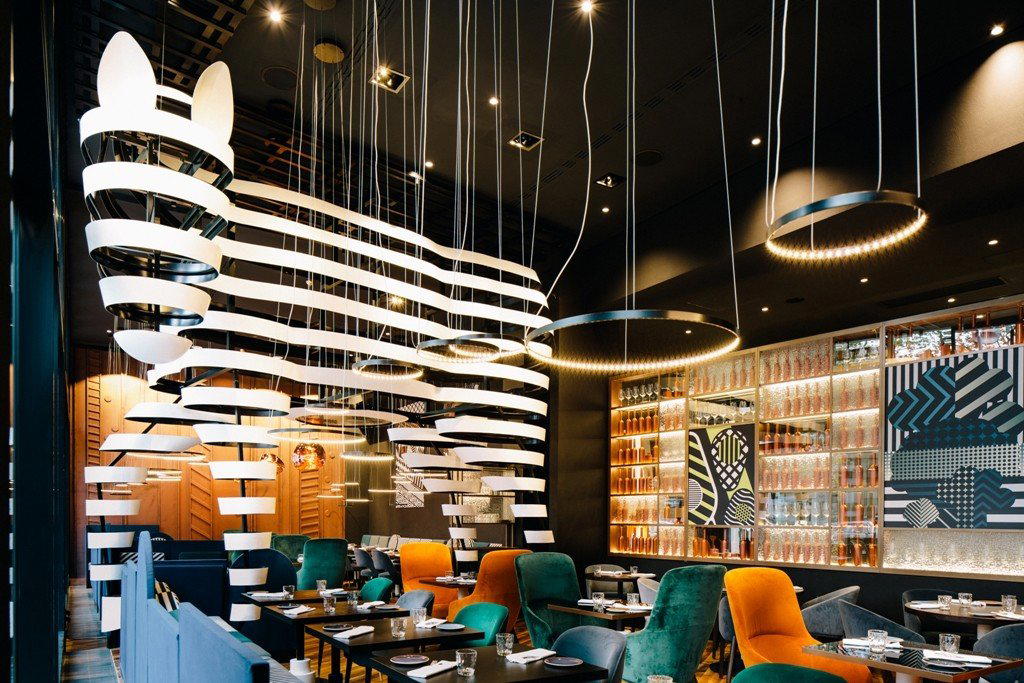
Budapester Strasse and the Western Corridor of Berlin Dining
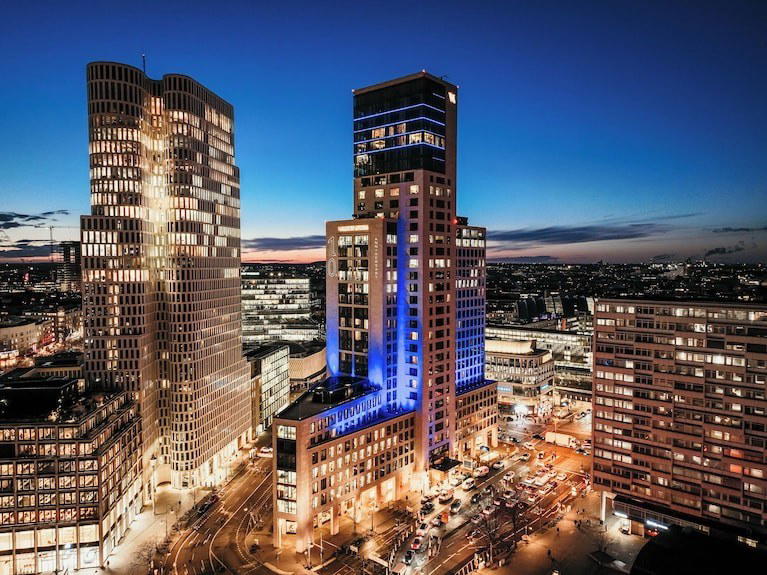
Berlin's fine dining conversation tends to centre on Mitte, Prenzlauer Berg, and Kreuzberg, where restaurants like Nobelhart & Schmutzig and CODA Dessert Dining have built the city's reputation for conceptually driven, ingredient-led cooking. Budapester Strasse sits outside that cluster, running along the southern edge of the Tiergarten through Charlottenburg, a district with its own long-standing relationship to formal hospitality rooted in West Berlin's pre-reunification identity as an isolated but cosmopolitan city. The neighbourhood was, for decades, where Berlin's more international restaurant culture concentrated, and traces of that orientation persist in the area's dining character today.
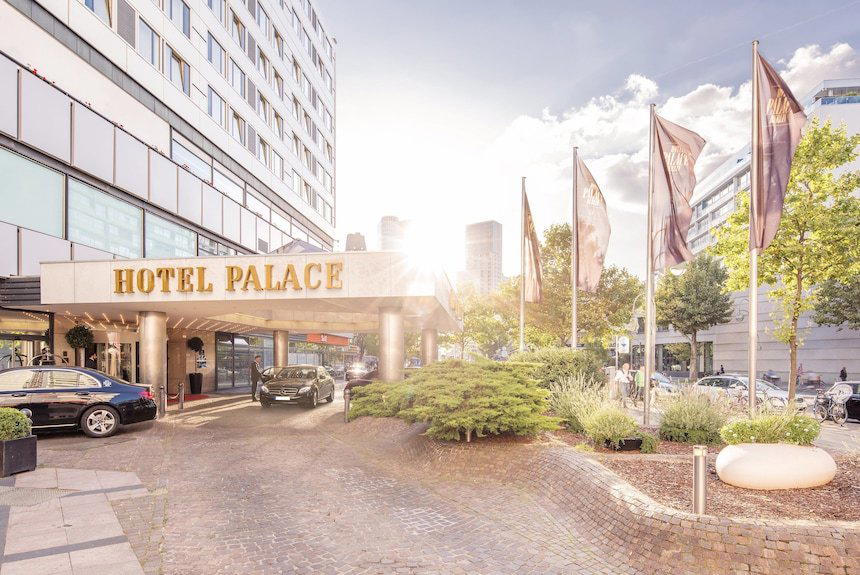
Blend Restaurant occupies an address at Budapester Str. 25, Berlin, a stretch shared with hotel properties and institutions that have served a transient, internationally mobile clientele for generations. That context matters when reading any restaurant in this part of the city: the audience expectations, price tolerance, and culinary references that a Charlottenburg address attracts differ from those a Kreuzberg listing implies. Proximity to the Tiergarten and the Zoologischer Garten axis makes this corridor a natural landing point for visitors spending time in western Berlin, and the restaurant scene here has always calibrated to that reality.
Germany's Broader Fine Dining Frame
Understanding any Berlin restaurant of serious intent requires placing it inside the broader German fine dining picture. Germany holds more Michelin-starred restaurants than many diners outside the country realise, with a concentration of high-performing kitchens spread across cities and regions rather than pooled in a single capital. Kitchens like Schwarzwaldstube in Baiersbronn, Aqua in Wolfsburg, and Waldhotel Sonnora in Dreis set a national benchmark that extends well beyond Berlin, while Hamburg's Restaurant Haerlin and Munich's JAN illustrate how that ambition distributes across German cities. Berlin itself punches hard in the creative tier, with Rutz and FACIL holding multi-star recognition that places the city in serious national competition.
The cultural roots of contemporary German fine dining draw from French classical technique, Austro-Hungarian ingredient traditions in the east, and a post-reunification willingness to reframe German produce and identity at the table. Berlin kitchens operating today do so against that accumulated history, and the city's most recognised addresses, including Restaurant Tim Raue, have demonstrated that Berlin can produce cooking with genuine international standing.
What the Address Tells You
Budapester Str. 25 is a practical anchor for anyone spending time between the Kurfürstendamm and the Tiergarten. The western end of Berlin, anchored by Charlottenburg's Ku'damm axis, carries a different pace from Mitte or the inner Kreuzberg neighbourhoods, and restaurants here tend to reflect that: service registers tend toward the formal, room design often skews toward comfort over statement, and menus typically read with international accessibility in mind.
This is not a criticism of the area's culinary ambition. Several of Berlin's most enduring addresses have operated in or near this corridor for decades. The neighbourhood sets a certain baseline of professionalism and international orientation, and a name like Blend, with its implicit suggestion of synthesis or combination, fits a dining culture that has historically bridged German and European traditions for a cosmopolitan audience.
For comparison, kitchens further east, such as Nobelhart & Schmutzig in Kreuzberg, have built their identity explicitly against the international hotel-dining model, insisting on hyper-local sourcing and deliberate provocation. Blend's Charlottenburg address positions it in a different conversation, one shaped more by accessibility and established hospitality expectations than by counter-cultural positioning.
Placing Blend in Berlin's Dining Tiers
Berlin's restaurant market has split into several identifiable tiers over the past decade. The top tier, anchored by Michelin-starred kitchens and tasting-menu formats, has grown more competitive and more internationally recognised. A middle tier of accomplished European and international restaurants serves the city's professional and tourist population with serious cooking at approachable price points. Below that sits a sprawling neighbourhood-restaurant culture that is among the more affordable in any comparable European capital.
Blend serves International Fusion at a price tier of about $60 per person, placing it in the middle tier. What the address and name suggest is a restaurant operating in or near that middle tier, likely drawing on European culinary references in a format accessible to international visitors.
For those interested in Berlin's fine dining tier, FACIL, Rutz, and CODA Dessert Dining offer verified critical reference points.
Germany's wider roster of ambitious kitchens also rewards attention beyond Berlin: Vendôme in Bergisch Gladbach, Victor's Fine Dining by Christian Bau in Perl, ES:SENZ in Grassau, Schanz in Piesport, and Bagatelle in Trier represent a national scene with genuine depth outside the capital. For international comparison in the European-influenced fine dining tradition, Le Bernardin in New York City and Lazy Bear in San Francisco illustrate how that tradition travels and adapts.
Know Before You Go
- Address: Budapester Str. 25, 10787 Berlin, Germany
- Neighbourhood: Charlottenburg, western Berlin, near the Tiergarten and Zoologischer Garten
- Confirmed awards: None
- Price range: About $60 per person
- Booking: Reservations recommended
- Getting there: Near Zoologischer Garten station
A Credentials Check
Comparable venues nearby, for context on price, style, and recognition.
| Venue | Cuisine | Price | Awards | Notes |
|---|---|---|---|---|
| Blend RestaurantThis venue — the venue you are viewing | International Fusion | $$$ | Not listed | Not listed |
| BaliBowls | Superfood Bowls | $$ | Not listed | Tegel |
| The Casual | Modern Fusion with Italian Influences | $$$ | Michelin Plate | Tiergarten |
| Sticks'n'Sushi | Japanese Sushi & Yakitori with Nordic Twist | $$$ | Not listed | Tiergarten |
| Tianfuzius | Vegetarian Sichuan Chinese | $$$ | Not listed | Schoneberg |
| KochRaum Instinct | Modern European Fine Dining | $$$ | Not listed | Kreuzberg |
Continue exploring
More in Berlin
Restaurants in Berlin
Browse all →
Bars in Berlin
Browse all →
Hotels in Berlin
Browse all →

At a Glance
- Modern
- Trendy
- Lively
- Sophisticated
- Casual Hangout
- Date Night
- Group Dining
- After Work
- Hotel Restaurant
- Open Kitchen
- Design Destination
- Craft Cocktails
- Beer Program
Current opening hours
- Monday
- 11:30 AM–1 AM
- Tuesday
- 11:30 AM–1 AM
- Wednesday
- 11:30 AM–1 AM
- Thursday
- 11:30 AM–1 AM
- Friday
- 11:30 AM–1 AM
- Saturday
- 11:30 AM–1 AM
- Sunday
- 11:30 AM–1 AM
Hours can change for holidays and private events. Last verified .
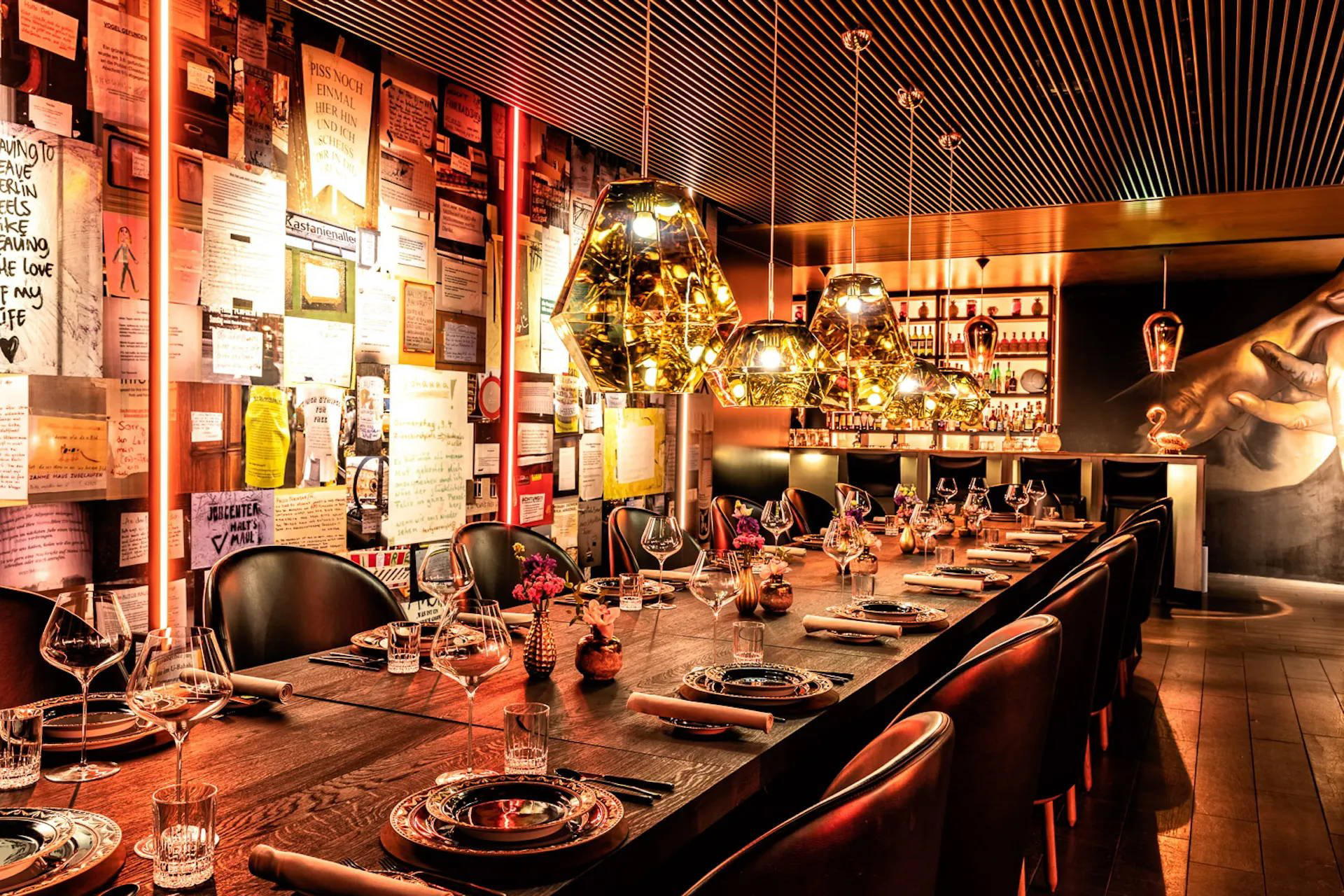
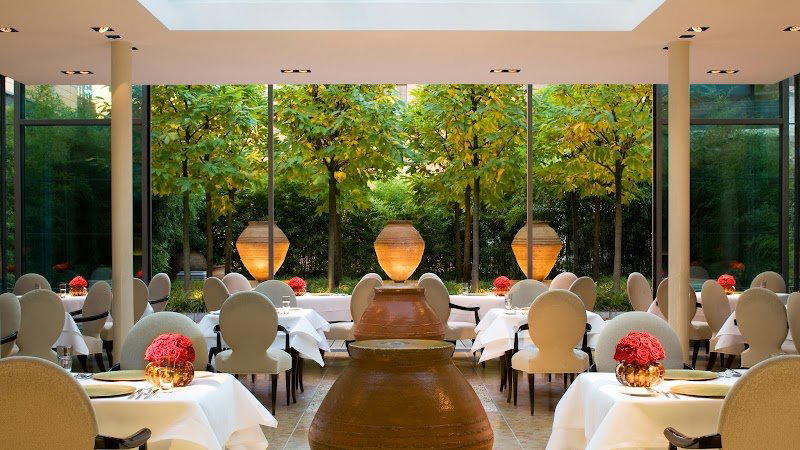
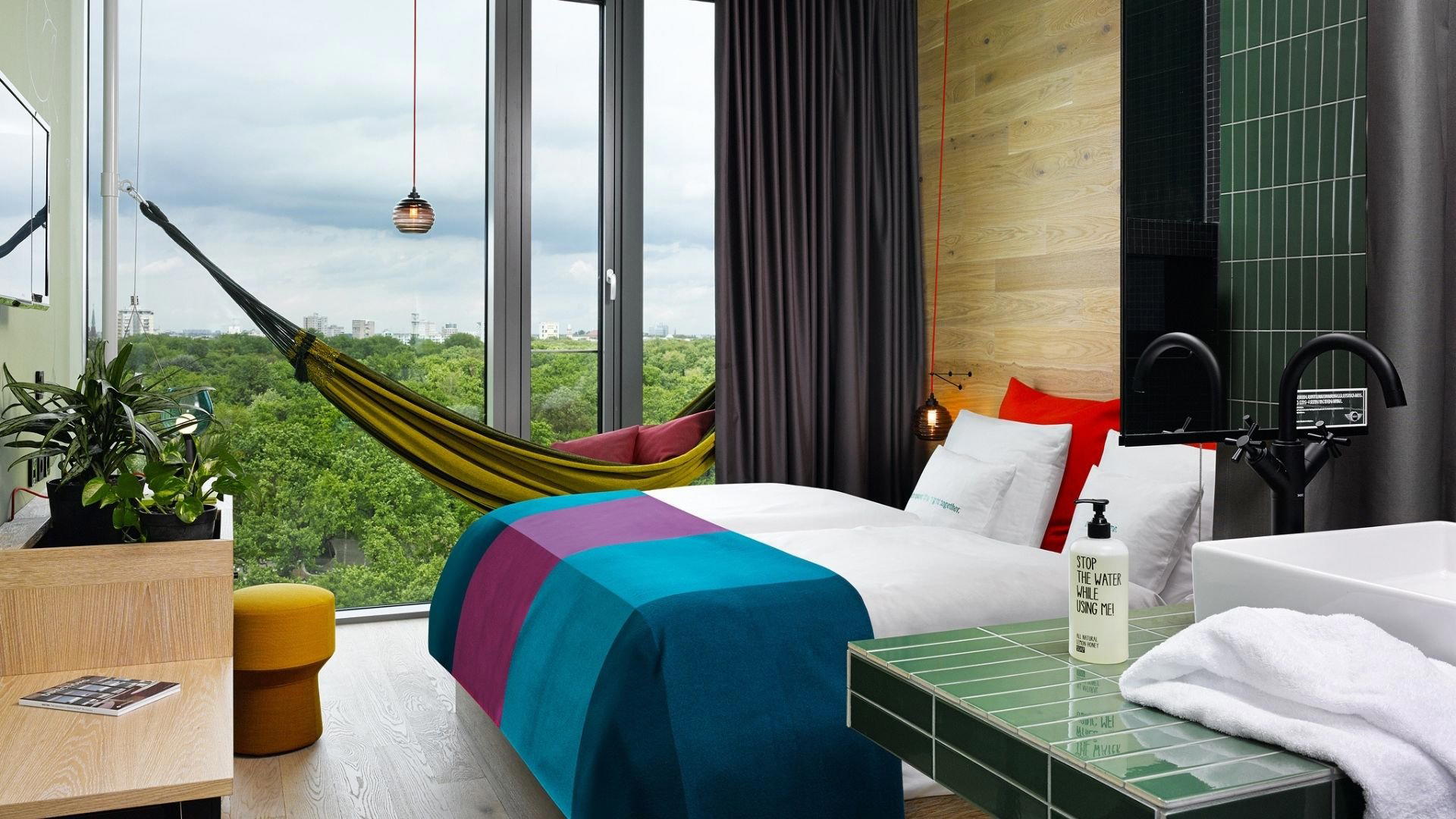
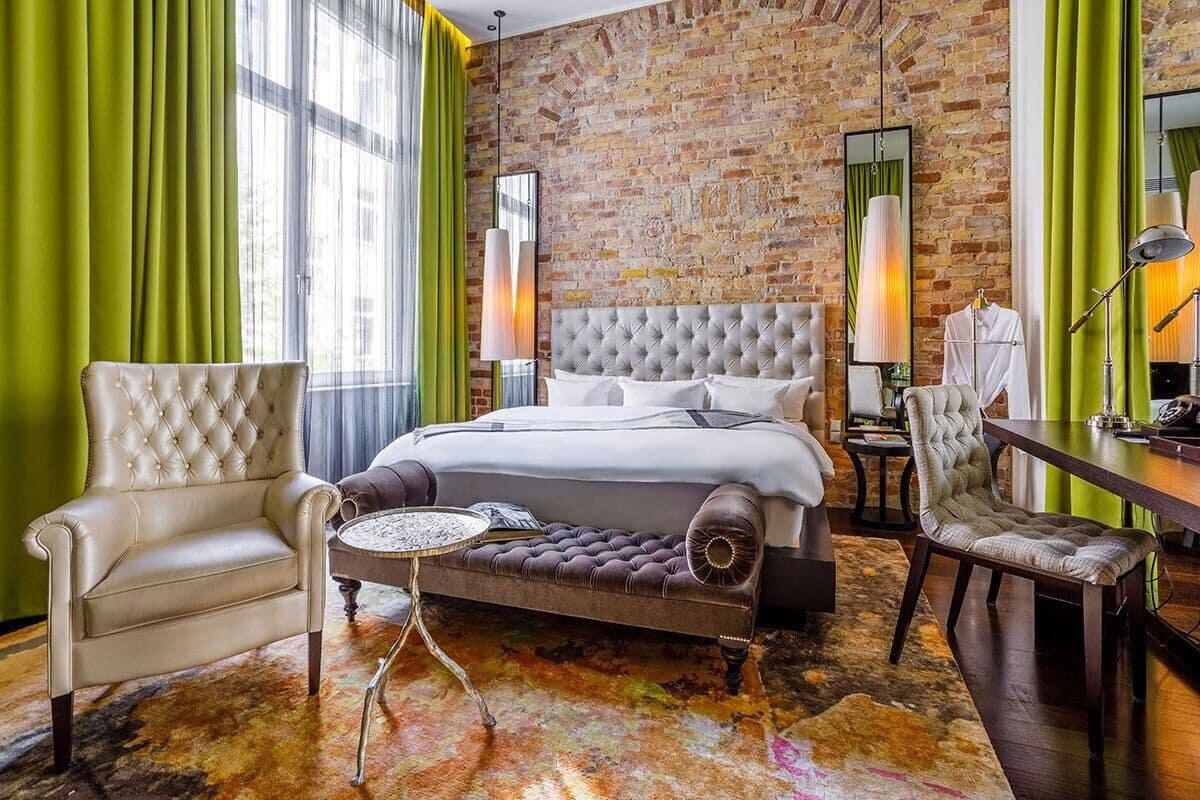
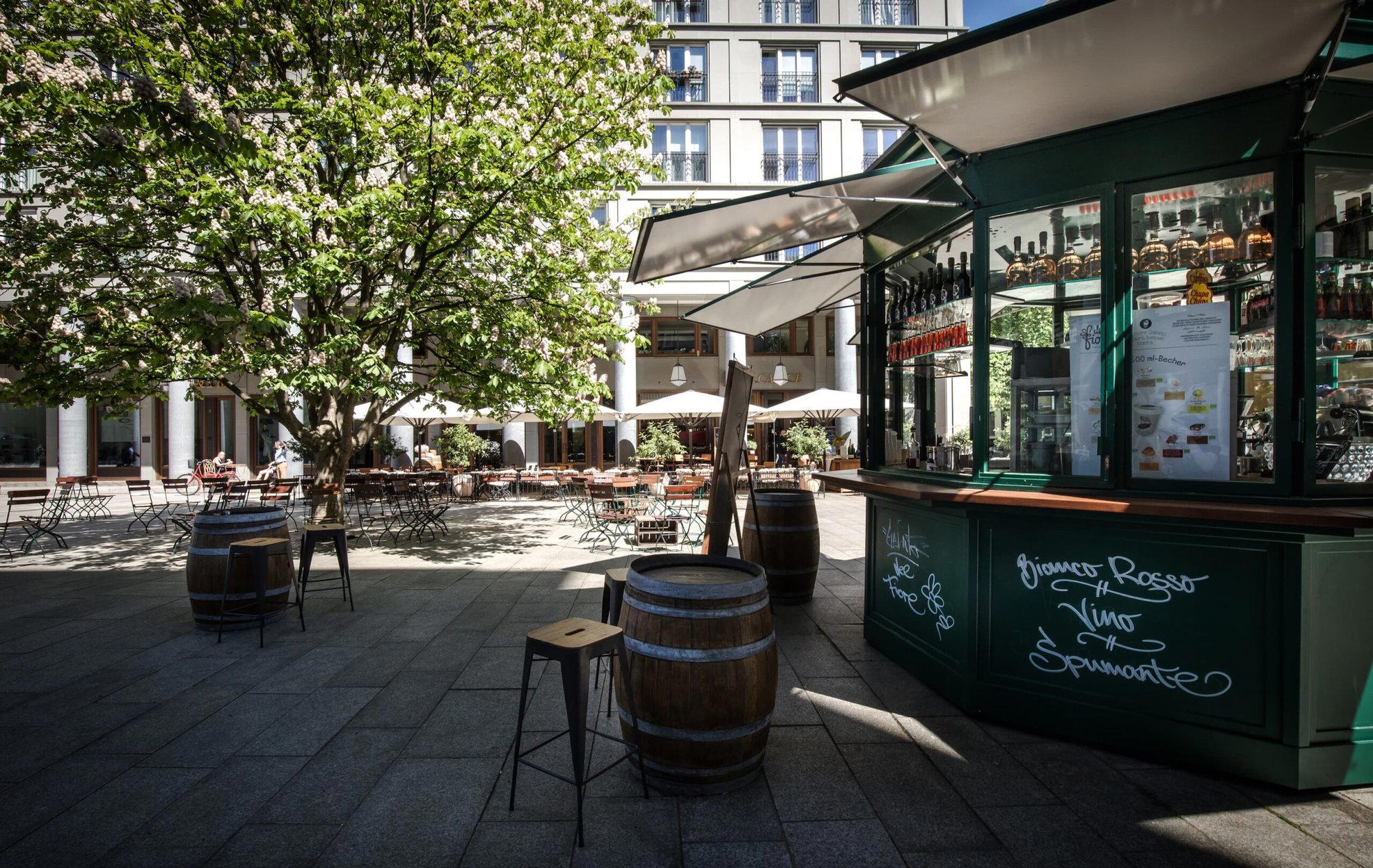
Contemporary and stylish with eclectic décor, cozy corners for intimate conversations, and a lively bar area; modern spotlit counter seating creates an energetic yet sophisticated atmosphere.