Google: 4.3 · 78 reviews
.png)
A Michelin Bib Gourmand recipient in Ginza's French dining corridor, Bistrot Vivienne offers a rare low-ceremony alternative to the arrondissement's tasting-menu tier. The kitchen leans into regional French charcuterie, cassoulet, and wine-braised beef cheek, while the wine list maps every French region with a matching philosophy. Chef Alain Poletto and a sommelier partner keep the focus on the everyday rather than the spectacular.
 Discover on Pearl
Pearl is the En Primeur Club membership app — saves, bookings, and concierge access live there. Same editors, same standards.
A Different Register in Ginza's French Dining Quarter
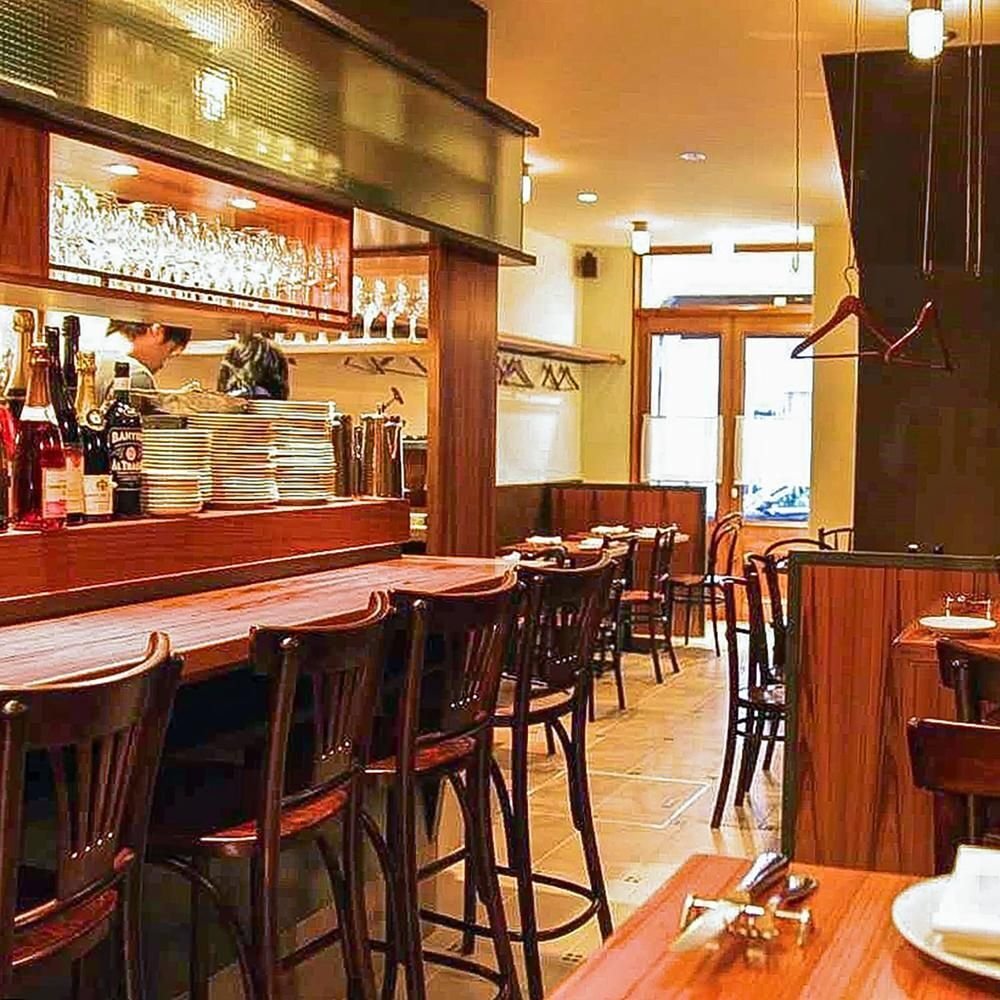
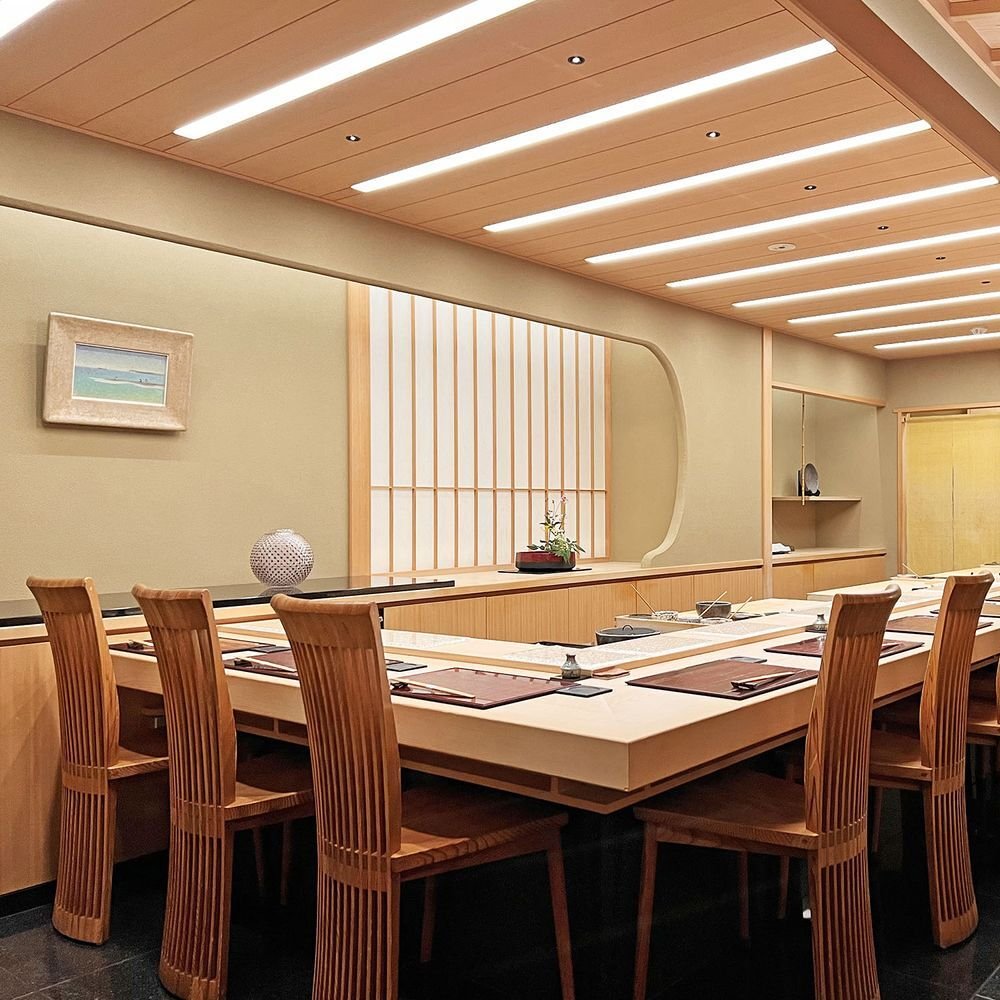
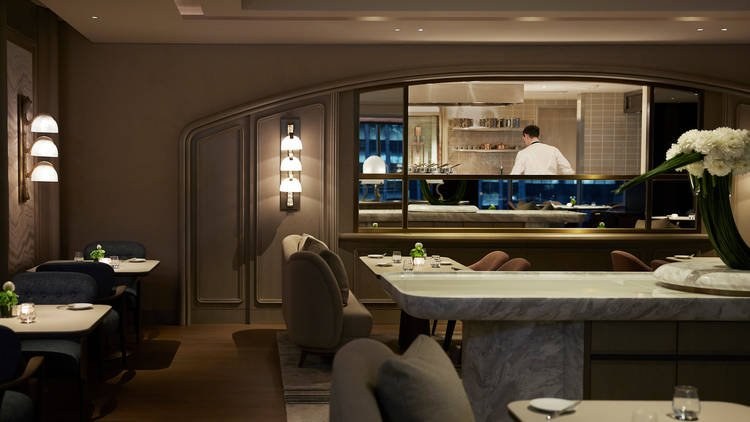
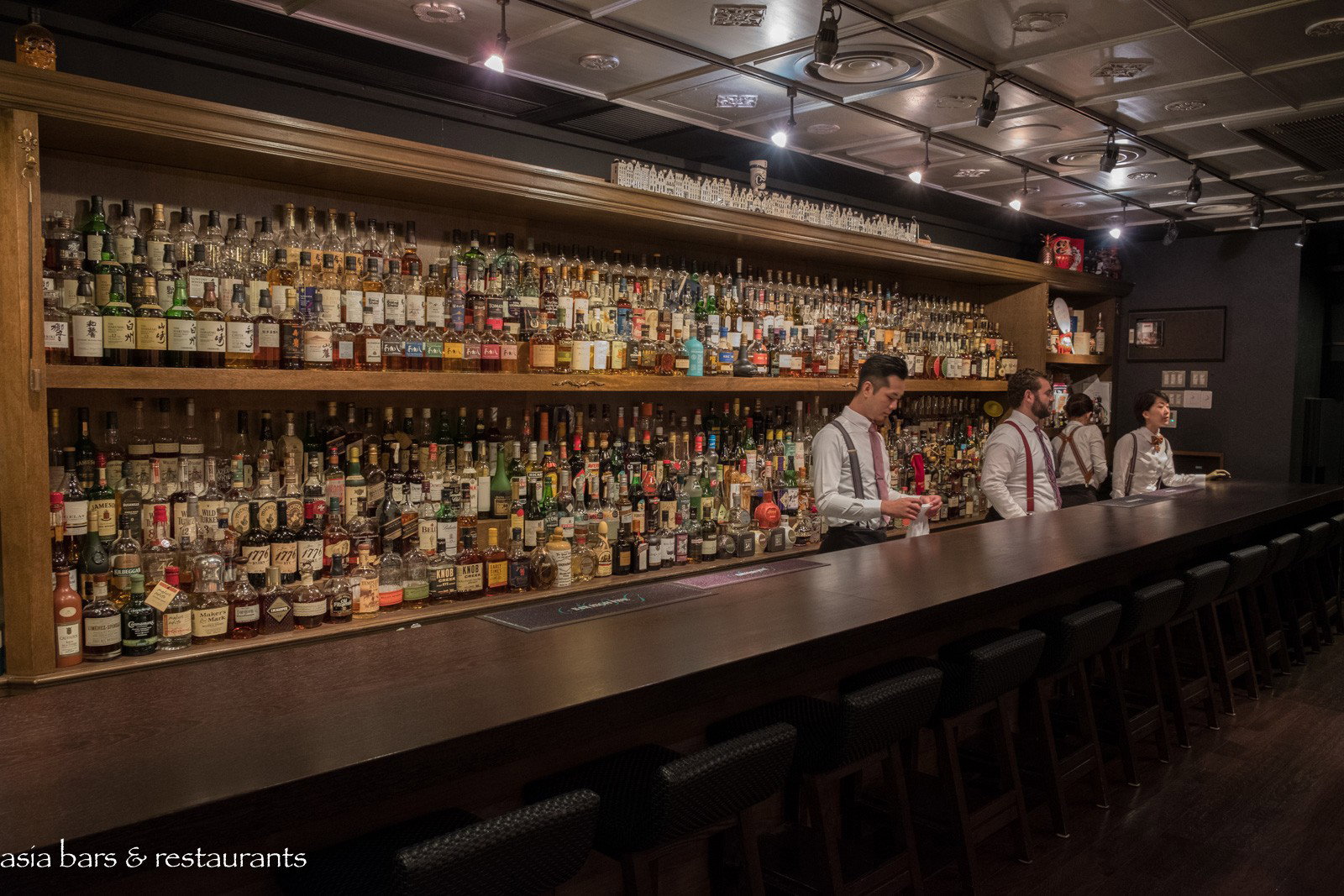
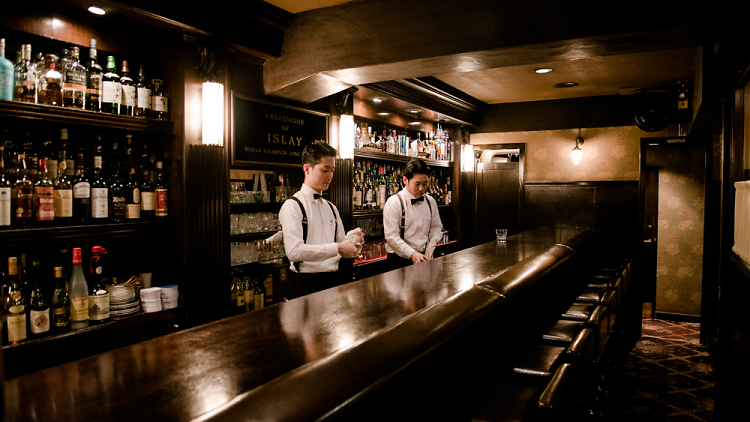
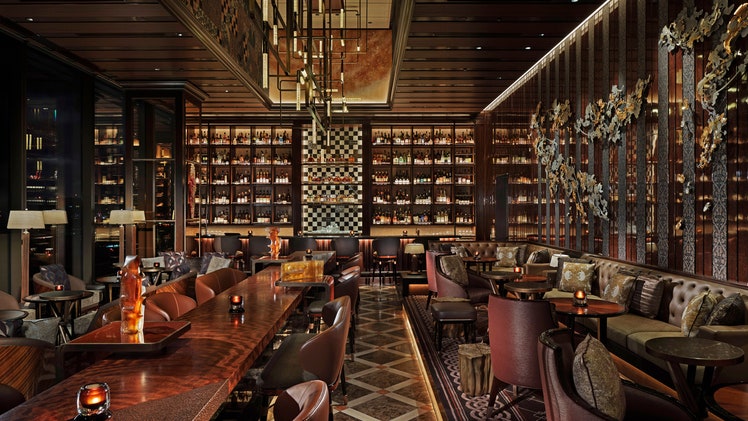
Step off Ginza's main avenue, past the flagship boutiques and the heavy lacquered doors of tasting-menu temples, and the pitch of the city changes. The neighbourhood's French restaurants divide sharply between grand-occasion dining rooms with multi-course menus priced at four figures and a smaller, quieter tier that doesn't court ceremony. Bistrot Vivienne sits in this second tier, occupying an address on Chome-13-19 Ginza where the room is designed around the rhythms of a French neighbourhood bistro rather than a statement evening out. The lighting is calibrated to conversation, the tables are close enough that you register the wine being poured at the next seat, and the overall atmosphere communicates something that Ginza's more theatrical French rooms rarely attempt: ordinary pleasure, well executed.
That distinction matters in context. Tokyo's French dining scene has long skewed toward the elaborate. Rooms like L'Effervescence and Sézanne operate at the three-Michelin-star tier, where the evening is structured, the mise en place is precise, and the price is a significant event in itself. ESqUISSE and Florilège occupy a similar register of ambition. Even at the Château Restaurant Joël Robuchon, the formality is part of the offering. Bistrot Vivienne argues the opposite case: that French cooking at its most transferable is regional, approachable, and grounded in charcuterie and slow-cooked cuts rather than architectural plating.
The Case for Regional Cooking in a Prestige Postcode
French bistro tradition has always carried a sustainability logic that predates the word's current use in hospitality. Regional bistro kitchens in France built their menus around the whole animal, slow cooking, preservation, and what grows or ferments locally. Cassoulet is duck confit, pork sausage, and dried beans cooked together over hours because each element is storable and the combination is more than the sum of its parts. Quenelle demands fresh fish and a rested mousseline, but the technique itself is a way of extending a small amount of expensive protein into a generous serving. Beef cheek simmered in wine is a cut that rewards patience rather than expense. These are not concessions to economy; they are the technical core of French regional cooking, and they represent an inherently low-waste approach to the menu.
At Bistrot Vivienne, the stated intent is to capture the texture of everyday French life rather than its aspirational moments, and this editorial choice has direct implications for how ingredients are used. Charcuterie, which anchors the opening of the menu, depends on whole-animal butchery, salt, fat, and time. The pie-pastry dishes, a reference to the croûte tradition in French regional baking, use the pastry as both container and vehicle, reducing the need for separate garnish courses. These are methods that waste very little, not as a programmatic statement but as a structural feature of the cooking tradition itself.
In Tokyo, where French restaurants at the ¥¥¥¥ tier frequently import significant quantities of European protein and produce to authenticate their menus, a ¥¥ bistro operating in the Bib Gourmand bracket has a different supply logic. The Michelin Bib Gourmand designation, which Bistrot Vivienne holds for 2024, recognises accessible price-to-quality ratios, and maintaining that ratio in Ginza requires supply discipline. The kitchen cannot rely on imported luxury product as the primary differentiator; the differentiation has to come from technique and sourcing intelligence.
Wine as the Guiding Architecture
The partnership structure here is important context. The venue is co-run by a chef and a sommelier, and the sommelier's influence shapes the list in a way that reinforces the regional cooking philosophy. Every French wine region is represented, and the guiding principle offered to guests is regional pairing: Alsatian riesling with choucroute-adjacent preparations, southern Rhône with the cassoulet, Loire with the charcuterie, and so on. This is not a wine programme designed to maximise per-cover spend through trophy bottles. It is a programme designed to teach, which is a more useful and ultimately more honest framework for a bistro room.
Regional wine pairing also has its own sustainability dimension. Matching wine to the same regional provenance as the dish reduces the reach of the list and concentrates buying power on specific producers. A sommelier who knows Languedoc well enough to pair it confidently with cassoulet is likely buying directly or through informed importers rather than through generic wholesale channels, and that specificity tends to reward smaller, lower-intervention producers.
For the full range of what Tokyo's French scene covers, from this register up to the multi-star rooms, the EP Club Tokyo restaurants guide maps the spread. Japan's broader French presence extends well beyond Tokyo: HAJIME in Osaka operates at the three-star level, and akordu in Nara brings a European perspective to the ancient capital. Outside Japan, the same bistro-rooted French tradition runs through rooms like Hotel de Ville Crissier in Crissier and Les Amis in Singapore, both of which operate in the higher-ceremony tier that Bistrot Vivienne deliberately sidesteps.
Where Bistrot Vivienne Sits in the Peer Set
The Bib Gourmand is a meaningful signal here. In a city where the French dining conversation defaults to Michelin stars and reservation queues measured in months, a Bib Gourmand in Ginza places a restaurant in a small and specific cohort: technically credible, priced for repeat visits, and more interested in consistency than in spectacle. The 4.3 Google rating from 76 reviews suggests a dining room that generates loyalty rather than viral moments, which is precisely what the bistro format requires to work over time.
The comparison to peer restaurants in Japan reinforces how narrow this positioning is. Gion Sasaki in Kyoto, Goh in Fukuoka, and 1000 in Yokohama each operate in high-ceremony formats where the evening is a structured event. 6 in Okinawa represents the opposite coastal simplicity. Bistrot Vivienne occupies neither of those positions. It is, in the precise sense, a European transplant operating on French bistro logic in a Japanese context: the technique is classical, the portion philosophy is generous, and the register is mid-week rather than special occasion.
Planning a Visit
Bistrot Vivienne is located at 4 Chome-13-19 Ginza, Chuo City, Tokyo 104-0061, within comfortable walking distance of Ginza station on multiple metro lines. The ¥¥ pricing puts it meaningfully below the neighbourhood's tasting-menu rooms and makes it viable for both lunch and dinner without requiring advance calendar planning at the level of Tokyo's starred counters. The wine list's regional architecture means that guests who arrive with some knowledge of French regional pairings will get more from the experience, but the sommelier partnership exists precisely to guide those who don't. Reservations are advisable for dinner given the Ginza address and the Bib Gourmand profile, which generates consistent traffic from both local and visiting diners. For hotels nearby, the EP Club Tokyo hotels guide covers the full range; for bars and further dining, the Tokyo bars guide, Tokyo wineries guide, and Tokyo experiences guide complete the picture.
A Credentials Check
A small set of peers for context, based on recorded venue fields.
| Venue | Awards | Cuisine | Notes |
|---|---|---|---|
| Bistrot Vivienne | Bib Gourmand | French | This venue |
| Harutaka | Michelin 3 Star | Sushi | Sushi, ¥¥¥¥ |
| RyuGin | Michelin 3 Star | Kaiseki, Japanese | Kaiseki, Japanese, ¥¥¥¥ |
| L'Effervescence | Michelin 3 Star | French | French, ¥¥¥¥ |
| HOMMAGE | Michelin 2 Star | Innovtive French, French | Innovtive French, French, ¥¥¥¥ |
| MAZ | Michelin 2 Star | Innovative | Innovative, ¥¥¥¥ |
At a Glance
- Intimate
- Cozy
- Elegant
- Classic
- Date Night
- Special Occasion
- Extensive Wine List
- Local Sourcing
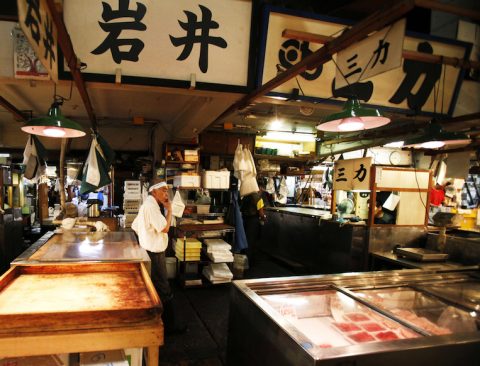
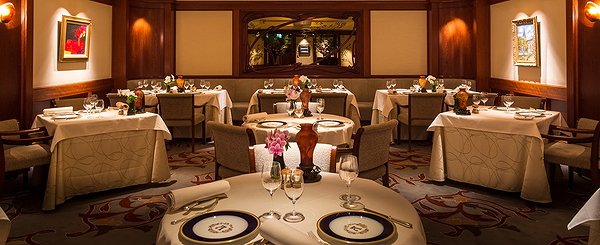
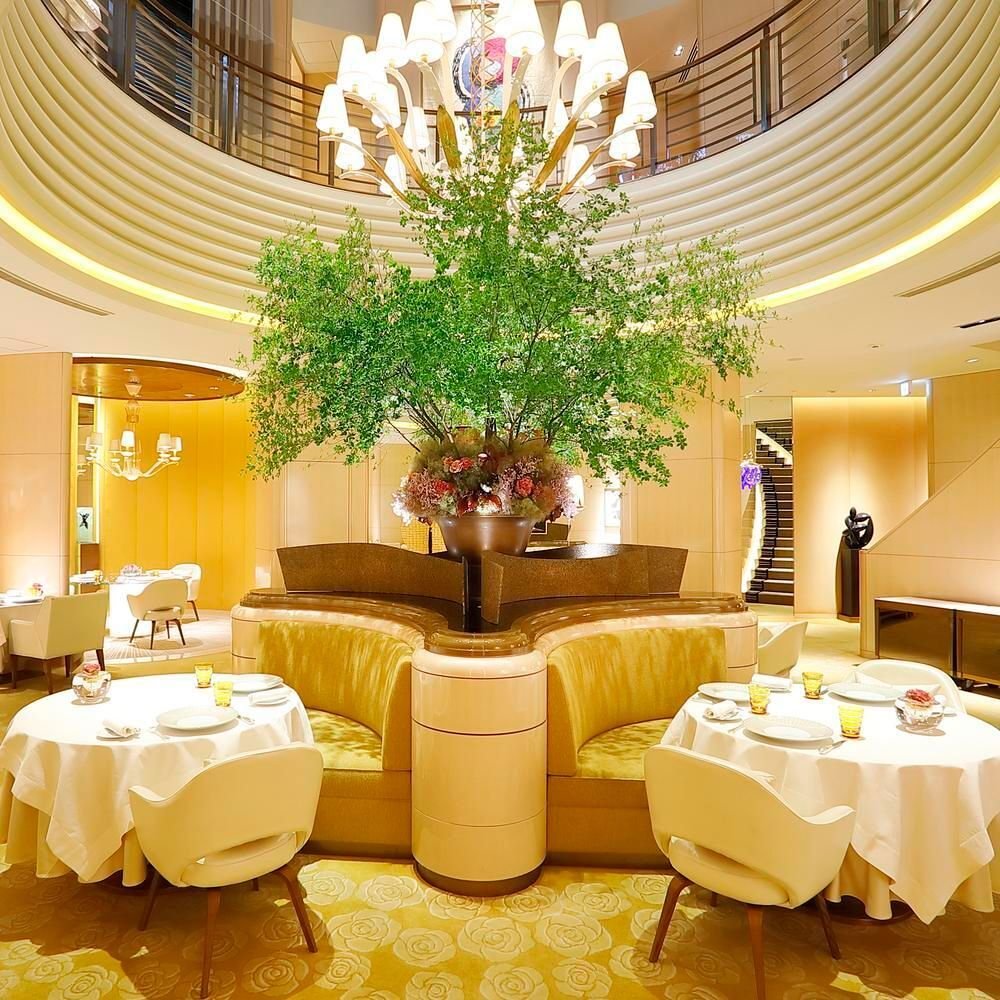
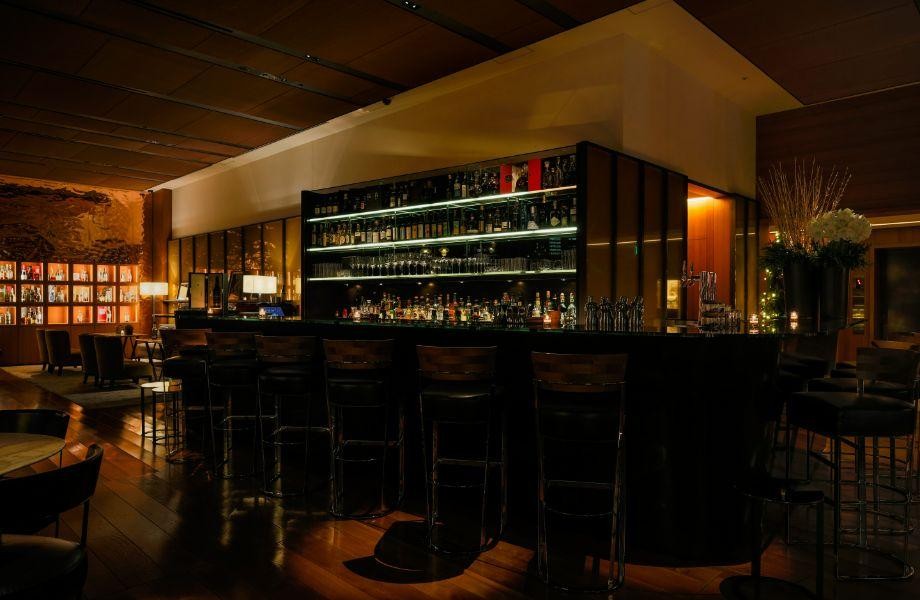
Warm lighting creates a comfortable, homely, and intimate atmosphere.