The Post Brasserie occupies a Kreuzberg address that positions it between Berlin's formal fine-dining circuit and its looser, neighbourhood-rooted eating culture. Where the city's €€€€ tier pulls toward tasting-menu precision at venues like Rutz or Nobelhart & Schmutzig, The Post Brasserie reads as a counter-proposal: a room built for the long lunch and the unhurried dinner, anchored in brasserie tradition rather than tasting-menu theatre.
Pearl is the En Primeur Club membership app — saves, bookings, and concierge access live there. Same editors, same standards.
- Address
- Hallesche Str. 10-14, 10963 Berlin, Germany
- Phone
- +4949308010660
- Website
- opentable.com
- Directions
- Get directions
 Saves & bookings on Pearl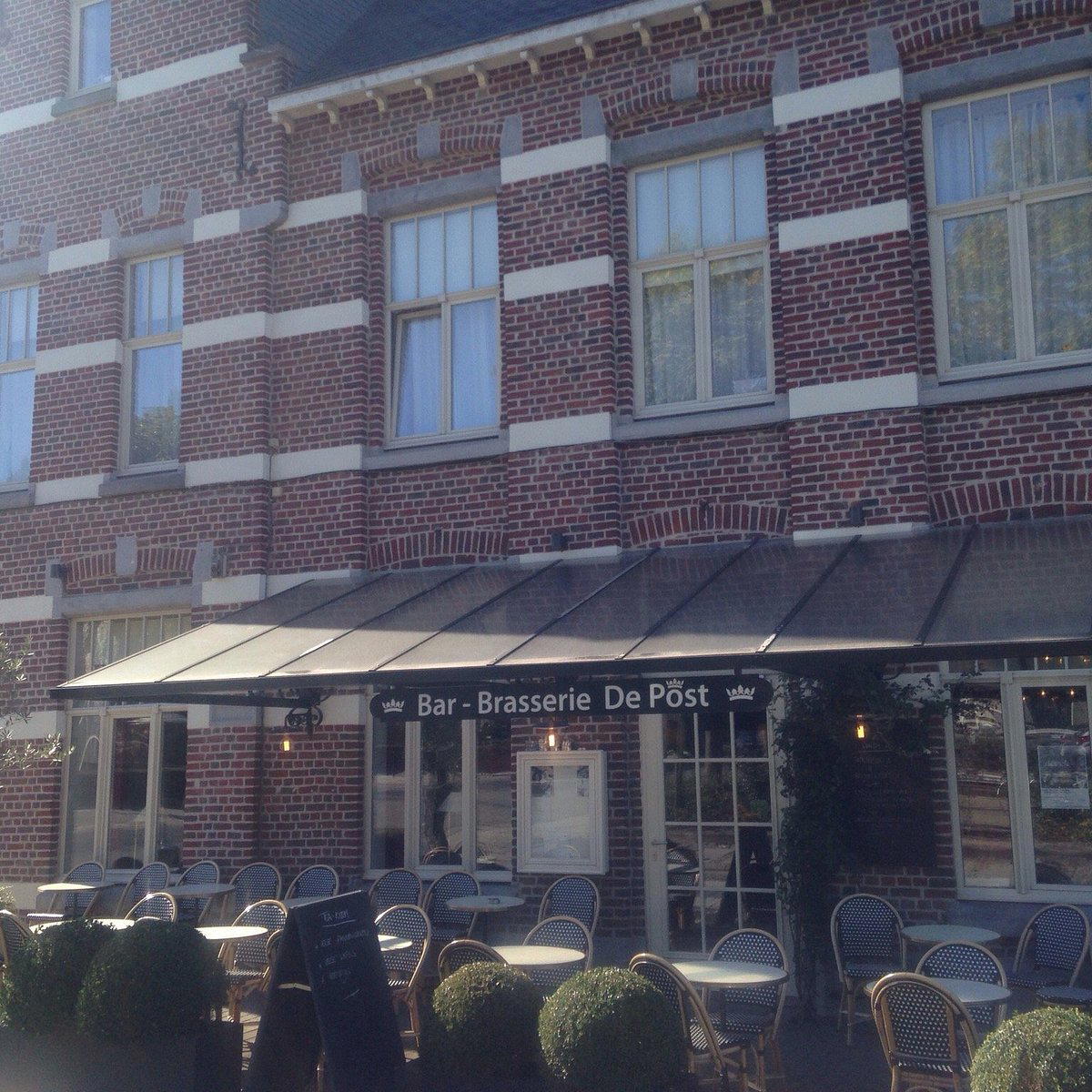
The Building as Statement: Kreuzberg's Postal Heritage Reframed
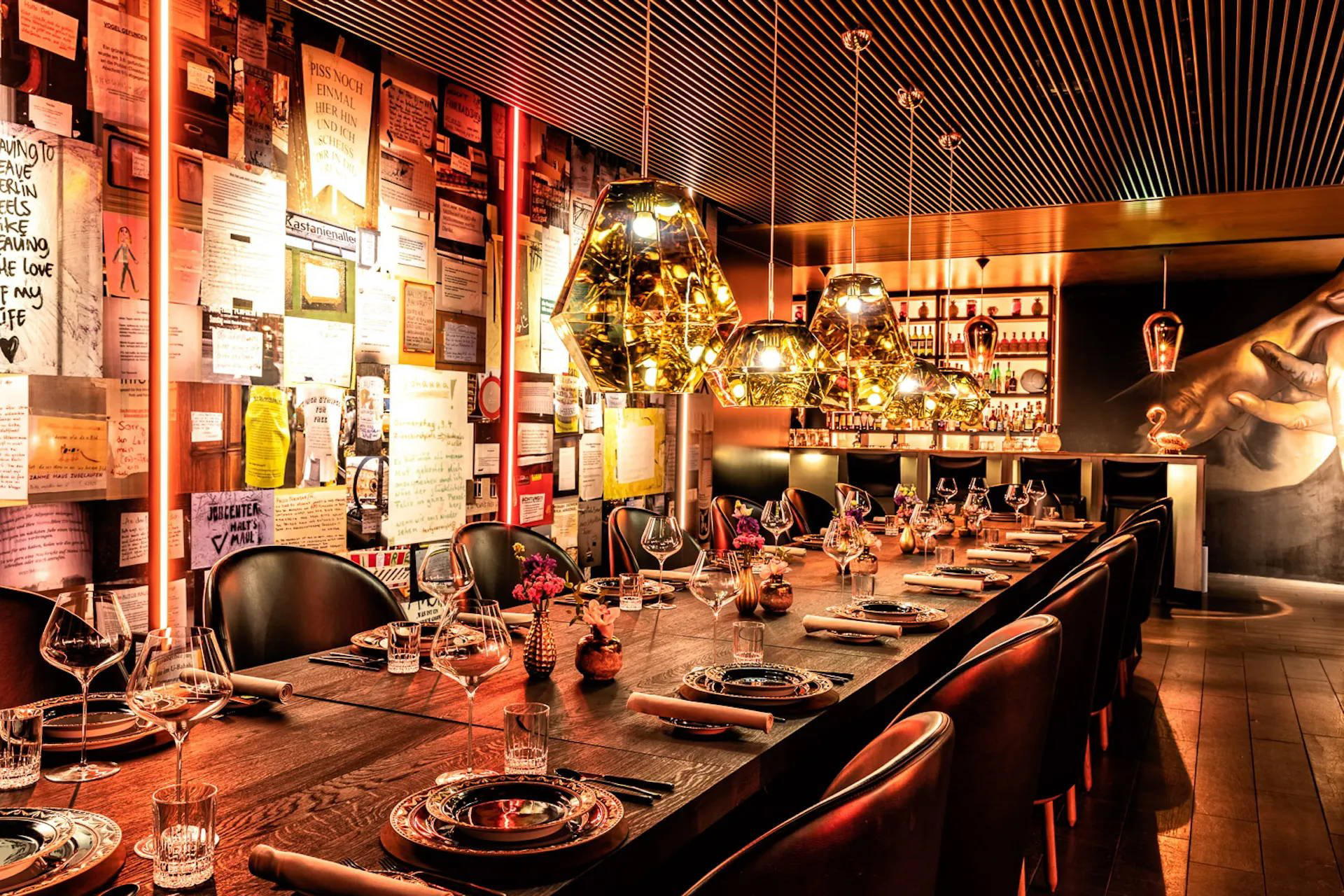
Berlin has a particular relationship with adaptive reuse. Across Mitte, Prenzlauer Berg, and Kreuzberg, the city's most characterful dining rooms tend to inhabit spaces that carried an entirely different function for most of the twentieth century. The Post Brasserie is a Modern French Brasserie at Hallesche Str. 10-14, 10963 Berlin, Germany. The address sits in the corridor where Kreuzberg shades into Tempelhof-Schöneberg, a part of the city that has historically been quieter than the gallery-heavy northern stretch of the district but that has accumulated a consistent layer of serious restaurants and well-edited bars over the past decade. A former postal building as a dining context is not incidental: the architecture of German civic infrastructure from the mid-twentieth century ran to high ceilings, generous floor plates, and structural confidence that contemporary restaurant fit-outs rarely achieve from scratch. That physical inheritance is the starting condition for everything The Post Brasserie does.
Space and Seating: The Logic of the Brasserie Format
The brasserie as a format has a specific contract with its guests that distinguishes it from both the casual bistro and the structured fine-dining room. In its French original, the brasserie was a brewery-adjacent eating house where tables turned slowly, portions were direct, and the room itself was designed to hold a crowd without losing intimacy at the individual table. The format travelled well into Germany, where beer-hall traditions already provided a cultural cousin, and has been periodically reinvented by European restaurateurs looking for something between the rigidity of tasting-menu service and the informality of a neighbourhood tavern.
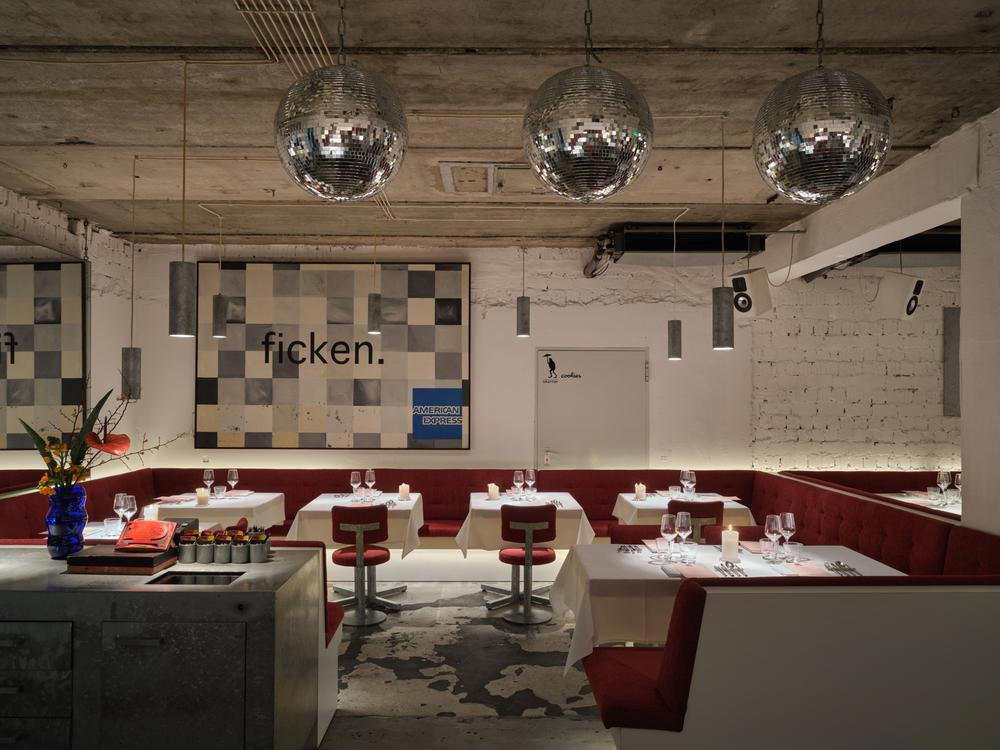
What defines a good brasserie room architecturally is less about decoration than proportion. Ceiling height, the distance between tables, the acoustic behaviour of hard surfaces, the quality of daylight at lunch service: these are the variables that separate a room that works from one that merely looks the part. Berlin's premium dining tier has largely moved toward intimate, smaller-count spaces, the eight-to-twelve-seat counter at CODA Dessert Dining, the controlled environment at FACIL inside the Mandala Hotel, or the deliberately compressed format at Nobelhart & Schmutzig. The brasserie format argues for the opposite: scale used well, where the room absorbs noise without killing conversation and the layout allows for tables of two and tables of ten to coexist without one encroaching on the other.
Kreuzberg's Dining Position in the City
Berlin's dining geography has consolidated around a handful of distinct zones, each with its own culinary character. Mitte holds the majority of the city's Michelin-registered addresses. Prenzlauer Berg runs toward comfortable mid-market eating with a residential customer base. Kreuzberg is more complex: it contains some of the city's most awarded kitchens alongside Turkish-German street food institutions, natural wine bars, and a growing tier of chef-driven rooms that resist easy categorisation. Restaurant Tim Raue and Rutz both operate in a Berlin that positions itself as a serious European dining city, and Germany's fine-dining scene beyond Berlin, from Aqua in Wolfsburg to Schwarzwaldstube in Baiersbronn and Vendôme in Bergisch Gladbach, confirms the country's appetite for technical ambition at the table. The Post Brasserie operates in a different register. Its Kreuzberg address and format suggest a room oriented toward the meal as a social event rather than a tasting exercise.
That positioning has real value in a city where the gap between a €15 doner and a €250 tasting menu has historically been wider than in Paris or London. The mid-tier brasserie, done seriously, fills a genuine gap in Berlin's offer. Compared to Germany's destination dining rooms further afield, JAN in Munich, ES:SENZ in Grassau, or Schanz in Piesport, The Post Brasserie is not competing for the same guest. It is, instead, a room for the kind of evening that does not require advance planning three months out or a dress code conversation.
What the Brasserie Tradition Asks of the Kitchen
A brasserie kitchen operates under different pressures than a tasting-menu kitchen. The menu tends to be broader, service volumes higher, and the expectation is consistency across a range of dishes rather than perfection across a fixed sequence. The European brasserie canon includes dishes that have become almost invisible through familiarity, steak frites, roast chicken, braised short rib, and the skill required to do them well is different from but not lesser than the skill required to construct a twelve-course progression. Germany has its own parallel tradition in the Gaststätte and the Wirtshaus, and the brasserie format as practised in Berlin tends to borrow from both French and German idioms without fully committing to either. Internationally, the brasserie model has been explored with considerable rigour at rooms like Le Bernardin in New York (in its sustained commitment to a single protein category at high volume) and, at the creative end, at places like Atomix, which demonstrates what happens when a format is pushed beyond its conventional limits. The restaurant's reference points are more grounded: the tradition of eating well without ceremony, repeated reliably.
The Kreuzberg Address in Context
Hallesche Strasse sits close to the Hallesches Tor U-Bahn station, which places the restaurant within easy reach of central Berlin by public transport, a relevant detail in a city where taxis are less culturally embedded than they are in Munich or Hamburg. The surrounding area has a working density to it: office buildings, retail, and residential stack on top of each other in the way that the older parts of inner-city Berlin tend to. That context shapes the customer mix differently than, say, the destination-restaurant zones around Unter den Linden or the gentrified streets of Mitte. A brasserie in this location is serving locals, office workers, and visitors who have already done their tourist orientation and want to eat somewhere that the city actually eats. That is a different brief from the rooms that aim primarily at the international fine-dining traveller, and it demands a different kind of consistency. Victor's Fine Dining by Christian Bau in Perl, Waldhotel Sonnora in Dreis, Restaurant Haerlin in Hamburg, and Bagatelle in Trier.
Planning Your Visit
The restaurant is located at Hallesche Str. 10-14, 10963 Berlin, with Hallesches Tor as the nearest U-Bahn stop. Pricing is about $65 per person; reservations are recommended.
Compact Comparison
Comparable venues nearby, for context on price, style, and recognition.
| Venue | Cuisine | Price | Notes |
|---|---|---|---|
| The Post BrasserieThis venue — the venue you are viewing | Kreuzberg, Modern French Brasserie | $$$ | Not listed |
| Le Faubourg | Not listed | $$$ | Charlottenburg, Modern French with Regional Influences |
| MANON | Charlottenburg, Modern French Brasserie | $$$ | Not listed |
| Brasserie Le Paris | Charlottenburg, Classic French Brasserie | $$$ | Not listed |
| CARTE BLANCHE | Tiergarten, French Brasserie | $$$ | Not listed |
| Bostich | Wilmersdorf, French-Swiss Bistro | $$$ | Not listed |
Continue exploring
More in Berlin
Restaurants in Berlin
Browse all →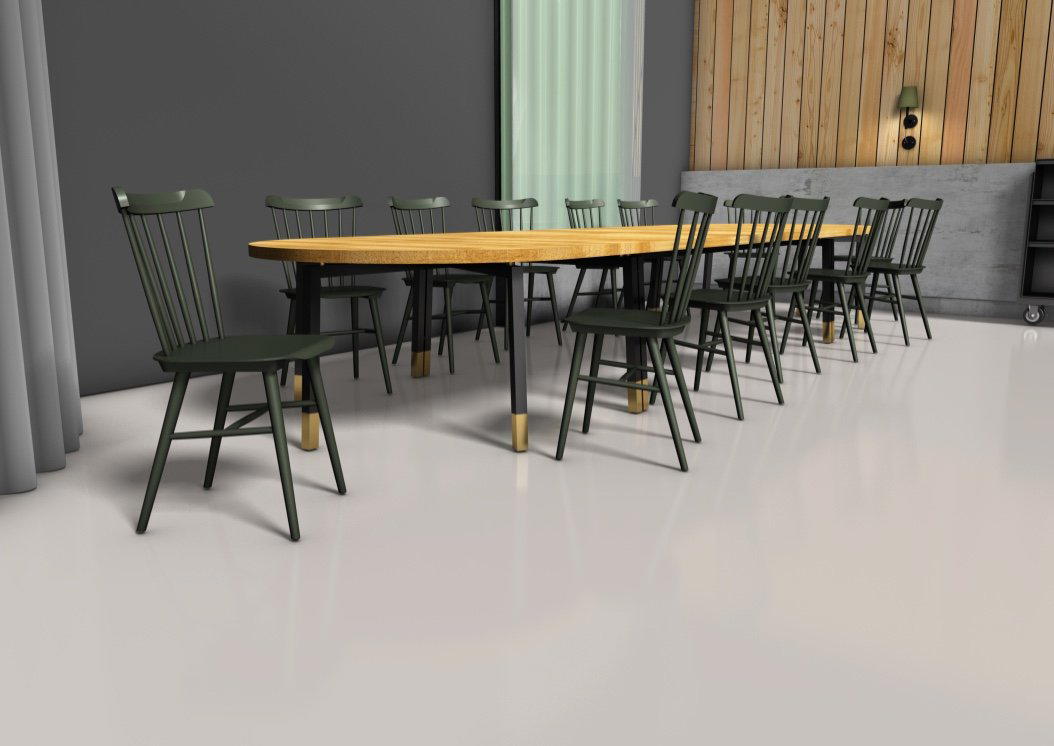
Bars in Berlin
Browse all →
Hotels in Berlin
Browse all →

At a Glance
- Elegant
- Classic
- Sophisticated
- Lively
- Business Dinner
- Date Night
- Group Dining
- Casual Hangout
- Open Kitchen
- Hotel Restaurant
- Local Sourcing
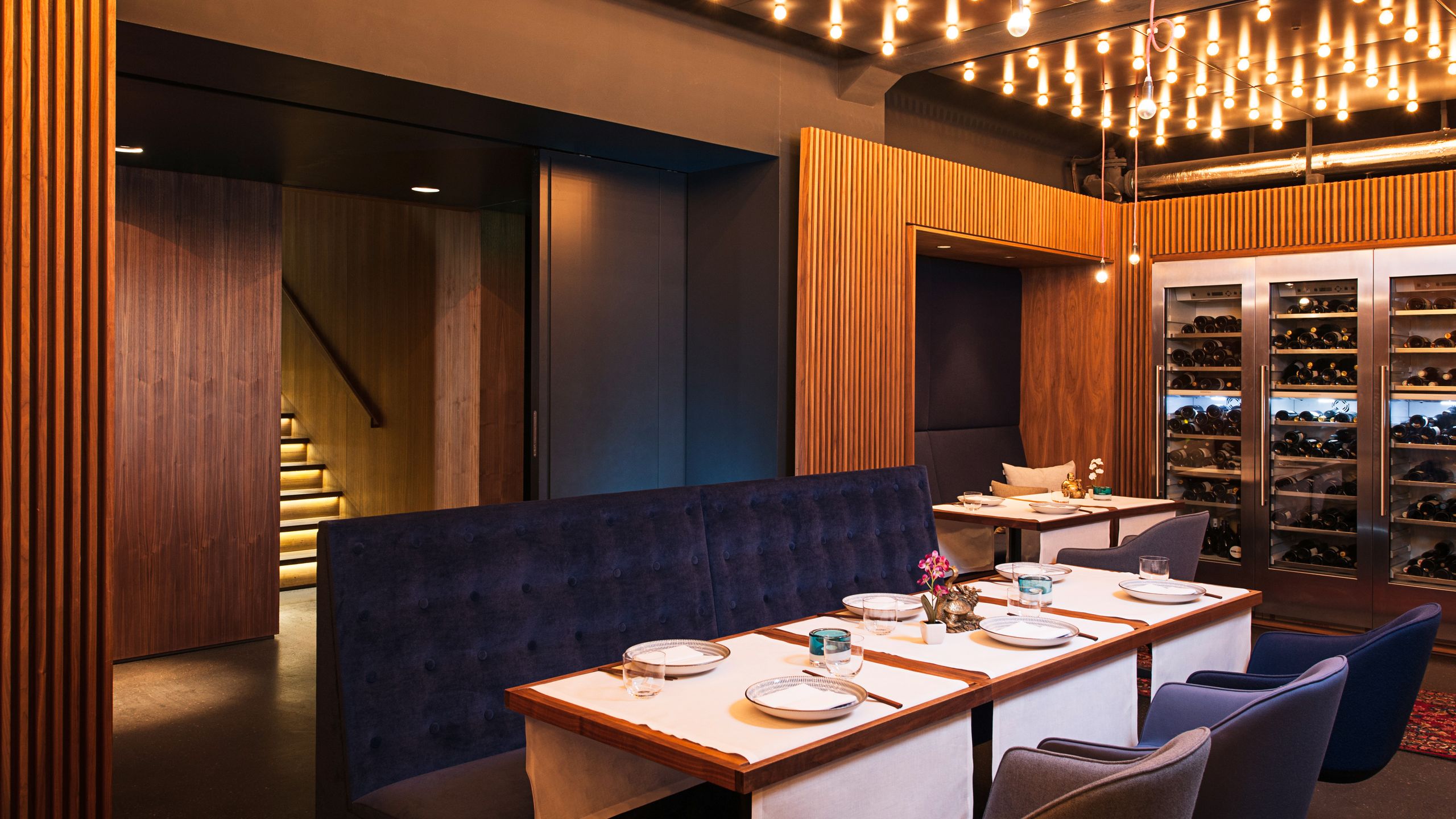
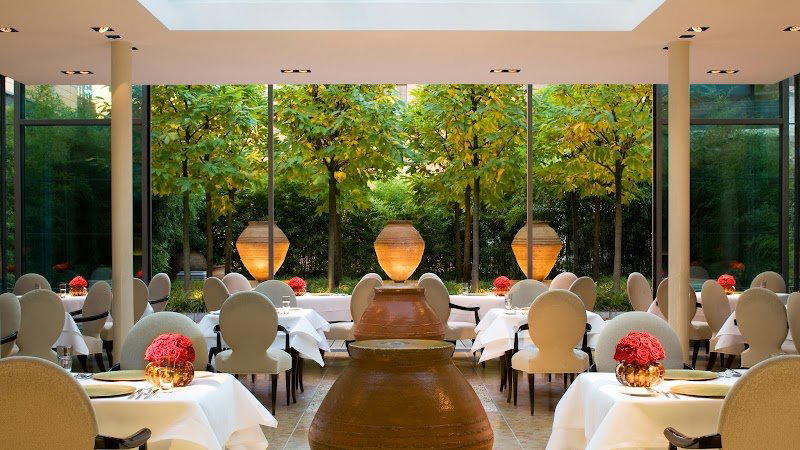
Carefree and sophisticated atmosphere with an open show kitchen visible to diners, blending modern elegance with casual comfort in a historic building.