Bistro Cacao
On Massachusetts Avenue NE, Bistro Cacao occupies a stretch of Capitol Hill that has quietly grown into one of Washington's more considered dining corridors. The bistro format here leans toward sustainability-conscious cooking, placing it alongside a broader D.C. movement that treats sourcing and waste reduction as structural commitments rather than menu copy. Visitors looking for a neighbourhood-scale restaurant with ethical grounding will find it worth the trip.
Pearl is the En Primeur Club membership app — saves, bookings, and concierge access live there. Same editors, same standards.
- Address
- 316 Massachusetts Ave NE, Washington, DC 20002
- Phone
- +12025464737
- Website
- bistrocacao.com
- Directions
- Get directions
 Saves & bookings on Pearl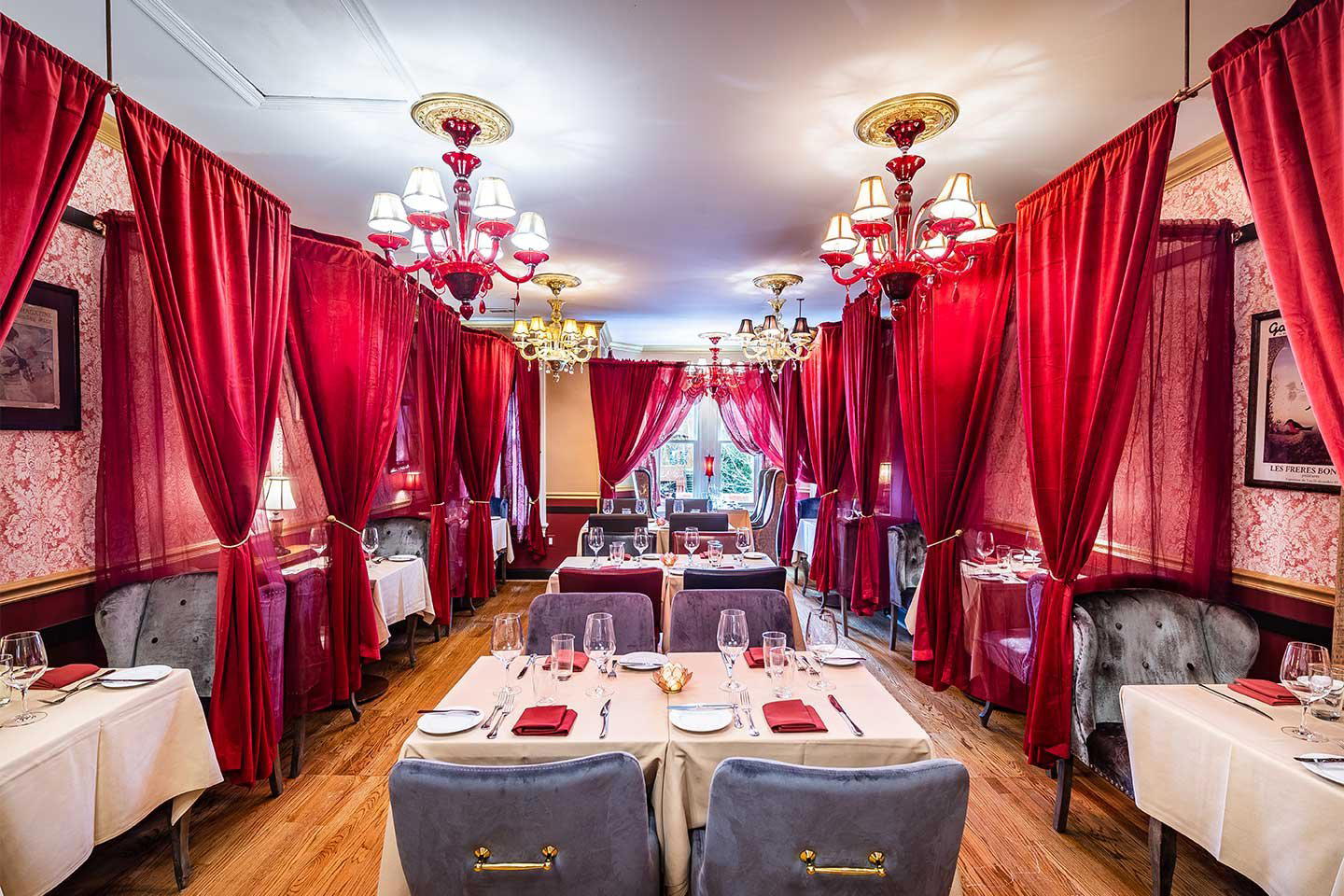
Capitol Hill's Quieter Dining Corridor
Bistro Cacao is a Modern French Bistro in Washington, D.C. Massachusetts Avenue NE is not the address most visitors reach for first when planning a Washington dinner. That relative obscurity makes the stretch worth attention. Capitol Hill's dining scene has matured steadily over the past decade, moving away from a reputation for power-lunch convenience toward a more considered set of neighbourhood restaurants that serve regulars rather than tourists. Bistro Cacao, at 316 Massachusetts Ave NE, sits inside that shift: a bistro-format address in a part of the city where the room tends to fill with people who live nearby rather than people checking something off a list.
The physical approach matters here. Massachusetts Avenue in this section is residential in character, with rowhouses and tree canopy that soften the walk from Union Station or the Eastern Market Metro stops. Arriving by foot rather than rideshare gives the neighbourhood its proper scale. The bistro format, common in this part of D.C. implies something specific: a shorter menu, a room that is not trying to be a destination event, and a pace that allows conversation rather than performance.
Where Bistro Cacao Sits in Washington's Sustainability Conversation
Washington's restaurant scene has developed a coherent sustainability tier over the past several years, and it is more demanding than the language on most menus suggests. Oyster Oyster, the New American and vegetarian address in Shaw, has made sourcing and waste reduction structural to its format, drawing significant critical attention in the process. Albi on the Wharf has approached Middle Eastern cooking through a regionally grounded lens that treats ingredients as primary rather than decorative. These are restaurants where the ethical sourcing commitment shows up in the menu architecture, not just in a paragraph on the website.
The restaurant operates in the same broader current. The bistro format, historically French in origin, has always implied a degree of discipline around ingredients: smaller menus, fewer covers, a kitchen that buys what it can use rather than what photographs well. In a city where restaurants like Jônt and minibar occupy the high-concept modernist tier, the restaurant operates at a different register, one where the sustainability story is embedded in format and scale rather than theatrical technique.
Across the United States, this approach has found its most articulate expression at places like Blue Hill at Stone Barns in Tarrytown, where the farm-to-table commitment is literal and operational, or Single Thread Farm in Healdsburg, where the kitchen, farm, and inn operate as a single system. At a smaller, neighbourhood scale, the principle is the same: menus built around what can be sourced responsibly, kitchens designed to generate less waste, and portion logic that reflects the cost of good ingredients honestly.
The Bistro Format as an Ethical Stance
It is worth being precise about what the bistro format actually commits a kitchen to. Shorter menus mean fewer ingredients held in rotation, which reduces spoilage. A smaller room means fewer covers and more control over the pace of service, which tends to support better execution and less overproduction. These are not glamorous sustainability claims, but they are structurally more honest than the language of many larger restaurants that source one or two headline ingredients ethically while running high-volume operations that generate significant waste downstream.
In Washington specifically, this middle tier of serious but non-theatrical restaurants has expanded as the city's dining culture has matured. The period following the city's James Beard recognition surge, which brought attention to kitchens like Causa for its Peruvian sourcing intelligence and The Inn at Little Washington for its long-standing regional commitment, created space for neighbourhood-scale restaurants to operate with similar intentionality at lower price points and lower profiles.
The comparison set for the restaurant is not the Michelin-starred rooms on the other side of the city. It is the serious neighbourhood bistro that understands its role as a regular rather than an occasion restaurant, and builds its kitchen practices accordingly. Restaurants operating in this register elsewhere in the country include Smyth in Chicago, which treats sourcing as a primary design constraint, and Lazy Bear in San Francisco, where the communal format and limited-menu structure serve a similar discipline. At the more formal end of the ethical sourcing conversation, Addison in San Diego and Providence in Los Angeles have demonstrated that the commitment can scale upward without losing rigor. The restaurant operates closer to the neighbourhood end of that spectrum, which suits Massachusetts Avenue NE.
Planning Your Visit
Capitol Hill is approachable from several Metro lines, with Union Station on the Red Line being one direct point of entry for visitors arriving from central D.C. The walk down Massachusetts Avenue from Union Station takes roughly ten minutes and passes through a neighbourhood that is worth the ground-level attention. For those already on the Hill, the Eastern Market stop on the Blue, Orange, and Silver Lines puts the address within a similar walk. The bistro format and neighbourhood positioning suggest that this is not a restaurant requiring weeks of advance planning in the way that high-demand tasting menu rooms do, though confirming availability ahead of time is sensible for weekend evenings. Reaching the restaurant directly before visiting is the practical approach. For a broader sense of where the restaurant sits within the city's dining options,
Internationally, the sustainability-led bistro model has its most documented expression at places like Atelier Moessmer Norbert Niederkofler in Brunico, where the Alpine sourcing philosophy has become a reference point for the form. Domestically, Le Bernardin in New York City and Emeril's in New Orleans represent different points on the sourcing-commitment curve, useful as context for understanding how seriously the question is taken at different scales. The restaurant's Massachusetts Avenue address places it in a quieter part of that conversation, which is not a disadvantage.
A Pricing-First Comparison
Comparable venues nearby, for context on price, style, and recognition.
| Venue | Cuisine | Price | Notes |
|---|---|---|---|
| Bistro CacaoThis venue — the venue you are viewing | Stanton Park, Modern French Bistro | $$$ | Not listed |
| La Grande Boucherie DC | Not listed | $$$$ | East End, Classic French Brasserie & Steakhouse |
| Bistrot Du Coin | Not listed | $$ | Washington Heights, Classic French Bistro |
| Bresca | Not listed | $$$ | U Street Corridor, Modern French-influenced bistronomy |
| Ama | Near Southeast, Northern Italian | $$$ | Not listed |
| Boqueria Penn Quarter | Not listed | $$$ | East End, Barcelona-Inspired Spanish Tapas |
Continue exploring
More in Washington DC
Restaurants in Washington DC
Browse all →
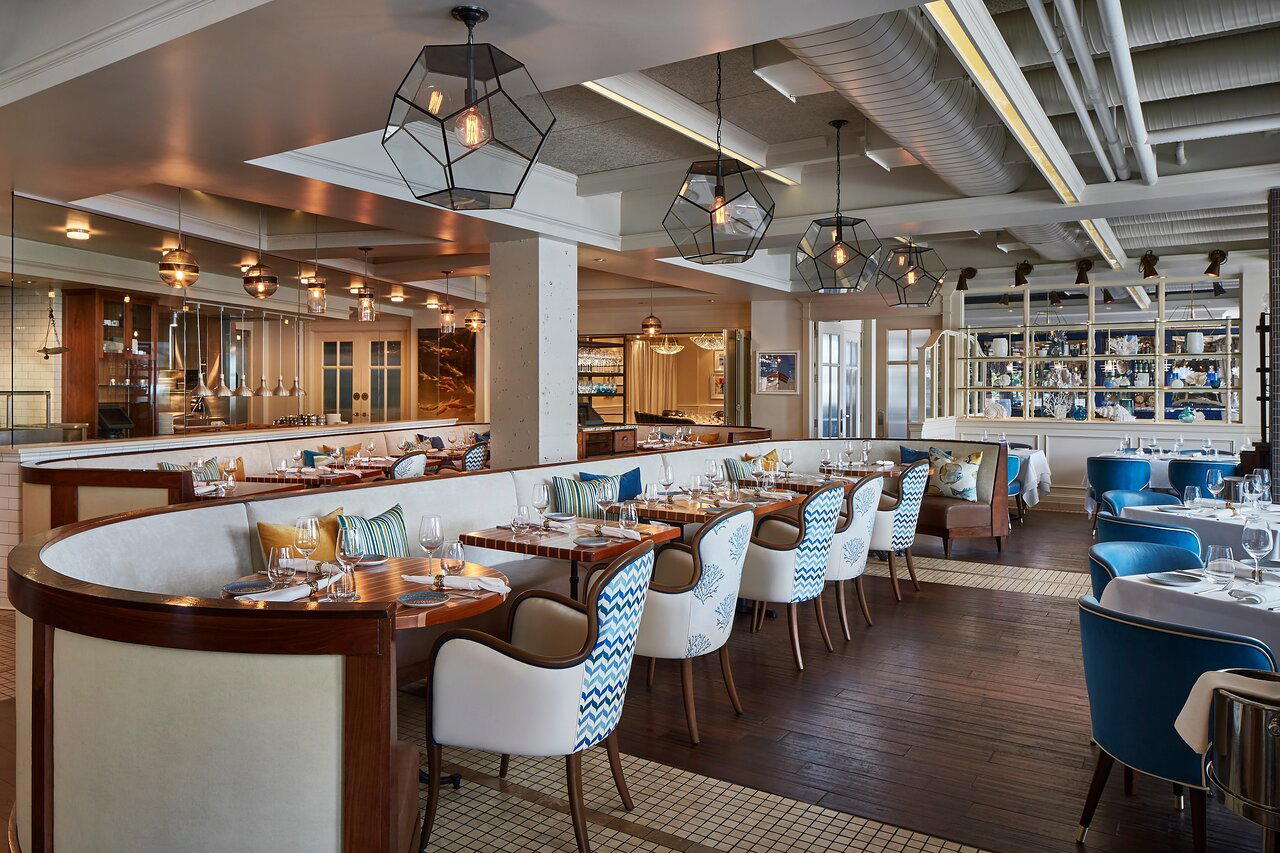
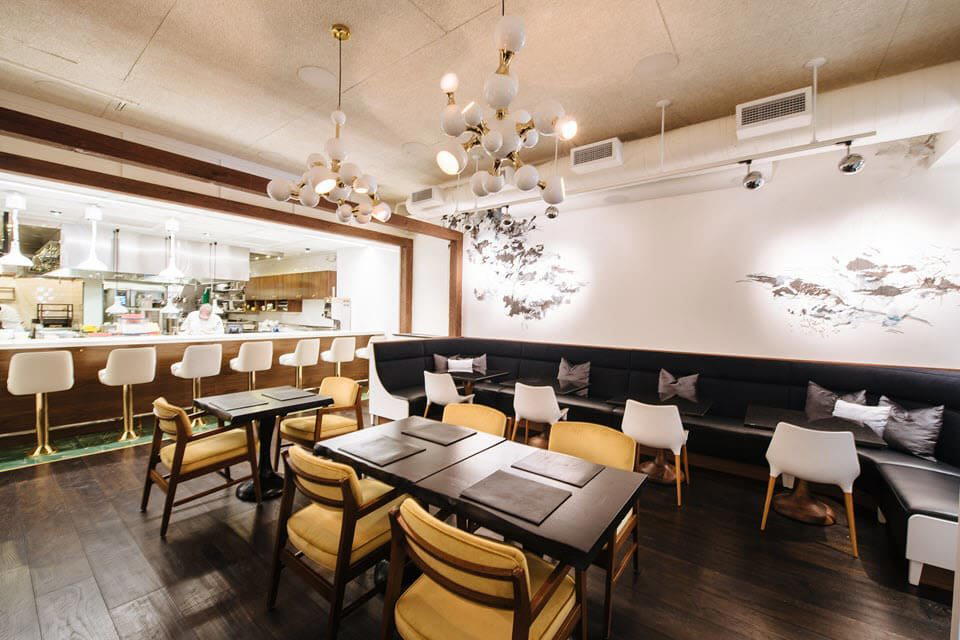
Bars in Washington DC
Browse all →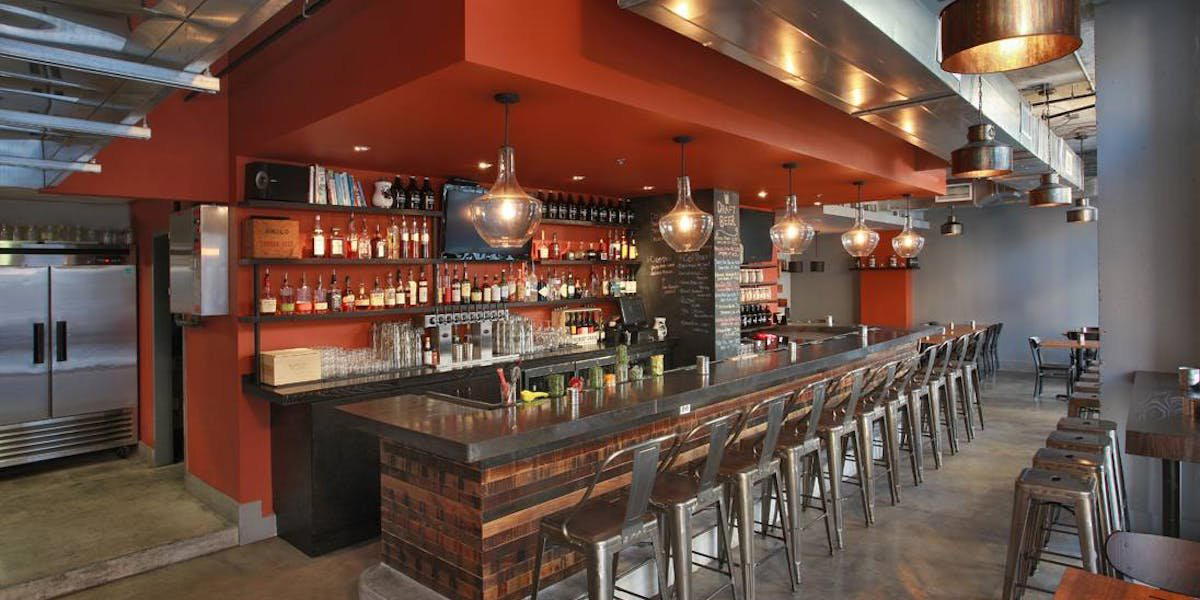
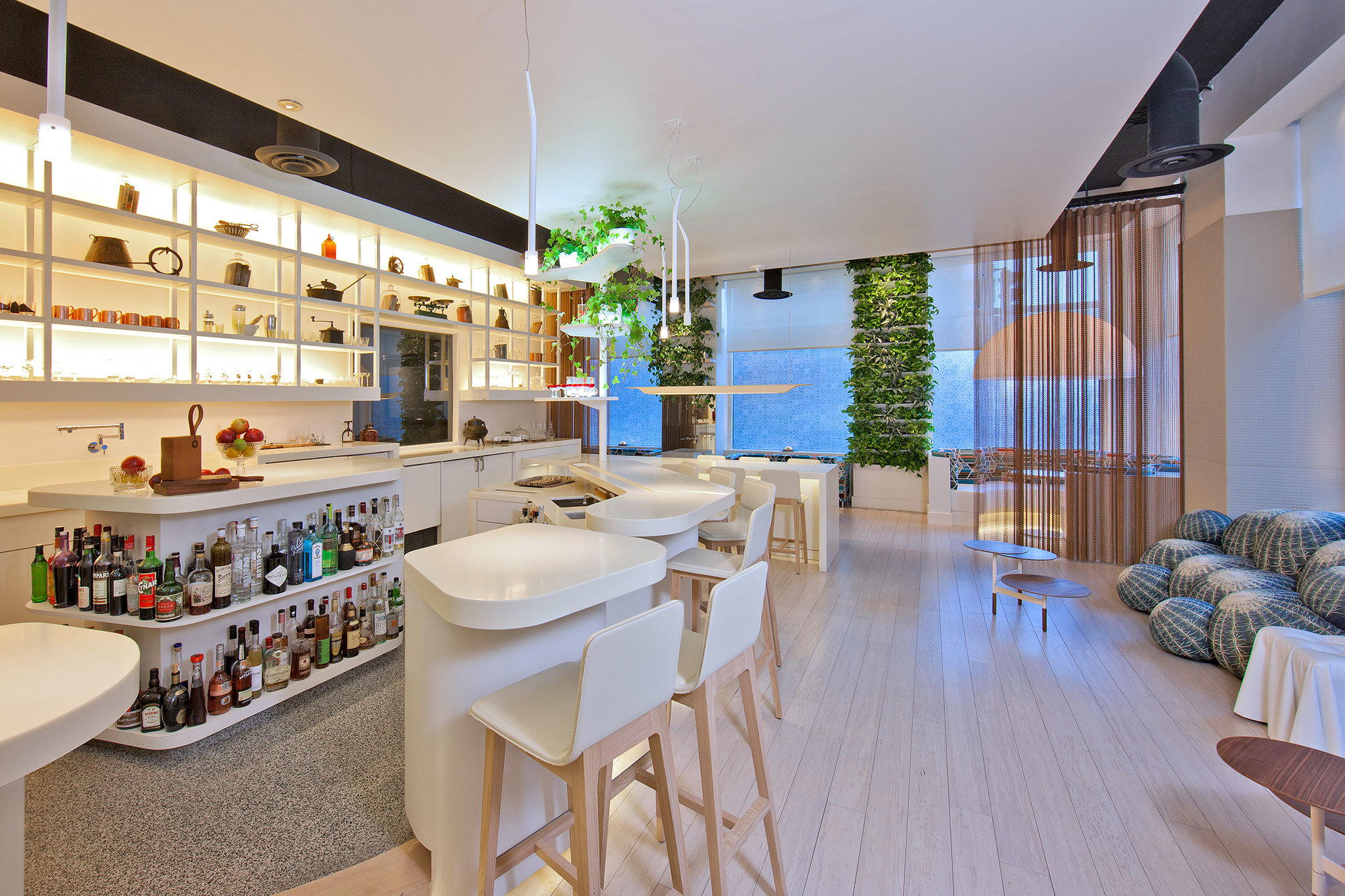
Hotels in Washington DC
Browse all →
At a Glance
- Romantic
- Cozy
- Elegant
- Intimate
- Classic
- Date Night
- Special Occasion
- Private Dining
- Extensive Wine List
Current opening hours
- Monday
- 11:30 AM–8:45 PM
- Tuesday
- 11:30 AM–8:45 PM
- Wednesday
- 11:30 AM–8:45 PM
- Thursday
- 11:30 AM–9:45 PM
- Friday
- 11:30 AM–9:45 PM
- Saturday
- 10 AM–9:45 PM
- Sunday
- 10 AM–2:45 PM
Hours can change for holidays and private events. Last verified .
Romantic and relaxed with small upstairs booths featuring red curtains, quiet atmosphere conducive to intimate conversations, and classic French bistro charm.