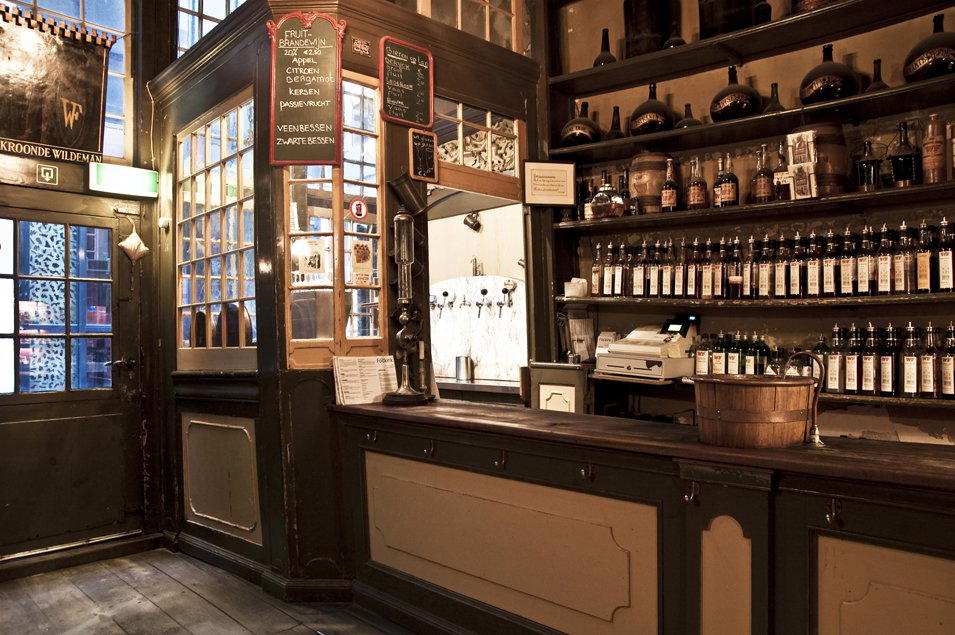
Lijnbaan 36
Lijnbaan 36 sits on one of Rotterdam's most recognisable shopping streets, placing it inside a city that has spent two decades building a serious fine-dining identity from the rubble of post-war reconstruction. With Rotterdam's broader high-end restaurant scene anchored by multiple Michelin-starred addresses, this address enters a competitive tier where technique, sourcing, and format all carry weight.
Pearl is the En Primeur Club membership app — saves, bookings, and concierge access live there. Same editors, same standards.

Rotterdam's Fine-Dining Grid and Where Lijnbaan 36 Fits
Lijnbaan 36 is a restaurant in Rotterdam, Netherlands, serving Dutch Rotisserie Chicken & Cocktails at a price tier of about $20 per person. Rotterdam does not do things quietly. The city that rebuilt itself from concrete and ambition after the Second World War has applied the same disposition to its restaurant culture: angular, forward-leaning, and less interested in nostalgia than in what comes next. Lijnbaan itself is a relevant detail here. Opened in 1953 as the first purpose-built pedestrian shopping street in postwar Europe, it carries a specific architectural and civic weight that most dining addresses in the Netherlands simply do not share. A restaurant at Lijnbaan 36 is, by default, operating inside a piece of urban history, whether it chooses to acknowledge that or not.
Local Ingredients, Global Technique: The Dutch Fine-Dining Conversation
The most interesting thread running through the Netherlands' current restaurant generation is the tension between international method and Dutch product. This is not a uniquely Dutch conversation, it is happening in almost every European city with a serious dining culture, but it takes a particular form in the Netherlands because the raw material base is genuinely strong. North Sea fish, Zeeland shellfish, Limburg asparagus in spring, aged Gouda from the polders, and some of the most carefully cultivated greenhouse herbs and vegetables in Europe all feed into what chefs here are working with. The question is whether the technique applied to those products reflects the same attention that sourcing them demands.
Across the Netherlands, the restaurants that have made the strongest critical arguments in recent years tend to be the ones that resist importing a fully formed foreign grammar and instead develop a language rooted in local seasonality. De Librije in Zwolle has long operated in this register, as has Inter Scaldes in Kruiningen, which draws heavily on Zeeland's coastal larder. Further afield, De Nieuwe Winkel in Nijmegen has made plant-forward Dutch sourcing into an internationally discussed format. De Lindenhof in Giethoorn, Tribeca in Heeze, De Groene Lantaarn in Staphorst, Brut172 in Reijmerstok, De Lindehof in Nuenen, De Bokkedoorns in Overveen, and De Treeswijkhoeve in Waalre all occupy different positions within a national scene where sourcing discipline and technical rigour are increasingly the twin metrics by which serious tables are assessed.
Internationally, the model for applying high classical technique to hyper-local product is well-documented. Le Bernardin in New York City has spent decades demonstrating what French discipline does to Atlantic seafood. Lazy Bear in San Francisco has pushed in a different direction, using American product through a lens that is simultaneously precise and informal. Rotterdam sits close enough to the North Sea and the Dutch agricultural heartland that any serious kitchen in the city has access to the same quality of raw materials that drives those international comparisons. The question is always one of intent and execution.
Approaching a Table at Lijnbaan 36
Lijnbaan 36 is recommended for reservations. What can be said with confidence is that the Lijnbaan address places the restaurant within easy walking distance of Rotterdam Centraal station, which is served by frequent Intercity trains from Amsterdam (approximately 40 minutes), The Hague (approximately 25 minutes), and Utrecht (approximately 40 minutes). The neighbourhood is central, flat, and navigable on foot from the station in under ten minutes, which is a practical advantage for visitors arriving from outside the city.
Rotterdam's busiest dining periods tend to track with the city's architecture and design event calendar, including the Rotterdam Architecture Month each June, when competition for tables at the city's better addresses sharpens. If a visit is being planned around a specific season, late spring, when Dutch asparagus is at its peak, represents the moment when kitchens working with local product have the most to say.
City Peers
Comparable venues nearby, for context on price, style, and recognition.
| Venue | Cuisine | Price | Notes |
|---|---|---|---|
| Lijnbaan 36This venue — the venue you are viewing | Dutch Rotisserie Chicken & Cocktails | $$ | |
| Mathenesserweg 21b | Dutch Stroopwafel Cafe | $$ | Spangen |
| Ajisan Ramen | Authentic Japanese Ramen | $$ | Stadsdriehoek |
| Canteen Walhalla | Casual canteen fare | $$ | Katendrecht |
| Nick Rotterdam | All-Day Breakfast & Brunch | $$ | Stadsdriehoek |
| Foodhallen Rotterdam | Global Street Food Hall | $$ | Kop van Zuid |
Continue exploring
More in Rotterdam
Restaurants in Rotterdam
Browse all →Bars in Rotterdam
Browse all →Hotels in Rotterdam
Browse all →At a Glance
- Lively
- Trendy
- Cozy
- Energetic
- Casual Hangout
- After Work
- Group Dining
- Open Kitchen
- Live Music
- Craft Cocktails
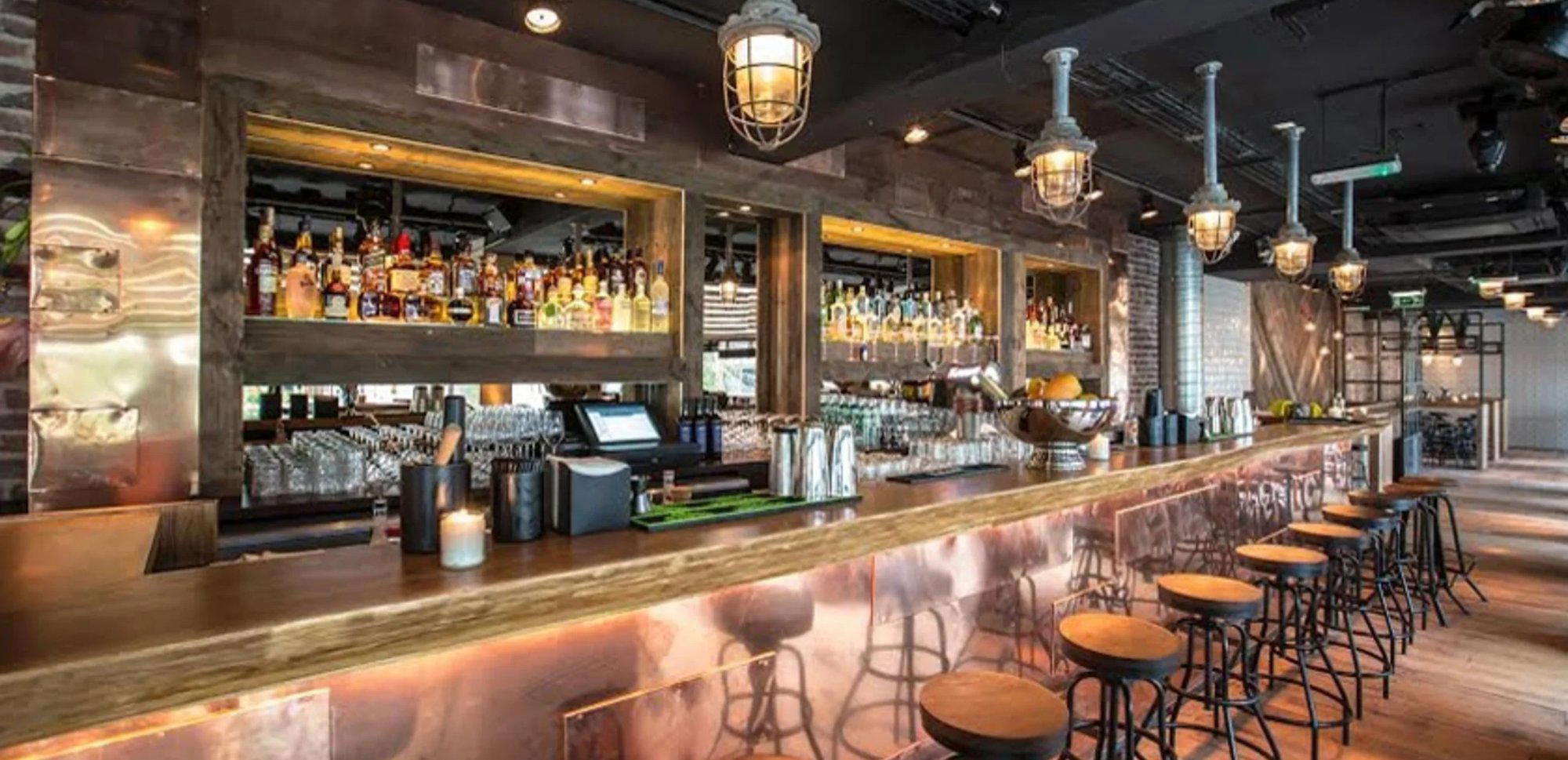
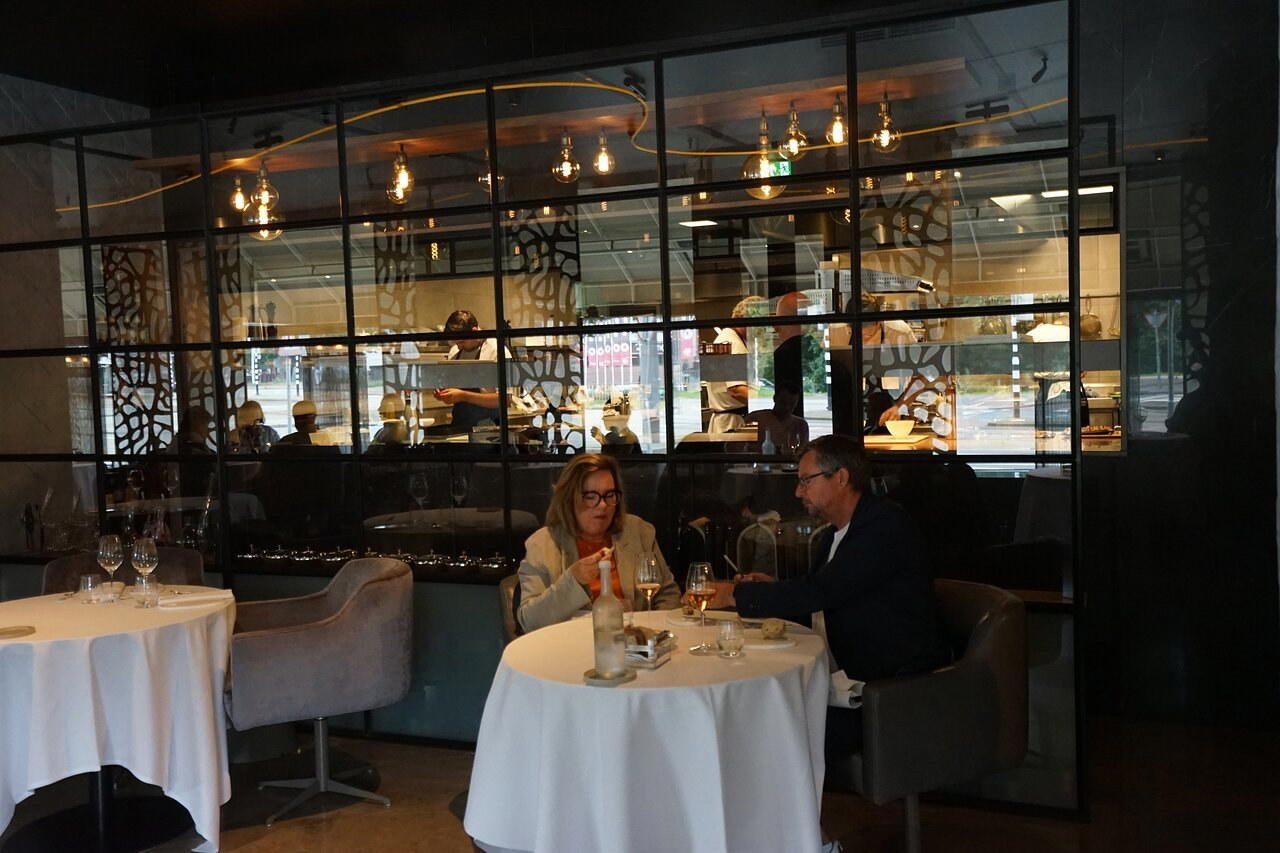
Cosy vibes with live music and DJs, visually appealing with a hot kitchen and energetic atmosphere.