Our verdict
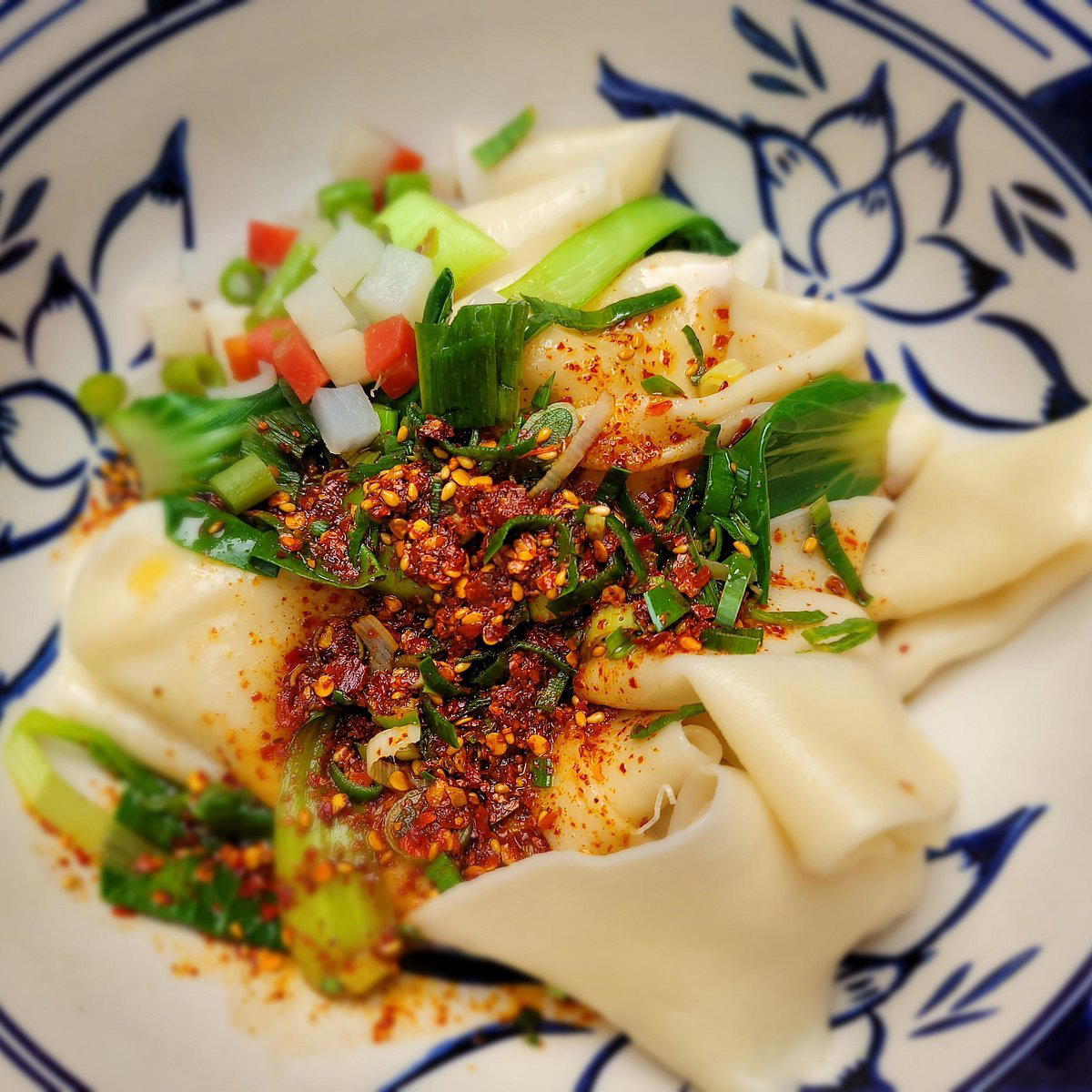
老劉家BiangBiang麵 is one of Xi'an's most-referenced addresses for hand-pulled biang biang noodles, a Shaanxi staple defined by its wide, belt-like straps and the loud slap of dough against the worktop. The restaurant sits within the city's dense street-food corridor, serving a dish whose ingredients and preparation method are rooted in the Guanzhong Plain's wheat-farming tradition. For visitors tracing Xi'an's culinary identity beyond the tourist circuit, this is a practical and pointed stop.

Pearl is the En Primeur Club membership app — saves, bookings, and concierge access live there. Same editors, same standards.
- Address
- 西安, 陕西
- Directions
- Get directions
The menu
What to order
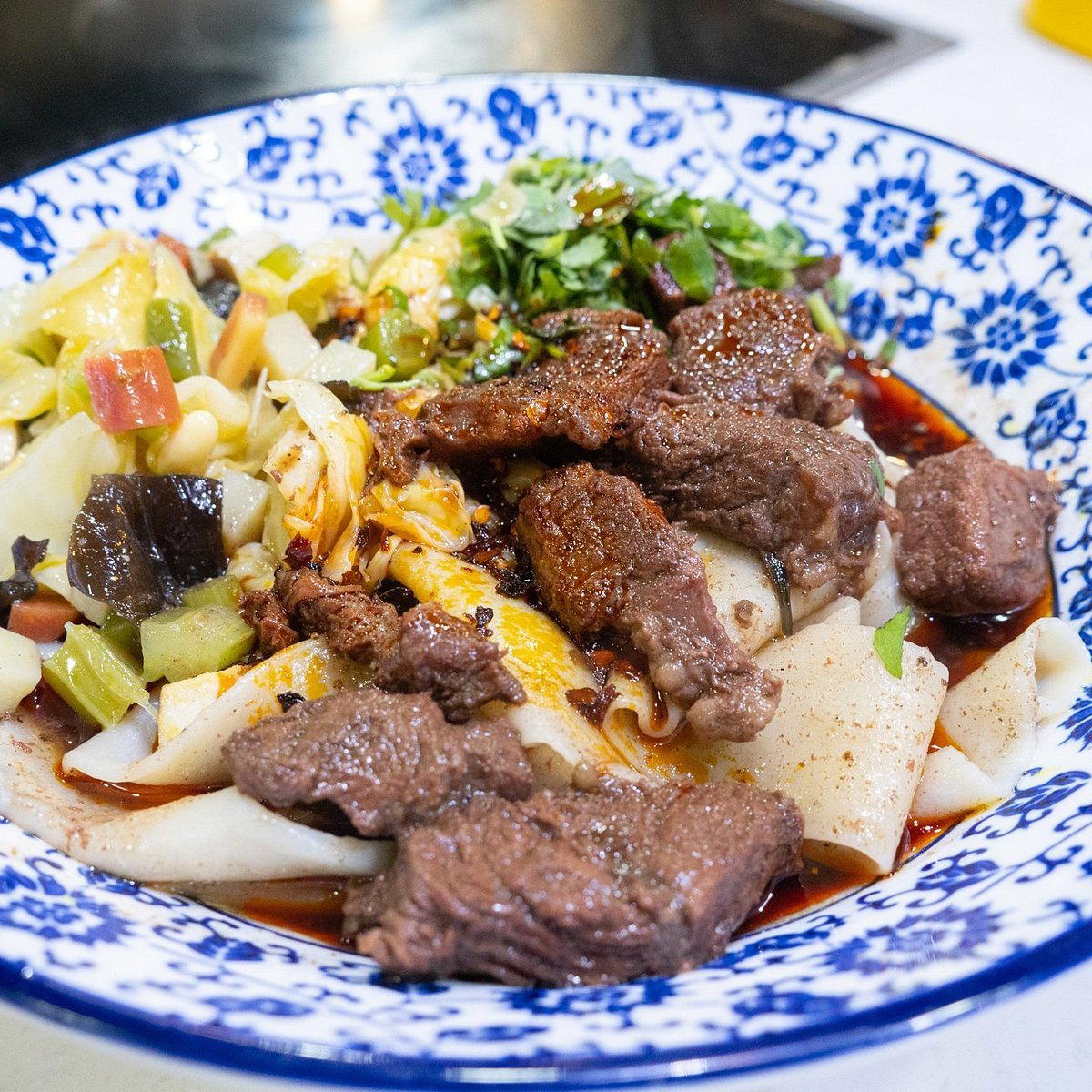
- Biangbiang面
Where Wheat Farming Becomes a Bowl
Xi'an's street-food corridors are dense with competing claims, but biang biang noodles occupy a category of their own in the city's food culture. The dish is native to the Guanzhong Plain, the broad agricultural basin that surrounds Xi'an and has been a wheat-producing region since at least the Han dynasty. That agricultural geography is not incidental: the wide, hand-pulled noodle straps that define the dish exist because Guanzhong wheat, milled into a high-gluten flour, stretches without tearing into shapes that thinner, more delicate flours cannot hold. 老劉家BiangBiang麵 operates inside that tradition, and the logic of the dish begins long before it reaches the kitchen.
The name itself carries a kind of linguistic swagger. Biang is one of the most compositionally complex characters in written Chinese, assembled from radicals representing a horse, a moon, a knife, and several other elements, depending on the regional variant. Locals treat the character as a point of civic pride. Restaurants in Xi'an that serve the dish well understand they are competing on more than flavour: they are custodians of a preparation method and a sourcing lineage that the city's food culture takes seriously.
The Ingredient Chain Behind the Noodle
Biang biang noodles depend on a short, direct supply chain. The flour must carry enough protein content to withstand the repeated pulling and slapping that gives the noodle its width and its chewy, almost elastic bite. In Xi'an, that generally means flour sourced from Shaanxi or neighbouring Gansu and Henan province, regions whose climate and soil produce wheat with the structural properties the dish requires. The aromatic finishing oil, typically a combination of chilli flakes and toasted spices hit with hot oil at the table or in the bowl, draws from Shaanxi's dried chilli production, particularly the thread-thin er jing tiao varieties that deliver heat without obscuring the smoky, slightly fruity note underneath.
Vinegar is the third pillar of a properly composed bowl. Shaanxi's local Guanzhong-style black vinegar functions differently from the Shanxi varieties more commonly known outside China: it is sharper, with less sweetness, and its role in a biang biang noodle bowl is to cut through the richness of the chilli oil rather than to complement it. These three elements, flour, chilli, and vinegar, are all regionally specific, which is why the dish tastes materially different when replicated outside Shaanxi. Restaurants that source authentically within this chain are working with producers, often small-scale, whose output varies seasonally and whose relationships with the kitchen pre-date any recent interest in the dish from outside the province.
A Dish Inside Xi'an's Broader Food Identity
Xi'an's food culture sits in a distinct position within Chinese regional cooking. Unlike Cantonese cuisine, which has been exported and codified globally, or Sichuan cooking, which has expanded internationally at scale, Shaanxi food remains predominantly local in its audience. Restaurants like 老劉家BiangBiang麵 serve a population that grew up eating the dish and has opinions about it. That local accountability shapes quality in a way that tourist-facing restaurants often avoid: if the noodle is under-pulled or the chilli oil is thin, regulars notice and say so.
The street-food format that characterises much of Xi'an's dining scene, including the Muslim Quarter's dense cluster of stalls and small shops, has its own logic. Lower overhead, fast turnover, and proximity to raw ingredient suppliers allow smaller operators to maintain freshness at price points that a formal dining room cannot match. This is a different competitive set from, say, Xin Rong Ji (Xinyuan South Road) in Beijing or Xin Rong Ji in Chengdu, where the proposition is refinement and controlled sourcing at a premium price point. Biang biang noodle shops compete on craft, speed, and the integrity of a small ingredient list rather than on breadth or presentation.
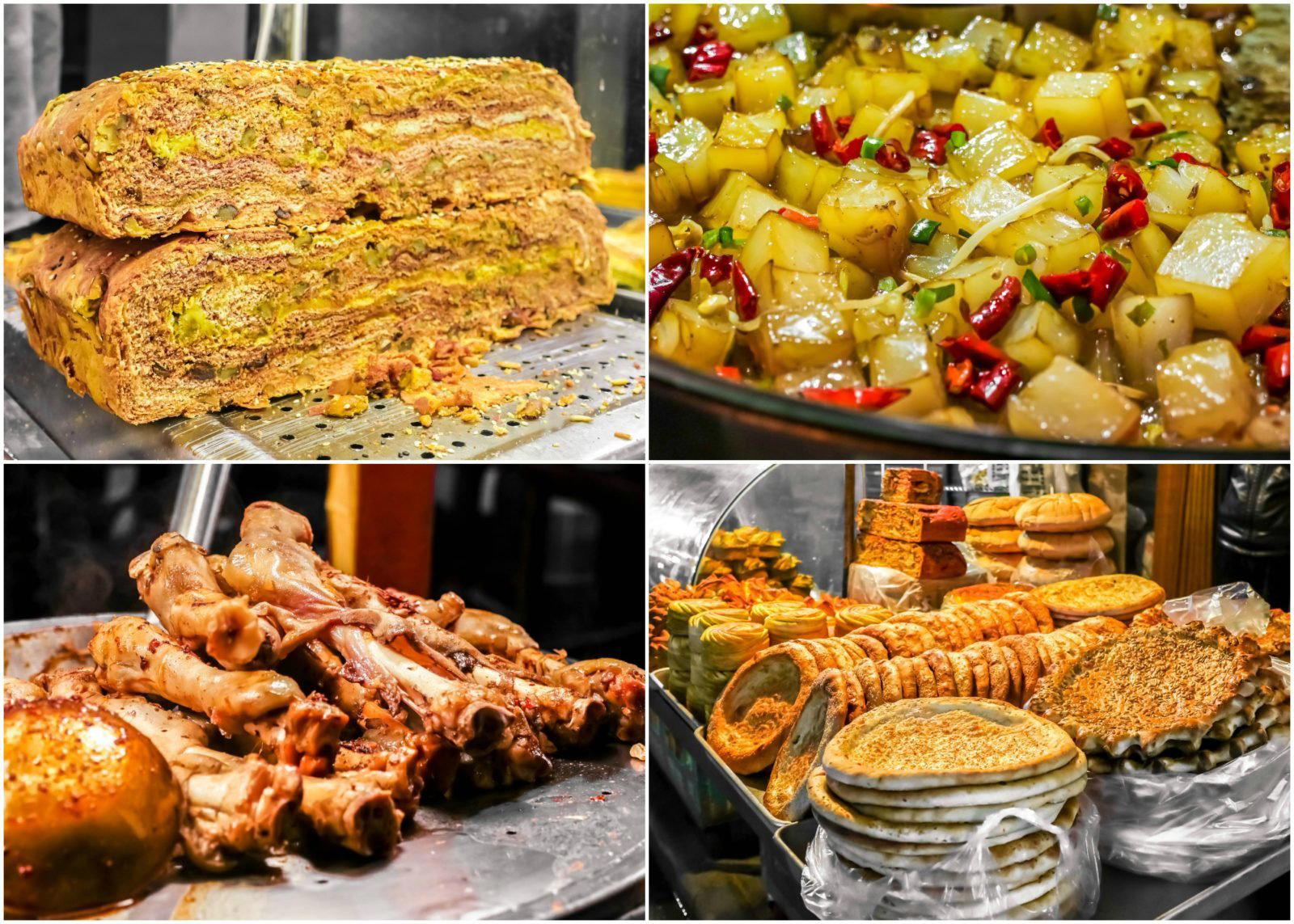
For visitors who have been working through Xi'an's food culture more broadly, Defachang Dumpling Restaurant (德发长) covers the city's dumpling tradition at a more formal register, while 老白家肉夹馍 addresses the city's other signature street food, the meat-filled flatbread that often accompanies a noodle order. Taken together, these three addresses map the grain-centred, spice-accented character of Shaanxi eating more accurately than any single restaurant can.
Those building a wider picture of Chinese regional cooking across cities can also look at Ru Yuan in Hangzhou for how Jiangnan cuisine handles seasonal sourcing, or Imperial Treasure Fine Chinese Cuisine in Guangzhou for Cantonese precision at the formal end of the spectrum. The contrast with a Shaanxi street-food operation illustrates how differently ingredient sourcing functions across China's culinary regions: what matters in Guangzhou (freshness and live supply chains for seafood and produce) is a different discipline entirely from what matters in Xi'an (flour protein content, dried chilli provenance, and vinegar acidity).
Planning Your Visit
Xi'an's busiest food periods run through the evening, particularly in the areas around the Muslim Quarter and the Bell Tower neighbourhood, where foot traffic peaks after 18:00 and continues late into the night. Visiting mid-morning or early afternoon generally means shorter waits at smaller shops. The city's dining culture does not lean heavily on reservations at the street-food level; arrival order matters more than advance planning. Our full 西安 restaurants guide maps the city's eating options by format and neighbourhood, which is useful for sequencing a day's itinerary.
Visitors building a broader China itinerary can cross-reference Xi'an's street-food tradition against the formal dining registers documented at 102 House in Shanghai, Chef Tam's Seasons in Macau, Dai Yuet Heen in Nanjing, and Dingshan·Jiangyan (Xiangcheng) in Suzhou. For those extending to coastal cities, Fleurs Et Festin in Xiamen, Jiangnan Wok·Rong in Fuzhou, and Shang Palace in Yangzhou each represent distinct regional propositions. At the high end in Shenzhen, Ensue at Hotel represents a different kind of sourcing ambition entirely. Outside China, the sourcing-led philosophy connects at a different register to restaurants like Le Bernardin in New York City, where ingredient integrity anchors the entire menu, or Atomix in New York City, where Korean culinary heritage shapes sourcing decisions in ways that parallel how Shaanxi's agricultural history shapes a biang biang noodle bowl. And for those travelling beyond the main cities, 57号窑烤披萨咖啡馆 in 温州市 shows how smaller Chinese cities are developing their own food identities worth tracking.
Frequently asked questions
Where do I go for 老劉家BiangBiang麵?
老劉家BiangBiang麵 is located at 西安, 陕西, 西安.
How does 老劉家BiangBiang麵 fit into Xi'an's broader noodle culture compared to other Shaanxi noodle styles?
Xi'an's Shaanxi noodle repertoire includes youpo chemian, liangpi, and daoxiao mian, but biang biang noodles are distinguished by the sheer width of the belt — sometimes reaching the full width of a forearm — and the pulling technique that gives the dough its dense chew. 老劉家 operates within this specific tradition in Xi'an, Shaanxi, where the dish has deep roots in local wheat agriculture. For visitors moving through the city's food corridors, it represents a regionally specific preparation rather than a generalised Chinese noodle format.
What dish is 老劉家BiangBiang麵 famous for?
The restaurant is built around biang biang noodles, Xi'an's signature wide belt noodles made from high-protein wheat flour that is repeatedly pulled and slapped until it reaches the characteristic thick, chewy texture. The dish sits at the centre of Shaanxi's noodle-eating culture and is closely tied to the wheat-farming traditions of the region. At 老劉家, this is the primary focus rather than a menu footnote.
Do I need a reservation for 老劉家BiangBiang麵?
No booking contact or reservation system is publicly listed for 老劉家BiangBiang麵. Xi'an's street-food venues in this category typically operate on a walk-in basis, and the busiest periods fall in the evening around the Muslim Quarter and Bell Tower neighbourhoods. Arriving outside the dinner rush — before 6 pm or after 8:30 pm — generally reduces wait times at counters of this type.
What's the signature at 老劉家BiangBiang麵?
The defining item is the biang biang noodle itself: a single wide strip of hand-pulled dough finished with hot oil, chilli, and aromatics poured tableside. The character 'biang' is one of the most complex in the Chinese written language and functions as both the dish's name and a marker of Xi'an food identity. The preparation method, anchored in Shaanxi wheat traditions, is what separates this style from noodle dishes found elsewhere in China.
Can 老劉家BiangBiang麵 handle vegetarian requests?
Biang biang noodles at their base — flour, water, oil, and chilli — are plant-based, which gives the dish natural flexibility for vegetarian diners. Raising the request directly at the counter is the practical approach, as is standard at Xi'an street-food restaurants of this format.
Quick Comparison
| Venue | Cuisine | Price | Awards | Notes |
|---|---|---|---|---|
| 老劉家BiangBiang麵This venue — the venue you are viewing | Traditional Shaanxi Biangbiang Noodles | $1–10 | Not listed | Not listed |
| Fu He Hui | Modern Seasonal Vegetarian Fine Dining | $200–300 | 2 Michelin Stars · World's 50 Best #11 | Vegetarian |
| Aji | Asian Bistronomy (Nikkei Fusion) | $50–100 | 1 Michelin Star · Wine Spectator Best of Award of Excellence | Nikkei, Innovative |
| Five Foot Road | Modern Sichuan Fine Dining | Not listed | 1 Michelin Star · La Liste Top Restaurants | Sichuan |
| Jing | Modern French with Asian Influences | $300–500 | 1 Michelin Star · Black Pearl 1 Diamond | French Contemporary |
| Lai Heen | Michelin-Starred Cantonese | $50–100 | 1 Michelin Star · Forbes 5-Star | Cantonese |





Details
- Rustic
- Lively
- Casual Hangout
- Group Dining
- Historic Building
- A La Carte
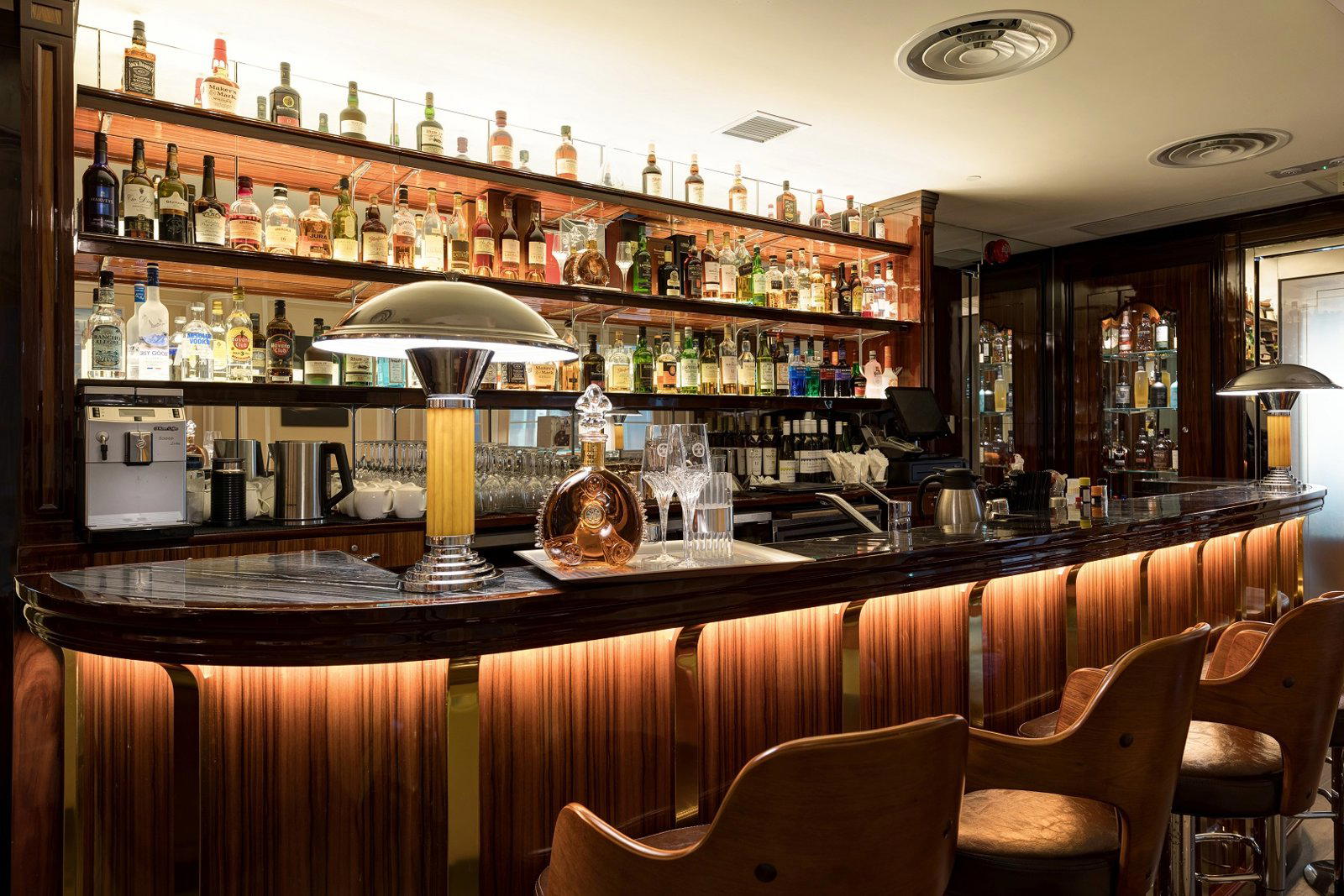
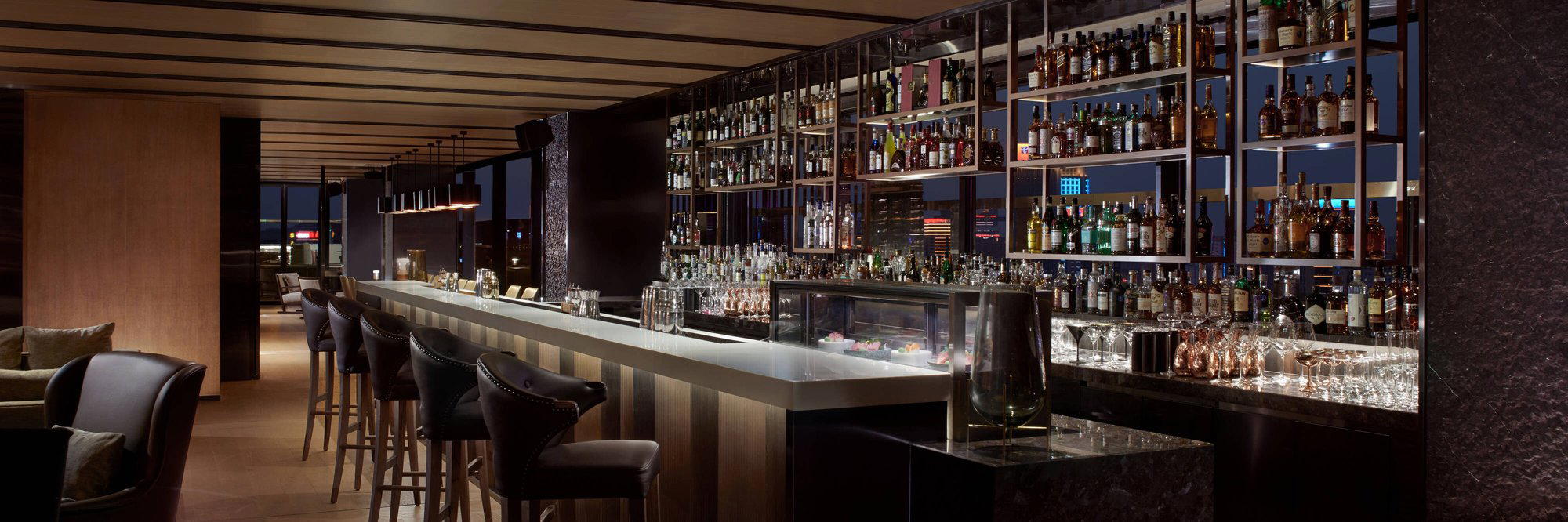
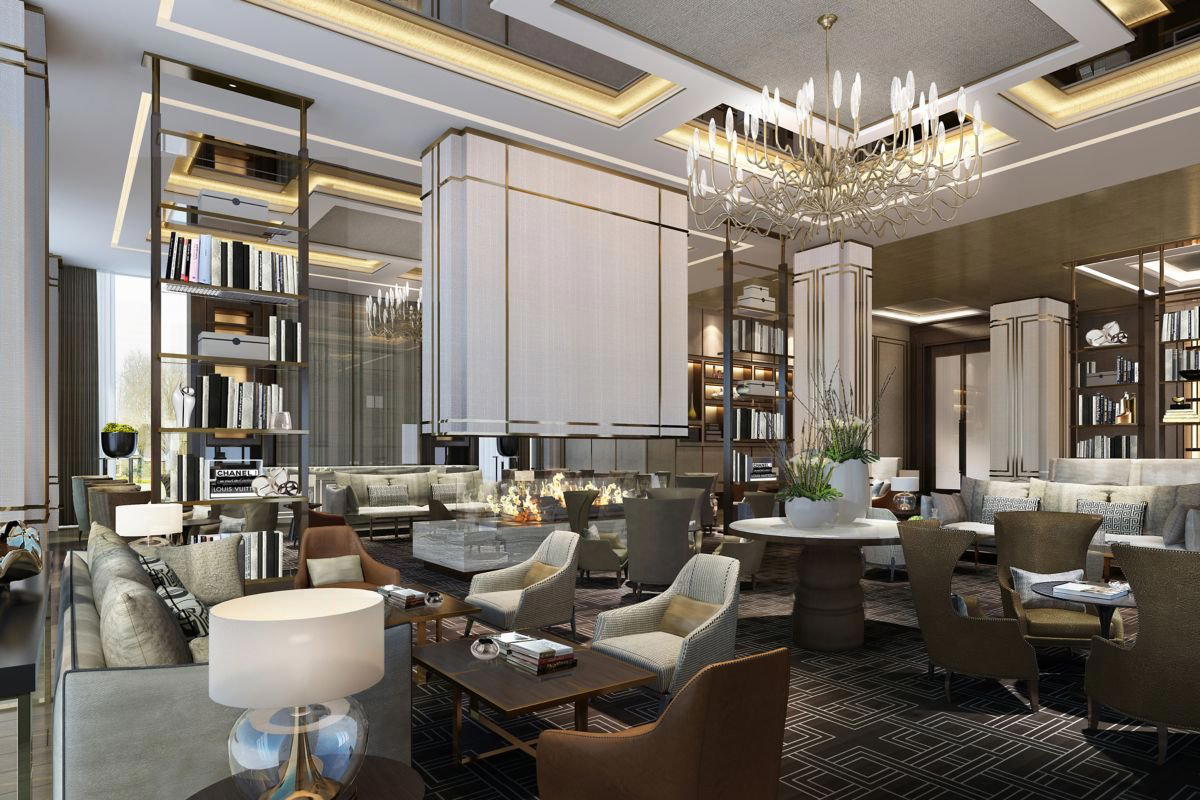
路边小店环境干净卫生,热闹街头氛围,简单朴实。