





1 Michelin Star · Wine Spectator Best of Award of Excellence · Black Pearl 1 Diamond
Our verdict
Aji sits on the second floor of MGM Cotai, where Singaporean chef Sihui Pan works a format built around Nikkei principles: Japanese produce, French technique, and a current of Southeast Asian flavour memory. Recognised with a Michelin star since 2024 and ranked among Opinionated About Dining's top restaurants in Asia, it operates six evenings a week with a wine list running to 1,290 selections and a dedicated counter for tasting-menu guests.

Pearl is the En Primeur Club membership app — saves, bookings, and concierge access live there. Same editors, same standards.
- Address
- 2/F, MGM Cotai, Av. da Nave Desportiva, Macao
- Phone
- +853 8806 2308
- Hours
- Mon ClosedTue–Sun 6–11 PM
- Website
- mgm.mo
- Directions
- Get directions
- Booking
- Book on the venue's website
The menu
What to order
- MB5+ Oyster Blade Steak
- Foie Gras
- Aji Lobster Thermidor
- A4 Wagyu
Where Nikkei Lands in Macau's Casino-Hotel Dining Scene
Macau's top-end restaurant tier is dominated by French flagships and Cantonese houses. Robuchon au Dôme and Alain Ducasse at Morpheus define one pole; Jade Dragon and Chef Tam's Seasons define another. Within that framework, Nikkei cuisine occupies a narrower position — a format with deep roots in Peru and Japan that has found its most expressive Asian chapter not in Tokyo or Singapore but in a series of chef-driven rooms across the region's hotel circuit. Aji, on the second floor of MGM Cotai, is the clearest local example of that format working at full register.
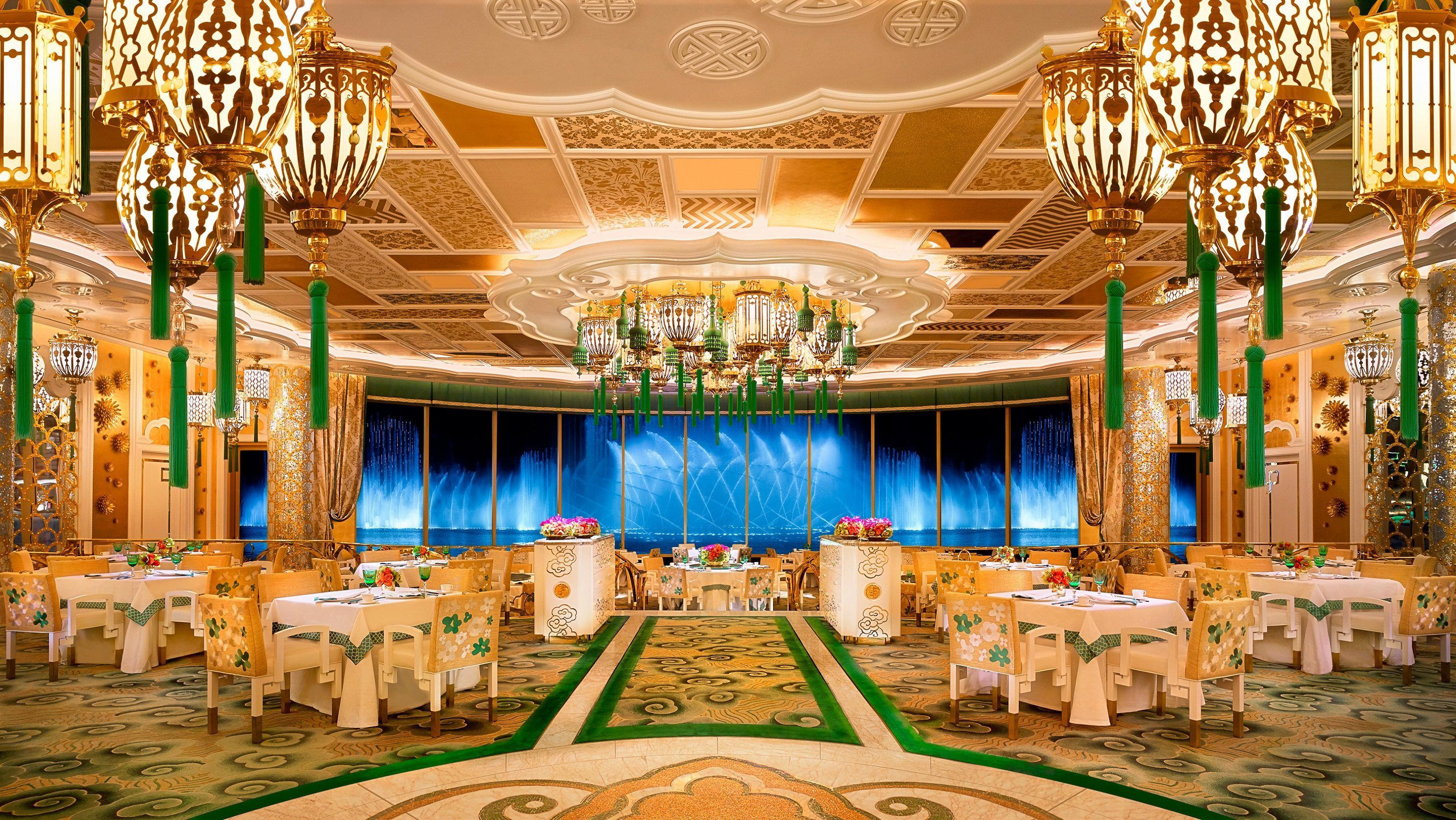
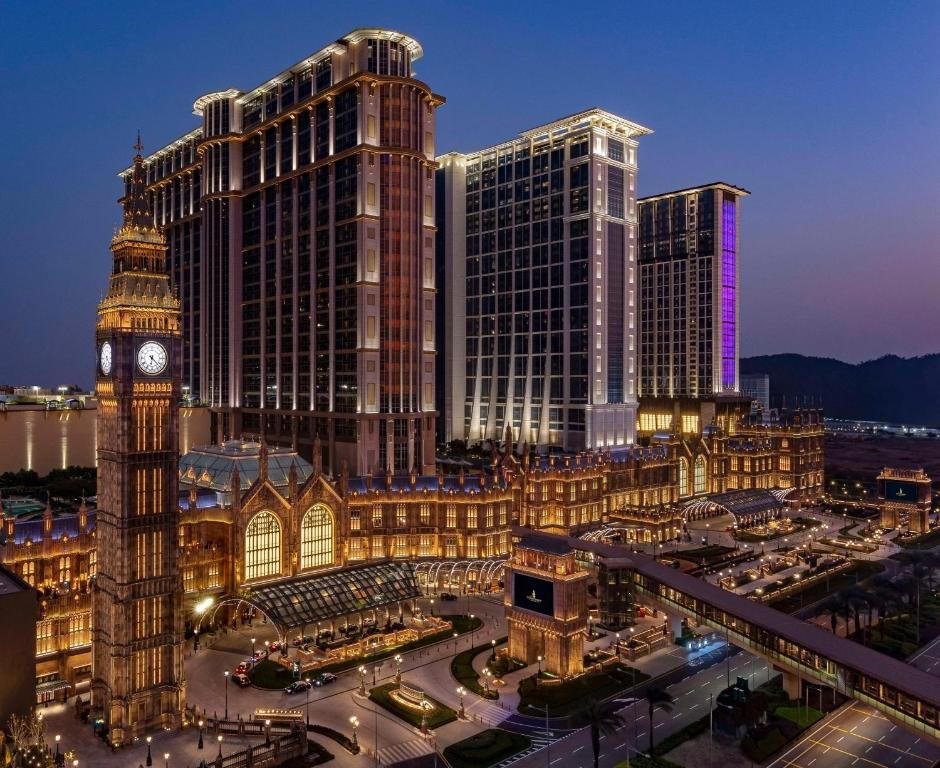
The physical setting matters here. MGM Cotai's architecture leans toward spectacle, but Aji's room is calibrated differently: a counter runs alongside the kitchen for guests who opt into the tasting menu, pulling the dining experience closer to the preparation and away from the broader casino-hotel noise below. That counter is not merely a design choice. In Nikkei cooking, where technique draws from Japanese precision and South American instinct simultaneously, watching the kitchen work is part of the read.
Nikkei as a Discipline, Not a Trend
Nikkei cuisine has a longer history than its current visibility in premium dining rooms suggests. The term describes the culinary tradition of Japanese immigrants in Peru, where Japanese knife discipline and product reverence collided with Peruvian chilli, citrus, and seafood culture over more than a century. The version now operating in high-end Asian hotel restaurants is several steps removed from that origin — filtered through European fine-dining structure, modernist technique, and the specific product networks that premium Asian kitchens can access.
What connects Aji to that lineage is the treatment of fish and the layering of flavour from different culinary registers at once. Crispy-skinned shima aji, the horse mackerel the restaurant takes its name from, arrives with sauces built from matcha green tea and 20-year-old dried tangerine peel. That combination is a precise illustration of how the format works: Japanese product, Chinese preserved ingredient, technique that reads French in execution but refuses to stay within any single tradition's boundary. The dish also signals the chef's own reference points, which draw through Singapore's overlapping food cultures as much as through any single classical training.
Comparable restaurants in Asia working at this register, where Japanese produce meets non-Japanese technique and cultural memory, are often anchored by chefs whose biographies span several countries and kitchens. The tasting menu format, which Aji uses for its counter seats, is standard in that peer group: it allows a sequence that builds a coherent argument across ten or twelve courses rather than asking individual dishes to carry the full weight of the concept.
Chef Sihui Pan and What Her Positioning Signals
In Macau's competitive hotel-dining tier, chef credentials function as a proxy for what kind of experience a room is selling. Feng Wei Ju signals deep Hunanese-Sichuan regional mastery; its two Michelin stars and Opinionated About Dining recognition come from a very different reference frame than Aji's. The Eight operates in the Cantonese-Chinese luxury register at the $$$$ price point. Aji sits in a separate category: a chef-driven format where the personality of the kitchen is the product, and where the cuisine type is deliberately hybrid rather than rooted in a single regional tradition.
Sihui Pan is Singaporean, which matters as context rather than biography. Singapore's food culture is structurally pluralist, Malay, Chinese, Indian, and Peranakan influences operate simultaneously, and cooks who grew up in that environment tend to read flavour combinations across cultural lines with less friction than those trained within a single tradition. That disposition maps well onto Nikkei cooking, which is already a hybrid form. Pan describes the tasting menu at the counter as a sequence of memories, a framing common in contemporary fine dining but one that reads more specifically here because her reference archive is genuinely multilingual.
Since earning a Michelin star in 2024 and holding a ranking of #342 in Opinionated About Dining's Leading Restaurants in Asia the same year, Aji has moved into the confirmed upper tier of Macau's non-Chinese, non-French dining options. The 2025 OAD ranking of #370 places it within a competitive grouping that includes some of the most closely watched rooms across the continent. For context, Atomix in New York, ranked among the most technically demanding Korean-American tasting menus in the world, and Le Bernardin in New York represent the kind of sustained critical recognition that OAD rankings at this level are calibrated against. Atomix's trajectory from emerging to established is a useful comparison for how tasting-menu rooms in the hybrid-Asian register build their reputations over time.
The Wine Program
A 1,290-selection wine list with an inventory of 16,000 bottles is not typical of a one-Michelin-star room in Asia. Most comparable restaurants at this price tier carry lists a quarter of that size. The depth here, spanning Bordeaux, Burgundy, France broadly, Portugal, California, and Italy, signals that the wine program is a serious independent operation rather than a support function for the food. Wine pricing sits at $$$, with many bottles above $100, and a corkage fee of $38 for guests who bring their own.
Wine Director Silven Wong and Sommelier Rick Wang manage a list that, at this scale, requires active curation rather than passive accumulation. In a room where the food menu draws from Japanese, French, and Southeast Asian registers simultaneously, the pairing challenge is genuine: the tasting menu can be matched with red, white, and yellow wines alongside sake and hard liquor, which is an unusually broad pairing palette for a formal tasting menu context. That flexibility reflects a deliberate choice to match the flavour range of the kitchen rather than anchor everything to a single wine tradition.
Where Aji Sits in the Broader Region
Across China and the wider region, the chef-driven tasting-menu format at the hotel fine-dining tier has produced some of the more interesting rooms of the past decade. Xin Rong Ji on Xinyuan South Road in Beijing and Xin Rong Ji in Chengdu operate within the Chinese fine-dining tradition; 102 House in Shanghai, Ru Yuan in Hangzhou, and Imperial Treasure Fine Chinese Cuisine in Guangzhou each occupy specific sub-niches within the premium Chinese dining category. Dai Yuet Heen in Nanjing extends that Cantonese tradition into the Yangtze Delta market. Aji's position is distinct from all of them: it is not working within a Chinese regional tradition but across multiple Asian culinary lineages at once, which is a rarer format at this price point in Macau specifically.
The comparison set that makes most sense for Aji includes the small number of Nikkei or hybrid-Asian tasting-menu rooms in Hong Kong, Singapore, and Tokyo that have achieved Michelin recognition. That peer group is small enough that the category itself is still being defined, which gives Aji a degree of critical attention that a conventional French or Cantonese room at the same star level would not attract.
Planning Your Visit
Aji operates Tuesday through Sunday in the evening, opening at 6 PM and closing at 11 PM, with Tuesday as the weekly closure. The restaurant is located on the second floor of MGM Cotai at Av. da Nave Desportiva, Macao, inside the casino-hotel complex, which means access is direct from the MGM Cotai entrance regardless of whether you are a hotel guest. The $$$$ price range puts it at Macau's highest dining tier, consistent with its Michelin-starred peers. Given the OAD ranking and the relatively small counter format for tasting-menu guests, booking ahead is advisable; tasting-menu counter seats are the format most directly connected to what the kitchen is building nightly and are worth prioritising if your schedule allows.
For a broader read on where Aji fits within Macau's dining, drinking, and hospitality offering, see our full Macau restaurants guide, our full Macau hotels guide, our full Macau bars guide, our full Macau wineries guide, and our full Macau experiences guide.
Frequently asked questions
What should I budget for a meal at Aji?
Pricing at Aji is listed as $$$$.
Style and Standing
A quick peer list to put this venue’s basics in context.
| Venue | Cuisine | Price | Awards | Notes |
|---|---|---|---|---|
| AjiThis venue — the venue you are viewing | Asian Bistronomy (Nikkei Fusion) | $50–100 | 1 Michelin Star · Wine Spectator Best of Award of Excellence | Not listed |
| Ying | Modern Cantonese Fine Dining | Not listed | 1 Michelin Star · La Liste Top Restaurants | Cantonese |
| Five Foot Road | Modern Sichuan Fine Dining | Not listed | 1 Michelin Star · La Liste Top Restaurants | Sichuan |
| Robuchon au Dôme | Contemporary French Fine Dining | $150–200 | 3 Michelin Stars · La Liste Top Restaurants | French Contemporary |
| Feng Wei Ju | Refined Hunan & Sichuan Chinese | Not listed | 2 Michelin Stars · La Liste Top Restaurants | Hunan-Sichuan, Hunanese |
| The Eight | Modern Cantonese Fine Dining | $100–150 | 2 Michelin Stars · La Liste Top Restaurants | Chinese, Cantonese |
Recognition history
Dated appearances from independent guides and award organizations, with the underlying list record or original source where available.
Michelin 1 Star
Michelin
Black Pearl 1 Diamond
Black Pearl
Opinionated About Dining Top Restaurants in Asia Recommended
Opinionated About Dining
Wine Spectator Best of Award of Excellence
Wine Spectator
The Best Chef One Knife
The Best Chef
Full recognition history (12 entries)
Michelin 1 Star
Michelin
Opinionated About Dining Top Restaurants in Asia Ranked #370
Opinionated About Dining
Wine Spectator Best of Award of Excellence
Wine Spectator
World's Best Wine Lists Awards WBWL 3-Star
World's Best Wine Lists Awards
Michelin 1 Star
Michelin
Opinionated About Dining Top Restaurants in Asia Ranked #342
Opinionated About Dining
Opinionated About Dining Top Restaurants in Asia Recommended
Opinionated About Dining
Details
- Elegant
- Modern
- Sophisticated
- Date Night
- Special Occasion
- Celebration
- Open Kitchen
- Hotel Restaurant
- Extensive Wine List
- Sake Program
- Sustainable Seafood
- Tasting Menu
- A La Carte
- Set Menu
Current opening hours
- Monday
- Closed
- Tuesday
- 6–11 PM
- Wednesday
- 6–11 PM
- Thursday
- 6–11 PM
- Friday
- 6–11 PM
- Saturday
- 6–11 PM
- Sunday
- 6–11 PM
Hours can change for holidays and private events. Last verified .
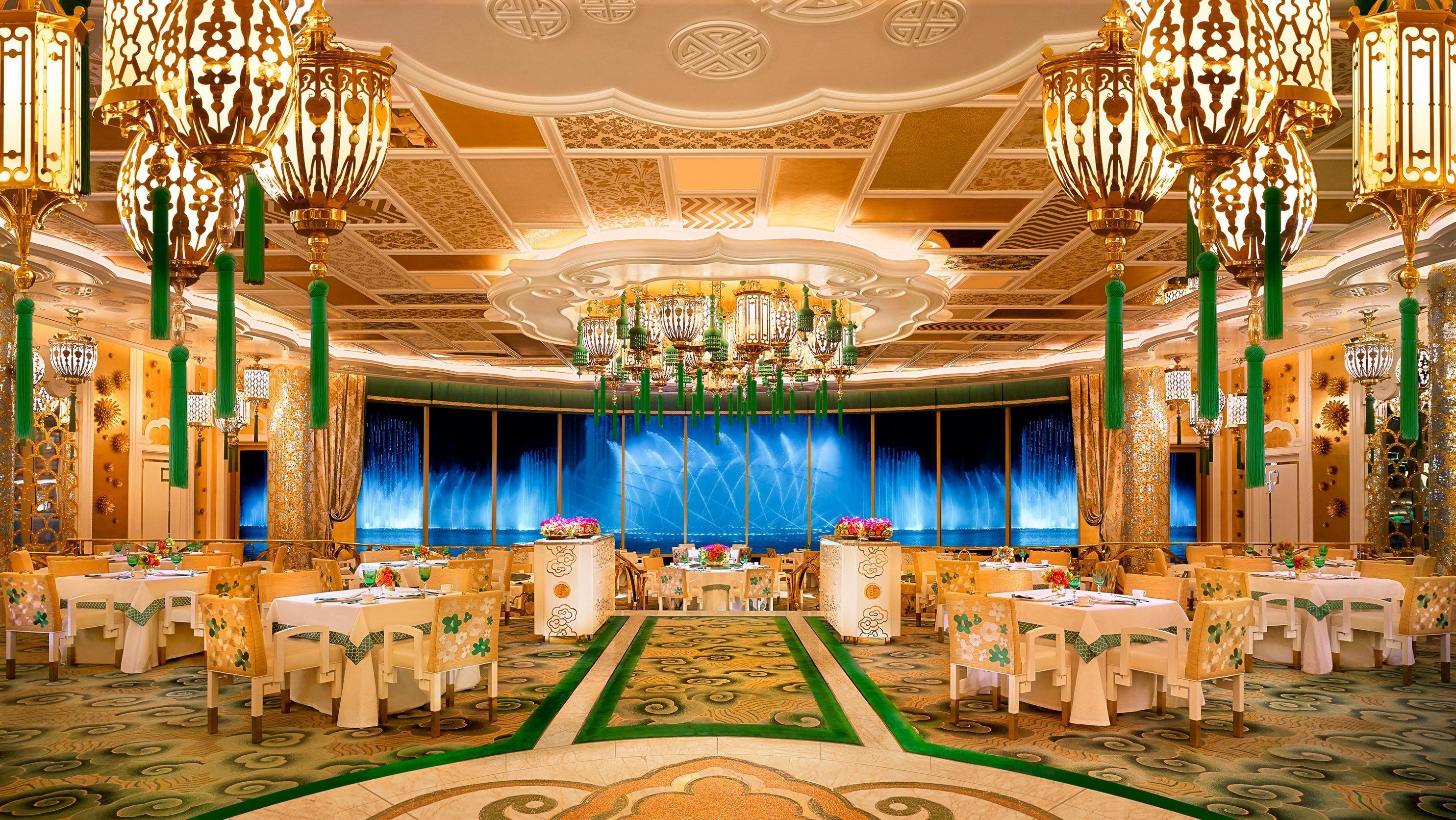
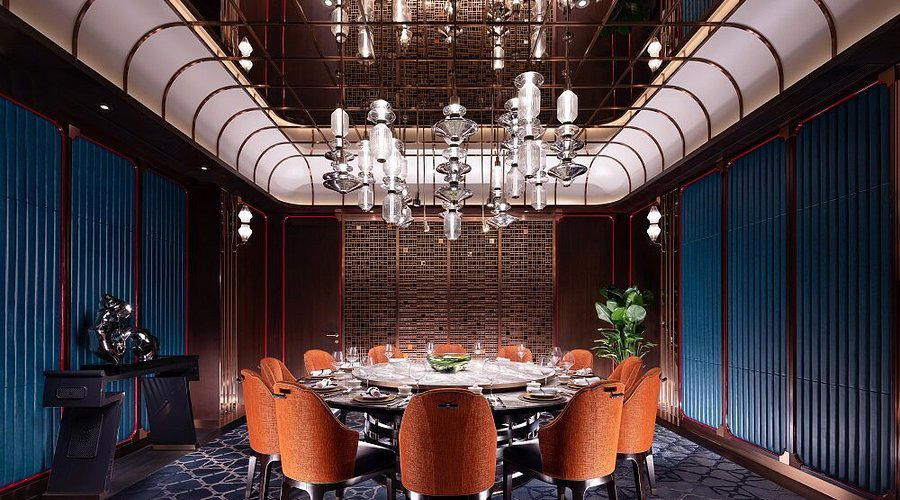
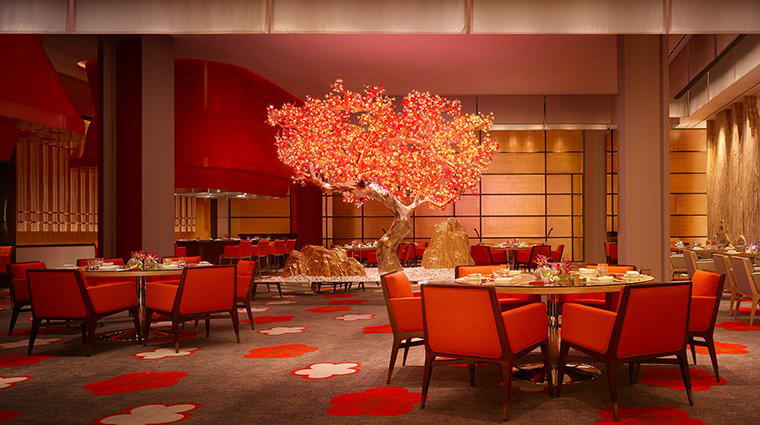
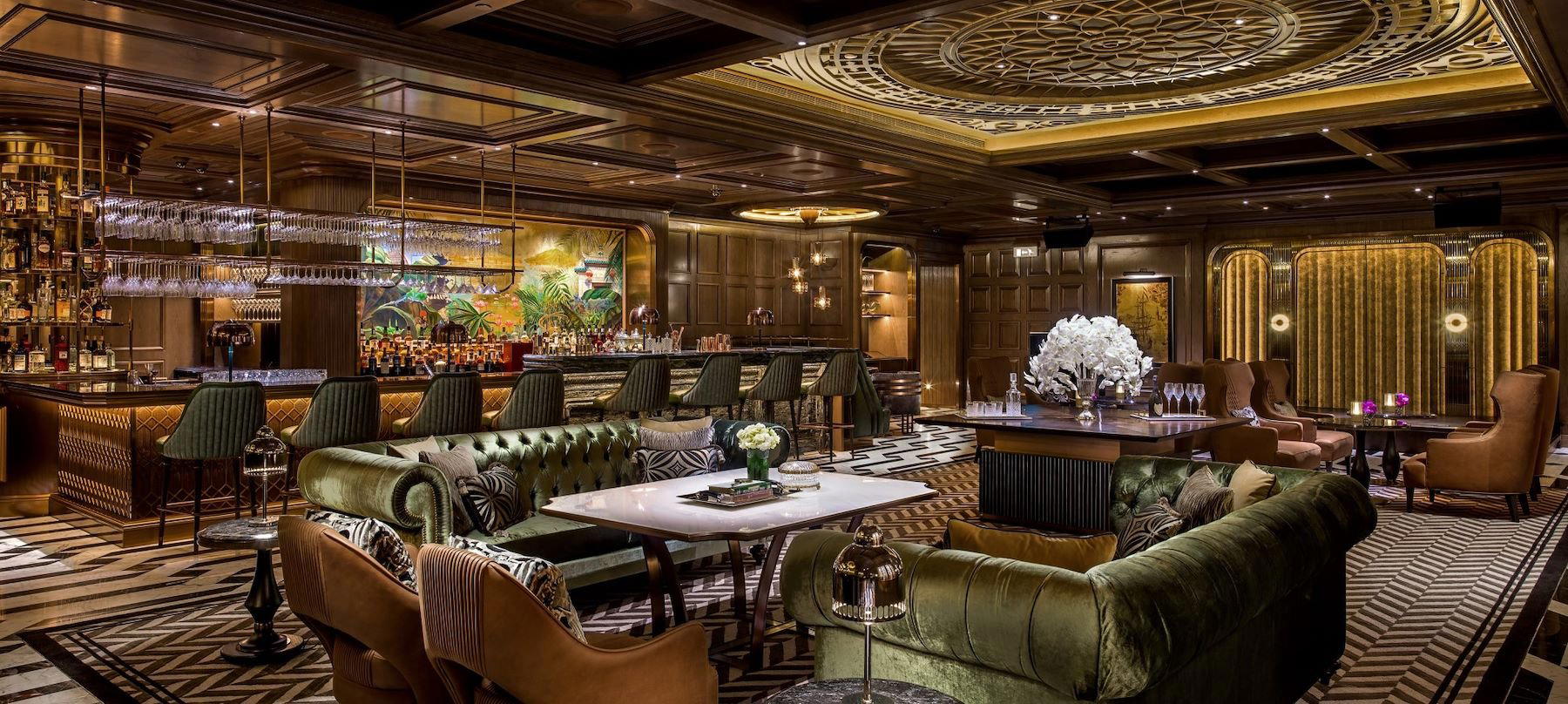
Light and lively atmosphere in MGM Cotai's open atrium with sweeping views of the Spectacle, digital art, natural plants, and an open kitchen.