Berliner Hütte sits in the Zemmgrund valley above Mayrhofen, one of the oldest continuously operating mountain refuges in the Austrian Alps. The approach on foot through glacial terrain sets the tone before you arrive: this is a place shaped by its elevation and proximity to the land around it, not by urban dining trends. For hikers, climbers, and anyone tracing the high routes of the Zillertal Alps, it is a reliable anchor point.
Pearl is the En Primeur Club membership app — saves, bookings, and concierge access live there. Same editors, same standards.
- Address
- Zemmgrund 282, 6295 Mayrhofen, Austria
- Phone
- +43528620062
- Website
- berlinerhuette.at
- Directions
- Get directions
 Saves & bookings on Pearl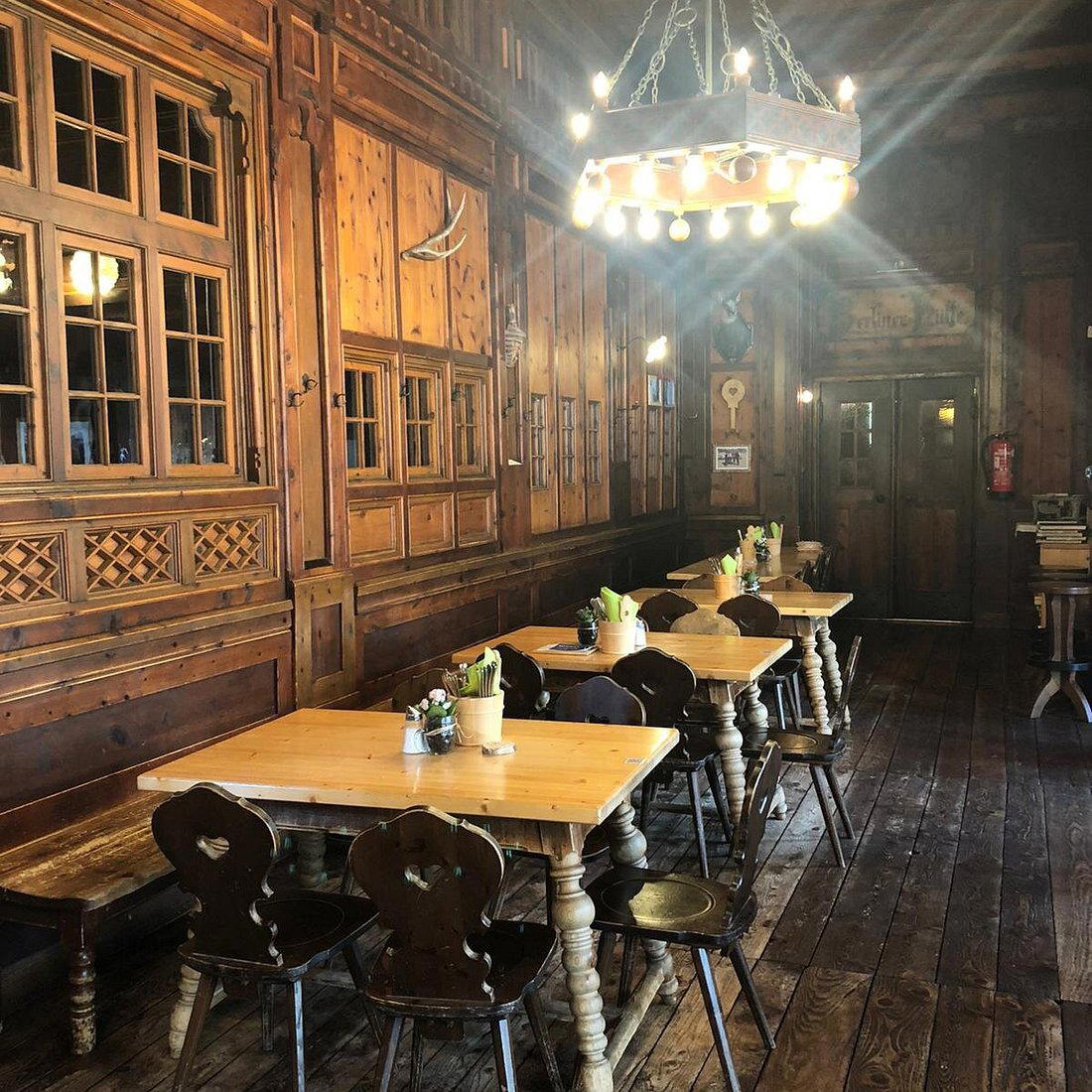
Arriving at Altitude: What the Zemmgrund Tells You Before You Eat
The walk into the Zemmgrund valley from Mayrhofen is itself a form of context. The path runs alongside the Zemm river, through a gorge that narrows and opens in turns, with the Zillertal Alps pressing in from both sides. By the time Berliner Hütte comes into view, a substantial stone and timber structure at roughly 2,042 metres, its terrace flags visible against the grey-green moraine, you have already spent several hours at altitude, and the body has recalibrated what it wants from a meal. That recalibration is the entire premise of mountain hut cooking, and Berliner Hütte sits squarely within that tradition.
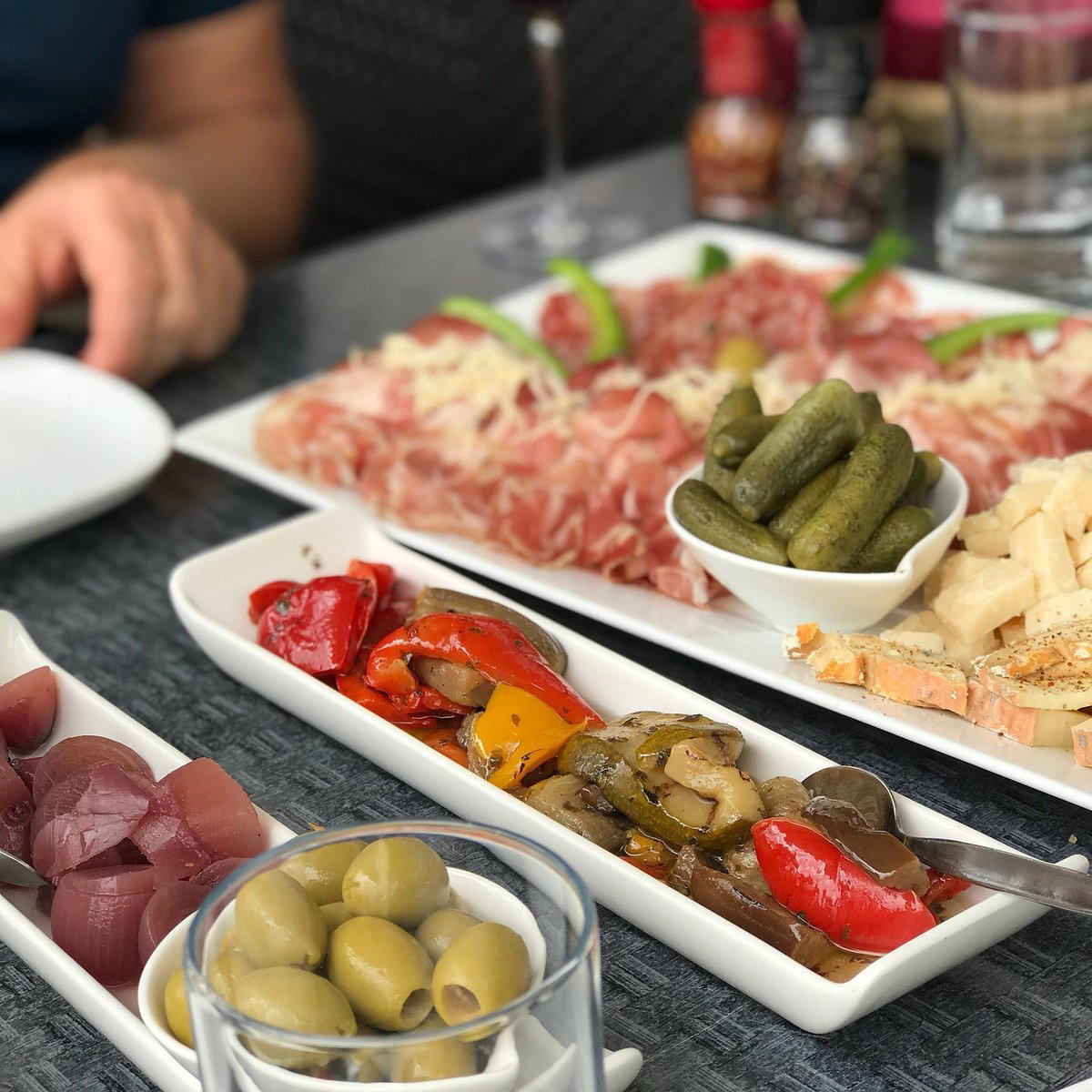
Austrian alpine refuges of this scale occupy a specific place in the country's hospitality culture. They are not restaurants that happen to be in the mountains; they are working huts shaped by the logistics of elevation, where what arrives on the table is determined largely by what can be sourced, stored, and prepared under mountain conditions. That constraint has historically produced a recognisable canon: hearty soups, cured and dried meats, dairy-rich preparations, and bread baked in quantity. Berliner Hütte, as one of the older huts on the main Zillertal traverse routes, operates within that framework.
Ingredient Sourcing at 2,042 Metres: The Alpine Supply Chain
The sourcing question at any mountain hut is structural before it is philosophical. At this elevation, resupply depends on a combination of helicopter delivery and pack transport, with the frequency of resupply tied to weather windows and route accessibility. What that means practically is that kitchens at refuges like Berliner Hütte work with preserved, shelf-stable, and regionally produced goods as a baseline, supplemented by fresh deliveries when conditions allow.
In the broader Austrian alpine tradition, this has shaped a cuisine that draws heavily on Tyrolean dairy products, aged and fresh cheeses, butter, cream, alongside cured pork products, smoked meats, and dried pulses. These are not compromises; they are the actual culinary tradition of the region, predating the modern hotel kitchen by centuries. The Zillertal valley below has a documented dairy culture, and the cheeses produced in this part of Tyrol carry the character of high-altitude summer grazing, where cattle range on mountain pasture before the seasonal descent.
Across Austria's fine-dining register, the sourcing conversation has become central to how restaurants position themselves. Steirereck im Stadtpark in Vienna has built a significant part of its identity around Austrian regional producers, while Döllerer in Golling an der Salzach frames its menu explicitly around alpine ingredient logic. At a mountain hut, that sourcing logic is not a positioning choice, it is a physical necessity, which gives it a different kind of authenticity than the same claim made from a city kitchen.
Where Berliner Hütte Sits in the Tyrolean Dining Spectrum
Mayrhofen's dining scene spans a wide range, from valley-floor hotel restaurants to specialist alpine experiences. KLE represents the more contemporary end of that range in town. The restaurant operates at the opposite pole: a refuge whose value is inseparable from the physical effort required to reach it and the altitude at which it sits.
Within the broader Tyrolean mountain hut category, the restaurant is one of the larger and more historically established examples. Huts of this scale typically carry overnight accommodation alongside a kitchen, which means the food operation serves a population that has been moving through serious terrain and arrives with caloric requirements that casual restaurant dining does not approximate. The cooking here is oriented toward that reality. Comparing it to the tasting-menu format of Gourmetrestaurant Tannenhof in Sankt Anton am Arlberg or the elaborate alpine gastronomy of Stüva in Ischgl would miss the point. The restaurant belongs to a different category entirely, one where the dining experience is integrated into a longer physical narrative rather than being the primary destination.
For reference points elsewhere in Austria's mountain-adjacent cooking tradition, Obauer in Werfen and Kräuterreich by Vitus Winkler in Sankt Veit im Pongau show how alpine ingredient logic can be translated into formal dining contexts. The restaurant represents the source material for that conversation rather than its translation.
Planning the Visit: Approach Routes, Timing, and Practical Logistics
The restaurant is accessible on foot from Ginzling, itself reachable from Mayrhofen in the Zillertal. The standard approach via the Zamsergrund takes several hours at a comfortable pace, with elevation gain that makes this a committed day's walk rather than a casual stroll. The hut sits on one of the main Zillertal traverse routes and functions as a staging point for the High Route (Berliner Höhenweg), which connects multiple huts across the range. That means it draws a mix of day hikers and multi-day traverse walkers, with the latter often arriving from or departing toward other huts in the network.
Anyone planning to use the restaurant as an overnight stop should book well in advance for peak summer weeks, particularly late July and August, when the Zillertal traverse sees its highest traffic. Visitors arriving for lunch only have more flexibility, though the kitchen serves within the constraints of a refuge operation rather than a restaurant with full service capacity.
Those looking for formal Austrian cooking in the region might also reference Schwarzer Adler in Hall in Tirol or Restaurant 141 by Joachim Jaud in Mieming for a different tier of the Tyrolean dining spectrum. Further afield, Landhaus Bacher in Mautern an der Donau, Taubenkobel in Schützen am Gebirge, Ois in Neufelden, Griggeler Stuba in Lech, Ikarus in Salzburg, and Atelier Fischer in Sankt Gilgen represent the broader range of Austria's serious dining geography. For international comparison on immersive, destination-led dining formats, Lazy Bear in San Francisco and Le Bernardin in New York City offer useful reference points at the far end of the formality spectrum.
Comparable Venues
Comparable venues nearby, for context on price, style, and recognition.
| Venue | Cuisine | Price | Notes |
|---|---|---|---|
| Berliner HütteThis venue — the venue you are viewing | Traditional Austrian Alpine | $$ | Not listed |
| KLE | Modern Austrian Contemporary | $$$ | Mayrhofen |
| Walderalm | Tyrolean Almhut | $$ | Telfes |
| Hagstein | Traditional Tyrolean Alpine Cuisine | $$ | Kitzbüheler Horn |
| Aualm | Traditional Tyrolean Alpine Cuisine | $$ | Söll |
| Osttiroler Gaumengaudi | East Tyrolean Cuisine | $$ | Lienz |
Continue exploring
More in Mayrhofen
Restaurants in Mayrhofen
Browse all →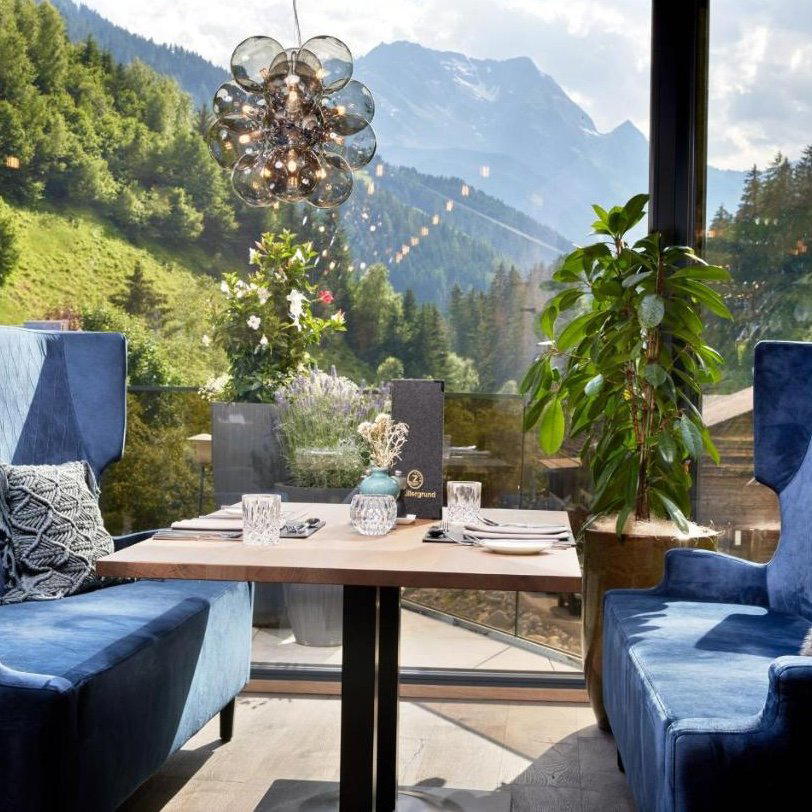
Bars in Mayrhofen
Browse all →
Hotels in Mayrhofen
Browse all →

At a Glance
- Rustic
- Scenic
- Cozy
- Historic
- Casual Hangout
- Historic Building
- Terrace
- Panoramic View
- Mountain
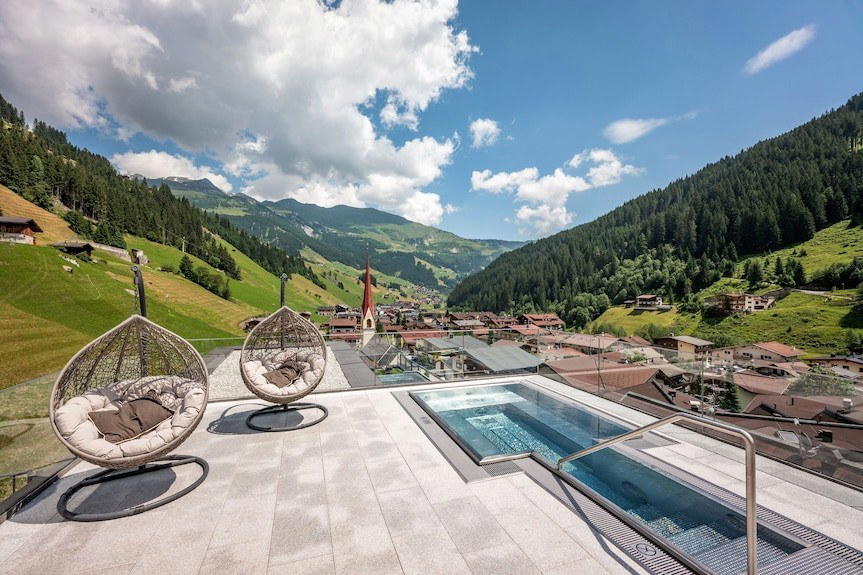
Stylish alpine environment with majestic historic wooden paneling in the dining hall and terrace seating amid far-reaching mountain scenery.