Zu Plun Distillery

Zu Plun Distillery sits in the Dolomite foothills above Castelrotto, a South Tyrolean producer earning a Pearl 2 Star Prestige rating in 2025. The distillery operates where Alpine pasture, mountain herbs, and cool-climate terroir define what ends up in the bottle. For spirits built from place rather than formula, this is one of the Alto Adige's more purposeful addresses.
Pearl is the En Primeur Club membership app — saves, bookings, and concierge access live there. Same editors, same standards.
- Address
- Loc. S. Valentino, 9, 39040 Castelrotto BZ
- Phone
- +393356009556
- Website
- zuplun.it
 Saves & bookings on Pearl
Where the Dolomites Enter the Still
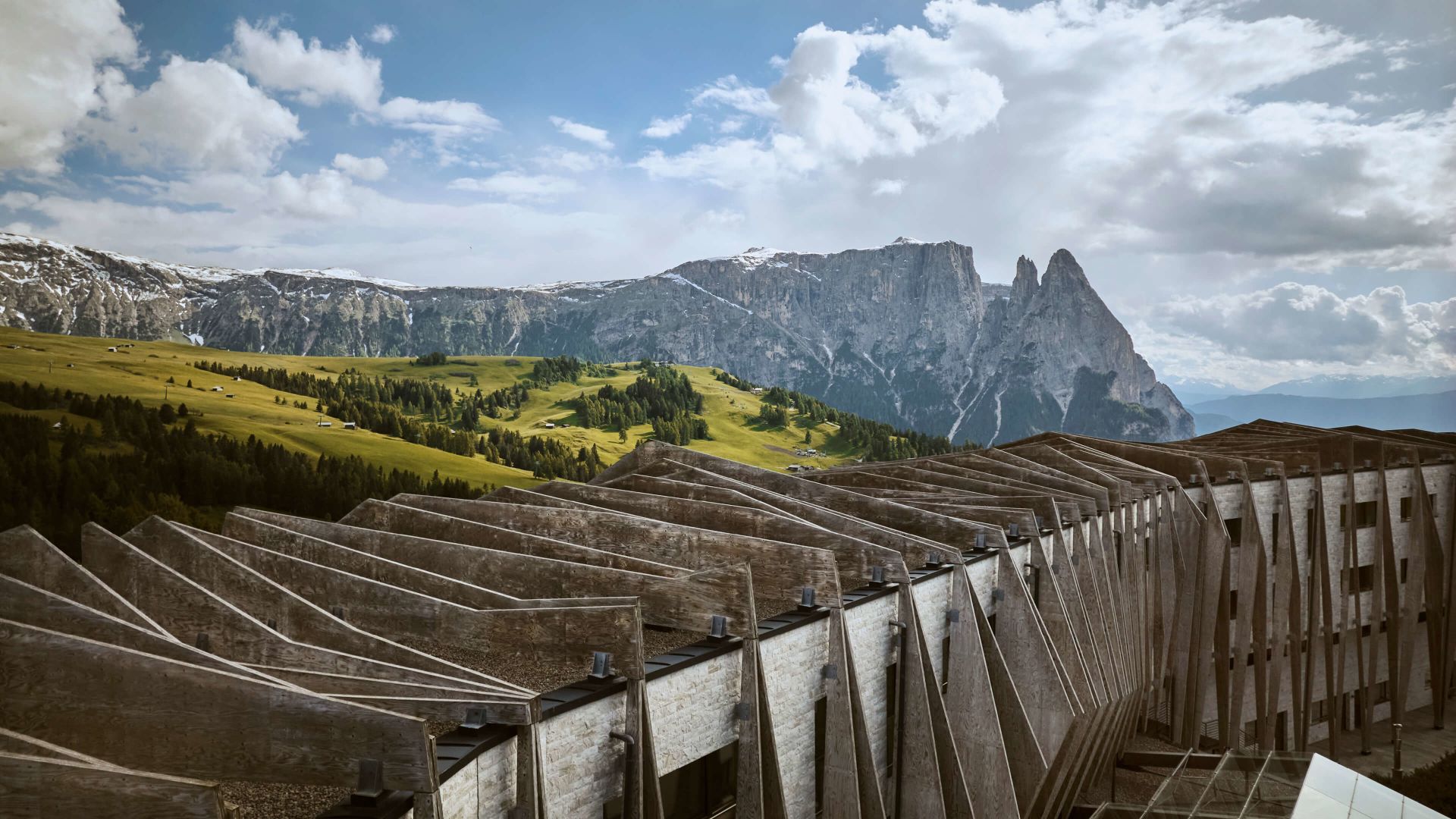
Zu Plun Distillery is a distillery in Castelrotto, South Tyrol, recognized in 2025 with a Pearl 2 Star Prestige award and priced at about $30 per person. The road to Siusi allo Sciliar climbs through the kind of landscape that makes abstraction difficult. Spruce forests give way to high meadows. The Sciliar massif, the flat-topped plateau that defines this corner of South Tyrol, sits above the valley floor like a geographic fact you can't argue with. At Zu Plun Distillery, located in the hamlet of San Valentino near Castelrotto, the physical environment isn't backdrop. It's raw material.
South Tyrolean distilleries occupy a distinct position within Italian spirits production. Unlike the grappa houses of the Veneto or the Friulian estates that turned marc into a fine-dining staple, Alto Adige producers draw on a compressed set of local inputs: mountain herbs, stone-fruit orchards, cool-climate fermentation conditions, and an Alpine distilling tradition shaped as much by Austrian influence as Italian. That dual cultural inheritance matters. It tends to produce spirits with less sweetness and more structural clarity than their Piedmontese or Venetian counterparts. For comparison across Italy's distilling traditions, producers like Nonino Distillery in Pavia di Udine, Distilleria Marzadro in Nogaredo, Distilleria Romano Levi in Neive, and Poli Distillerie in Schiavon each represent different regional philosophies, but none of them share Zu Plun's specific altitude and geological context.
Terroir at Elevation
The concept of terroir applies to spirits with more precision in mountain environments than in lowland wine regions, partly because the constraints are more legible. At the elevations surrounding Castelrotto, growing seasons are compressed, aromatic intensity in stone fruits and herbs concentrates under high-UV conditions, and fermentation temperatures run lower than at valley floor operations. These are not abstract advantages. They shape the aromatic register of what a still produces, pushing toward herbaceous, mineral, and dried-fruit notes rather than the heavier confected sweetness more common in warmer climates.
The terrain here is dolomitic limestone, which drains fast and forces plants to develop deeper root systems. That stress response, documented across Alpine viticulture and orcharding, tends to amplify aromatic complexity. Whether Zu Plun works primarily with locally grown fruit, foraged botanicals, or grape marc from the region's wine producers, the sourcing geography matters more than any single processing decision. The Sciliar plateau, a UNESCO World Heritage Dolomites site, provides as specific a provenance marker as any appellation in Italian wine. This is the same logic that distinguishes Alto Adige Gewürztraminer from Alsatian versions of the same grape: same variety, same aromatic family, but a different geological and thermal context producing a recognisably different result.
Within Italy's broader spirits and wine ecosystem, altitude-driven producers tend to sit in a specialist niche rather than the commercial mainstream. Houses like Ca' del Bosco in Erbusco and Aldo Conterno in Monforte d'Alba demonstrate how a well-defined terroir commitment can sustain decades of critical credibility. Lungarotti in Torgiano and Castello di Volpaia in Radda in Chianti show a similar pattern in Umbria and Tuscany. What connects them is the primacy of place over process. Zu Plun, with its Pearl 2 Star Prestige recognition in 2025, sits in that lineage.
Recognition and Peer Context
The Pearl 2 Star Prestige award Zu Plun received in 2025 places it in a tier that signals consistent quality and genuine peer-set credibility, not just regional novelty. Within the Alto Adige spirits scene, that level of recognition is not routinely distributed. It indicates that what this distillery produces has been assessed against a standard that includes production discipline, provenance specificity, and sensory coherence, not just tourism appeal.
Compared to the Italian spirits producers that have built international profiles, Zu Plun remains a smaller, more location-specific operation. That positioning is not a liability. In the current European spirits market, specialist mountain producers with clear provenance stories have found audiences in premium on-trade and collector markets that are undersupplied by larger industrial operations. The contrast with a producer like Campari in Milan is instructive: scale and category dominance on one side, terroir-led specificity on the other. Both have audiences, but they're not competing for the same buyer.
Internationally, the comparison extends to producers outside Italy. Aberlour in Aberlour demonstrates how a place name can become a quality marker in itself when the production consistently reflects its geography. The mechanism is the same whether you're in Speyside or the Dolomites: name, place, and consistency of character build a reputation that price and volume alone cannot replicate.
The Sciliar Context for Visitors
Siusi allo Sciliar and the surrounding Castelrotto area draw visitors primarily through the Alpe di Siusi, the largest high-altitude Alpine meadow in Europe, which sits directly above the village. The area attracts hikers and skiers by season, but it also sustains a layer of food and drink tourism built around South Tyrol's distinctive culinary identity: speck, rye bread, dumplings (Knödel), and a wine tradition spanning Lagrein, Vernatsch, and international varieties grown on steep terraced slopes.
Within that context, a distillery visit at Zu Plun fits naturally into the kind of itinerary that moves between producers rather than rushing between attractions. The address at Loc. S. Valentino, 9 places it within reach of Castelrotto's centre without being embedded in tourist infrastructure. That physical separation tends to correlate with a more focused visitor experience, where the product and its origins take precedence over retail convenience.
Travel logistics to the area involve flying into Bolzano (the regional capital, roughly 30 kilometres north) or Verona, with onward travel by train or car. The A22 Brennero motorway connects the valley quickly, but the narrow roads into the Sciliar foothills reward slower travel.
Visiting by prior arrangement is recommended. Direct inquiry through local tourism resources or accommodation in Castelrotto is the practical path. Given the 2025 prestige recognition, booking ahead is sensible.
Other Italian Producers Worth Knowing
For readers building a broader Italian itinerary around producers of this calibre, several operations offer useful comparison points. In Tuscany, Poggio Antico in Monte San Vito and L'Enoteca Banfi in Montalcino represent Brunello-focused estates with their own strong terroir arguments. In Sicily, Planeta in Menfi shows how a single family operation can define a regional identity at scale. And in Napa, Accendo Cellars in St. Helena demonstrates that allocation-driven, place-specific production is a viable model well beyond Europe. The thread connecting all of them, and connecting them to Zu Plun, is a refusal to separate what a place is from what it produces.
Fast Comparison
Comparable venues nearby, for context on price, style, and recognition.
| Venue | Cuisine | Price | Notes |
|---|---|---|---|
| Zu Plun DistilleryThis venue — the venue you are viewing | Alto Adige | , | |
| Gruppo Montenegro | Winery | , | Bologna |
| Gruppo Campari | Winery | , | Milan |
| Stock Spirits (Stock 84) | Winery | , | Trieste |
| Amaro Santa Maria al Monte | Winery | , | Chiavari |
| Distilleria Schiavo | Cabernet Sauvignon, Merlot | , | Costabissara |
Continue exploring
More in Siusi allo Sciliar
Wineries in Siusi allo Sciliar
Browse all →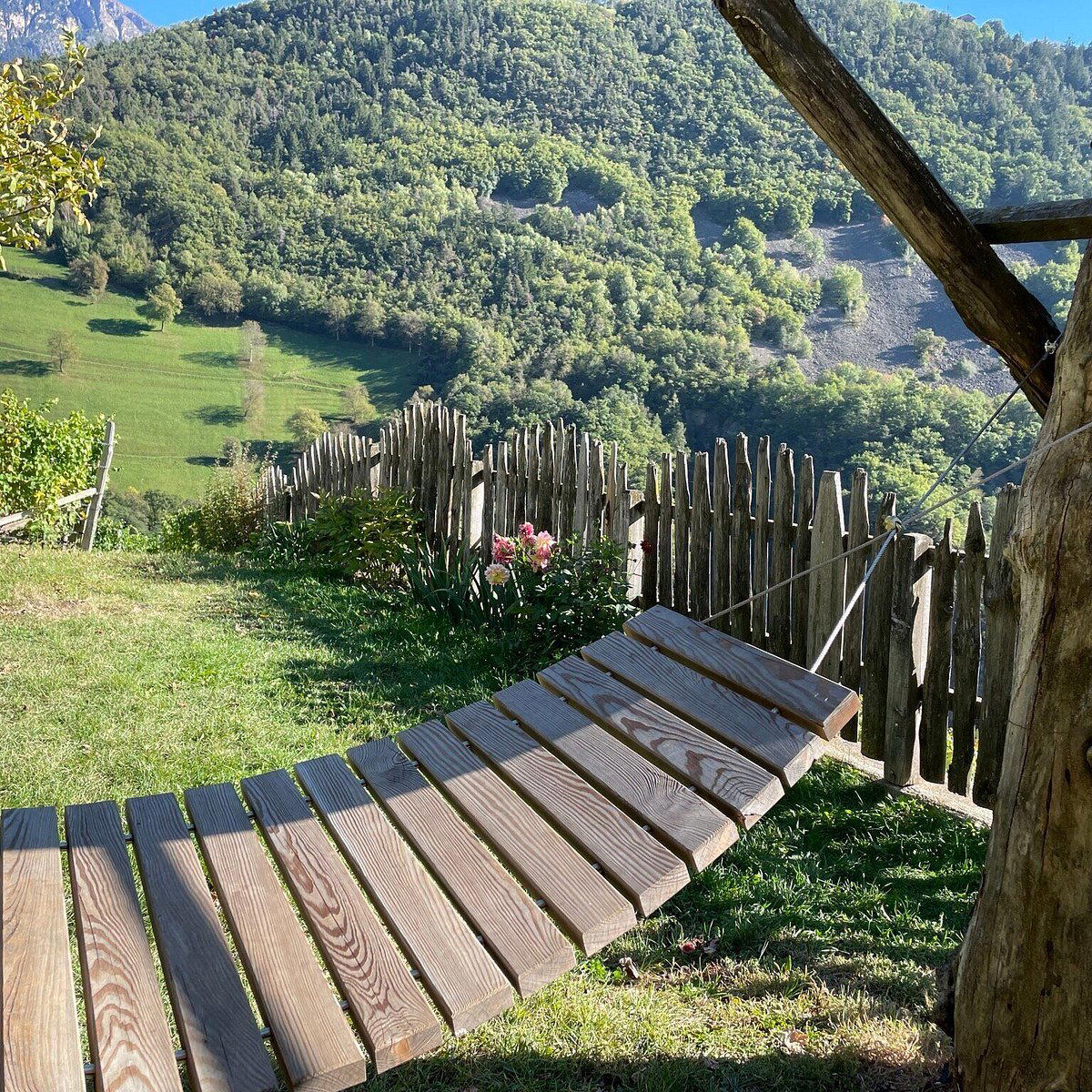
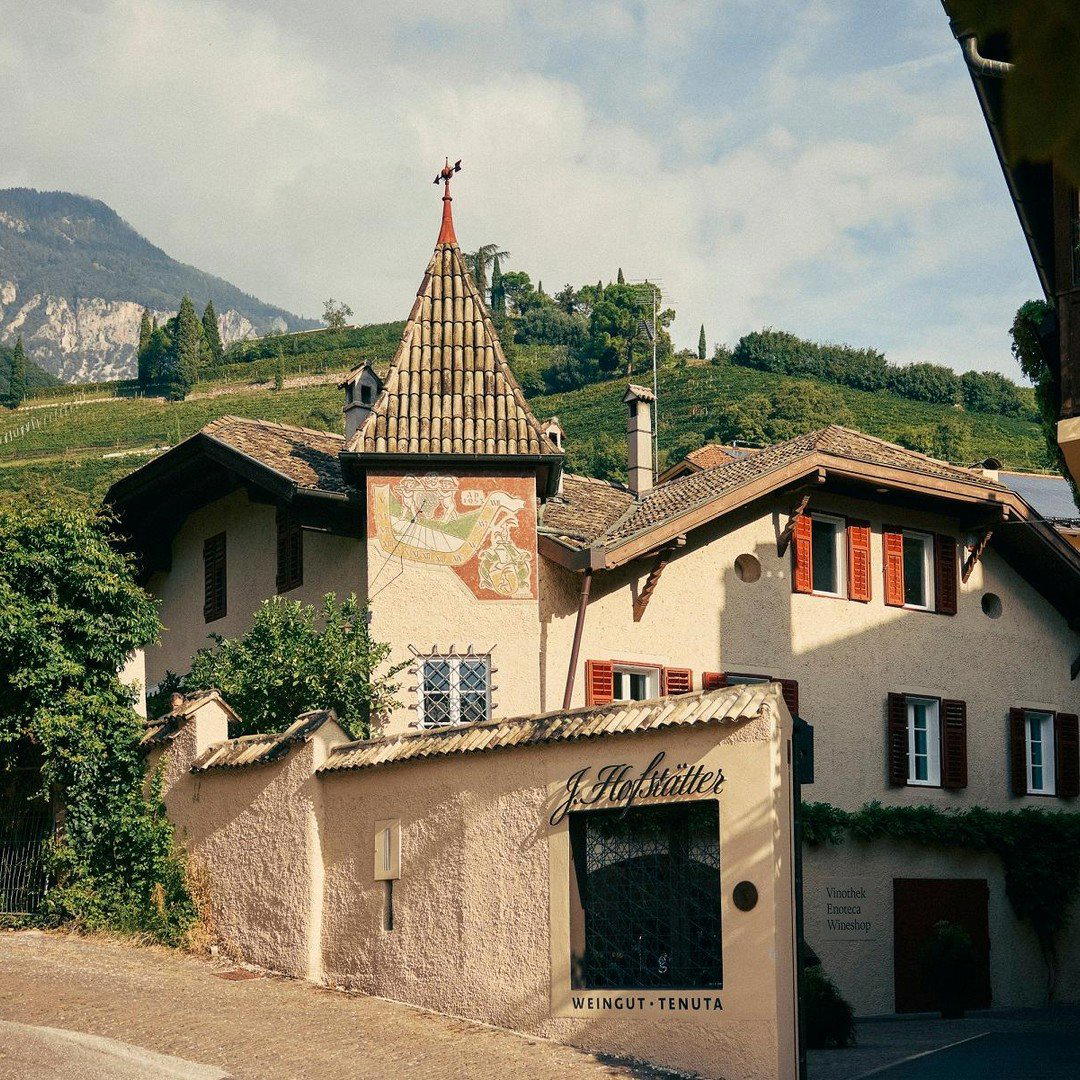
Bars in Siusi allo Sciliar
Browse all →
Restaurants in Siusi allo Sciliar
Browse all →

At a Glance
- Rustic
- Scenic
- Solo Exploration
- Wine Education
- Historic Building
- Panoramic View
- Sustainable
- Mountain
Stern and real mountain environment with historic 14th-century Alpine farmstead roots.