

1 Michelin Star · Falstaff Restaurant - 94 Falstaff Points
Our verdict
Schöneck holds a Michelin star in the Dolomites village of Molini di Falzes, where the Baumgartner brothers have been serving Alto Adige regional cooking for over three decades. The wine list matches the seriousness of the kitchen.

Pearl is the En Primeur Club membership app — saves, bookings, and concierge access live there. Same editors, same standards.
- Address
- Via Schloss Schöneck, 11, 39030 Falzes BZ, Italy
- Phone
- +39 0474 565550
- Hours
- Mon–Tue ClosedWed–Sun 11:30 AM–2 PM, 6:30–9:30 PM
- Website
- schoeneck.it
- Directions
- Get directions
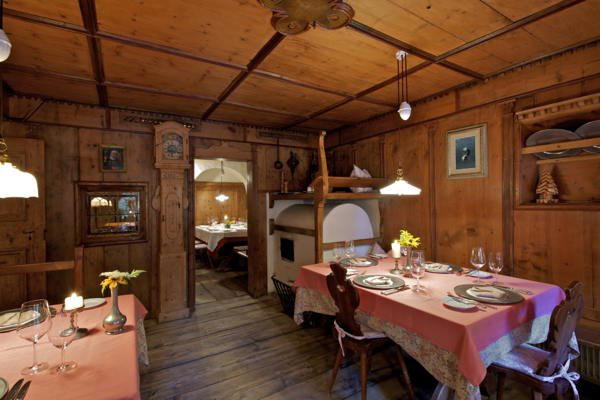
Wood, Stone, and the Weight of Alto Adige Tradition
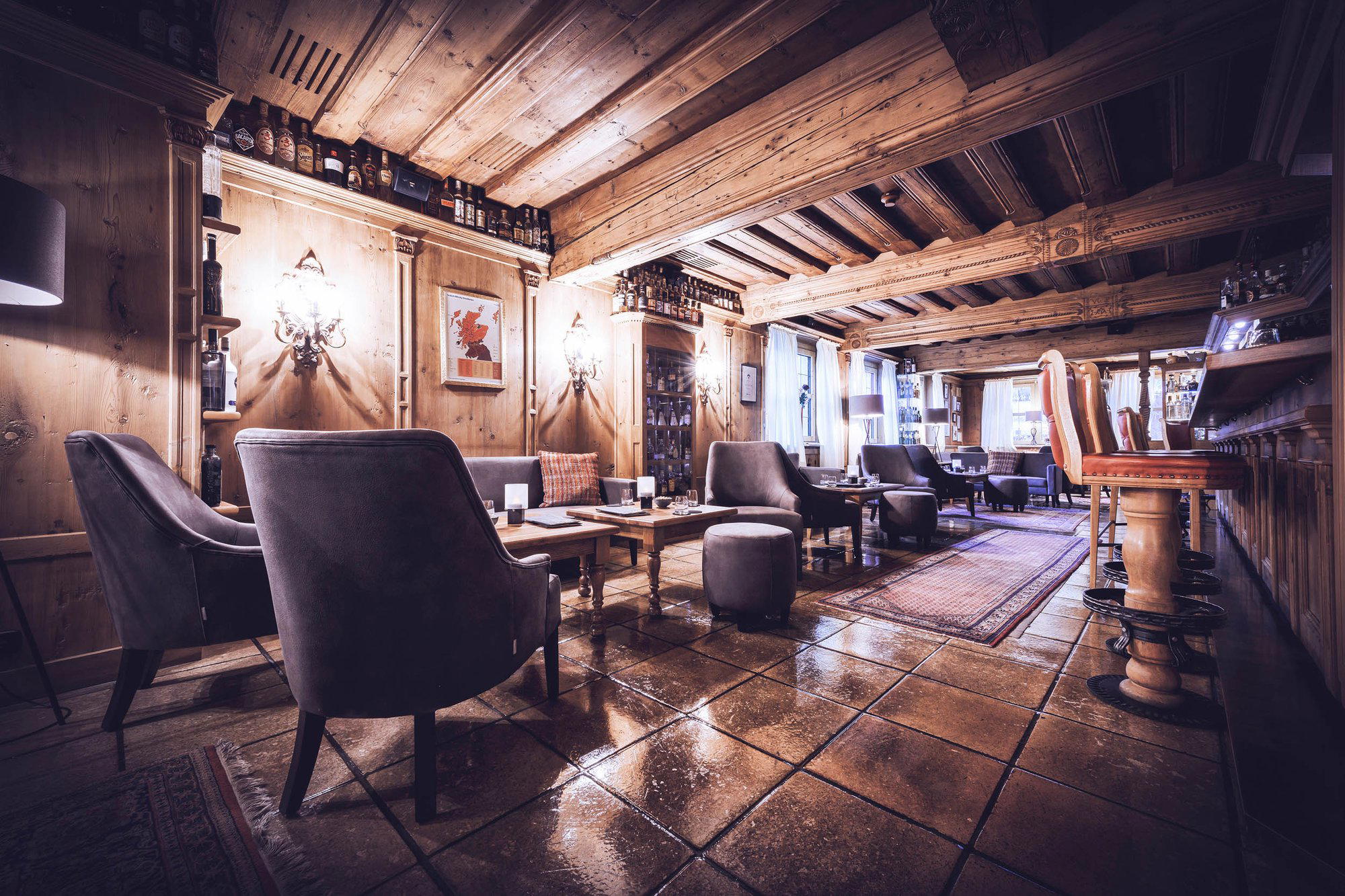
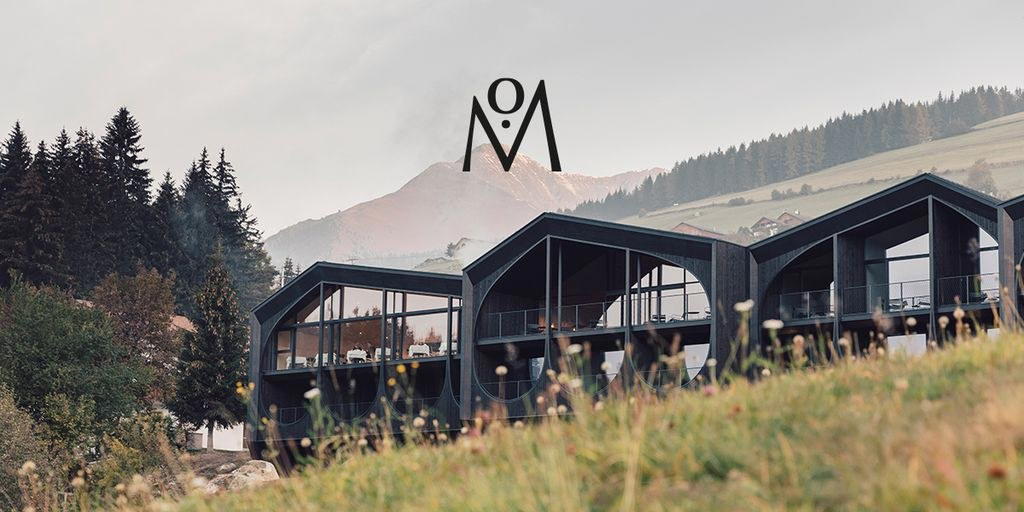
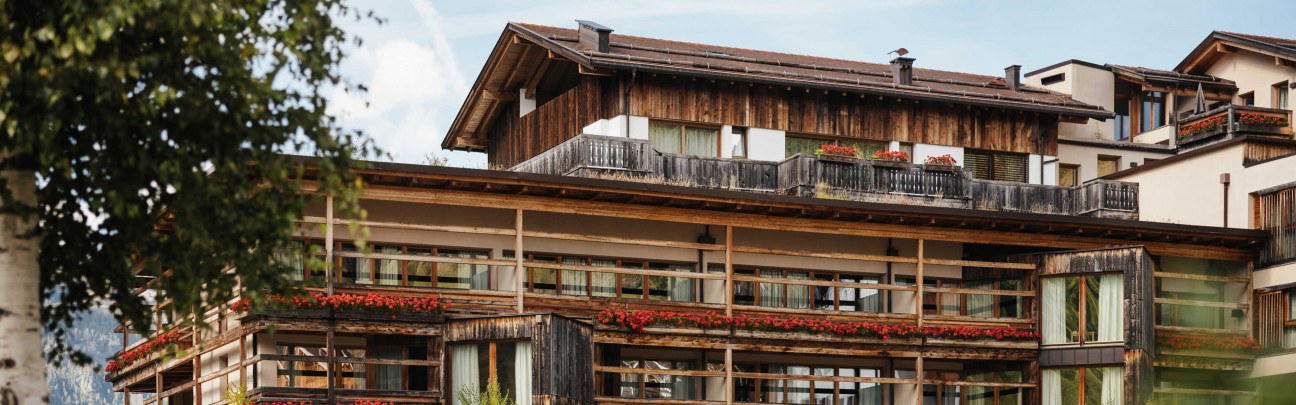
The valley between Falzes and Molini sits in one of the quieter corridors of the South Tyrol, away from the ski infrastructure that crowds the more trafficked Dolomite passes. Arriving at Schöneck, the building announces itself through its architecture before the food does: local timber, a veranda facing the mountain slopes, and interior Stube-style rooms panelled in the same dark wood that has defined communal dining in this region for centuries. The piano lounge near the bar is an unusual grace note, giving the space something between a private club and a farmhouse that has been tended with care for a long time. In summer, the terrace opens into cool shade, which in the context of a long alpine lunch is not incidental — it is a design decision that shapes the pace of the meal.
This is a useful entry point for understanding what kind of restaurant Schöneck is. Alto Adige has produced a range of ambitious kitchens in the last two decades, several of which sit at the top of Italian fine dining. Atelier Moessmer Norbert Niederkofler in Brunico operates at the €€€€ tier with a creative and seasonal-absolutist approach that has drawn international attention. Schöneck does something different and, for a specific traveller, more compelling: it holds to the classical Alto Adige tradition without apology, charges at the €€€ tier, and has maintained a Michelin star as of 2024 while doing so. That combination is rarer than it sounds.
Why the Sourcing Argument Matters Here
The central editorial claim about Schöneck is not its longevity or its star — it is its sourcing logic. In a region where farm-to-table has become a marketing reflex across all price tiers, a kitchen that has operated on local and regional supply chains for over thirty years occupies a different position. The Baumgartner brothers built the restaurant's ingredient network before that network had a brand name. The menu at Schöneck reflects what the Alto Adige actually produces: mountain pasture meats, dairy from valley farms, wild and foraged elements that change with the season, supplemented by fish options that acknowledge the kitchen's range without repositioning its identity.
This matters beyond the philosophical. Locally sourced ingredients in a mountain valley like this one are subject to genuine seasonality, not the curated seasonality of a city restaurant buying from specialist wholesalers, but the harder constraints of altitude and weather. A kitchen that has navigated those constraints for three decades has accumulated tacit knowledge that cannot be replicated by adopting a farm-to-table policy. Chef Karl's approach, as described in the restaurant's Michelin recognition, is explicitly one that resists current trends in favour of what the region has always done well. That posture is either a limitation or a strength depending on what a diner is looking for. For those drawn to the living archive of a regional cuisine rather than its reinvention, it reads as a strength.
The comparison set for this kind of cooking is instructive. Gannerhof in Innervillgraten and Fahr in Künten-Sulz operate in a similar register of Alpine regional cuisine, where the sourcing story and the landscape are inseparable from the plate. At the opposite end of the Italian fine dining spectrum, €€€€ houses like Osteria Francescana in Modena, Le Calandre in Rubano, or Piazza Duomo in Alba are using regional ingredients as raw material for creative transformation. Schöneck is doing something structurally different: the ingredient is the argument, not the canvas.
The Dining Rooms and What They Signal
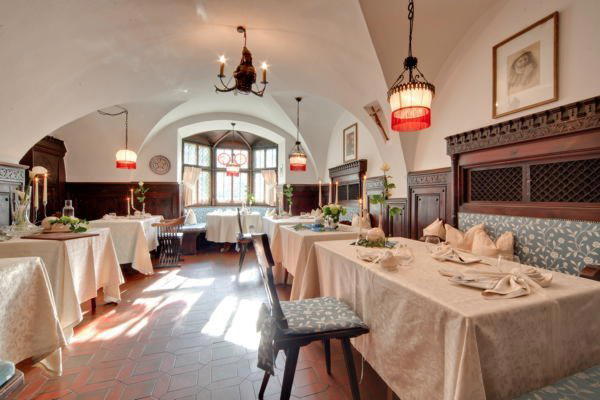
The plural is deliberate. Schöneck operates across several distinct spaces, the bar and piano lounge, the Stube-style dining rooms, and the veranda, which means the experience of eating here varies depending on where you are seated and what time of year you visit. The Stube format is significant context: a Stube is the warm inner room of a traditional South Tyrolean house, a space historically defined by its wood panelling, low ceiling, and communal function. Using that format in a Michelin-starred setting is a statement about cultural continuity. It also creates an intimacy that more architecturally ambitious restaurants in the region do not always achieve.
Wine list has received specific mention alongside the kitchen in the restaurant's Michelin documentation, which is not a default observation, it indicates a program with genuine depth and curation. Alto Adige produces some of Northern Italy's most technically precise whites, and a wine list that is called out specifically in a starred context will typically have vertical selection, local producer representation, and a breadth that supports the full arc of a regional meal. For a diner using the wine as a guide to the region's agricultural identity, this is an extension of the sourcing argument rather than a separate consideration.
Where Schöneck Sits in Italian Fine Dining
Italy's Michelin-starred restaurant count is among the highest in Europe, and the one-star tier is broadly competitive. Within that tier, the distinction between a restaurant holding a star for technical precision and one holding it for the authenticity and depth of a regional tradition is real but rarely stated plainly. Schöneck falls into the second category.
For context on what the Michelin star tier looks like across the Italian spectrum: Dal Pescatore in Runate, Enoteca Pinchiorri in Florence, Enrico Bartolini in Milan, Uliassi in Senigallia, Quattro Passi in Marina del Cantone, Reale in Castel di Sangro, and Casa Perbellini 12 Apostoli in Verona all represent different orientations within the starred Italian dining world. Schöneck's position, classical, regional, mountain, one-star, three price symbols rather than four, is a deliberate and coherent one within that landscape.
Planning Your Visit
Schöneck is located at Via Schloss Schöneck 11 in Falzes, in the municipality that includes Molini. The restaurant is closed on Mondays. Tuesday through Sunday, the kitchen runs two services: lunch from 11:30 AM to 2:00 PM and dinner from 6:30 PM to 9:30 PM. At the €€€ price tier, a full dinner with wine from the house list sits in the mid-to-upper range for the region without crossing into the €€€€ territory of the larger creative kitchens. Given the restaurant's profile and star recognition, booking ahead is advisable, particularly for weekend dinners and summer terrace seats. Falzes is accessible by road from Brunico, which is the nearest town with rail connections on the Puster Valley line. For travellers building a broader itinerary around the area, see our full Molini restaurants guide, our Molini hotels guide, our Molini bars guide, our Molini wineries guide, and our Molini experiences guide.
Frequently asked questions
Is Schöneck more mid-range or high-end?
Pricing at Schöneck is listed as €€€.
Is Schöneck open every day?
Hours at Schöneck: Monday closed Tuesday 11:30 AM-2 PM 6:30 PM-9:30 PM Wednesday 11:30 AM-2 PM 6:30 PM-9:30 PM Thursday 11:30 AM-2 PM 6:30 PM-9:30 PM Friday 11:30 AM-2 PM 6:30 PM-9:30 PM Saturday 11:30 AM-2 PM 6:30 PM-9:30 PM Sunday 11:30 AM-2 PM 6:30 PM-9:30 PM.
Quick Comparison
| Venue | Cuisine | Price | Awards | Notes |
|---|---|---|---|---|
| SchöneckThis venue — the venue you are viewing | Regional South Tyrolean Cuisine | Not listed | 1 Michelin Star · Falstaff Restaurant - 94 Falstaff Points | Not listed |
| Atelier Moessmer Norbert Niederkofler | Italian, Creative | Not listed | Michelin 3 Star | Not listed |
| Dal Pescatore | Italian, Italian Contemporary | Not listed | Michelin 3 Star | Not listed |
| Enoteca Pinchiorri | Contemporary Italian Fine Dining | $200–300 | 3 Michelin Stars · World's 50 Best #32 | Italian - French, Italian Contemporary |
| Enrico Bartolini | Creative | Not listed | Michelin 3 Star | Not listed |
| Osteria Francescana | Avant-Garde Italian Contemporary | $300–500 | 3 Michelin Stars · World's 50 Best #1 | Progressive Italian, Creative |
Recognition history
Dated appearances from independent guides and award organizations, with the underlying list record or original source where available.
Michelin 1 Star
Michelin
Falstaff Restaurant - 94 Falstaff Points
Falstaff
Full recognition history (4 entries)
Michelin 1 Star
Michelin
Michelin 1 Star
Michelin
Continue exploring
More in Molini
Restaurants in Molini
Browse all →
Bars in Molini
Browse all →
Hotels in Molini
Browse all →

Details
- Cozy
- Elegant
- Classic
- Scenic
- Date Night
- Celebration
- Special Occasion
- Business Dinner
- Terrace
- Standalone
- Extensive Wine List
- Mountain
- Garden
- A La Carte
- Wine
Current opening hours
- Monday
- Closed
- Tuesday
- Closed
- Wednesday
- 11:30 AM–2 PM, 6:30–9:30 PM
- Thursday
- 11:30 AM–2 PM, 6:30–9:30 PM
- Friday
- 11:30 AM–2 PM, 6:30–9:30 PM
- Saturday
- 11:30 AM–2 PM, 6:30–9:30 PM
- Sunday
- 11:30 AM–2 PM, 6:30–9:30 PM
Hours can change for holidays and private events. Last verified .
Stylish, cozy, and family-oriented, with a refined yet welcoming atmosphere that includes historic dining rooms, a sunlit veranda, a piano bar, and a terrace.