
Michelin Plate
Our verdict
KLE sits on Dornaustraße in Mayrhofen, a Tyrolean resort town better known for ski lifts than serious kitchens. In the wider Austrian alpine dining scene, where ingredient provenance increasingly drives the conversation, KLE represents a dining address worth seeking out for those already in the valley. Check current availability directly before visiting, as details on the ground can shift with the seasons.

Pearl is the En Primeur Club membership app, where members save venues, book tables and use the concierge.
The menu
What to order
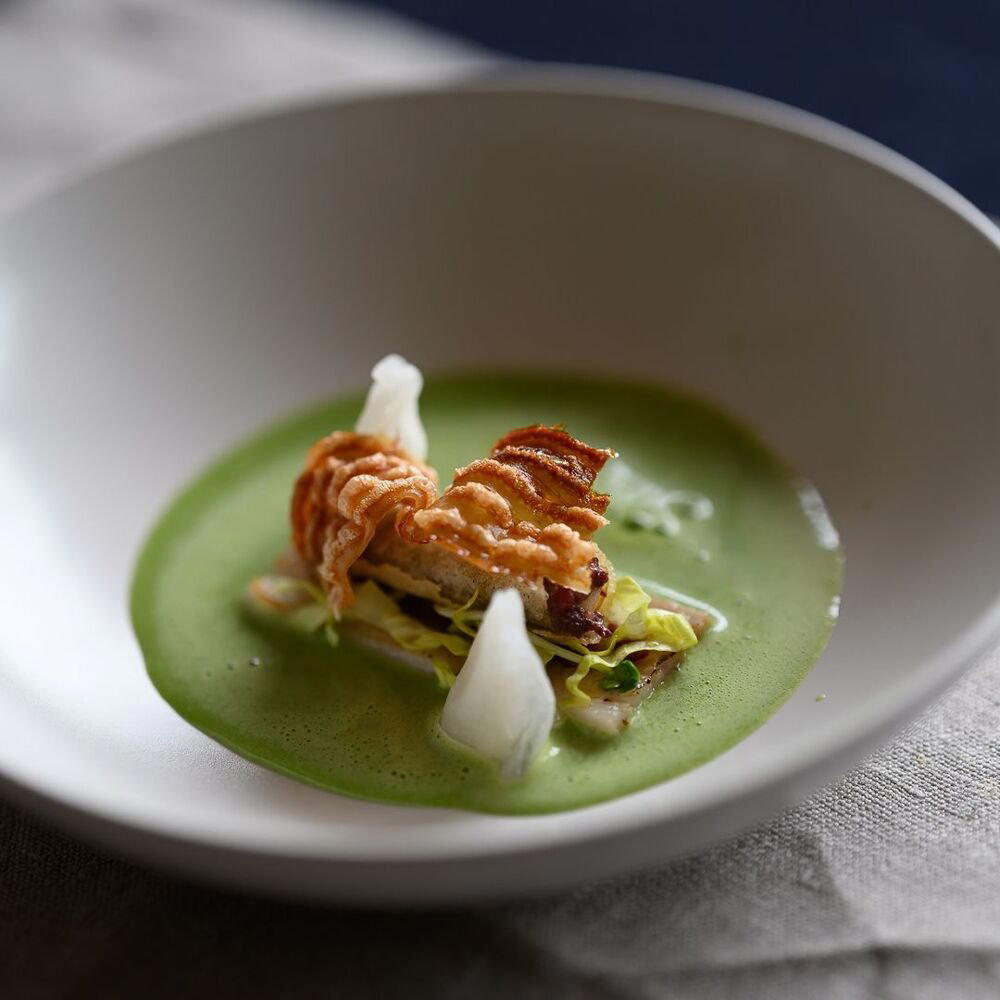
- Potato ravioli with truffles
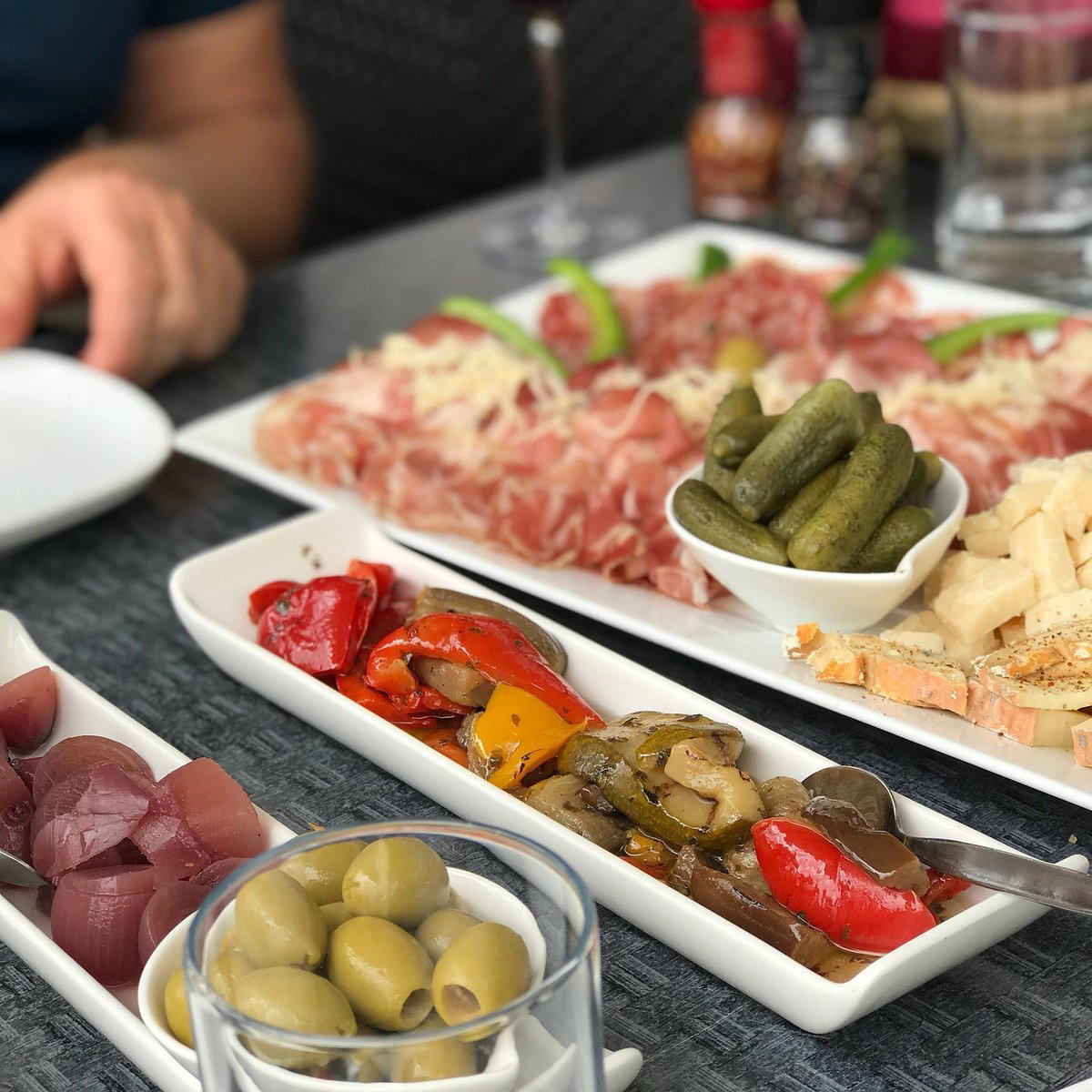
- Beef cheeks with parsnip and milk cream
Dining in the Zillertal: What the Alps Actually Produce
The Zillertal valley has spent decades as a logistics destination, a place you move through on the way to a ski run or a hiking trail. Mayrhofen sits at its southern end, and the town's restaurant scene reflects that transience: plenty of Tyrolean Stuben serving Kasnocken and Wiener Schnitzel to rotating crowds of resort guests. What is less common in this part of Austria is a kitchen that treats the surrounding terrain as a sourcing brief rather than a backdrop. The alpine environment above 600 metres imposes real constraints on supply, and those constraints tend to separate the serious operators from the seasonal ones. KLE, at Dornaustraße 612, occupies that more deliberate tier.
This framing matters because the broader Austrian fine-dining conversation is now heavily weighted toward provenance. In Vienna, Steirereck im Stadtpark has spent years building direct relationships with regional producers, making ingredient origin a structural part of its identity. In Golling, Döllerer has pushed an Alpine-terroir argument at the €€€€ tier, treating mountain herbs, game, and high-altitude dairy as its primary creative vocabulary. What both demonstrate is that Austrian alpine sourcing, done seriously, can carry a restaurant into international conversation. The question for any Mayrhofen kitchen is whether the valley's own supply chain, the cattle farms, dairy cooperatives, and foragers working the Zillertaler Alpen, is being read as an opportunity or ignored in favour of easier procurement from the lowlands.
The Room and What It Signals
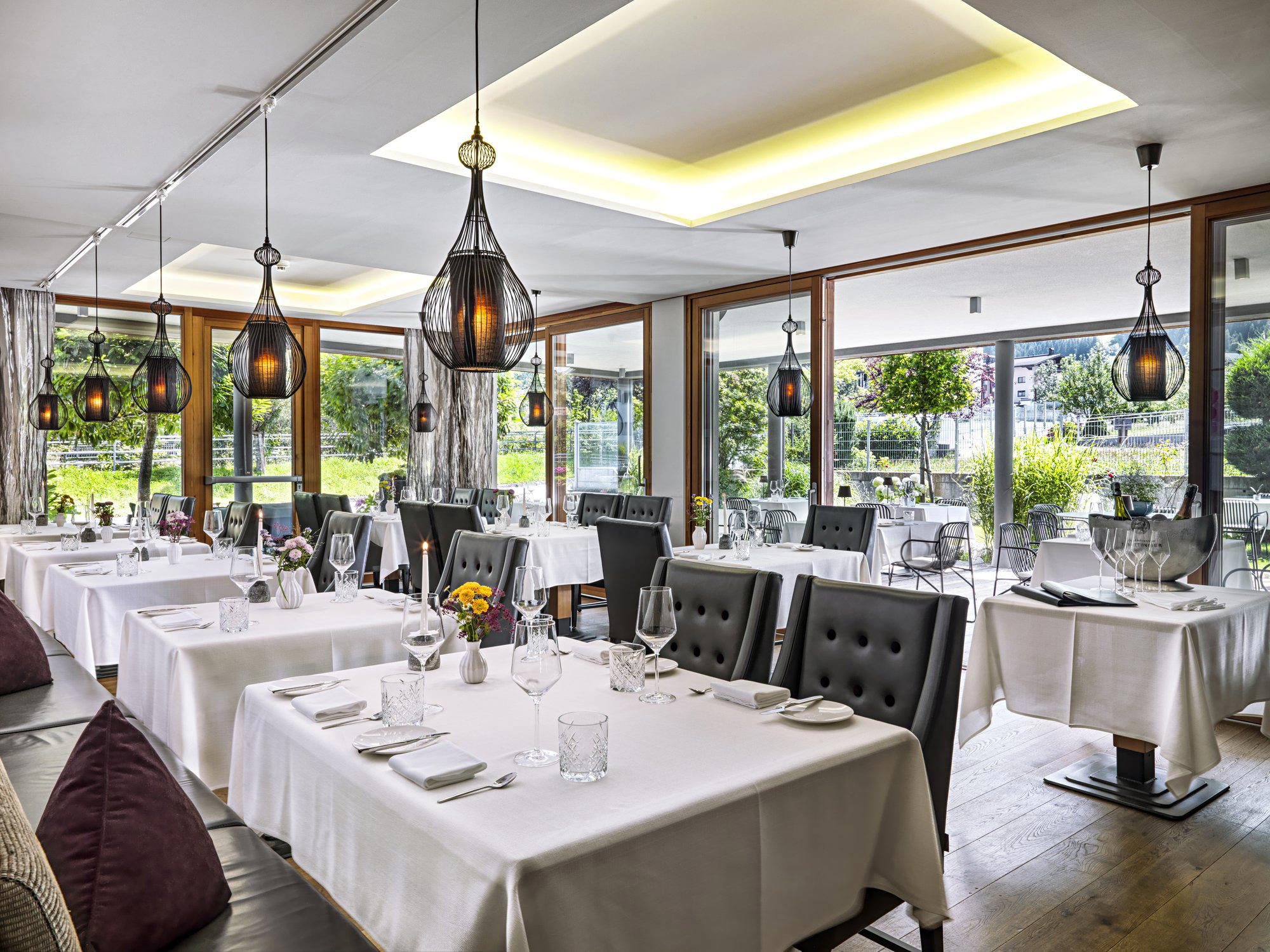
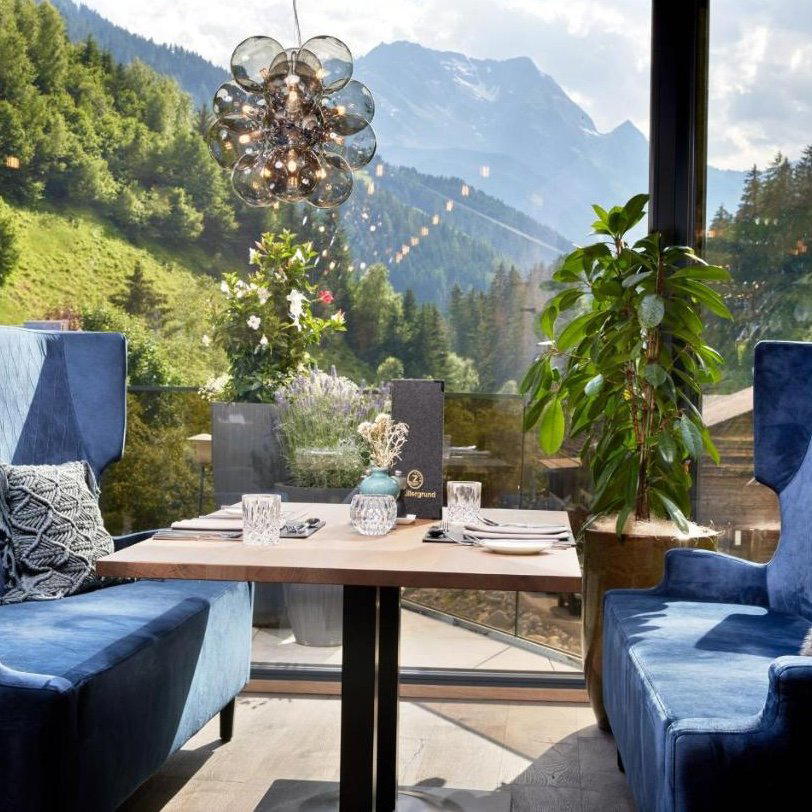
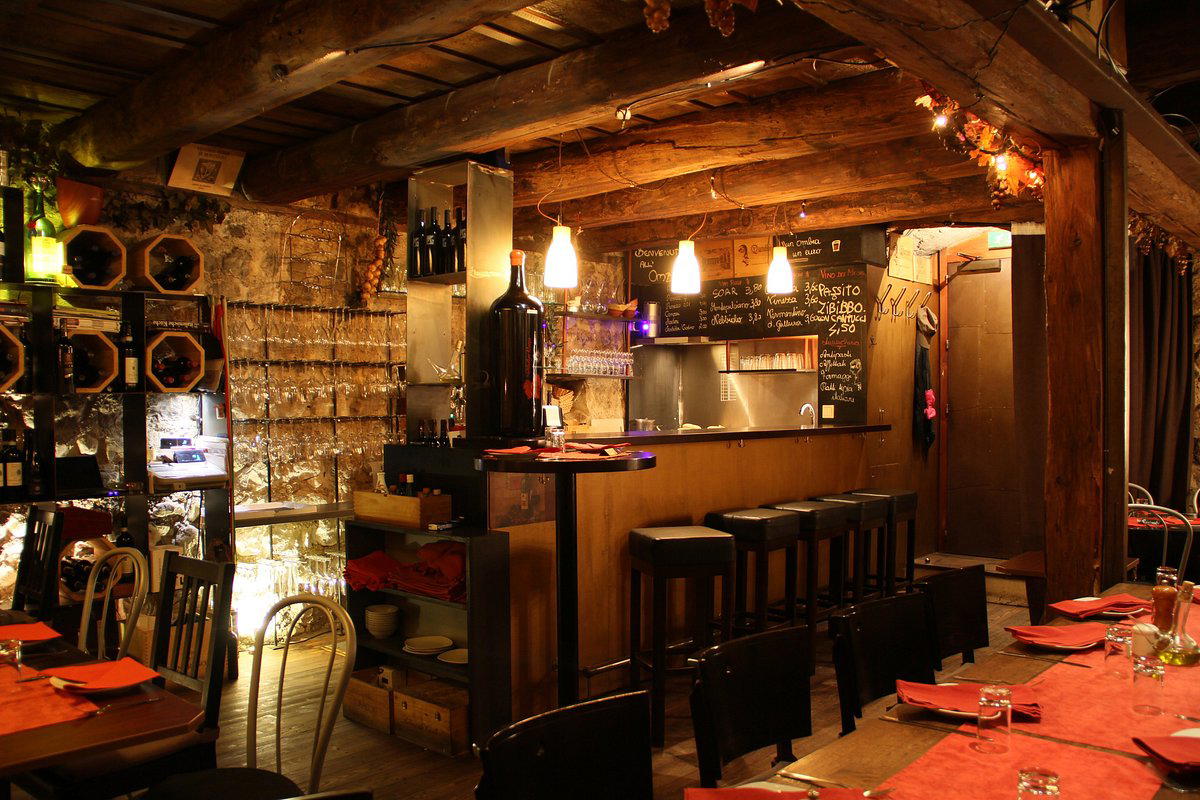
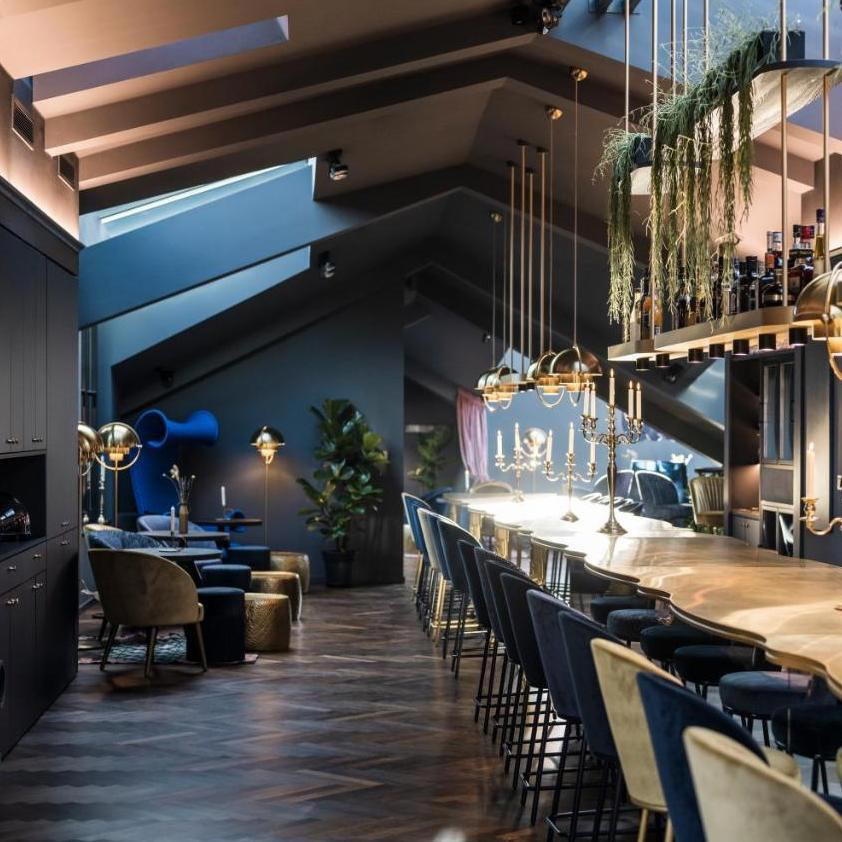
Arriving at a restaurant address in a Tyrolean resort town carries certain expectations: timber cladding, a mounted antler or two, candles in glass holders. The degree to which a kitchen departs from or embraces that register tells you something about its intended audience and its own confidence. Restaurants in Mayrhofen that are serious about food tend to hold the architectural warmth of the alpine interior while stripping out the folklorist excess, letting the room feel anchored to place without performing it. That balance is harder to strike than it sounds, and it usually correlates with how a kitchen thinks about its sourcing. A room that has been considered suggests a kitchen that has been considered.
For visitors arriving from outside the valley, Mayrhofen is accessible via the Zillertalbahn narrow-gauge railway from Jenbach, which connects to the main Innsbruck-Vienna line. The journey from Innsbruck takes roughly an hour by rail. Those travelling by car from Innsbruck follow the B169 south through the valley. Booking ahead is standard practice in alpine resort towns, where restaurant capacity is typically calibrated to hotel occupancy rather than walk-in traffic, and seasonal closures between winter and summer seasons can affect availability. Confirming opening dates directly with KLE before travel is advisable.
Where KLE Sits in the Austrian Alpine Dining Map
The reference points for serious alpine dining in the Austrian Tirol and Vorarlberg region are relatively few but meaningful. Gourmetrestaurant Tannenhof in Sankt Anton am Arlberg operates at the upper end of the Arlberg resort tier, with a format that assumes a guest willing to commit an evening rather than a quick dinner slot. Griggeler Stuba in Lech works a similar premium-resort register further west. Both sit in ski destinations where the clientele arrives with spending capacity and often with prior experience of high-level European restaurants.
Mayrhofen draws a different demographic mix: family ski groups, summer hikers, and a growing contingent of trail runners and mountain bikers for whom the valley has become a calendar fixture. The dining expectations that accompany those audiences are not uniform, which creates a more complex positioning challenge for any restaurant here than at a purely luxury-positioned resort. Berliner Hütte, the historic mountain refuge above the valley at roughly 2,000 metres, offers a different kind of alpine dining experience altogether, one rooted in mountain-hut tradition rather than contemporary kitchen ambition. KLE operates at valley level and in a different category.
For broader context on the Tyrolean alpine fine-dining tier, Schwarzer Adler in Hall in Tirol and Stüva in Ischgl represent further reference points within the region. The pattern across these addresses is consistent: the kitchens that carry sustained recognition are those connecting their menus to identifiable alpine supply chains, whether that is Tyrolean mountain cheese, lamb from high-altitude pastures, or foraged herbs from elevations above the tree line. That sourcing logic is the common thread in Austrian mountain dining at any serious level.
The Ingredient Argument in Austrian Alpine Kitchens
Austria's relationship with regional sourcing in fine dining has deepened considerably over the past decade. Kräuterreich by Vitus Winkler in Sankt Veit im Pongau has built an entire kitchen identity around alpine herb cultivation, operating its own gardens as a direct sourcing mechanism rather than relying on wholesale supply. Obauer in Werfen has maintained a decades-long relationship with Salzburg-region producers, and Landhaus Bacher in Mautern an der Donau has applied similar rigour in the Wachau wine corridor. What unites these kitchens is that the provenance question is answered before the menu is written, not as an afterthought to it.
In the Zillertal, that sourcing infrastructure exists. The valley has a functioning dairy tradition; Zillertaler cheese is a documented regional product with its own production history. Wild game from the surrounding mountains is regulated and harvested seasonally. Summer brings high-altitude berries, mushrooms, and herbs at elevations that produce flavour intensities difficult to replicate at lower altitudes. A kitchen prepared to work within those supply rhythms, accepting shorter seasons and less predictable availability in exchange for genuine regional character, is making a different kind of commitment than one sourcing from a national distributor.
For readers looking to map KLE against the wider Austrian restaurant scene, our full Mayrhofen restaurants guide covers the valley's dining options in broader detail. Comparable addresses elsewhere in Austria worth cross-referencing include Ois in Neufelden, Taubenkobel in Schützen am Gebirge, Restaurant 141 by Joachim Jaud in Mieming, Ikarus in Salzburg, and Artis in Graz. For international reference, the precision with which kitchens like Le Bernardin in New York City and Atomix in New York City align sourcing philosophy with menu architecture illustrates what is possible when ingredient origin is treated as a primary creative constraint rather than a marketing footnote.
Planning Your Visit to KLE
KLE is located at Dornaustraße 612 in Mayrhofen, 6290, Austria. As with most serious dining addresses in alpine resort towns, advance contact to confirm current opening days, seasonal schedules, and reservation availability is the practical starting point. Mayrhofen operates on a dual-season calendar, with peak periods in winter (December through March) and summer (July through August), and quieter shoulder periods in between when some operations reduce hours or close entirely. Arriving without a confirmed booking during peak season is a risk not worth taking.
Frequently asked questions
Is KLE good for families?
Mayrhofen draws a broad family demographic across ski season and summer hiking periods, so the town itself is well-suited to family travel. Whether KLE specifically accommodates younger diners or more casual group formats is worth confirming directly with the restaurant before booking, as the address at Dornaustraße 612 suggests a more deliberate dining proposition than a typical resort Stube. Families after a genuine alpine cooking experience rather than a casual meal will find the Zillertal context compelling.
What's the vibe at KLE?
Mayrhofen's dining scene splits between casual resort Stuben and a smaller group of restaurants making a more considered argument about alpine cooking. KLE, at Dornaustraße 612, sits within the latter category, the address and context point toward a room with intent rather than a ski-town overflow dining room. Arrive expecting something more focused than the average Tyrolean resort experience, though the specific format is best confirmed with the venue directly.
How does KLE compare to other serious dining options in the Zillertal valley?
Mayrhofen has historically been better served for ski infrastructure than for ambitious cooking, which positions any restaurant here operating above resort standards in a relatively small peer group within the Zillertal. The broader Tyrol and Vorarlberg region has reference points such as Gourmetrestaurant Tannenhof and Kräuterreich by Vitus Winkler in Sankt Veit, which hold Michelin recognition, KLE at Dornaustraße 612 in Mayrhofen operates in this broader alpine conversation. For a direct comparison within Mayrhofen itself, the field is thin, which makes KLE one of the more deliberate dining addresses in the immediate valley.
What should I order at KLE?
The alpine sourcing traditions of the Zillertal and broader Tyrol region, mountain dairy, local game, foraged herbs, and regional grains, form the natural ingredient foundation for any kitchen operating seriously here. Letting the kitchen guide the meal is the safest strategy at any restaurant working closely with regional produce cycles.
Where is KLE located?
KLE is located at Dornaustraße 612, 6290 Mayrhofen, Austria, Mayrhofen.
In Context: Similar Options
Comparable venues nearby, for context on price, style, and recognition.
| Venue | Cuisine | Price | Awards | Notes |
|---|---|---|---|---|
| KLEThis venue (the venue you are viewing) | Modern Austrian Contemporary | $100–150 | Michelin Plate | Not listed |
| Berliner Hütte | Traditional Austrian Alpine | $20–30 | Not listed | Zillertal Alps |
| Gold & Pepper | Alpine with Mediterranean Touch | Not listed | Not listed | Saalbach center |
| B-West | Bosnian Grill & Burgers | $10–20 | Not listed | Westbahnhof |
| momoness | Nepalese Momos | $10–20 | Not listed | Innenstadt |
| vju | Contemporary Regional Cuisine | Not listed | Michelin Plate | Lochau |
Recognition history
Dated appearances from independent guides and award organizations, with the underlying list record or original source where available.
Michelin Plate
Michelin
KLE
Featured Guides
Continue exploring
More in Mayrhofen
Restaurants in Mayrhofen
All restaurants in Mayrhofen →
Bars in Mayrhofen
Browse all →

Details
- Elegant
- Cozy
- Sophisticated
- Special Occasion
- Date Night
- Hotel Restaurant
- Extensive Wine List
- Local Sourcing
- Set Menu
- Prix Fixe
Current opening hours
- Monday
- Closed
- Tuesday
- Closed
- Wednesday
- 6–10 PM
- Thursday
- 6–10 PM
- Friday
- 6–10 PM
- Saturday
- 6–10 PM
- Sunday
- 6–10 PM
Hours can change for holidays and private events. Hours as of .
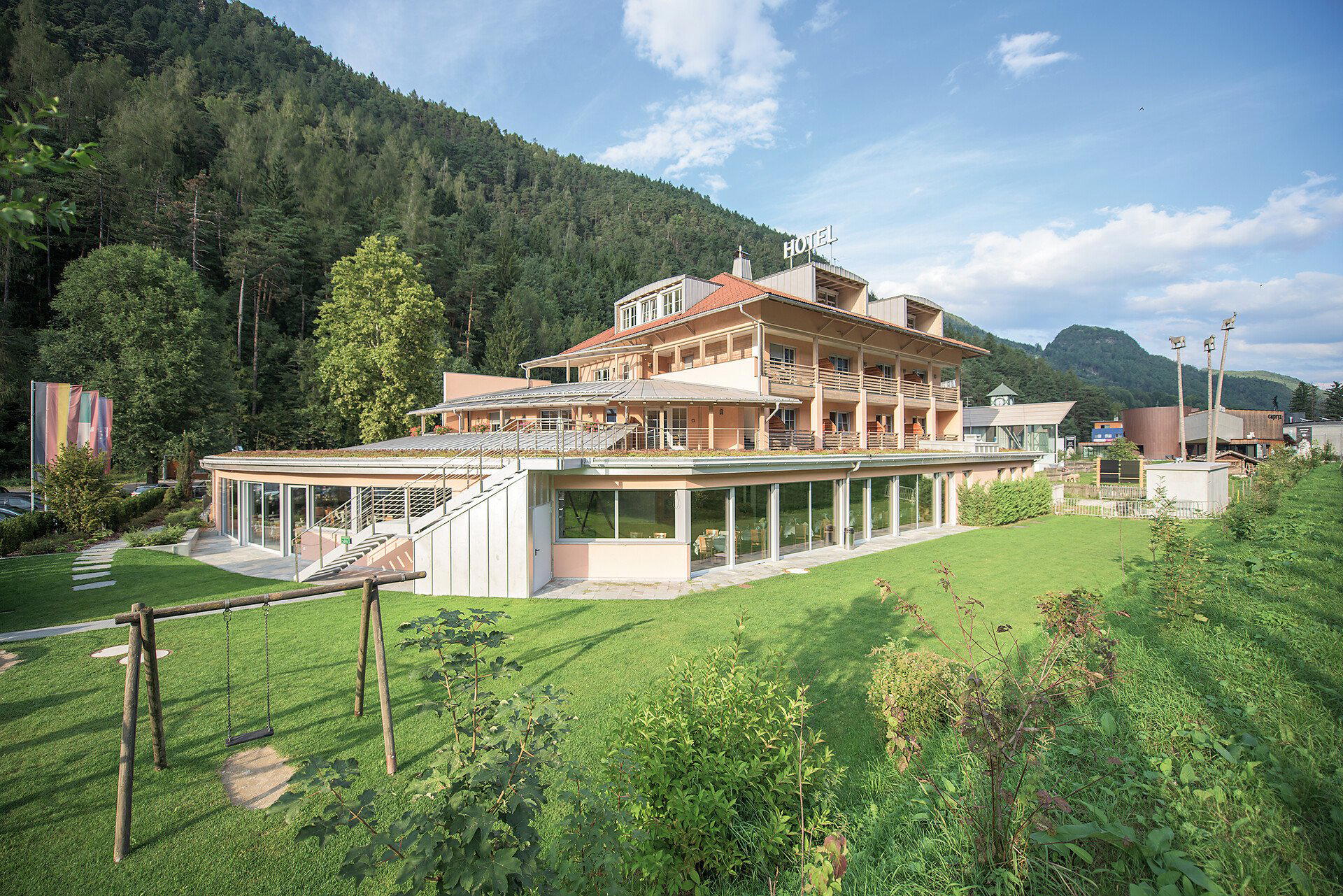
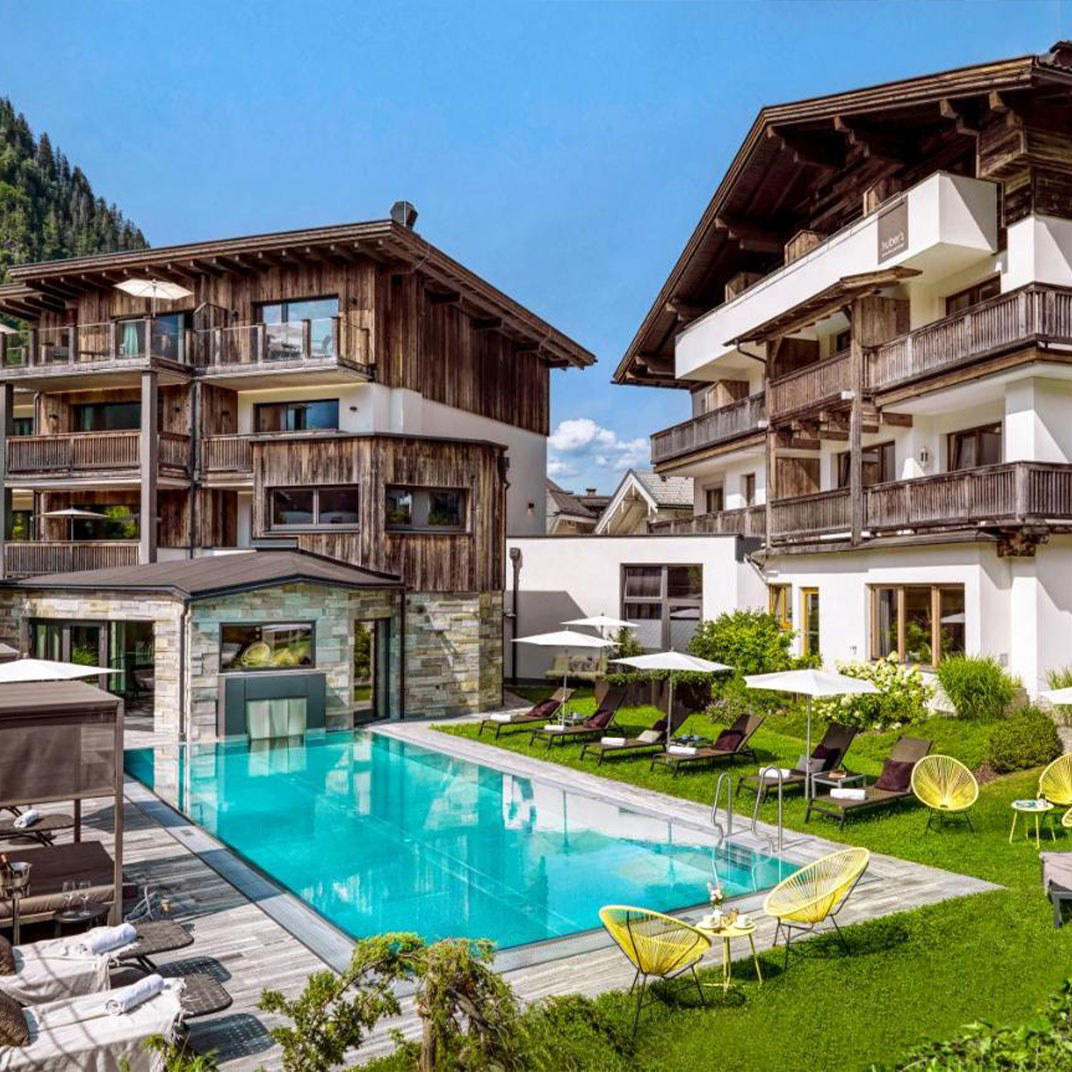
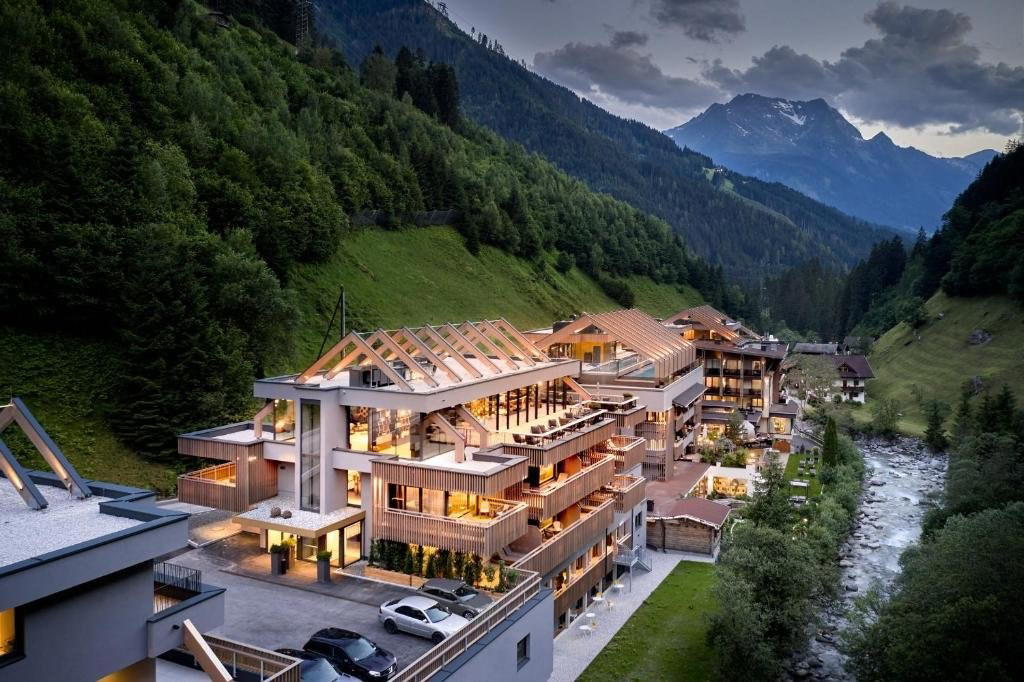
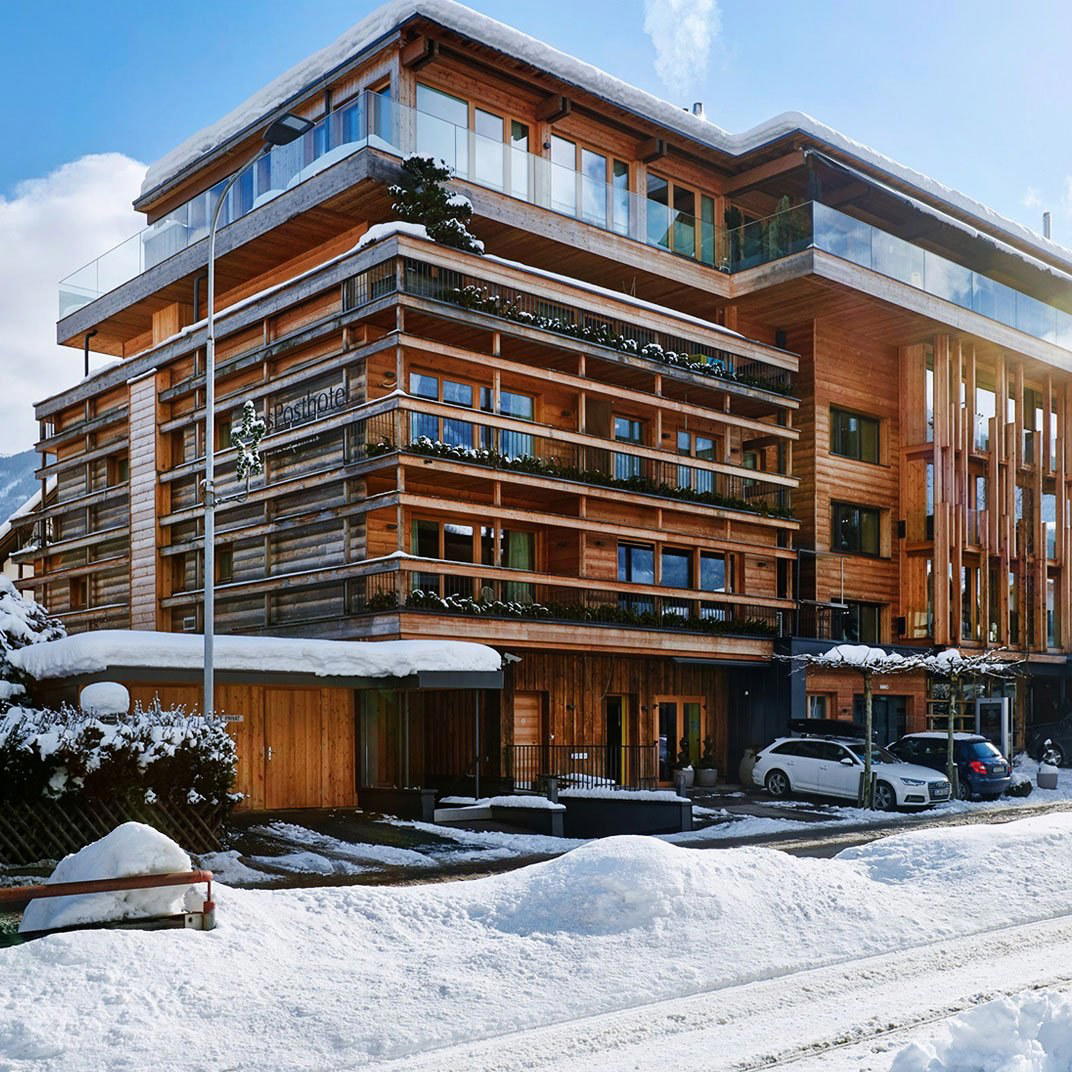
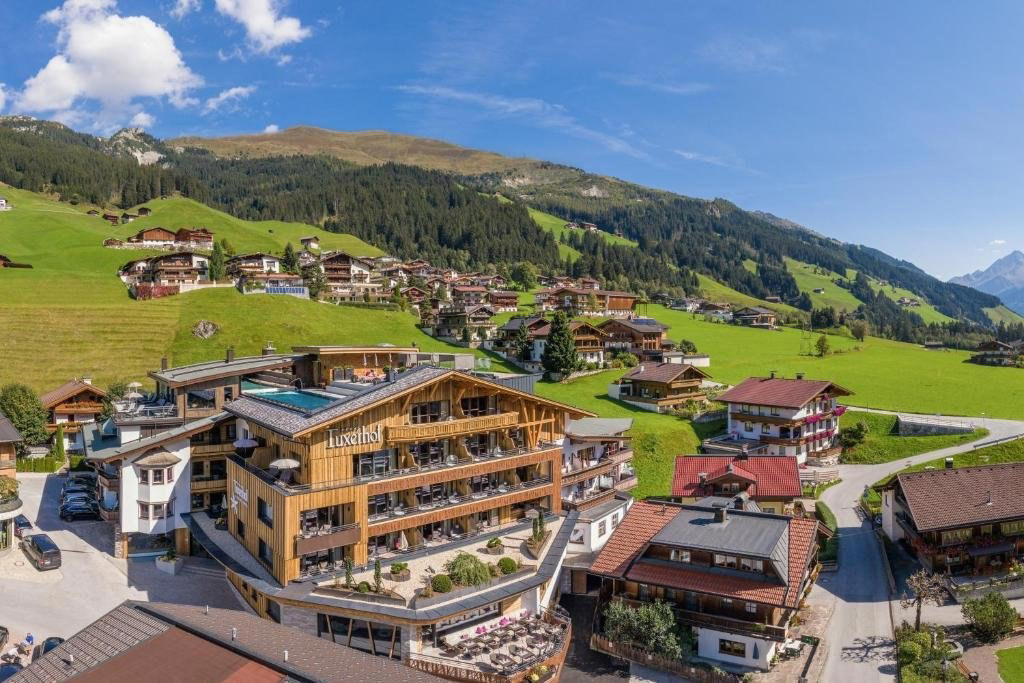
Pleasingly laid-back with friendly and adept service in a boutique hotel setting.