Restaurant Ksara occupies a quiet address on Haimhauserstraße in Munich's Schwabing district, a neighbourhood where the city's appetite for serious cooking runs alongside its academic and cultural institutions. The kitchen draws on ingredient-led cooking in a city increasingly defined by the tension between classical European tradition and more globally-oriented fine dining. For visitors tracking Munich's broader restaurant scene, Ksara represents a point of reference worth understanding in that context.
Pearl is the En Primeur Club membership app — saves, bookings, and concierge access live there. Same editors, same standards.
- Address
- Haimhauserstraße 7, 80802 München, Germany
- Phone
- +498933088297
- Website
- ksara.de
- Directions
- Get directions
 Saves & bookings on Pearl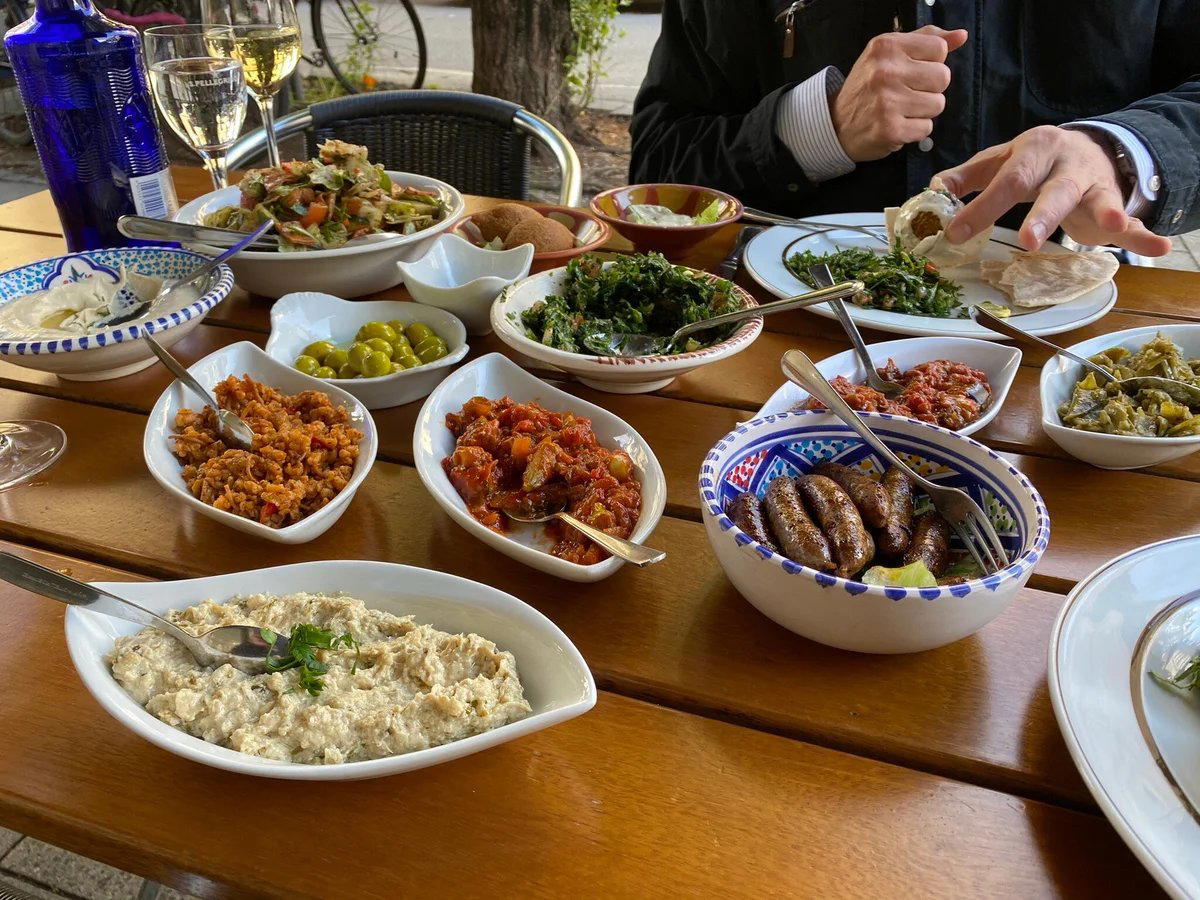
Schwabing's Quieter Register
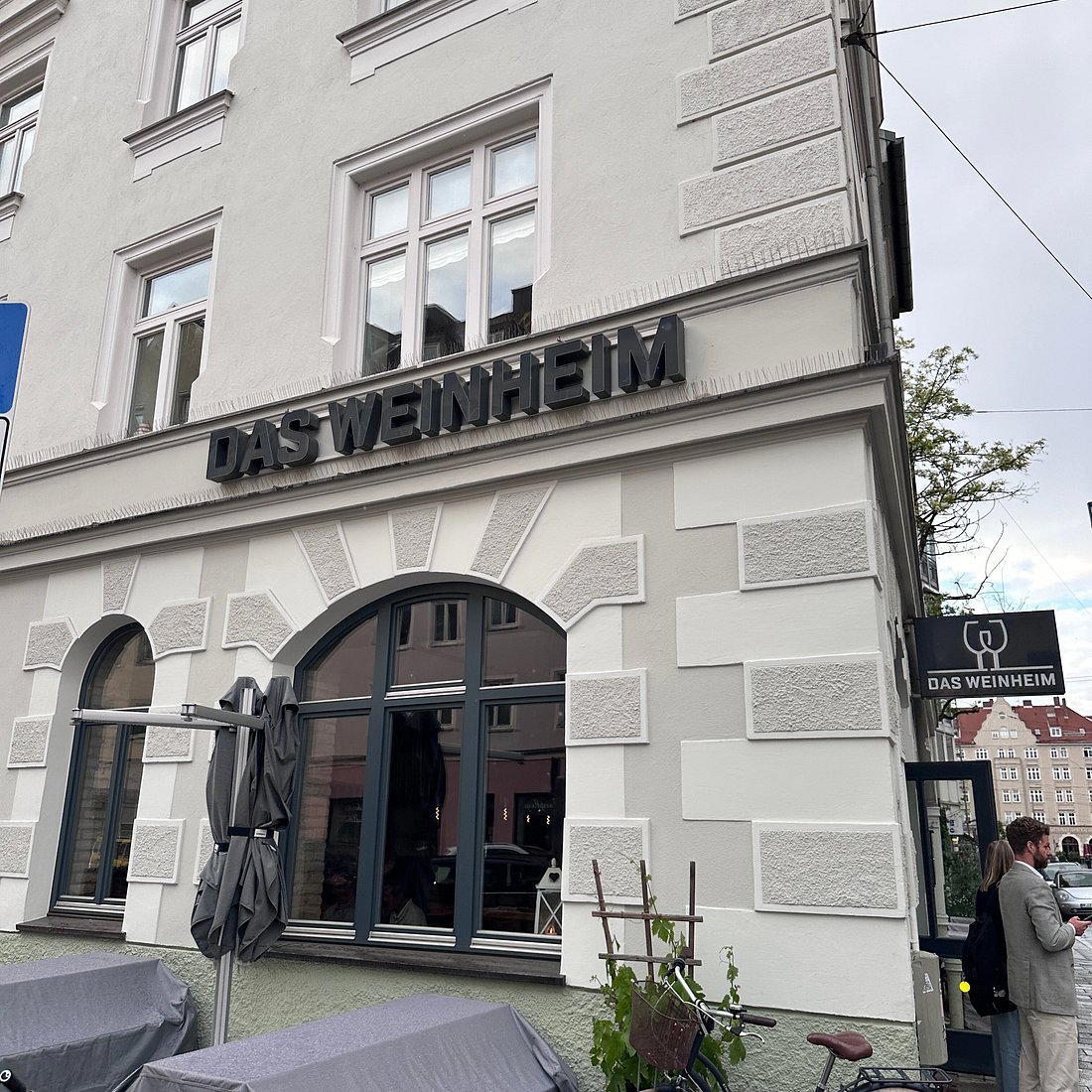
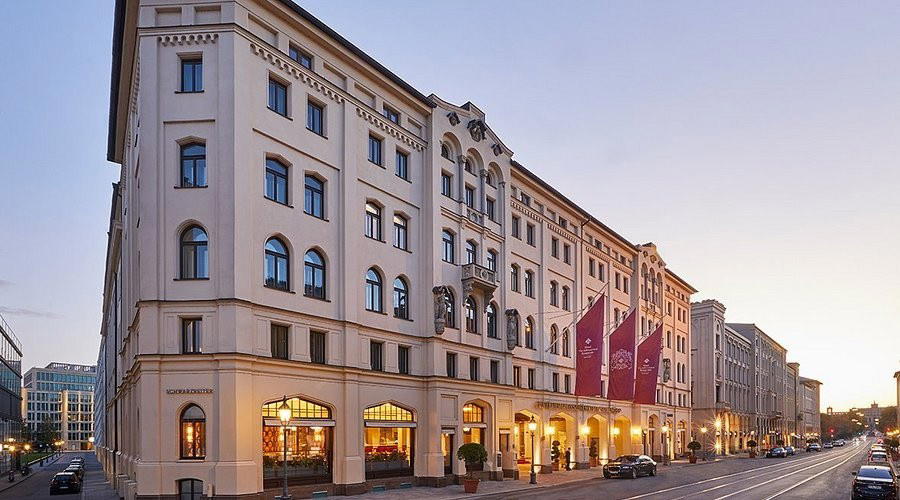
Haimhauserstraße 7 sits in the part of Schwabing that has always kept a lower profile than the district's more trafficked stretches near Leopoldstraße. The street is residential in character, lined with late nineteenth-century apartment buildings whose ground-floor tenants tend toward the independent and the unhurried. Arriving here, the immediate impression is of a Munich that operates outside the usual tourist-facing circuits. This is a traditional Lebanese restaurant in Munich's Schwabing district, priced at about $28 per person, and it sits on Haimhauserstraße 7.
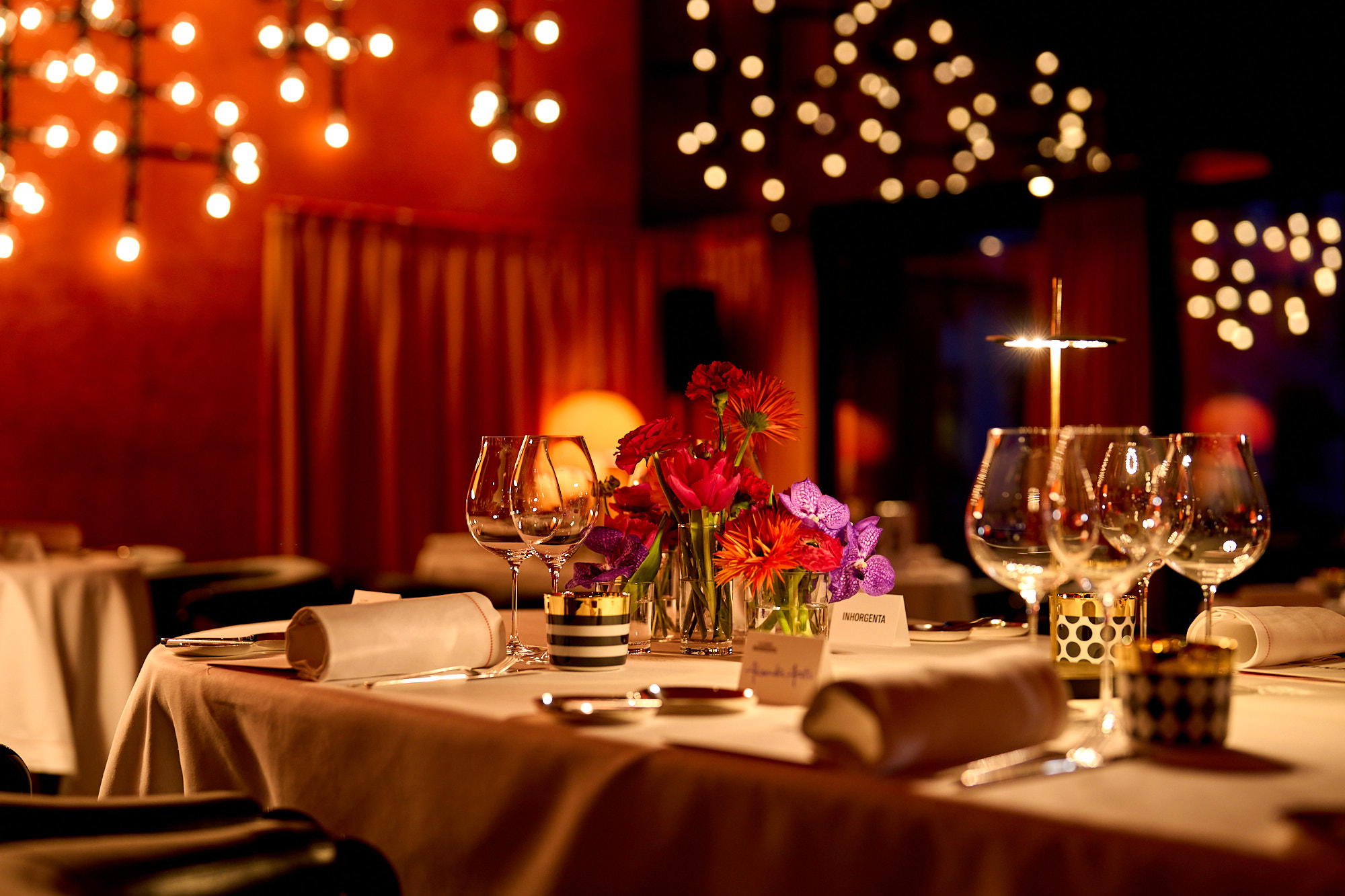
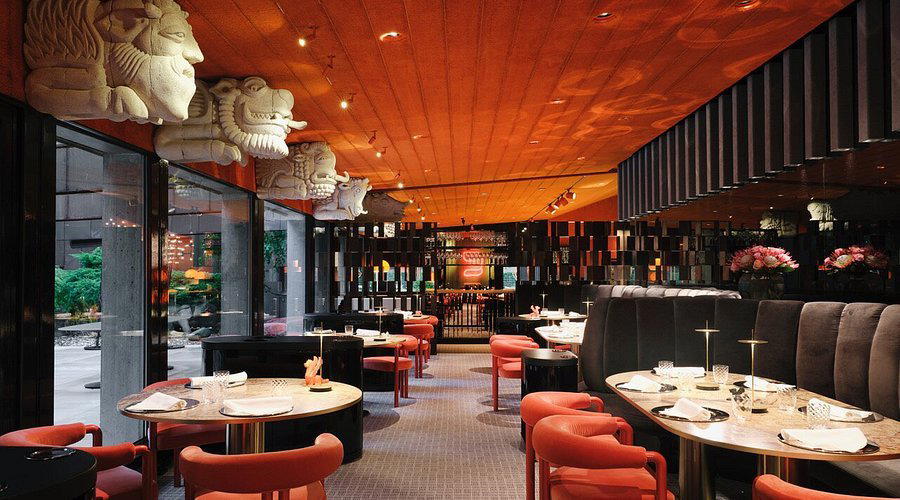
Munich's fine dining scene is concentrated in a relatively small number of formats. At the leading end, it runs through heavily decorated rooms like Tantris, with its Modern French ambitions and four-decade-plus institutional weight, and Atelier, which applies a Creative French framework inside the Bayerischer Hof. Slightly aside from that axis, places like Tohru in der Schreiberei have built recognition around the fusion of German and Japanese sensibilities. Restaurant Ksara, at its Schwabing address, offers a more casual alternative, with a recommended reservation policy and a price tier that sits below the city’s luxury dining rooms.
What Ingredient-Led Cooking Looks Like in This City
The useful framing for a Munich restaurant is sourcing and proximity. Bavaria sits at the intersection of several serious food-producing regions: the Alpine foothills to the south bring dairy, game, and freshwater fish; the agricultural flatlands to the north and east produce grain, root vegetables, and pork in volume; and the cross-border proximity to Austria and the South Tyrol creates access to cured meats, aged cheeses, and mountain herbs that rarely appear in the supply chains of restaurants further north.
German fine dining has increasingly organised itself around this kind of regional specificity. The country's most discussed kitchens, from Aqua in Wolfsburg to Schwarzwaldstube in Baiersbronn, have built their identities partly through the argument that German terroir, taken seriously, produces cooking that can hold its own against any European reference point. In Munich specifically, venues like JAN and Alois at Dallmayr have leaned into Creative formats that allow the kitchen to use Bavarian sourcing as a foundation without being constrained by regional-cuisine convention. The broader argument across these addresses is that where food comes from is as much a statement of intent as what a kitchen does to it technically.
In that context, a Schwabing address like Restaurant Ksara participates in a neighbourhood tradition of restaurants that serve regulars as much as visitors. The dining culture here has historically skewed toward the regular customer and the repeat visit. That implies a relationship built on consistent volume and local ties rather than high-profile seasonal showcases.
The Munich Fine Dining comparable set
To place Restaurant Ksara accurately, it helps to map the broader dining field it inhabits. Munich's most decorated addresses cluster around the €€€€ price tier: Tantris, Atelier, Alois at Dallmayr, and Tohru in der Schreiberei all operate in that bracket, with tasting menus that run to multiple courses and wine pairings calibrated accordingly. The Italian-Mediterranean axis, represented by Acquarello, fills a slightly different niche, drawing on Mediterranean sourcing logic rather than the Alpine-Bavarian framework.
Germany's wider fine dining circuit extends well beyond Munich. Vendôme in Bergisch Gladbach, Victor's Fine Dining by Christian Bau in Perl, and Waldhotel Sonnora in Dreis represent the hotel-anchored end of the country's three-star category. CODA Dessert Dining in Berlin and ES:SENZ in Grassau show how format experimentation has spread across the country's dining culture. Hamburg's Restaurant Haerlin and the Moselle Valley's Schanz in Piesport anchor the northern and western ends of the German fine dining map. Compared with all of these, a Schwabing neighbourhood restaurant is working in a register that is deliberately closer to the city's daily life rather than positioned as a destination in its own right.
For international reference, the ingredient-sourcing argument that defines serious European fine dining has counterparts in kitchens as far removed as Le Bernardin in New York, where the sourcing of fish is treated as a primary editorial statement, or Atomix, where Korean ingredient logic is applied within a New York fine dining framework. The common thread across different cities and traditions is that what a kitchen buys, and from whom, increasingly functions as its first statement of identity.
Planning a Visit
Haimhauserstraße is accessible from the English Garden via Feilitzschstraße, a walk of roughly ten minutes from Münchner Freiheit U-Bahn station. The Schwabing neighbourhood around the address is dense with cafes and wine bars, making the area practical for a longer evening rather than a single-restaurant visit. Bagatelle in Trier offers a useful comparison point for how regional German cities handle the intersection of French technique and local sourcing at the fine dining level.
- Hummus
- Mtabbal
- Kibbeh
- Fattoush
- Lamb Chops
- Sambousek Lahme
Quick Comparison
Comparable venues nearby, for context on price, style, and recognition.
| Venue | Cuisine | Price | Notes |
|---|---|---|---|
| Restaurant KsaraThis venue — the venue you are viewing | Traditional Lebanese | $$ | Not listed |
| Roshan Restaurant | Authentic Afghan | $$ | Milbertshofen |
| Erbils Vegan | Vegan Turkish Döner | $$ | Haidhausen |
| Eclipse | Israeli Grill & Mediterranean | $$ | Schwabing |
| Pivasta | Authentic Afghan | $$ | Isarvorstadt |
| Sim Sim | Middle Eastern Falafel Street Food | $ | Neuhausen |

At a Glance
- Classic
- Cozy
- Rustic
- Casual Hangout
- Group Dining
- After Work
- Standalone
Current opening hours
- Monday
- 5–11 PM
- Tuesday
- 5–11 PM
- Wednesday
- 5–11 PM
- Thursday
- 5–11 PM
- Friday
- 5–11 PM
- Saturday
- 5–11 PM
- Sunday
- 5–11 PM
Hours can change for holidays and private events. Last verified .
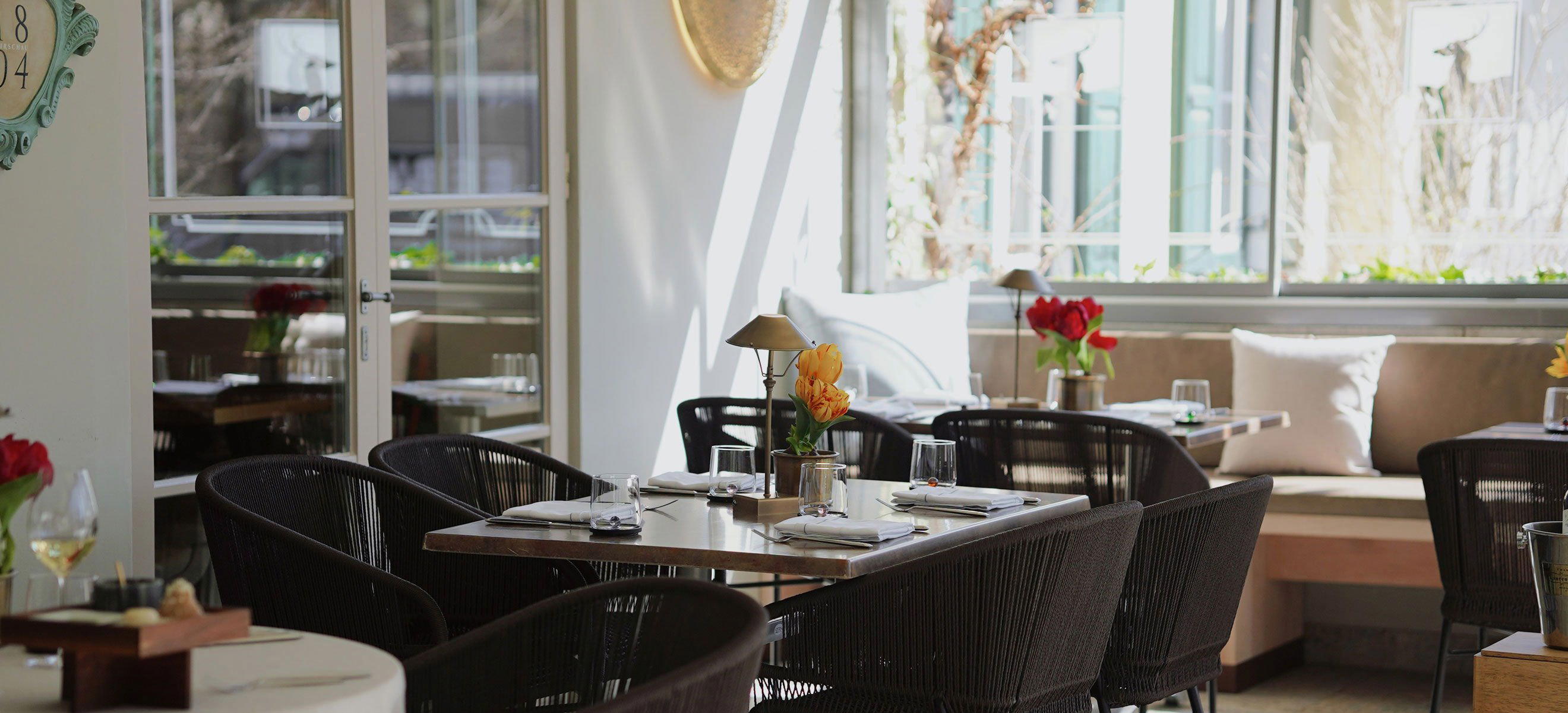
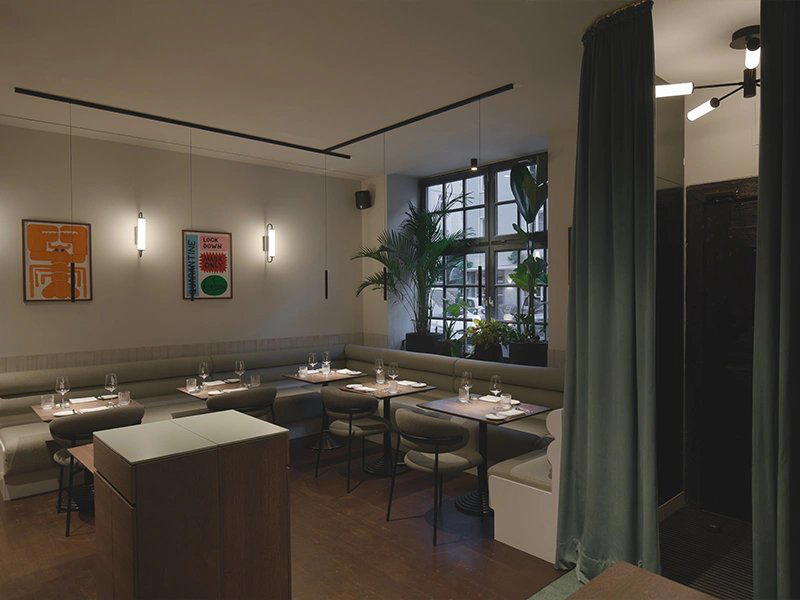
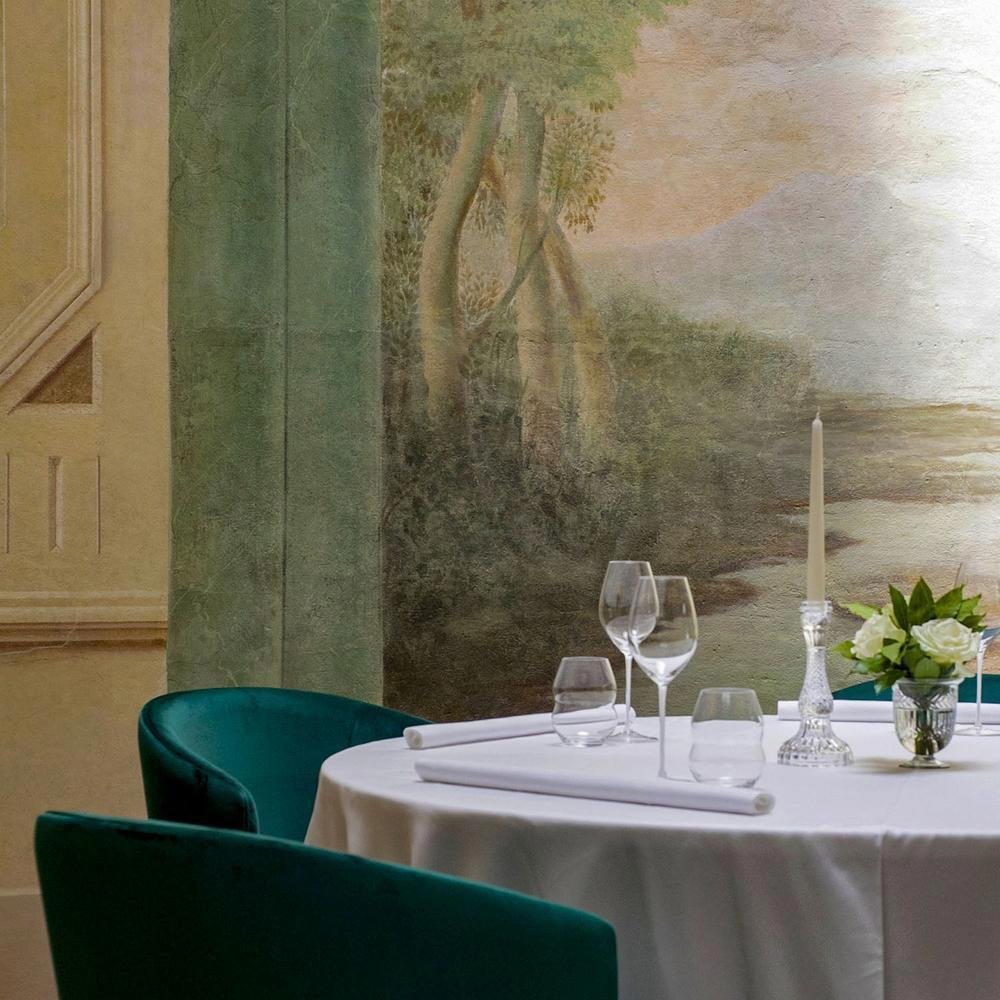
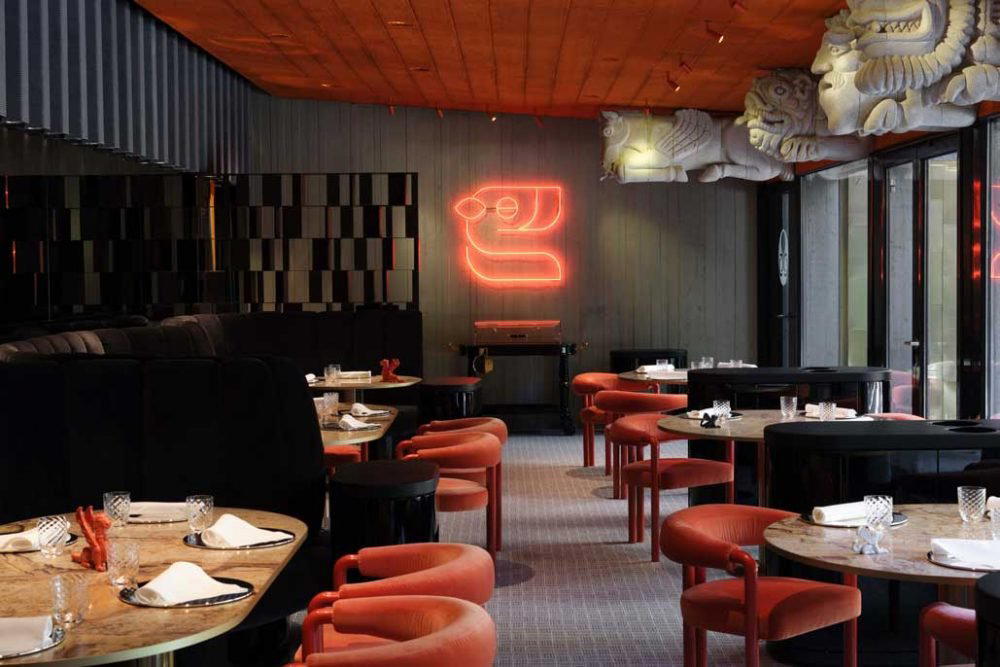
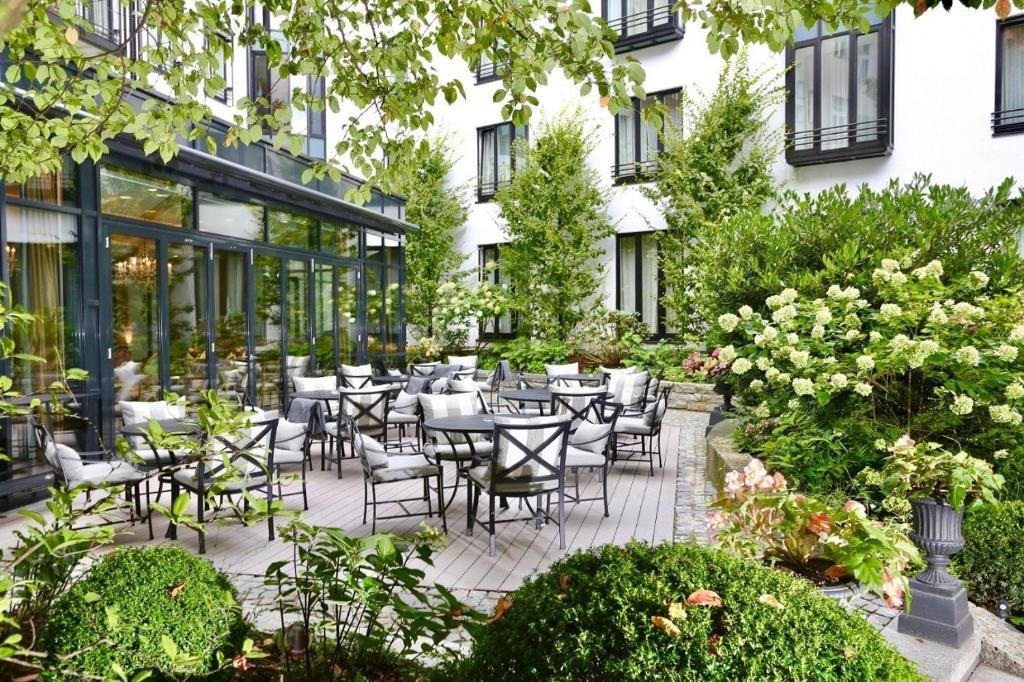
Old-school eatery with warm, inviting atmosphere; traditional Lebanese setting with authentic charm and casual dining environment.