
Macarfi 7.2 Food Rating
Our verdict
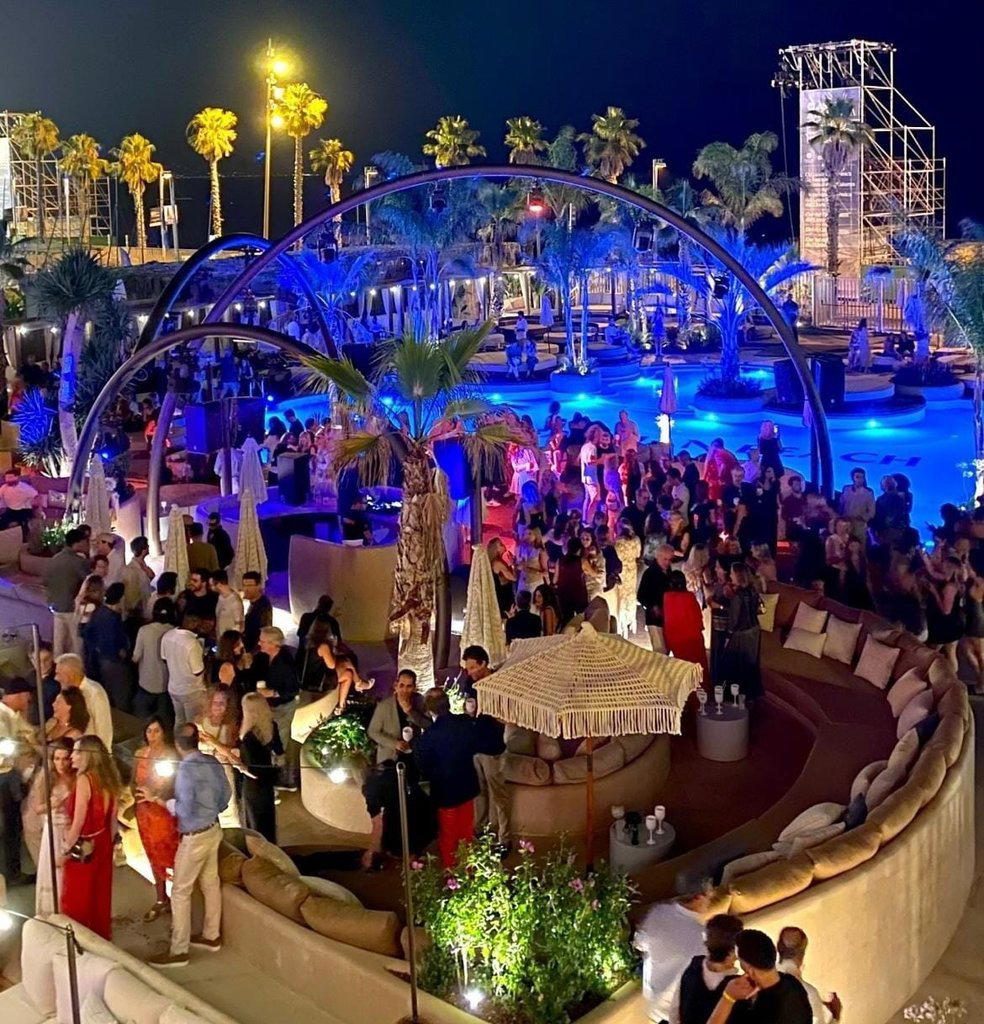
On Passeig del Mare Nostrum in Ciutat Vella, Bastian Beach Club occupies the contested boundary between Barcelona's beach dining scene and its broader coastal leisure culture. The address places it squarely within a stretch where the Mediterranean is as much a backdrop as an ingredient — where the line between a meal and an afternoon rarely matters, and where the city's relationship with the sea shapes everything on the table.

Pearl is the En Primeur Club membership app — saves, bookings, and concierge access live there. Same editors, same standards.
- Address
- Passeig del Mare Nostrum, 14, Ciutat Vella, 08039 Barcelona, Spain
- Phone
- +34647612739
- Hours
- Mon–Tue ClosedWed–Thu 12–8 PMFri–Sun 11 AM–8 PM
- Website
- bastianbeach.com
- Directions
- Get directions
- Booking
- Book on OpenTable
Where the City Meets the Water
Barcelona's relationship with the Mediterranean is complicated in ways that most beach cities never have to confront. For decades, the waterfront was industrial, cut off from the urban core by rail lines and port infrastructure. The transformation that began with the 1992 Olympics — which relocated freight operations and opened the shoreline to public use — created a new category of Barcelona venue: places that occupy a geography the city had only recently reclaimed. Bastian Beach Club, on Passeig del Mare Nostrum in Ciutat Vella's port-adjacent fringe, sits inside that history whether or not it acknowledges it.
The address puts it at 14 Passeig del Mare Nostrum, steps from where the post-industrial waterfront transitions into the Barceloneta beach strip, a stretch that runs from the Port Olímpic northward and hosts one of Europe's densest concentrations of seafront restaurants. The competitive pressure in this corridor is significant. Venues here compete less on destination dining credentials and more on the quality of an afternoon or evening: how the light falls, how the service flows, whether the food keeps pace with the setting.
Barcelona's Beach Dining in Cultural Context
To understand where a venue on this stretch fits, it helps to understand what Catalan coastal cooking actually means. The Mediterranean diet, as practised along the Catalan coast, is not primarily a restaurant construct, it is a domestic one, rooted in the pa amb tomàquet reflex (bread rubbed with tomato, oil, and salt), in seafood cooked with restraint rather than elaboration, in the rice dishes of the delta regions. When Barcelona's beach venues get it right, they honour this directness. When they get it wrong, they produce a generic sun-and-sea aesthetic with food that could have come from anywhere.
The tension between authenticity and spectacle defines the entire Barceloneta and waterfront corridor. At the high end of Barcelona's food scene, the Michelin-tracked restaurants, Disfrutar, Cocina Hermanos Torres, ABaC, Lasarte, and Enigma, operate inland, away from the tourist-heavy seafront. The waterfront tier has historically been a different proposition: accessible, atmosphere-forward, and variable in kitchen seriousness. Bastian Beach Club enters that context, and the question any visitor should ask is which side of that divide it falls on.
The Broader Spanish Coastal Cooking Conversation
Beyond Barcelona, Spain's coastal restaurant tradition is among the most scrutinised in the world. Quique Dacosta in Dénia transformed a Mediterranean fishing-town address into one of Spain's most decorated kitchens. Aponiente in El Puerto de Santa María built a three-Michelin-star programme around the by-products and overlooked species of Atlantic coastal fishing. These venues demonstrate that Spanish coastal addresses can carry serious culinary ambition. They also set a high bar for what it means to genuinely engage with the sea rather than simply sit beside it.
Barcelona sits on a different register. Its most ambitious restaurants, from El Celler de Can Roca in Girona (an hour north) to the city's own progressive houses, tend to use Catalan tradition as a conceptual departure point rather than a literal template. The beach-dining tier, by contrast, operates closer to the Mediterranean vernacular: grilled fish, rice dishes, anchovies from L'Escala, wine from Penedès or Priorat. When those ingredients are handled with care, the result is one of the most coherent casual-dining traditions in Europe. When they are not, the setting does the heavy lifting.
Positioning Within the Waterfront Tier
Bastian Beach Club's Passeig del Mare Nostrum address places it in a distinct sub-section of the waterfront: south of the main Barceloneta beach, closer to the Port Vell and the W Hotel landmark, in a zone that skews toward a slightly more composed, less tourist-heavy crowd than the northern beach strip. This is the part of the waterfront where Barcelona residents are more likely to be found, at aperitivo hour, or during the long Sunday lunches that are still a serious cultural institution in Catalonia.
The beach club format, as it has evolved across the Mediterranean, prioritises day-to-evening continuity over tasting-menu progression. The reference points are not the starred kitchens of the interior but rather the well-run chiringuitos of the Costa Daurada, the pool clubs of Ibiza that have gradually taken food more seriously, and the seafront restaurants of Valencia where rice and seafood still dominate menus without apology. Spain's beach club tier, at its most considered, is a legitimate hospitality category, not a lesser version of fine dining, but a format with its own logic and its own set of standards.
For context on how Spanish coastal hospitality scales into more formal registers, venues like Ricard Camarena in València and Mugaritz in Errenteria represent what coastal and near-coastal Spain looks like when kitchen ambition operates without the constraints of a beach setting. On the Basque side, Arzak in San Sebastián, Azurmendi in Larrabetzu, and Martin Berasategui in Lasarte-Oria define the northern Spanish culinary axis. DiverXO in Madrid and Atrio in Cáceres show how Spain's interior cities anchor their own fine-dining traditions. Internationally, the discipline of coastal cooking with serious kitchen intent is demonstrated by Le Bernardin in New York City, while the communal-format beach club concept finds an interesting contrast in something as format-specific as Lazy Bear in San Francisco. These reference points are not direct competitors to Bastian Beach Club, but they map the wider territory in which any serious coastal dining decision gets made.
For visitors building a Barcelona itinerary around more than one meal, it is worth reading our full Barcelona restaurants guide, which covers the city's dining tiers from the starred kitchens of Gràcia and the Eixample to the waterfront venues of the Barceloneta and Port Olímpic strips.
Know Before You Go
- Address: Passeig del Mare Nostrum, 14, Ciutat Vella, 08039 Barcelona, Spain
- Neighbourhood: Ciutat Vella, adjacent to Port Vell and the southern end of the Barceloneta waterfront
- Booking: Contact information not available at time of publication, advance verification recommended, particularly for weekend afternoons and summer evenings
- Price range: Not published, budget as you would for a mid-to-upper waterfront venue on a Mediterranean seafront, where drinks and shared plates can accumulate quickly
- Dress code: Not specified, beach-adjacent venues on this strip typically run smart-casual to casual
Frequently asked questions
What part of town is Bastian Beach Club in?
Bastian Beach Club is located at Passeig del Mare Nostrum, 14, Ciutat Vella, 08039 Barcelona, Spain, Barcelona.
Is Bastian Beach Club suitable for an evening visit, or is it primarily a daytime venue?
Its Passeig del Mare Nostrum address in Ciutat Vella is consistent with venues that serve across day and evening periods, particularly during Barcelona's extended summer season. Confirming hours directly with the venue before planning an evening visit is advisable.
What's the best thing to order at Bastian Beach Club?
Confirmed menu details are not available in current listings. Bastian Beach Club's Passeig del Mare Nostrum address puts it squarely within Barcelona's seafront corridor, where the cooking tradition runs toward rice dishes, grilled fish, and seafood-forward sharing plates.
Can I walk in to Bastian Beach Club?
Barcelona's waterfront venues along Passeig del Mare Nostrum consistently fill during summer weekends and evening services, making advance contact advisable. Reaching out to the venue directly before your visit is the practical approach.
What is Bastian Beach Club known for?
Bastian Beach Club holds a waterfront position on Passeig del Mare Nostrum in Ciutat Vella, placing it within the stretch of Barcelona's post-Olympic seafront that draws both city residents and visitors. The address sits south of the main Barceloneta beach, in a sub-section of the waterfront corridor that has developed a distinct identity separate from the tourist-heavy strip further north.
Can Bastian Beach Club accommodate dietary restrictions?
Dietary accommodation details are not published in current listings for Bastian Beach Club. For confirmed information on allergen handling or specific dietary requirements, contacting the venue directly ahead of your visit is the only reliable route. Barcelona's coastal restaurants generally work with abundant seafood and produce, though individual kitchen policies vary.
Recognition, Side-by-Side
Comparable venues nearby, for context on price, style, and recognition.
| Venue | Cuisine | Price | Awards | Notes |
|---|---|---|---|---|
| Bastian Beach ClubThis venue — the venue you are viewing | Mediterranean Beach Club Cuisine | $30–50 | Macarfi 7.2 Food Rating | Not listed |
| La Dama | Modern Mediterranean-French | $50–100 | Macarfi 6.5 Food Rating | l'Antiga Esquerra de l'Eixample |
| Planta Baja | Mediterranean Catalan with Seasonal Local Ingredients | $30–50 | Not listed | les Tres Torres |
| Albarada | Contemporary Mediterranean with skyline views | $50–100 | Not listed | Vallvidrera, el Tibidabo i les Planes |
| Restaurante Sea Breeze Beach House | Mediterranean Seafood | $30–50 | Not listed | la Barceloneta |
| Restaurante Avinyo 10 | Mediterranean Tapas and Paella | $20–30 | Not listed | Barri Gotic |
Recognition history
Dated appearances from independent guides and award organizations, with the underlying list record or original source where available.
Macarfi 7.2 Food Rating
Macarfi
Continue exploring
More in Barcelona
Restaurants in Barcelona
Browse all →
Bars in Barcelona
Browse all →
Hotels in Barcelona
Browse all →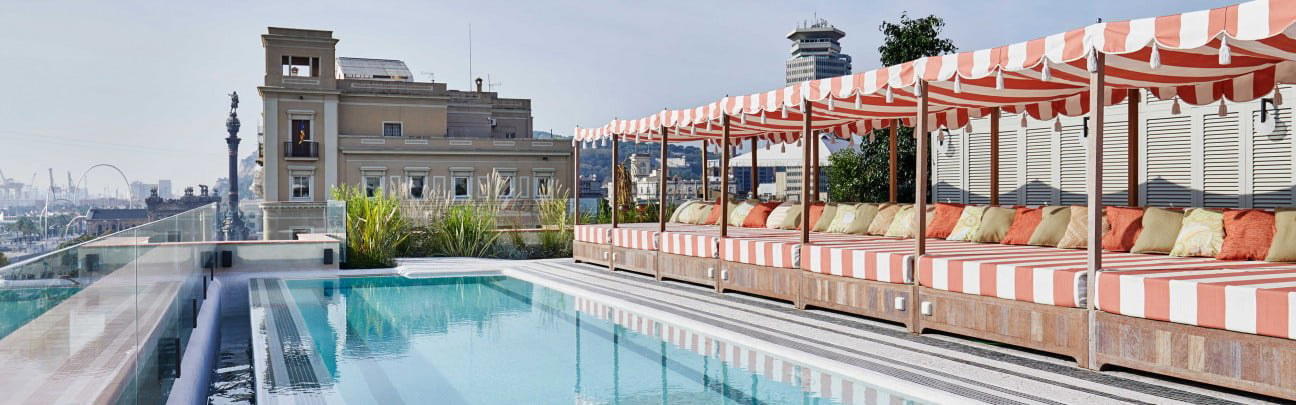
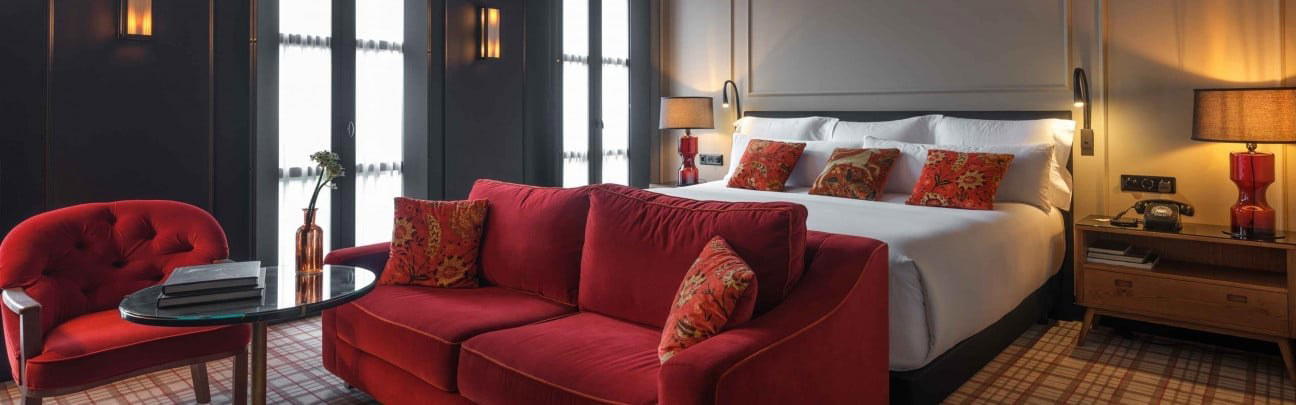
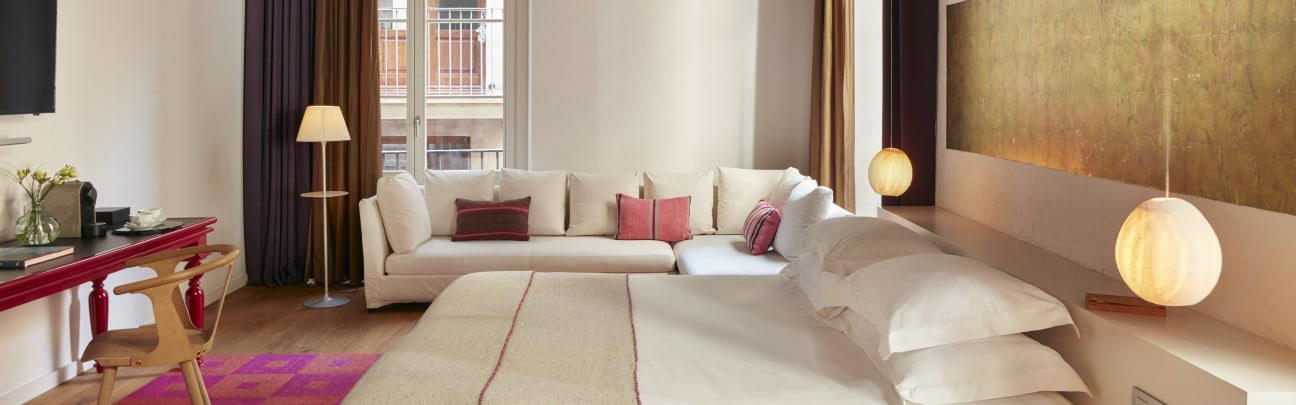
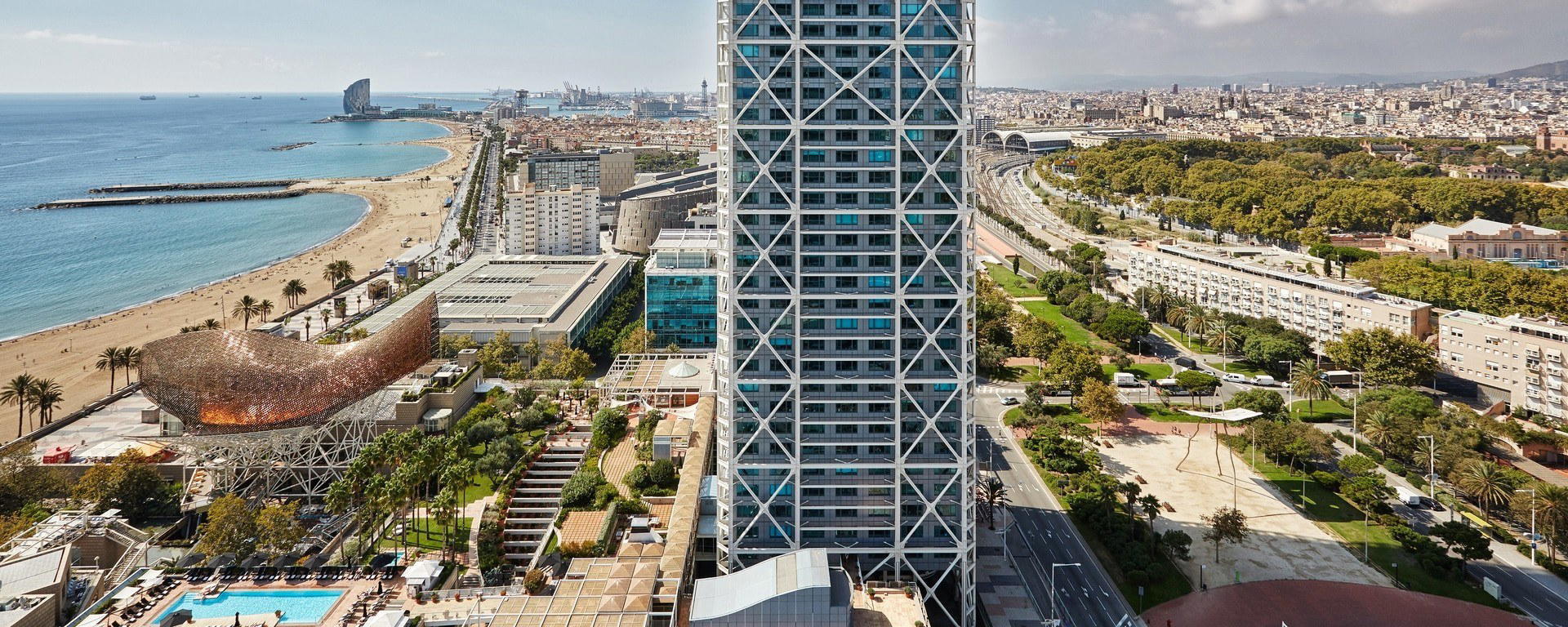
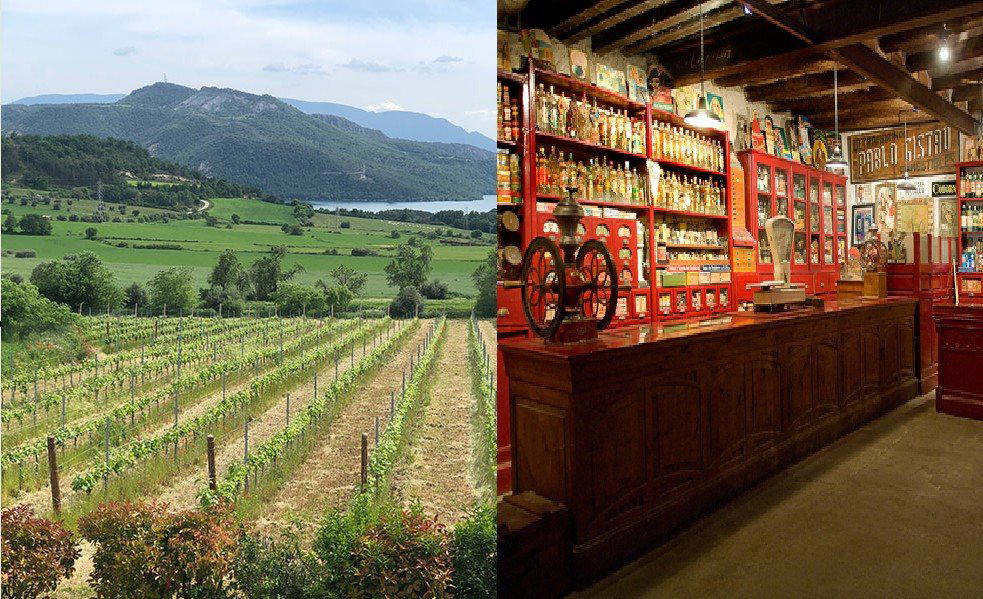
Bastian Beach Club
The wine
- Wine program
- Curated wine list
- Craft cocktails
Details
- Trendy
- Lively
- Elegant
- Scenic
- Sophisticated
- Date Night
- Group Dining
- Celebration
- Terrace
- Waterfront
- Craft Cocktails
- Local Sourcing
- Waterfront
- A La Carte
- Cocktails
Current opening hours
- Monday
- Closed
- Tuesday
- Closed
- Wednesday
- 12–8 PM
- Thursday
- 12–8 PM
- Friday
- 11 AM–8 PM
- Saturday
- 11 AM–8 PM
- Sunday
- 11 AM–8 PM
Hours can change for holidays and private events. Last verified .
Sophisticated beachside atmosphere blending contemporary elegance with lively nightlife, poolside lounging by day, and DJ sets by night under a glamorous, relaxed setting.