
La Dama occupies a storied address on Avinguda Diagonal in Barcelona's Eixample, where the building's Belle Époque bones and the neighbourhood's long-established dining culture meet a kitchen rooted in Catalan ingredients shaped by contemporary European technique. It sits within a broader upper-tier cohort that has made Barcelona one of Spain's most closely watched dining cities.
Pearl is the En Primeur Club membership app — saves, bookings, and concierge access live there. Same editors, same standards.
- Address
- Av. Diagonal, 423, Eixample, 08036 Barcelona, Spain
- Phone
- +34 932 09 63 28
- Website
- la-dama.com
- Directions
- Get directions
 Saves & bookings on Pearl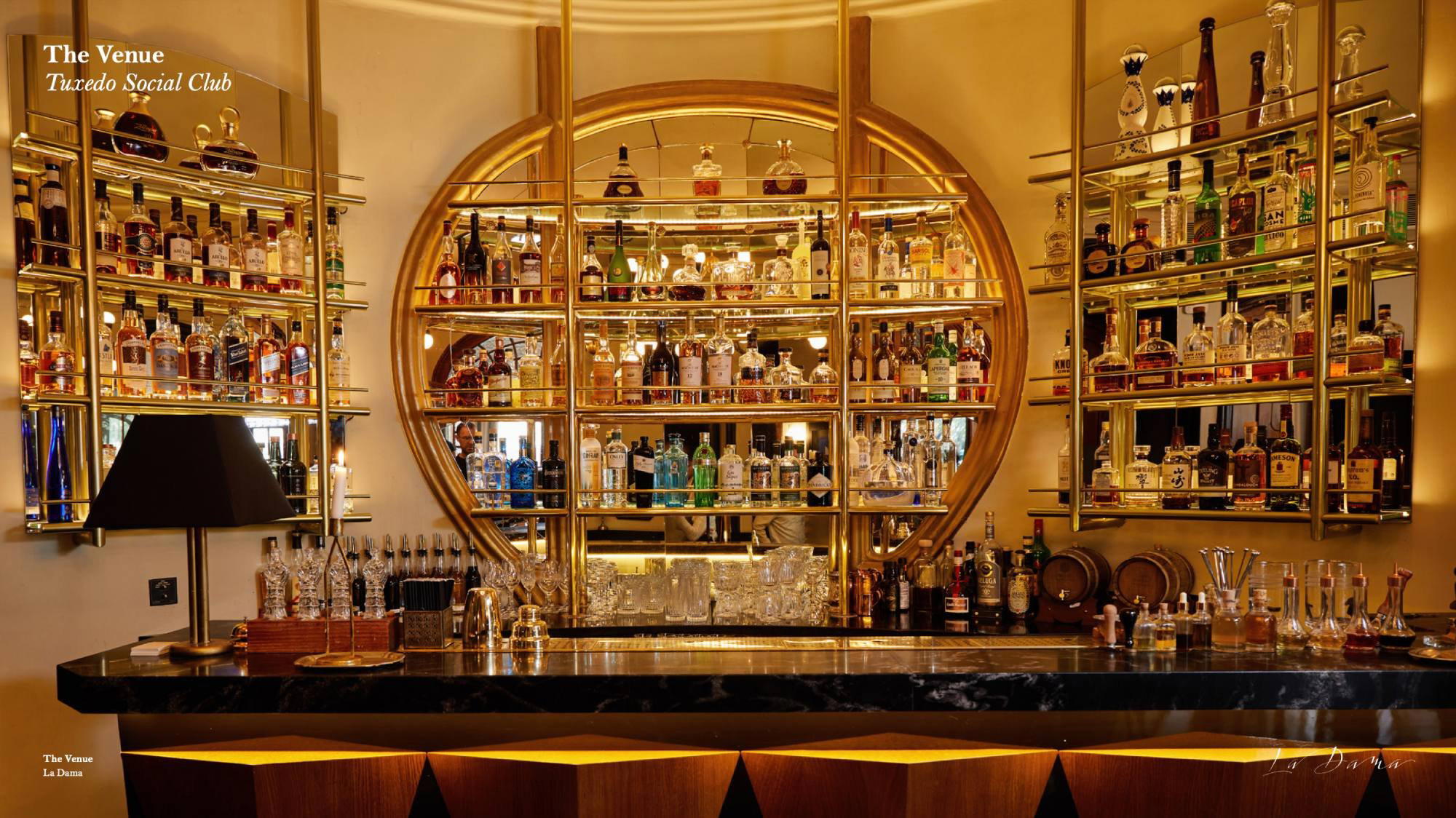
Eixample's Diagonal Tier: What the Address Signals
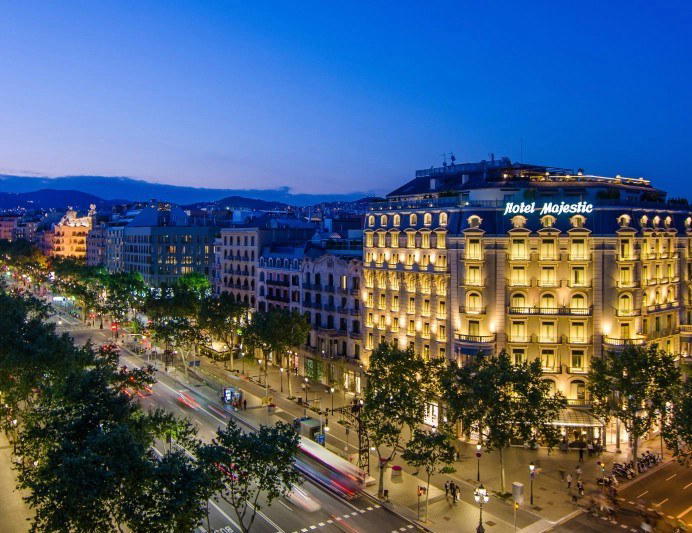
Avinguda Diagonal cuts through Eixample with the confidence of a boulevard that has always known its status. The stretch around number 423 has long functioned as one of Barcelona's more formal dining corridors, where the buildings carry architectural weight and the clientele tends to arrive with a reservation in hand. La Dama occupies this address with a presence shaped as much by the street's own register as by anything on the plate. In a city that produces more ambitious restaurant openings per square kilometre than almost anywhere else in Europe, the Diagonal address still functions as a signal: this is dining calibrated for a specific occasion.
That context matters because Barcelona's upper-tier restaurant scene has fractured productively over the past decade. On one side sits the avant-garde cohort anchored by venues like Disfrutar and Enigma, where technique frequently becomes the subject of the meal itself. On the other side are houses that keep classical European structure in the frame while reaching for Catalan and Iberian ingredients to fill it. La Dama sits closer to the second grouping, which puts it in a conversation with the tradition of cooking that treats local produce as the argument and imported method as the grammar.
Local Ingredients, European Framework: The Structural Logic
The intersection of indigenous Catalan products and European culinary technique is not an abstract concept in Barcelona. It is the foundational logic of how the city's serious kitchens have operated since the 1980s, when a generation of Catalan chefs began formalising what had long been intuitive. The Eixample's better tables absorbed that influence early, and La Dama sits within that lineage.
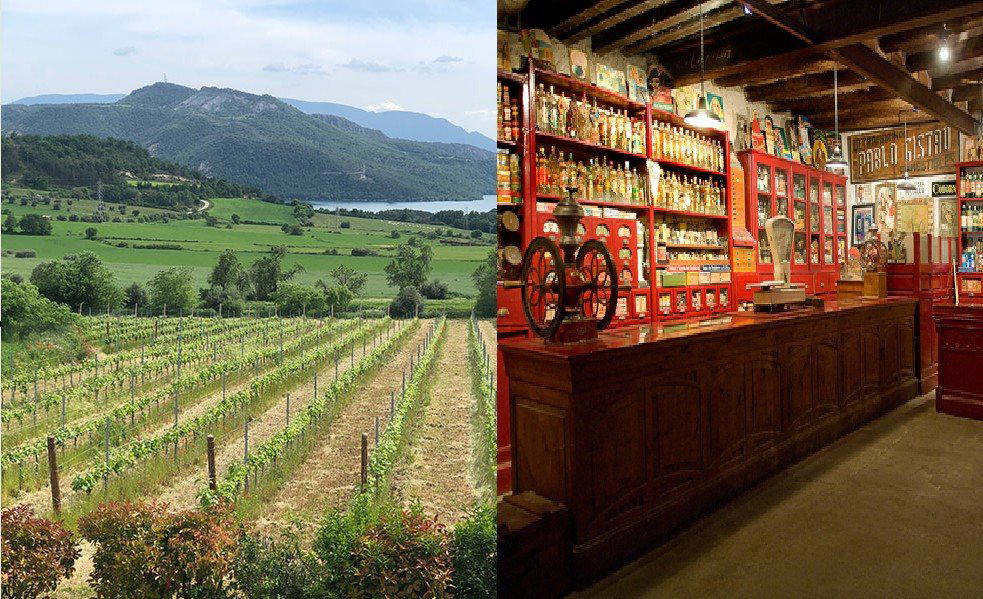
Catalonia's larder is unusually well-stocked. The Ebro Delta produces rice and eel; the Pyrenean foothills supply wild mushrooms, game, and lamb with a mineral character that flatland equivalents rarely match; the Costa Daurada and Costa Brava coastlines deliver shellfish and fish that arrive with the kind of provenance traceability that French and Italian kitchens spent decades building their reputations around. A kitchen that uses this material as its foundation and then applies French classical structure or contemporary European plating logic is doing something that reads simultaneously as rooted and disciplined. The tension between those two registers is where interesting cooking at this level in Barcelona tends to happen.
That approach places La Dama in a different competitive conversation from the three-Michelin-star creative houses. Cocina Hermanos Torres and Lasarte both operate at the three-star level with formats built around extended tasting sequences where the technique is frequently as prominent as the ingredient. ABaC occupies a similar register. The restaurant's positioning, shaped by its address, its building, and its historical identity, has tended to attract diners for whom a structured meal with clear Catalan reference points is the priority rather than a laboratory-influenced sequence.
The Building as Context
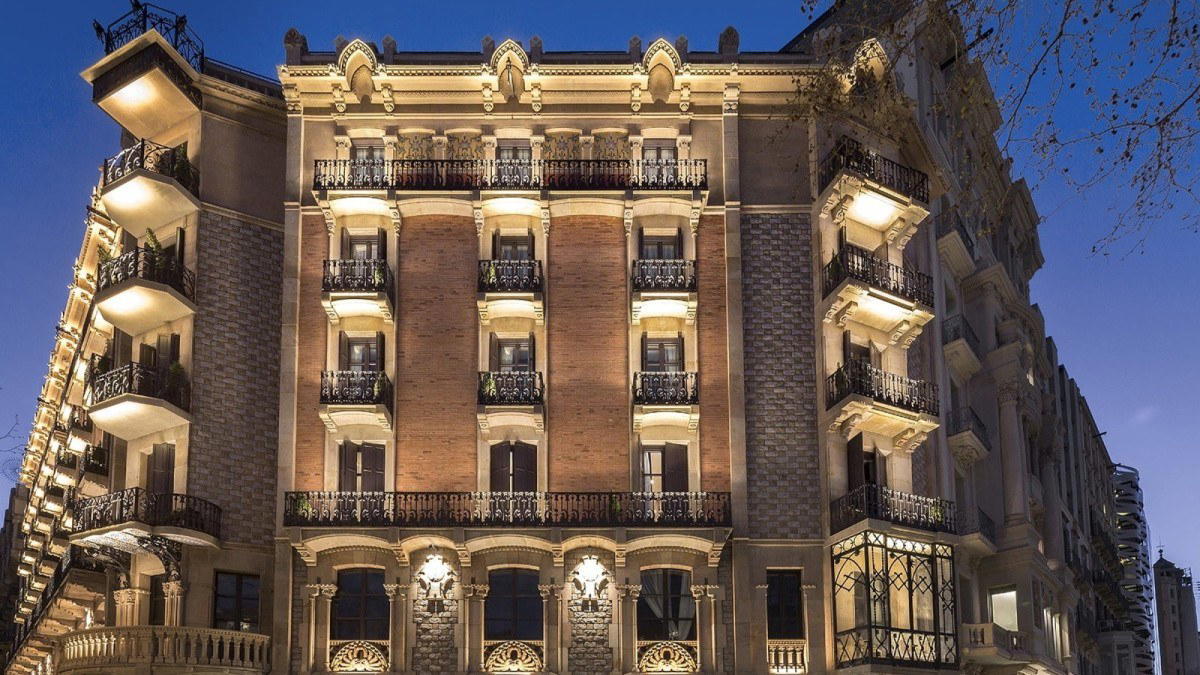
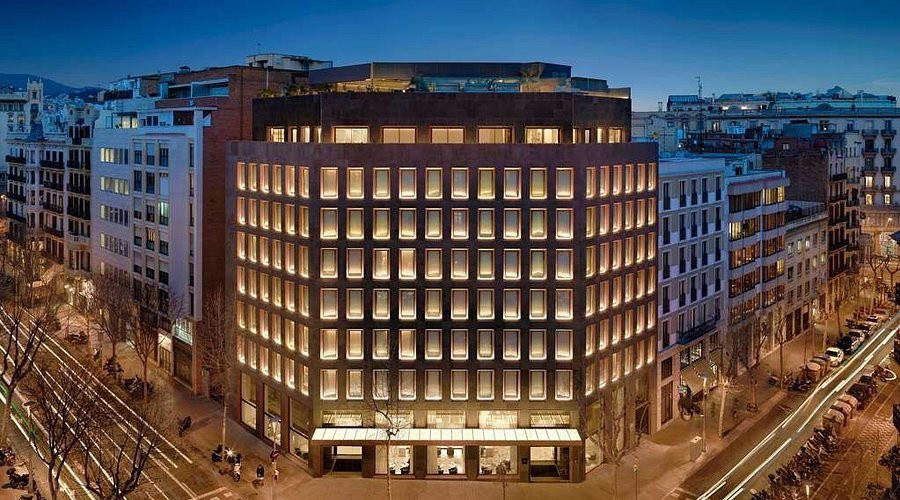
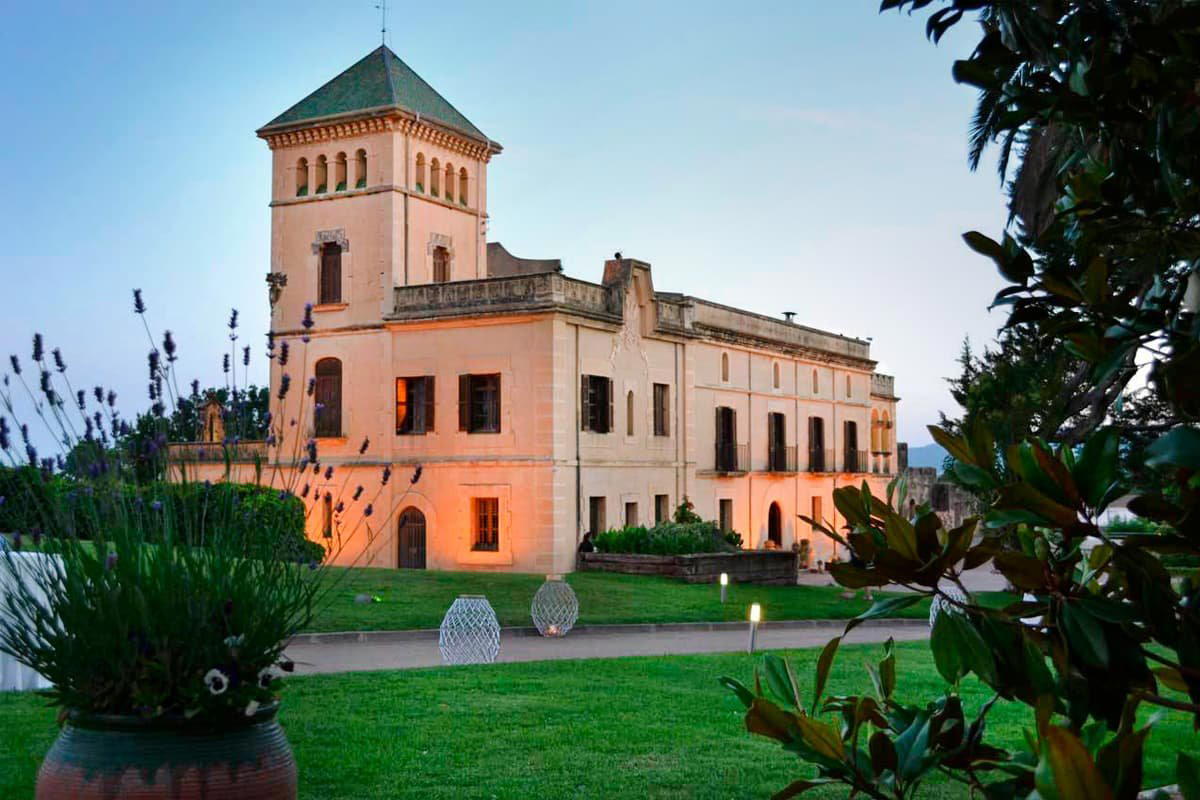
Barcelona's dining culture is partly inseparable from its built environment. The Eixample grid, designed by Ildefons Cerdà in the mid-nineteenth century, produced blocks where the corner buildings carry the architectural ambition, and where a certain kind of formal civic life took root in the early twentieth century. The restaurant's building belongs to that history. The Belle Époque or Modernista-adjacent architecture of this part of Diagonal means that entering the space involves a physical transition that most contemporary restaurants cannot replicate. That kind of inherited gravitas is a comparative asset in a dining market increasingly dominated by purpose-built minimalist interiors. It also sets a tone that the kitchen is expected to match.
For international visitors considering Spain's wider fine dining circuit, the Diagonal address puts the restaurant at a useful geographical remove from the more tourism-dense Gothic Quarter and Born neighbourhoods. Eixample operates at a different pace, and the restaurants here tend to draw a higher proportion of local professional clientele alongside visiting diners, which affects the room's energy in ways that are difficult to quantify but easy to register.
Barcelona Within the Broader Spanish Fine Dining Conversation
Spain's fine dining map extends well beyond Barcelona, and placing the city's upper-tier tables in national context sharpens the picture. El Celler de Can Roca in Girona operates just over an hour north and has shaped international perception of what Catalan-rooted cuisine can achieve at the highest technical level. Arzak in San Sebastián and Martin Berasategui in Lasarte-Oria represent the Basque axis. Azurmendi near Bilbao and DiverXO in Madrid mark different poles of ambition. Aponiente in El Puerto de Santa María extends the map south. Within that network, Barcelona occupies a specific position: the city with the highest density of Michelin-starred tables in Spain, operating across a wider range of registers and price points than any comparable city on the peninsula.
The restaurant's address in Eixample also puts it within reach of the full range of the city's cultural and hotel infrastructure, from the Modernista landmarks of the immediate neighbourhood to the bar culture of Sant Antoni and the wine-focused venues concentrated along the Eixample's main arteries. For travellers building a multi-day Barcelona programme around food and drink, the Diagonal address functions as a logical anchor rather than a detour. The city's cultural experiences map efficiently from this part of the city.
Internationally, the technique-meets-local-ingredient framework that characterises this tier of Barcelona dining has parallels elsewhere. Le Bernardin in New York represents a different expression of the same logic applied to seafood, where French classical training shapes a product-first programme. Atomix in New York deploys Korean ingredient knowledge through a contemporary fine dining format. The comparison underlines how pervasive the model is and how the Catalan version, with its specific larder and its specific architectural settings, produces a distinct local character within a global pattern.
Know Before You Go
- Address: Av. Diagonal, 423, Eixample, 08036 Barcelona, Spain
- Neighbourhood: Eixample, central Barcelona, well-served by metro (Diagonal station, lines 3 and 5)
- Reservations: Reservations are recommended.
- Dress code: smart casual
- Dietary requirements: Confirm with the restaurant directly when booking.
- Getting there: Avinguda Diagonal is one of Barcelona's principal arteries, and the Diagonal metro station serves the area directly.
Cost and Credentials
Comparable venues nearby, for context on price, style, and recognition.
| Venue | Price | Notes |
|---|---|---|
| La DamaThis venue — the venue you are viewing | $$$ | Not listed |
| GUZZO | $$$ | Sant Pere, Santa Caterina i la Ribera, Modern Mediterranean Tapas |
| La Balsa | $$$ | Sant Gervasi - la Bonanova, Mediterranean with Basque and Catalan Influences |
| Bastian Beach Club | $$$ | Port Vell, Mediterranean Beach Club Cuisine |
| Santo Paladar | $$$ | Sant Andreu, Modern Mediterranean Gastropub |
| Gurí | $$$ | Hostafrancs, Uruguayan-Mediterranean Fusion |
Recognition history
Dated appearances from independent guides and award organizations, with the underlying list record or original source where available.
Macarfi 6.5 Food Rating
Macarfi
Continue exploring
More in Barcelona
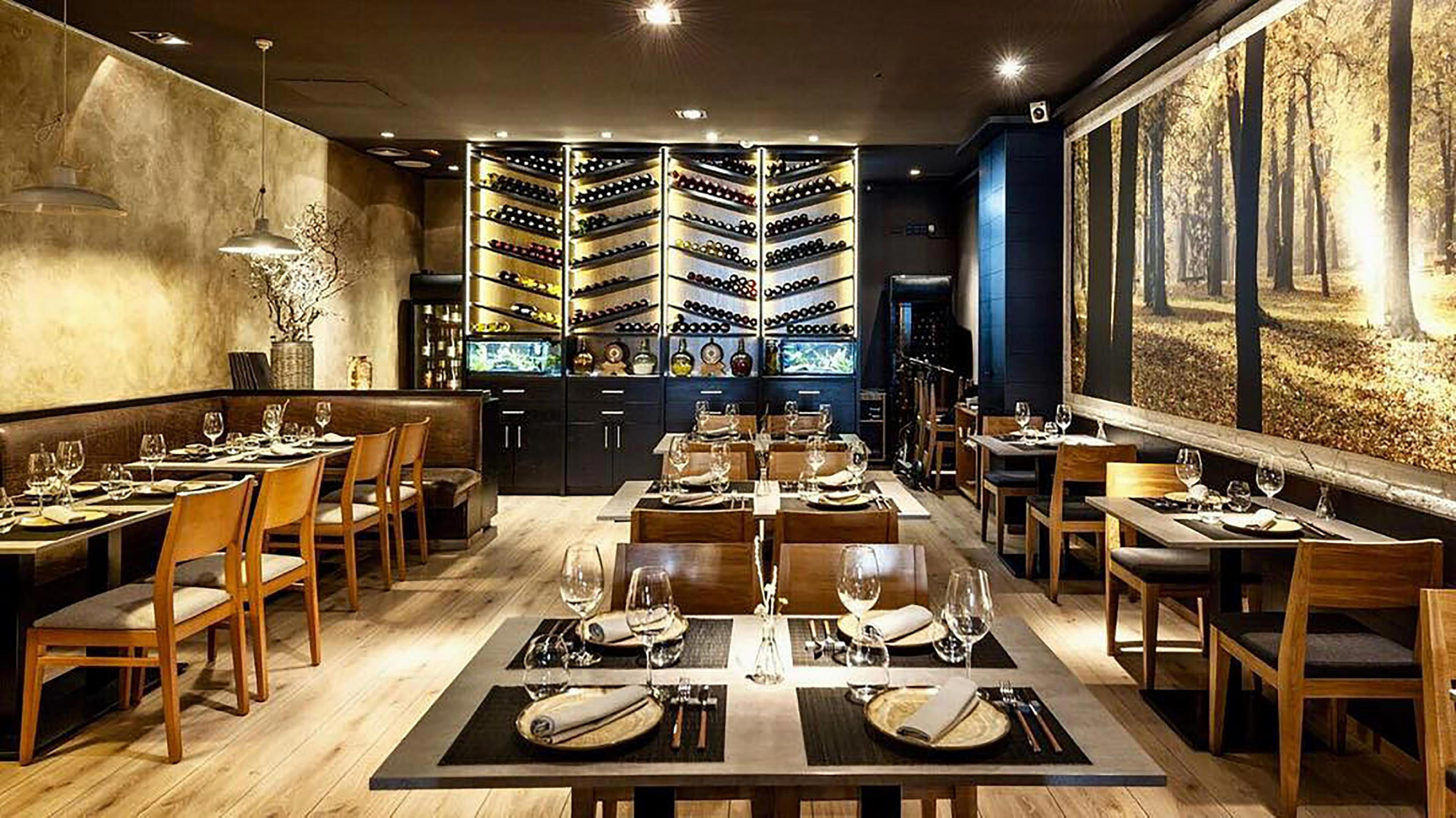
Restaurants in Barcelona
Browse all →
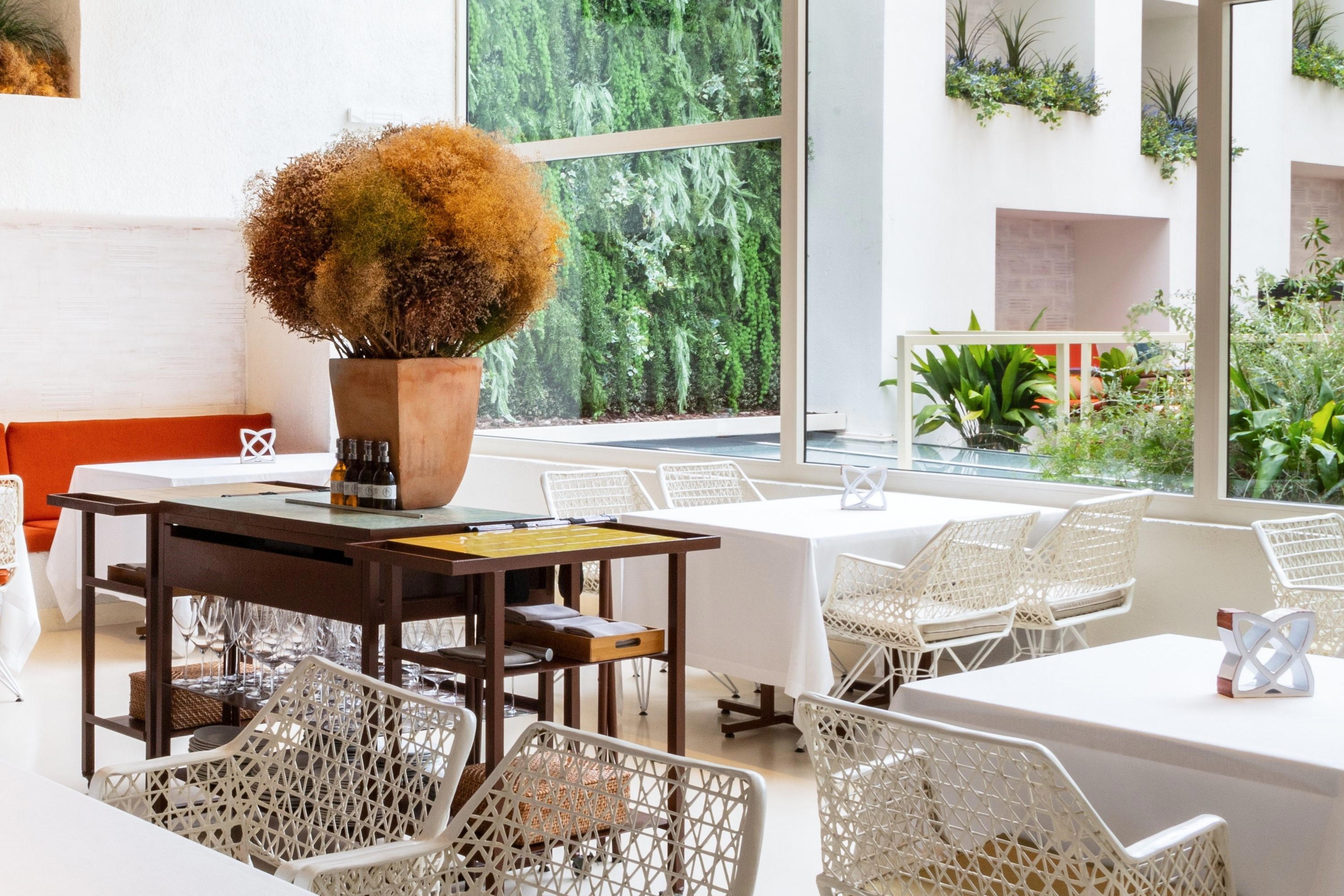
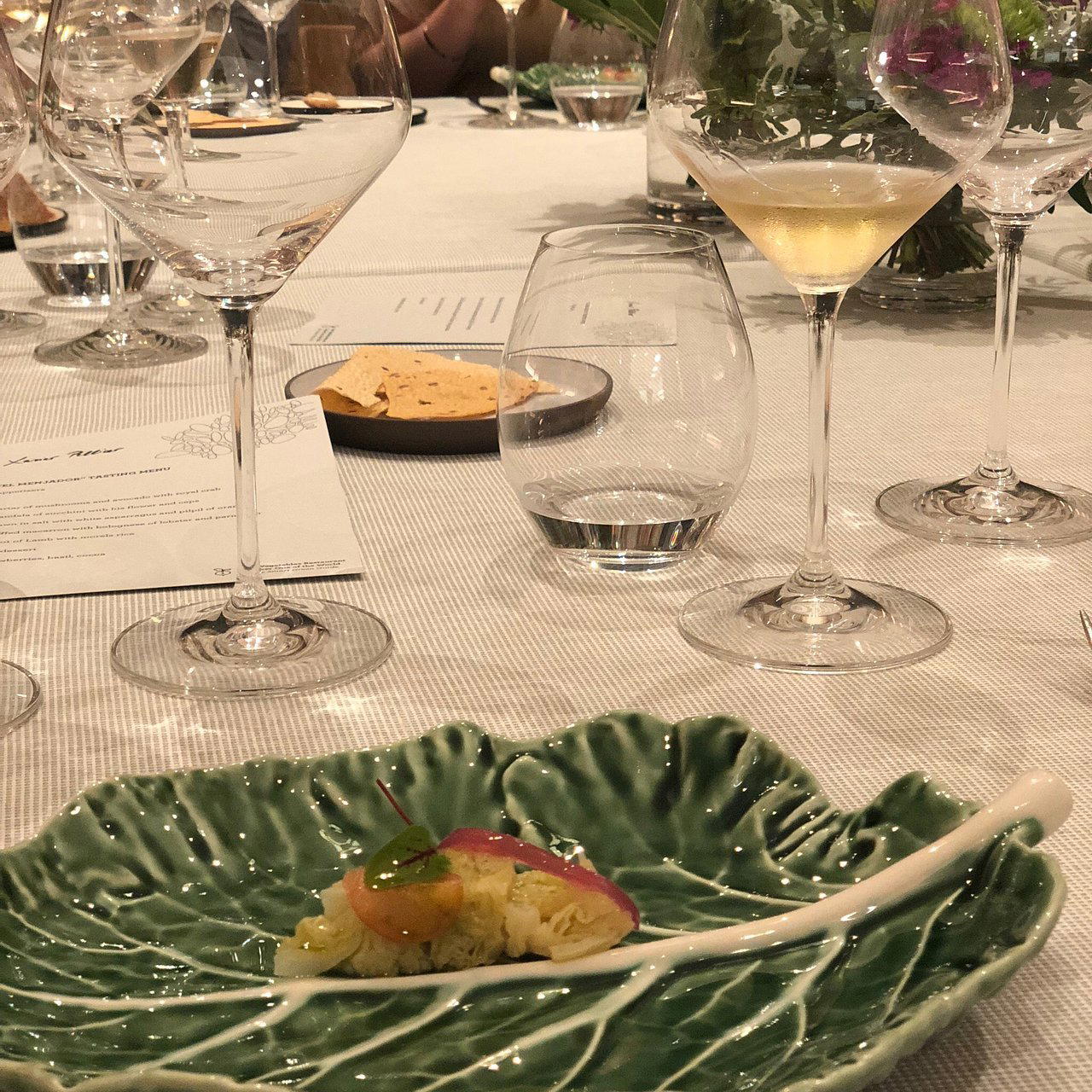
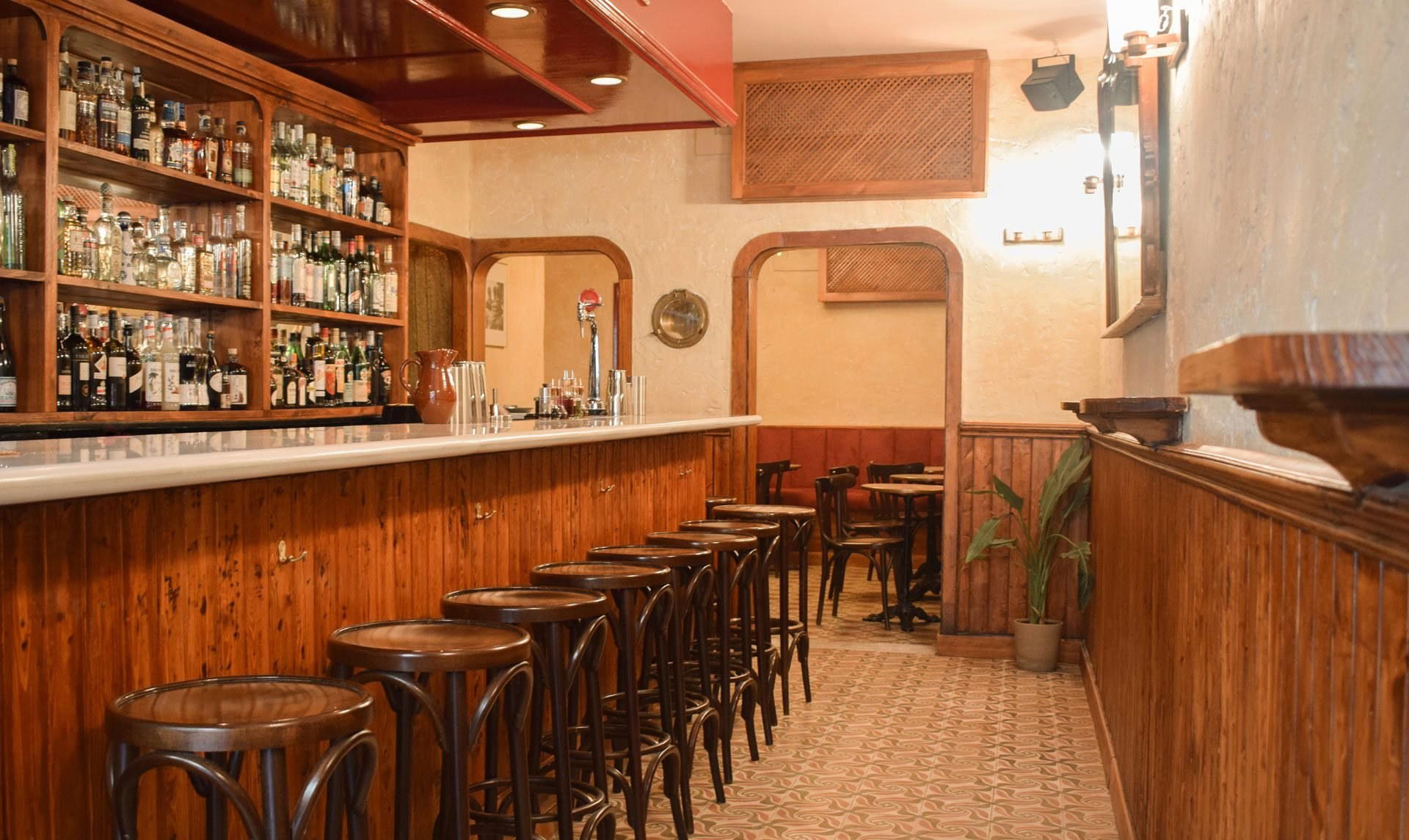
Bars in Barcelona
Browse all →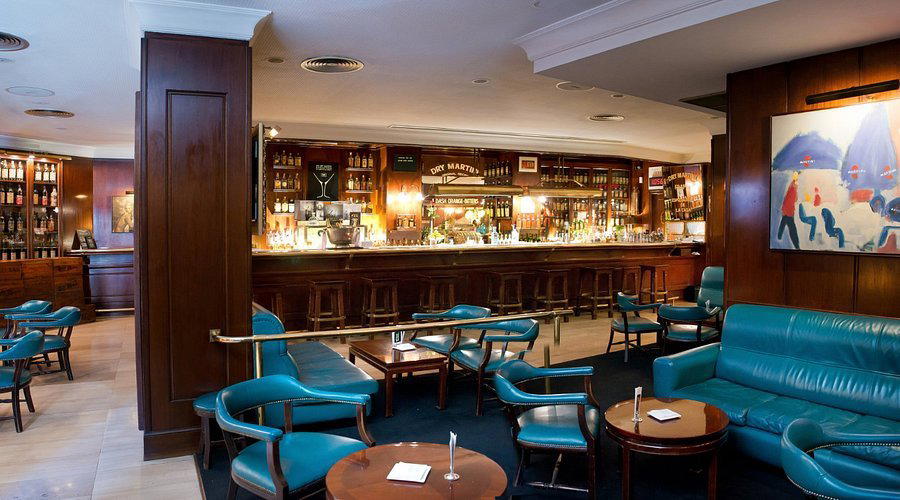
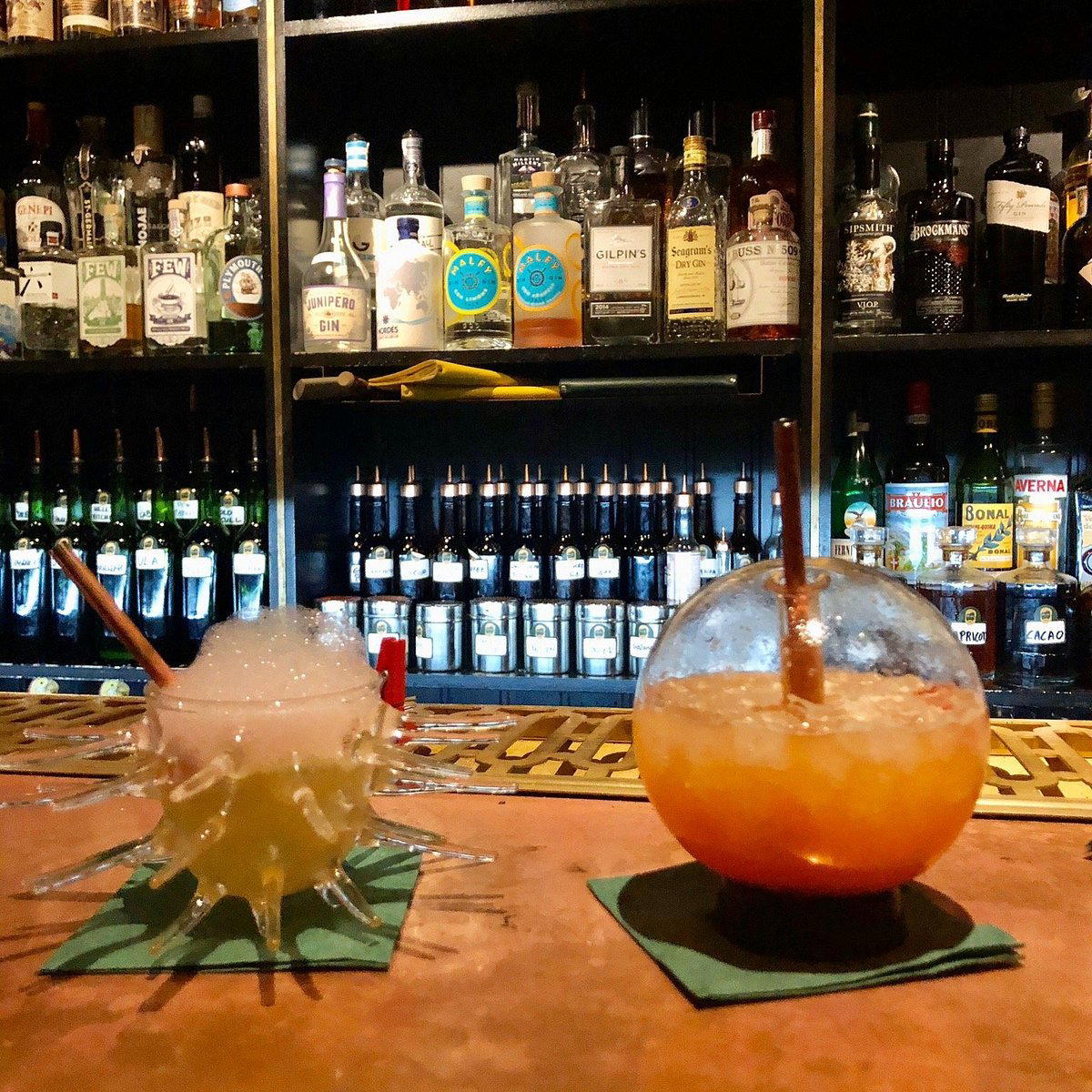
Hotels in Barcelona
Browse all →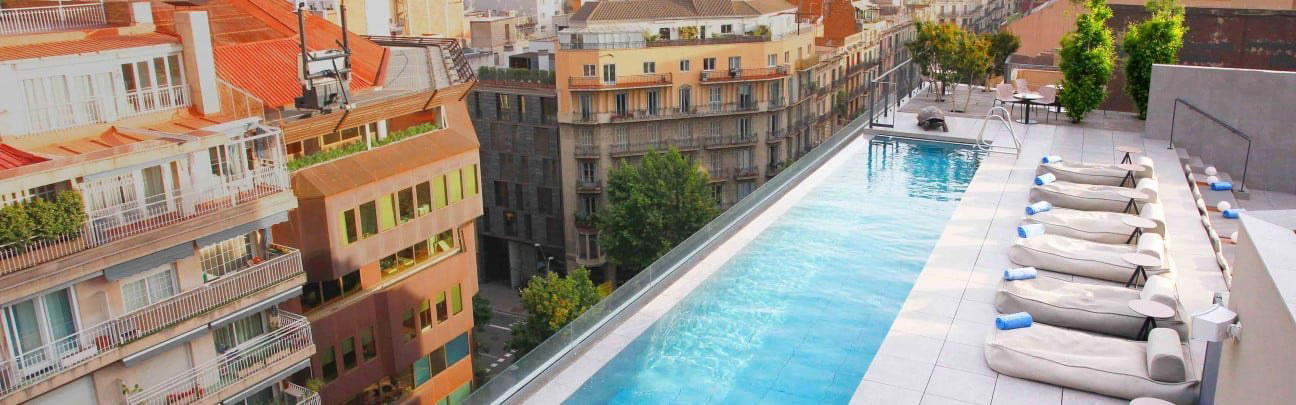
At a Glance
- Romantic
- Elegant
- Cozy
- Sophisticated
- Intimate
- Date Night
- Special Occasion
- Celebration
- Historic Building
- Private Dining
- Craft Cocktails
- Local Sourcing
- Street Scene
Current opening hours
- Monday
- 1 PM–1 AM
- Tuesday
- 1 PM–1 AM
- Wednesday
- 1 PM–1 AM
- Thursday
- 1 PM–2 AM
- Friday
- 1 PM–2 AM
- Saturday
- 1 PM–2 AM
- Sunday
- Closed
Hours can change for holidays and private events. Last verified .
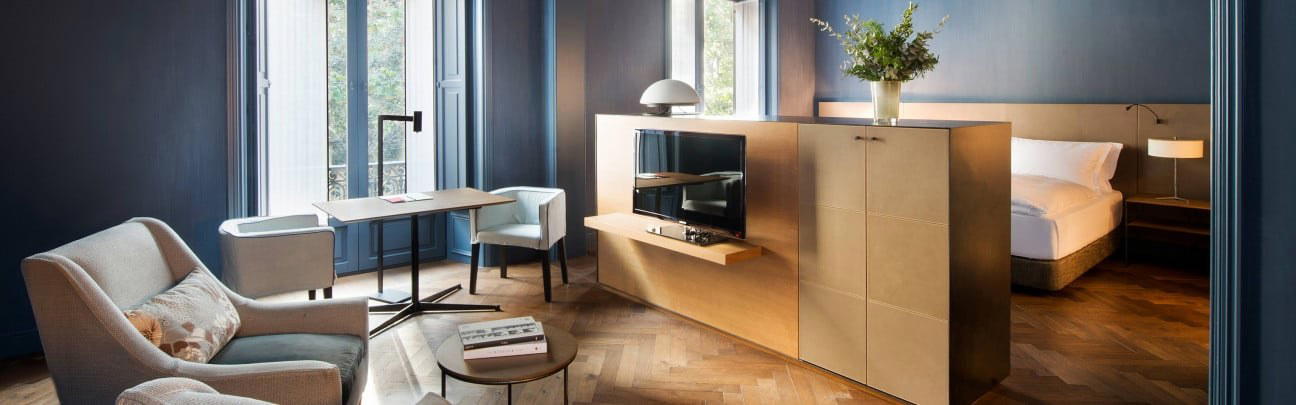
Cozy and elegant with soft lighting, rich velvet banquettes, floral wallpaper, mirrors, and warm wood accents in a historic Art Nouveau setting.