Albarada belongs to Barcelona’s hillside dining map rather than the tourist-core circuit, with a Contemporary Mediterranean brief that makes more sense through Catalonia’s olive-oil culture than through spectacle. Read it as a Sarrià-Sant Gervasi address for a measured dinner, where the value lies in restraint, seasonality, and distance from the denser restaurant lanes below.
Pearl is the En Primeur Club membership app — saves, bookings, and concierge access live there. Same editors, same standards.
- Address
- Camí de Vallvidrera al Tibidabo, 83, Sarrià-Sant Gervasi, 08035 Barcelona, Spain
- Phone
- +34 932 59 30 00
- Website
- albaradarestaurant.com
- Directions
- Get directions
 Saves & bookings on Pearl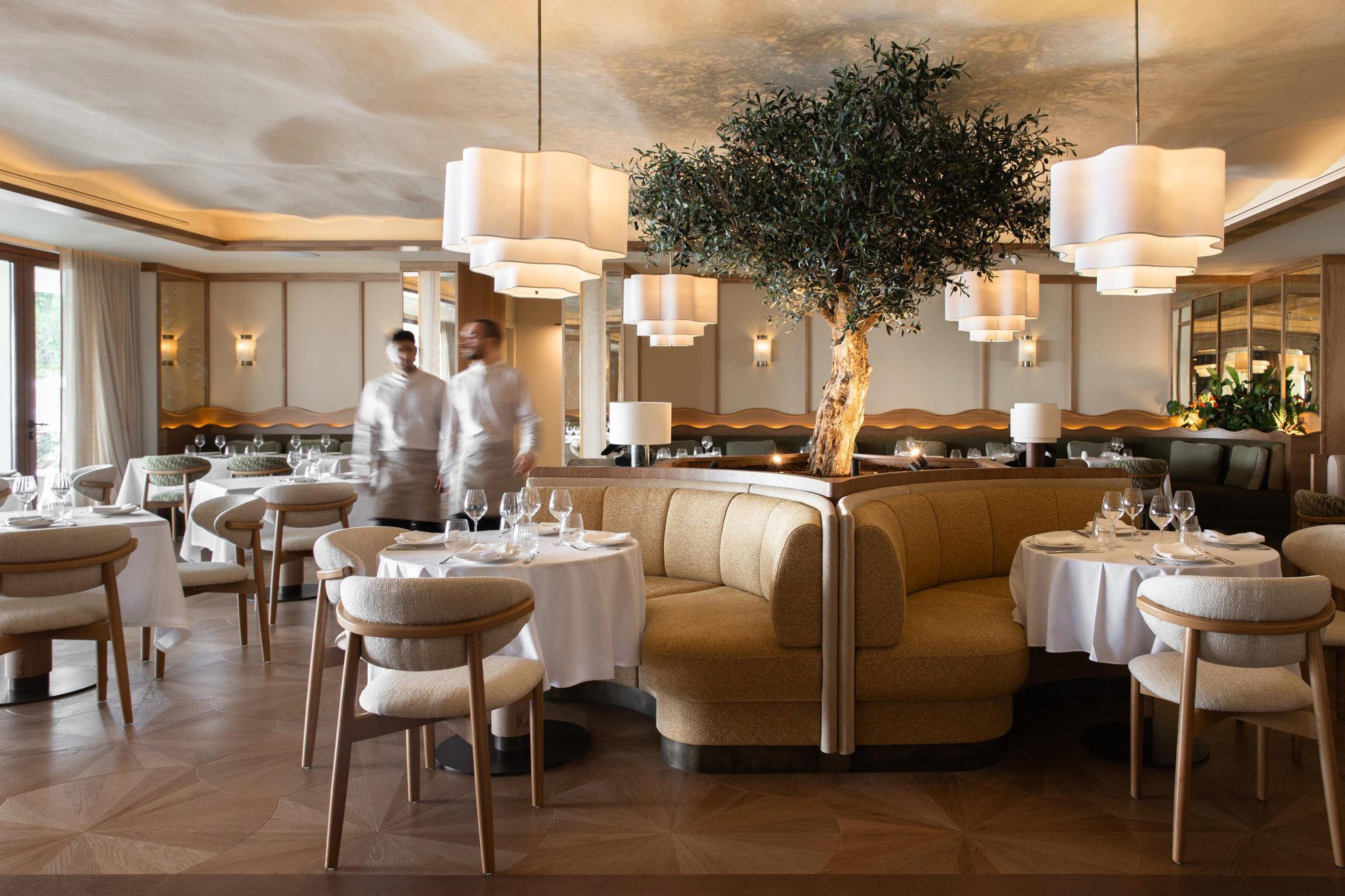
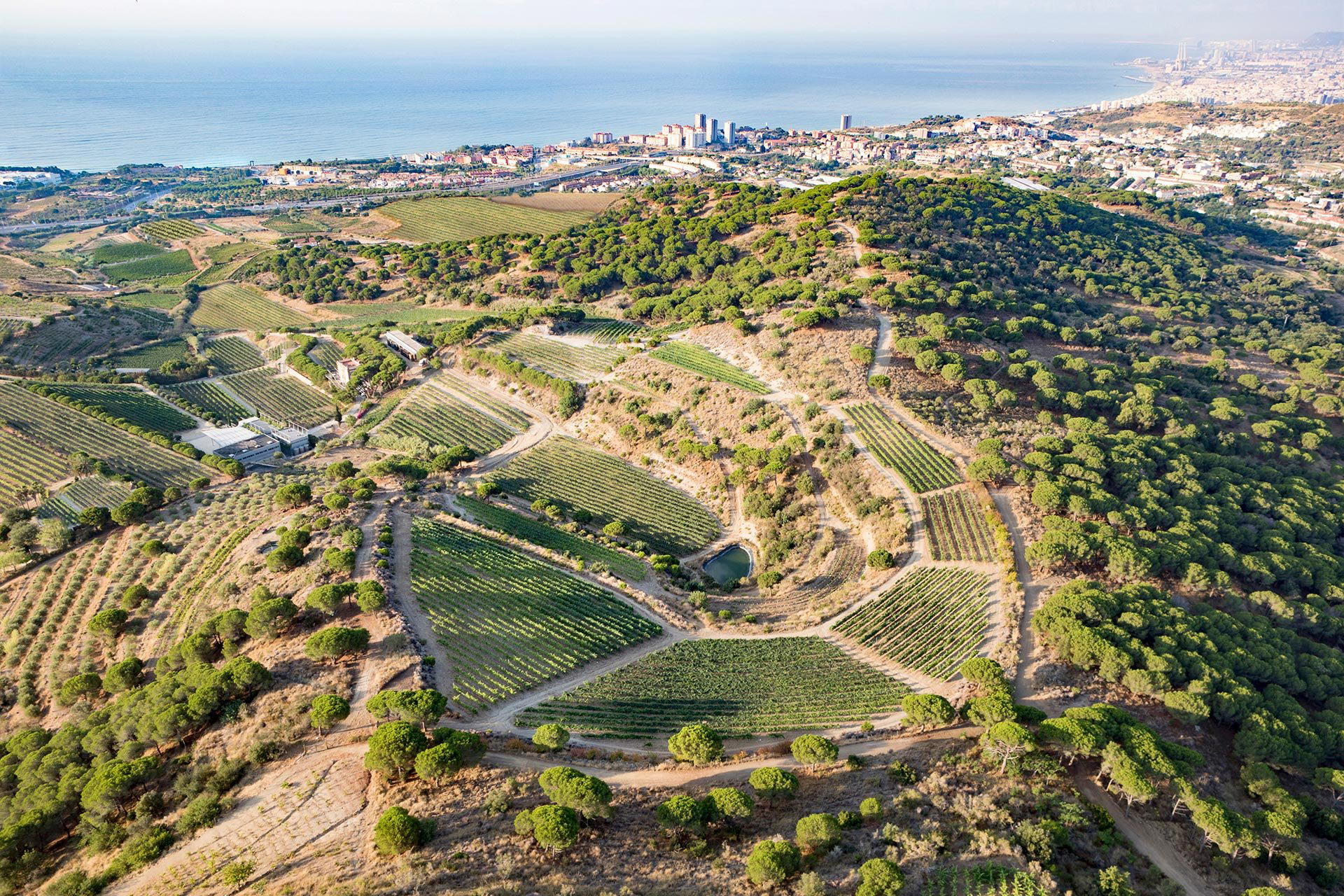
The climb toward Tibidabo changes Barcelona’s restaurant logic before the first plate arrives. Street noise thins, the grid loosens, and the city’s familiar dining rhythm gives way to a hillside mood shaped by Sarrià-Sant Gervasi: residential, slower, less performative than the Gothic Quarter or the Eixample. Albarada sits inside that version of Barcelona, where Contemporary Mediterranean cooking is less about theatrical reinvention than about control of fundamentals.
That matters because Mediterranean cooking is often judged by its finishing touches, when its real structure begins earlier: oil, salt, heat, acidity, and the timing of vegetables, fish, rice, or meat. In Catalonia, olive oil is not garnish. It is a base note, a cooking medium, a dressing, and a measure of seriousness. A kitchen working in this register has to show discipline before it shows personality.
Contemporary Mediterranean cooking, read through olive oil rather than spectacle
Barcelona’s modern Mediterranean category has become broad enough to mean almost anything, from tasting-menu minimalism to polished neighbourhood cooking. The more useful distinction is between restaurants that treat local ingredients as decoration and those that understand the region’s pantry as a system. Olive oil is the clearest test. Arbequina, closely associated with Catalonia, brings a softer, almond-leaning profile than the more forceful oils found elsewhere in Spain; that gentleness suits fish, vegetables, emulsions, and warm preparations where aggression would flatten the dish.
Albarada’s Contemporary Mediterranean label places it in that quieter lane. Without a public chef narrative or award architecture doing the explanatory work, the restaurant has to be understood by setting and category: a Barcelona table away from the central crush, attached to a cuisine that depends on ingredient quality and restraint. That is not a weakness. In a city where diners can spend heavily on concept, format, and design, there is value in a restaurant whose promise is more elemental.
The olive-oil frame also clarifies expectations. This is not the address to approach as a trophy booking or a technique parade. It belongs to the part of the city’s dining culture where the Mediterranean vocabulary remains legible: vegetables treated with respect, seafood and meat handled without unnecessary ornament, sauces and dressings built for balance rather than volume. The difference between competent and serious cooking in this mode is usually measured in small decisions, especially the quality of oil used raw versus cooked, the restraint of seasoning, and whether acidity sharpens rather than dominates.
A hillside Barcelona mood, not a central-city performance
Sarrià-Sant Gervasi gives restaurants a different audience from the old-city dining corridors. The neighbourhood’s wealth is visible, but its better food addresses rarely need to shout. Meals here tend to suit guests who prefer conversation over scene-chasing, and the geography naturally filters out casual foot traffic. Albarada benefits from that context: the approach already signals a night planned with intent, not a table found while walking between bars.
For travellers, that distinction is useful. Barcelona can be a difficult restaurant city to read from a short stay because the obvious areas are crowded with places designed for volume. The hillside districts reward diners who are willing to leave the postcard centre, but they also require clearer planning. A restaurant in this part of the city is less likely to function as an incidental stop between museums, shops, and late-night drinks; it works better as the main event of the evening, with the surrounding neighbourhood setting the pace.
That does not make it formal by default. Contemporary Mediterranean dining in Barcelona often occupies a middle register: polished enough for a planned dinner, relaxed enough to avoid the stiffness associated with old luxury. The absence of a public awards profile also affects the read. There is no need to interpret Albarada as an awards-led reservation; the stronger case is contextual, as a hillside Barcelona restaurant whose appeal rests on location, category, and a cuisine built from Mediterranean basics.
How to place it within a Barcelona itinerary
Albarada works well for diners already thinking beyond the central restaurant map. For a broader scan of the city, Our full Barcelona restaurants guide is the better starting point, while hotels, bars, wineries, and experiences sit separately in Our full Barcelona hotels guide, Our full Barcelona bars guide, Our full Barcelona wineries guide, and Our full Barcelona experiences guide. Within Barcelona’s restaurant index, useful adjacent reading includes 1881 per Sagardi, 2254 restaurant, 4Amb5 Mujades, 7 Portes (Catalan), and 9Reinas Gourmet.
Travellers building a wider Spain dining route can read across different regional registers with "B de J" in Madrid, 12 Tapas in Castilleja de la Cuesta, 144. in Vitoria-Gasteiz, 1742 in Ibiza, 1860 Tradición in Elciego, and 1890 La Bodeguita in Las Palmas de Gran Canaria. For a non-Spanish Mediterranean reference point, Ralph, Contemporary Mediterranean in Brussels shows how the same broad category shifts outside its home climate; for a different drinking-and-dining grammar altogether, Jōdo Saké Bar in Los Angeles sits in another lane.
The editorial read is clear: Albarada is for a quieter Barcelona meal where the Mediterranean foundation matters more than external validation. The hillside setting, Contemporary Mediterranean brief, and distance from the city’s denser dining circuits give it a specific role. Approach it for measured cooking and a less obvious neighbourhood rhythm, not for award-count theatre or a maximalist night out.
Reputation & Price
Comparable venues nearby, for context on price, style, and recognition.
| Venue | Price | Notes |
|---|---|---|
| AlbaradaThis venue — the venue you are viewing | $$$ | Not listed |
| Impar | $$$ | la Maternitat i Sant Ramon, Mediterranean Fusion Tapas |
| Tragaluz | $$$ | la Dreta de l'Eixample, Modern Mediterranean Italian |
| Flax&Kale | $$$ | el Raval, Modern Plant-Based Mediterranean |
| My Fucking Restaurant | $$$ | el Raval, Gluten-Free Modern Mediterranean Tapas |
| La Balsa | $$$ | Sant Gervasi - la Bonanova, Mediterranean with Basque and Catalan Influences |
Continue exploring
More in Barcelona
Restaurants in Barcelona
Browse all →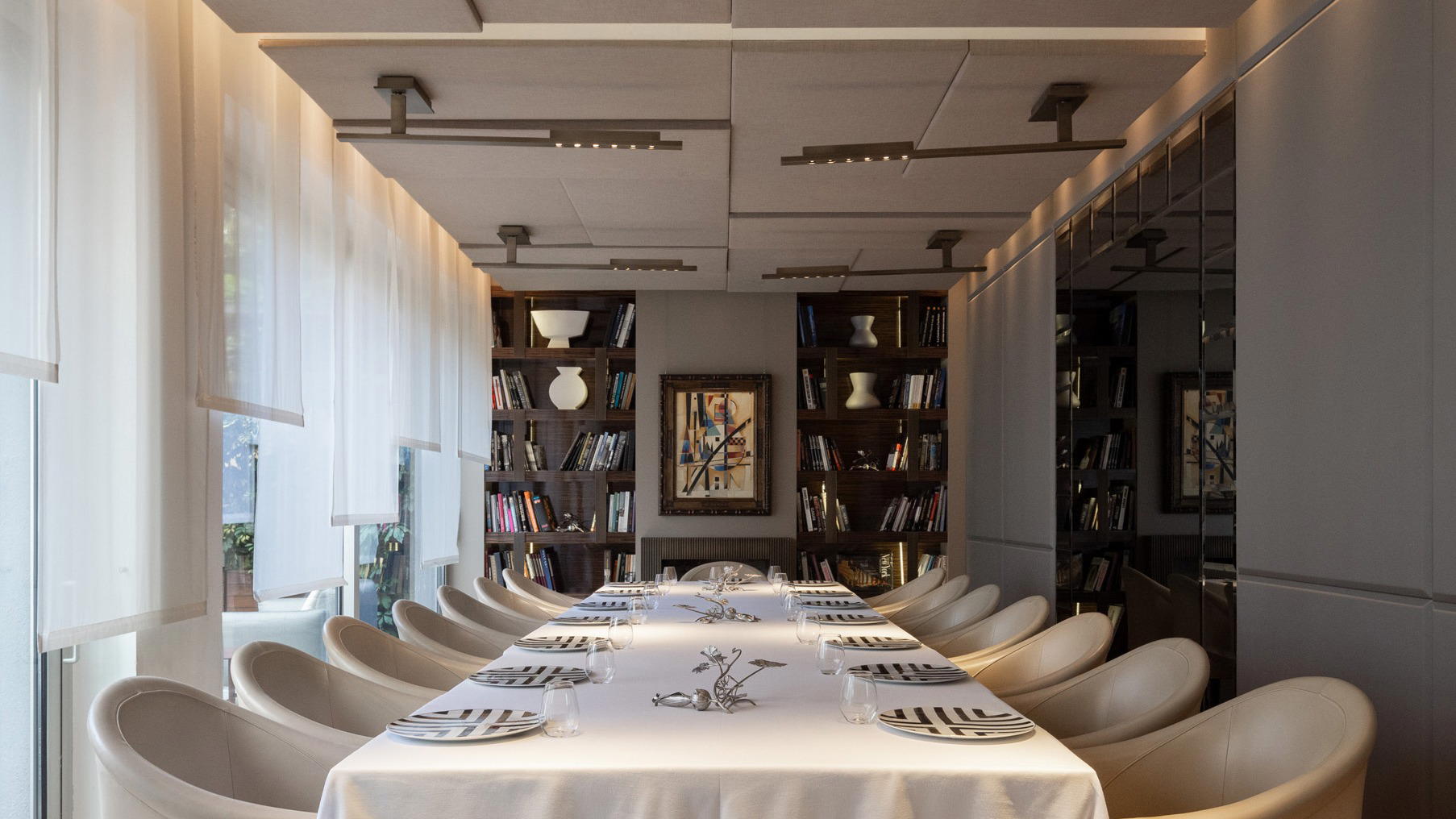
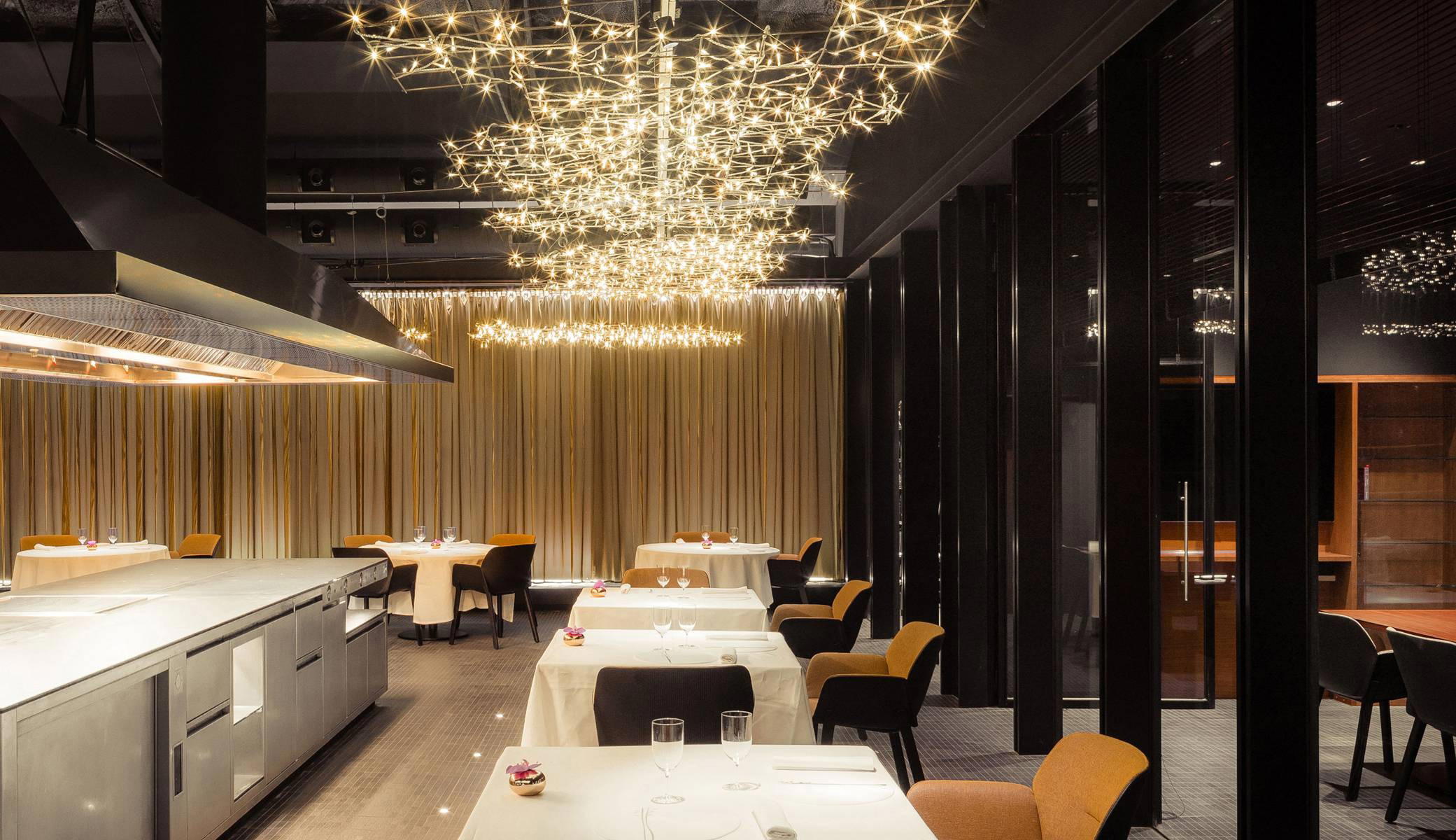
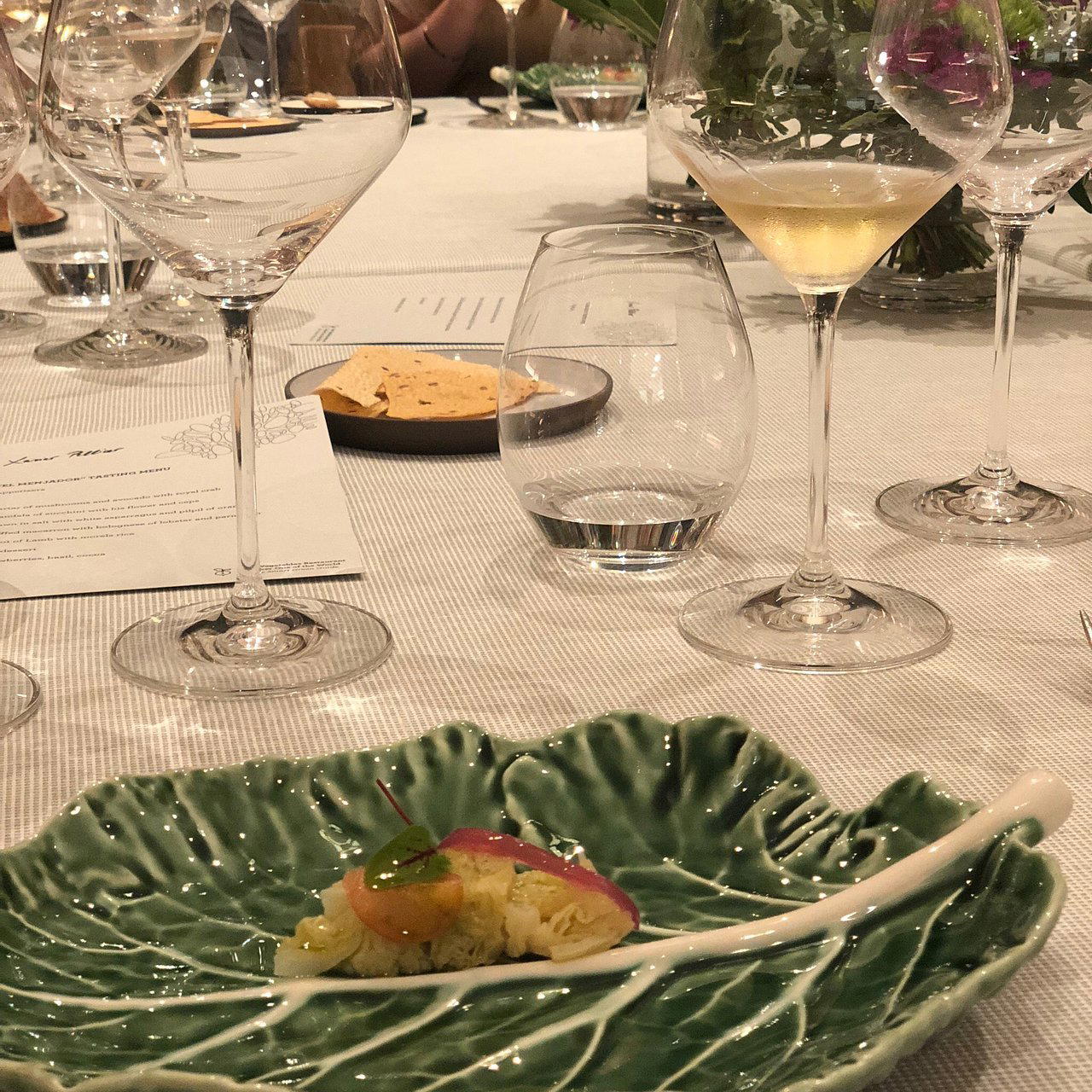
Bars in Barcelona
Browse all →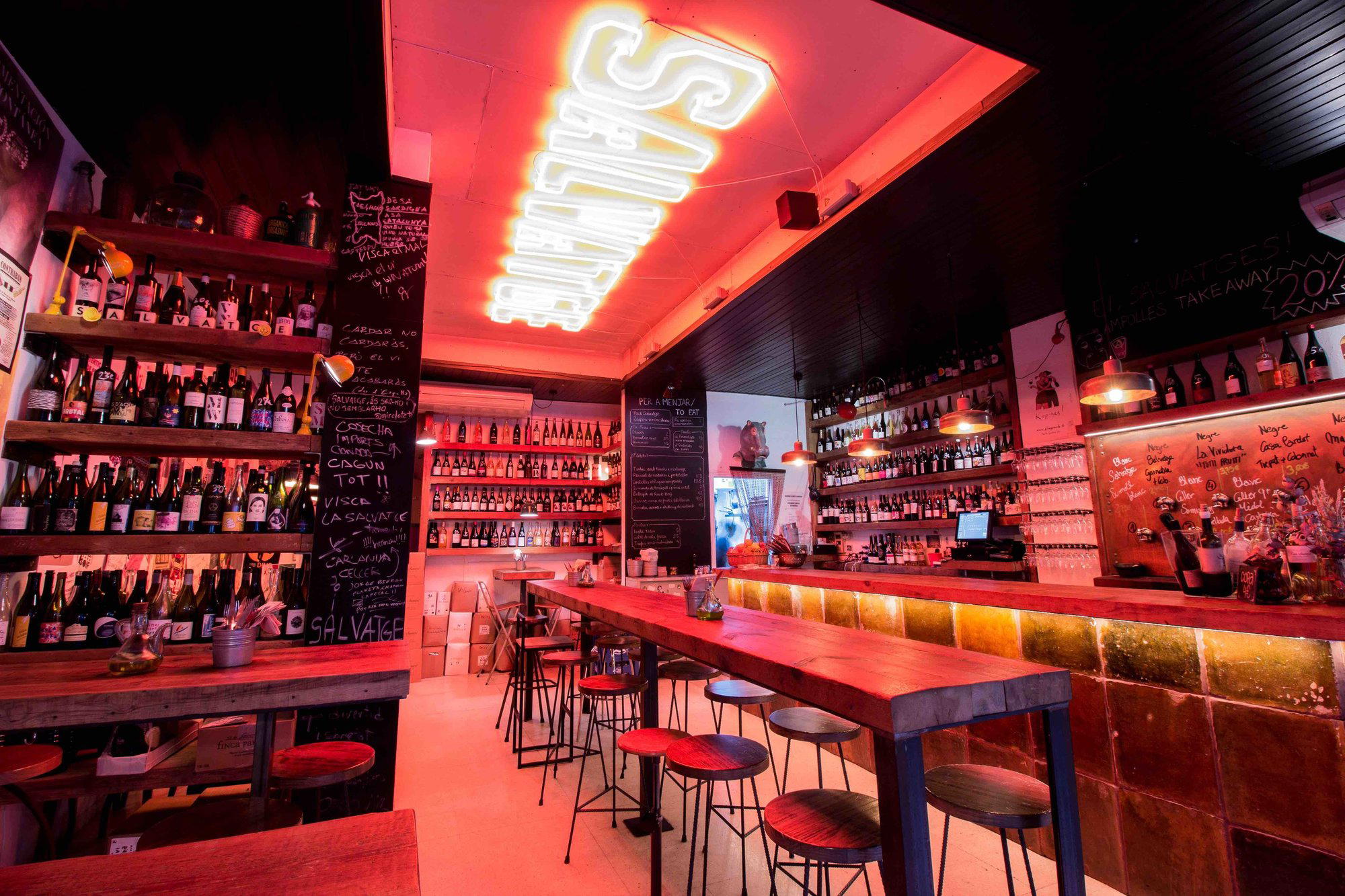

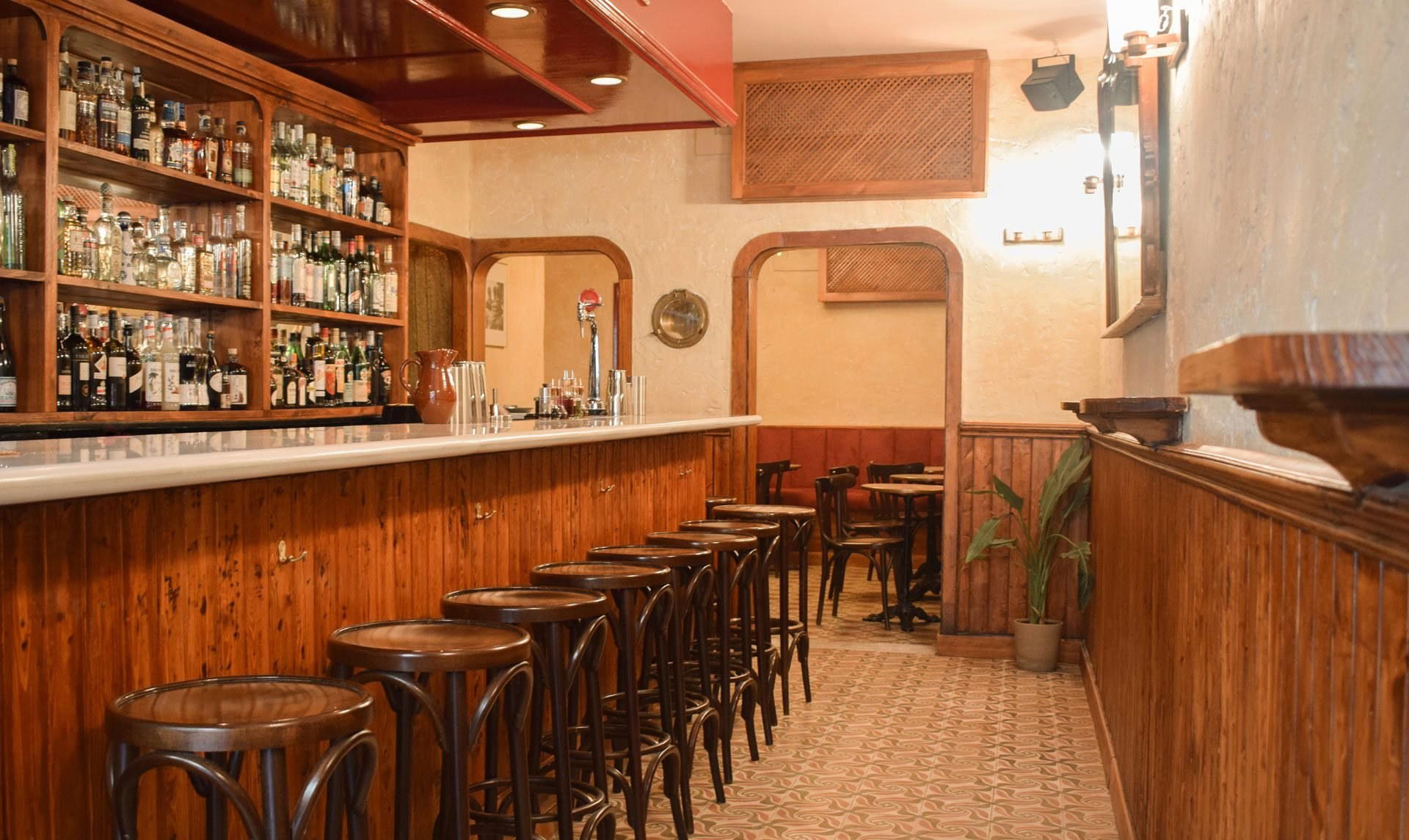
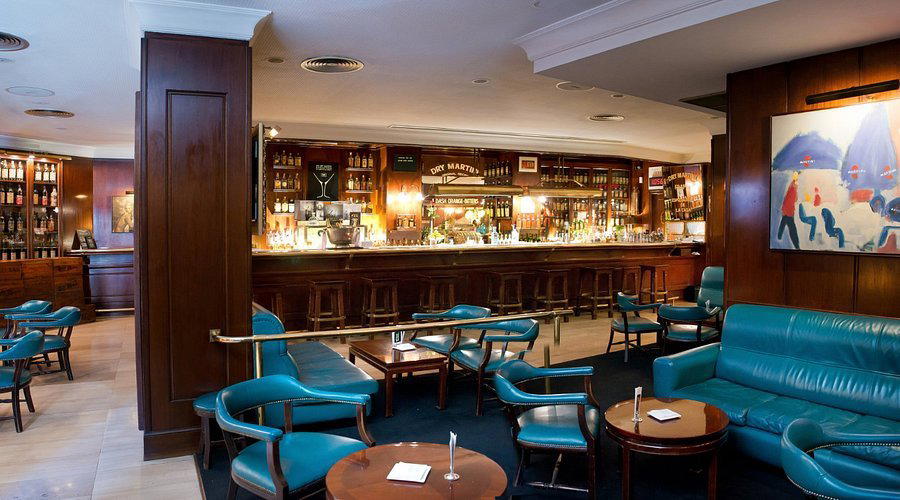
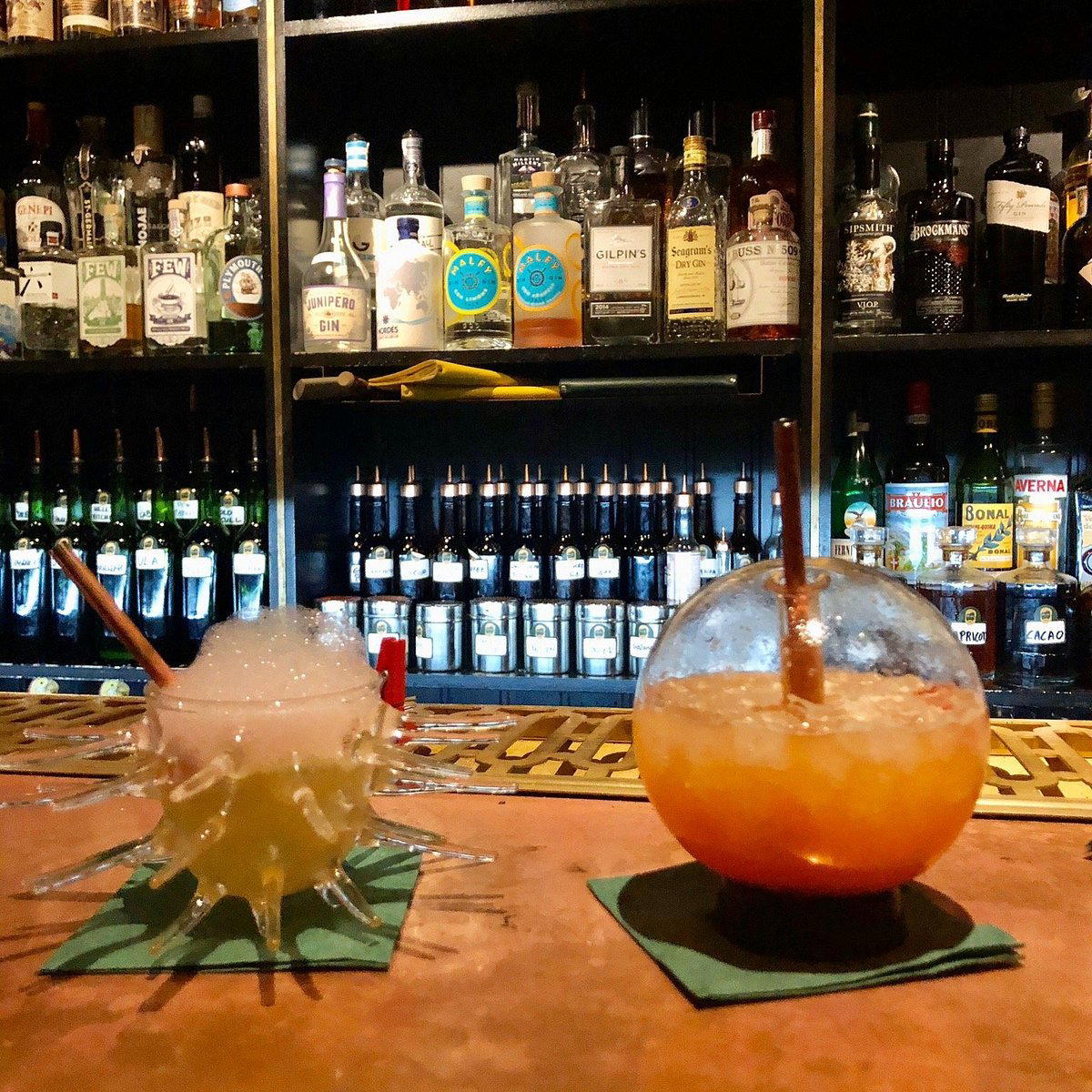
Hotels in Barcelona
Browse all →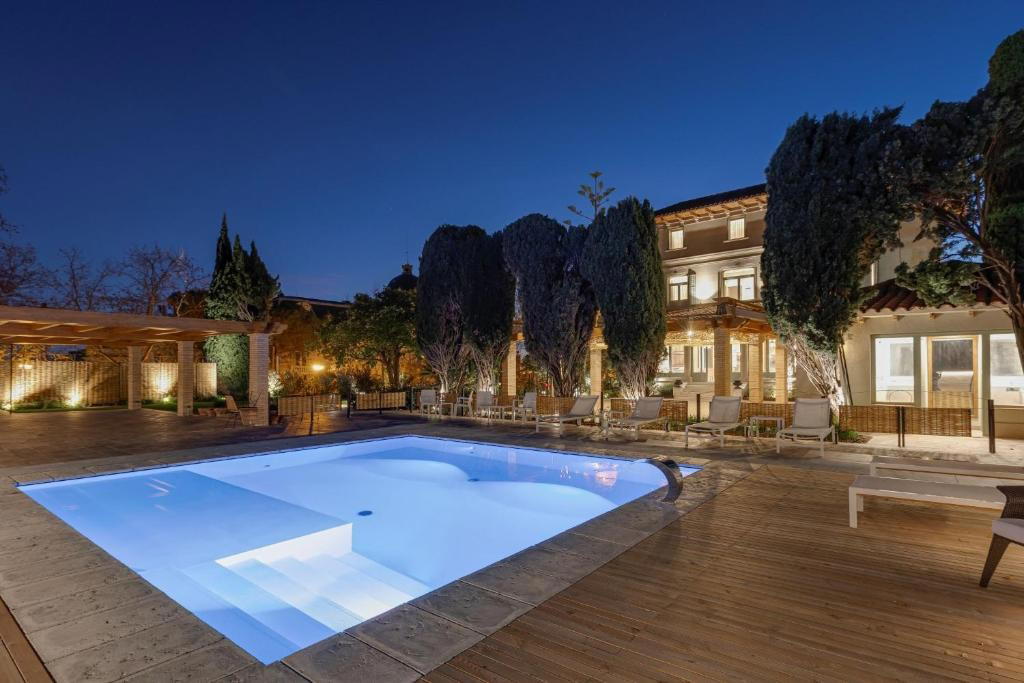
At a Glance
- Scenic
- Elegant
- Modern
- Sophisticated
- Romantic
- Date Night
- Business Dinner
- Celebration
- Special Occasion
- Group Dining
- Private Event
- Rooftop
- Terrace
- Panoramic View
- Hotel Restaurant
- Private Dining
- Design Destination
- Extensive Wine List
- Craft Cocktails
- Local Sourcing
- Farm To Table
- Skyline
- Mountain
Current opening hours
- Monday
- Closed
- Tuesday
- 7–10:30 PM
- Wednesday
- 7–10:30 PM
- Thursday
- 7–10:30 PM
- Friday
- 1–3:30 PM, 7–10:30 PM
- Saturday
- 1–3:30 PM, 7–10:30 PM
- Sunday
- 1–3:30 PM
Hours can change for holidays and private events. Last verified .
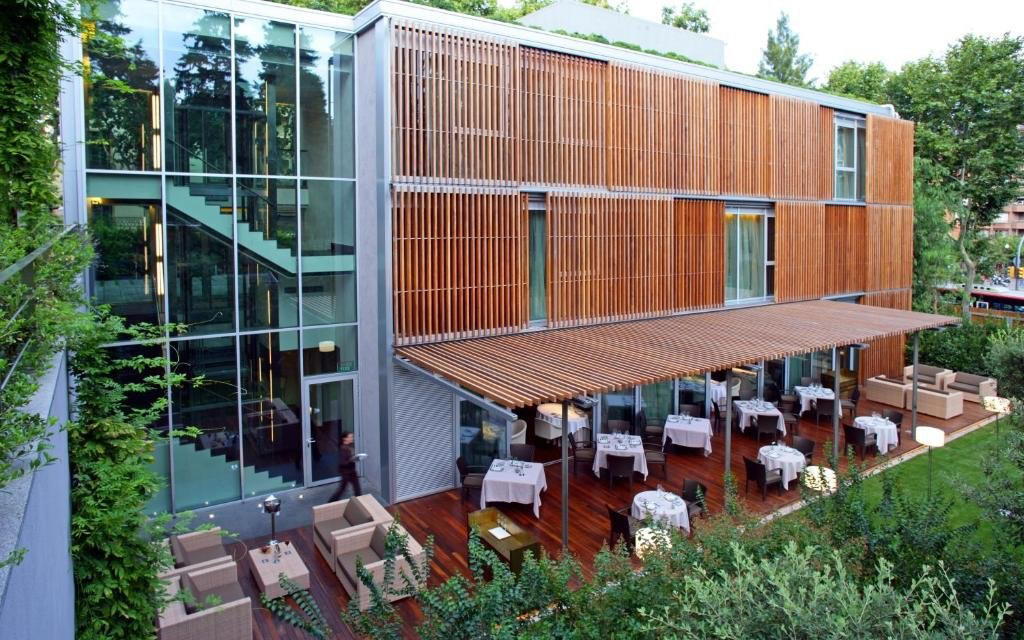
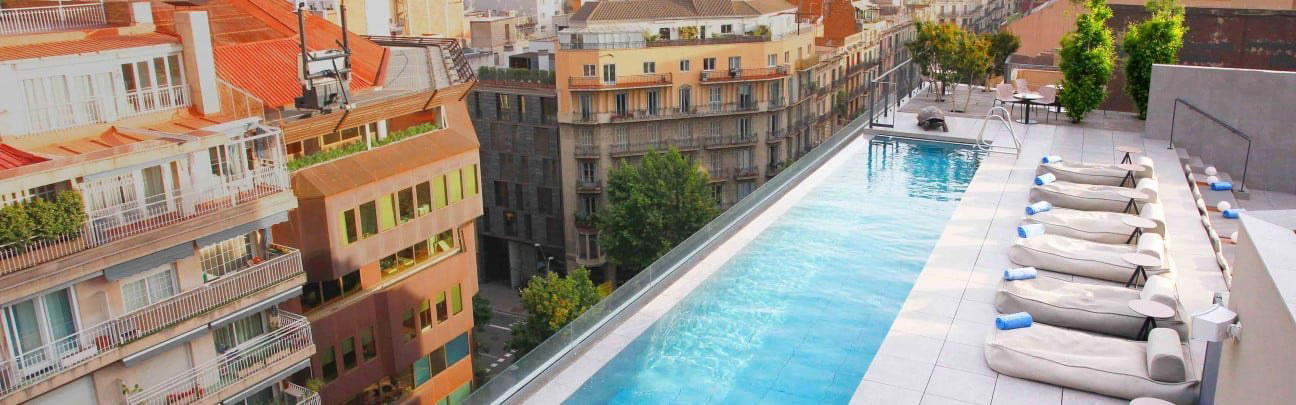
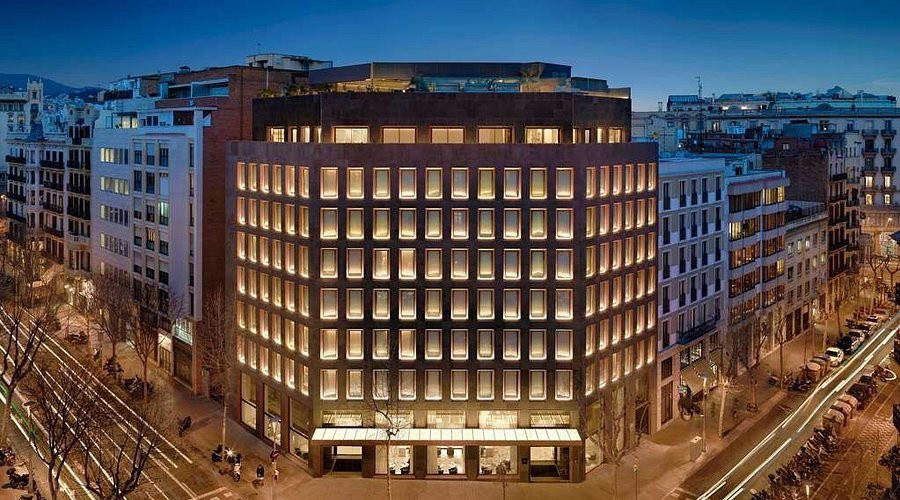
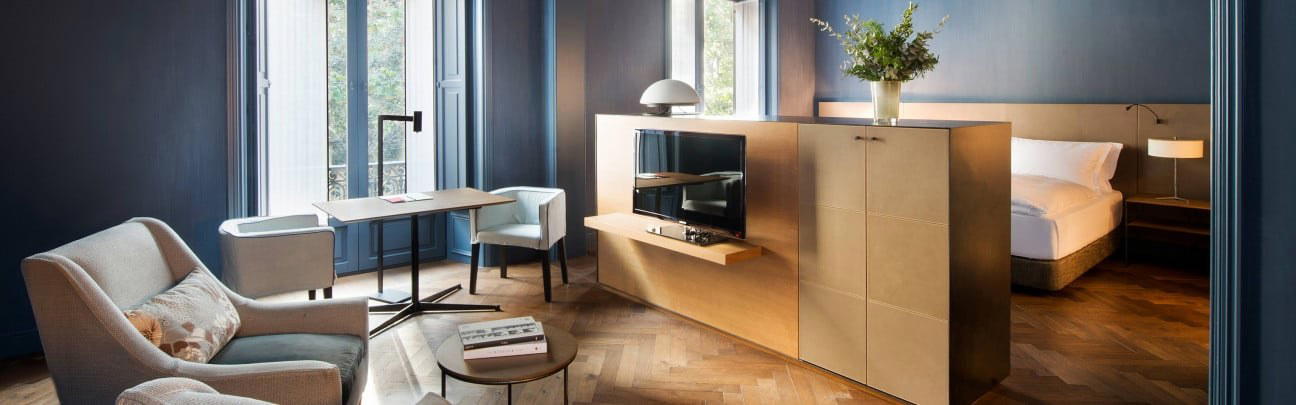
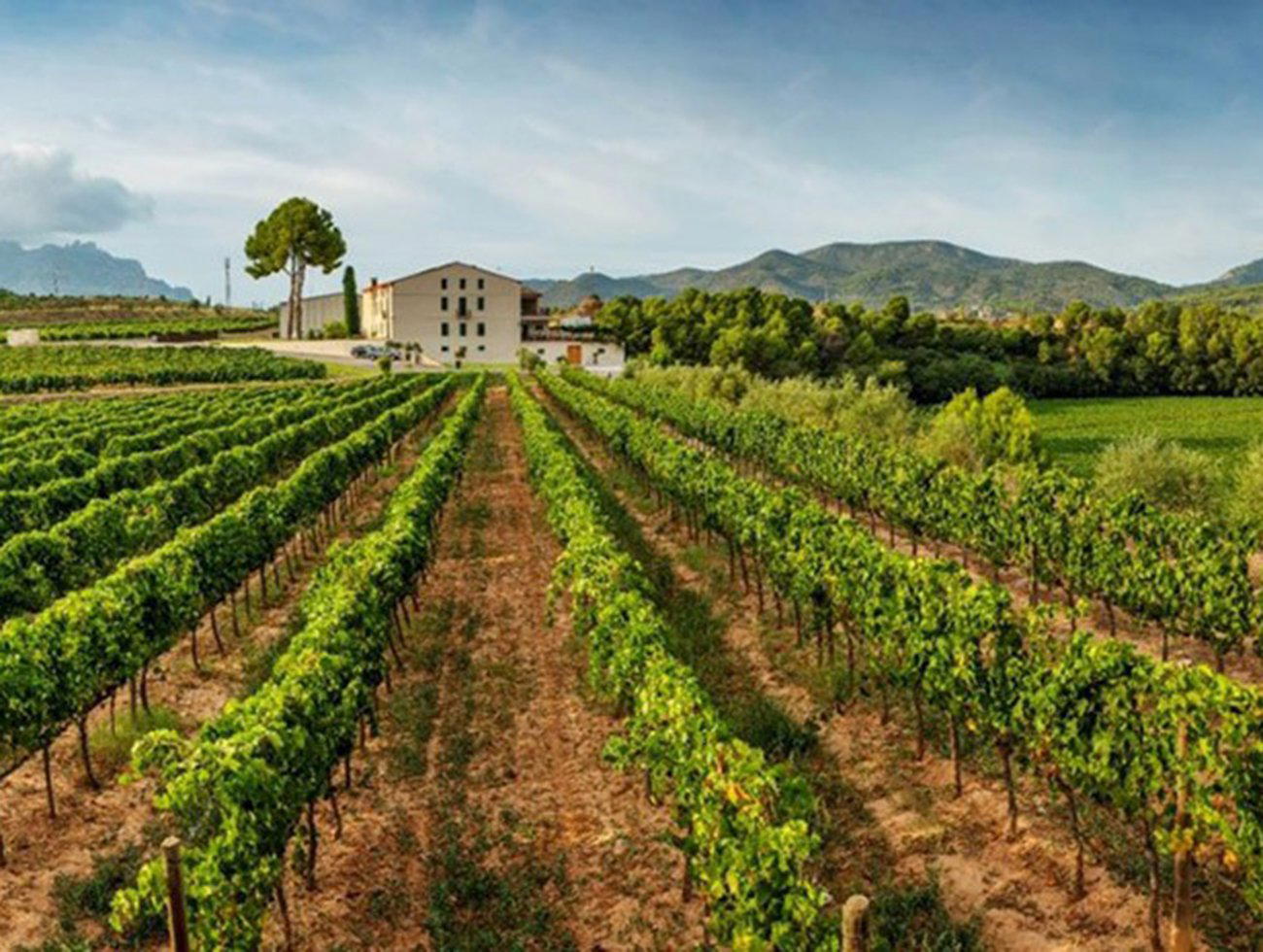
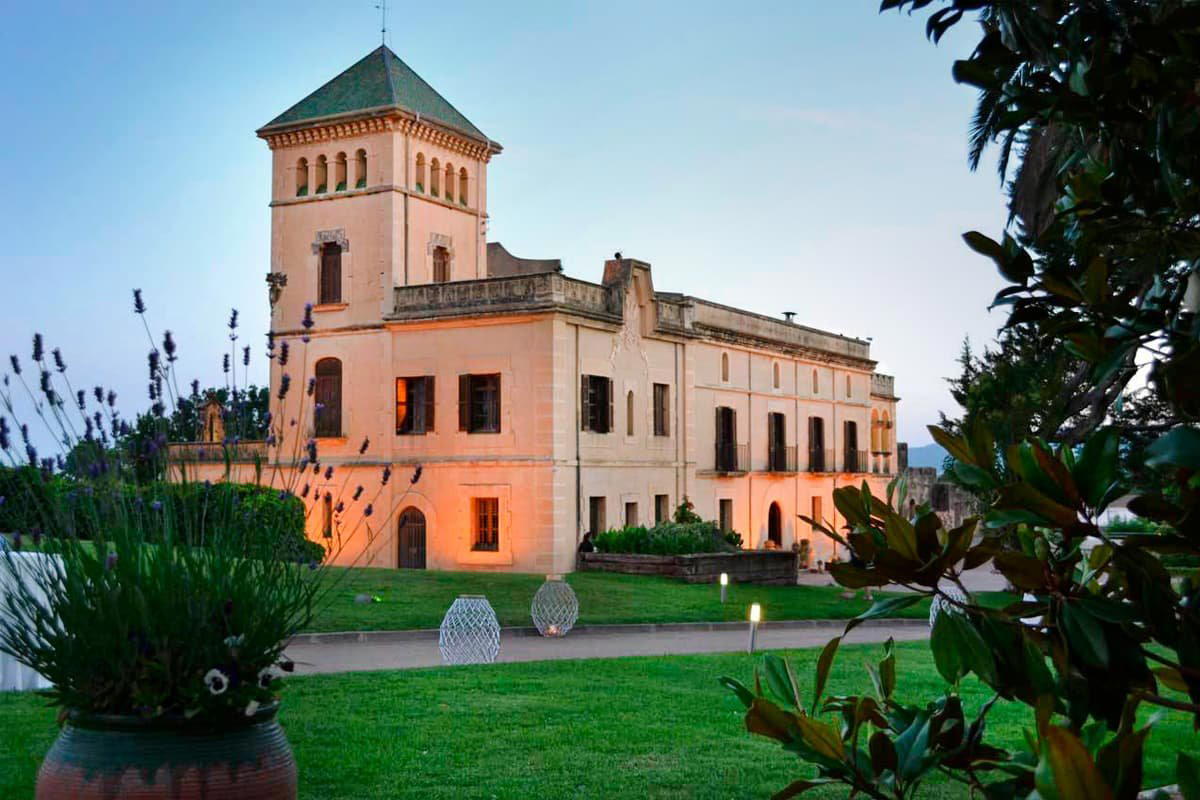
Refined, contemporary Mediterranean setting with design-forward interiors by Astet Studio and a calm, upscale hotel atmosphere that feels relaxed yet polished, enhanced by panoramic city views, natural light, and a scenic terrace above Barcelona.