Bagnat sits on the Boulevard de la Corderie in Marseille's 7th arrondissement, a neighbourhood where the city's Provençal instincts run close to the surface. The address places it within a short distance of the Vieux-Port's dining corridor yet at enough remove to attract a local crowd rather than a tourist circuit. Expect the kind of setting where the meal itself, its rhythm, its courses, its pace, does the talking.
Pearl is the En Primeur Club membership app — saves, bookings, and concierge access live there. Same editors, same standards.
- Address
- 124 Bd de la Corderie, 13007 Marseille, France
- Phone
- +33634046346
- Directions
- Get directions
 Saves & bookings on Pearl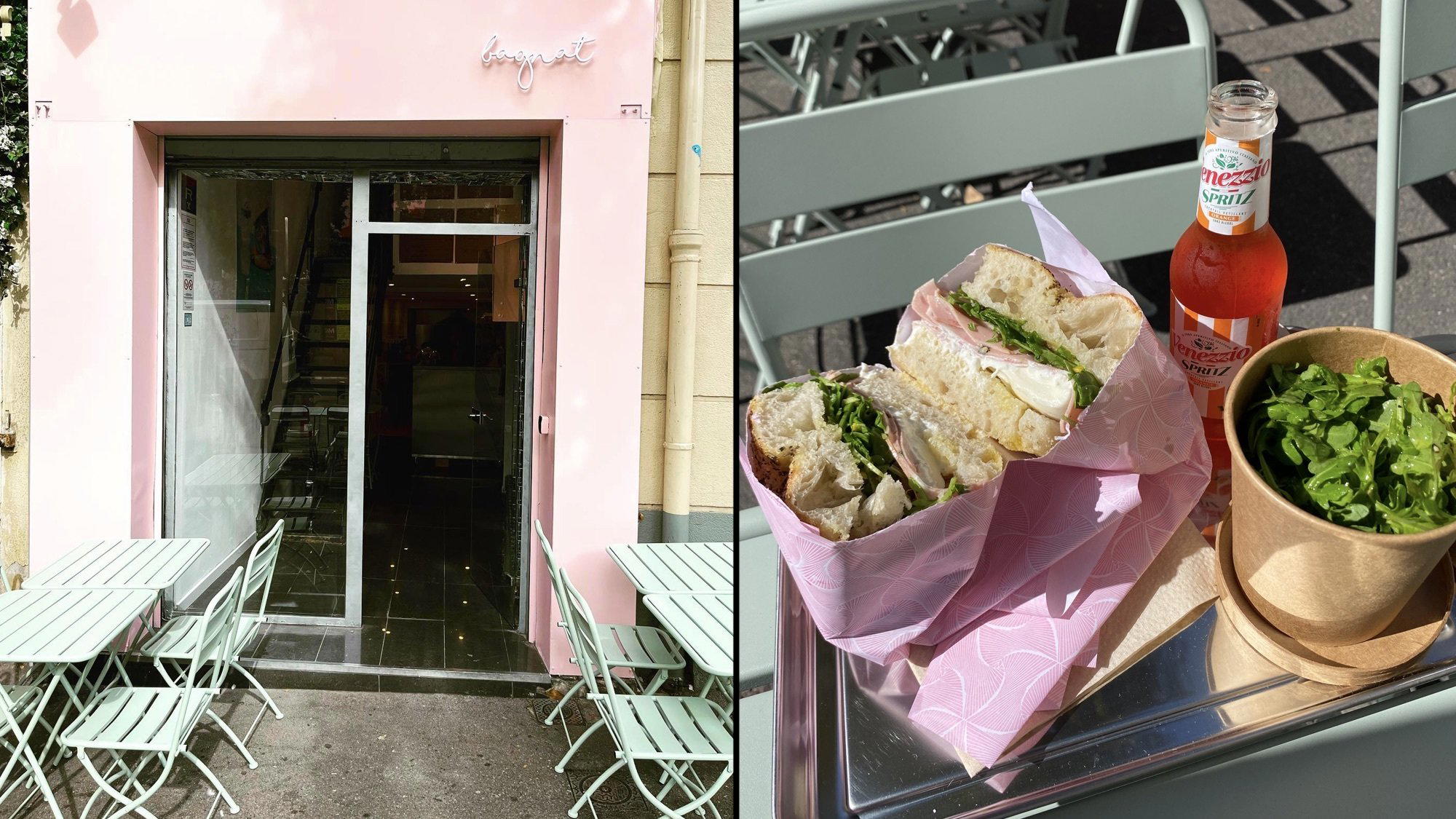
The Corderie End of Town
Bagnat is a restaurant in Marseille's 7th arrondissement, at 124 Bd de la Corderie, serving Pan Bagnat Sandwiches and priced at about $10 per person. Boulevard de la Corderie runs through a residential stretch where the city's Provençal identity reasserts itself away from the postcard version: ochre walls, maritime light, and a dining culture that leans on ritual over spectacle. Bagnat sits at number 124 on that boulevard, and the address alone signals something about its positioning. This is not the Marseille of tourist menus and bouillabaisse theatre; it is the Marseille where the meal is the thing, and where locals are more likely to be at the next table than visiting tour groups.
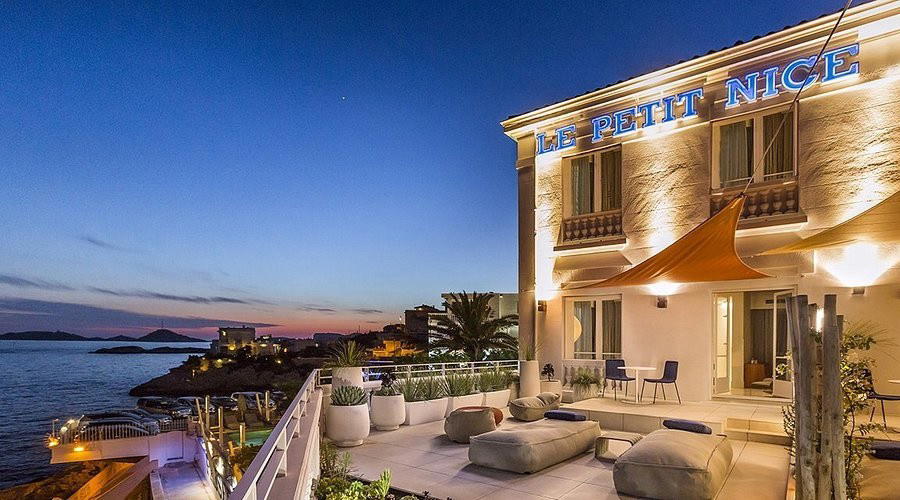
That context matters when thinking about how this city's restaurant scene has organised itself. At one end, Michelin-decorated addresses like AM par Alexandre Mazzia and Le Petit Nice operate at the leading bracket of the city's creative and seafood traditions. Slightly below that tier, addresses such as Une Table, au Sud carry their own Michelin recognition and price accordingly. Bagnat's Corderie location places it at a thoughtful remove from that constellation, geographically adjacent but tonally distinct.
The Dining Ritual on the Corderie
In Provençal dining culture, the pacing of a meal carries as much meaning as the food itself. There is an expectation, particularly in neighbourhood restaurants rather than destination addresses, that lunch or dinner unfolds across time, that courses arrive with deliberate spacing, that conversation fills the gaps between plates, and that the table is yours for as long as you want it. This rhythm distinguishes the southern French dining tradition from the quicker, more transactional formats common in Paris's bistro-brasserie tier.
Bagnat, positioned in a neighbourhood where that tradition is still observed, sits within that slower, more considered dining cadence. The name itself is a reference to pan bagnat, the pressed Niçoise sandwich that has become a touchstone of southern French street food, and that invocation of regional identity runs through the entire address. Pan bagnat carries a specific set of rules in French culinary convention: it must contain tuna or anchovies, olive oil, olives, and crudités; shortcuts are frowned upon. Naming a restaurant after a dish with such defined cultural parameters is a statement about where the kitchen's loyalties lie.
Southern France's dining rituals extend to the choreography of service. In restaurants of this character, the interplay between kitchen and room tends to be unhurried but attentive, a pace that rewards diners who arrive without a schedule. The aperitif, the bread, the amuse before the first course: these are not decorative flourishes but structural markers that divide the meal into its proper stages. Marseille's culinary tradition, shaped by its position at the intersection of Provençal, North African, and Italian influences, adds additional layers to that framework. Spice, citrus, olive oil, and preserved fish are the vocabulary; the syntax is Mediterranean.
For visitors calibrating Marseille's dining scene, it helps to understand how that regional vocabulary sits against the broader French restaurant canon. The star-system addresses of southern France, from Mirazur in Menton to La Table du Castellet in Le Castellet, each work with Mediterranean ingredients at a register of technical precision that defines the high end. The mid-tier neighbourhood restaurants, of which Bagnat is one, handle similar raw material with less ceremony and more directness. Neither is a lesser version of the other; they address different needs within the same culinary tradition.
Situating Bagnat in Marseille's Wider Map
France's restaurant culture has always had a strong provincial backbone, and particularly instructive comparisons are not always with the Paris addresses that dominate international coverage. Houses like Bras in Laguiole, Auberge de l'Ill in Illhaeusern, and Les Prés d'Eugénie in Eugénie-les-Bains have each built decades-long identities rooted in a specific region and its produce. Even Michelin standard-bearers in the capital, such as Alléno Paris au Pavillon Ledoyen, increasingly frame their identity through sourcing geography. Bagnat operates in a less refined register, but the underlying logic, a restaurant that draws from and reflects its immediate region, belongs to the same tradition.
Within Marseille, the more useful comparable set includes neighbourhood addresses like Alivetu and 1860 Le Palais, which similarly work in the register between casual and destination dining. These restaurants collectively define what locally-oriented Marseille dining looks like outside the Michelin tier, a category that the city's own residents tend to populate more consistently than its visitors. Our full Marseille restaurants guide maps the full spread of the city's dining options across those tiers.
Internationally, the format of a neighbourhood restaurant built around a strong regional identity has close analogues at addresses like Lazy Bear in San Francisco, which similarly foregrounds ritual and pacing, or the produce-led discipline of Flocons de Sel in Megève at its alpine end. Closer comparisons remain within the Provençal tradition, where the relationship between a restaurant's identity and its terroir is taken as a given rather than a marketing angle.
Planning a Visit
Bagnat's address at 124 Boulevard de la Corderie places it in the 7th arrondissement. The neighbourhood is walkable once you arrive, and the Corderie itself has the calm of a residential boulevard rather than a commercial strip. Bagnat is walk-in friendly.
Cuisine Lens
Comparable venues nearby, for context on price, style, and recognition.
| Venue | Cuisine | Price | Notes |
|---|---|---|---|
| BagnatThis venue — the venue you are viewing | Pan Bagnat Sandwiches | $ | Not listed |
| Emile 1933 | Classic French Brasserie | $$ | Le Rouet |
| Coquetel Club | French Cocktail Bar with Boards | $$ | Castellane |
| Chicoulon | French Bistronomic | $$ | Opera |
| Chez Jeannot | Traditional French Pizza & Seafood | $$ | Endoume |
| Maison Bohème | Provençal Bistro with Mediterranean Influences | $$ | Castellane |
Continue exploring
More in Marseille
Restaurants in Marseille
Browse all →
Bars in Marseille
Browse all →
Hotels in Marseille
Browse all →
At a Glance
- Cozy
- Trendy
- Casual Hangout
- Standalone
- Local Sourcing
Current opening hours
- Monday
- Closed
- Tuesday
- 11 AM–3 PM
- Wednesday
- 11 AM–3 PM
- Thursday
- 11 AM–3 PM
- Friday
- 11 AM–3 PM
- Saturday
- 11 AM–3 PM
- Sunday
- 11 AM–3 PM
Hours can change for holidays and private events. Last verified .
Pastel-colored furniture in a candy pink storefront creates a cozy, lively atmosphere surrounded by stickers and photos of the local soccer team.