Our verdict
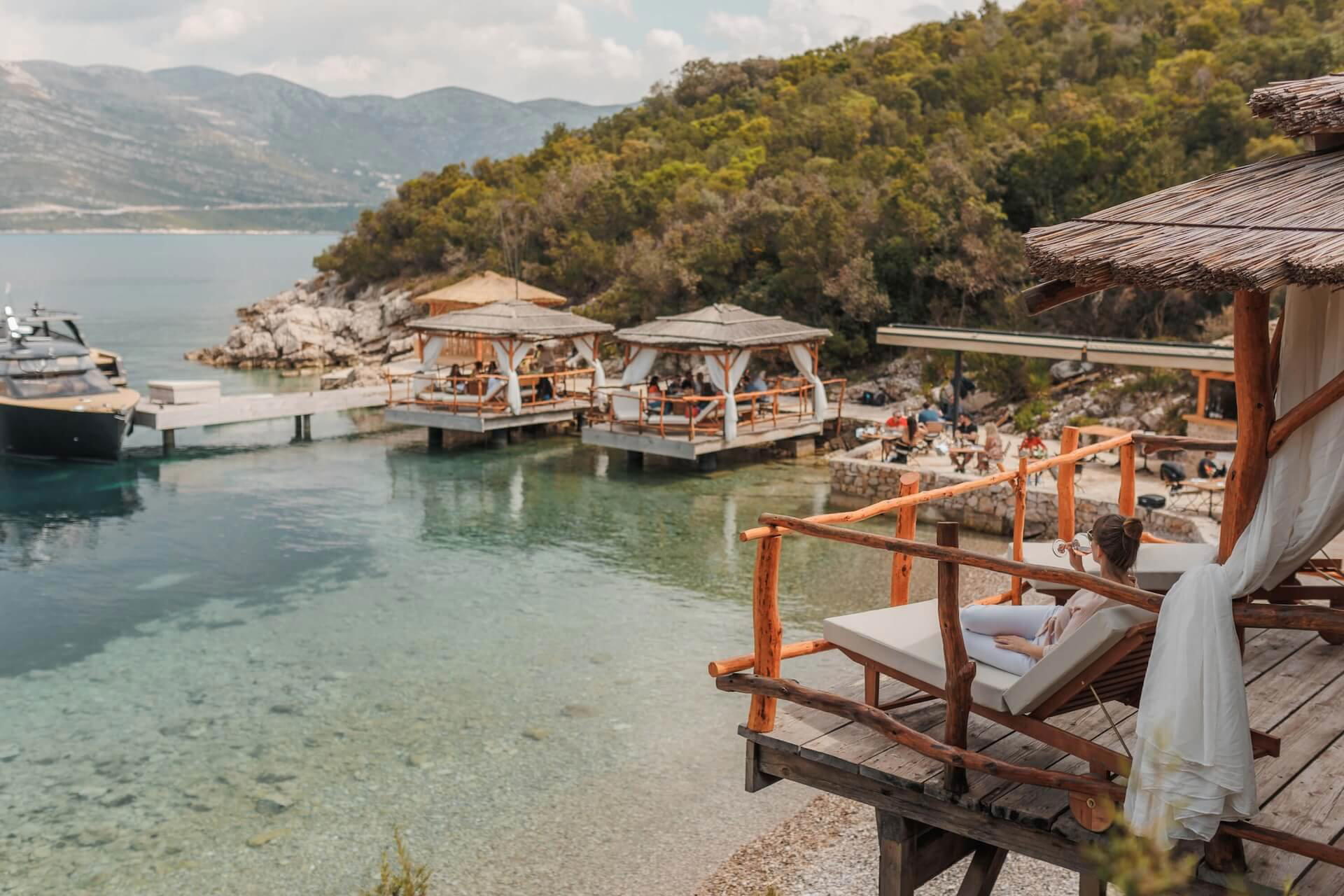
Bowa sits on the island of Šipan, the largest of the Elaphiti Islands off Dubrovnik, placing it firmly outside the city's tourist circuit. The setting alone, a stone-walled harbour village reached only by boat, frames the entire experience before a plate arrives. For visitors willing to plan around the logistics, it offers a different register of Adriatic dining than anything inside the old city walls.

Pearl is the En Primeur Club membership app, where members save venues, book tables and use the concierge.
The menu
What to order
- Scampi tartare
- Fried octopus à la Bowa
- Grilled sea bass
An Island Setting That Requires Commitment
Most of Dubrovnik's dining conversation stays inside or immediately adjacent to the old city walls, where venues like Restaurant 360 (International, Modern Cuisine) and Above 5 operate within a dense, walkable radius. Bowa occupies a different geography entirely. It sits in Suđurađ, a harbour settlement on Šipan, the largest of the Elaphiti Islands, reached by ferry from Dubrovnik's Gruž port. The crossing takes roughly 90 minutes on the regular island line. That travel time is not incidental, it is the first filter that separates Bowa's audience from the broader Dubrovnik dining crowd.
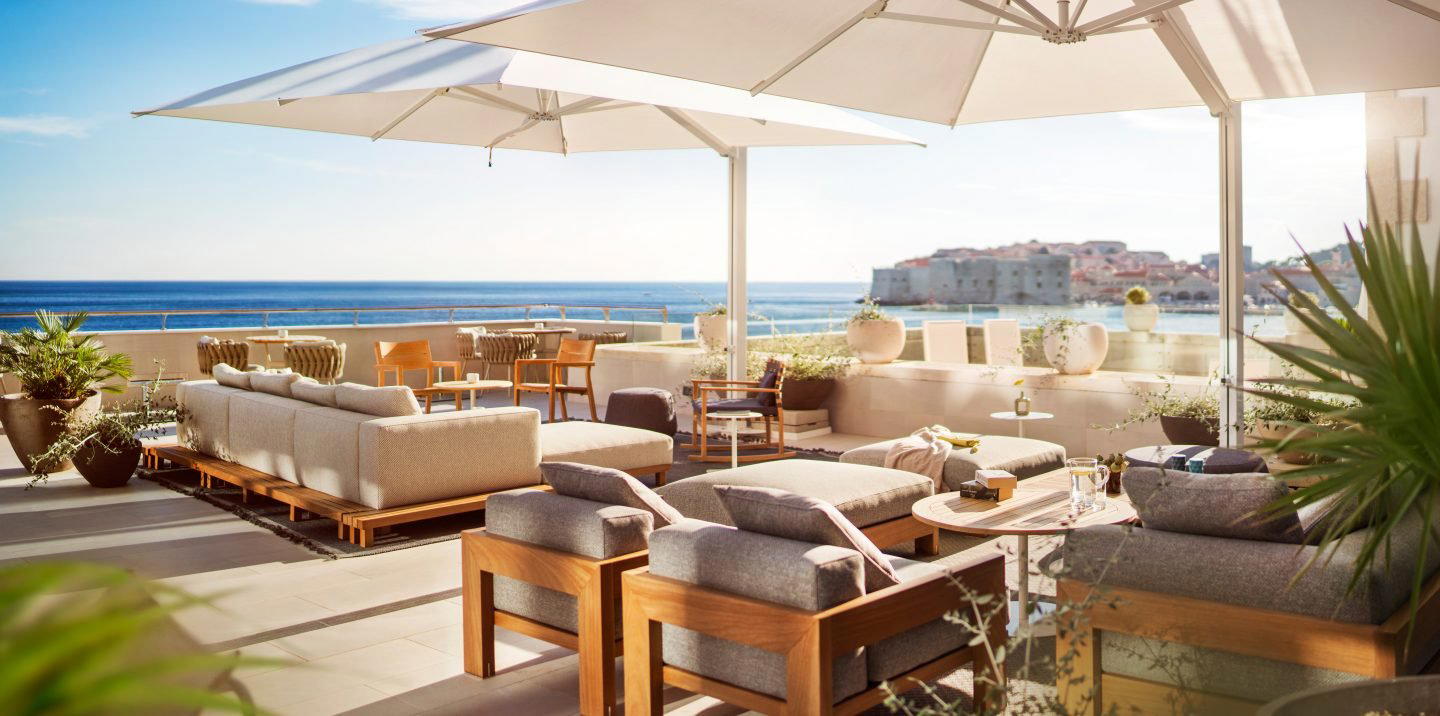
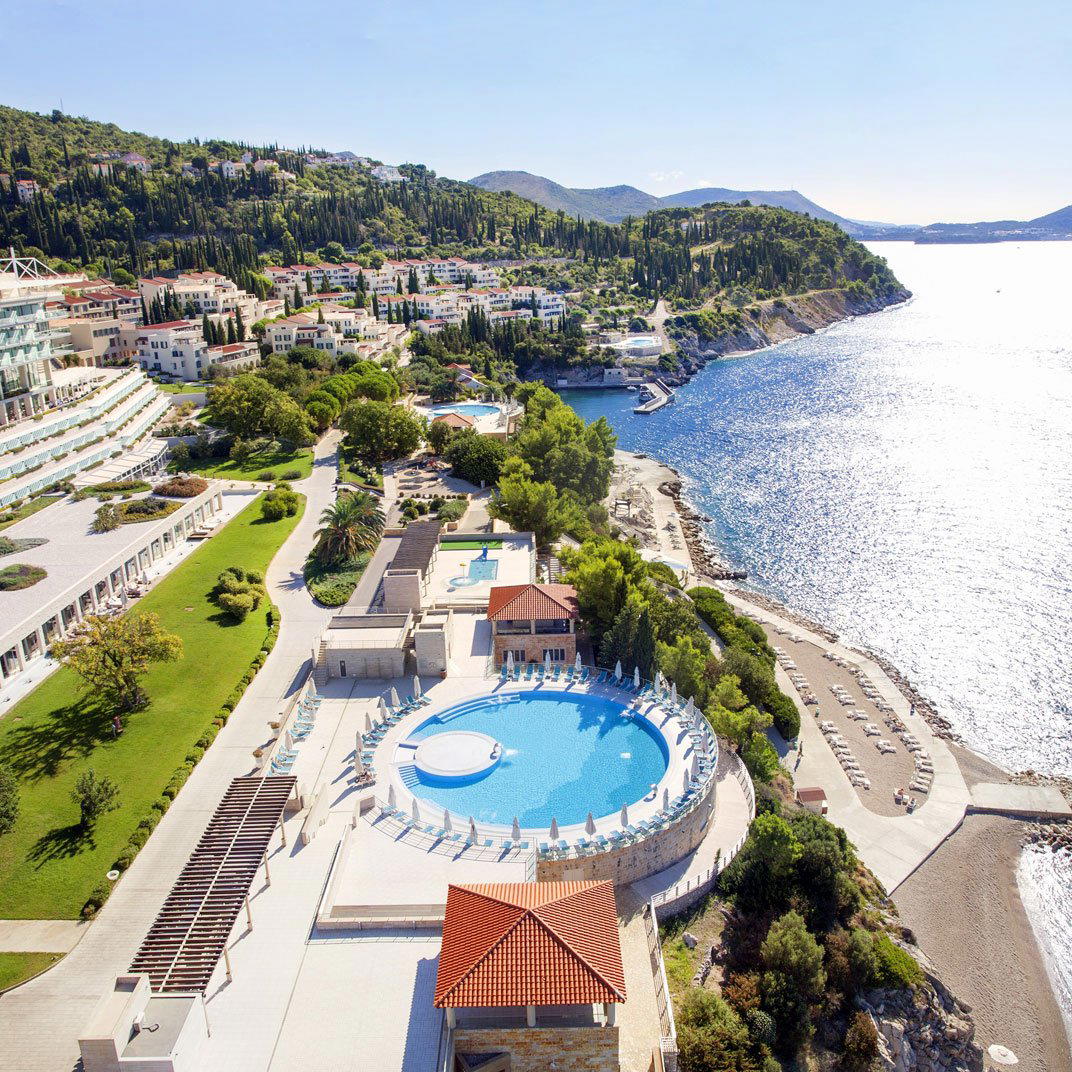
The Elaphiti archipelago sits northwest of Dubrovnik and includes Koločep, Lopud, and Šipan, all low-car, low-density islands where the pace of daily life is set by ferry schedules rather than traffic. Šipan is the largest and least visited of the three, which means Suđurađ sees far fewer day-trippers than Lopud. Arriving by boat into a small stone harbour, with fishing vessels moored alongside and the village climbing the hillside behind, establishes the physical register before anything else. The scene is not curated for tourism. It is simply how Šipan looks and functions.
The Logistics, Honestly Assessed
The editorial angle for Bowa is inseparable from the booking and planning experience, because the venue's location makes logistics the dominant pre-visit question. Ferry schedules from Gruž operate year-round but thin out significantly in the low season, roughly October through April. In peak summer, multiple daily services connect Dubrovnik to Šipan, which makes a day-trip or evening visit feasible for guests staying in the city. Outside that window, the schedule compresses, and an evening meal may effectively require an overnight stay on the island or careful coordination with return departure times.
For comparison, reaching the Elaphiti islands involves a different class of planning than, say, choosing between Barba and Bistro 49 within Dubrovnik's old town.
Croatia's coastal dining circuit has a number of restaurants in this category. LD Restaurant in Korčula requires ferry access from the mainland. Boskinac in Novalja sits on Pag island with limited land connection. The pattern of quality dining appearing on islands with logistical barriers is well-established along the Adriatic, and it reflects something genuine about how Croatia's premium food scene has developed: away from major urban centres, in places where produce is local by necessity and the audience self-selects for engagement.
Where Bowa Sits in the Dubrovnik Dining Picture
Inside Dubrovnik proper, the top-tier restaurants operate in a market defined by high tourist volume, premium real-estate costs, and menus priced accordingly. Restaurant 360 anchors the high end with four-figure per-head potential and a terrace built literally into the city walls. Bistro Tavulin (Traditional Cuisine) sits at the more accessible end of the spectrum, holding a different function in the market. Bowa, by virtue of its location, does not compete directly with either. It occupies a position more analogous to a destination outside the city, closer in spirit to what Pelegrini in Sibenik or Agli Amici Rovinj in Rovinj represent in their respective contexts: a restaurant whose location is itself a curatorial statement about the kind of meal being offered.
The broader Croatian fine-dining conversation has developed a credible roster of island and coastal venues, with Nebo by Deni Srdoč in Rijeka, Alfred Keller in Mali Lošinj, Korak in Jastrebarsko, and Dubravkin Put in Zagreb all contributing to a scene that has matured well beyond Zagreb and Split. Krug in Split and San Rocco in Brtonigla further illustrate how the country's dining identity has diversified geographically. Bowa's island placement adds another coordinate to that map, one that rewards the traveller prepared to leave the city.
What the Adriatic Island Dining Format Offers
The Adriatic island restaurant format has a consistent set of conditions that tend to shape the food: proximity to small-scale fishing, access to wild herbs and garden produce in a way that urban restaurants cannot replicate at scale, and a clientele that has, by definition, made an effort to arrive. These structural conditions push island venues toward ingredient-led cooking rather than elaborate technique, not as a philosophy statement, but as a practical consequence of supply. The comparison set internationally includes places like coastal restaurants in the Greek islands or along the Dalmatian coast, where the menu is constrained in the leading sense by what the sea produced that morning and what the kitchen garden supplies in season.
For travellers used to venues like Le Bernardin in New York City or Lazy Bear in San Francisco, where the format and menu architecture are extensively documented ahead of arrival, Bowa represents a different information environment. The island setting, limited online presence, and the nature of a small-venue operation in a village of this scale mean that advance research yields less than a phone call or email confirmation would. That opacity is worth acknowledging directly rather than papering over.
Planning Your Visit
The core planning consideration is the ferry schedule from Gruž harbour. In summer, the Jadrolinija service to Šipan runs several times daily, with the crossing calling at Koločep and Lopud before reaching Suđurađ. Checking the current timetable before booking any meal is not optional, the return schedule will determine whether a dinner is possible or whether the trip requires a stay. Those already spending time on the Elaphiti islands, or prepared to overnight on Šipan, are better positioned than day-trippers working from Dubrovnik. For further context on the wider Dubrovnik dining scene and how to orient a stay around the city's restaurants, our full Dubrovnik restaurants guide covers the range from old-town institutions to outlying addresses worth the effort.
Frequently asked questions
How do I find Bowa?
Bowa is located at Pakljena 3, 20000, Suđurađ, Croatia, Dubrovnik.
How do you get to Bowa restaurant on Šipan island from Dubrovnik?
The standard route is the Jadrolinija passenger ferry from Gruž harbour, which runs several times daily in summer to Šipan, with the journey taking roughly one hour. Bowa is located in Suđurađ, the eastern settlement on the island, at Pakljena 3. Ferry frequency drops significantly outside the summer season, so checking the current Jadrolinija schedule before committing to a visit is essential.
What do people recommend at Bowa?
Specific dish recommendations are difficult to pin down given Bowa's limited public documentation and its location in Suđurađ on Šipan island, where coverage is thinner than for Dubrovnik's old-city venues. The Adriatic island setting points toward seasonal seafood sourced from small-scale local fishing, which is the consistent format across comparable Dalmatian island restaurants. Going in without a fixed agenda for any single dish is a reasonable approach, the ferry journey and setting are as much the point as any individual plate.
Can I walk in to Bowa?
Walk-ins are impractical, but the obstacle is geography rather than door policy. Bowa is at Pakljena 3 in Suđurađ on Šipan island, which means you first need to take the Jadrolinija ferry from Gruž harbour in Dubrovnik before you're anywhere near the front door. Arriving without a reservation and then finding no table would leave you stranded on an island waiting for the next return sailing, a situation worth avoiding by booking ahead.
Fast Comparison
| Venue | Cuisine | Price | Awards | Notes |
|---|---|---|---|---|
| BowaThis venue (the venue you are viewing) | Traditional Mediterranean Seafood | $50–100 | Not listed | Not listed |
| Restaurant 360 | Modern Mediterranean with Asian and French Influences | $200–300 | 1 Michelin Star · La Liste Top Restaurants | International, Modern Cuisine |
| Nautika | Traditional Mediterranean Seafood | $100–150 | Michelin Plate · Star Wine List | Not listed |
| Taj Mahal | Authentic Bosnian | $30–50 | Michelin Bib Gourmand | Not listed |
| Zuzori | Modern Mediterranean | $50–100 | Michelin Plate | Not listed |
| Bistro Tavulin | Modern Croatian Mediterranean Bistro | $30–50 | Michelin Plate | Not listed |
Continue exploring
More in Dubrovnik
Restaurants in Dubrovnik
All restaurants in Dubrovnik →
Bars in Dubrovnik
All bars in Dubrovnik →


Details
- Scenic
- Rustic
- Intimate
- Cozy
- Special Occasion
- Date Night
- Waterfront
- Terrace
- Extensive Wine List
- Local Sourcing
- Waterfront
- A La Carte
- Tasting Menu
- Wine
- Vegetarian Friendly
- Vegan Options
- Gluten Free Options
Current opening hours
- Monday
- 11 AM–6 PM
- Tuesday
- 11 AM–6 PM
- Wednesday
- 11 AM–6 PM
- Thursday
- 11 AM–6 PM
- Friday
- 11 AM–6 PM
- Saturday
- 11 AM–6 PM
- Sunday
- 11 AM–6 PM
Hours can change for holidays and private events. Hours as of .
Serene seaside escape with rustic cabanas, lush garden surroundings, and a relaxed, nostalgic family atmosphere.