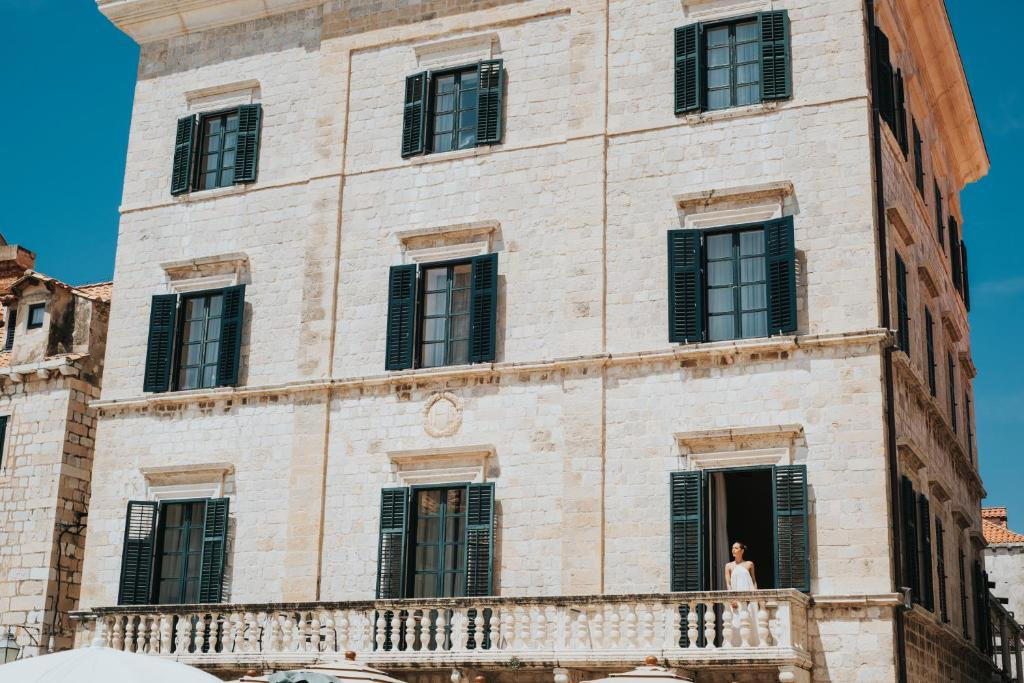
Konoba Pjatanca serves Traditional Dalmatian Croatian cooking in a historic building with terrace seating and waterfront street views, suited to leisurely lunches and dinners.
Pearl is the En Primeur Club membership app — saves, bookings, and concierge access live there. Same editors, same standards.
- Address
- Koločepska ul. 2, 20000, Dubrovnik, Croatia
- Phone
- +385989380023
- Website
- pjatanca.hr
- Directions
- Get directions
 Saves & bookings on Pearl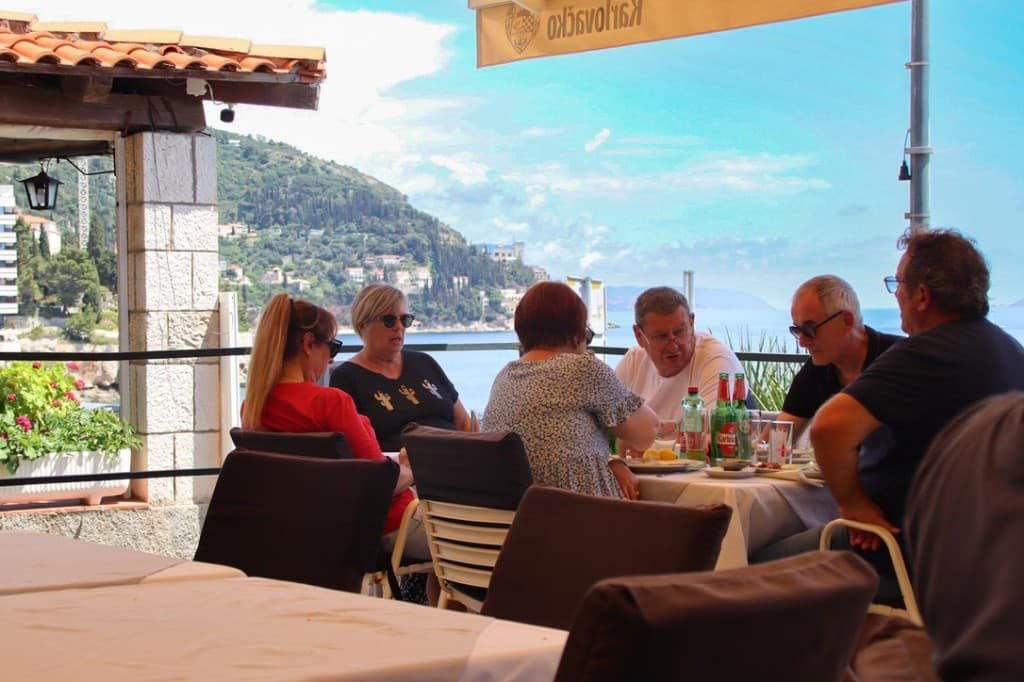
Stone Lanes, Shared Tables: Konoba Dining in the Old City
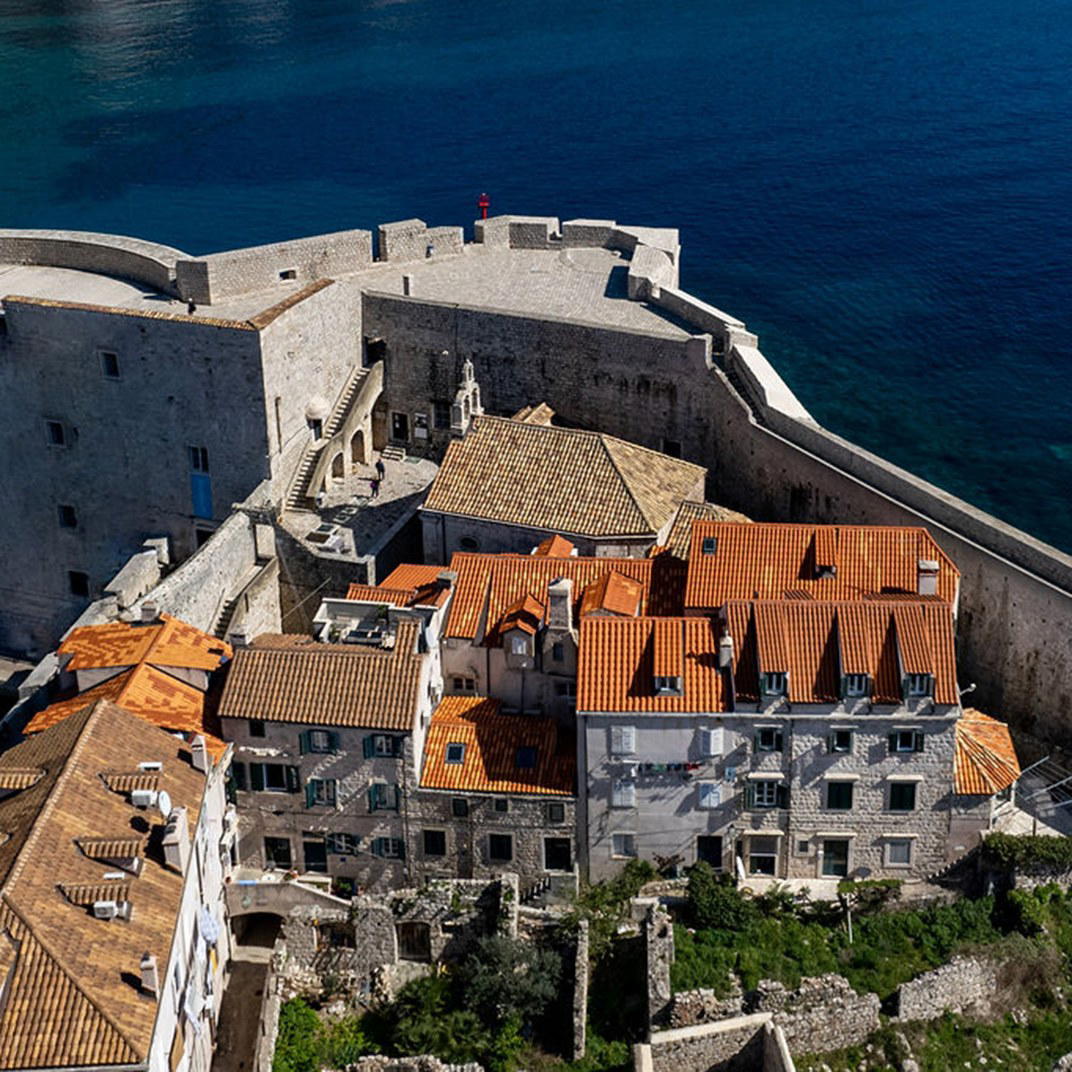
Koločepska ulica is the kind of street Dubrovnik's summer crowds tend to pass without slowing down. Narrow, shaded for most of the day, its worn limestone paving connecting residential layers of the Old Town rather than routing visitors between landmarks. Konoba Pjatanca is a restaurant in Dubrovnik serving traditional Dalmatian Croatian food. The konoba format is not a Dubrovnik invention, but it is one of the Adriatic coast's most coherent dining traditions: informal, ingredient-led, anchored in whatever the sea and the immediate hinterland provide, consumed at tables where strangers sometimes end up sharing bread and wine by the end of the night.
That format has survived considerable commercial pressure in Dubrovnik. The Old Town's restaurant trade has been progressively stratified over the past decade, with a tier of high-concept, view-commanding rooms pulling the premium end upward. Restaurant 360 (International, Modern Cuisine) anchors the formal end of that spectrum, with its terrace perched on the city walls and a menu priced to match. Below that, the mid-range is genuinely contested: Bistro Tavulin (Traditional Cuisine) and Above 5 occupy different points in the €€–€€€ corridor. Konoba Pjatanca belongs to the more rooted end of this picture, where the draw is the cooking itself rather than the altitude of the terrace or the boldness of the wine list's international reach.
How a Konoba Meal Moves
The tasting logic of a traditional Dalmatian konoba is not built around composed progression in the fine-dining sense. It is built around accumulation: small things that arrive early, fish or meat that anchors the middle, and a natural trailing off into something sweet or sharp to close. Bread comes with oil pressed from olives grown close enough to the coast that the result tastes faintly saline. The appetisers that follow in a competent konoba are where the kitchen's sourcing honesty is most visible. Pršut carved by hand, local cheeses at room temperature rather than straight from refrigeration, marinated anchovies or sardines in a preparation that owes more to the fisherman's habit than to any recipe card.
Transition to the main course in this tradition is not about technical complexity. It is about restraint: fish grilled over wood until the skin blisters and the flesh resists the fork for precisely the right number of seconds, then yields. The pairing logic across Dalmatia's coast has long favoured indigenous white varieties over international ones, and any konoba worth its reputation will hold bottles of Pošip or Grk alongside a house wine decanted from a jug. At Konoba Pjatanca's address on Koločepska ulica, the setting reinforces this unhurried tempo. The street does not encourage rushing.
Desserts in this format tend to be honest rather than architectural: rozata if the kitchen makes it well, or something built on figs or almonds from local supply chains that have been running since before the tourist economy reshaped the city's retail geography.
Situating Pjatanca in Dubrovnik's Dining Spread
For visitors orienting themselves in Dubrovnik's restaurant options, the key distinction is not price alone. It is whether a place is cooking from the logic of the place or cooking to a tourist expectation of what Dalmatian food should look like. That second category fills a lot of menus inside and around the Old Town walls with dishes that are technically Croatian but emotionally inert. The restaurant's position in a residential lane rather than a pedestrianised tourist artery is one indicator of which side of that line it occupies.
Comparison with other Dubrovnik mid-range rooms helps calibrate the choice. Barba leans into the street-food and seafood snack register, higher volume, faster tempo. Bistro 49 works a contemporary bistro format. The restaurant, by contrast, operates in the sit-down-and-stay mode that defines the konoba tradition at its most functional: unhurried service, a menu that rewards eating through rather than picking at, and a room scale that keeps the experience from becoming anonymous.
Across Croatia, the dining culture that Pjatanca represents has produced some of the country's most critically regarded restaurants. Pelegrini in Sibenik and LD Restaurant in Korčula both trace their ambition to the same Dalmatian larder, scaled up toward formal recognition. Agli Amici Rovinj in Rovinj and Nebo by Deni Srdoč in Rijeka represent the northern Adriatic variant of this coastal tradition. The konoba sits several rungs below those in ambition and price, but it is not a lesser version of the same thing: it is a different thing, with its own internal standard of success.
Inland, the Croatian table produces comparable sincerity in different registers. Dubravkin Put in Zagreb, Korak in Jastrebarsko, and Boskinac in Novalja each demonstrate how seriously Croatian kitchens take local sourcing when given the conditions to do it properly. Alfred Keller in Mali Losinj and BioMania Bistro Bol in Bol add further texture to the island and coastal chapters of that map. Krug in Split offers the clearest analogue to Dubrovnik's own mid-range ambition.
Planning the Visit
Koločepska ulica 2 places Pjatanca inside the Old Town walls, reachable on foot from the Pile Gate in under ten minutes. Dubrovnik's summer months compress the dining window considerably: the city receives a substantial share of its annual visitors between June and September, and tables at well-regarded smaller rooms fill quickly. Arriving without a reservation during peak months is a calculation that favours patience over certainty. The shoulder seasons, April through May and October, offer both better table availability and conditions better suited to the konoba's slower rhythm. For a wider orientation across the city's restaurant options,
Those calibrating Dubrovnik against other dining cities on the same trip will find the Adriatic coast holds its own in the traditional category without needing comparison to major European capitals. Even for visitors arriving from rooms at the level of Le Bernardin in New York City or Atomix in New York City, the shift in register that a konoba represents is worth making deliberately: the intelligence is in the sourcing and the tempo, not in the technique.
Where the Accolades Land
Comparable venues nearby, for context on price, style, and recognition.
| Venue | Cuisine | Price | Awards | Notes |
|---|---|---|---|---|
| Konoba PjatancaThis venue — the venue you are viewing | Traditional Dalmatian Croatian | $$ | Not listed | Not listed |
| Ul. od Sigurate 2 | Mediterranean Seafood | $$$ | Not listed | Old Town |
| Pantarul | Modern Croatian Mediterranean | $$ | Not listed | Lapad |
| Porat | Modern Croatian Seafood Grill | $$ | Not listed | Gruž |
| Barba | Dalmatian Seafood Street Food | $$ | Not listed | Old Town |
| Bistro Tavulin | Modern Croatian Mediterranean Bistro | $$ | Michelin Plate | Old Town |
Continue exploring
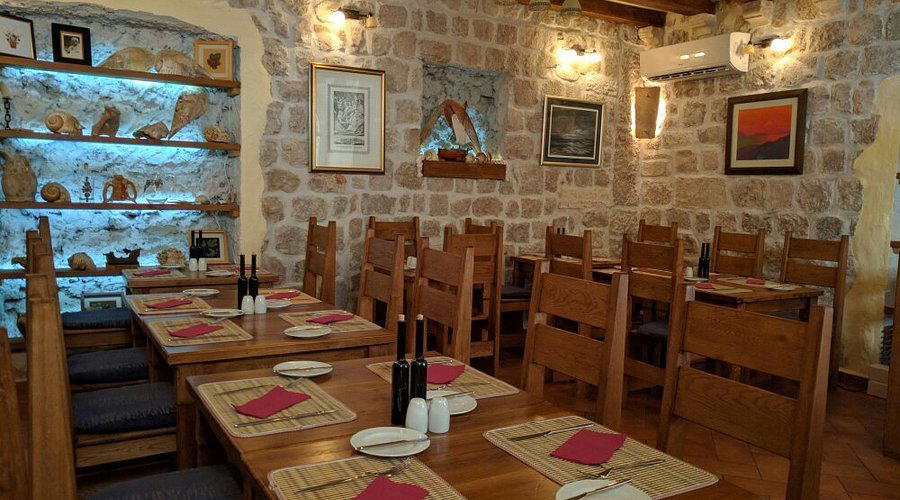
More in Dubrovnik
Restaurants in Dubrovnik
Browse all →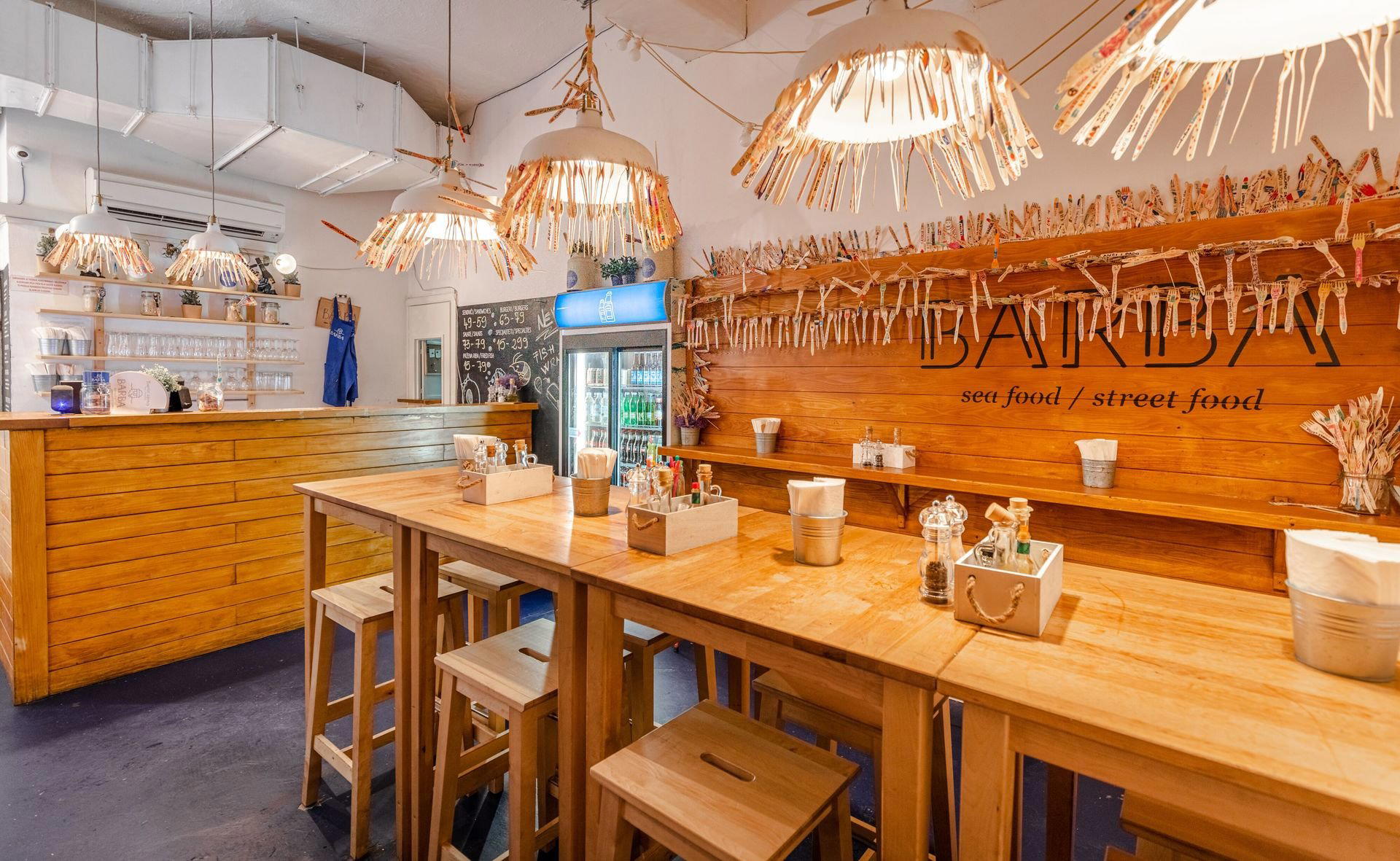
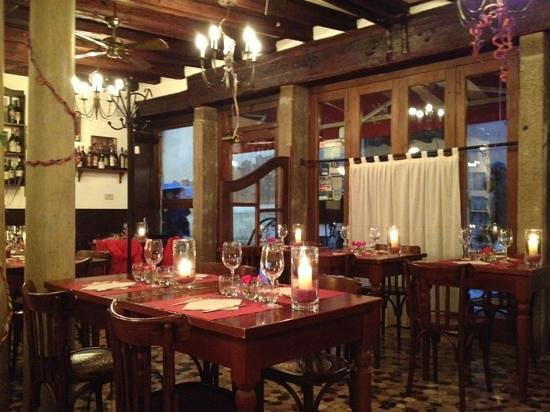
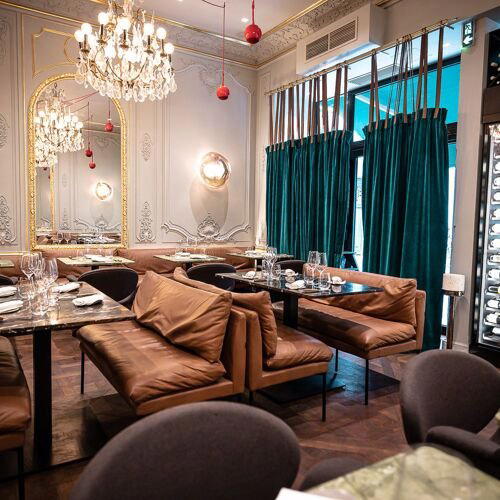
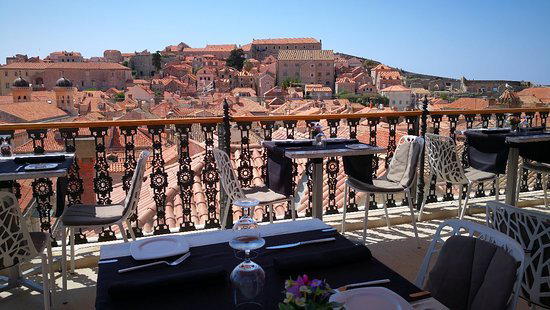
Bars in Dubrovnik
Browse all →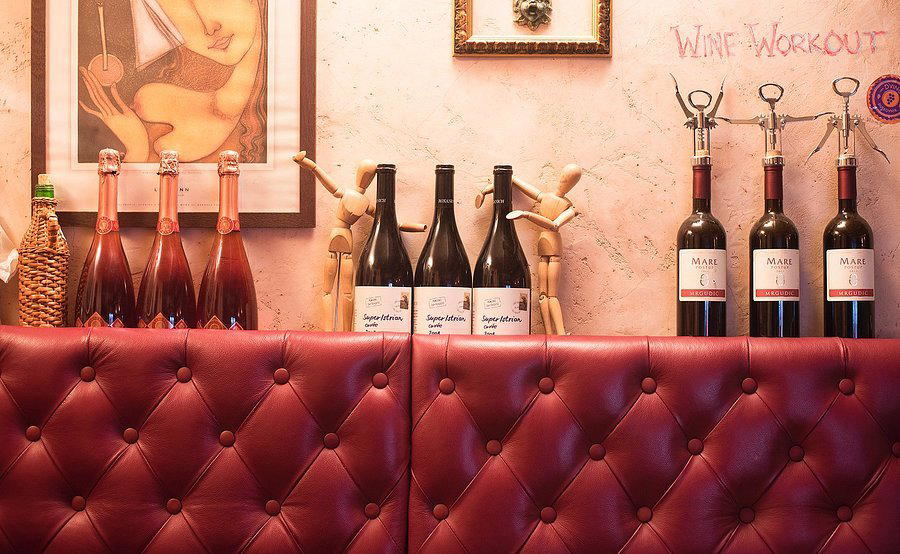

At a Glance
- Cozy
- Rustic
- Scenic
- Family
- Casual Hangout
- Special Occasion
- Terrace
- Historic Building
- Local Sourcing
- Waterfront
- Street Scene
Current opening hours
- Monday
- 9 AM–12 AM
- Tuesday
- 9 AM–12 AM
- Wednesday
- 9 AM–12 AM
- Thursday
- 9 AM–12 AM
- Friday
- 9 AM–12 AM
- Saturday
- 9 AM–12 AM
- Sunday
- 9 AM–12 AM
Hours can change for holidays and private events. Last verified .
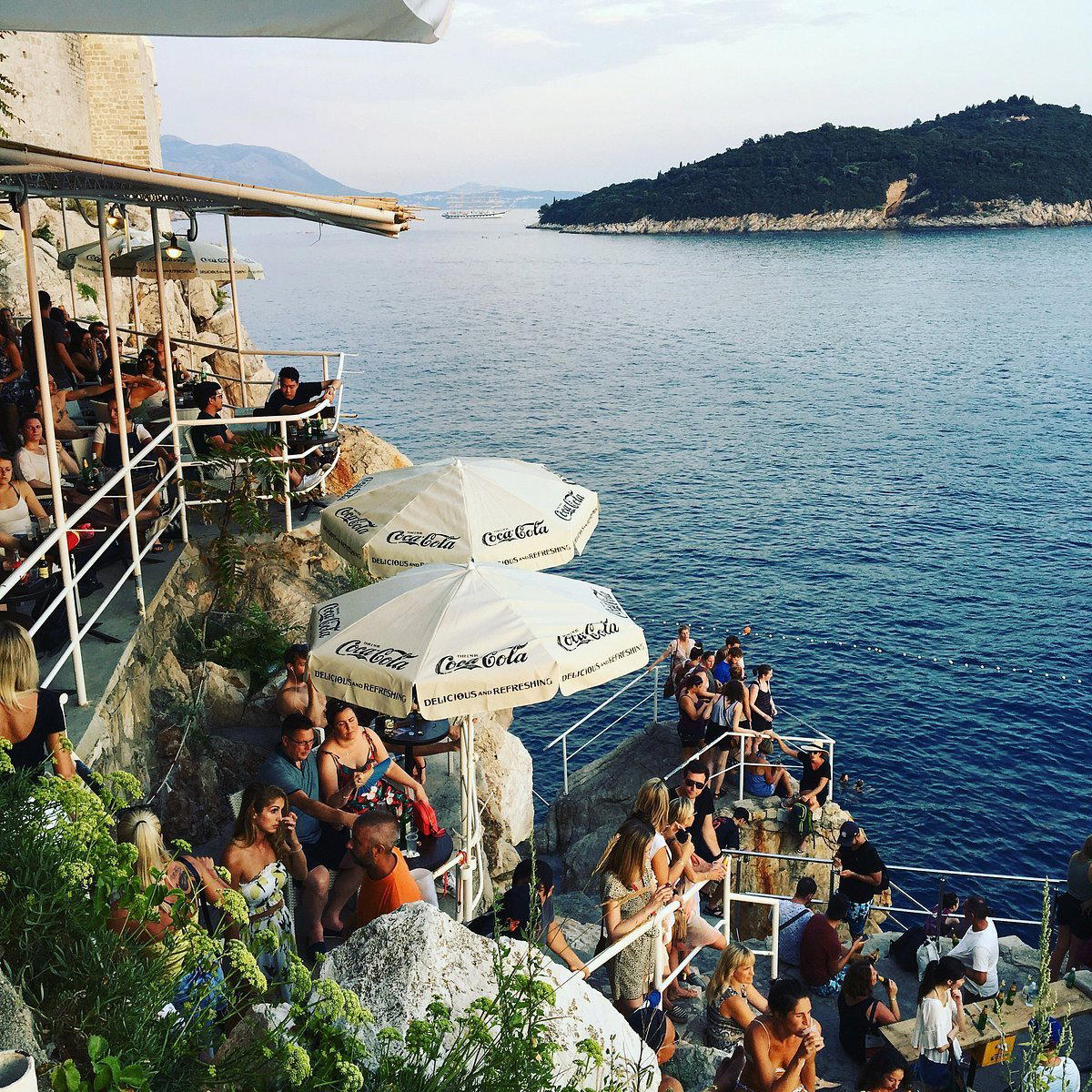
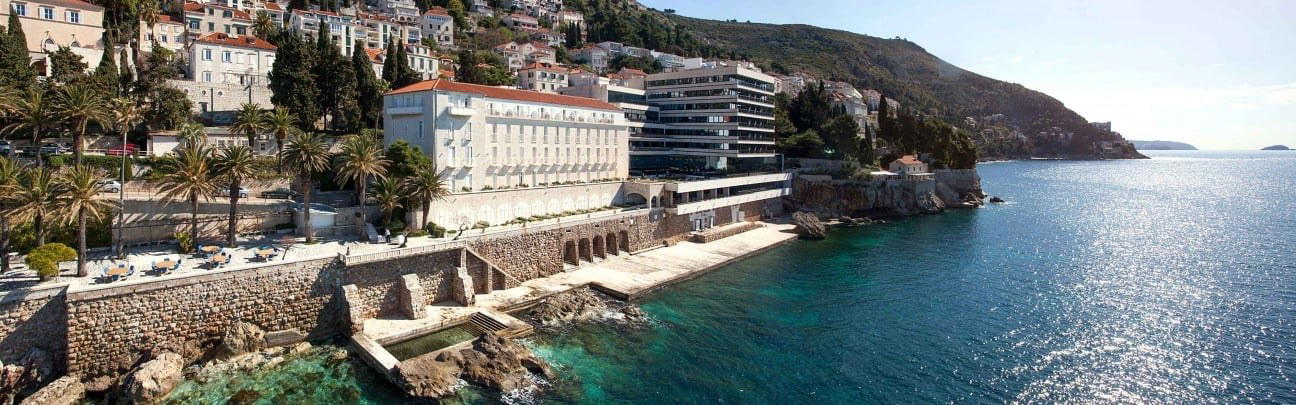
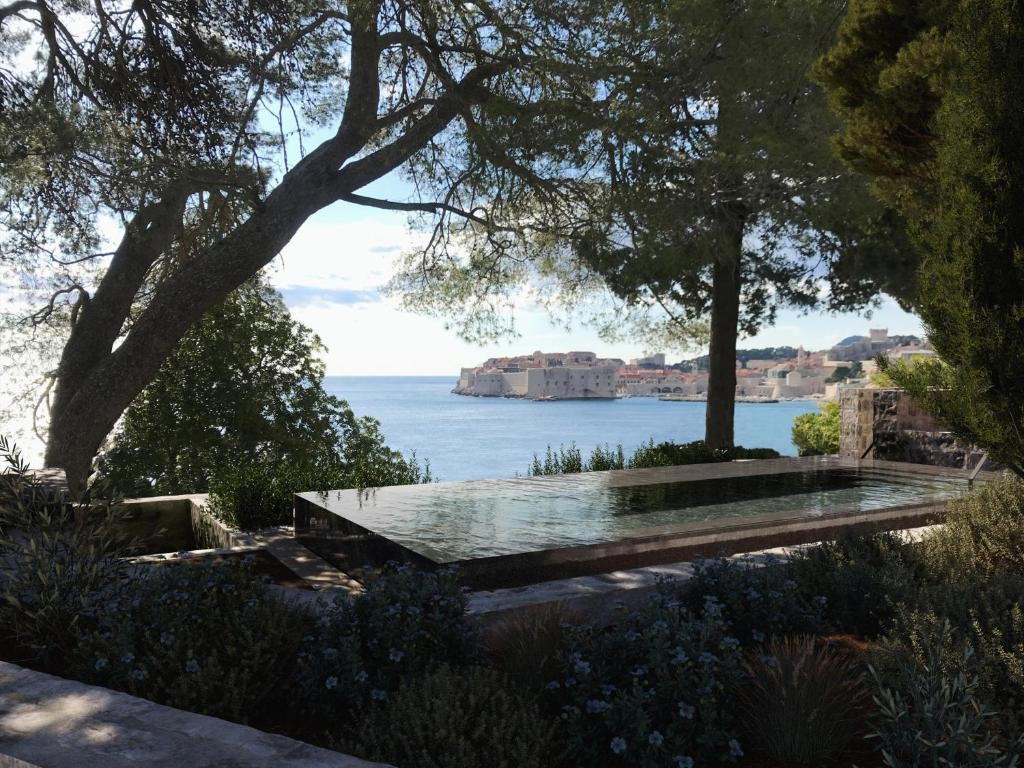
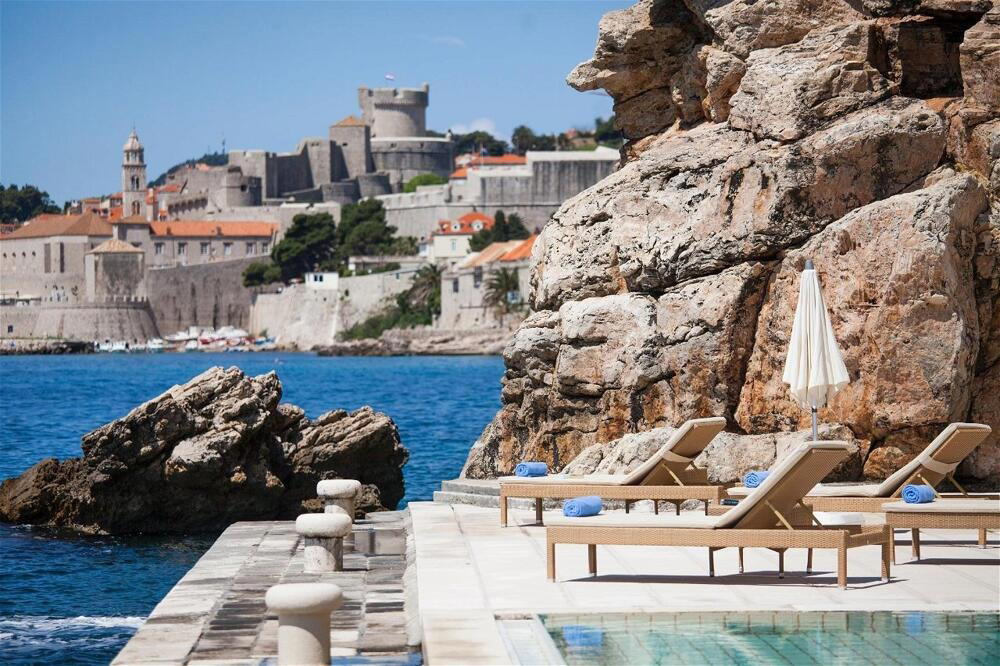
Cozy and authentically Dalmatian with a welcoming family atmosphere, terrace offering sea views to Lokrum island, and simple traditional decor.