Kenks occupies a quieter corner of Vienna's 14th district, at Tiefendorfergasse 1, sitting at some distance from the city's concentrated fine-dining corridor. With Vienna's serious restaurant scene extending well beyond the first-district institutions, Kenks represents the kind of neighbourhood-anchored address that rewards the reader willing to move past the postcard centre. Details on cuisine format and booking are best confirmed directly with the venue.
Pearl is the En Primeur Club membership app — saves, bookings, and concierge access live there. Same editors, same standards.
- Address
- Tiefendorfergasse 1, 1140 Wien, Austria
- Phone
- +434319420592
- Website
- kenks.at
- Directions
- Get directions
 Saves & bookings on Pearl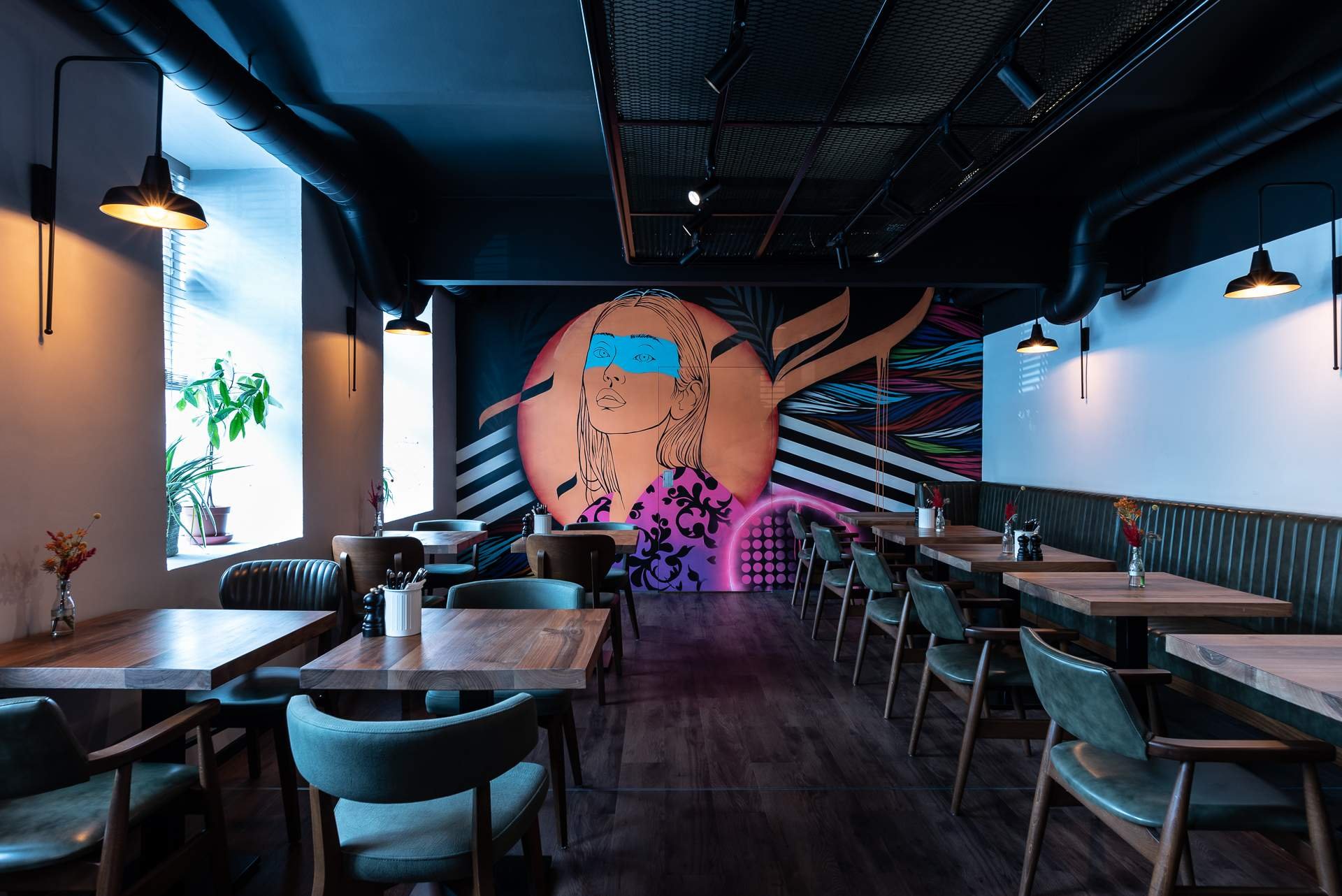
Dining Beyond the Ring: Vienna's Neighbourhood Restaurant Culture
Vienna's serious restaurant culture has long concentrated around the first district and the Stadtpark axis, where addresses like Steirereck im Stadtpark and Amador anchor the city's most-discussed tier. But the Austrian capital has always sustained a parallel track of neighbourhood restaurants that operate outside that visibility zone, drawing local regulars rather than hotel concierge referrals. The 14th district, Penzing, sits on the western edge of the city where the urban grid begins to loosen, and it is in this context that Kenks, at Tiefendorfergasse 1, is a restaurant in Vienna's 14th district, Penzing.
The shift from inner-city dining ritual to district-level neighbourhood restaurant is not merely geographic. It changes the pacing of a meal, the assumptions guests carry through the door, and the kind of attention the kitchen can sustain when it is not feeding a room full of first-time visitors on tasting-menu timelines. In Vienna, that neighbourhood model has produced some of the city's more coherent dining experiences precisely because the room and the kitchen share an understanding of what the evening is for.
The Ritual of a Neighbourhood Meal
Austrian dining culture retains a formality of pace that distinguishes it from the faster rhythms of, say, a London or New York neighbourhood restaurant. A meal in Vienna, even at a non-ceremonial address, tends to move through its courses with deliberate spacing. Conversation is expected to fill that space. The table is not turned on a schedule that competes with the food. This is a tradition rooted partly in the Viennese coffee house habit of treating a seat as a right rather than a privilege, and it carries into the restaurant setting: you are expected to stay, and the kitchen is expected to merit the time.
That framework matters when assessing a venue like Kenks, where the surrounding district context suggests a room that operates on neighbourhood rhythms rather than destination-restaurant theatrics. Addresses of this type in Vienna sit in a different competitive comparable set from the Michelin-tracked corridor that includes Konstantin Filippou or Mraz & Sohn. They are measured instead against the standard of whether the food justifies the trip out of the centre, and whether the room feels like part of the neighbourhood or merely located in it.
The 14th District and What It Asks of a Restaurant
Penzing is a residential district. It does not carry the cultural freight of the first district, nor the design-led identity of the seventh. What it offers is a quieter urban texture: wider streets, lower building density, a more local foot traffic pattern. A restaurant that opens here is making an implicit argument that the food, or the atmosphere, or both, are reason enough to come without the surrounding neighbourhood providing additional draw.
That argument is more demanding than it sounds. The city's most-discussed addresses, including Doubek, succeed partly because the surrounding environment creates a context of expectation before the guest has touched the door handle. A restaurant in the 14th has to do more of that work itself.
Austria's Wider Fine-Dining Geography
Vienna is not the only node in Austria's serious restaurant network, and understanding Kenks in its national context matters for readers who are building a broader Austrian itinerary. The country's dining geography extends well beyond the capital. In Salzburg, Ikarus operates a rotating guest-chef format that places it outside any standard category. Further into the alpine corridor, Döllerer in Golling an der Salzach and Obauer in Werfen have built reputations grounded in regional produce and long operational histories. In the western alpine resorts, Griggeler Stuba in Lech and Gourmetrestaurant Tannenhof in Sankt Anton am Arlberg serve a seasonal clientele that maps to the ski calendar.
Across the country, the range also includes Kräuterreich by Vitus Winkler in Sankt Veit im Pongau, Landhaus Bacher in Mautern an der Donau, Schwarzer Adler in Hall in Tirol, Restaurant 141 by Joachim Jaud in Mieming, and Ois in Neufelden. Taken together, they describe a country where serious food is not concentrated in the capital but distributed across regions with distinct produce identities and seasonal patterns.
For readers coming to Vienna from further afield, the comparison point is not necessarily other Austrian cities but other European capitals. The dining ritual in Vienna differs materially from Paris or Copenhagen in its relationship to time and formality. It is closer in some ways to the Northern Italian tradition of a long, unhurried meal that treats the table as a social institution rather than a transaction. That context shapes expectations for any Vienna address, including one as data-sparse in the public record as Kenks.
How Kenks Compares Within Vienna's Current Scene
Vienna's €€€€ tier is anchored by a set of addresses with Michelin recognition and established tasting-menu formats. Below that tier, the city supports a range of neighbourhood restaurants where the format is often more flexible and the price-to-quality relationship can be more direct. Kenks at Tiefendorfergasse 1 sits outside the tracked fine-dining corridor.
Vienna's outer districts offer a different register entirely. The question for Kenks is how the kitchen and room hold up to that context.
For international reference points on neighbourhood dining, Le Bernardin in New York City and Atomix in New York City illustrate how a room's ritual and pacing can function as a delivery mechanism for the kitchen's ambitions, independent of neighbourhood prestige.
Know Before You Go
- Address: Tiefendorfergasse 1, 1140 Wien, Austria
- District: 14th district (Penzing), western Vienna
- Price range: Not confirmed, verify before visiting
- Booking: Walk-in availability and reservation policy not confirmed; contact venue in advance
Nearby-ish Comparables
Comparable venues nearby, for context on price, style, and recognition.
| Venue | Cuisine | Price | Notes |
|---|---|---|---|
| KenksThis venue — the venue you are viewing | Modern Fusion Burgers & Brunch | $$ | Not listed |
| toast.ed | Korean-Inspired Egg Drop Toasts | $$ | Mariahilf |
| Soulmate | Fusion Cocktails & Fine Dining | $$$ | Neubau |
| Ballroom - damn.good.dumplings | Fusion Dumplings | $$ | Inner City |
| Galaxie | Balkan Grill | $$ | Neubau |
| Teddy's American Diner | Classic American Diner | $$ | Mariahilf |
Continue exploring
More in Vienna
Restaurants in Vienna
Browse all →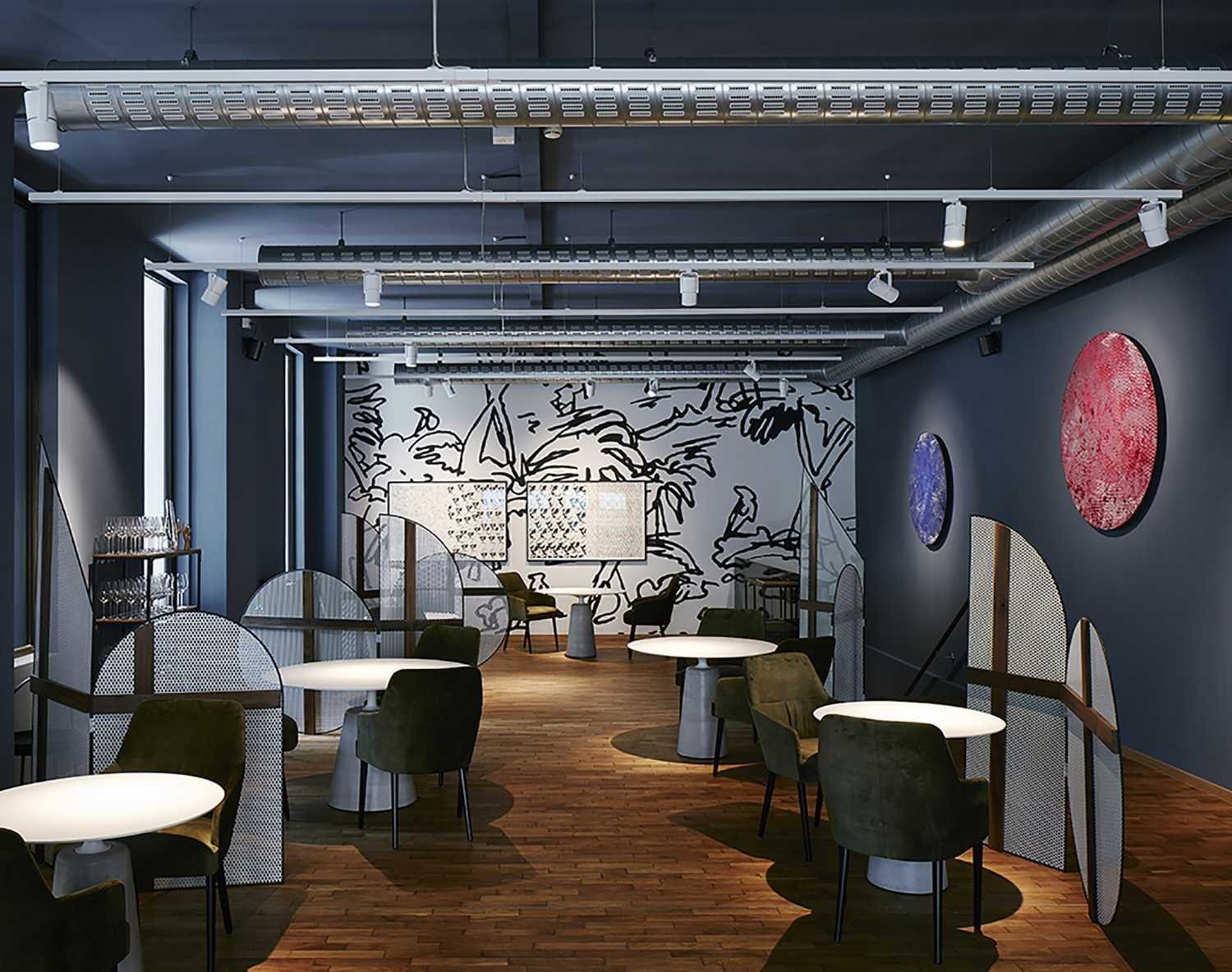
![[aend] restaurant in Vienna](https://cdn.enprimeurclub.com/storage/v1/object/public/images/locations/recsVyRkMfzCxPmp0/hero2.jpg?width=3840&quality=75)
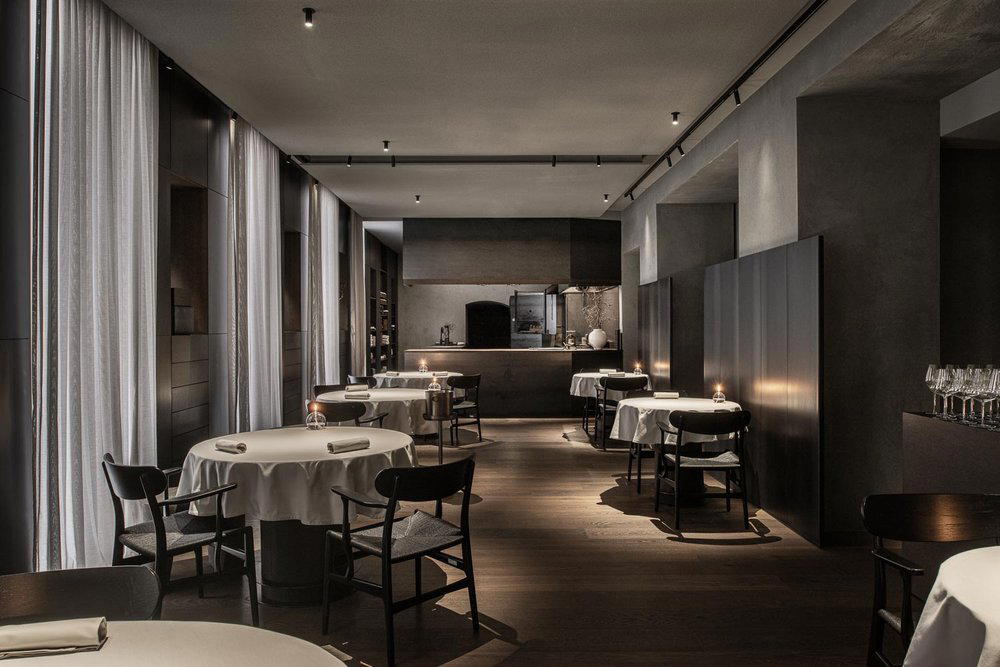
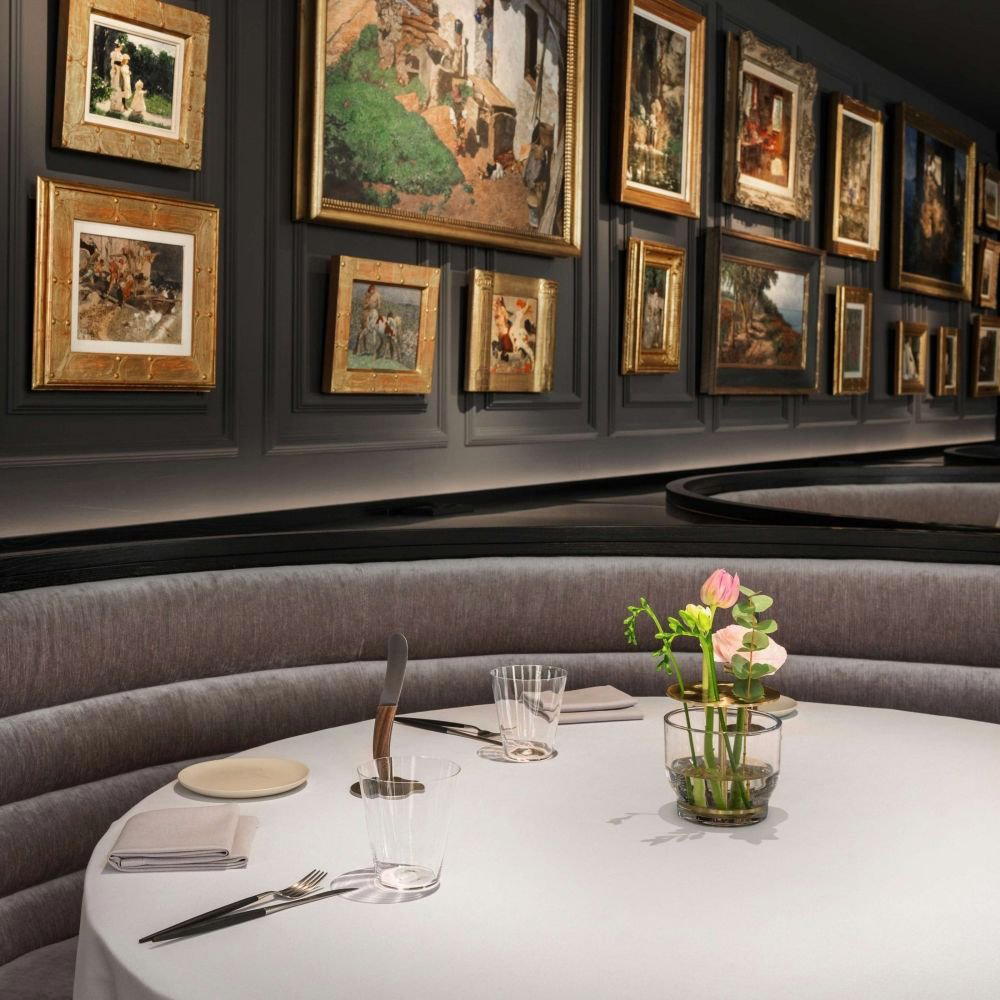
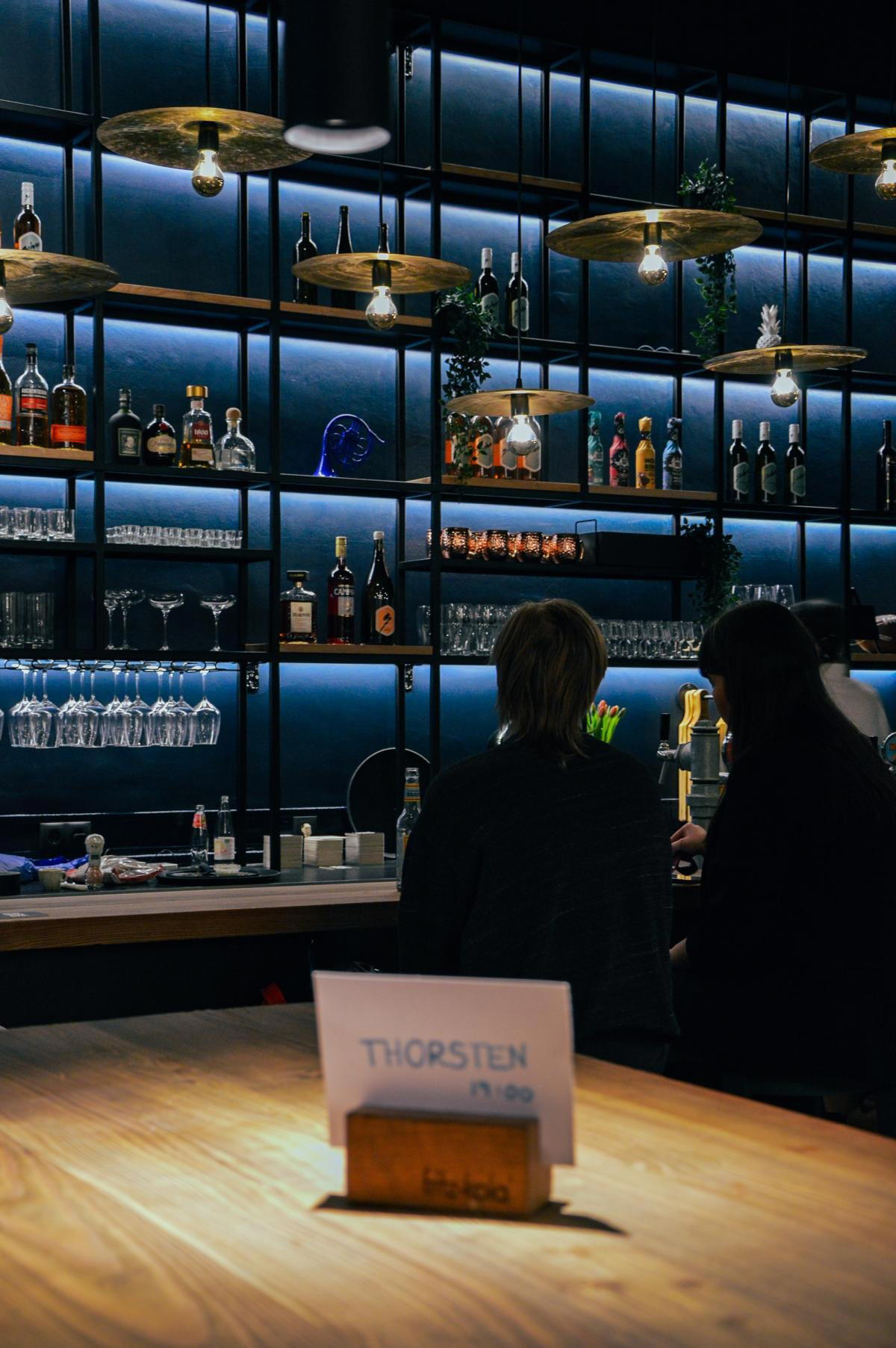
Bars in Vienna
Browse all →

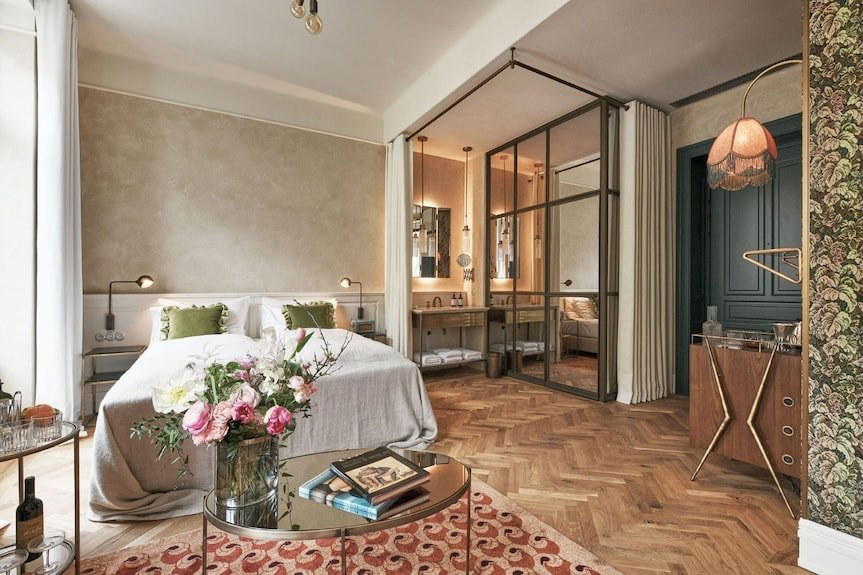
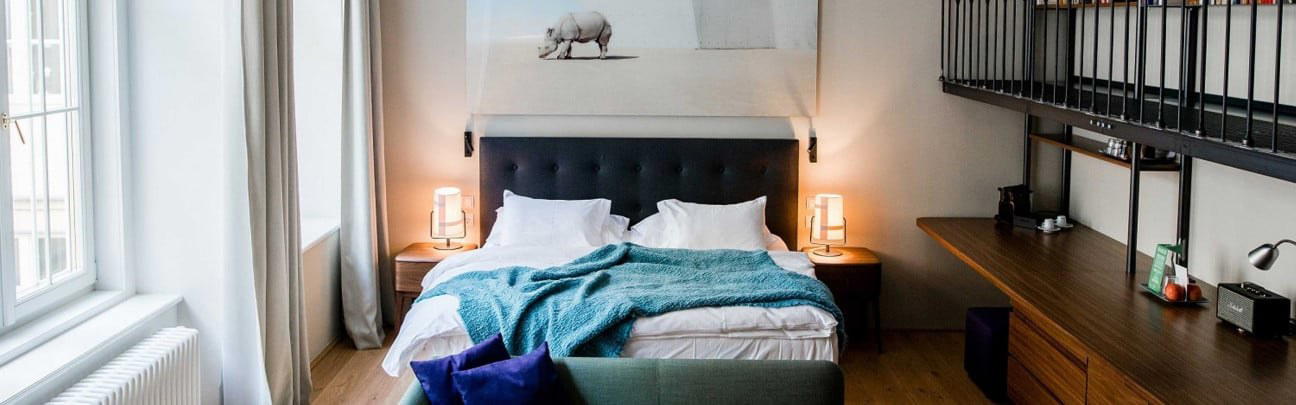
Hotels in Vienna
Browse all →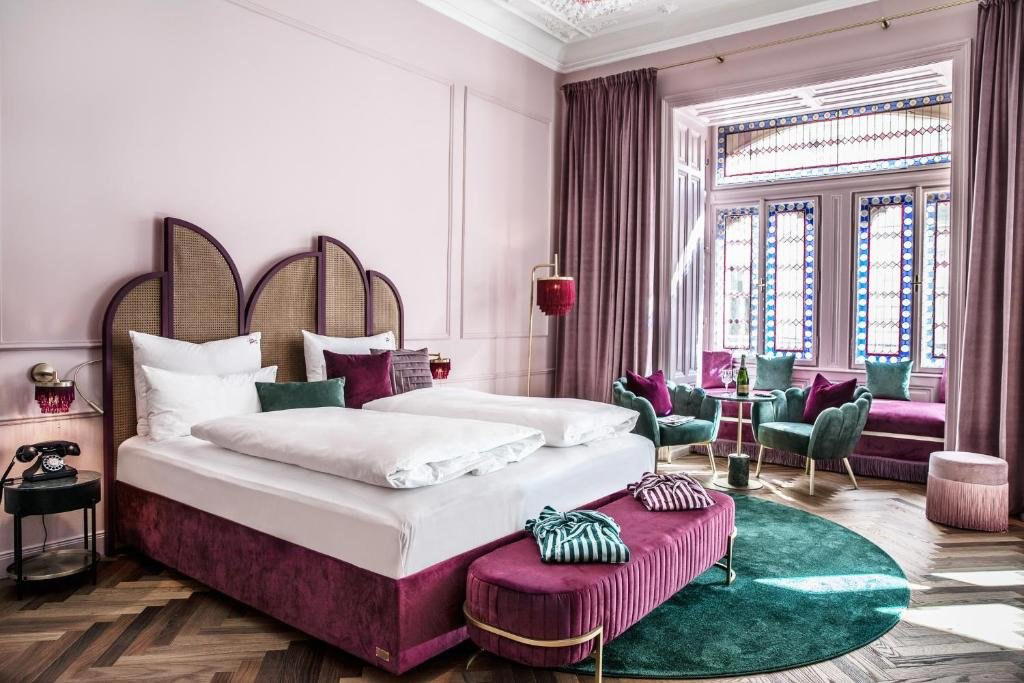
At a Glance
- Trendy
- Cozy
- Casual Hangout
- Brunch
- Open Kitchen
Current opening hours
- Monday
- Closed
- Tuesday
- 11:30 AM–11 PM
- Wednesday
- 11:30 AM–11 PM
- Thursday
- 11:30 AM–11 PM
- Friday
- 11:30 AM–11 PM
- Saturday
- 9 AM–11 PM
- Sunday
- 9 AM–10 PM
Hours can change for holidays and private events. Last verified .
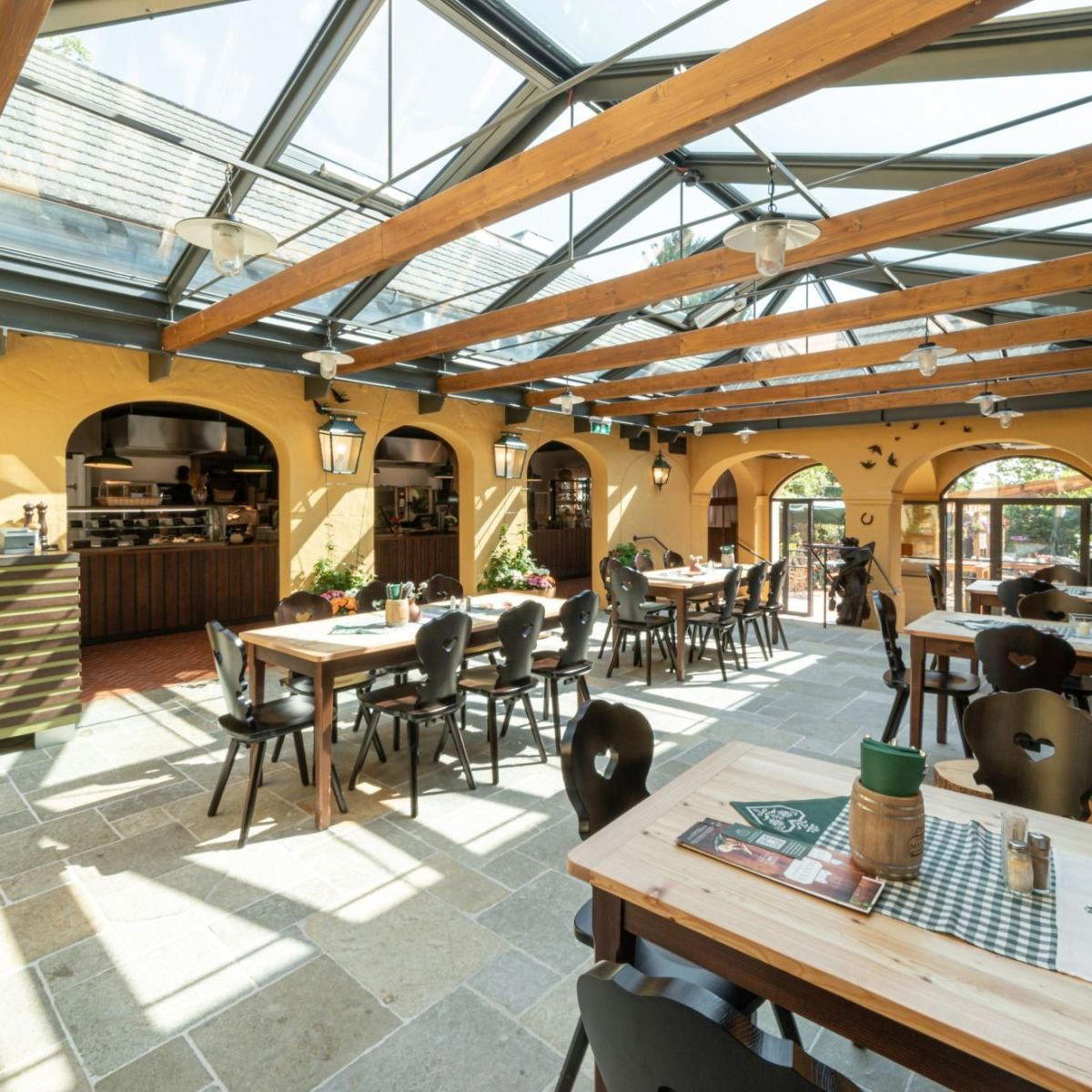
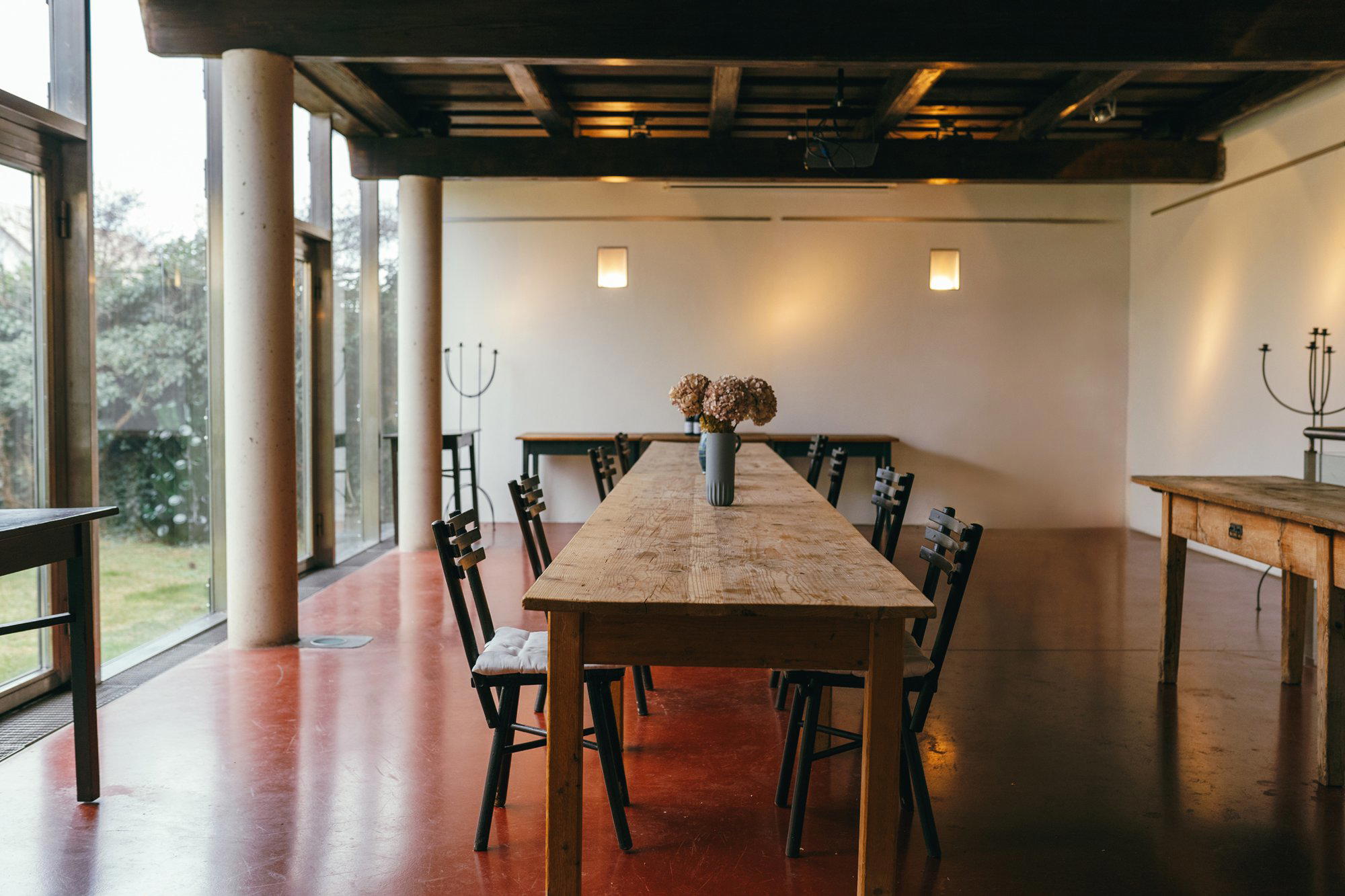
Casual and trendy atmosphere mimicking inner-city hotspots, suitable for relaxed breakfasts, brunches, and bar hangs.