Maria und Josef occupies a corner address in Vienna's Sixth District, where the Naschmarkt crowd gives way to quieter residential streets. The restaurant sits within a segment of the city's dining scene that prizes locally sourced Austrian produce shaped by technique drawn from broader European traditions. For visitors timing a trip around the spring and early summer market season, it represents a considered stop on Vienna's mid-tier creative circuit.
Pearl is the En Primeur Club membership app — saves, bookings, and concierge access live there. Same editors, same standards.
- Address
- Rahlgasse 1, 1060 Wien, Austria
- Phone
- +434319461775
- Website
- mariaundjosefwien.at
- Directions
- Get directions
 Saves & bookings on Pearl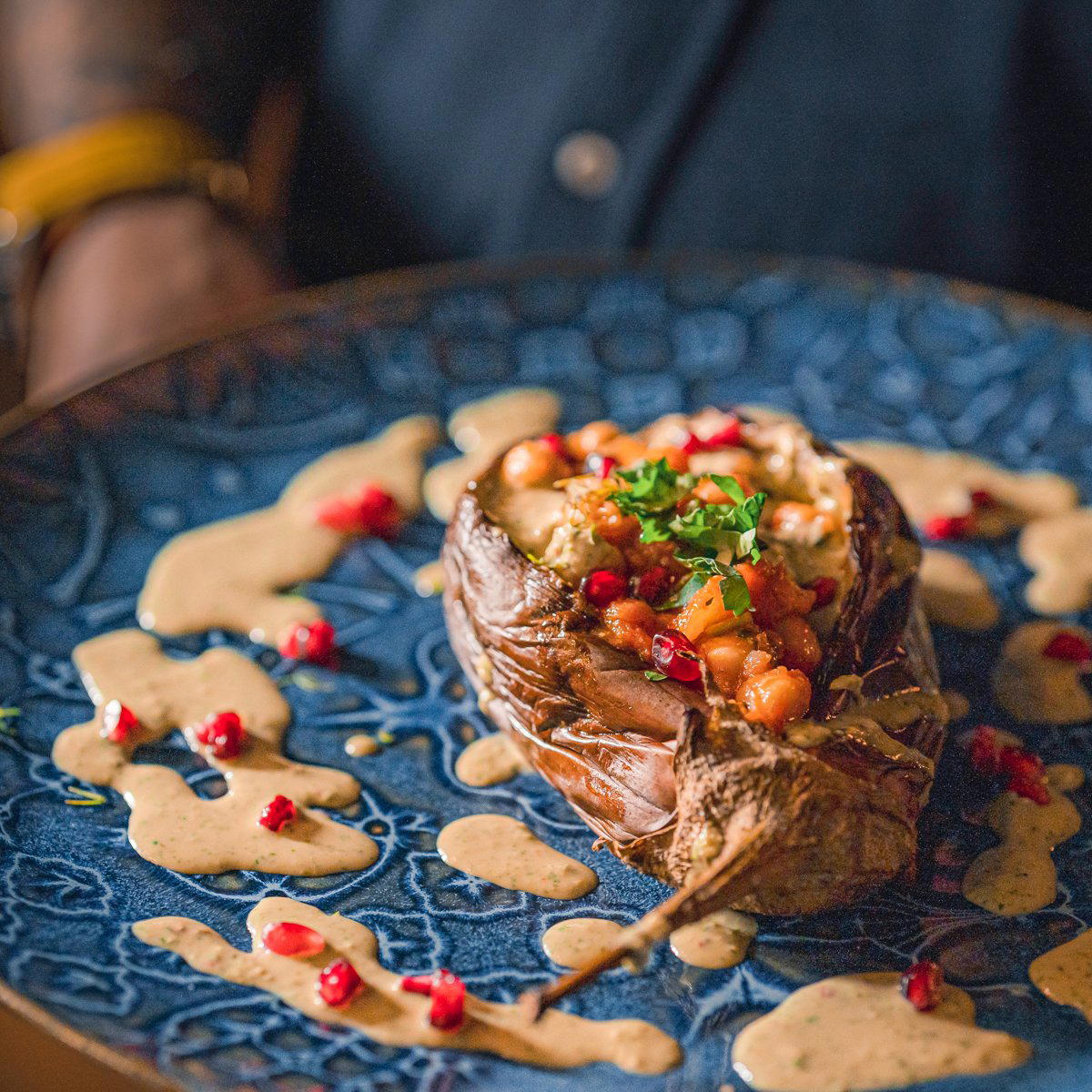
Rahlgasse and the Sixth District's Quiet Confidence
Vienna's Sixth District, the Mariahilf, resolves itself gradually as you move away from the Naschmarkt's produce stalls and street noise toward the residential grid that fills in behind it. Rahlgasse sits near that transition point: close enough to the market to draw on its seasonal logic, far enough from the tourist corridor that the clientele skews local. The restaurants that take root in streets like this one tend to be built around a particular kind of regularity, neighbourhood trust, returning guests, and menus that shift with what's available rather than what photographs well.
Maria und Josef sits at Rahlgasse 1, a corner position that puts it at the meeting point of several residential thoroughfares. In Viennese dining terms, this part of the Sixth is neither the grand boulevard tier of the First District nor the self-consciously alternative fringe of the Seventh or Neubau. It occupies a middle register that suits a certain kind of cooking: ingredient-led, European in technique, Austrian in its sourcing instincts.
Local Produce, Borrowed Technique: A Pattern Across Austrian Fine Dining
One coherent strand running through Vienna's creative restaurant tier is the pairing of Austrian agricultural identity with methods absorbed from French, Scandinavian, and Mediterranean traditions. This is not a recent development. Steirereck im Stadtpark has been refining this combination for decades, using the Stadtpark setting to ground an essentially European-technique kitchen in distinctly Austrian produce. Mraz & Sohn operates on a similar axis in Brigittenau, with a creative register that draws on fermentation, curing, and preservation techniques that would be recognisable in Copenhagen or Lyon, applied to produce from the Alpine foothills and Pannonian plain.
The pattern extends beyond the capital. Döllerer in Golling an der Salzach has built a reputation around what it calls Alpine cuisine, treating mountain ingredients with classical rigour. Obauer in Werfen has sustained a similar approach for long enough that it now functions as a reference point for the style. Kräuterreich by Vitus Winkler in Sankt Veit im Pongau takes the herb and forage dimension of this tradition furthest, building an entire menu logic around what grows at altitude in Salzburgerland.
Maria und Josef, at its corner in Mariahilf, operates within this broader Austrian tendency. That positioning is a feature, not a limitation. The restaurant's address in a working neighbourhood, rather than a park or a hotel, signals a kitchen that competes on what arrives on the plate rather than on ambient grandeur.
The Spring and Summer Case for Visiting
The Naschmarkt, roughly 400 metres from Rahlgasse, is one of Central Europe's most consequential open-air markets for restaurant sourcing. Its vendors include Austrian farmers operating on seasonal cycles, import specialists, and producers from Hungary, the Balkans, and the Eastern Mediterranean. For kitchens in the immediate neighbourhood, the market functions as a real-time ingredient index: what's abundant, what's just arrived, what's running out.
Spring, from late March through May, is when this dynamic produces its sharpest results. White asparagus from the Marchfeld region east of Vienna dominates menus across the city during this window, treated with a reverence that borders on ceremonial in higher-end kitchens. Early morels, ramps, and the first Austrian strawberries follow in sequence. Restaurants at this tier in Vienna typically restructure their menus around these arrivals, which means a visit in April or May captures the kitchen at its most seasonally tuned.
By contrast, the winter months, December through February, tend to see a different register: root vegetables, game from Austrian and Styrian estates, preserved and fermented elements that reflect the country's deep larder tradition. Both seasons have their own internal logic, but the spring produce window is, for most visitors planning a single trip, the higher-yield period.
Placing Maria und Josef in Vienna's Creative Tier
Vienna's creative restaurant segment has stratified over the past decade into roughly two layers. The upper layer is represented by Konstantin Filippou, whose Modern European approach draws on Greek-Austrian biography, and Amador, which brings a Spanish-inflected creative sensibility to the First District. These kitchens operate at €€€€ price points and function more as destination restaurants than neighbourhood anchors.
Below that layer sits a more porous tier of creative, ingredient-led restaurants that price and position themselves for regulars as much as for destination diners. Doubek occupies this space with a focused format. The restaurant reads similarly: a Sixth District address, a corner site that suggests accessibility over exclusivity, and a name that carries no chef-celebrity freight. This positioning aligns it with restaurants in comparable European cities where consistent cooking happens not at the trophy end but at the serious-but-unpretentious middle.
For a broader sense of where this fits within Austria's creative dining geography, consider restaurants outside Vienna. Ikarus in Salzburg operates a rotating guest-chef format that imports international technique in a structured way. Griggeler Stuba in Lech and Gourmetrestaurant Tannenhof in Sankt Anton am Arlberg operate in Alpine resort settings where seasonal produce and European technique converge under different climatic and sourcing conditions. Landhaus Bacher in Mautern an der Donau and Ois in Neufelden represent the rural Austrian counterpoint: kitchens where the distance from urban supply chains sharpens the sourcing imperative. Schwarzer Adler in Hall in Tirol and Restaurant 141 by Joachim Jaud in Mieming extend this pattern into Tirol.
The global analogue for the technique-import question is instructive. Le Bernardin in New York City has for decades demonstrated how classical French method applied to non-French ingredients produces a coherent identity. Atomix in New York City does something structurally similar from a Korean culinary base. The Austrian version of this exchange tends to be less theorised but no less real: technique flows in from France, Scandinavia, and the Mediterranean; the produce stays local.
Planning a Visit
| Venue | District | Price Tier | Cuisine Register |
|---|---|---|---|
| The restaurant | 6th (Mariahilf) | Not confirmed | Local ingredients, European technique |
| Steirereck im Stadtpark | 3rd (Landstraße) | €€€€ | Creative Austrian |
| Konstantin Filippou | 1st (Innere Stadt) | €€€€ | Modern European |
| Mraz & Sohn | 20th (Brigittenau) | €€€€ | Modern Austrian, Creative |
| Doubek | Vienna | Not confirmed | Creative |
Similar Picks
Comparable venues nearby, for context on price, style, and recognition.
| Venue | Cuisine | Price | Notes |
|---|---|---|---|
| Maria und JosefThis venue — the venue you are viewing | Persian-Mediterranean Fusion | $$ | Not listed |
| Bojito | Latin-Inspired Cocktail Bar | $$ | Stephansdom |
| Shiso Burger | Asian Fusion Gourmet Burgers | $$ | Hofburg |
| tschak | Creative Fusion Tacos & Tapas | $$ | Stephansdom |
| Cafe Heuer | Modern Austrian Fusion with Small Plates | $$$ | Wieden |
| Die Tackerei | Austrian-Mexican Fusion Tacos | $ | Hernals |
Continue exploring
More in Vienna
Restaurants in Vienna
Browse all →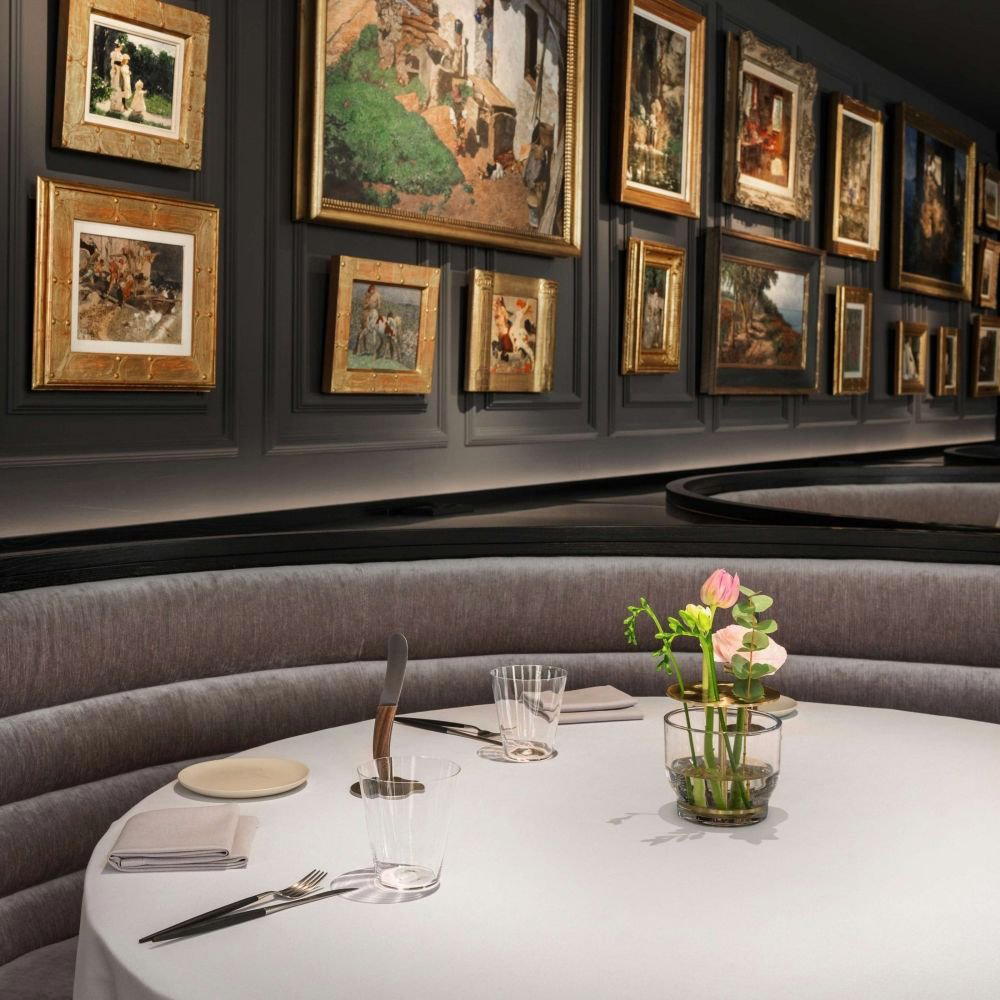
Bars in Vienna
Browse all →

Hotels in Vienna
Browse all →
At a Glance
- Cozy
- Elegant
- Intimate
- Date Night
- Casual Hangout
- Open Kitchen
- Extensive Wine List
Current opening hours
- Monday
- 5 PM–12 AM
- Tuesday
- 5 PM–12 AM
- Wednesday
- 5 PM–12 AM
- Thursday
- 5 PM–12 AM
- Friday
- 5 PM–12 AM
- Saturday
- 5 PM–12 AM
- Sunday
- Closed
Hours can change for holidays and private events. Last verified .
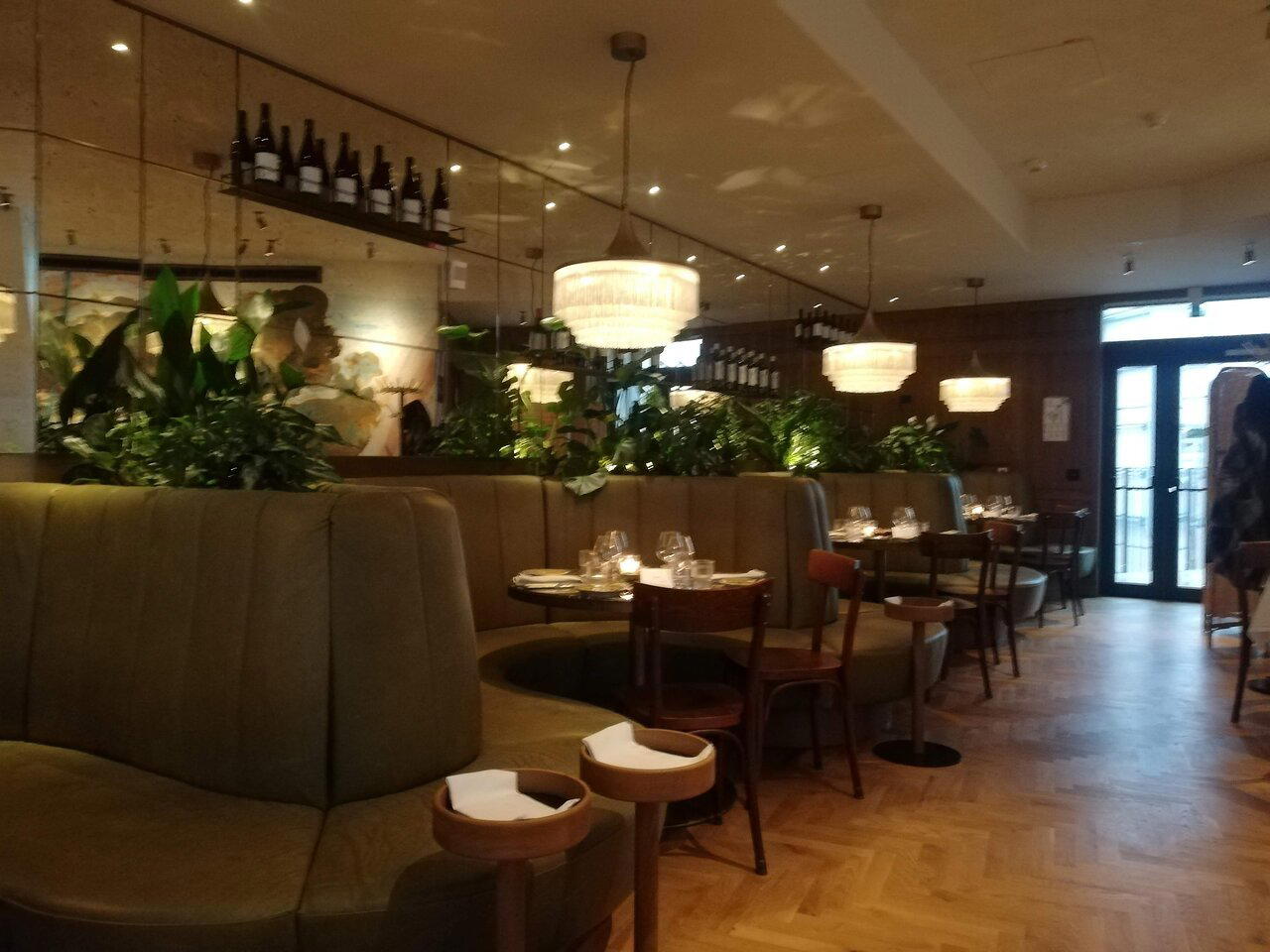
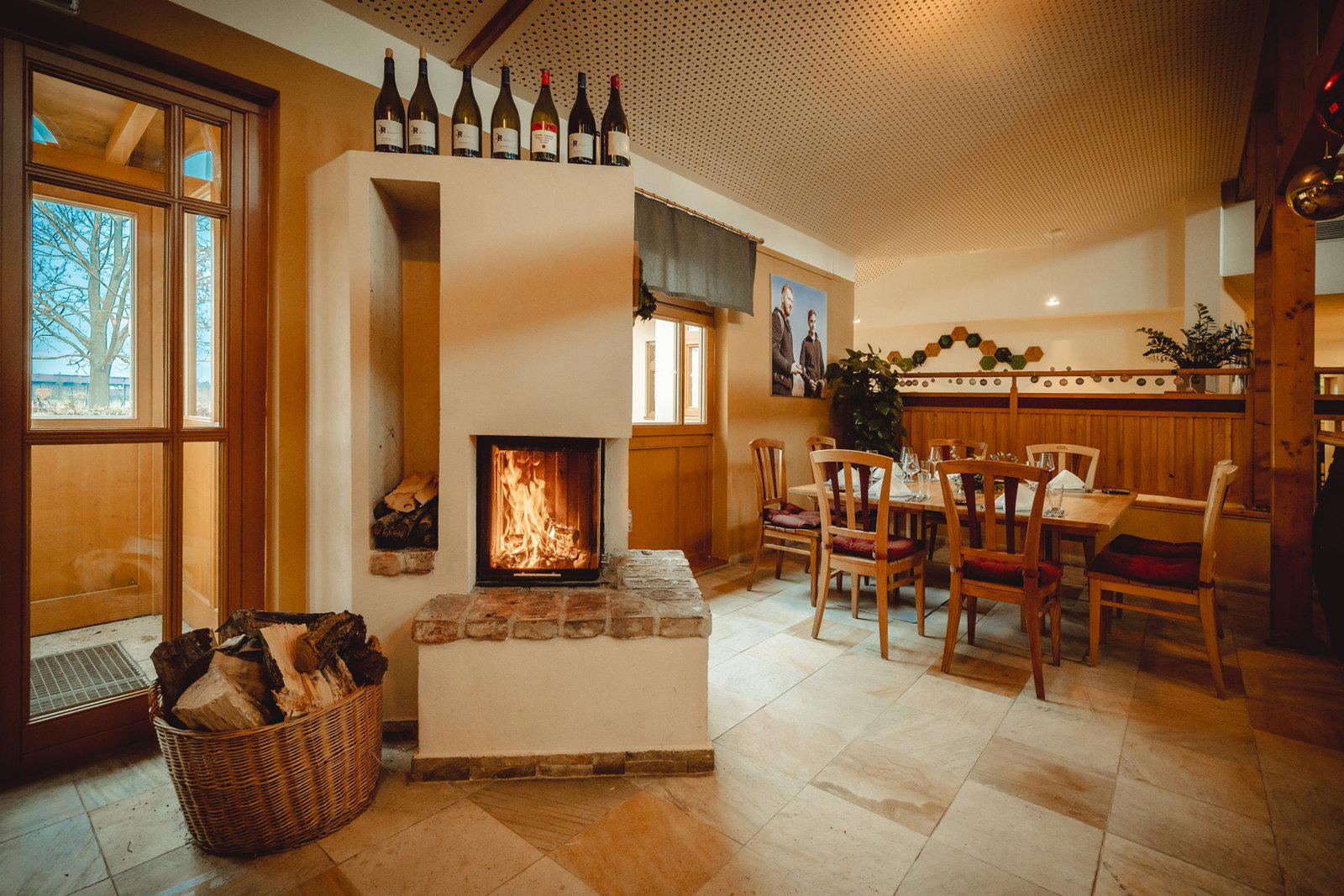
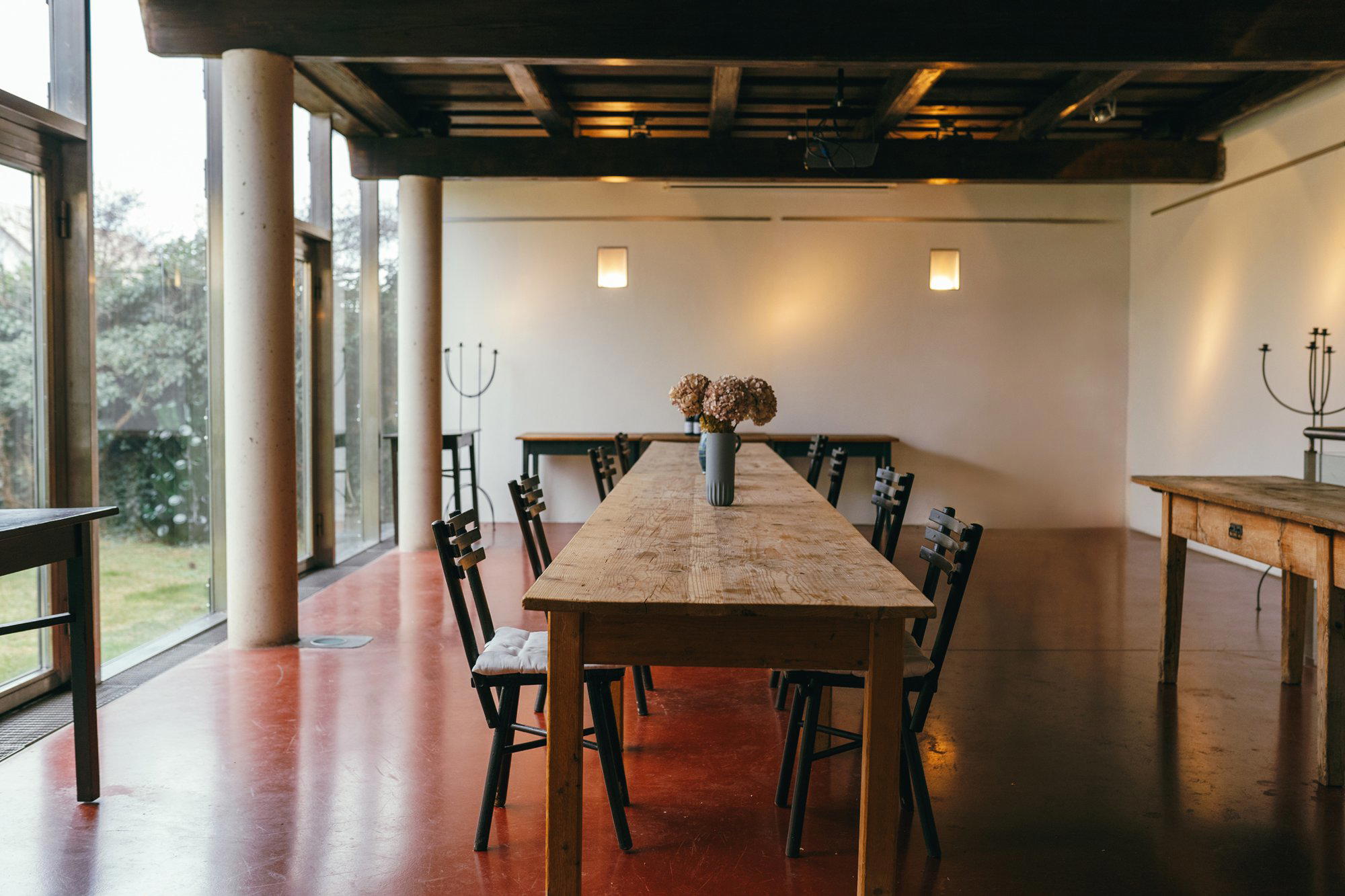
Timeless velvety green ambience combining bar, restaurant, and store elements.