
Baji Tofu is a Kyoto yakitori address in the Shijo-Karasuma orbit, selected for Tabelog 100 Yakitori WEST 2025 and earlier editions. The appeal is the compact format: counter seating, tatami rooms, charcoal-grilled chicken, and a drinks list that runs through sake, shochu, and wine without pushing the meal into luxury pricing.
Pearl is the En Primeur Club membership app — saves, bookings, and concierge access live there. Same editors, same standards.
- Address
- 587 Kikusuibokocho, Nakagyo Ward, Kyoto, 604-8154, Japan
- Phone
- +81 75-255-1311
- Website
- aquadina.com
 Saves & bookings on Pearl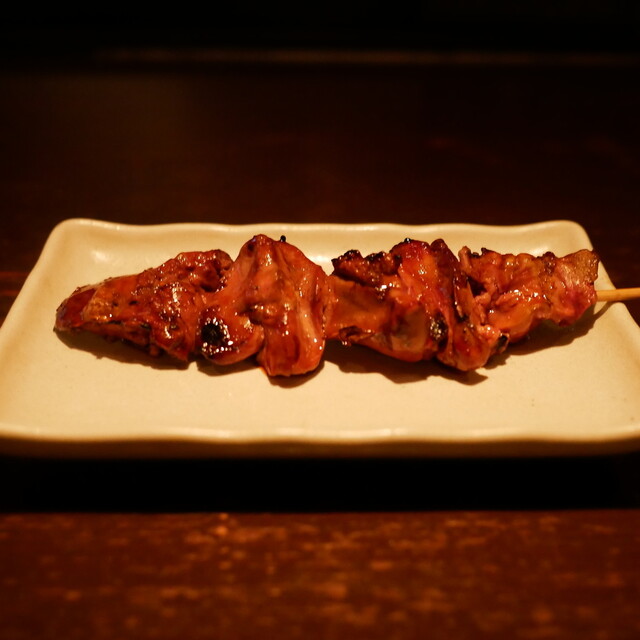
Shijo-Karasuma changes quickly after office hours. The daytime grid of banks, kimono merchants, department-store foot traffic, and subway exits gives way to smaller evening rooms where Kyoto’s less ceremonial dining culture takes over. Yakitori fits because it compresses technique into repetition: chicken cut by part, skewered for heat control, turned over charcoal, and served in a rhythm closer to a drinking counter than a formal kaiseki room.
That context matters for Baji Tofu. Kyoto visitors often chase temples, tea, tofu, and multicourse cuisine, but the city’s everyday dinner culture is just as instructive. A serious yakitori room near Karasuma does not compete with a temple-side lunch or Gion counter. It belongs to after-work Kyoto: small groups, grilled smoke, shochu, and a bill within regular-night range rather than destination splurge.
Kyoto yakitori, read through charcoal and restraint
Yakitori is often misunderstood abroad as casual chicken-on-sticks. In Japan, better rooms treat it as a grammar of cuts, timing, and seasoning. Breast, thigh, skin, cartilage, liver, and other parts behave differently over heat; the cook chooses when salt, tare, or a harder charcoal edge makes sense. The technique has roots in humble drinking culture, yet its discipline overlaps with formal Japanese cooking: economy, sequence, and attention to temperature.
Baji Tofu’s recognition in Tabelog 100 Yakitori WEST 2025 places it inside the western Japan conversation, not just Kyoto’s local dining map. The same listing history includes selections in 2024, 2023, 2019, and 2018, a useful signal in a category where consistency matters more than novelty. One season of attention can follow fashion; repeated selection suggests the room has held its place through changing tastes.
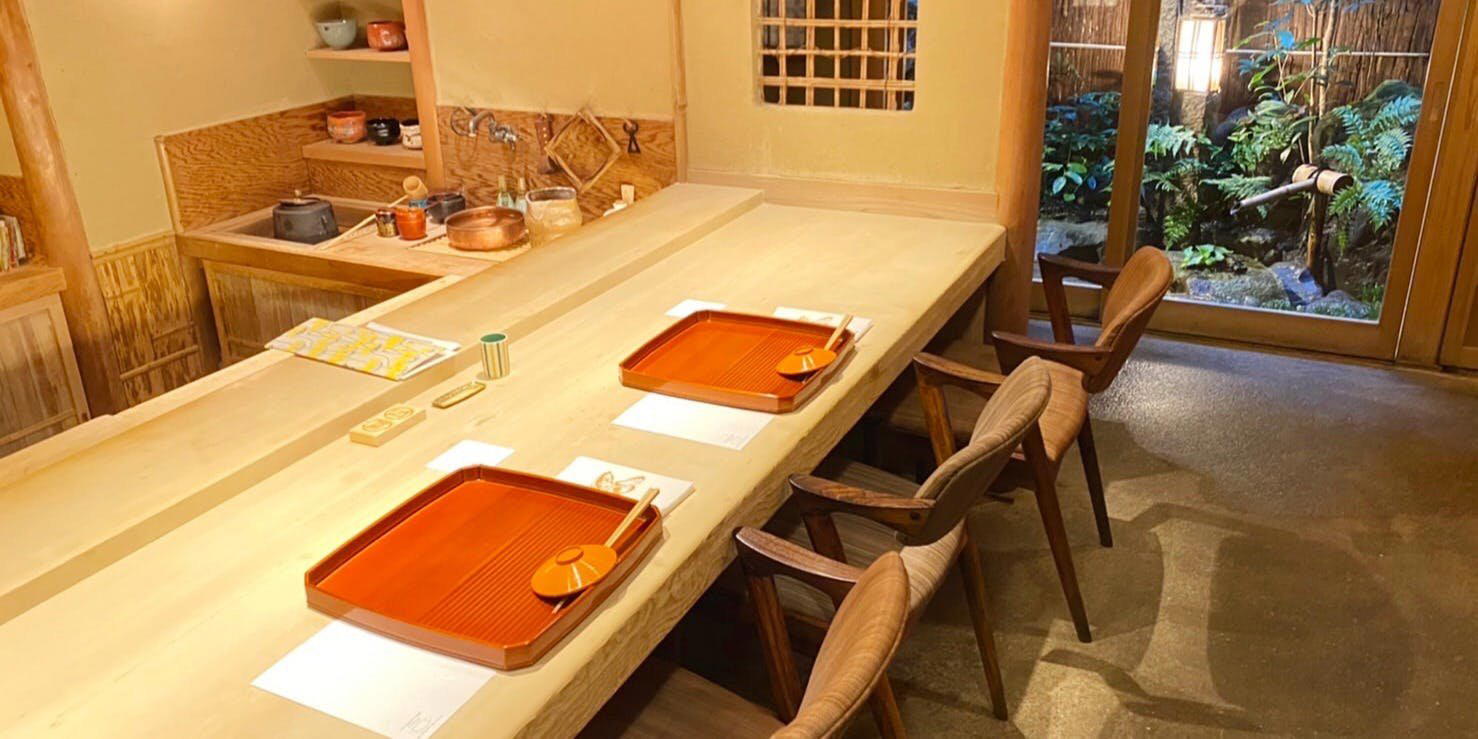
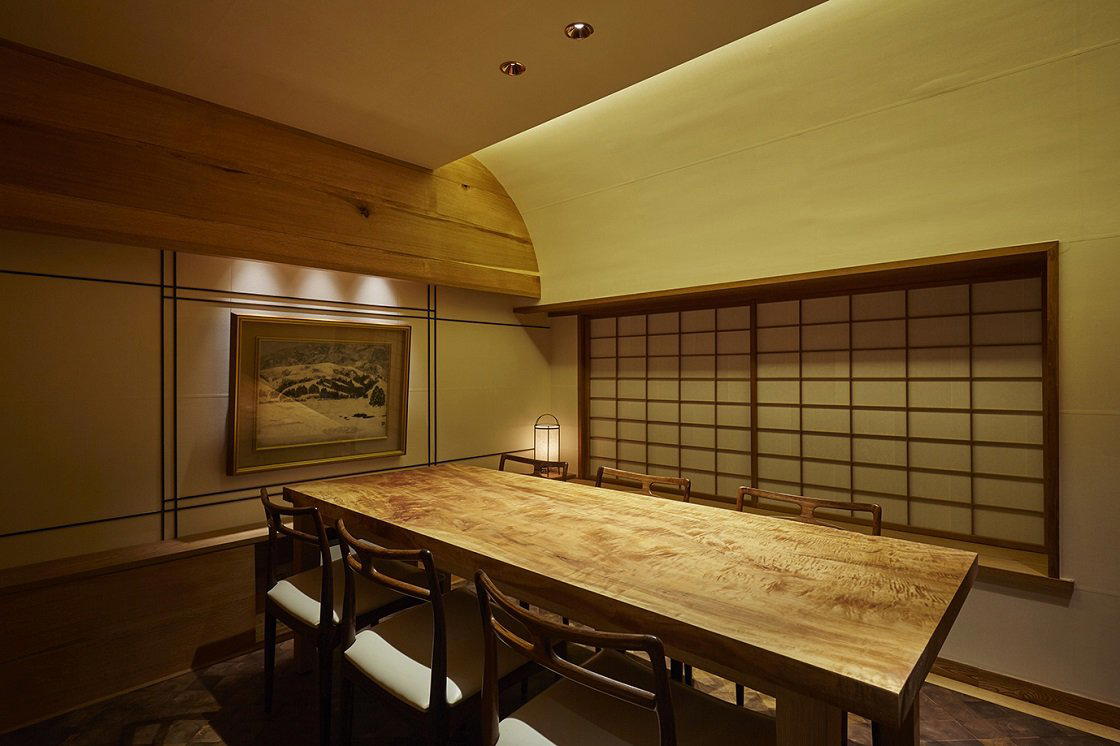
The room format reinforces that reading. Five counter seats and tatami-room seating create two versions of the same meal: close-range observation at the counter, or a more social table rhythm in the tatami rooms. That split suits Kyoto yakitori culture, where the grill may be the technical centre, but the evening often belongs to friends drinking sake or shochu over skewers. Private rooms for small parties add another Kyoto note: intimacy without fine-dining hush.
Local chicken culture meeting a broader Japanese grill vocabulary
The assigned tension is local ingredient culture and technique that travels. Yakitori’s grammar is national, but Kyoto changes the expectations around it. The city’s dining habits reward understatement, seasonality, and compact gesture. A charcoal skewer here does not need a luxury frame; it needs clean sourcing, steady fire, and confidence to let chicken parts carry the meal.
That is why the category feels distinct from nearby options. Kushiage at Kushi Tanaka works through batter, oil, and pacing; Wajo Ryo Men Sugari sits in the noodle-and-broth lane; Mescita Pane e Vino reads Kyoto through Italian wine-bar habits; Kentan Horibe belongs to a more formal Japanese tier. Baji Tofu occupies the grilled-chicken bracket, where the technical question is narrower and less forgiving: how much heat, smoke, seasoning, and when to stop.
Kyoto’s centre makes those contrasts easy across a short stay. The Shijo-Karasuma area can support a casual pork-bun stop at 551蓬莱, a sharper contemporary meal at [ki:], French cooking at Abbesses, or a local skewered dinner at 3TOKU6MI Shijo karasuma ten. For older Kyoto food rituals, Aburi Mochi Honke Nemoto Kazariya sits in a different register, built around sweet grilled rice cakes rather than a drinking-room sequence.
The drinks list points to the intended use of the room. Sake, shochu, and wine place the meal in the izakaya-adjacent tradition, while Tabelog 100 recognition separates it from a generic after-work stop. Wine alongside shochu is common in contemporary yakitori; charcoal chicken is flexible enough for Japanese spirits and international pairings without losing its native format.
How to place it in a Kyoto itinerary
The restaurant makes strongest sense as an evening meal in central Kyoto after temples, shopping streets, or hotel-lobby formality. It is not the slot for a slow ceremonial meal. It is the slot for charcoal, repeated small decisions, and a room where counter and tatami seating produce different social speeds. For travellers comparing Kyoto’s food range, the distinction is useful: kaiseki explains hierarchy and season; yakitori explains appetite, fire, and the city after dark.
The practical reading is simple. This is a compact restaurant, reservations are available, and the format suits diners comfortable with grilled chicken as the meal’s organising principle. Smoking is allowed, which matters for some travellers. Credit cards are accepted for JCB, AMEX, and Diners, while electronic money and QR-code payments are not part of the setup. Parking is unavailable, but Karasuma-Shijo is one of central Kyoto’s easier dining zones by rail.
For broader comparison before locking a dinner plan, use Our full Kyoto restaurants guide, then match the meal with Our full Kyoto hotels guide if staying near the city centre. Drink-focused itineraries can sit alongside Our full Kyoto bars guide, while slower regional planning belongs in Our full Kyoto wineries guide and Our full Kyoto experiences guide.
The wider Japan map shows how specific this Kyoto meal is. Beef sukiyaki at -Grilled beef Sukiyaki- KAMAKURA TANUKIAN 鎌倉 たぬき庵 in Kamakura, tuna and charcoal grilling at. 鮪と炭火焼き うお炭 秋葉原店 in Tokyo, café culture at.cafe in Osaka, and regional dining at.know in Kumamoto all answer different appetites. So do Vietnamese cooking at (Shoku) Vietnam in Kawasaki, curry at [Curry Senmon Ten] Maruyama Kyoju. in Sapporo, Japanese drinking culture abroad at Jōdo Saké Bar in Los Angeles, and rice-ball specialization at Onigiri Time in Pasadena. Against that spread, Kyoto yakitori at this level is not about breadth. It is a narrow craft done consistently enough to earn repeat recognition.
Cost Snapshot
Comparable venues for orientation by cuisine and category.
| Venue | Cuisine | Price | Notes |
|---|---|---|---|
| Baji TofuThis venue — the venue you are viewing | Not listed | $$ | Not listed |
| ほしぞら | Shimogyo-ku, Korean-style Yakiniku | $$ | Not listed |
| le sel | Gion-Shijo, Organic Ramen Course | $$ | Not listed |
| Umezono Cafe and Gallery | Not listed | $$ | Nakagyō, Kyoto wagashi café with matcha sweets and pancakes |
| 祇園丸山 | Higashiyama, Japanese Tea House | Not listed | Not listed |
| Yoshida Yama Seseri | Not listed | $$ | Minami, Yakitori & Izakaya Counter near Kyoto Station |
Recognition history
Dated appearances from independent guides and award organizations, with the underlying list record or original source where available.
Tabelog 100 #25 · No. 25
Tabelog · Tabelog 100 - Yakitori - WEST - 2025
Continue exploring
More in Kyoto
Restaurants in Kyoto
Browse all →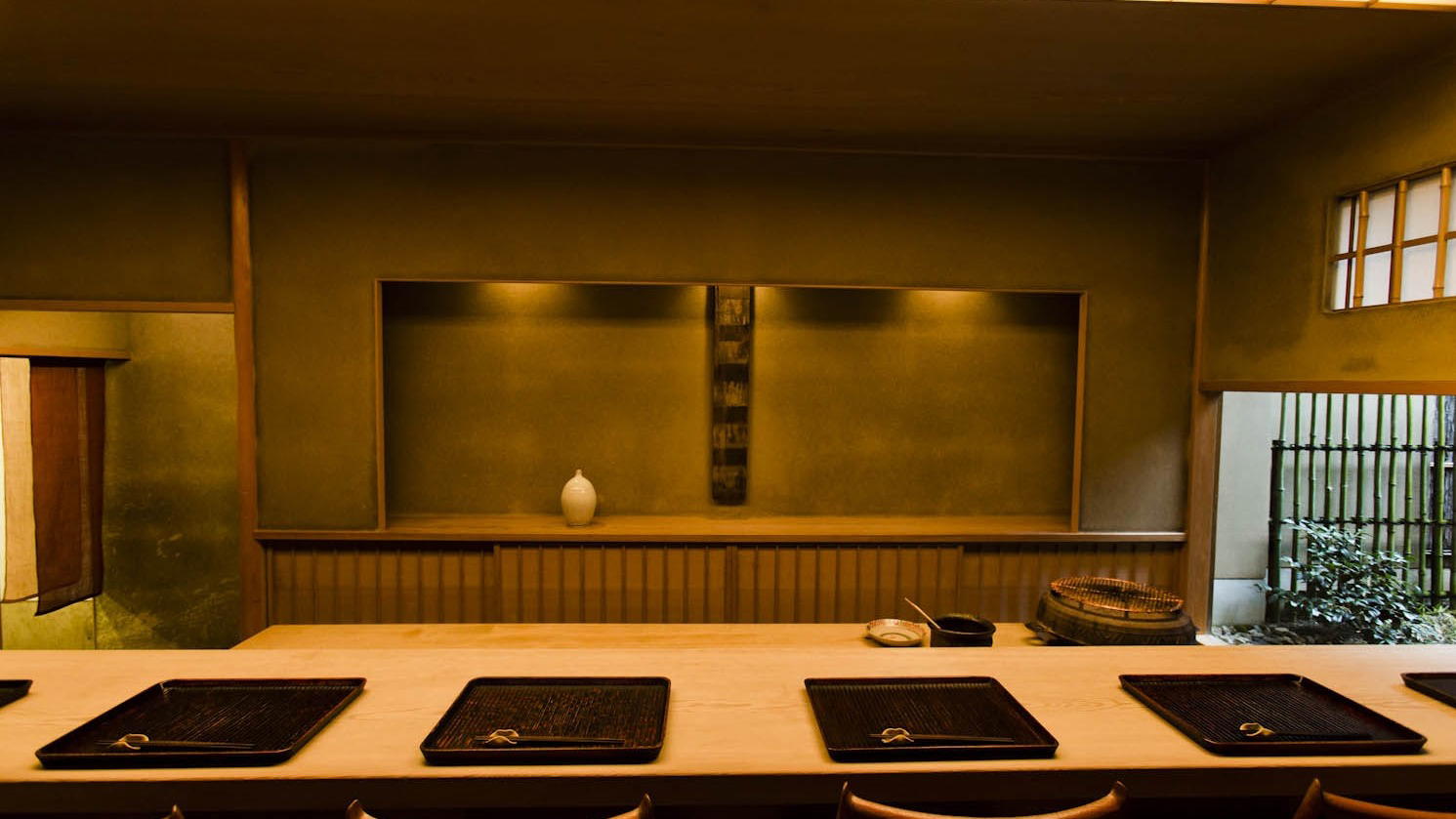
Bars in Kyoto
Browse all →
Hotels in Kyoto
Browse all →

Wineries in Kyoto
Browse all →
At a Glance
- Lively
- Cozy
- Classic
- Intimate
- After Work
- Casual Hangout
- Group Dining
- Date Night
- Solo
- Late Night
- Chefs Counter
- Standalone
- Sake Program
- Beer Program
- Local Sourcing
Current opening hours
- Monday
- 5–11 PM
- Tuesday
- 5–11 PM
- Wednesday
- 5–11 PM
- Thursday
- 5–11 PM
- Friday
- 5–11 PM
- Saturday
- 5–11 PM
- Sunday
- Closed
Hours can change for holidays and private events. Last verified .
A compact, centrally located izakaya with a modern yet classic feel, featuring counter seats facing the charcoal grill and a tatami room; the lighting is generally well-lit but warm, and the atmosphere is relaxed, lively, and convivial rather than formal.